


Nonrenewable energy is energy derived from sources that will eventually deplete, or run out, and which cannot be replenished within our lifetimes. The most widely used nonrenewable energy sources are fossil fuels, like coal, petroleum (oil), and natural gas. These carbon-based fuel sources were formed under extreme pressure more than 300 million years ago, during the Carboniferous Period. During that time, Earth was covered in shallow seas and swampy forests that teemed with plants, algae, and plankton. These organisms used photosynthesis to capture sunlight and store energy. When they died off, their remains settled at the bottoms of seas and lakes, preserving that energy. Over millions of years, layers of rock and sediment buried these remains, creating intense heat and pressure that transformed them into fossil fuels. Today, massive underground reservoirs of these energy sources exist around the globe.
Pros and Cons of Fossil Fuels

Fossil fuels are prized for being cost-effective and easy to transport and store. However, their use comes at a significant environmental cost, as burning fossil fuels emits pollutants that contaminate the air, water, and land, disrupting Earth’s natural carbon cycle, which is a delicate balance of carbon in our oceans, earth, and air. The combustion of fossil fuels emits carbon dioxide (CO2), a greenhouse gas that traps heat in Earth’s atmosphere. While the greenhouse effect is vital for life, the excess of CO2 produced by fossil fuels throws the planet’s carbon cycle off and accelerates global warming beyond the rate at which Earth’s ecosystems can successfully adapt.

Coal
Coal, a black or brownish sedimentary rock that is burned and used to produce energy, is classified based on the level of carbonization it has undergone. Peat is the lowest grade of coal and is used as a major source of fuel in many parts of the world, including in Scotland, Ireland, and Finland. At the opposite end of the spectrum is anthracite, the highest grade of coal. Anthracite formed in regions of significant geological activity, including the Appalachian Mountains in the U.S.
In order to use it, coal must first be extracted from the earth. Underground mining and surface mining are two methods of extracting this valuable fossil fuel. Underground mining, used for deep coal deposits, some as deep as 1,000 feet below the Earth’s surface, involves miners using specialized heavy machinery in potentially hazardous conditions due to the presence of explosive gases. Surface mining, suitable for shallow coal deposits, requires clearing away trees, vegetation, and topsoil before cutting the coal from Earth’s surface. Surface mining may seem more accessible, but it often destroys local ecosystems and wildlife habitats.
In the U.S., coal is used to generate nearly 20% of the country’s electricity, powering everything from lights to appliances. The burning of coal also produces useful byproducts that are key elements in the manufacturing of cement, plastics, and roads.
Coal, introduced as a valuable source of energy during the Industrial Revolution of the 18th century, has been integral to the advancement of many different technologies, including steam engines, electricity, home heating, charcoal grilling and steel manufacturing. But the environmental and human cost of using coal is quite high. Coal mining is among the most dangerous professions and exposes miners to health and safety hazards. Mining operations can lead to land subsidence and underground fires lasting decades. And burning coal emits pollutants and toxic gases into our atmosphere.
Petroleum
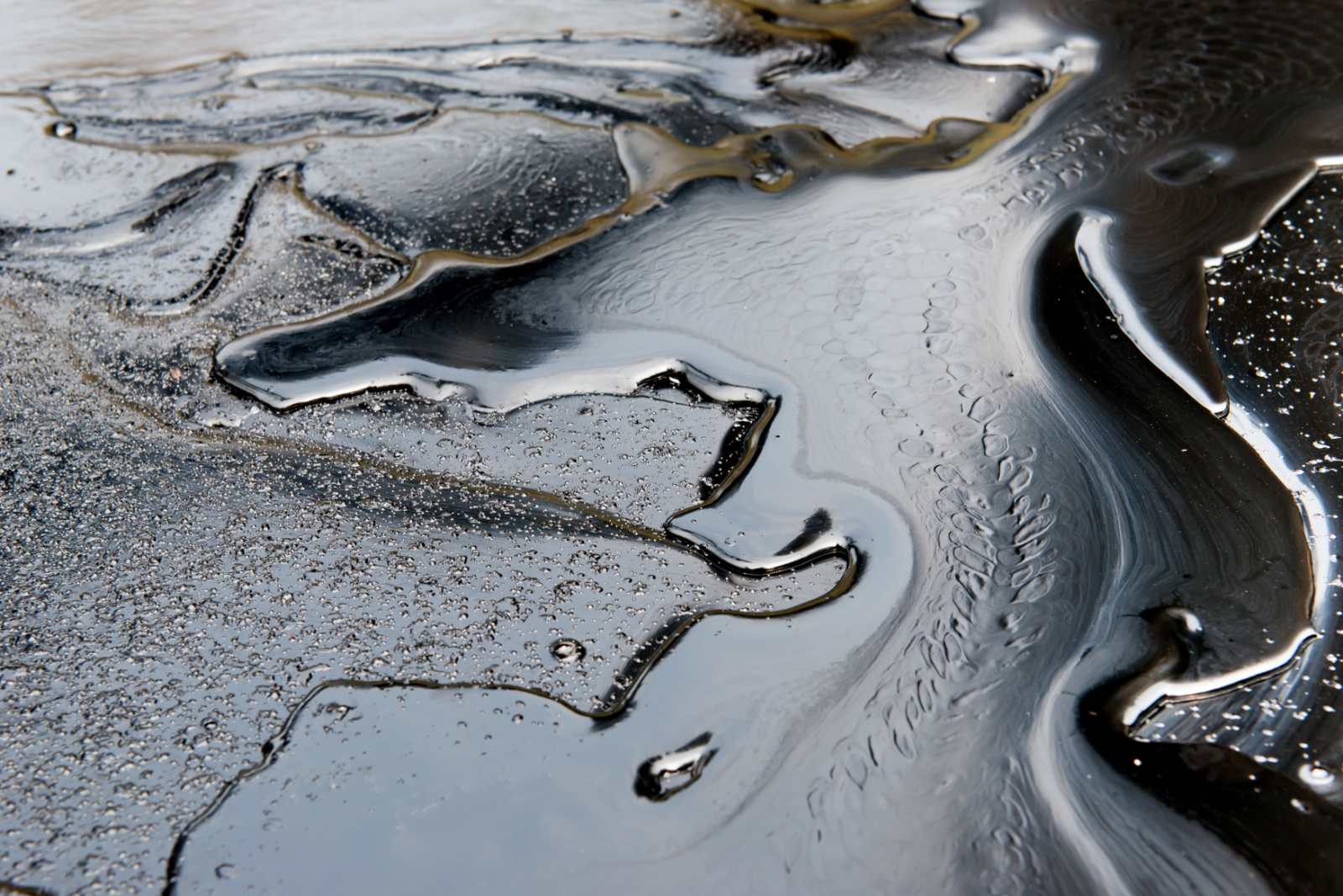
Petroleum, also referred to as oil or crude oil, is a liquid fossil fuel that is trapped beneath rock layers. In rare circumstances, petroleum can be found bubbling up out of Earth’s surface. One famous example of this is the La Brea Tar Pits in Los Angeles, California, where oil seeps to the surface; as components of the oil evaporate, it thickens and becomes asphalt. Thousands of years ago, tar pits such as this would trap animals, preserving their remains in the thick tar.
Far more often, companies need to drill deep into the earth, on land or beneath the ocean, to access petroleum. Offshore, underwater oil extraction requires massive oil platforms to be constructed. Once an oil rig is set up, petroleum can be extracted continually for upward of 30 years. After the oil is drilled out and piped to the surface, it is refined to remove various chemicals.
About half of all petroleum we extract becomes gasoline. The rest is further processed and used in the manufacturing of everyday products such as nail polish, rubbing alcohol, plastic pipes, shoes, crayons, roofing materials, and vitamin capsules. Oil is a cost-effective, reliable energy source and a significant economic driver. Its portability makes it especially useful. However, burning gasoline produces pollutants that deteriorate air quality. And oil spills, especially in oceans, are of grave concern and can be catastrophic for ecosystems and wildlife.
Natural Gas
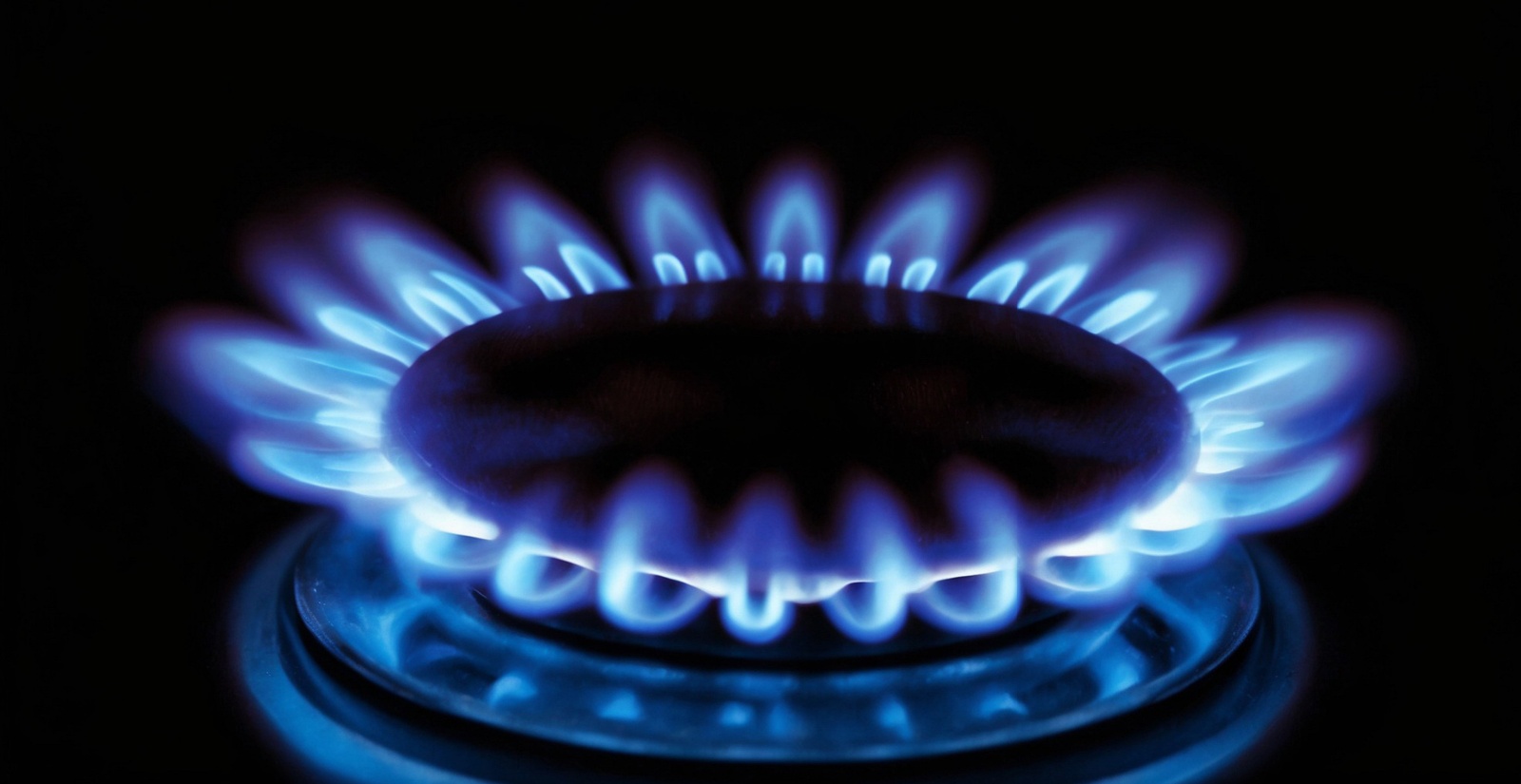
Natural gas is primarily made up of methane and is found in underground rock formations. Natural gas reserves can be vast, some measuring as much as millions to trillions of cubic meters. To access natural gas, companies drill into the earth. In many cases, hydraulic fracturing (fracking) is used to tap into underground reserves, involving injecting high-pressure water to fracture rock and release the gas. Sometimes, acid or sand is also used to aid the process.
Natural gas is used for heating and cooking and to generate electricity, powering common household items including stoves, TVs, and air conditioners. It can also be converted to liquefied natural gas (LNG), which is more compact and burns cleaner than other fossil fuels. LNG is used in gas grills and can even be used as an effective alternative to gasoline. Natural gas is relatively inexpensive to extract and cleaner than other types of nonrenewable energy sources. When burned, it releases only CO2 and water vapor, the same gases we naturally exhale. Still, natural gas extraction relies on fracking, which can trigger minor earthquakes and pollute water supplies through chemical leaks, making it an environmental concern despite its cleaner combustion.
Important Energy and Fuel Terms to Know

- Biomass Energy: Energy made by burning organic materials, such as wood, plant matter, or animal waste, to produce heat or electricity
- Byproduct: A secondary material or result that comes from making or using something else, often left over or reused
- Carbon Budget: The balance of carbon stored in the earth, oceans, and atmosphere. It helps keep Earth’s climate stable.
- Carbon Dioxide (CO2): A gas released when people or animals breathe out and when fossil fuels, such as coal or oil, are burned. It helps trap heat in the atmosphere.
- Carbonization: The process by which plant materials are very slowly turned into coal through the application of heat and pressure over millions of years
- Climate Change: Long-term changes in weather patterns and global temperatures, often caused by increased greenhouse gases as a result of fossil fuel consumption
- Coal: A black or brown rock formed of carbonized plant matter, burned to produce energy
- Combust: To burn something to release heat or energy
- Electricity: A form of energy used to power lights, devices, and machines. It flows through wires to homes and businesses.
- Emit: To release
- Fossil Fuel: Energy sources formed from ancient plants and animals buried underground. Common fossil fuels include coal, oil, and natural gas.
- Fracking (Hydraulic Fracturing): A method of extracting oil or natural gas from rocks underground by blasting water, sand, and chemicals into the rock layer
- Gasoline: A petroleum-based liquid fuel used to power cars and other vehicles
- Greenhouse Effect: The warming of Earth caused by greenhouse gases in the atmosphere that trap heat, like a blanket
- Greenhouse Gas: Gases like carbon dioxide and methane that trap heat in Earth’s atmosphere and contribute to climate change
- Liquefied Natural Gas (LNG): Natural gas that’s been cooled into a liquid form, making it easier to store and transport
- Methane: A gas that’s part of natural gas and is also produced by decaying plants and animals. It traps heat even more than carbon dioxide.
- Natural Gas: A fossil fuel found underground, mostly made of methane, used for heating, cooking, and electricity
- Nonrenewable Energy: Energy that comes from sources that can run out, like fossil fuels, and takes millions of years to form. Nonrenewable resources cannot be replenished.
- Nuclear Energy: Power made by splitting atoms in a process called nuclear fission. It produces a lot of energy without greenhouse gases but creates radioactive waste.
- Peat: A soft, spongy organic material made of partly decayed plants, often used as fuel in some countries
- Petroleum: Also known as crude oil, it’s a thick liquid fossil fuel used to make gasoline and many everyday products.
- Renewable Energy: Energy that comes from natural sources that don’t run out, like sunlight, wind, or water
Additional Reading on Nonrenewable Energy

- Energy Sources: Nonrenewable
- The Cost of Nonrenewable Energy Resource Reliance and Depletion
- Renewable or Nonrenewable?
- Nonrenewable Energy Sources: Formation and Consumption
- Understanding Nonrenewable Resources
- Nonrenewable, Renewable, and Exhaustible Resources
- Nonrenewable Fuels: Fossil Fuels and Nuclear Fuels
- Fossil Fuel Energy Consumption
- World Energy Consumption
- Barbecue Grills and Smokers
- Energy Production and Consumption