
Grilling is a favorite cooking method for many people, especially during warmer months. Whether you’re making burgers, ribs, or vegetables, grilling brings out unique flavors that other cooking methods don’t. But not all grills are created equal. Charcoal and gas BBQ grills cook food in different ways, and understanding the physics behind each can help you choose the best option for your needs.

Methods of Heat Transfer
Grilling relies on three main types of heat transfer: conduction, convection, and radiation. Each plays a role, but the amounts vary depending on the type of grill.
- Conduction is the transfer of heat through direct contact. On a grill, this happens when food touches the metal grates. The hot metal sears the food’s surface, creating grill marks and starting the cooking process.
- Convection is heat transfer in a fluid, such as air or steam. In grills, the hot air circulates the food, gradually cooking it. Gas grills tend to rely more on convection than charcoal barbecue grills.
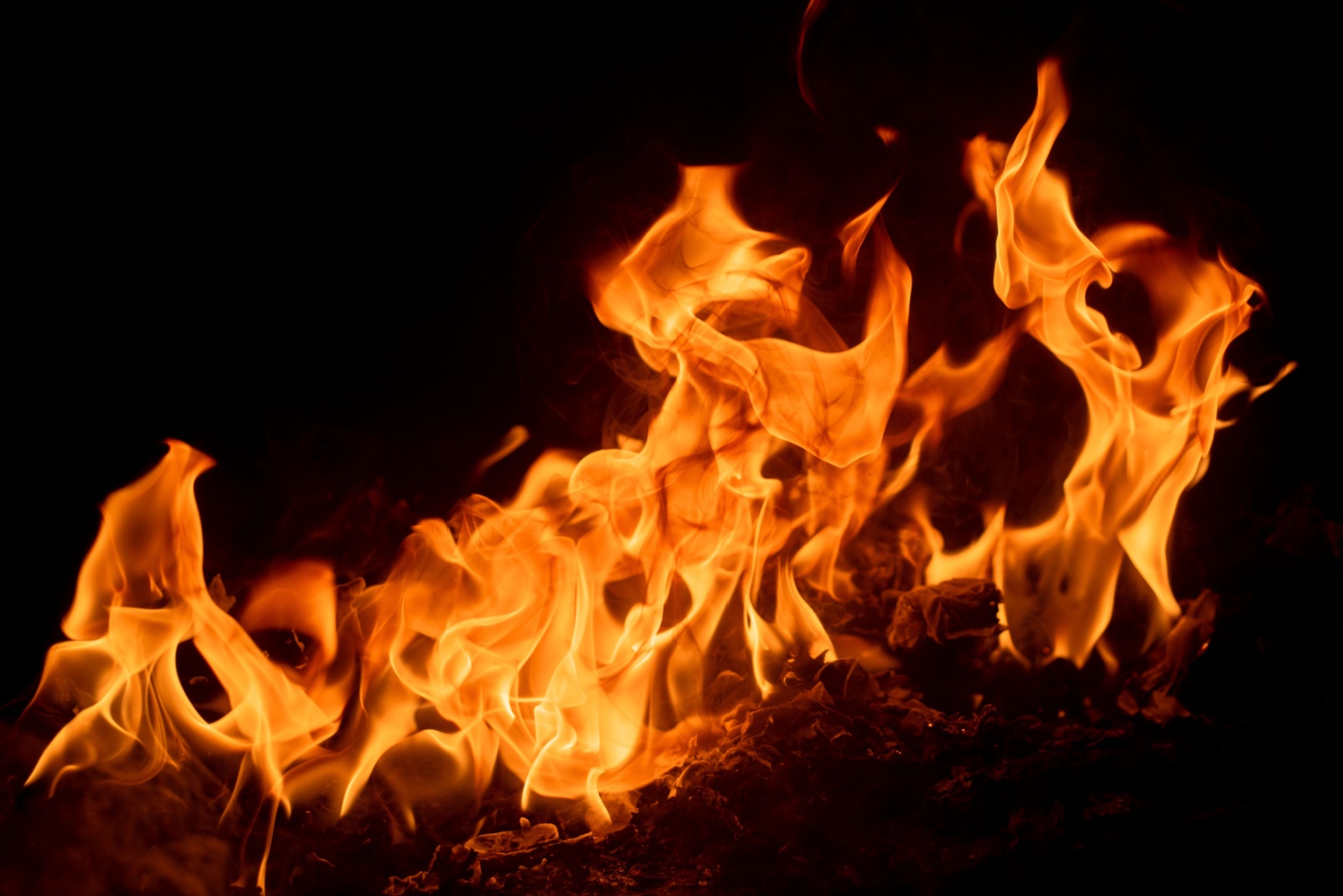
- Radiation is the transfer of heat through electromagnetic waves. It doesn’t need direct contact or movement of air. Infrared radiation from hot coals or flame elements is a powerful force behind grilling, especially with charcoal.
How Food Cooks on a Charcoal Grill

Charcoal grills produce heat mainly through burning charcoal briquettes or lump charcoal. As the charcoal burns, it emits infrared radiation, which transfers heat to the food. The coals also heat the metal grates, which then cook the food through conduction.
One thing that makes charcoal grills unique is the high-intensity radiant heat they produce. The coals get extremely hot, often hotter than gas burners, and that strong radiation gives grilled food a signature smoky sear. Charcoal also adds flavor because the drippings from food vaporize on the hot coals, creating smoke that sticks to the food.
How Food Cooks on a Gas Grill

Gas grills typically run on propane or natural gas and use burners to create flames. Above the burners are metal plates or ceramic briquettes that spread the heat and reduce flare-ups. These components get hot and emit infrared radiation, but not quite as much as charcoal does. The rest of the heat comes from convection, as hot air moves through the grill and around the food.
Gas grills heat up quickly and allow precise temperature control using knobs that adjust the flame level. While they don’t produce as much smoke or intense radiation as charcoal grills, they’re consistent and easy to use. Some high-end gas grills also include special infrared burners to mimic the effect of charcoal cooking.
Pros and Cons of Charcoal and Gas Grills
Charcoal Grills

|
Pros |
Cons |
|---|---|
|
Produce very high heat for excellent searing |
Take 15 to 30 minutes to reach cooking temperature |
|
Add a smoky, rich flavor from burning coals |
Manual temperature control that requires adjusting the airflow and moving around the coals |
|
Portable and often more compact |
Cleanup involves dealing with messy ash |
|
Traditional, hands-on grilling experience |
Charcoal refills increase long-term cost |
Gas Grills

|
Pros |
Cons |
|---|---|
|
Quick to heat, taking only 5 to 10 minutes to reach cooking temperature |
Lack the deep smoky flavor of charcoal |
|
Easy, precise temperature control with knobs |
Often bulkier and less portable |
|
Clean operation with minimal mess |
May not reach the same peak temperatures as charcoal grills |
|
Lower fuel cost over time |
Contain parts that may need maintenance or replacement |
Which Type of Grill Is Better?

Both types of grills have their pros and cons, so the best barbecue grill for you will depend on what you care about most. If flavor is your top priority and you enjoy the hands-on process of managing heat, a charcoal grill might be the better choice. The smoky aroma and intense heat create a bold taste that’s hard to match. On the other hand, if you want speed, convenience, and control, gas grills are a solid choice. They’re great for cooking quick weeknight dinners or when you want consistent results without much effort.
In the end, both types of grills use the same physical principles to cook food, but the way each grill applies those principles changes the cooking experience and the outcome. Knowing the science behind grilling can help you get the most out of your grill, no matter which type you choose.
- Barbecue Science: The Physics and Chemistry of Cooking Over an Open Flame
- What Is Convection in Cooking?
- A Tasting of Culinary Science: Heat Transfer
- Explaining Methods of Heat Transfer
- Barbecue Grills and Smokers
- Charcoal vs. Gas Grilling: Which Is Right for You?
- The Thrill of the Grill: Tips for Successful Grilling