

Guide to Buying an Infrared Grill
Infrared grills have become increasingly popular with backyard cooks who want intense heat, fast preheating, and the kind of deep, flavorful sear usually associated with restaurant kitchens. Unlike a conventional gas burner that relies heavily on heating the air inside the grill, an infrared cooking system uses a heated surface to transfer a large amount of radiant heat directly toward the food.
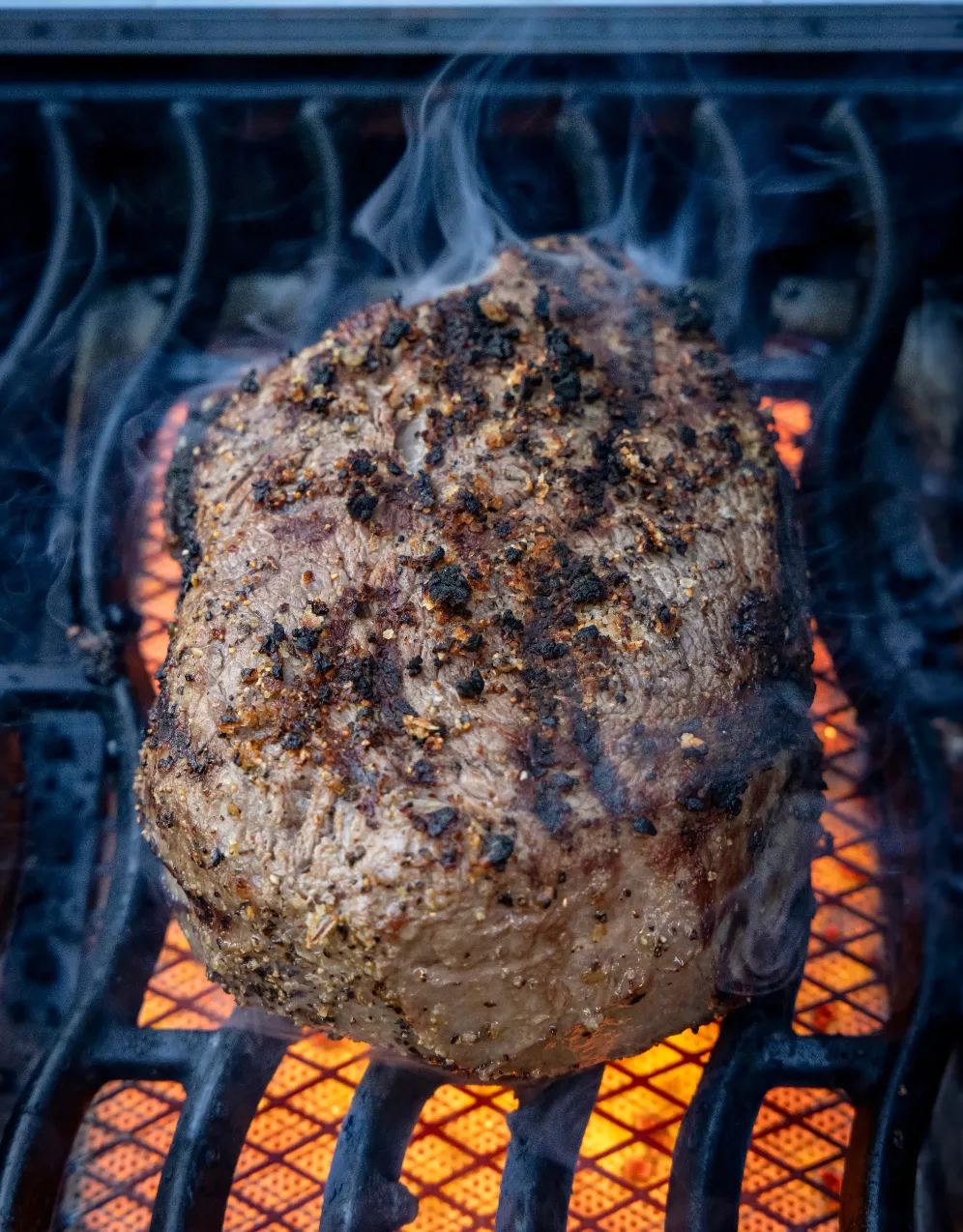
That difference can make a noticeable impact when you’re cooking steaks, chops, burgers, and other foods that benefit from a hot, fast sear. Infrared burners can reach extremely high temperatures and recover heat quickly, making them particularly useful when you want a deeply browned exterior without spending a long time over the grill.
However, infrared cooking isn’t automatically better for every type of food or every grilling style. The same intense heat that makes an infrared burner excellent for searing can also make it less forgiving when you’re cooking delicate foods or trying to maintain low temperatures.
So, is an infrared grill right for you?
This guide explains how infrared grilling works, its advantages and limitations, the different infrared systems available, the types of infrared grills you can buy, and what to consider before making an investment.
01
What is an Infrared Grill?
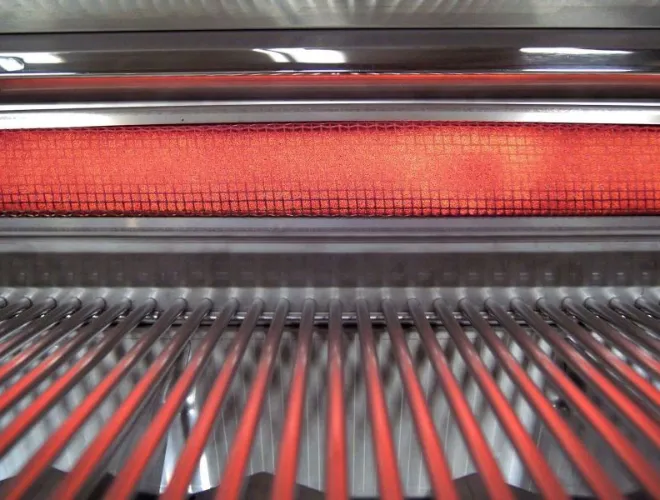
If you’ve ever wondered how some grillers achieve an exceptionally dark, restaurant-style crust on a steak, infrared cooking may be part of the answer.
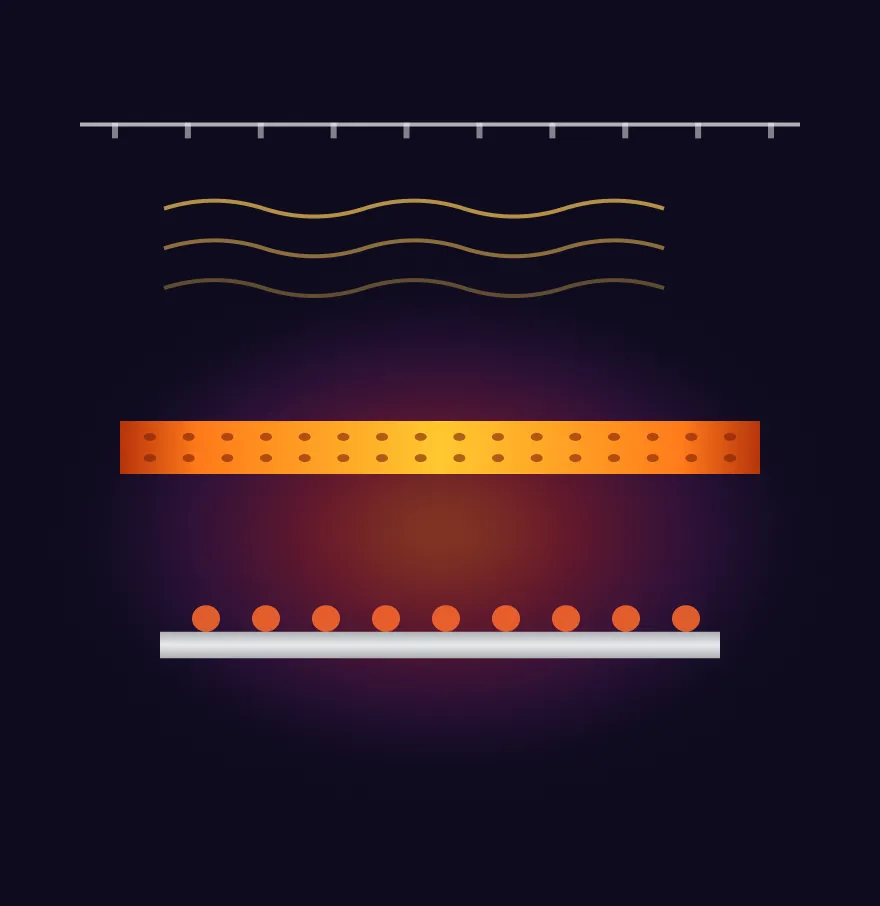
An infrared grill uses radiant heat to transfer energy from a heated surface to the food. The infrared energy itself is invisible, but the effect is familiar: just as you can feel warmth from the sun without the surrounding air being equally hot, a heated infrared element can transfer energy directly to the cooking surface and the food.
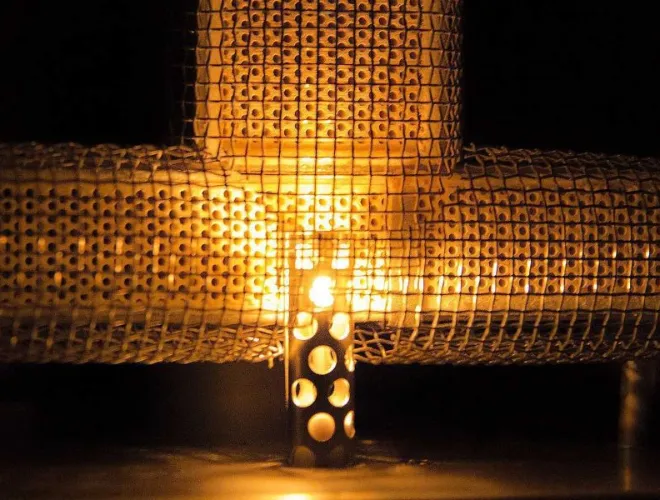
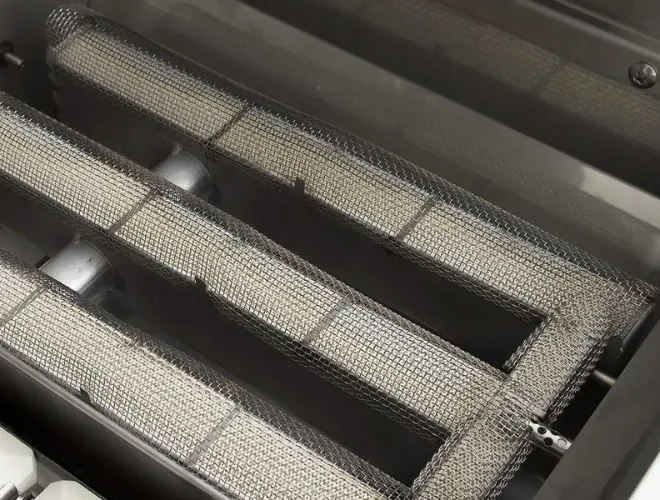
The exact design varies by manufacturer. Some infrared systems use ceramic plates or emitters, while others use stainless steel burners, metal panels, glass, or other radiant surfaces. In each case, the basic principle is similar: a burner or heating element raises the temperature of an emitter, which then radiates heat toward the food.
To cook the food
Standard grills work primarily by
Heating the surrounding air
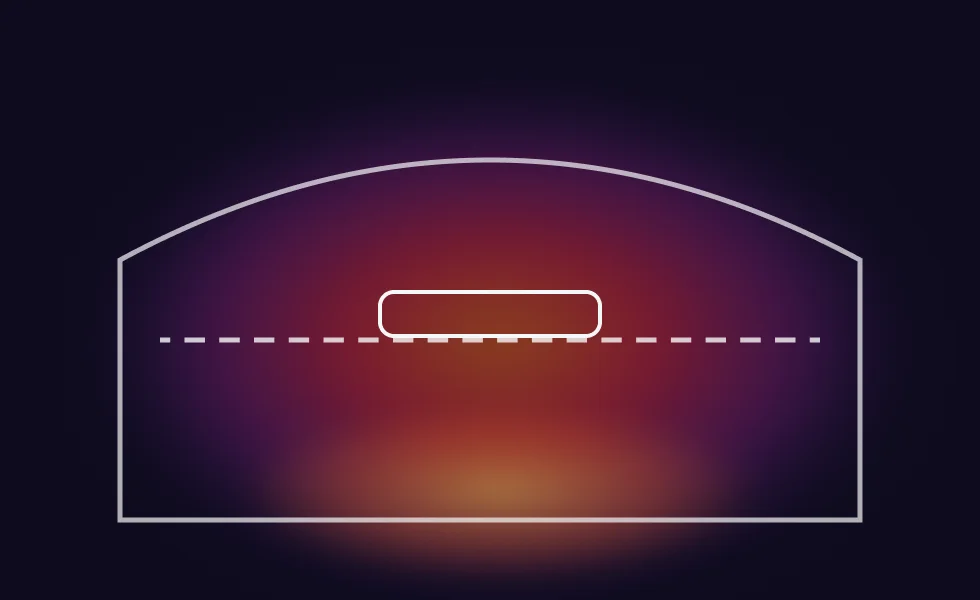
A conventional gas grill uses burners to generate heat inside the cooking chamber. That heat is transferred to the food through a combination of conduction, convection, and radiant heat.
Infrared grills emphasize
Radiant heat
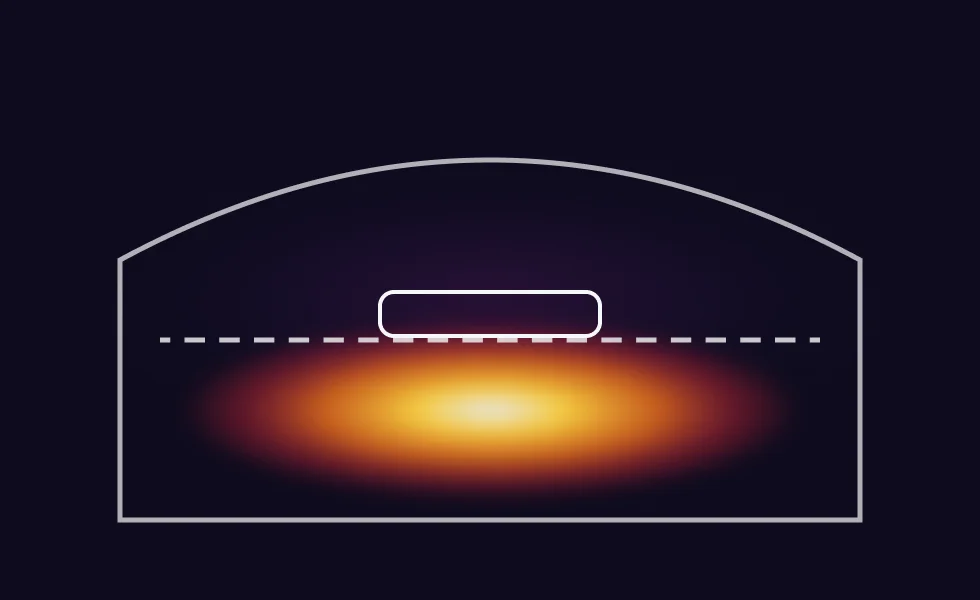
The heated infrared emitter sends radiant energy toward the food. Because the system can concentrate a great deal of heat on the cooking surface, infrared burners can reach searing temperatures quickly.
This does not mean that an infrared grill eliminates convection entirely. Hot air is still present inside the grill, and the food can still receive heat through several methods at once. The difference is that radiant heat plays a much larger role.

One of the biggest practical advantages is speed.
Many infrared burners can reach cooking temperature in just a few minutes, although the actual preheat time depends on the grill design, burner output, weather conditions, and the temperature you’re trying to achieve.
Infrared cooking is also a completely normal form of heat transfer. Infrared radiation is part of the electromagnetic spectrum and is naturally produced by hot objects, including flames, charcoal, metal, and ceramic cooking surfaces.
Infrared


flames

charcoal

metal

ceramic cooking surfaces
The important thing to remember is that infrared does not mean healthier or inherently better food.
Its primary advantage is the way it delivers heat.
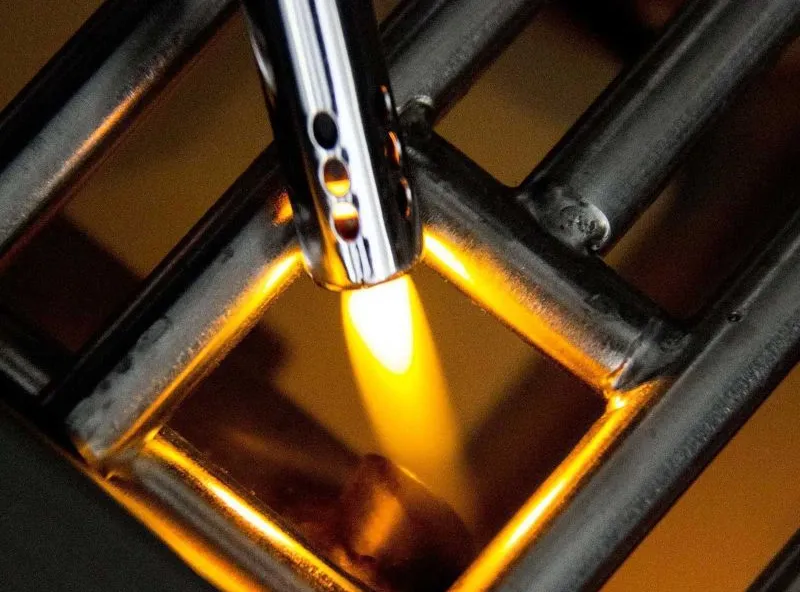
With the right technique, that intense radiant heat can produce excellent browning and searing while allowing you to spend less time waiting for the grill to become ready.
Benefits of an Infrared Grill
Infrared grills have developed a reputation for fast, powerful cooking, and there are several reasons for that.
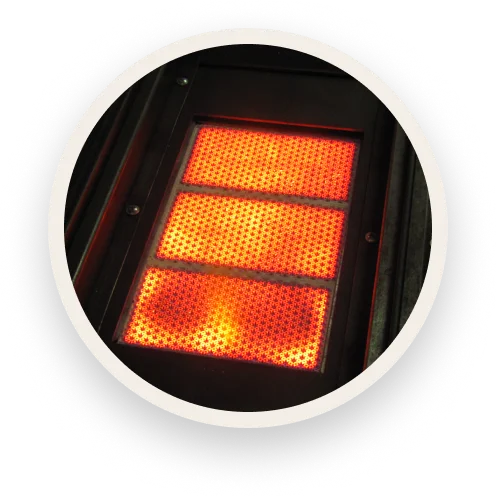
Quick preheat
One of the first things you’ll notice with a strong infrared burner is how quickly it becomes ready for cooking.
Because the system heats a dedicated radiant surface rather than relying entirely on the air inside the grill, it can reach high cooking temperatures rapidly. Depending on the grill and burner design, a usable searing temperature may be reached within just a few minutes.
That can be particularly convenient when you’re preparing a weeknight dinner and don’t want to spend a long time waiting for the grill to heat.
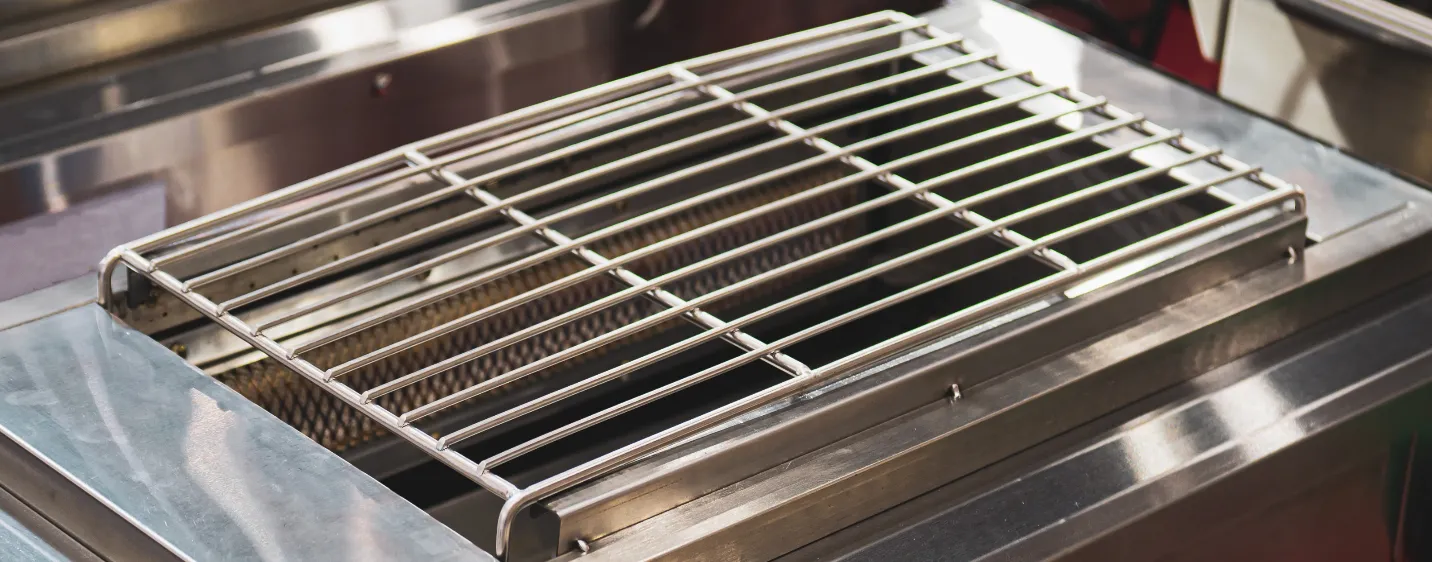
Preheating is still important, however. An infrared grill should reach the manufacturer’s recommended temperature before food is added so the cooking surface has time to heat evenly.
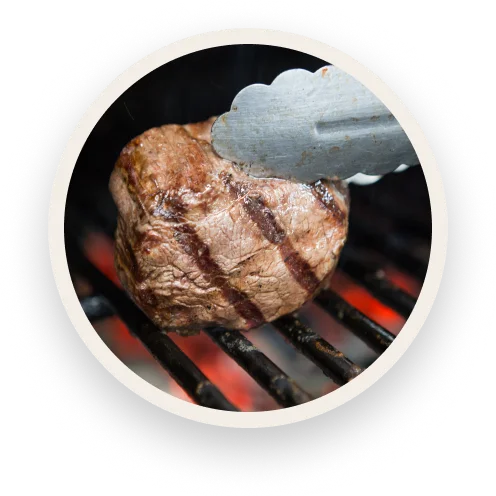
High heat for searing
High-temperature searing is where infrared grilling really stands out.
Many infrared burners are capable of producing extremely intense heat, making them particularly effective for steaks, chops, burgers, and other foods where you want rapid browning on the outside.
A hot cooking surface promotes the browning reactions responsible for the complex flavors and aromas associated with a well-seared piece of meat. The key is not simply reaching the highest possible temperature, but using that heat deliberately.
A steak can develop a substantial crust very quickly on an infrared burner, so timing becomes important. Keep an eye on the food rather than relying solely on a timer.
Potentially more efficient cooking
Infrared systems can be efficient in the sense that they transfer a significant amount of heat directly toward the cooking surface and food.
They can also reach high temperatures quickly, reducing the amount of time spent preheating. Depending on the grill’s design and how you use it, that may reduce fuel consumption compared with running a conventional grill for a longer period.
However, fuel efficiency varies considerably from one grill to another. Burner design, insulation, cooking temperature, outside weather, cooking time, and how frequently the lid is opened all affect actual fuel consumption.
- 01burner
design - 02insulation
- 03cooking temperature
- 04outside
weather - 05cooking
time - 06how frequently the lid is opened
For that reason, it’s better to view efficiency as a potential advantage rather than assuming that every infrared grill automatically uses less fuel.
Faster cooking
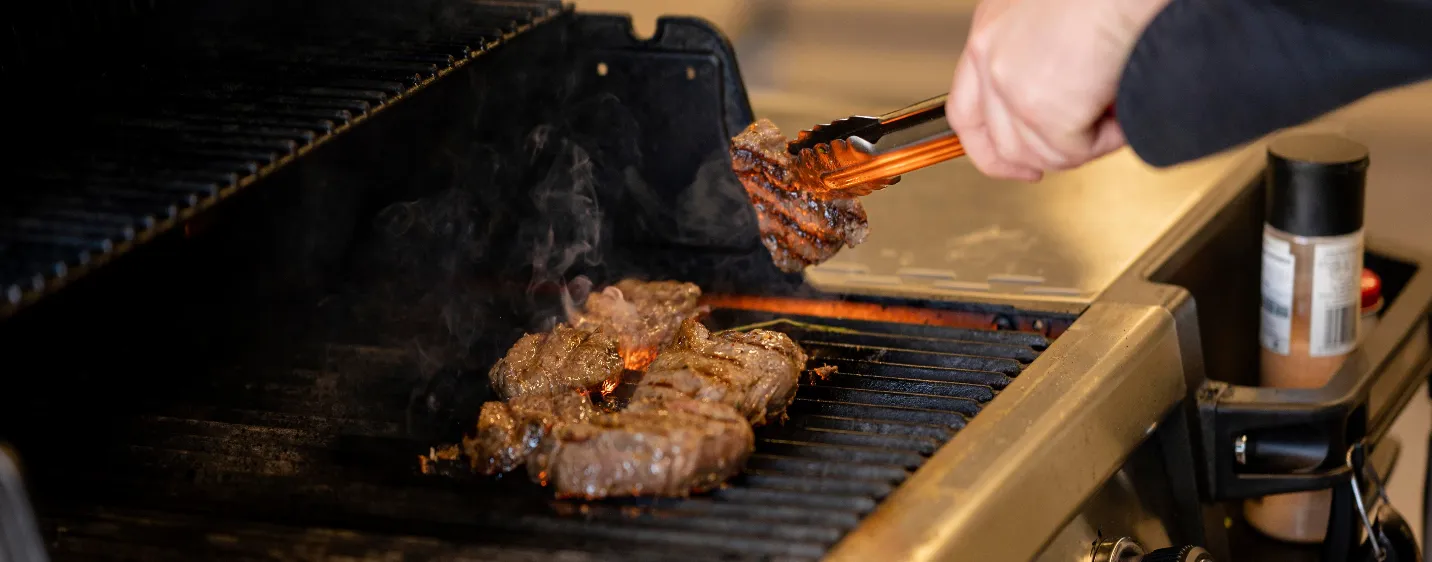
The intense heat produced by an infrared burner can dramatically shorten cooking times for foods suited to high-temperature grilling.
Steaks and chops, for example, can develop a deeply browned exterior in a relatively short amount of time. This makes infrared particularly appealing to people who enjoy fast, high-heat cooking.
The trade-off is that faster cooking leaves less room for error.
A conventional grill can sometimes give you a little more time to react when food starts browning too quickly. With infrared, the difference between beautifully seared and overdone can happen much faster.
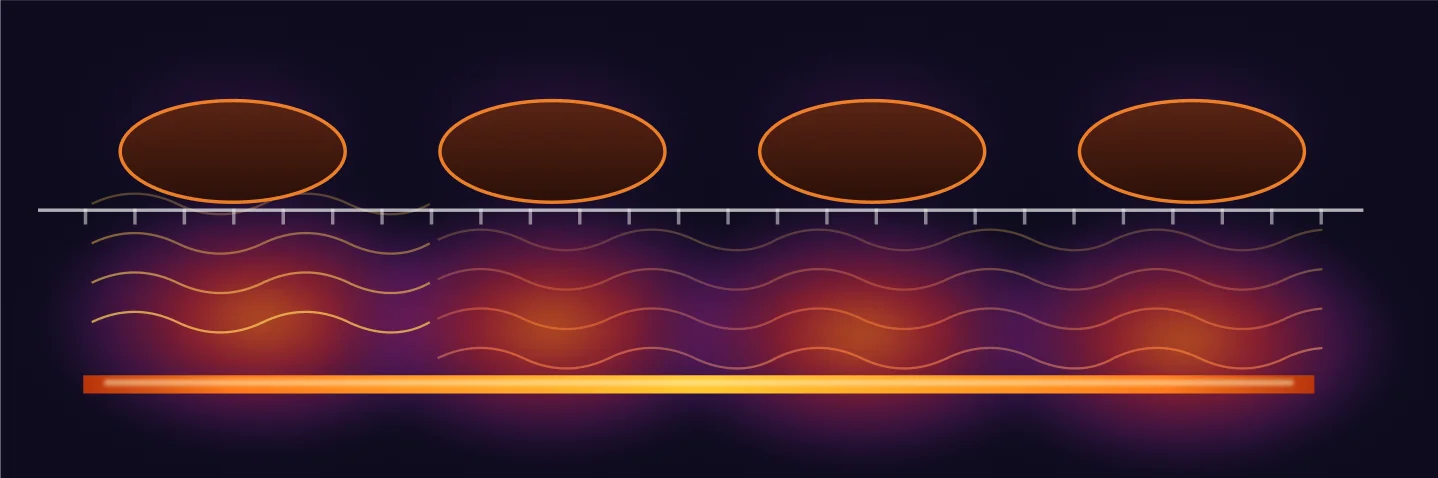
Even, consistent heat
Another major attraction of infrared cooking is the potential for consistent heat across the cooking surface.
A well-designed infrared system distributes radiant heat through its emitter and cooking surface, helping reduce some of the temperature variation that can occur around conventional burners.
That said, no grill is perfectly uniform. The shape of the burner, emitter, grate, wind conditions, preheat time, and food placement can all influence the temperature in different areas.

A quality infrared grill should still give you useful temperature zones, but it’s worth learning where the hottest areas are on your specific model.
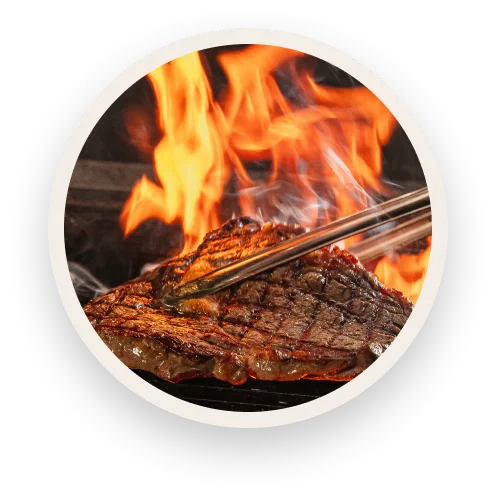
Fewer flare-ups in some designs
Infrared systems can reduce certain types of flare-ups because the flame is separated from the food by the infrared emitter.
When fat or juices fall from food, they may land on a very hot emitter rather than directly into an exposed gas flame. Depending on the design, those drippings can vaporize quickly rather than producing the large flames commonly associated with conventional burners.
This does not mean infrared grills are completely flare-up-proof.
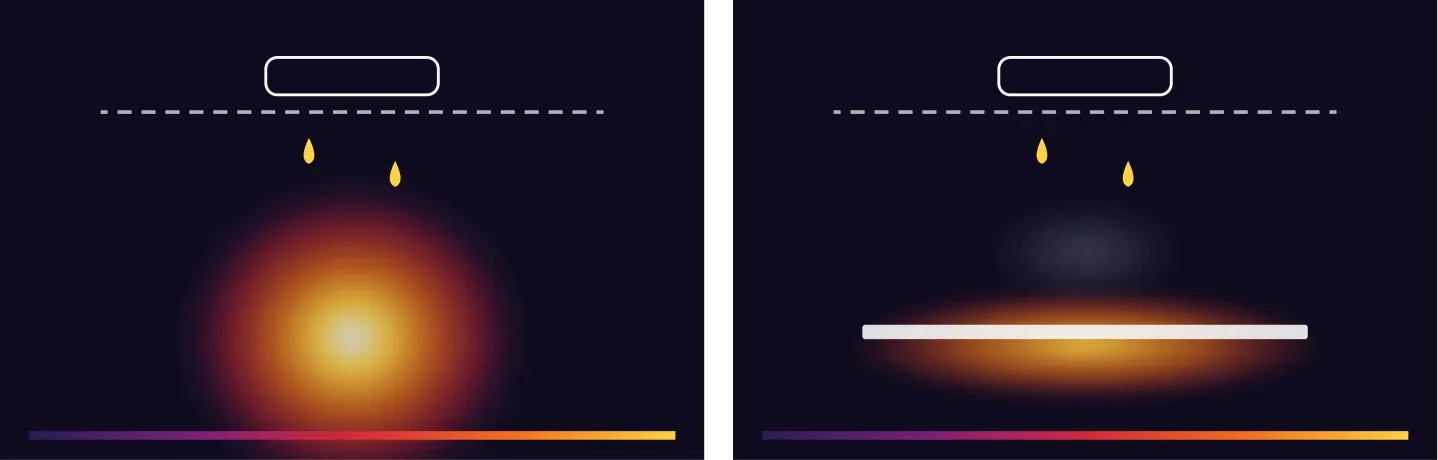
- An exposed gas flame
- A very hot emitter
Fatty foods can still smoke heavily, ignite, or create flare-ups, especially when the cooking surface contains accumulated grease. Regular cleaning and following the manufacturer’s maintenance instructions remain important.
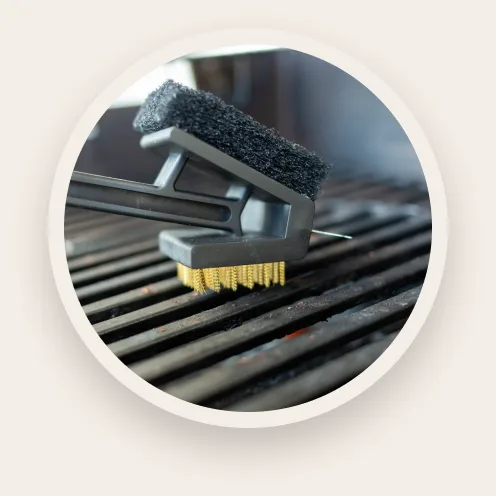
Easier cleanup
High heat can help loosen and burn away some food residue left on cooking surfaces.
After cooking, some manufacturers recommend running the grill at high heat for a short period to burn off remaining residue. Once the grill has cooled sufficiently, the grates and cooking surfaces can then be cleaned according to the manufacturer’s instructions.
This should not be confused with a completely self-cleaning grill.
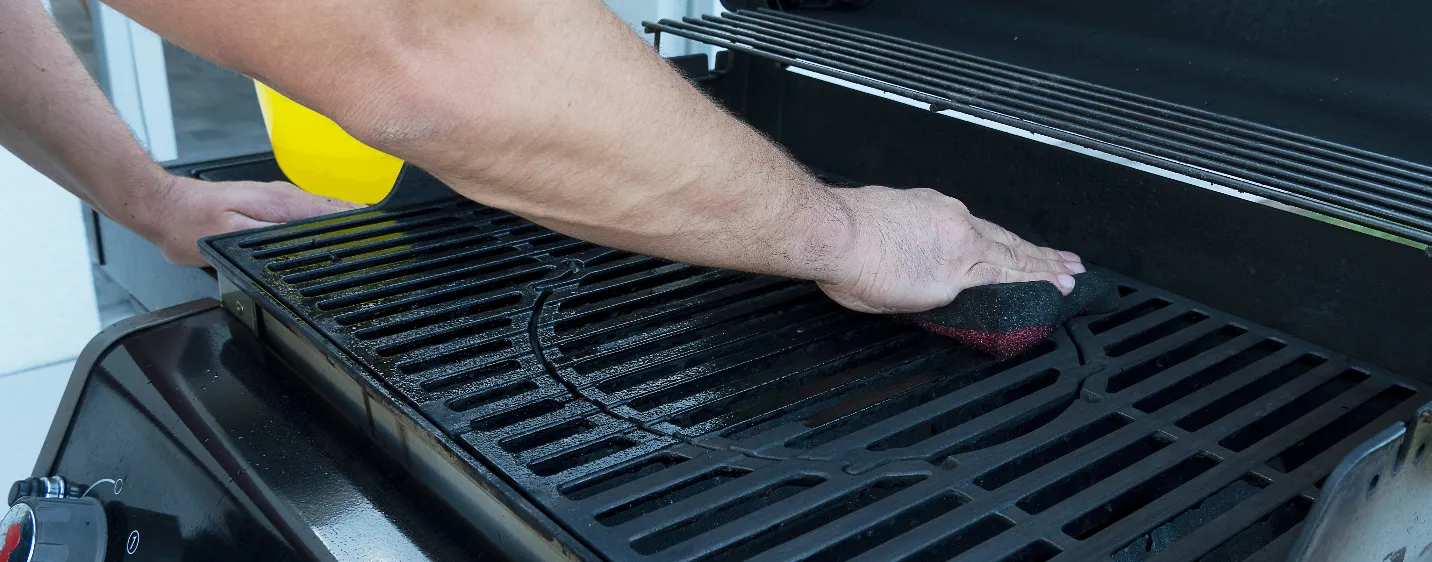
Grease trays, drip pans, burners, emitters, and other components still require regular inspection and cleaning. In fact, infrared systems can require extra attention because grease and debris can affect the performance of the emitter or burner.
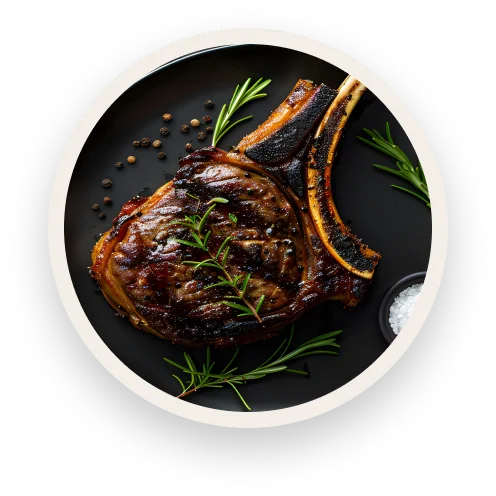
Excellent browning and flavor
Infrared cooking is particularly good at creating the intense surface browning that many people associate with a great steak.
The high radiant heat quickly raises the temperature of the food’s exterior, encouraging browning and crust development.
That does not mean an infrared grill automatically makes food juicier than a conventional grill. Moisture retention depends on the food itself, cooking temperature, cooking time, thickness, and whether the food is overcooked.
The real advantage is control over the speed and intensity of surface browning.
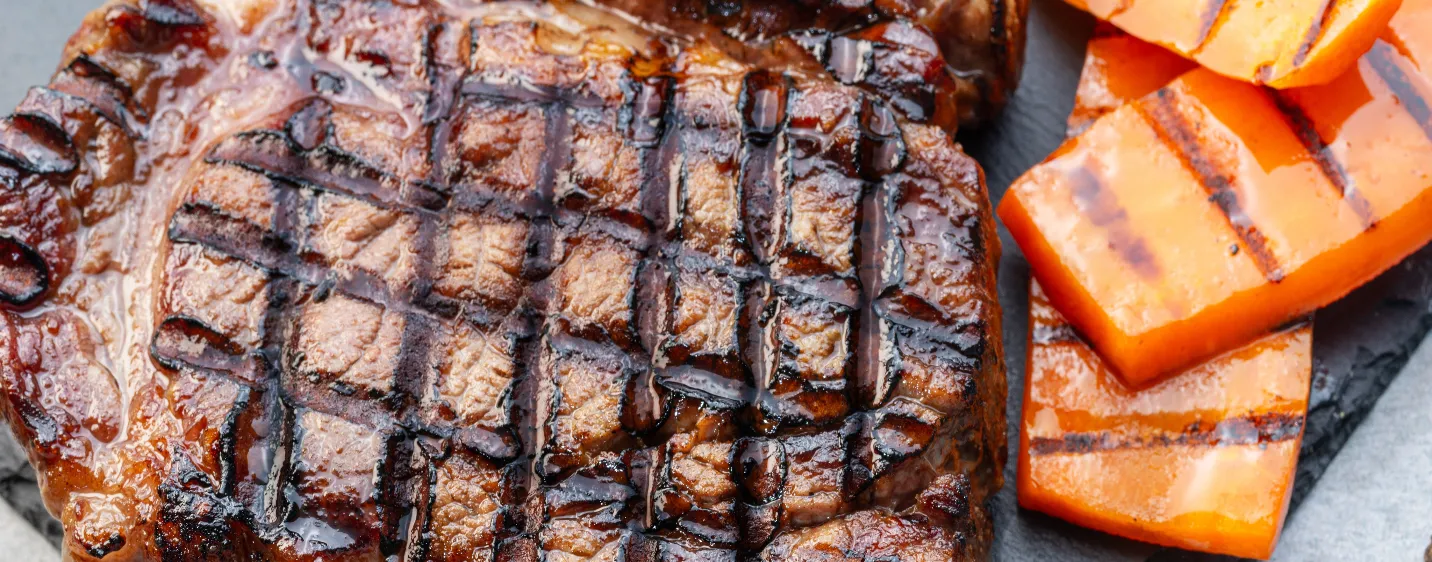
When used correctly, infrared heat can produce a deeply caramelized crust while allowing you to manage the interior temperature separately.
Cons of an Infrared Grill
Infrared grilling has plenty of advantages, but it isn’t the perfect solution for every outdoor cook.
Before investing in one, it’s worth understanding where the technology can be less convenient.
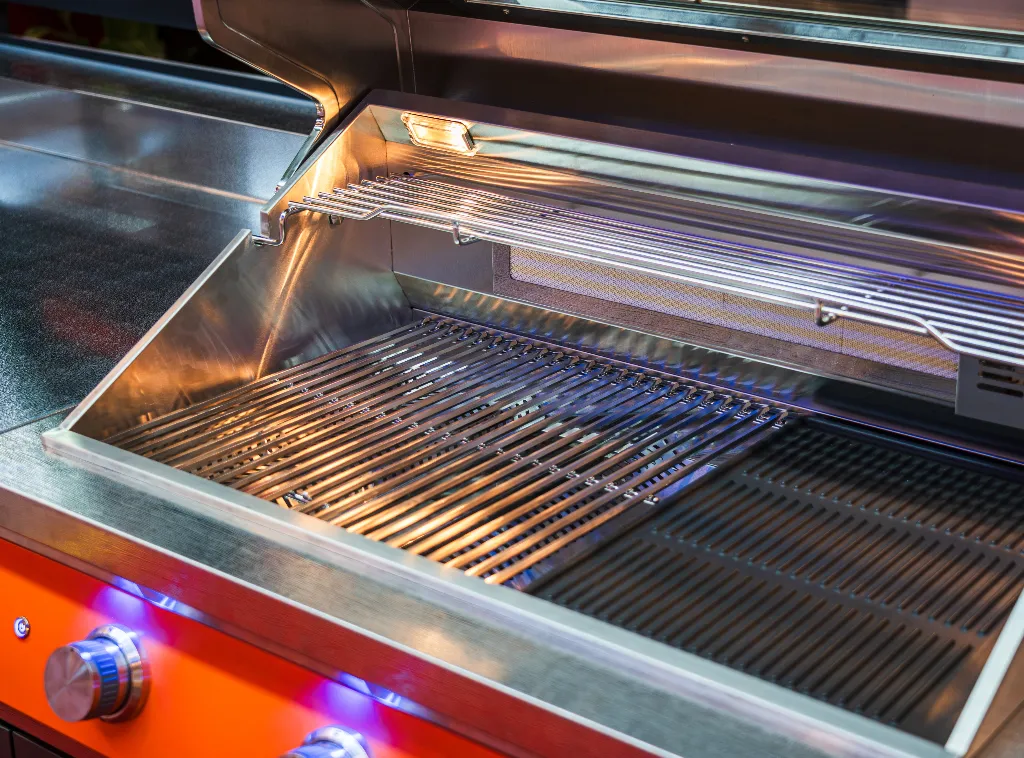
01
Expensive
Infrared grills and dedicated infrared burners can cost more than many conventional gas grills.
The price difference becomes even more noticeable with premium built-in outdoor kitchen models that combine infrared burners with large cooking surfaces, rotisserie systems, lighting, storage, and other accessories.
The important question isn’t simply whether an infrared grill costs more.
It’s whether you’ll actually use the features that justify the additional cost.

If most of your grilling consists of high-heat steaks and chops, a dedicated infrared burner or infrared sear zone may be worthwhile.

If you regularly cook a wide variety of foods at different temperatures, spending the entire budget on an all-infrared grill may not make as much sense.
02
Risk of burning food
The same high heat that makes infrared cooking attractive can also make it unforgiving.
Food can brown very quickly, particularly when placed directly over the hottest portion of the burner.
If you’re accustomed to conventional gas grilling, give yourself time to learn how quickly your infrared burner cooks. Start with shorter cooking intervals and check the food frequently until you understand how the grill behaves.
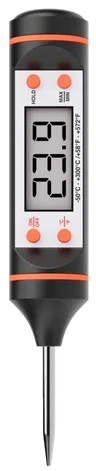
A reliable instant-read thermometer is especially useful because the appearance of the exterior doesn’t tell you the exact internal temperature.
03
Some foods require more care
Infrared cooking isn’t limited to steak, but some foods require more attention than others.
Thin vegetables, delicate fish, lean chicken, and foods with high sugar content can burn on the surface before the center has finished cooking if they’re exposed to excessive direct heat.
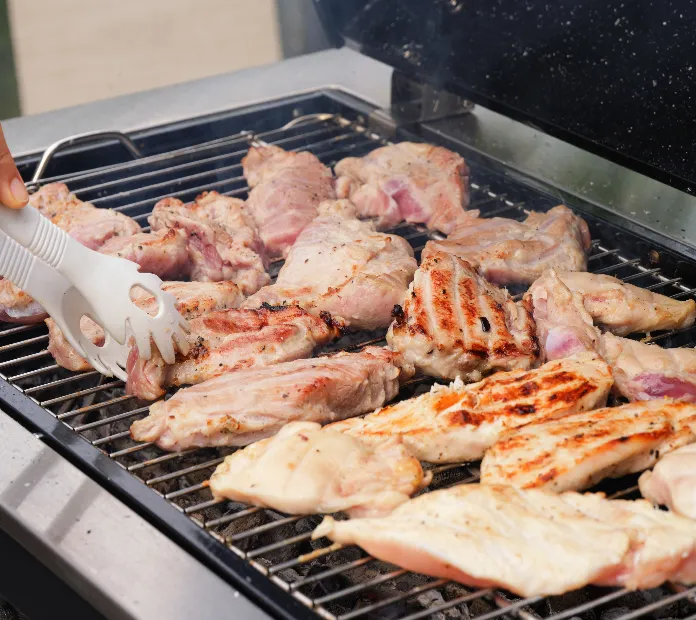
Lean
Chicken
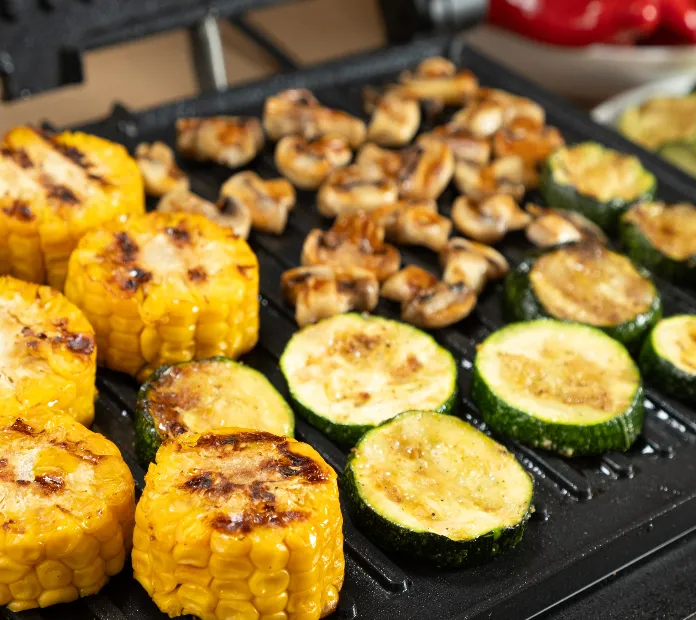
Thin
Vegetables
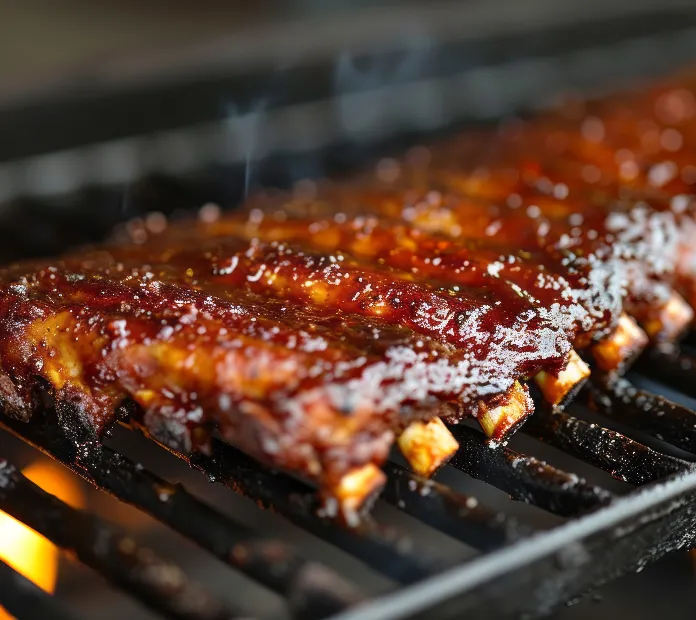
Foods With
High Sugar Content
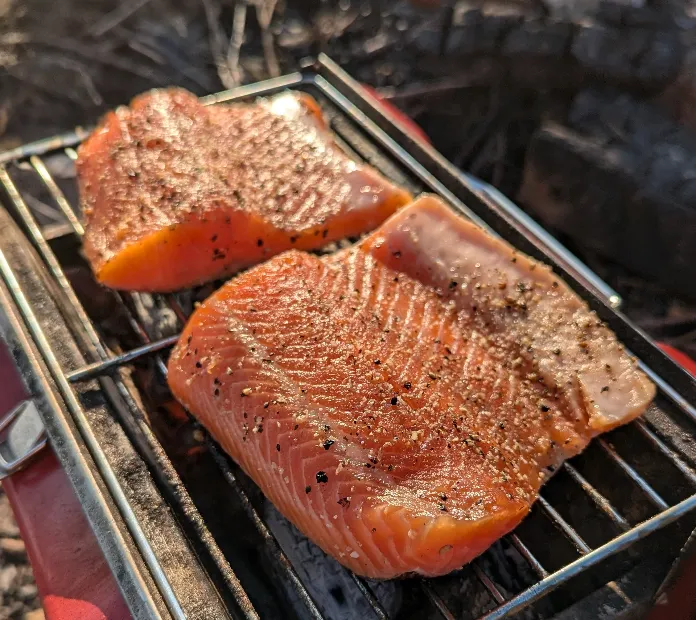
Delicate
Fish
That doesn’t mean you can’t cook these foods on an infrared grill.
- use lower heat where possible
- move food farther from the most intense burner
- use another cooking zone
- combine infrared and conventional burners
Instead, use lower heat where possible, move food farther from the most intense burner, use another cooking zone, or combine infrared and conventional burners.
03
Not as versatile on its own
A dedicated infrared cooking surface is excellent at one thing: producing intense radiant heat.
That can make it less convenient for techniques that require gentle, indirect, or low-temperature cooking.
If you regularly prepare foods such as vegetables, delicate fish, chicken, baked dishes, or slow-cooked meats, having access to conventional burners can be a major advantage.
- Vegetables
- Delicate fish
- Chicken
- Baked dishes
- Slow-cooked meats
This is why a hybrid configuration is so appealing.
You can use the infrared burner when you need intense heat and conventional burners when you need greater temperature flexibility.
If you’re planning an outdoor kitchen, think about the entire way you cook rather than focusing exclusively on maximum temperature.
Types of Infrared Systems
Not every infrared burner works in exactly the same way.
Manufacturers use different emitter materials and burner designs to produce radiant heat, and each approach has its own characteristics.
The major systems you’ll encounter include ceramic infrared systems, stainless steel tube burner systems, and specialized systems such as TEC technology.
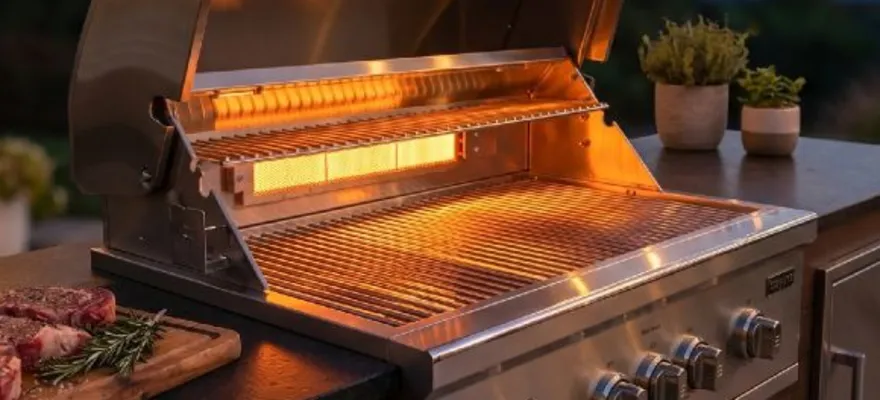
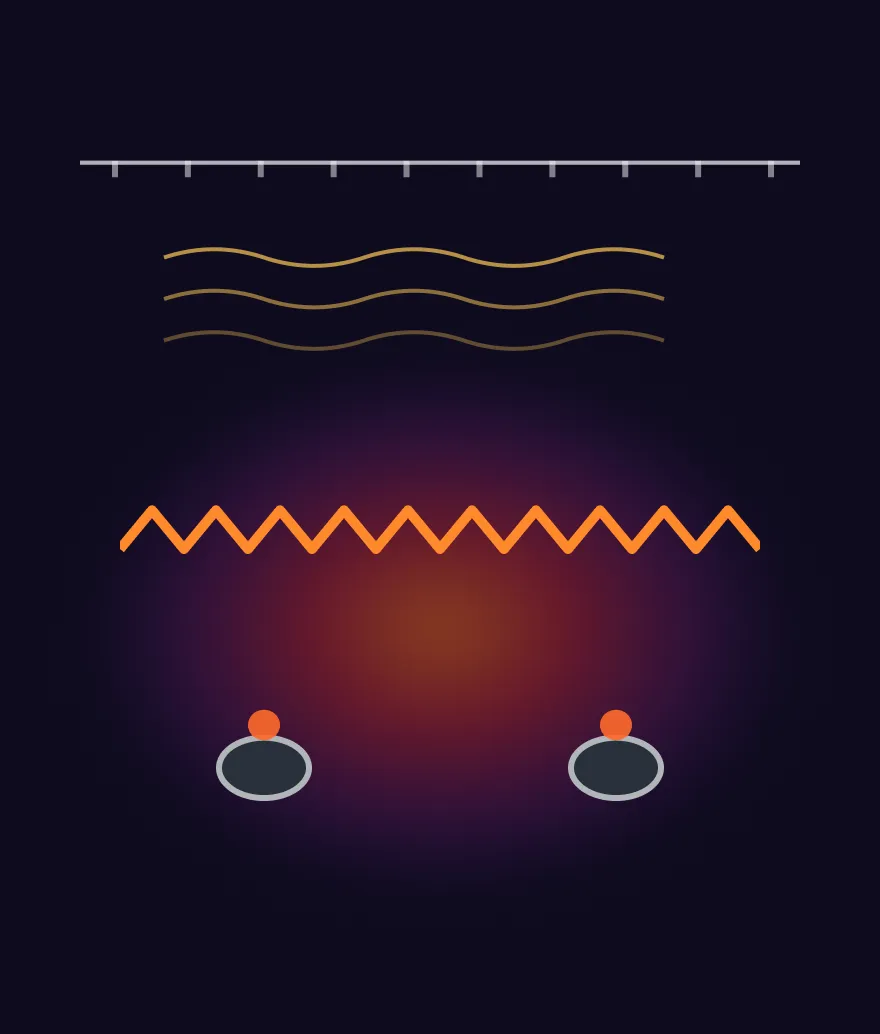
Ceramic
Ceramic infrared systems are among the most common designs.
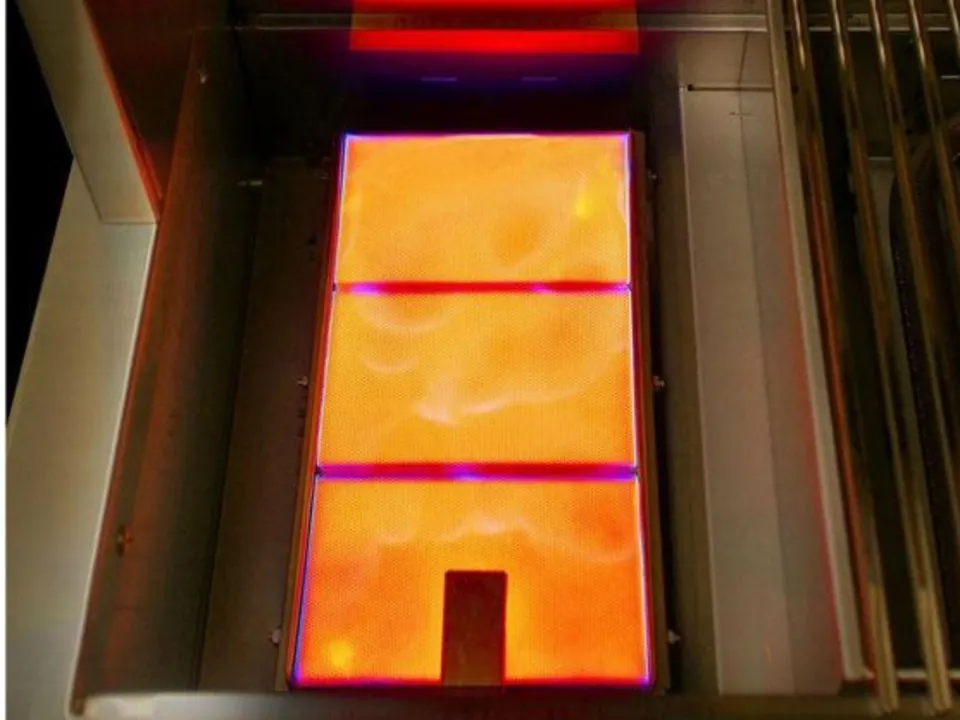
A gas burner heats a ceramic plate, grid, or emitter positioned between the flame and the cooking surface. Once heated, the ceramic material radiates intense heat toward the food.
Ceramic systems can reach very high temperatures and are well suited to fast, high-heat cooking.
The exact performance depends on the burner and emitter design. Some systems use perforated ceramic surfaces, while others use ceramic elements or briquettes arranged beneath the cooking grates.
Because the system operates at very high temperatures, food residue and grease should be managed carefully to maintain consistent performance.
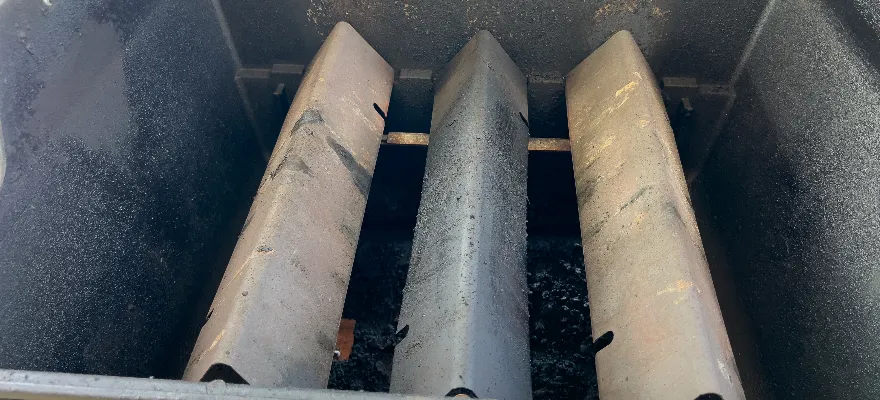
Stainless Steel Tube Burner & Metal Heat Emitter
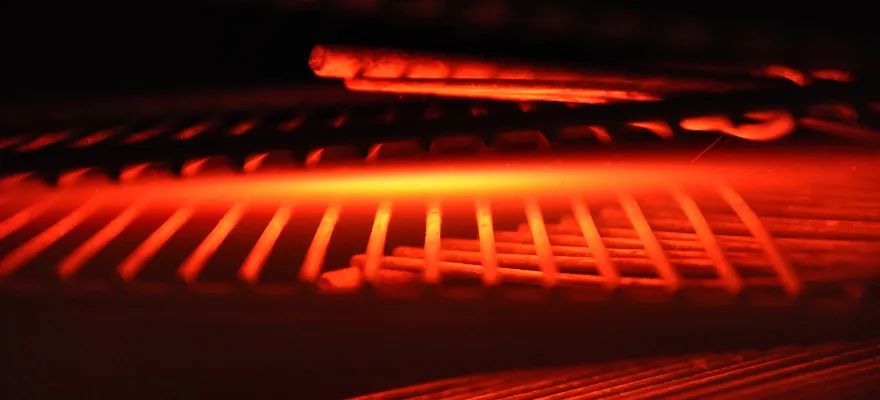
Another approach combines stainless steel tube burners with a metal heat-emitting surface.
The burner heats the metal emitter, which then transfers radiant energy upward toward the cooking grate.
These systems can offer strong infrared performance while using a different construction from ceramic emitters. They can also provide manufacturers with greater flexibility in how the burner and emitter are arranged.
The maximum temperature and heat distribution depend on the specific design, so don’t judge an infrared system solely by the material used.
TEC
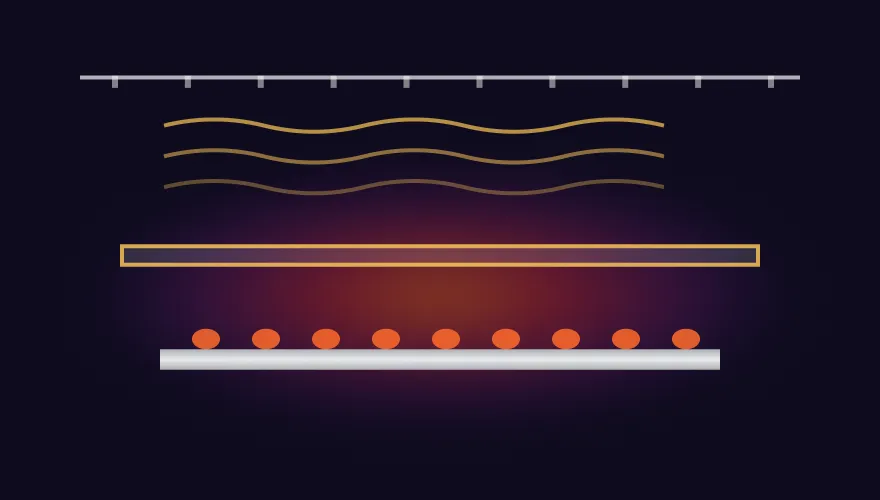
TEC is a well-known name in infrared cooking technology.
TEC systems use stainless steel infrared burners and radiant glass cooking surfaces designed to distribute heat across the cooking area.
One of the advantages of specialized infrared systems is that they can be engineered around precise temperature control rather than simply chasing the highest possible temperature.
When comparing infrared grills, look beyond the technology name and consider the actual cooking surface, temperature range, burner controls, cleaning requirements, warranty, and overall construction.
Infrared Gas Hybrid Grills Best of both worlds
02
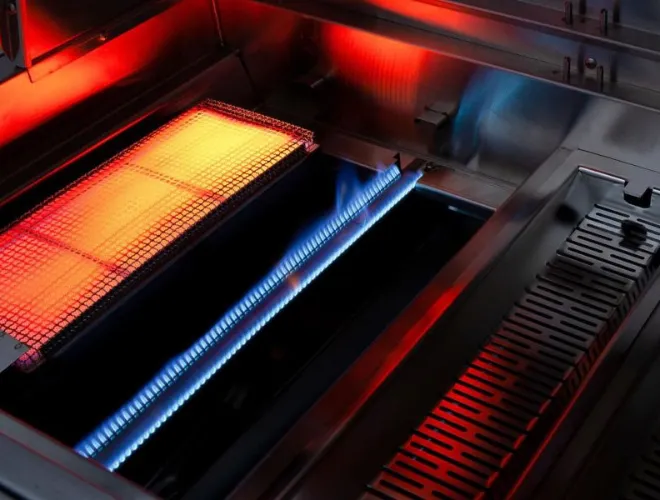
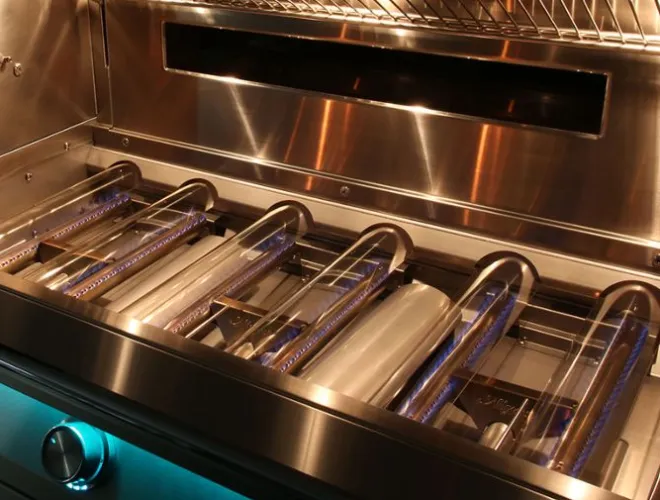
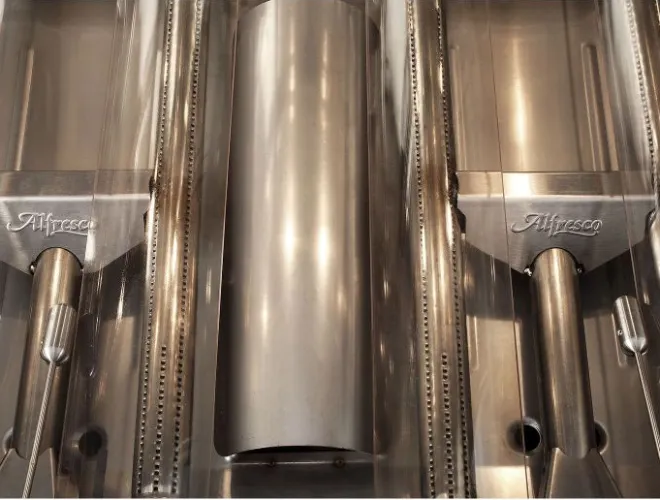
If the limitations of an all-infrared grill concern you, a hybrid infrared gas grill may be the better solution.
Many gas grills are available with one infrared burner alongside conventional gas burners.
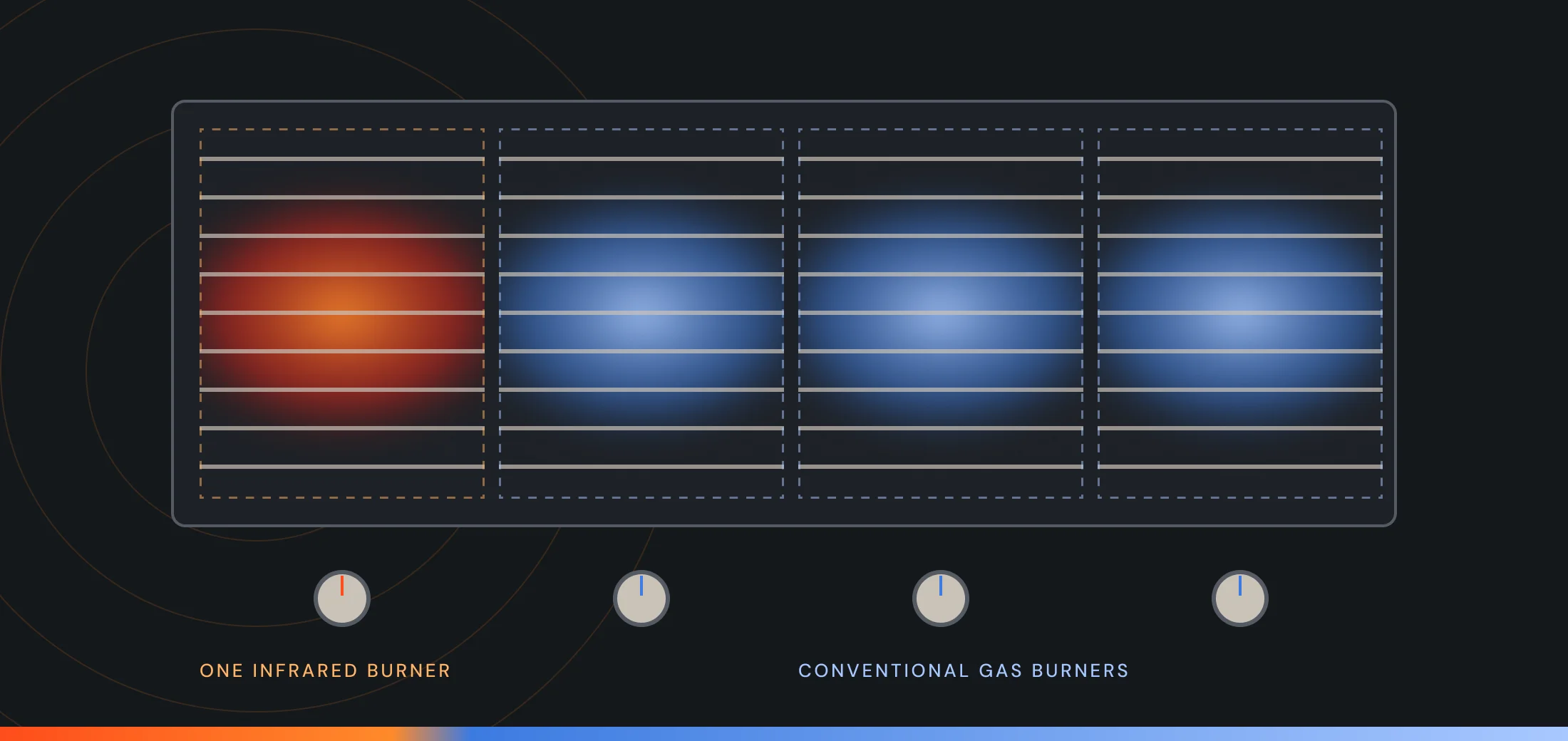
- One infrared burner
- Conventional gas burners
This configuration gives you two different cooking environments in one grill.
You can use the infrared burner for high-temperature searing while using the conventional burners for foods that need gentler or more controlled heat.
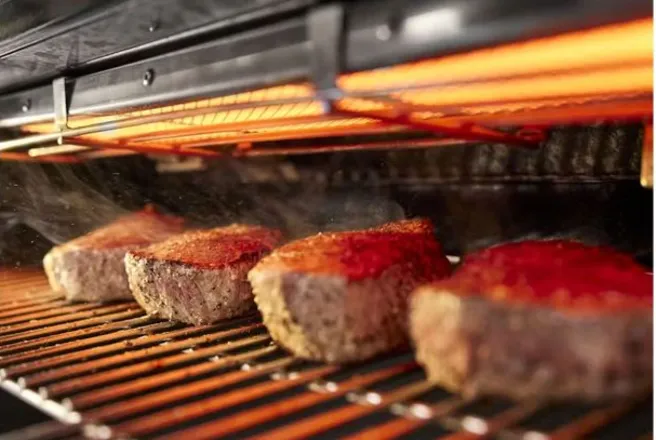
01
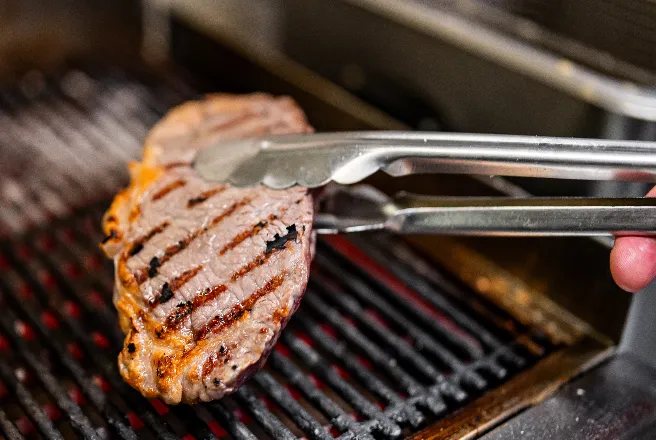
sear a steak over infrared heat
02
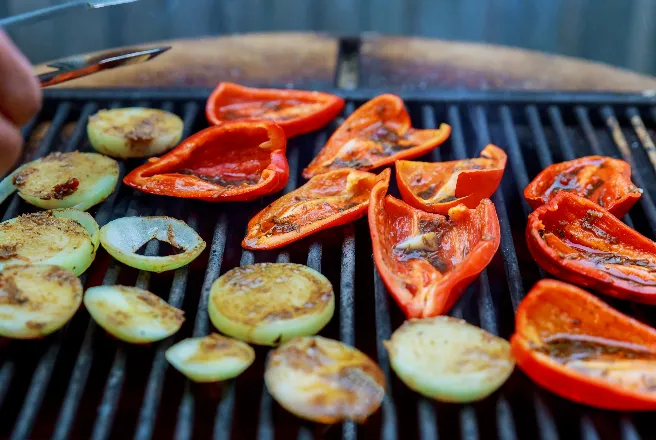
move it to a lower-temperature area to finish cooking
03
vegetables or chicken can be prepared over a conventional burner
For example, you might sear a steak over infrared heat and then move it to a lower-temperature area to finish cooking. At the same time, vegetables or chicken can be prepared over a conventional burner.
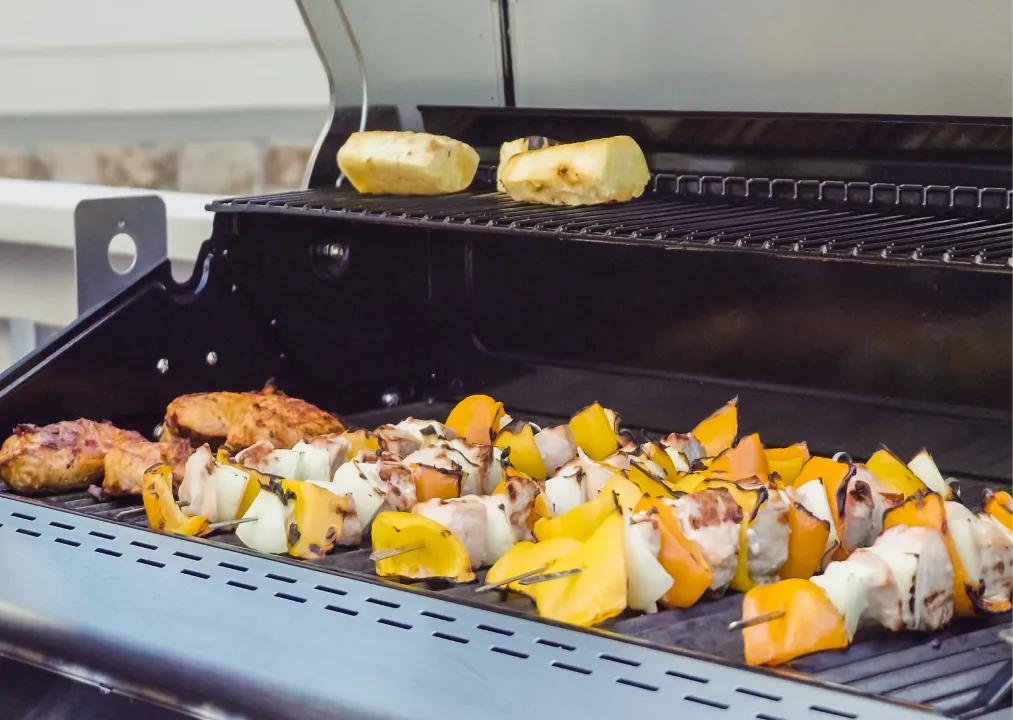
A hybrid setup can also make it easier to cook for a group because you’re not forced to prepare every item using the same intense heat.
For many backyard cooks, this combination offers a better balance of performance and versatility than a grill built entirely around infrared cooking.
Types of Infrared Grills
Infrared cooking technology is available in several different grill configurations.
The three most common categories are built-in, freestanding, and portable infrared grills.
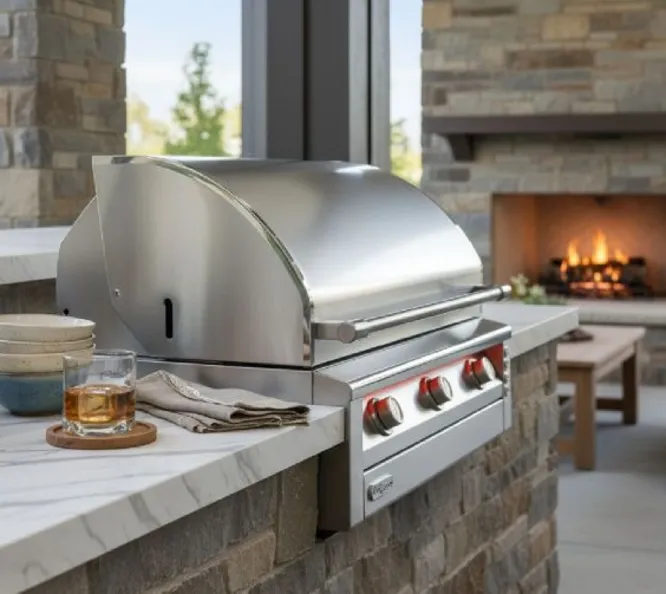
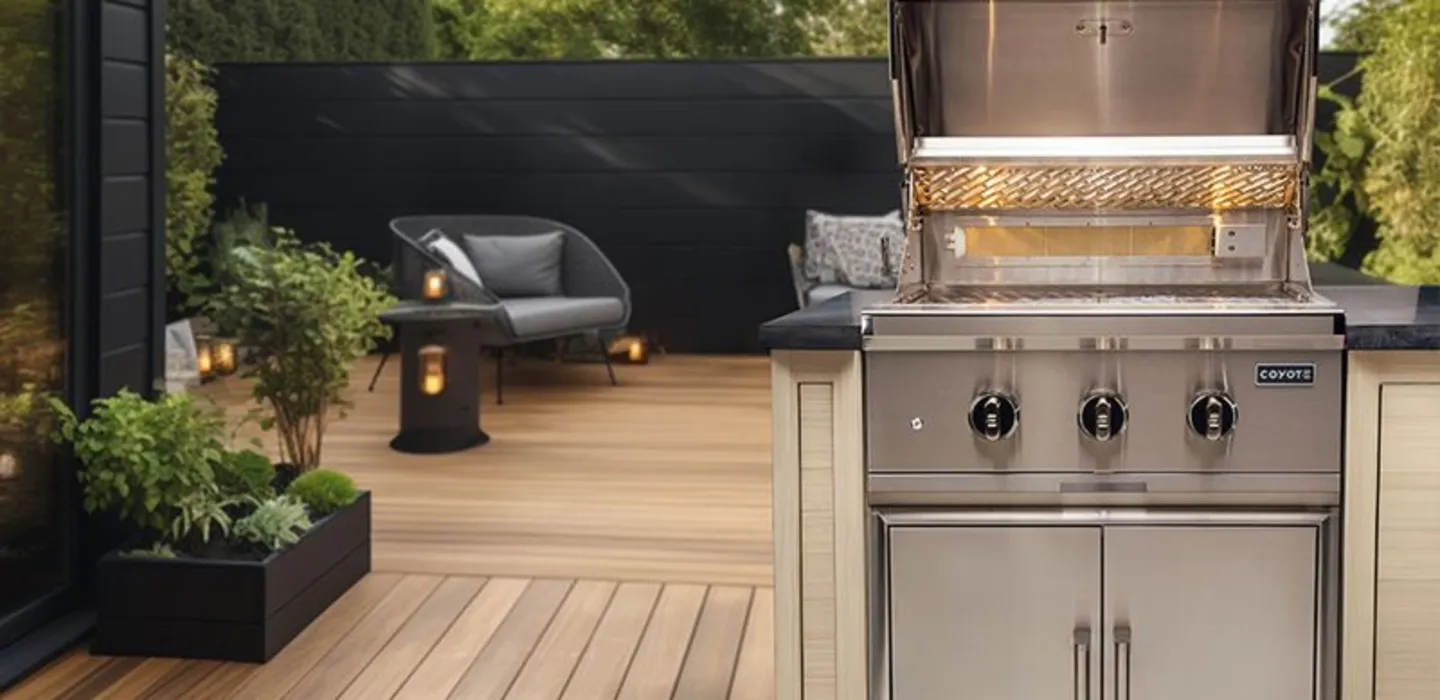
Built-in
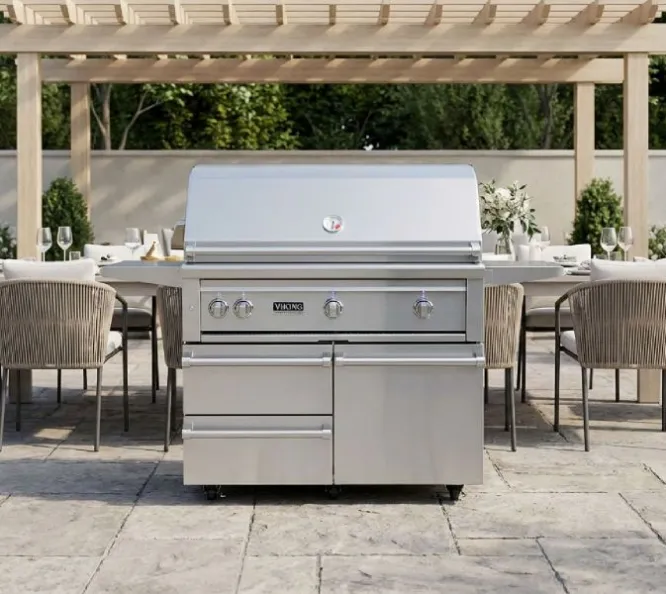
Freestanding
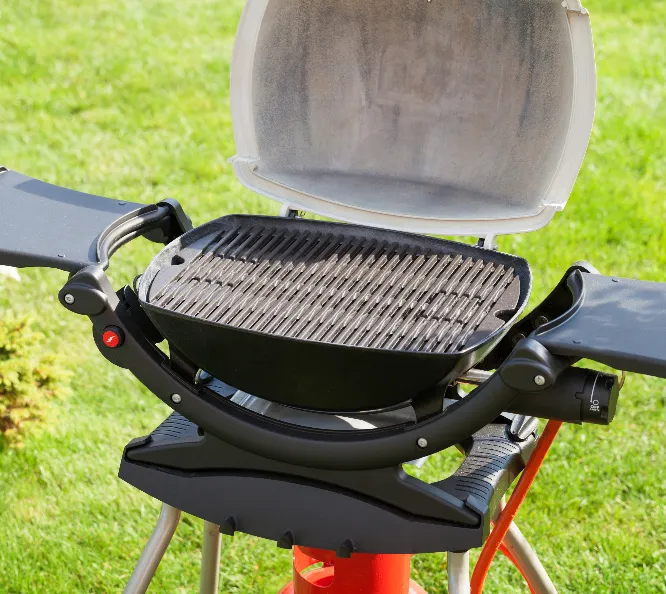
Portable
Your choice should depend on how much space you have, how often you cook, how many people you normally feed, and whether you’re building an outdoor kitchen.

how much space you have

how often you cook

how many people you normally feed

whether you’re building an outdoor kitchen
01
Built-in Infrared Grills
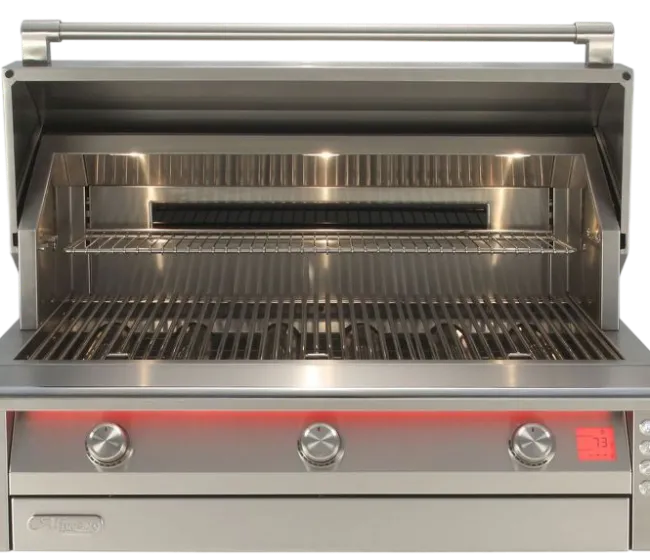
Built-in infrared grills are designed to be installed into a custom outdoor kitchen or grill island.
They are a natural fit for homeowners creating a permanent outdoor cooking space because the grill becomes part of the overall kitchen design.
A built-in setup can provide plenty of room for food preparation, storage, refrigeration, side burners, sinks, and other outdoor kitchen equipment.
It also eliminates the need to move the grill after every cookout.
- Food preparation
- Storage
- Refrigeration
- Side burners
- Sinks
- Other outdoor kitchen equipment
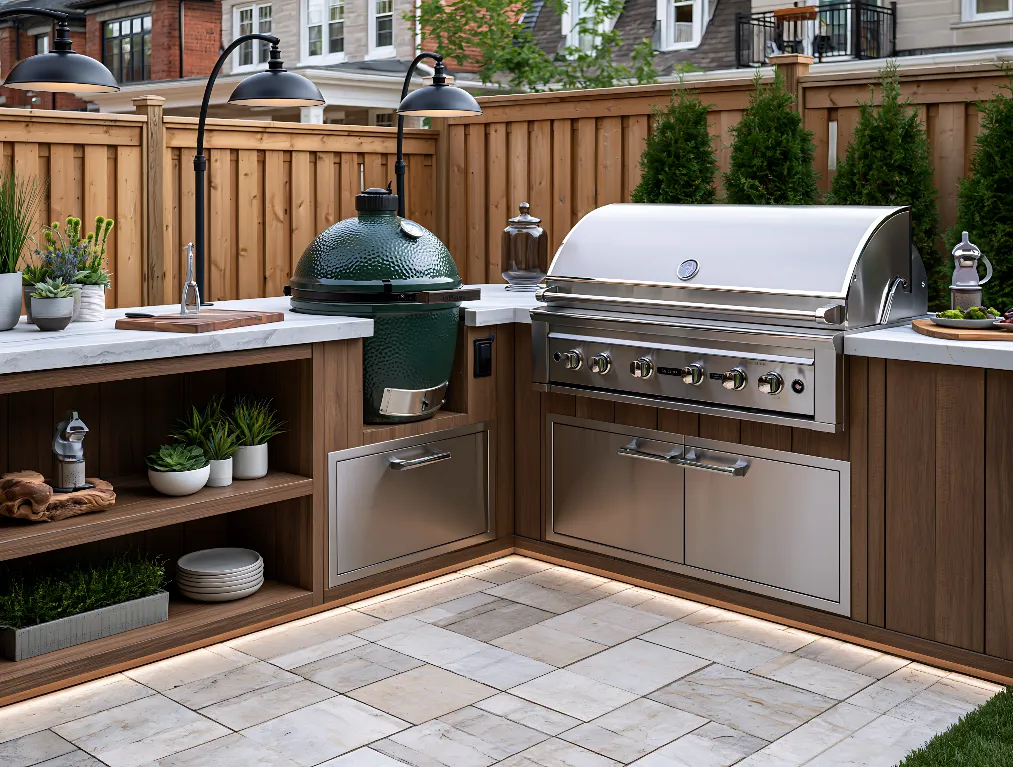
The downside is that a built-in grill requires more planning and installation. You’ll need an appropriately designed outdoor kitchen structure, suitable ventilation and clearances, utility connections where applicable, and enough surrounding space for safe operation.
Premium built-in infrared grills can also represent a significant investment.
When comparing models, look at the primary cooking area rather than relying only on the overall dimensions or burner count.
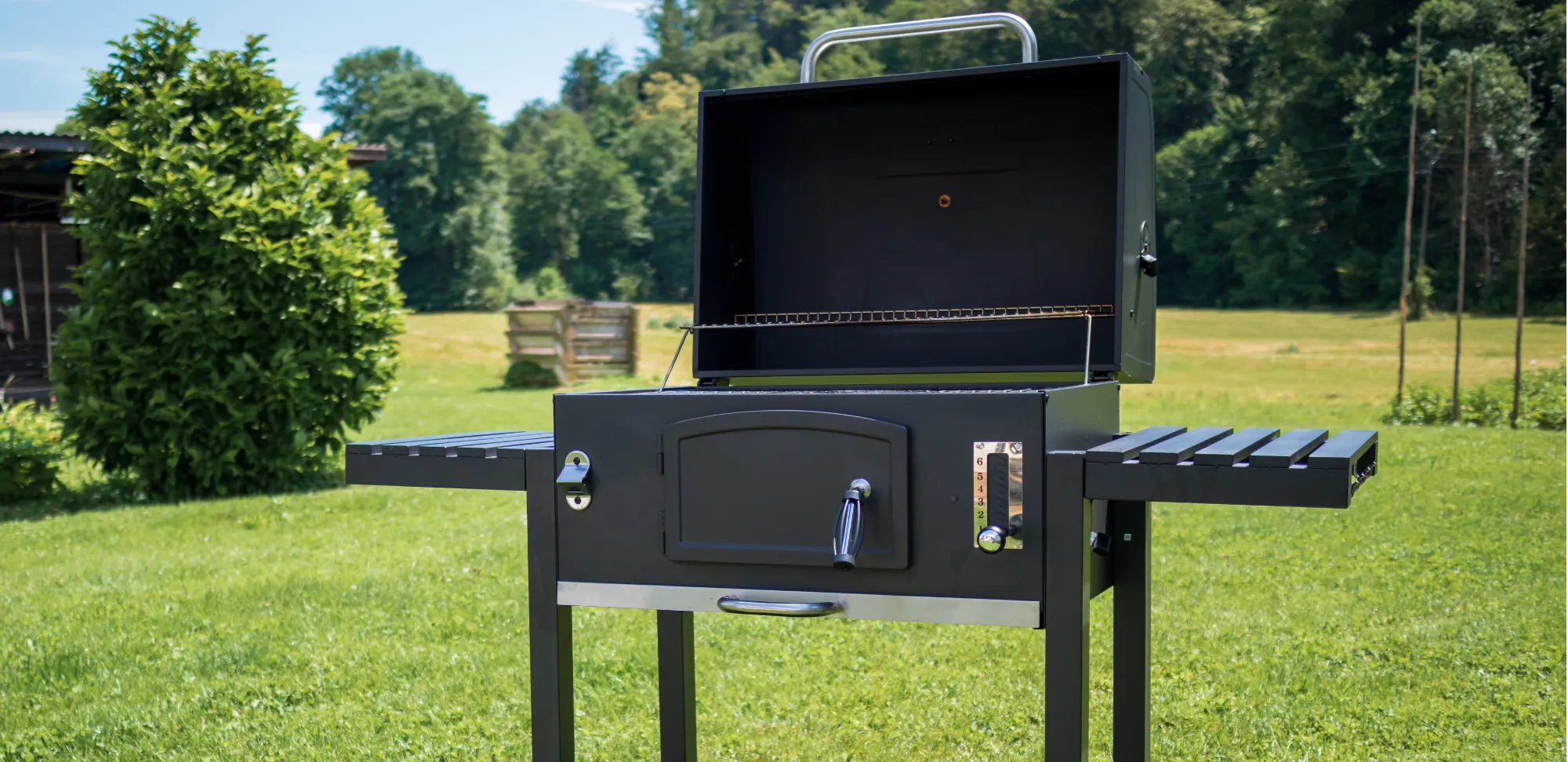
02
Freestanding Infrared Grills
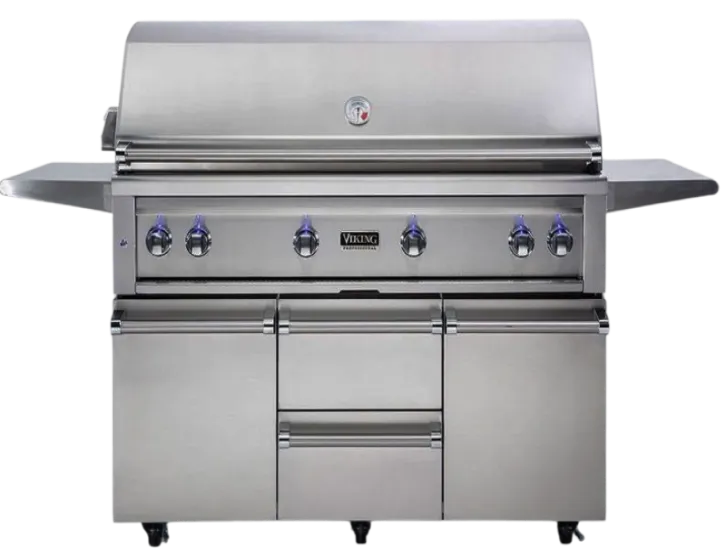
Freestanding infrared grills offer more flexibility than built-in models.
Because they are mounted on a cart, many can be moved around the patio or stored when necessary. This makes them a good choice for homeowners who don’t want to commit to a permanent outdoor kitchen.
Freestanding grills also come in a wide range of sizes.
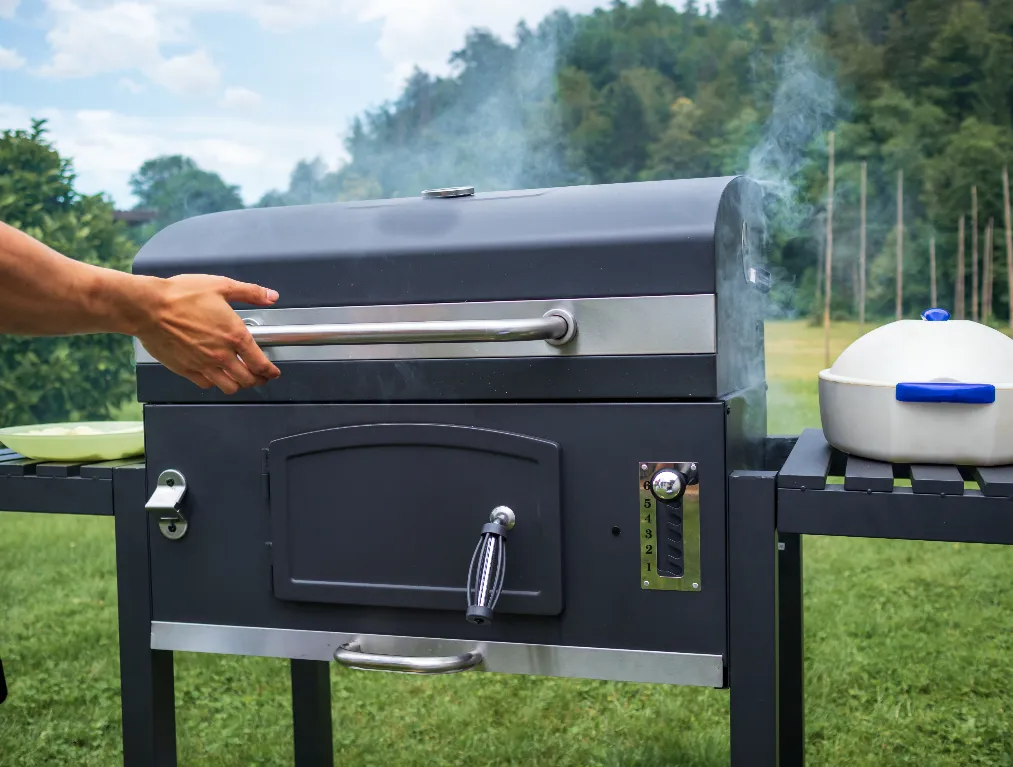
Some are compact enough for smaller patios, while larger premium models provide enough cooking space for family gatherings and entertaining.
Look for features such as locking casters, storage cabinets, side shelves, independent burner controls, integrated thermometers, lighting, and removable grease-management components.
- 01Locking casters
- 02Storage cabinets
- 03Side shelves
- 04Independent burner controls
- 05Integrated thermometers
- 06Lighting
- 07Removable grease-management components
If mobility matters, pay attention to the grill’s overall weight. A large stainless steel grill may technically be movable but still require significant effort.

03
Portable Infrared Grills
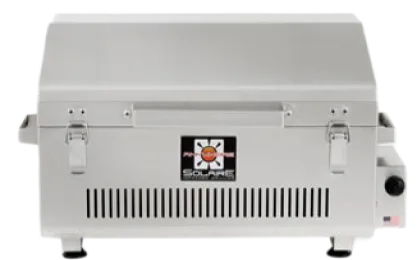
Portable infrared grills are designed for flexibility.
Their smaller footprint makes them useful for patios, balconies where permitted, tailgating, camping, road trips, and other situations where a full-size grill isn’t practical.
- Patios
- Balconies where permitted
- Tailgating
- Camping
- Road trips
The main benefit is convenience. A portable infrared grill can heat quickly while taking up considerably less storage space than a full outdoor kitchen grill.
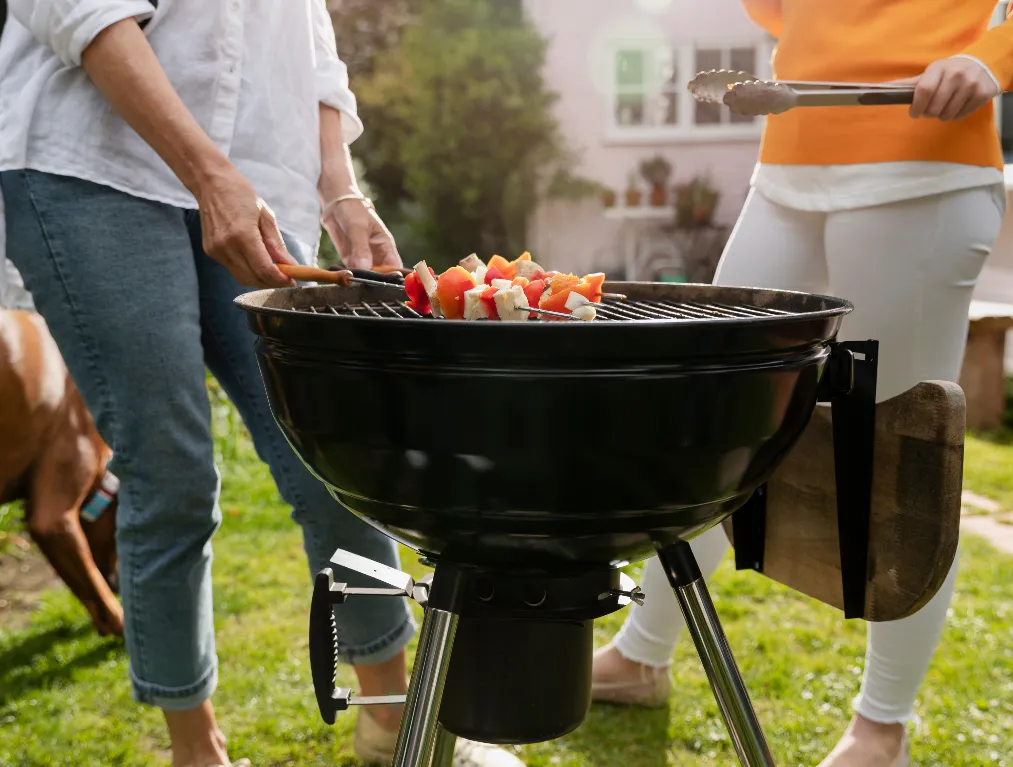
The Trade-Off Is Cooking Capacity.
If you’re regularly feeding a large family or hosting backyard parties, a portable grill may feel restrictive. For couples, small families, or occasional outdoor cooks, however, the compact size can be a major advantage.
Before buying, check the grill’s weight, fuel requirements, cooking surface, lid design, and whether it requires an external propane cylinder or another fuel source.
- 01Weight
- 02Fuel requirements
- 03Cooking surface
- 04Lid design
- 05External propane cylinder or another fuel source
What to Look for When Buying an Infrared Grill


So, you’ve decided that infrared cooking sounds like the right fit.
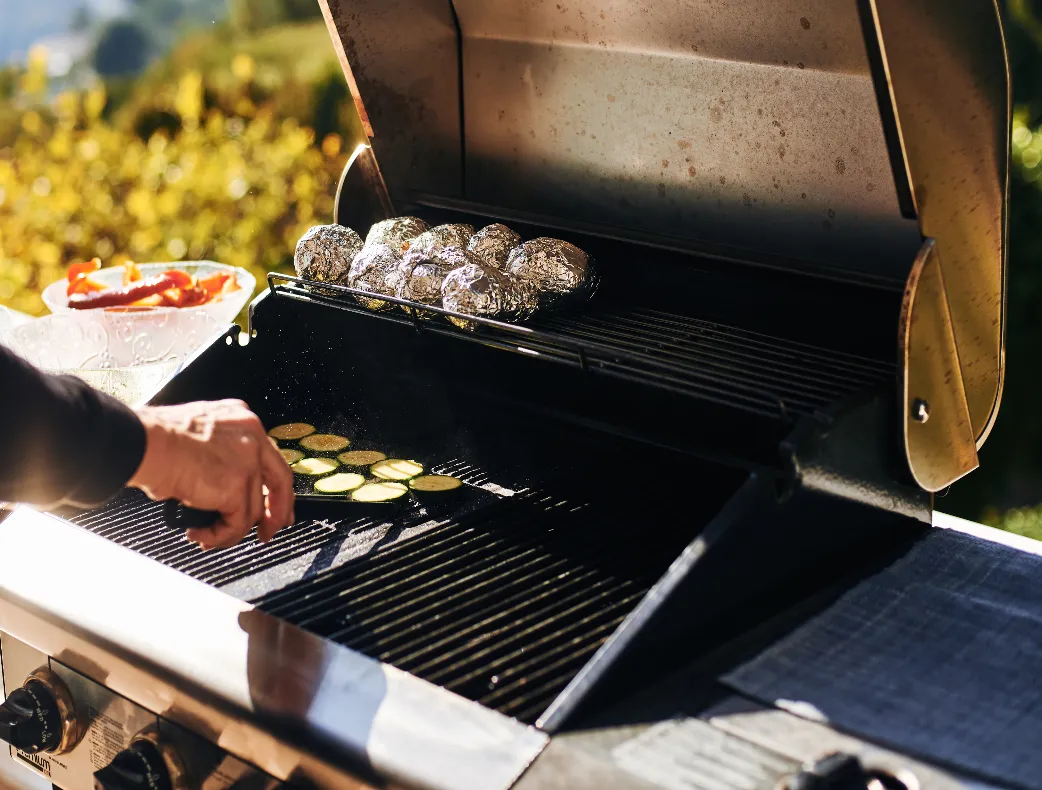
Before choosing a model, take a closer look at how you actually plan to use the grill.
The best infrared grill isn’t necessarily the one with the highest temperature or the largest number of burners. It’s the one that matches your cooking habits, available space, budget, and preferred foods.
01 / 07
Price
Infrared grills cover a very broad price range.
Compact portable models can be relatively affordable, while premium built-in outdoor kitchen systems can cost many thousands of dollars.
Instead of choosing based purely on price, consider what you’re getting for the investment.
Ask yourself:
- How many people will you normally cook for?
- How frequently will you use the grill?
- Do you need a dedicated infrared burner or an entire infrared cooking surface?
- Would a hybrid grill be more useful?
- Do you need a rotisserie?
- Would integrated lighting help?
- How much cooking space do you realistically need?
- Do you already have an outdoor kitchen?
- Will you need professional installation?
A larger grill isn’t automatically a better grill.
If you’re cooking for two or four people most of the time, an enormous cooking surface may add cost and fuel consumption without giving you much practical benefit.
On the other hand, if you frequently entertain large groups, spending more on cooking area, burner capacity, construction quality, and temperature control may be worthwhile.
Also consider the cost of ownership.
Fuel, replacement parts, covers, cleaning supplies, installation, and maintenance can all contribute to the long-term cost of an outdoor grill.
02 / 07
Fuel
Most gas-powered infrared grills use either propane or natural gas.
The best choice depends largely on your home, outdoor kitchen, and cooking habits.

Natural gas
If you already have a natural-gas line available for your outdoor kitchen, a natural-gas model can be convenient because you don’t have to keep spare propane cylinders on hand.

Propane
If you value mobility or don’t have a natural-gas connection, propane may be the more practical option.
| Propane | Natural Gas | |
|---|---|---|
| Convenience | Portable fuel source that can be replaced when empty | Connected directly to a home’s natural-gas supply |
| Mobility | Excellent for freestanding grills | Best suited to permanent installations |
| Fuel supply | Requires keeping a filled tank available | Continuous supply when connected properly |
| Installation | Generally simpler for portable/freestanding setups | Requires an appropriate gas connection and installation |
| Long-term use | Convenient for occasional grilling | Can be convenient for frequent grilling |
Propane contains more energy per unit of volume than natural gas, but that doesn’t mean a propane infrared grill will automatically perform better. Burner design, gas pressure, orifice sizing, and the grill’s engineering all play important roles.
Never assume that a natural-gas and propane model are interchangeable. Use the fuel specified for the grill or an approved manufacturer conversion kit installed according to the manufacturer’s instructions.
03 / 07
Size and cooking area
Think about cooking surface area rather than simply the physical size of the grill.
A grill with a large overall footprint may have less usable cooking space than expected if much of its design is dedicated to storage, burners, or other components.
Overall footprint
Primary cooking area
Illustrative, not to scale
Consider the foods you normally cook and how many items need to fit on the grate at the same time.
If you frequently entertain, look for enough primary cooking space to avoid cooking everything in several batches.
04 / 07
Construction materials
Construction quality matters because outdoor grills are exposed to heat, moisture, grease, sunlight, and changing weather conditions.
Stainless steel is commonly used for premium grills because it provides a strong combination of durability, corrosion resistance, and heat resistance.
- Heat
- Moisture
- Grease
- Sunlight
- Changing weather
However, not all stainless steel is identical.
304
Higher corrosion resistance
316
Coastal environments
Grades such as 304 and 316 are commonly associated with higher corrosion resistance, while 316 stainless steel can be particularly useful in demanding coastal environments.
Also examine the thickness and construction of the components rather than focusing only on the grade of the outer cabinet.
Look at the cooking grates, burner construction, infrared emitter, hood, grease-management system, hinges, control knobs, and hardware.
- Cooking grates
- Burner construction
- Infrared emitter
- Hood
- Grease-management system
- Hinges
- Control knobs
- Hardware
05 / 07
Built-in or freestanding?
Your outdoor space should strongly influence this decision.
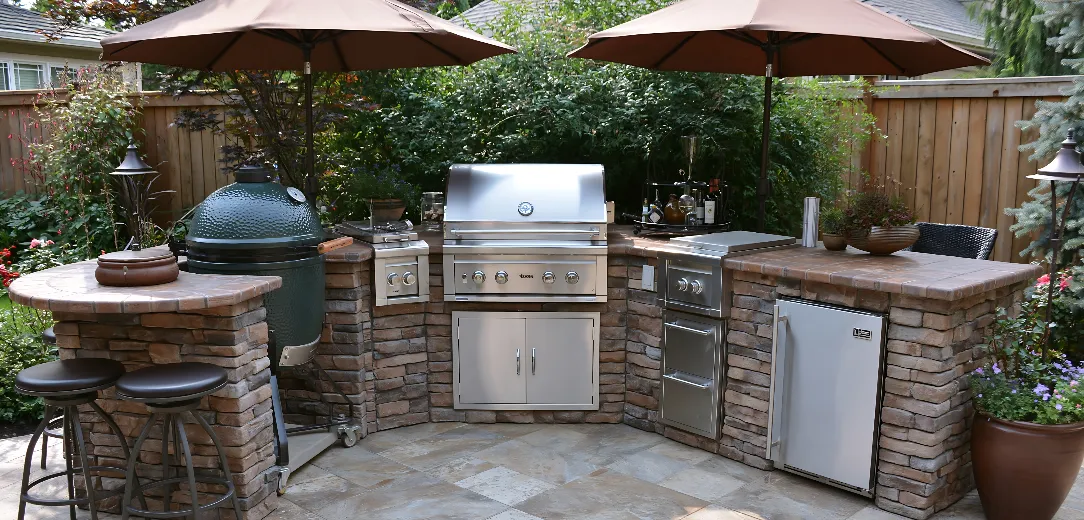
Built-in
A built-in infrared grill works best when you’re already planning a permanent outdoor kitchen. It can create a clean, integrated appearance and provide a dedicated cooking station.
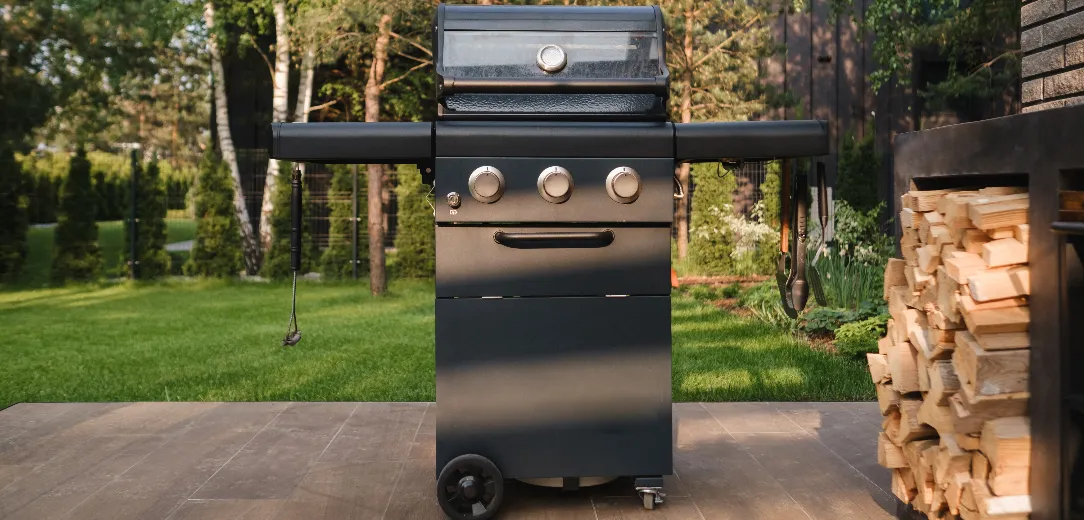
Freestanding
A freestanding grill is much more flexible.
You can move it, reposition it, and potentially store it during severe weather or when the outdoor space needs to be used for another purpose.
If you’re not sure whether you’ll eventually build an outdoor kitchen, a high-quality freestanding grill may be the safer investment.
06 / 07
Cooking versatility
Before buying an infrared grill, think honestly about what you cook.
- Steaks
If steak is your favorite food and high-temperature searing is your priority, infrared can be an excellent choice.
- Steaks
- Burgers
- Chicken
- Fish
- Vegetables
- Sausages
- Baked dishes
- Slow-cooked foods
If your typical cookout includes steaks, burgers, chicken, fish, vegetables, sausages, baked dishes, and slow-cooked foods, a hybrid configuration may make more sense.
The ability to switch between intense infrared heat and conventional gas cooking can give you far more flexibility without requiring two separate grills.
07 / 07
Temperature control
High maximum temperature is only one part of a good grill.
Pay attention to how precisely the burners can be adjusted and whether the grill allows you to create separate heat zones.
Independent controls are particularly useful on hybrid grills because they allow you to operate the infrared and conventional burners differently.
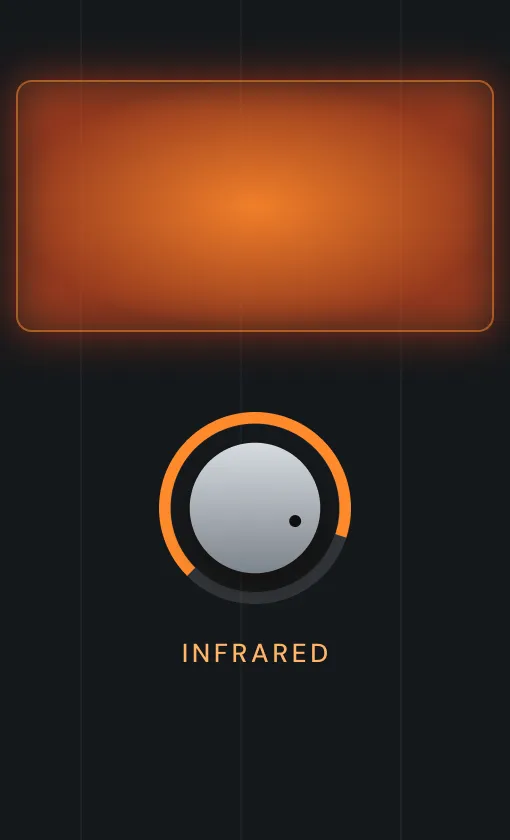


A good grill should give you both power and control.
Featured Infrared Grills
Conclusion
An infrared grill can be an excellent addition to an outdoor cooking setup, particularly if you value high heat, fast preheating, and restaurant-style searing.
Its biggest strength is the way radiant heat can be concentrated on the cooking surface. This makes infrared burners particularly effective for creating a deeply browned crust on steaks, chops, burgers, and other foods that benefit from intense direct heat.
But infrared isn’t automatically the best choice for every cook.
The high temperatures require more attention, and a dedicated infrared grill may not offer the same flexibility as a conventional gas grill when you’re cooking delicate foods or using lower-temperature techniques.
That’s why a hybrid infrared gas grill is worth considering.
With an infrared burner for high-temperature searing and conventional burners for more controlled cooking, you can get many of the benefits of infrared technology without giving up the versatility of a traditional gas grill.
Before buying, consider how you cook, how much space you have, your preferred fuel source, the amount of cooking area you need, and how often you’ll actually use the infrared burner.
- How you cook
- Space
- Fuel source
- Cooking area
- Infrared use
The right grill isn’t necessarily the hottest or most expensive one. It’s the one that fits the way you actually cook.