
how to choose the
Right Wood Pellets
for grilling & smoking
Hickory
Applewood
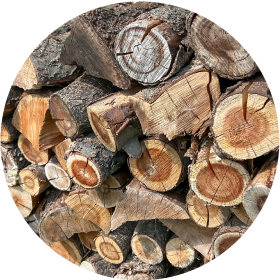
Cherry
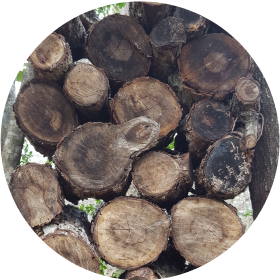
Pecan
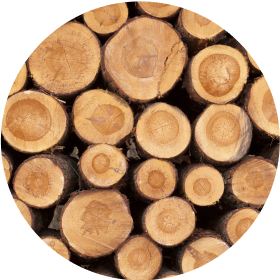
Oak
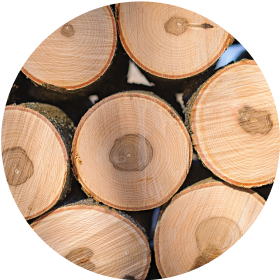
Maple
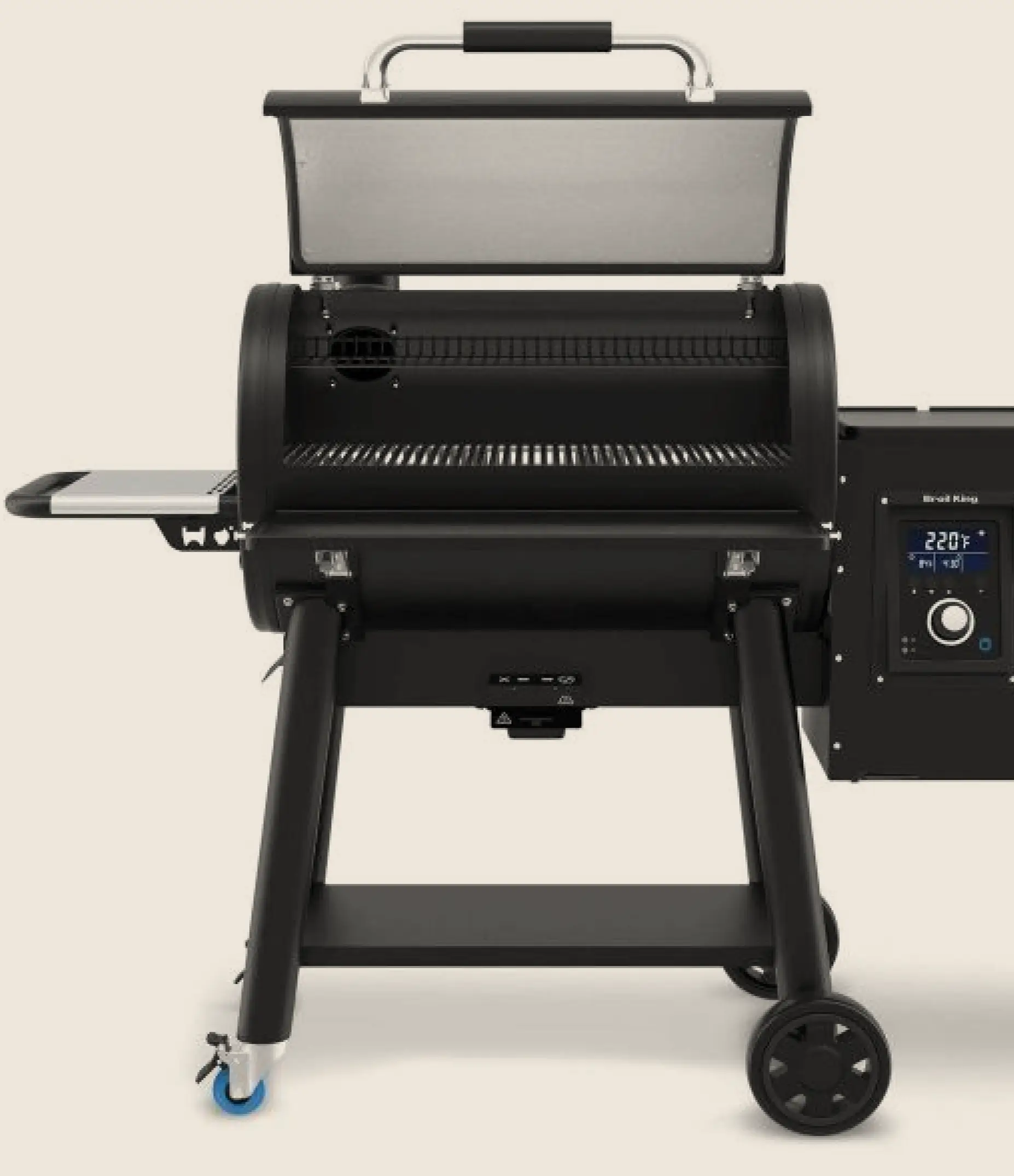
There’s a reason wood pellets are quickly becoming the go-to fuel for grilling and smoking enthusiasts. The fuel you use plays a major role in how your food cooks and, more importantly, how it tastes. Choosing the right pellets for your pellet grill can mean the difference between a good barbecue and one that has your guests coming back for seconds. So before you load up your grill, it’s worth understanding what makes wood pellets such a popular choice.
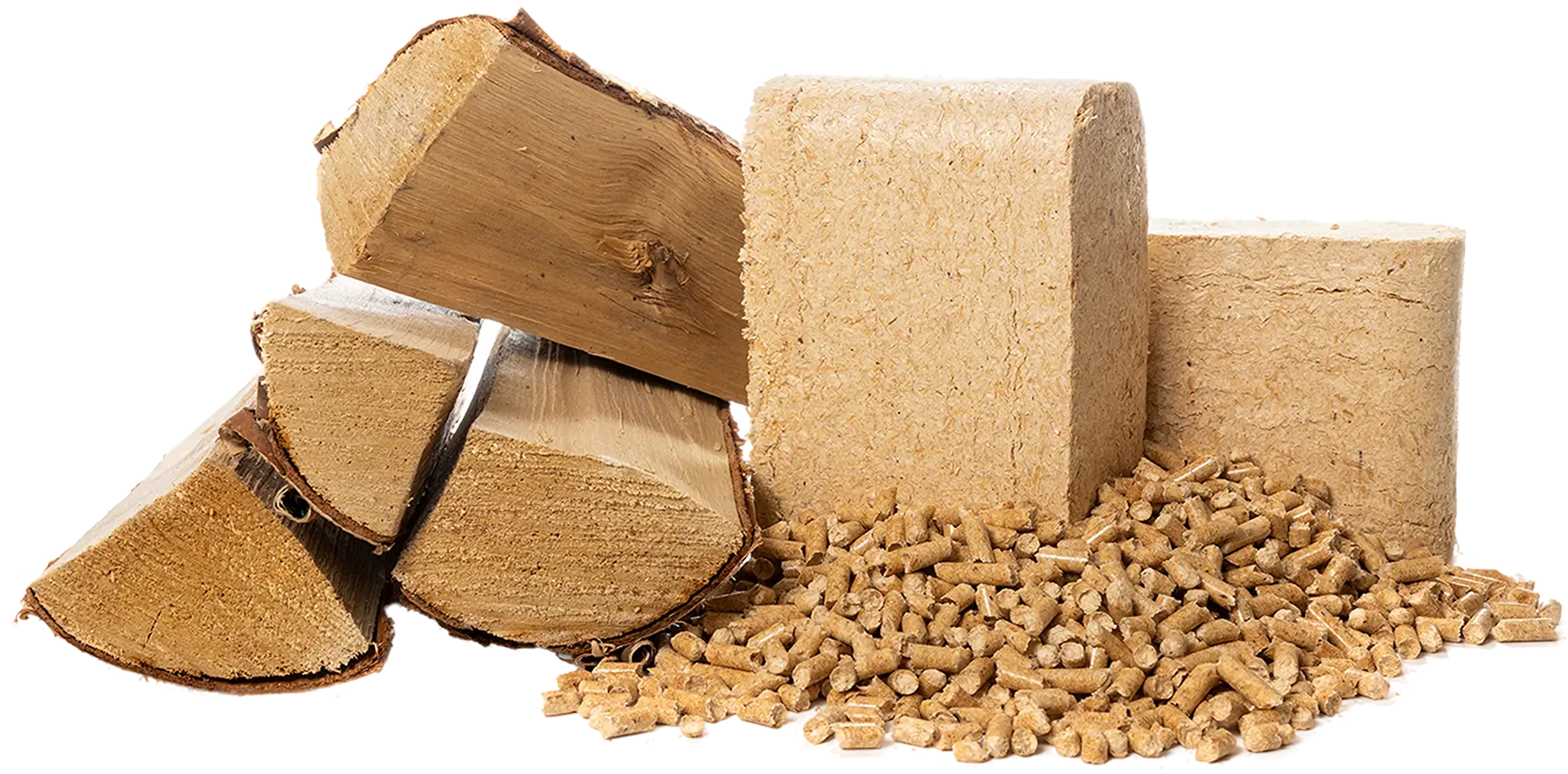
From the compatibility of fuel sources with your equipment to their ease of use, our guide can help you select the most appropriate wood pellets for your grilling or smoking needs.
Hickory
Applewood
Cherry
Pecan
Oak
Maple
We will set you on the road to becoming a professional pitmaster!
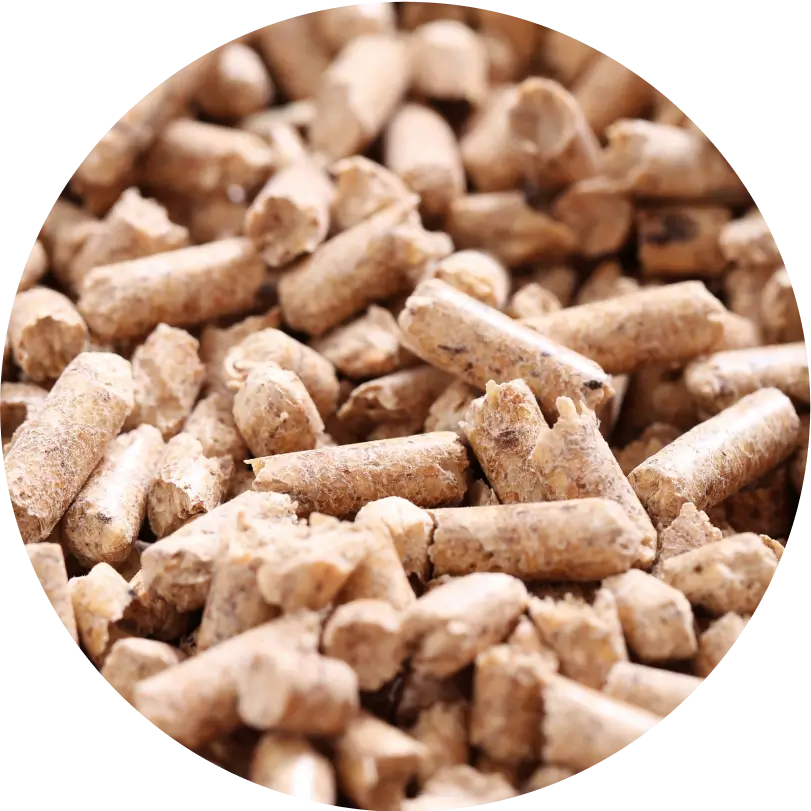
Right Wood Pellets for grilling & smoking
What are Wood Pellets?
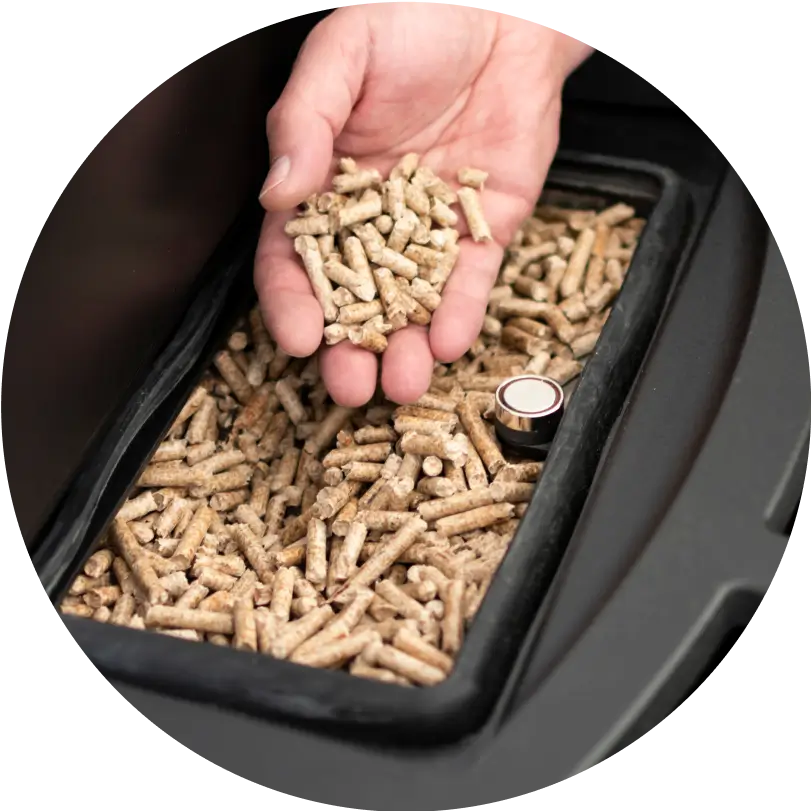
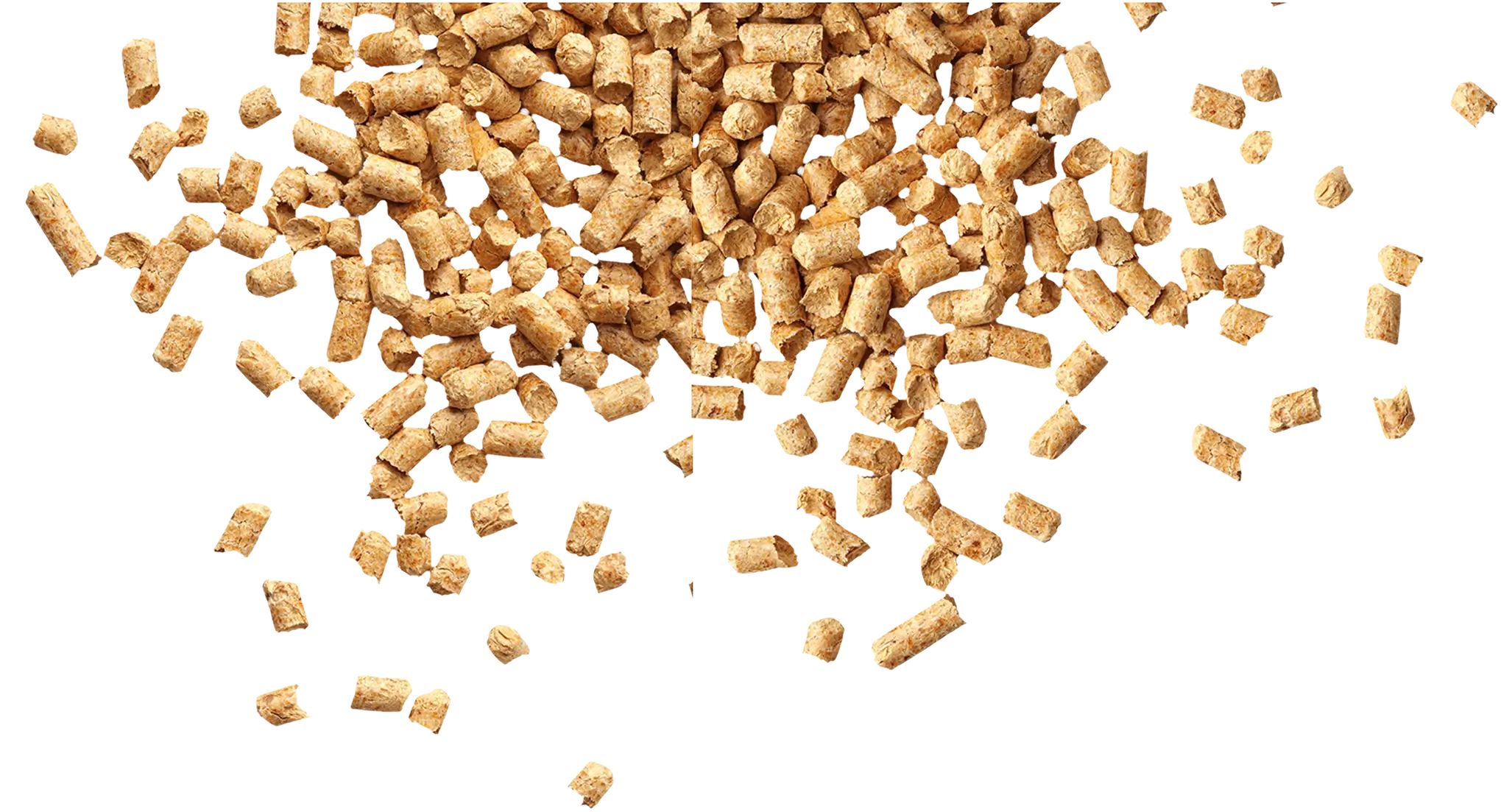
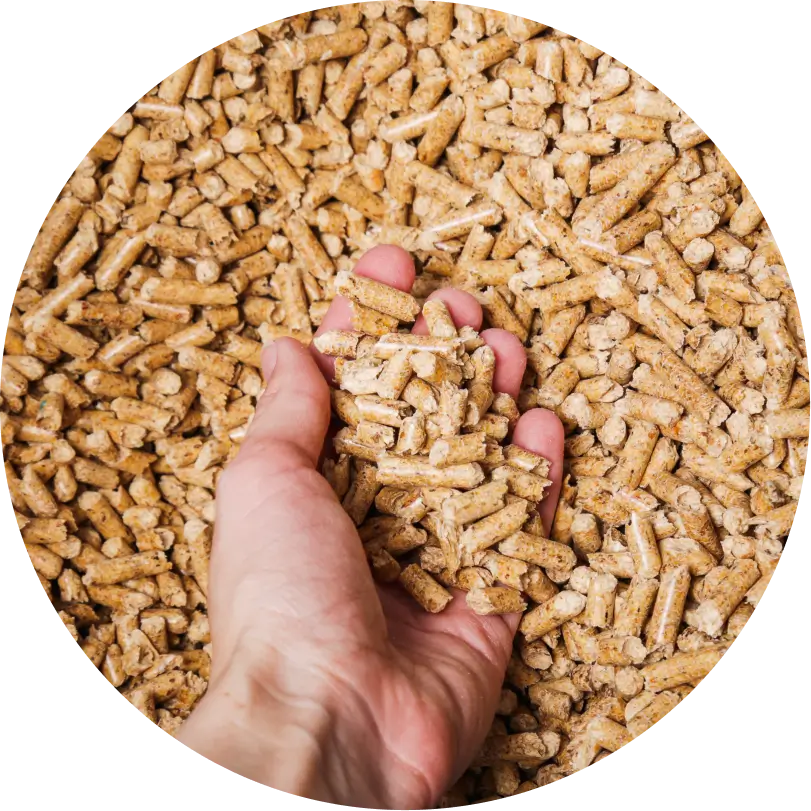
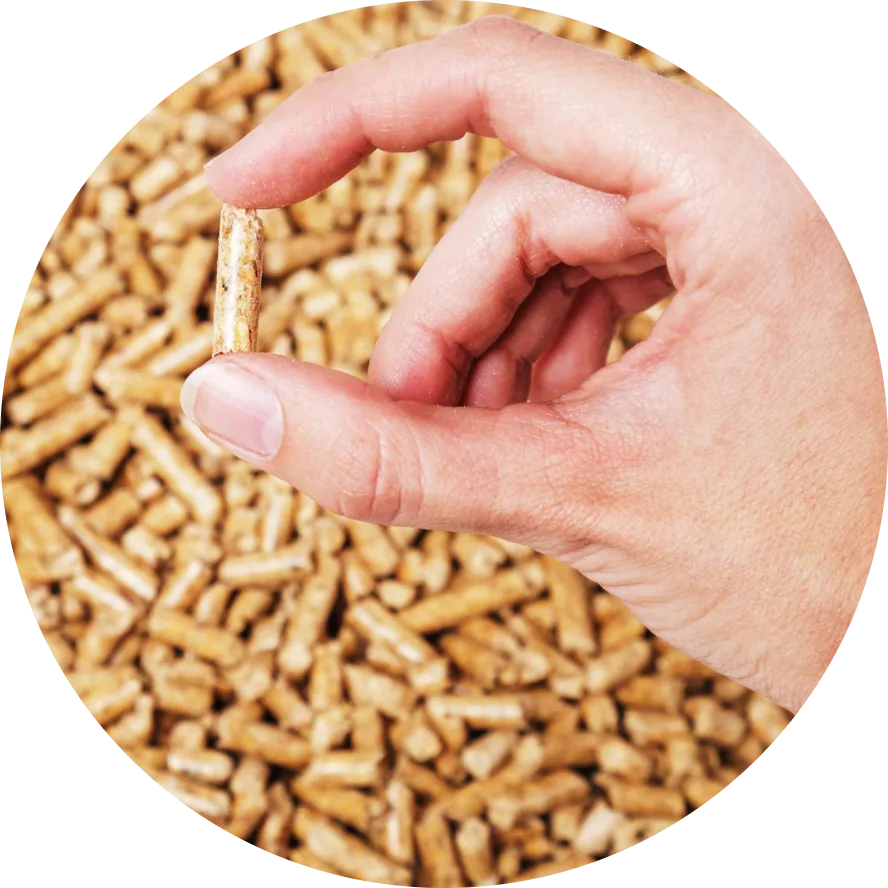
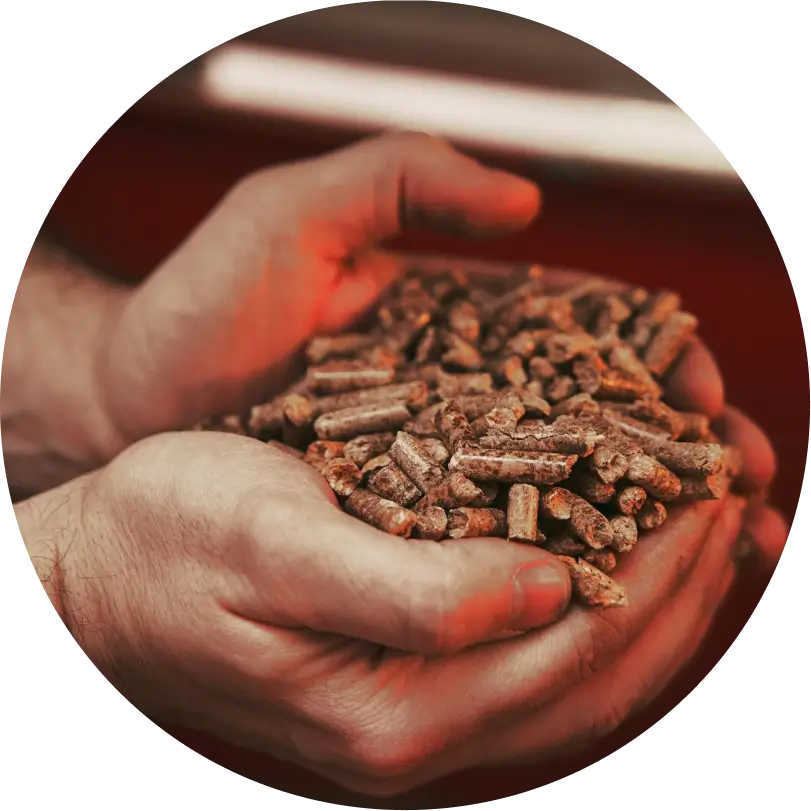
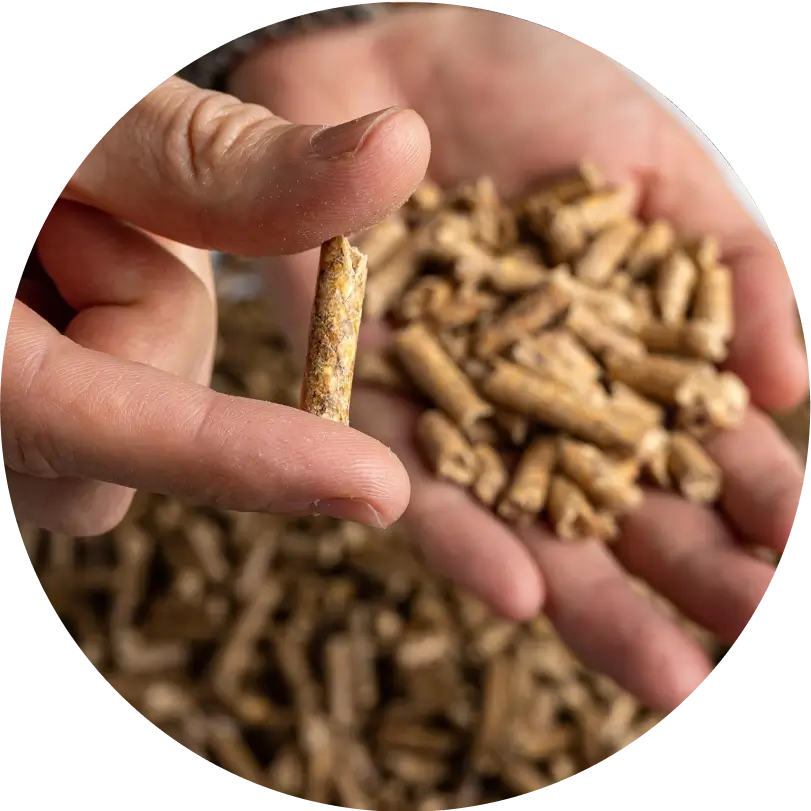
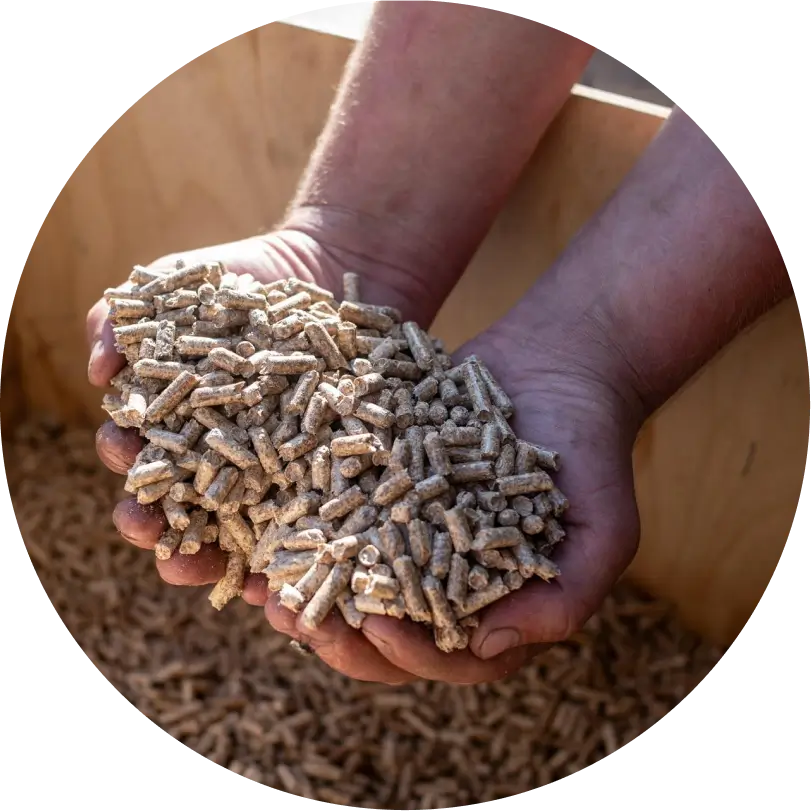
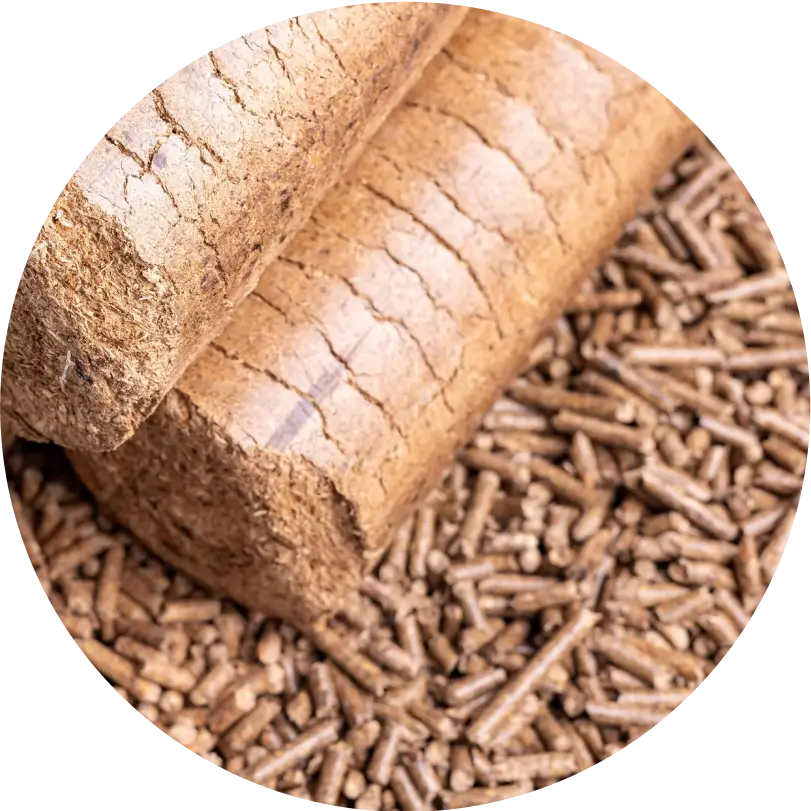
Small and cylindrical in shape, wood pellets are compressed pieces of wood that are commonly used as fuel for grilling and smoking.
Process of Making Wood Pellets
The process of making wood pellets involves drying out and grinding wood sawdust and shavings down to fine particles. These are then compressed under high pressure to form the finished pellet product.

You might wonder, what is it that sticks the pellets together once formed? Well, there is no need for adhesives or any other additives. It is the natural biopolymer lignin in the wood that acts to bind the pellets together.
Simple Construction without Chemicals
The fact that wood pellets are simple in their construction means that there are no toxic chemicals released from glues or other added chemicals. Wood pellets burn cleanly, avoiding the release of harmful substances into the air or your food.
Compared to other fuels such as charcoal and gas, wood pellets reduce waste, and emissions and are an environmentally friendly alternative. As they burn, they produce less ash and smoke.
In addition, the repurposing of wood byproducts in their manufacturing cuts down resource waste. This sustainable approach allows grillers and smokers to enjoy flavorful, high-quality cooking without compromising on eco-consciousness.


Right Wood Pellets for grilling & smoking
Types of Wood Pellets
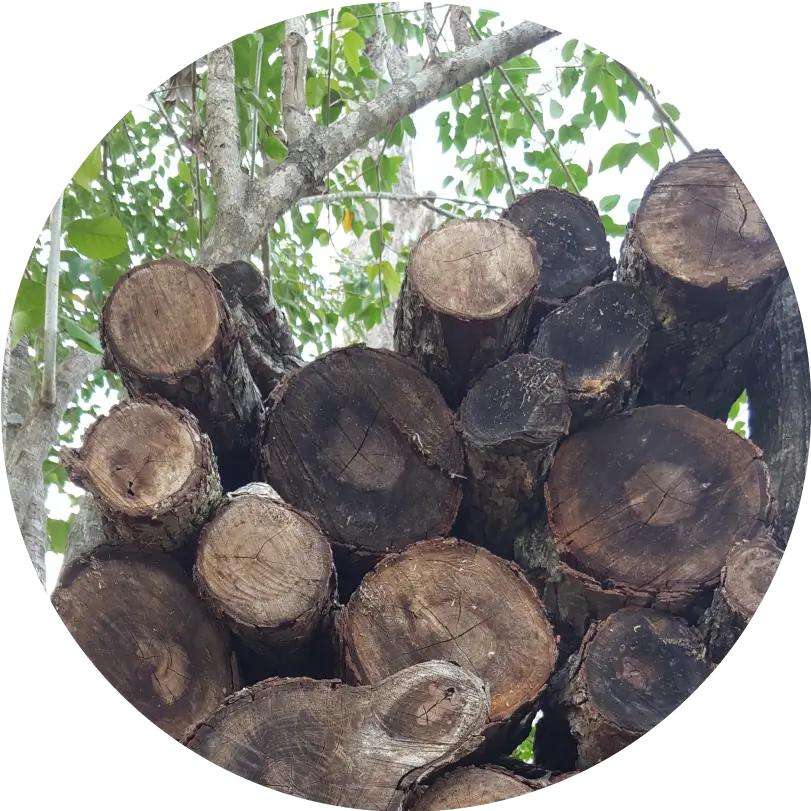
Did you know that wood pellets come in hardwood and softwood varieties? You can choose between the two depending on the type of grilling or smoking you intend to do and also the flavors you wish your food to take on. We’ll explain the advantages and disadvantages of using each type of wood.

Hardwood vs. Softwood Pellets
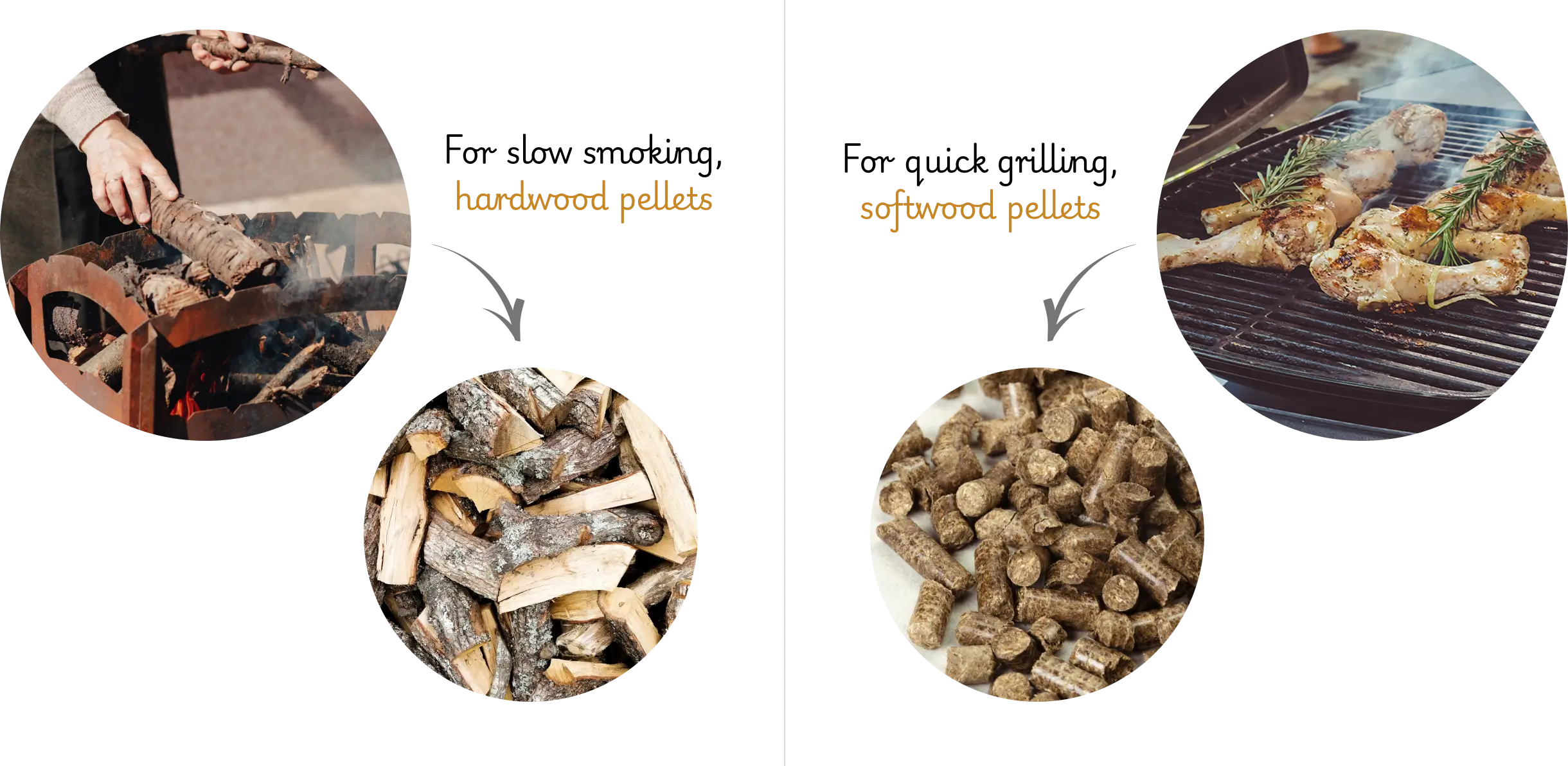
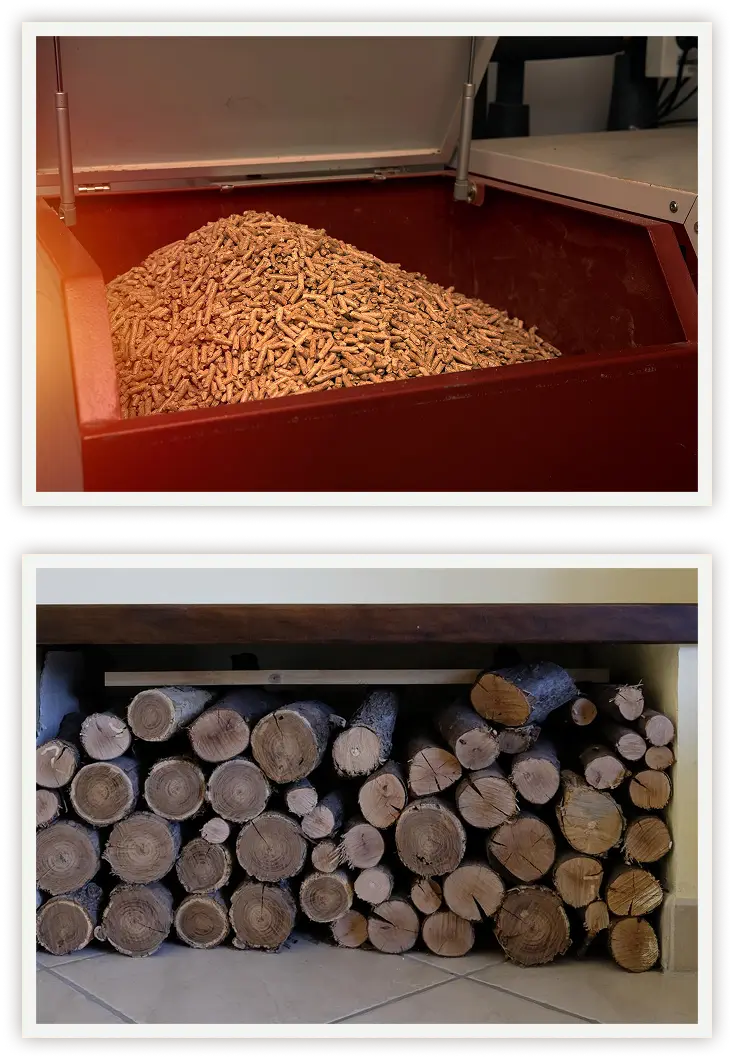
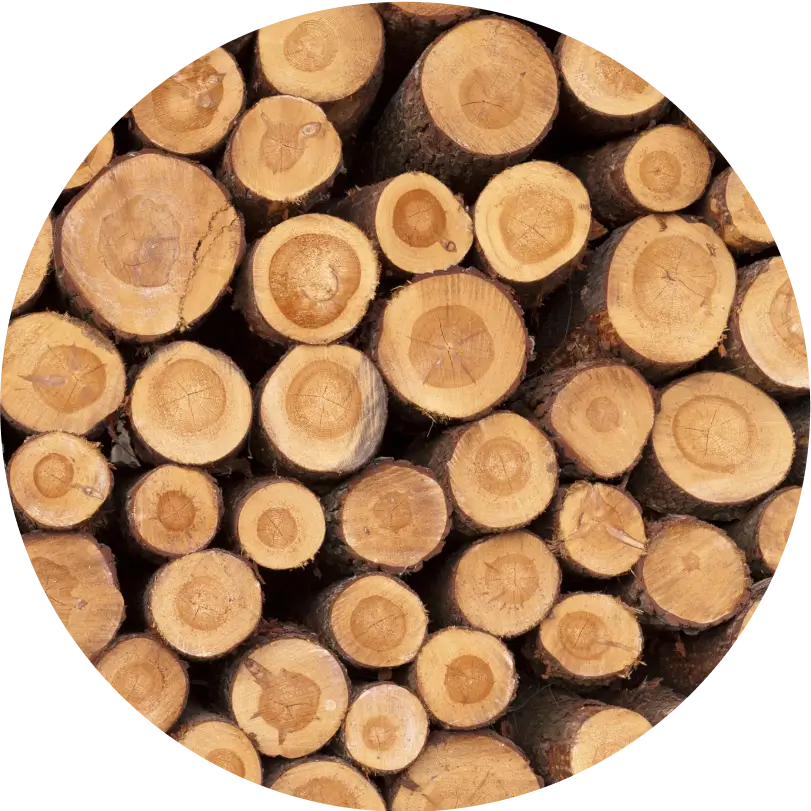
The key difference between hardwood and softwood is the density of the wood. Hardwood is, as you’d expect, a dense wood that burns at a slower rate, producing a steady, even heat. This slow burn makes hardwood pellets perfect for grilling and smoking with the intent of imbuing foods with the characteristic flavors of certain woods. Examples of hardwood varieties include oak, hickory, and cherry.
Oak
Cherry
Hickory
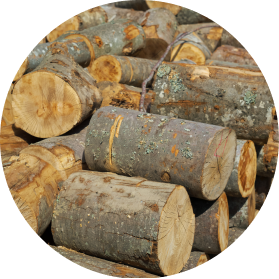
Pine
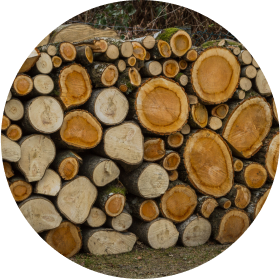
Fir
For quick grilling at high temperatures, softwood pellets are recommended. Softwoods such as pine and fir have a higher resin and lignin content, allowing them to burn hotter and faster. However, the resin can sometimes affect the taste of delicately flavored foods such as fish or poultry.
Hardwood vs. Softwood – Which One Should You Choose?
| Features | Hardwood Pellets | Softwood Pellets |
|---|---|---|
| 1. Burn Rate | Slow and steady | Fast and high heat |
| 2. Best For | Smoking and grilling | Quick, high-temp grilling |
| 3. Flavor Impact | Rich, natural wood flavor | Delicate food taste due to resin |
| 4. Examples | Oak, Hickory, Cherry | Pine, Fir |
Ultimately, the wood type you choose depends on your style of grilling or smoking and the flavors you want to achieve. For slow-smoked barbeques, hardwood pellets are your go-to fuel source. Whereas, for quick grilling at higher temperatures, softwood pellets can be a practical and cost-effective alternative.
Popular Wood Pellet Flavors
Just starting out with using wood pellets to enhance the flavor profiles of your favorite foods? Or perhaps you are keen on experimenting and trying something a little different? We have a quick guide to wood pellet flavors for you.
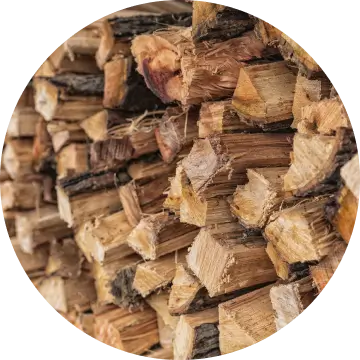
Hickory
Flavor
Bold, smoky
Perfect for
Meats like pork and beef
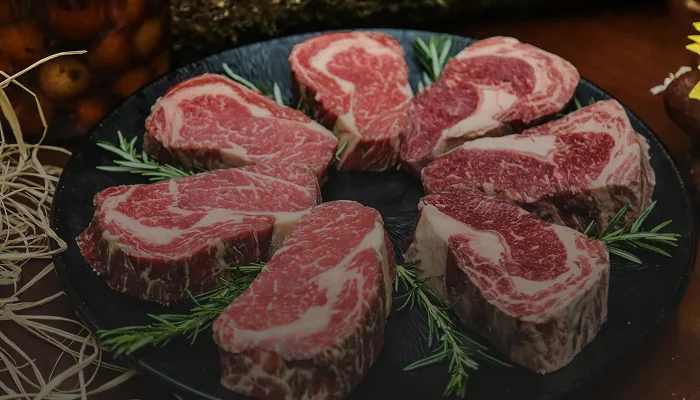
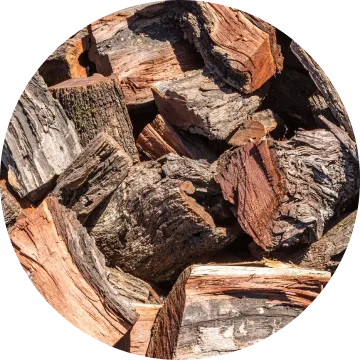
Mesquite
Flavor
Intense, earthy
Perfect for
Grilling red meats
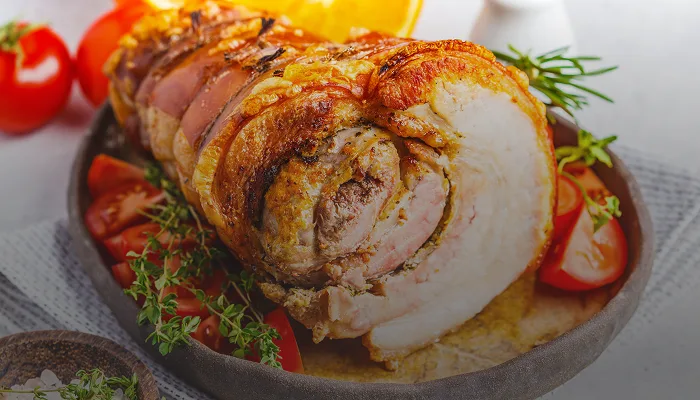
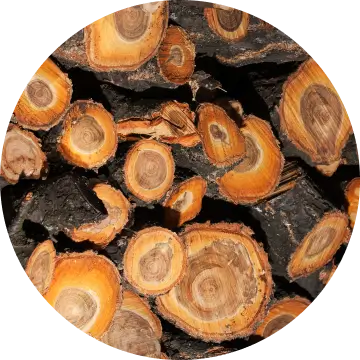
Applewood
Flavor
Mild, sweet
Perfect for
Poultry and pork
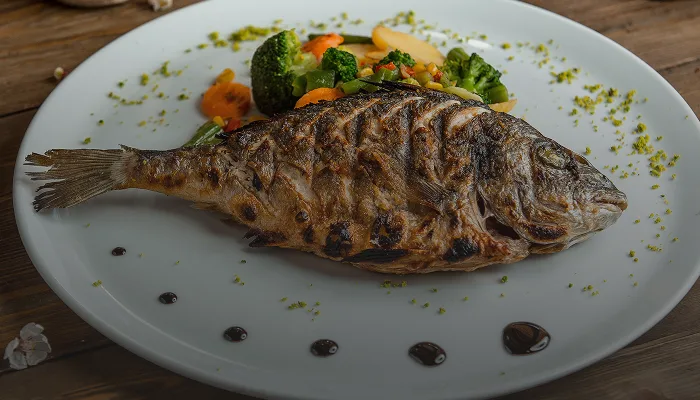
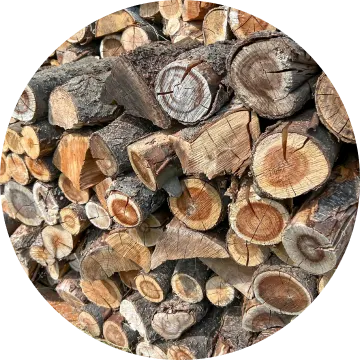
Cherry
Flavor
Fruity and delicate
Perfect for
Poultry, fish, and vegetables
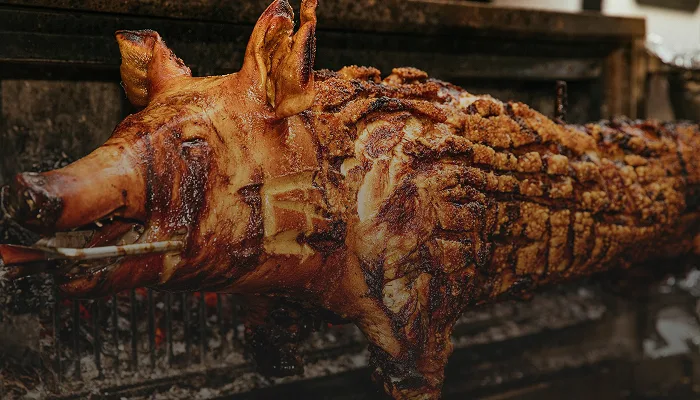
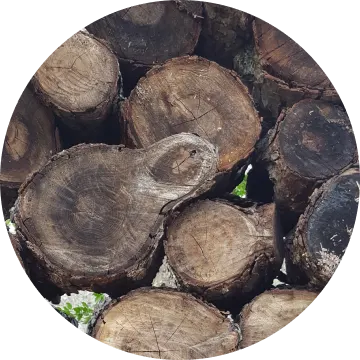
Pecan
Flavor
Mild and nutty
Perfect for
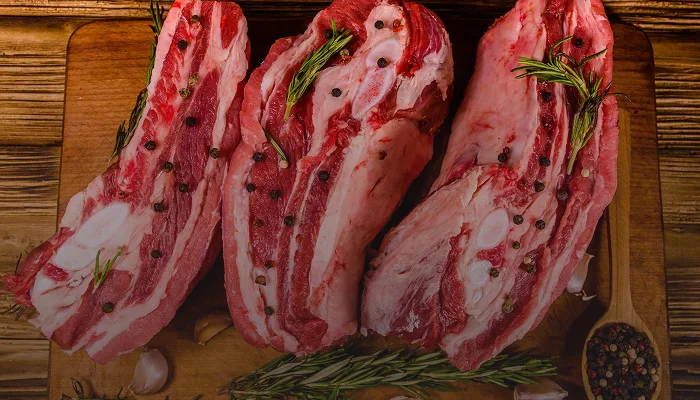
Smoking pork, poultry, and beef
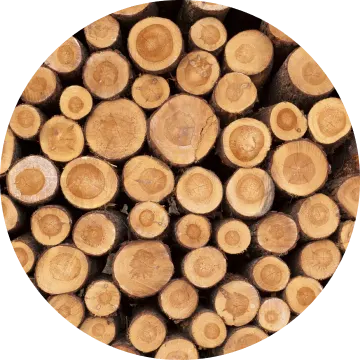
Oak
Flavor
Strong and earthy
Perfect for
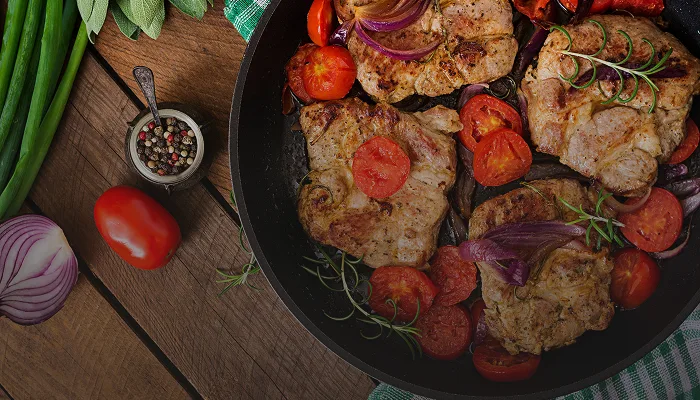
Beef, pork, poultry, and even vegetables
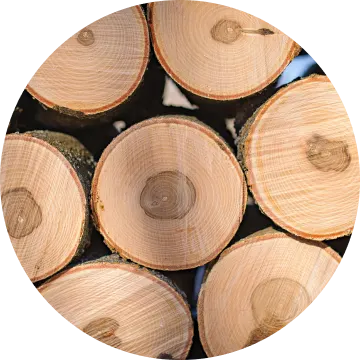
Maple
Flavor
Sweet and mild
Perfect for
Pork, poultry, and fish

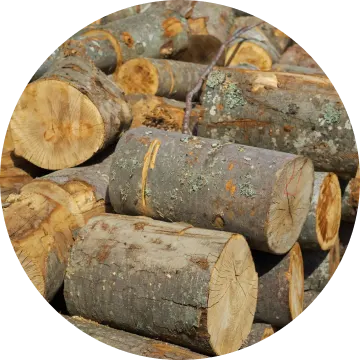
Alder
Flavor
Delicate and slightly sweet
Perfect for
Smoking fish, especially salmon
Right Wood Pellets for grilling & smoking
WHAT TO CONSIDER WHEN
CHOOSING Wood Pellets


Burn Time

Quality

Composition
Apart from the different wood types, there are other considerations to bear in mind when choosing the perfect wood pellets for grilling and smoking. From flavor profile to burn-time, quality and composition, there’s more to the simple wood pellet than you would first think.
FLAVOR PROFILES AND FOOD PAIRINGS
EACH TYPE OF WOOD OFFERS DIFFERENT SMOKY FLAVOR
Now you have a better understanding of the flavor profiles of different types of wood, you can pair them with your favorite foods for the ultimate taste and aroma. Each type of wood offers a different smoky flavor, ranging from mild and sweet to bold and intense. By using our guide to wood types and their distinct smoky qualities you can enhance the natural flavors of meats, vegetables, and even desserts made on the grill or smoker.
Hickory
Mesquite
Oak
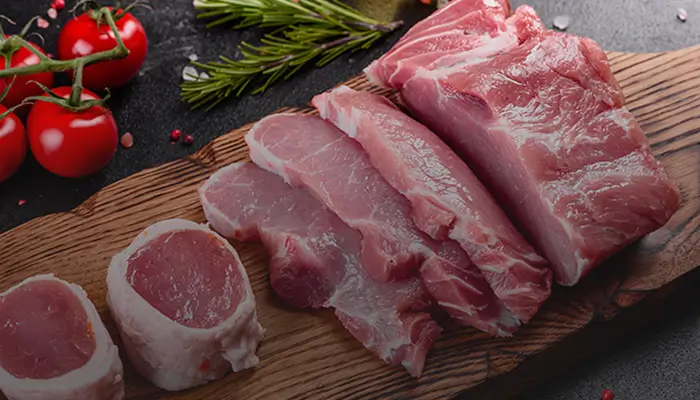
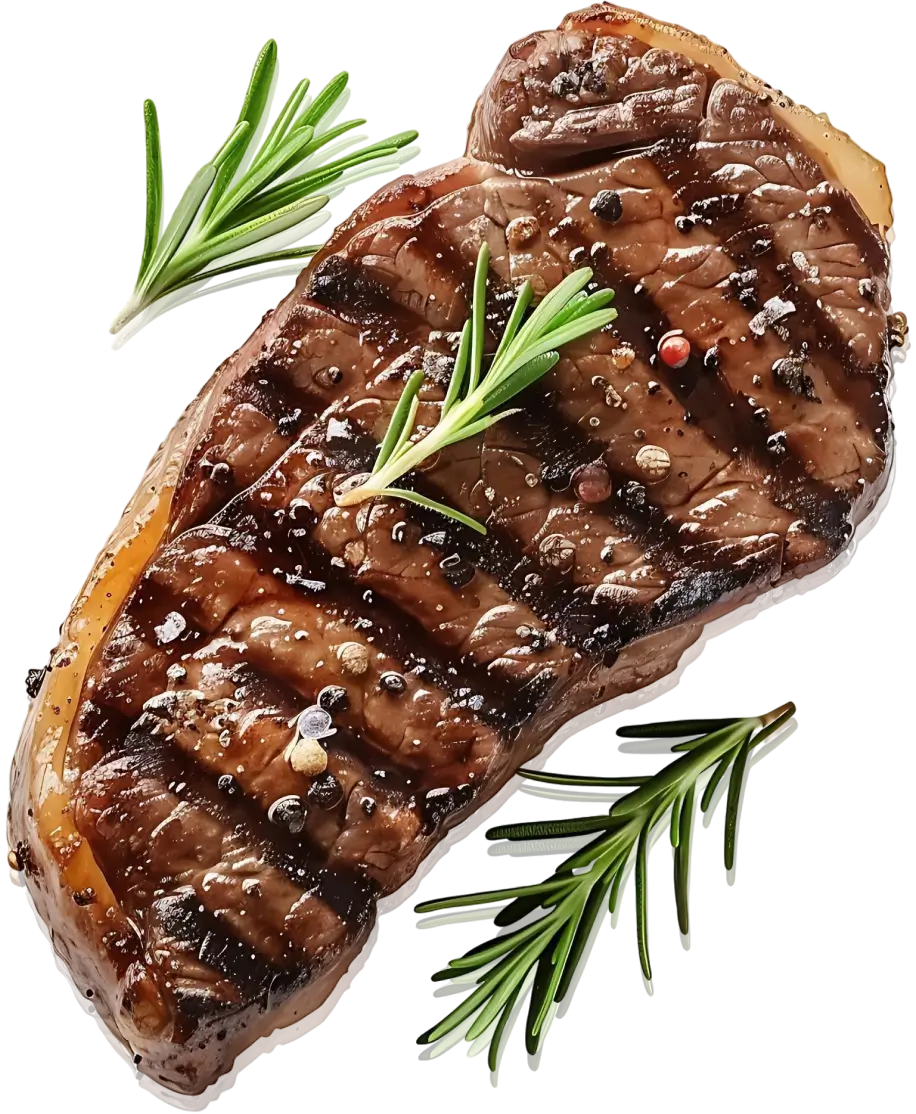
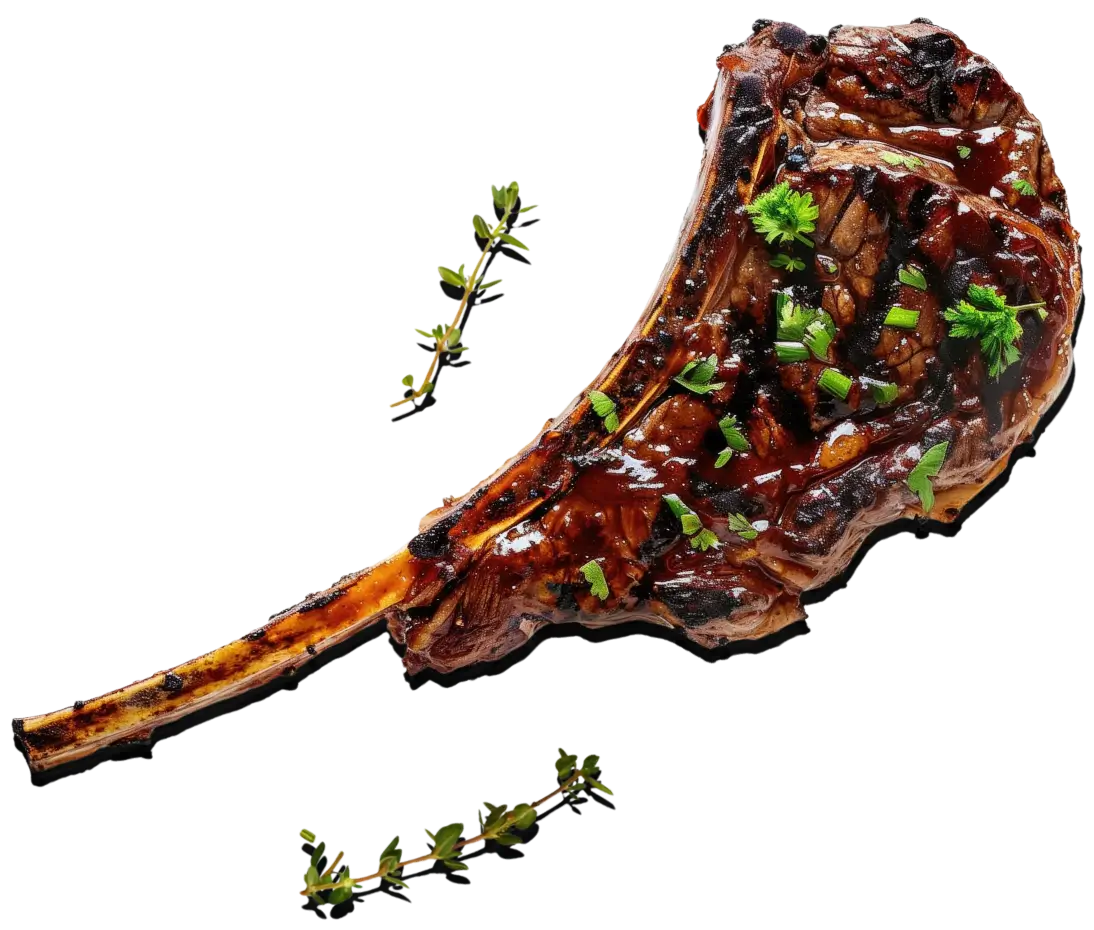
For hearty meats like beef, pork, or lamb, try using bolder smoky woods like hickory, mesquite, or oak. Hickory is a classic choice for barbecue, serving up a bold, smoky flavor that pairs perfectly with ribs and pork shoulder.
Use maple wood for a sweet, SMOKY FLAVOR.
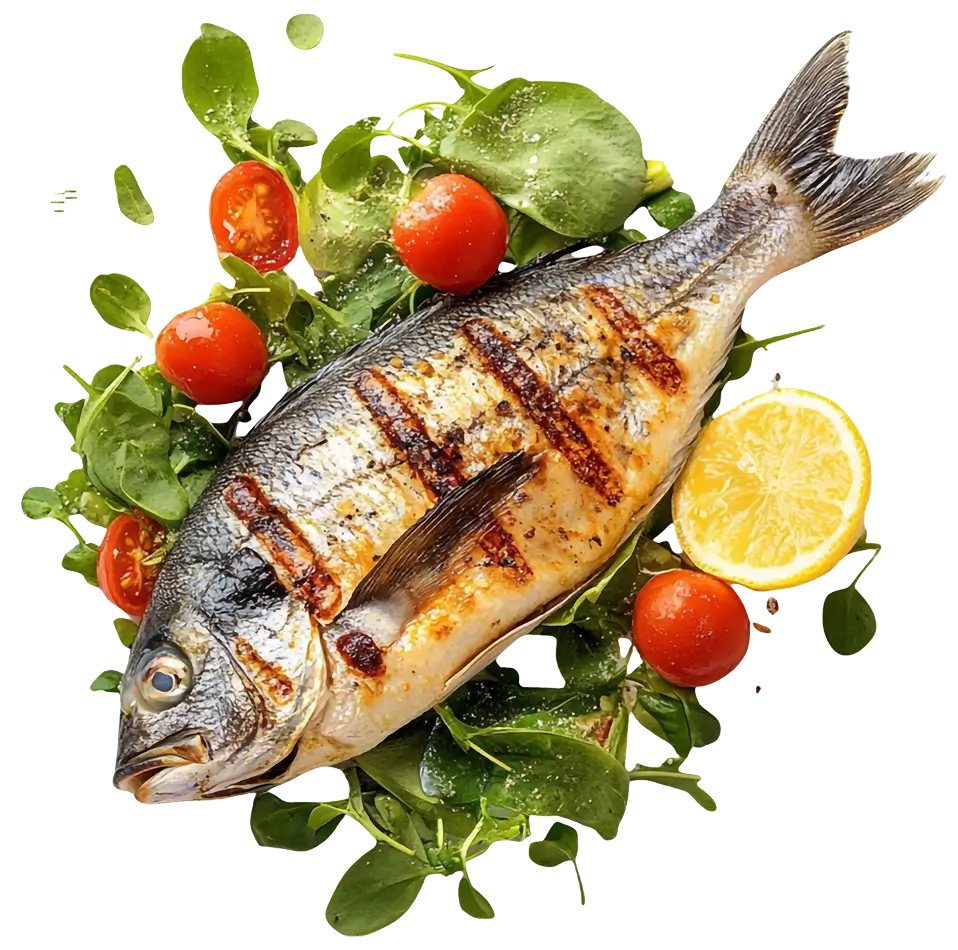
When cooking more delicate cuts of meat such as for poultry and fish-based dishes, choose applewood, alder, or maple for their fruitier and milder smoky flavors. Maple is most commonly used with turkey and ham, providing a sweet smoky quality.
Hickory
Mesquite
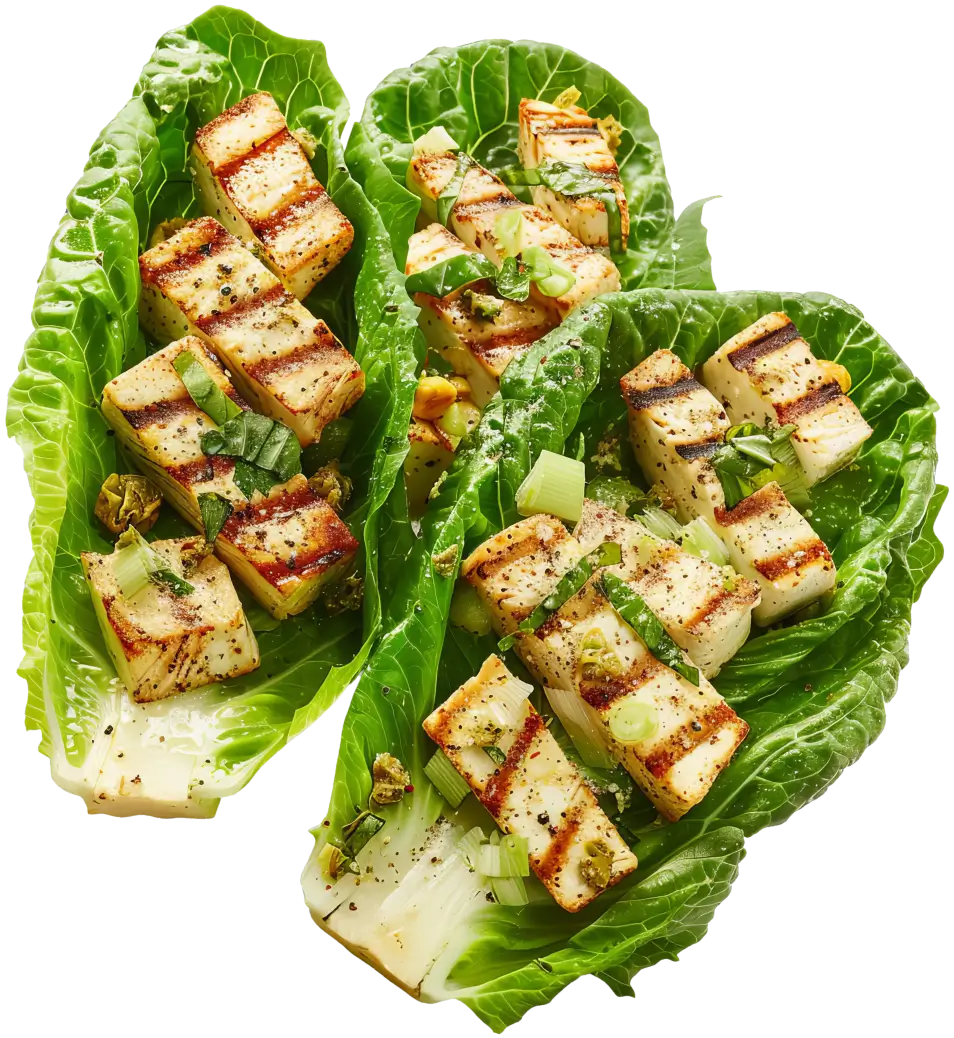
Plant-based cuisines haven’t been forgotten! Vegetables and meat alternatives, like tofu and tempeh, can also be treated with smoking and grilling techniques.
Woods like cherry and pecan provide a subtle smokiness without overwhelming the delicate flavors of these foods. Cherry wood’s sweet, fruity profile adds a touch of richness to roasted vegetables and pairs well with tofu or plant-based proteins. Pecan wood, with its nutty and mild smokiness, enhances the flavors of grilled mushrooms, eggplant, and squash.
pellet quality and composition
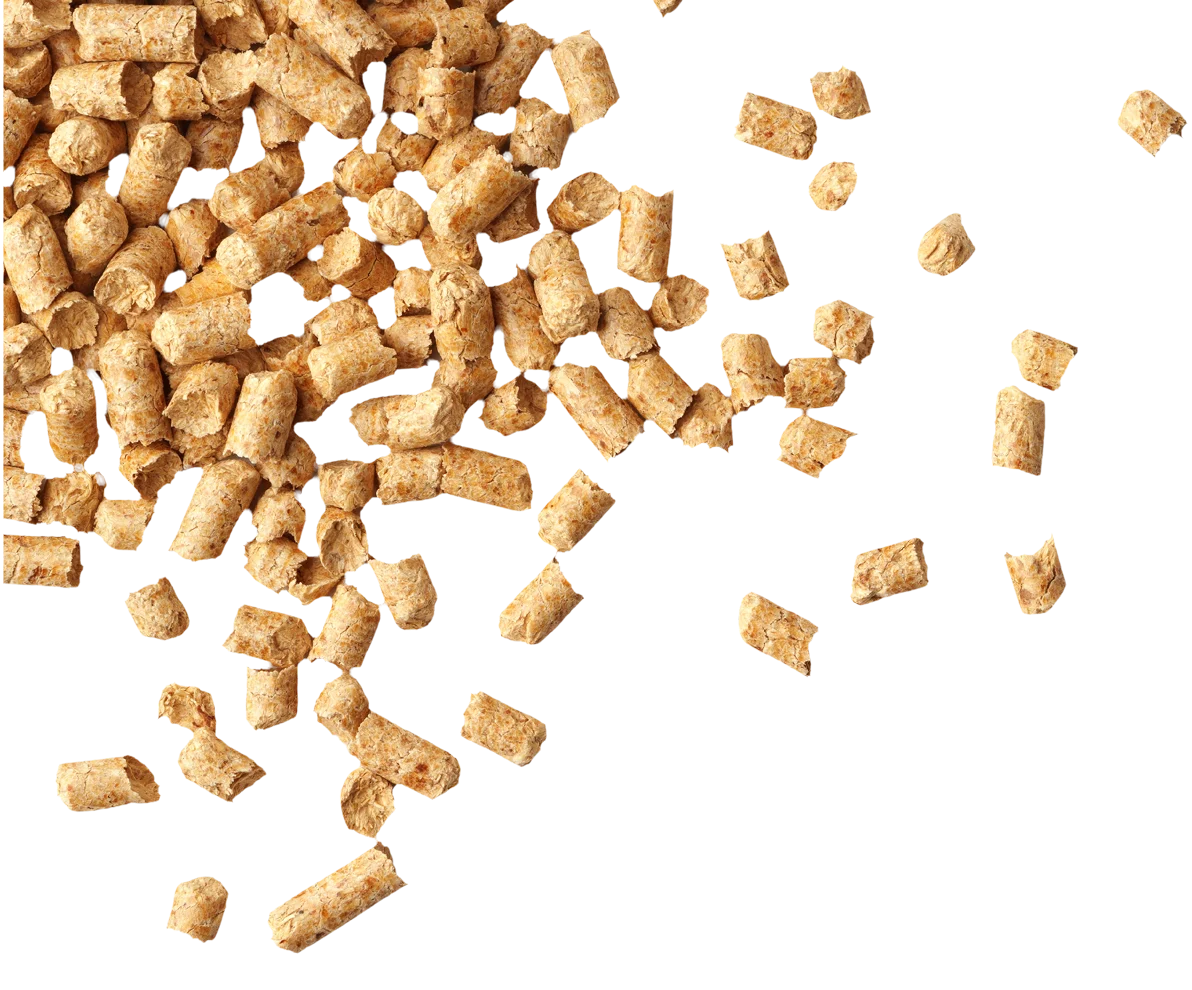
Now you’ve got an idea of which wood pellet types would suit your favorite foods, you can start to shop around. However, always investigate the pellet quality and composition before purchasing. Not all wood pellets are made equal, so make sure that you check out the contents. Ensure that the pellets you buy are derived from 100% wood and free from any fillers or additives.



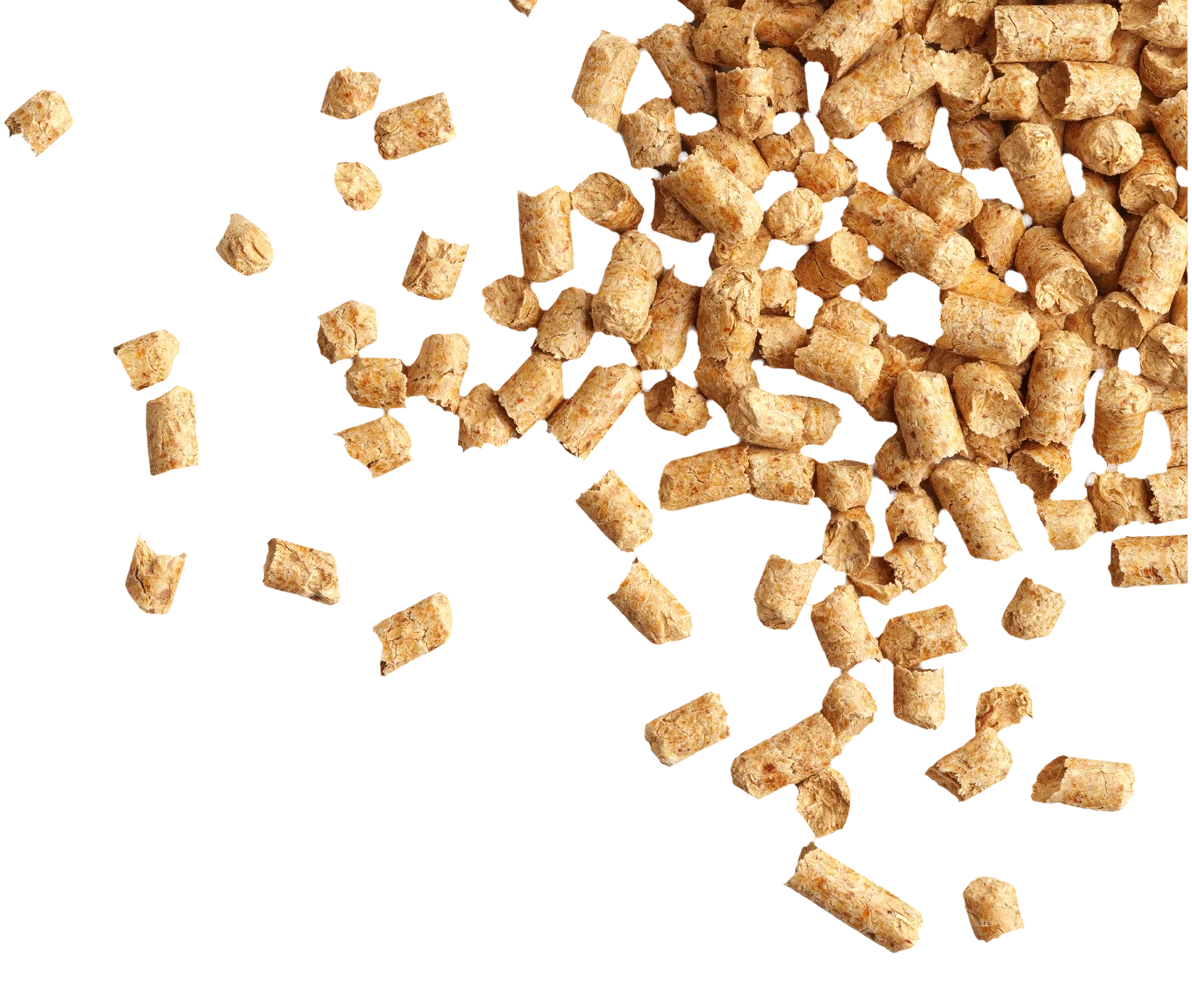
High-quality pellets burn cleanly, and won’t negatively affect your smoking or grilling, instead, they will enhance your cooking. What’s more, using better brands of wood pellets will ensure that the temperature remains consistent allowing you to grill and smoke with the confidence of a seasoned pitmaster.
Burn time and heat output
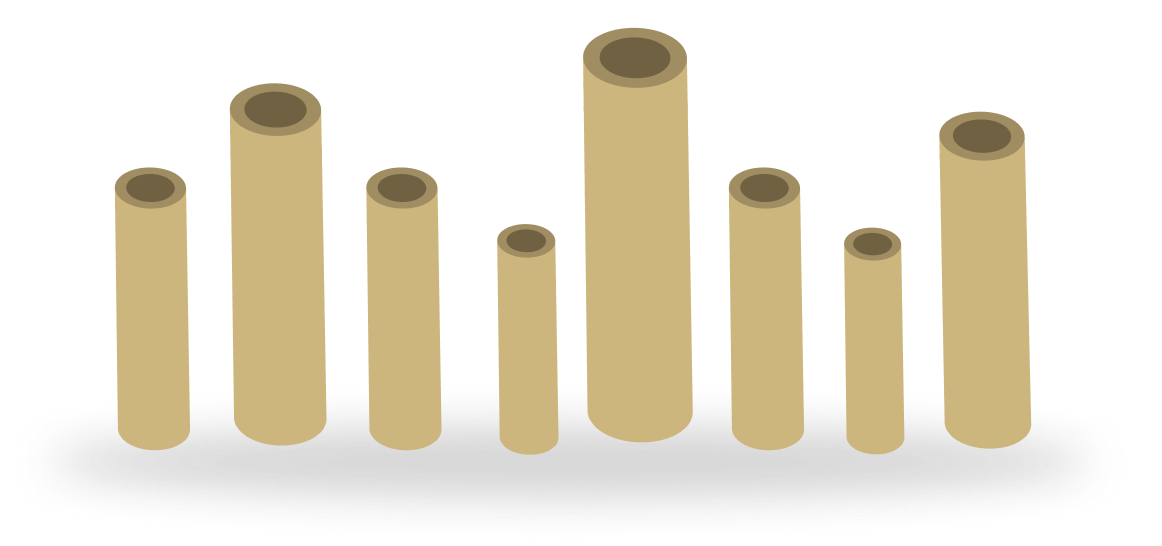
It’s time to get technical, as the pellet size and density also have a part to play in your smoking or cooking experiments. Consistently sized pellets allow for a steadier heat output. Larger or irregularly shaped pellets can cause jams which lead to heat fluctuations and uneven cooking.
Pellet size and density matters in cooking experiments
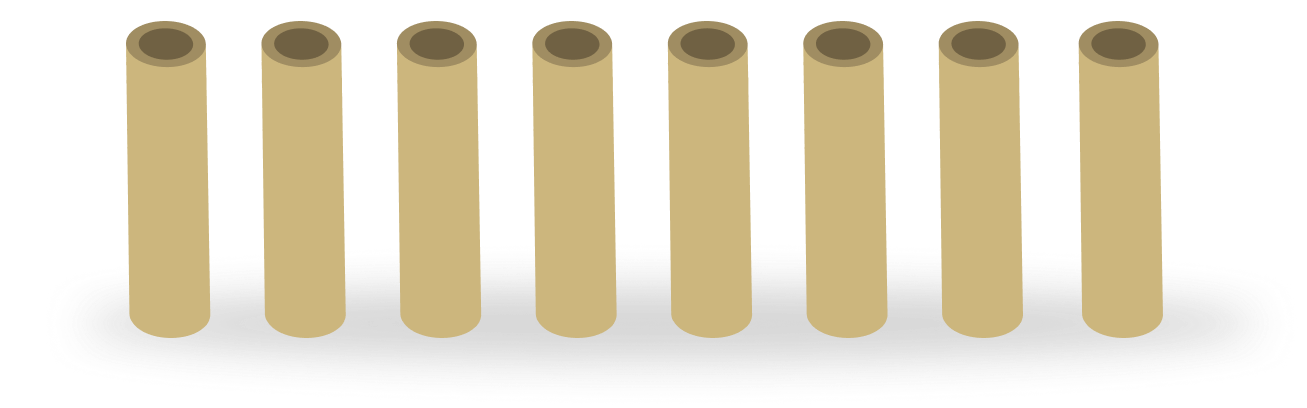

regular sized pellet
For steady heat and consistent cooking.
irregular sized pellet
Cause jams which lead to heat fluctuations and uneven cooking.

You might have also noticed a BTU rating on the wood pellet pack. BTU stands for British Thermal Unit and refers to the heat output of fuel, which in this case is wood pellets. A higher BTU rating typically indicates that a wood pellet type or brand provides more heat and longer burn times.

Oak
Hickory
This is ideal for achieving a consistent grill or smoke. Hardwood pellets such as oak and hickory often have higher BTU ratings due to their density, making them a great choice for low-and-slow cooks.
Moisture content

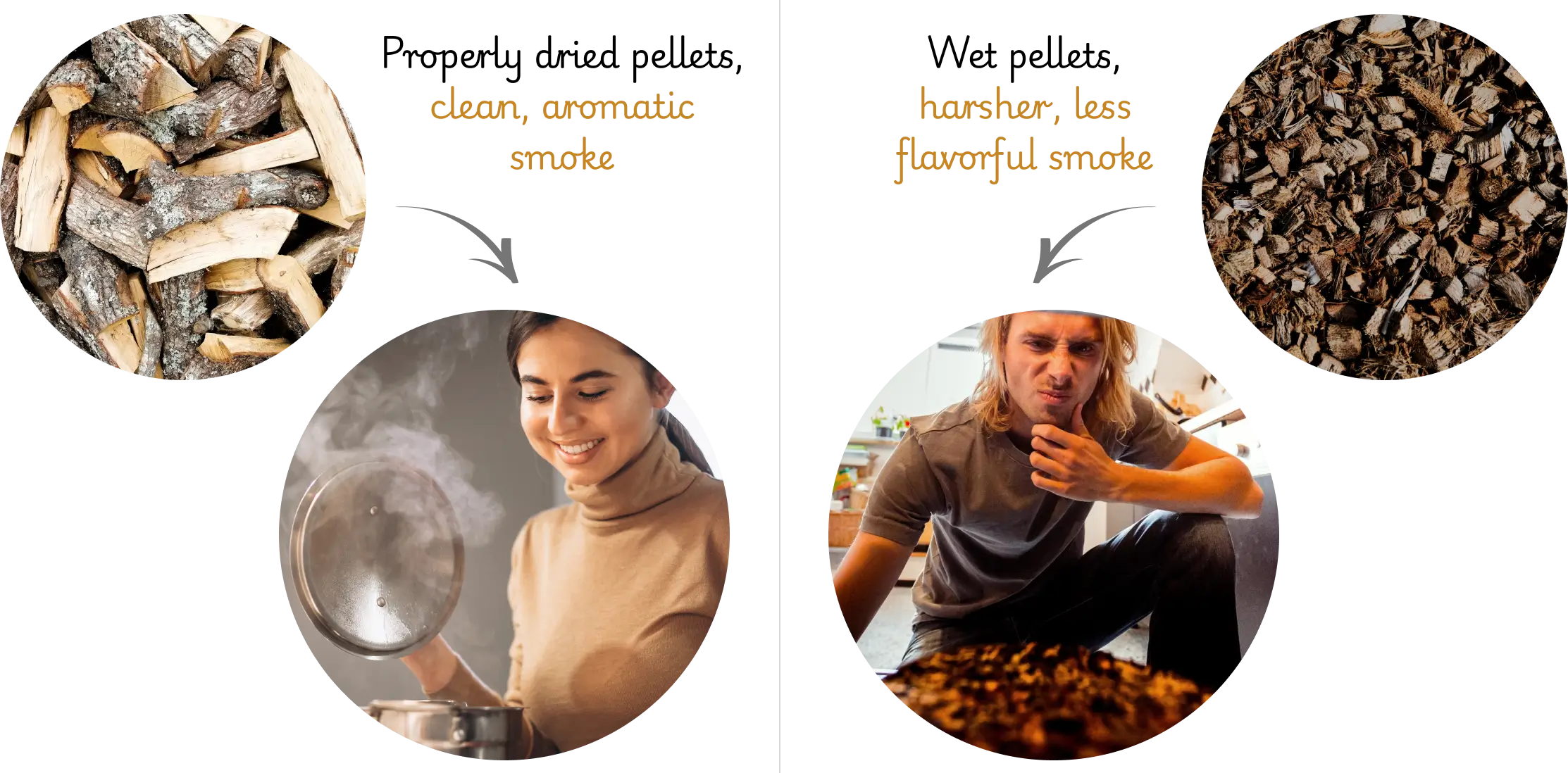
Checking out the moisture content of pellet varieties is crucial if you want to achieve an efficient burn and flavor infusion. The ideal moisture content for wood pellets is typically between 6% and 8%.

Pellets containing too high an amount of moisture will burn far less efficiently, requiring more energy to ignite and maintain a consistent temperature. This can cause increased ash production, more smoke, and uneven heat distribution, all of which can affect your cooking results.
Pellets containing High Amount Of Moisture Can Cause
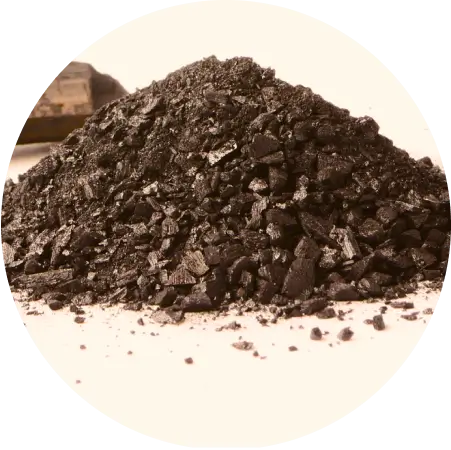
Ash production

Smoke
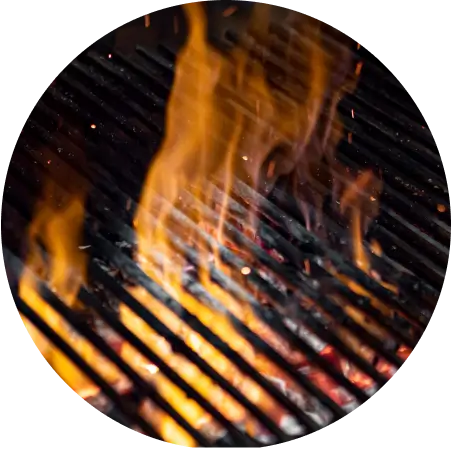
Uneven Heat
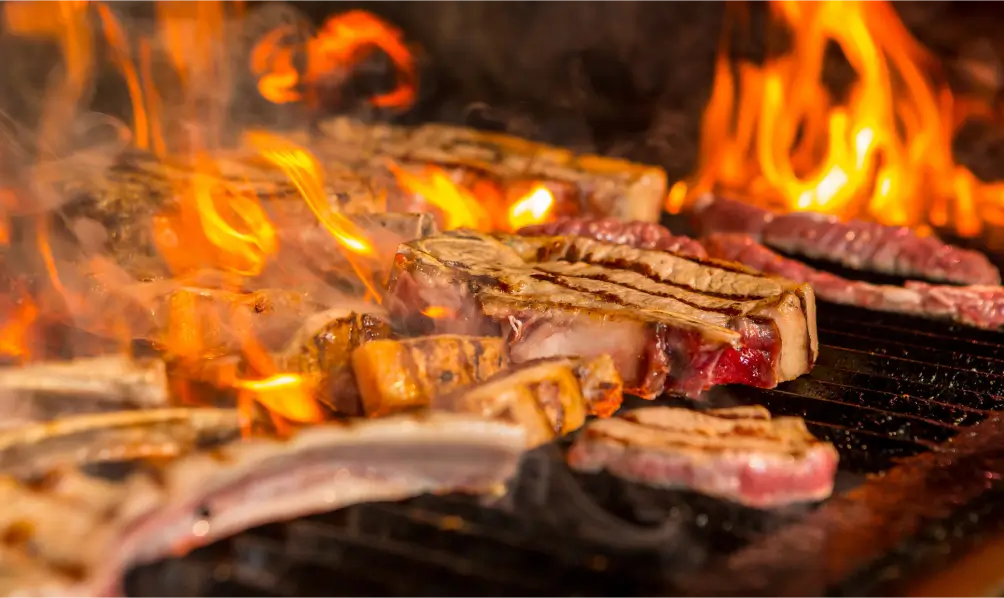
Wood pellet moisture content also impacts the flavor profiles of grilled or smoked foods. Moisture affects how well compounds within the wood are released during burning.

Properly dried pellets provide a clean, aromatic smoke. Wet pellets, on the other hand, can sometimes imbue foods with a harsher, less flavorful smoke as a result of incomplete combustion of the wood.
Right Wood Pellets for grilling & smoking
Types of Pellet Grills
and How They Use Pellets

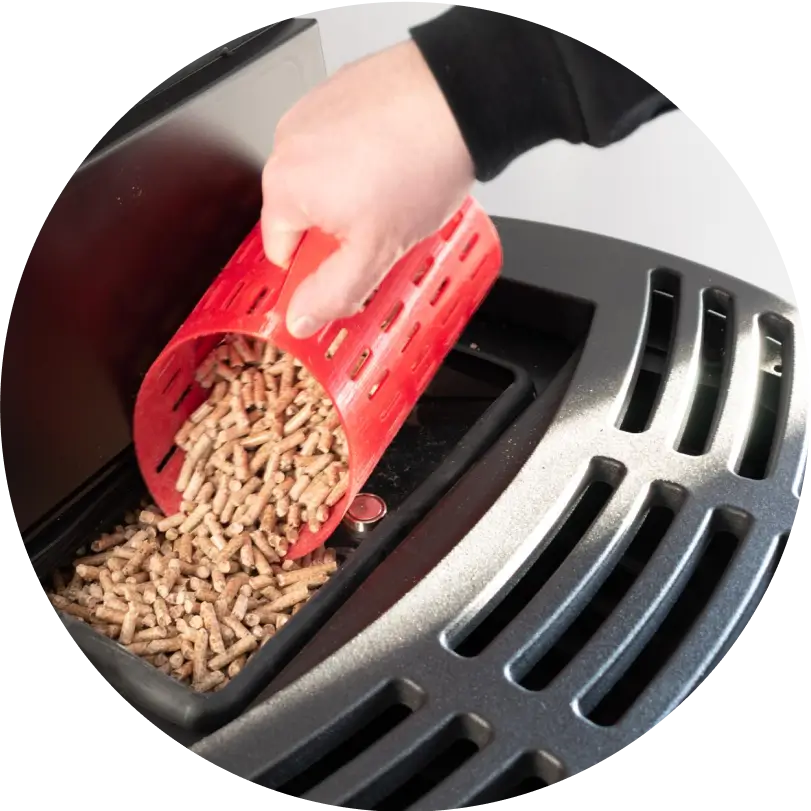
Convenient, precise, and with an ability to produce down-right delicious smoked and grilled foods, pellet grills are becoming an increasingly popular choice. These grills operate by feeding wood pellets into a fire pot where they are ignited and used to generate heat and smoke.
There are several different types of pellet grills available to buy, each with its own unique features and options. Understanding the mechanics and capabilities of the one you wish to purchase or may already have, is key to perfect grill performance. Here, we explore the basics and how to choose the right type of pellets based on your grill type.


PELLET GRILLS BASICS

Pellet grills sometimes referred to as pellet smokers, are designed to deliver the convenience of gas or electric grills alongside the rich flavors and aromas typically associated with traditional wood-fired smokers.
How Pellet Grills Work, The Science of Flavor & Heat:
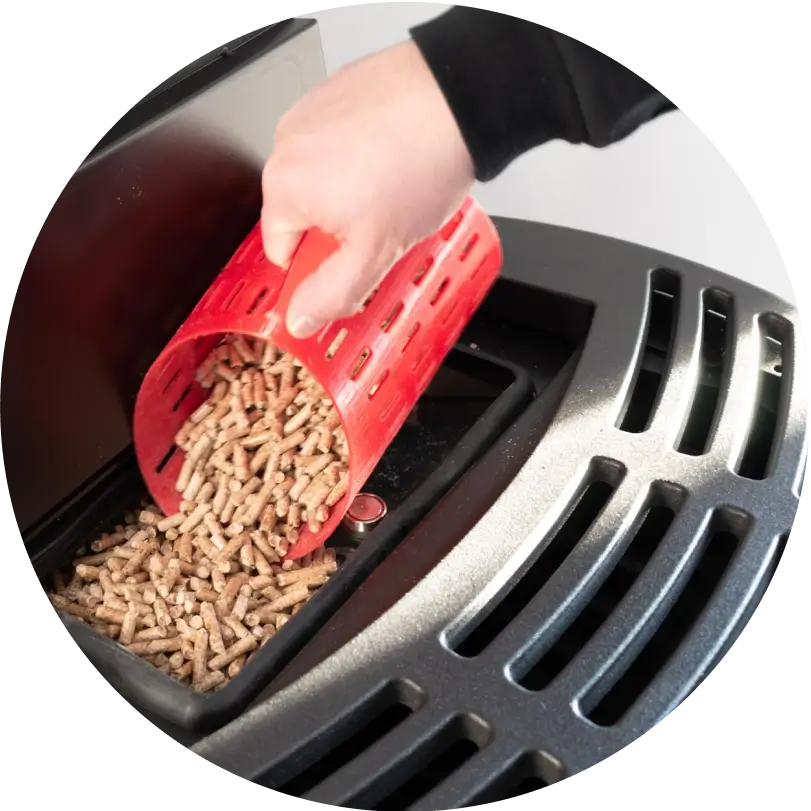
How pellet grills operate is through an automated system where pellets stored in a hopper at the side or rear of the grill are fed into the fire pot. Once the pellets enter the fire pot, an electric ignition system or hot rod sets fire to them. Heat, created by the burning pellets, is then circulated throughout the grill by a fan, providing an even cooking temperature. A fan also helps distribute the smoke produced by the burning pellets, infusing your food with flavor.
Choosing Pellets Based on Your Grill Type
Make sure you choose pellets suitable for the type of grill you own. Some high-end pellet grills with advanced temperature control systems, perform well with a wide range of pellet types. Whilst others may need a helping hand, by using specific wood pellets to achieve the best results.
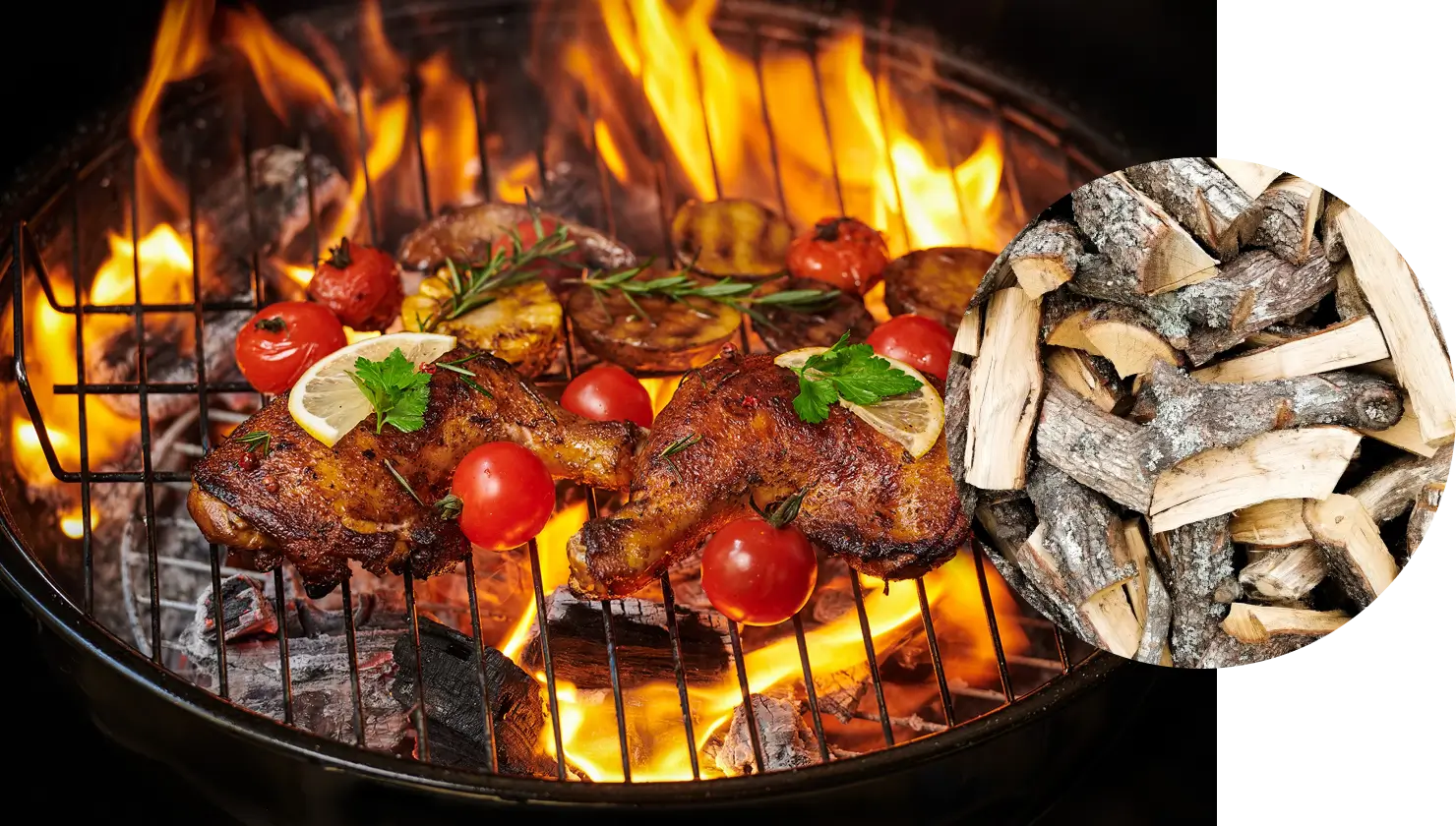

quick grilling work well with softwood pellets, which burn hotter and faster
high airflow systems would benefit from burning hardwood pellets, for a steady burn and consistent heat.
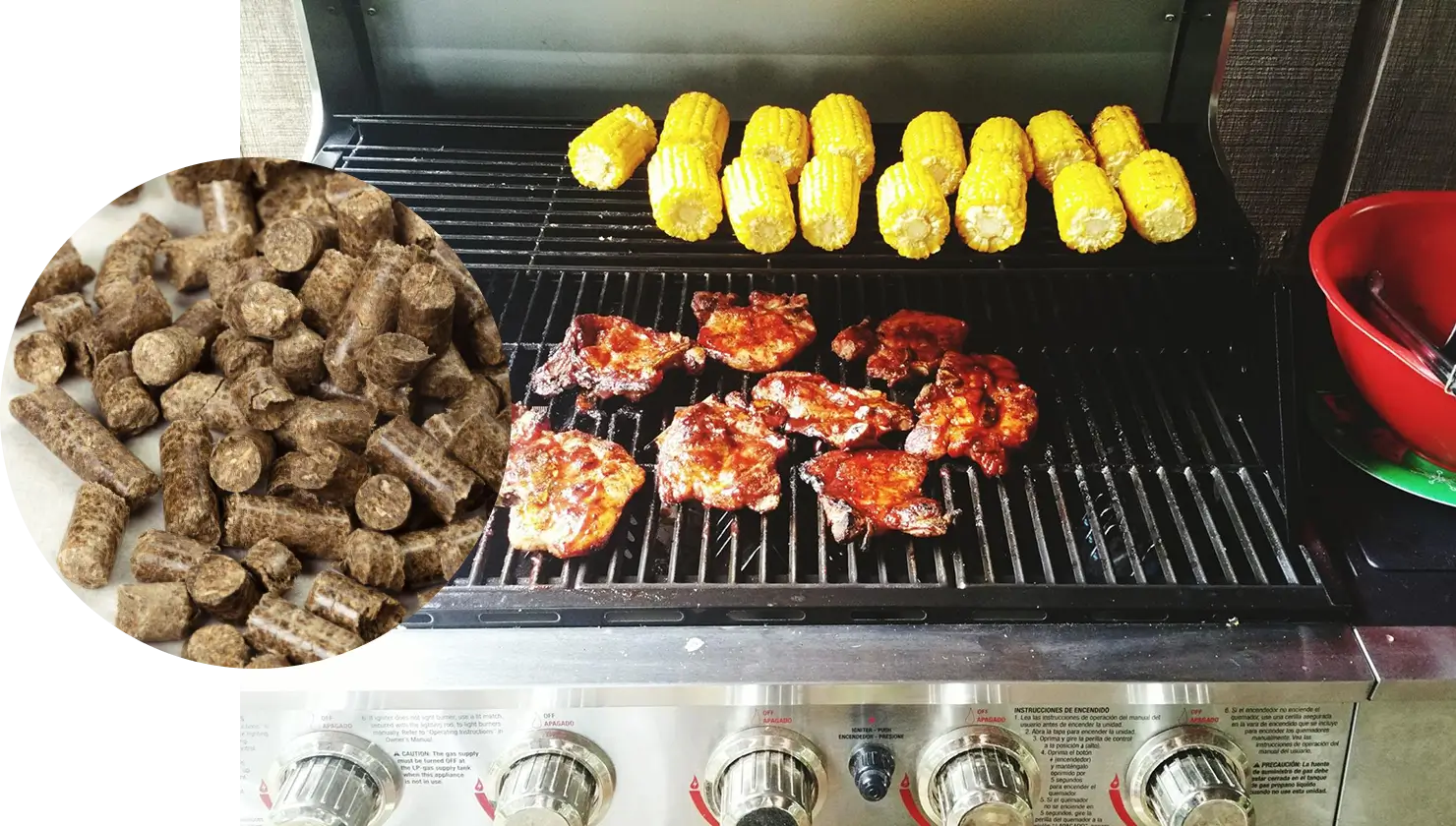

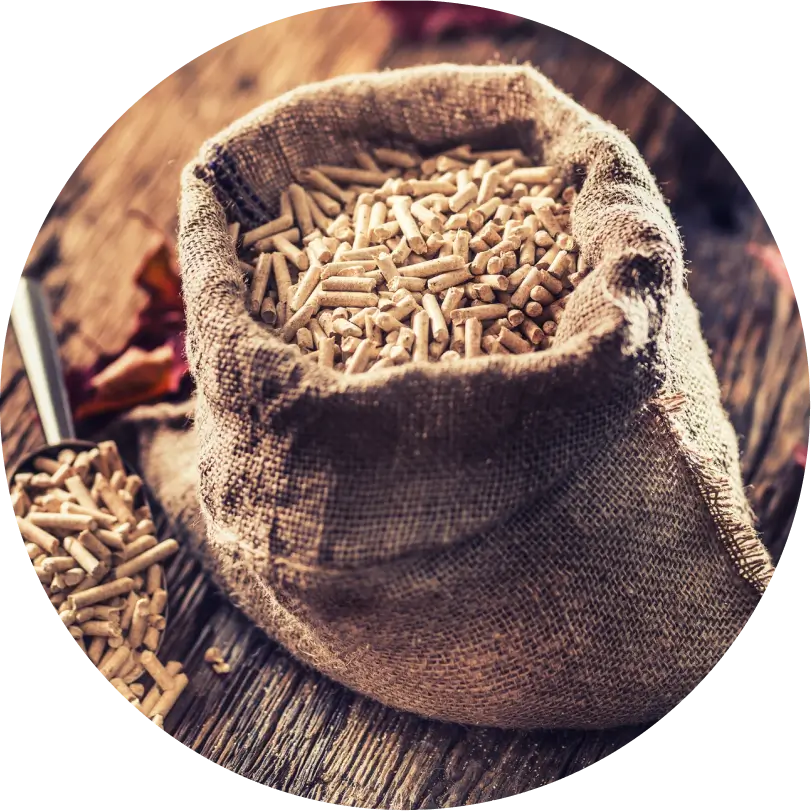
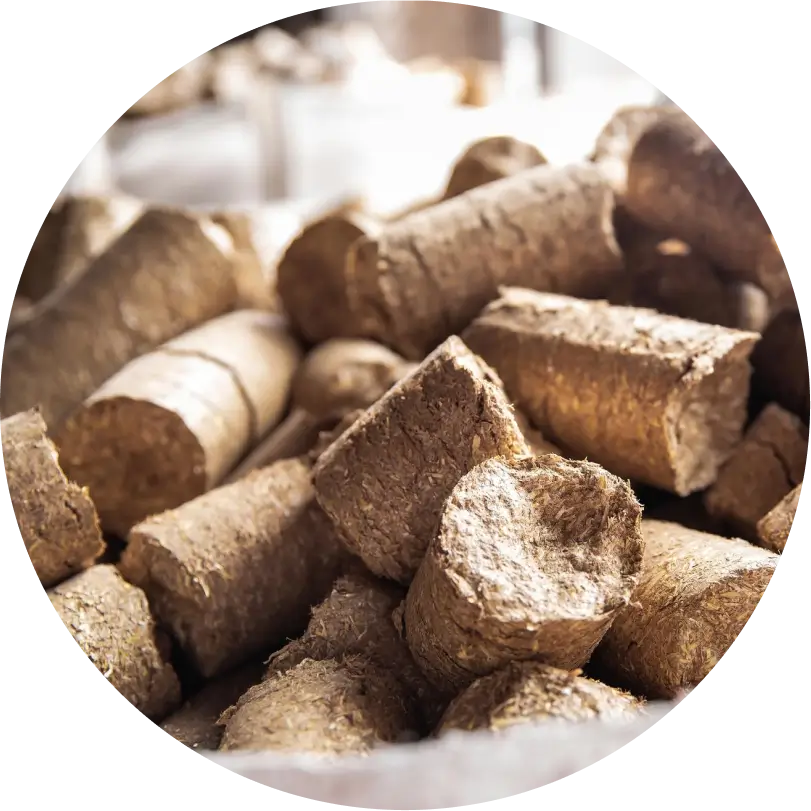
Grills designed for quick grilling work well with softwood pellets, which burn hotter and faster. Whereas low-and-slow style grills or those with high airflow systems would benefit from burning hardwood pellets, for a steady burn and consistent heat.
Right Wood Pellets for grilling & smoking
How to Store and
Handle Wood Pellets
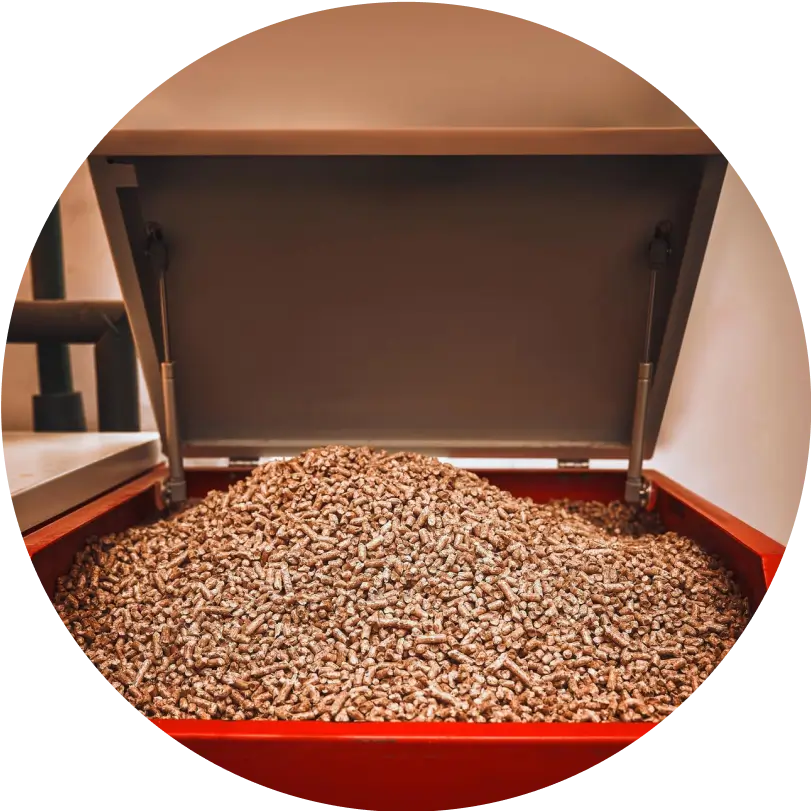
Going to all the effort of selecting the best quality wood pellets means nothing if they are stored incorrectly. Proper storage of your wood pellets is essential to maintain their quality each time you fire up the grill or smoker. By storing them correctly you can extend their shelf life and ensure you get consistent results with every cook.
Proper Storage Techniques
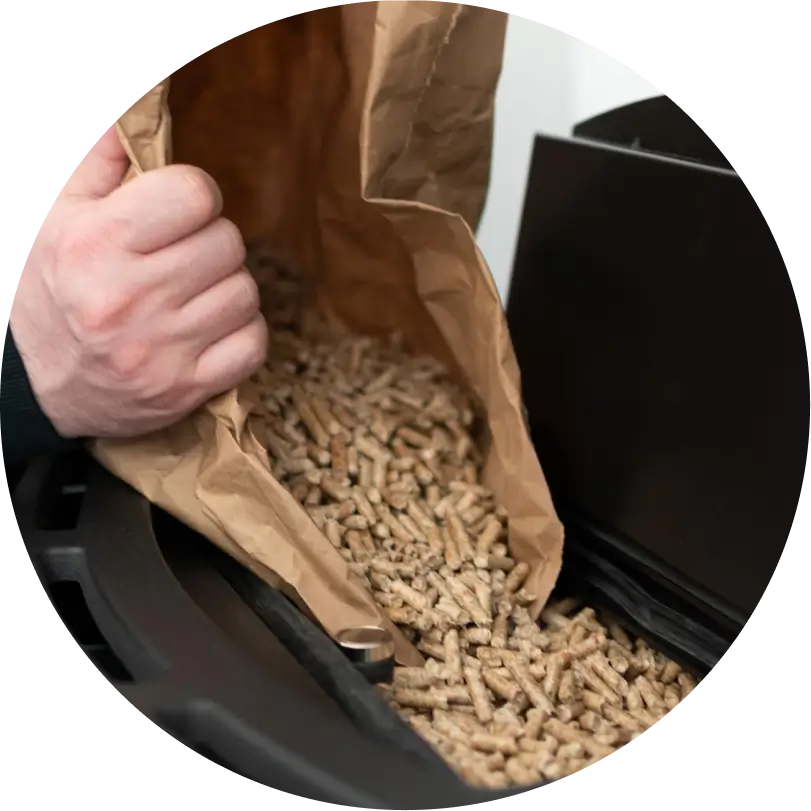
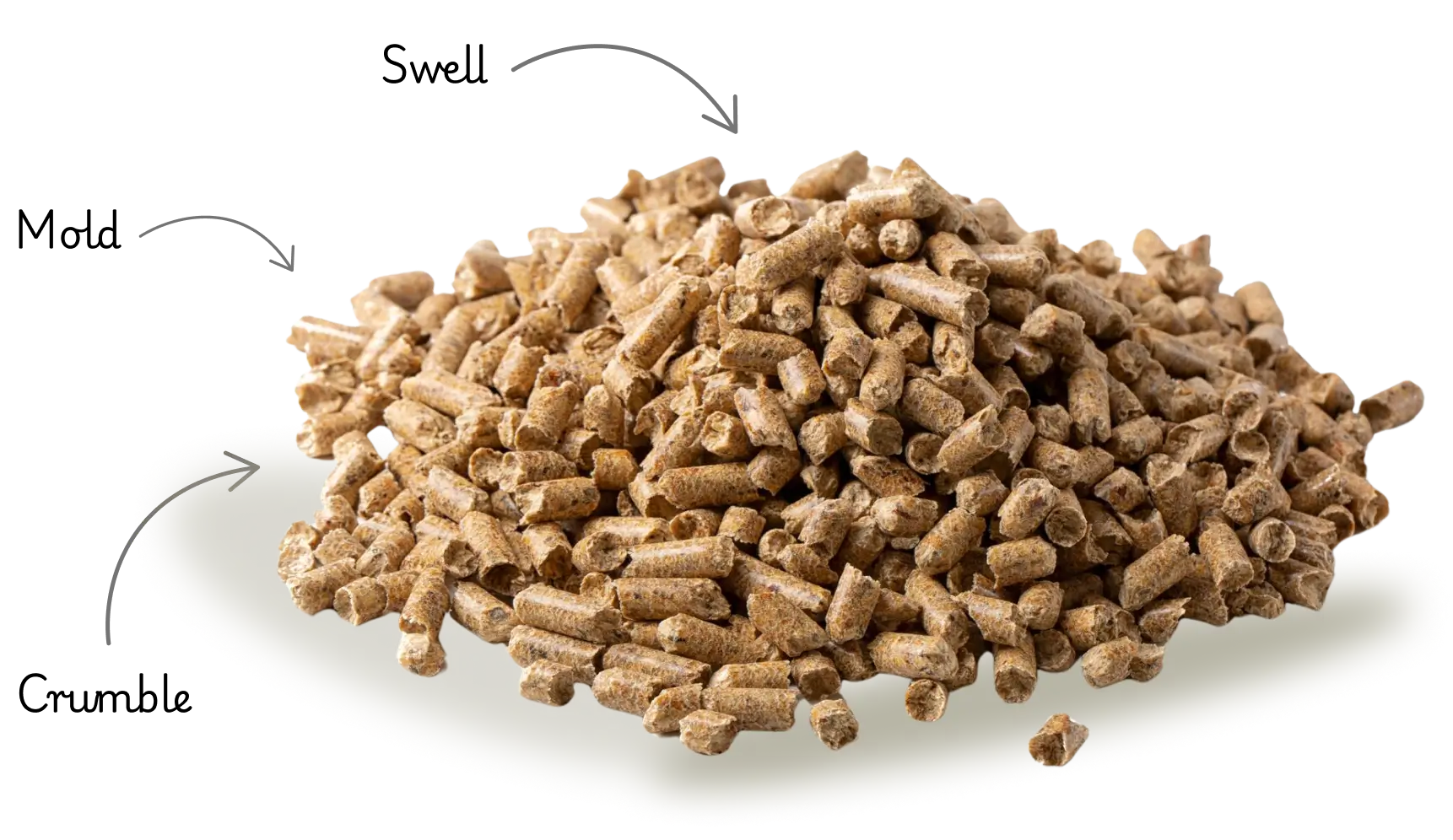
Pellets are sensitive to moisture, so store them away from damp places when not in use. As they are highly absorbent, pellets can swell, crumble, or grow mold if exposed to wet conditions.
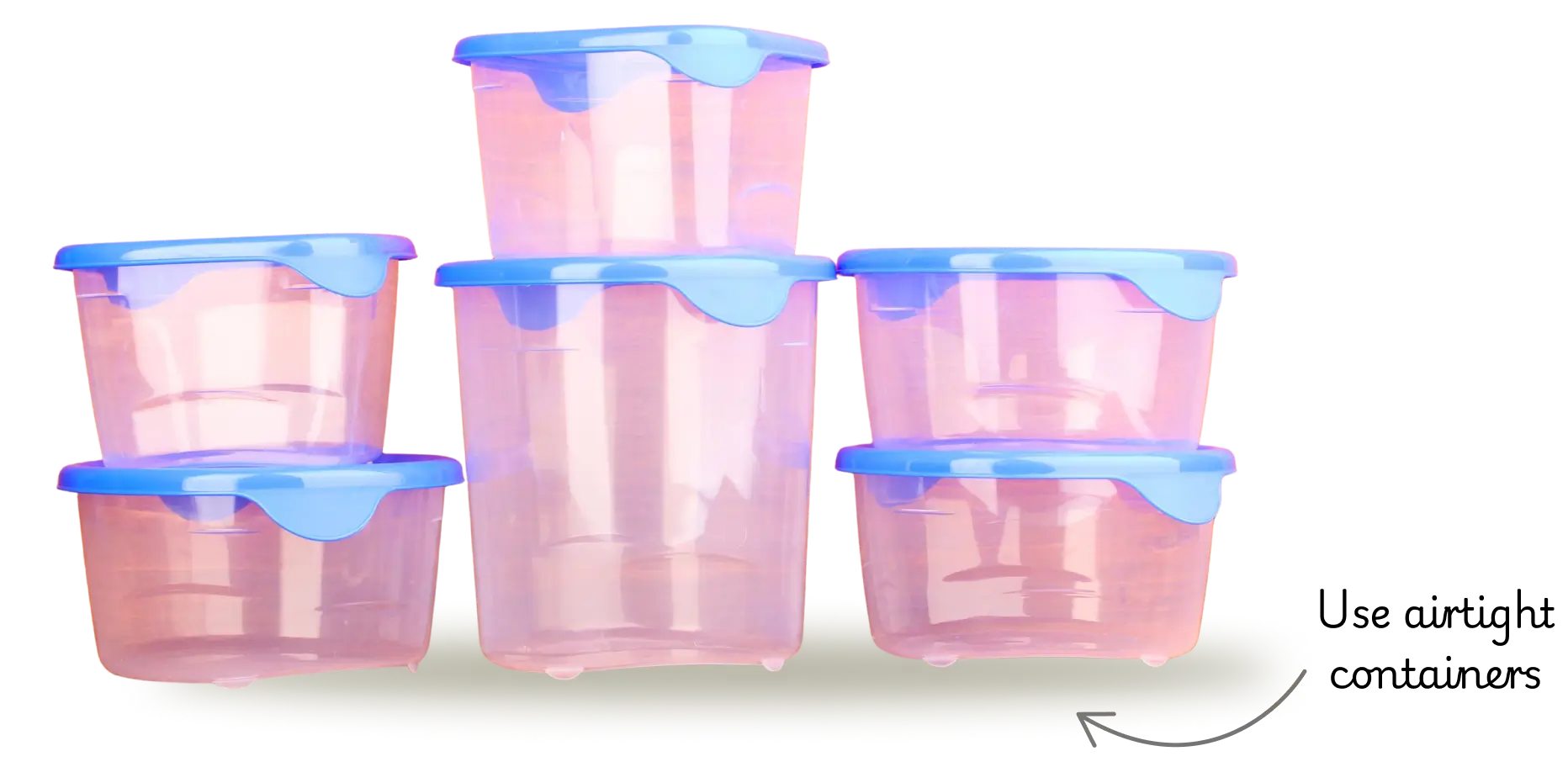
To avoid exposing your wood pellets to moisture, make sure that you store them in a cool, dry location. Better still, store your wood pellets in airtight containers, such as heavy-duty plastic bins with secure lids.
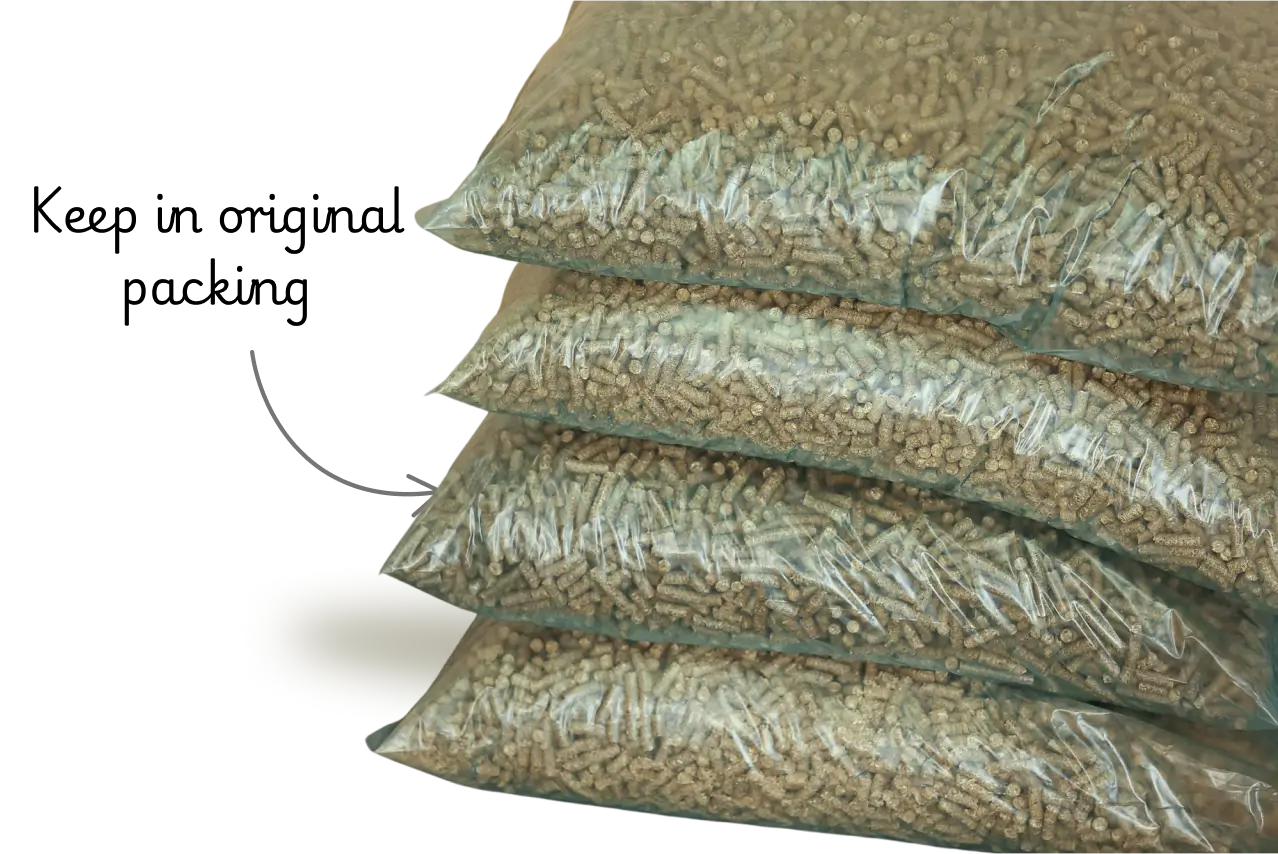
This keeps out moisture and prevents exposure to fluctuating temperatures and humidity. Alternatively, if you don’t have an airtight container, you could keep your wood pellets in their original packaging, making sure you seal it tightly after every use.
Avoid storing in areas prone to condensation and dampness, such as basements and garages. Instead, opt for well-ventilated spaces like the pantry or a shed.
Pellet Freshness and Shelf Life
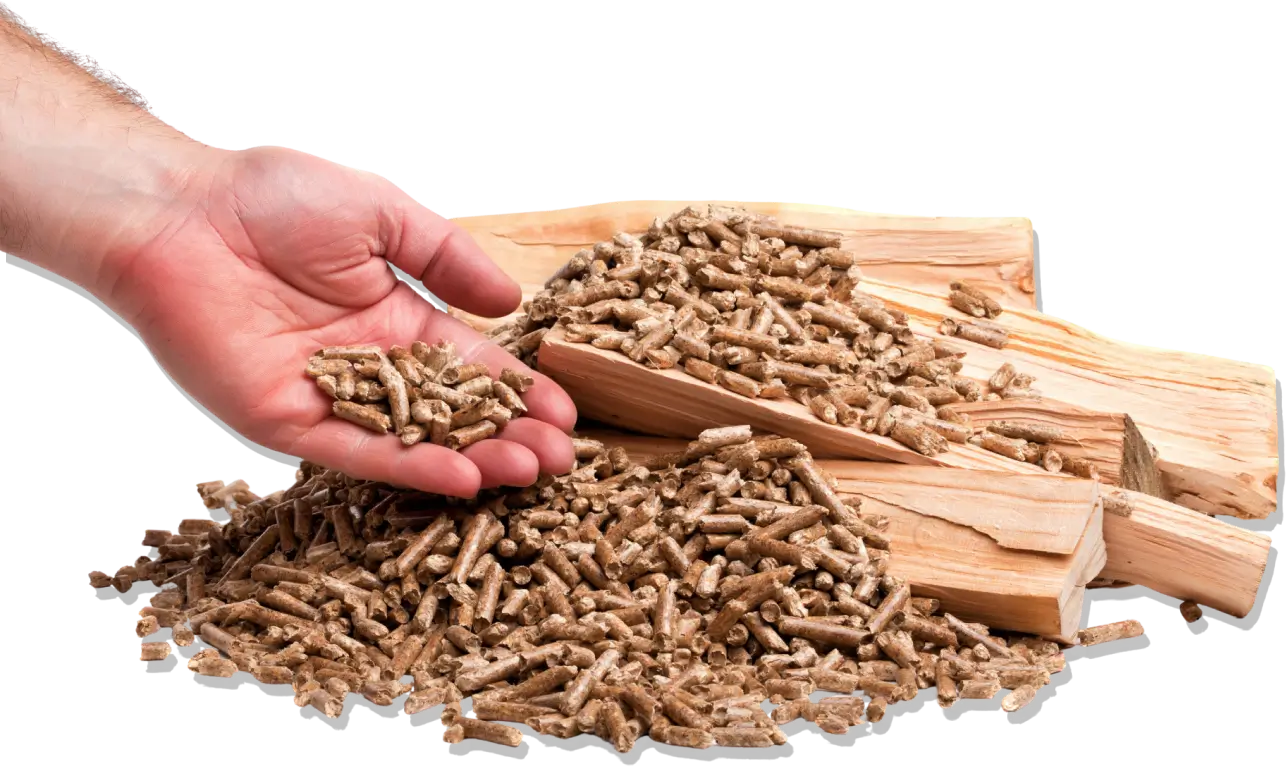
Keeping your wood pellets fresh can make a big difference to your grill’s performance and the flavor of your food. Stale or old pellets may burn inconsistently leading to temperature fluctuations and an uneven cook. Additionally, stale pellets may lose their natural aromatic qualities, resulting in a weaker smoke that fails to flavor your dishes.
To ensure freshness, make sure that you follow the manufacturer’s guidelines for use and storage. All this information you can find on the back of the packaging of any reputable wood pellet brand product. Also, avoid buying bags that have expired, appear damaged, or have been stored in damp conditions, as chances are the pellets inside may not be top-quality.
Right Wood Pellets for grilling & smoking
common mistakes to
avoid WHEN CHOOSING
WOOD PELLETS
We’ve put together the most common mistakes people make when choosing pellets, so you can successfully avoid them.
Choosing Pellets Without Considering Flavor Needs
Not factoring in the flavor profiles provided by different wood pellets is a rookie mistake. As certain wood varieties can enhance specific foods, choosing the wrong one can lead to underwhelming results. Also, stronger, bolder wood types may completely mask the natural flavors of delicate-tasting foods such as fish or poultry.
Ignoring Pellet Quality and Composition
Using low-quality pellets or those with chemical additives can not only ruin the taste of your food but also affect the cook. Pellets containing fillers, binders, or even artificial additives lead to excess ash production, uneven burns, and potentially harmful smoke. Poor composition can also cause wood pellets to jam your grill’s auger system. Saving money on lower-quality products is a false economy. Opting for high-quality, 100% natural wood pellets ensures cleaner combustion, consistent heat, and a better-tasting final product.

Storing Pellets Incorrectly
Improper storage of pellets can compromise their quality and lead to disappointing grilling or smoking results. Exposure to moisture causes pellets to swell, break apart, or develop mold, rendering them unusable. Even slight dampness can degrade the pellet’s ability to burn efficiently and produce flavorful smoke. Storing pellets in airtight containers and keeping them in a cool, dry place ensures they stay fresher for longer.
Right Wood Pellets for grilling & smoking
Top Pellet Brands
to Consider

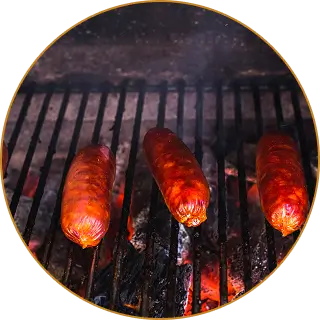
Consistent heat
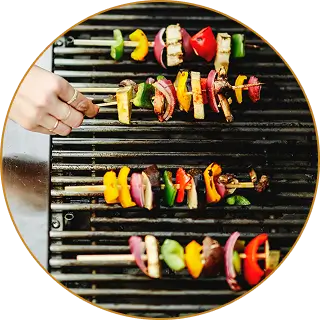
Clean burns
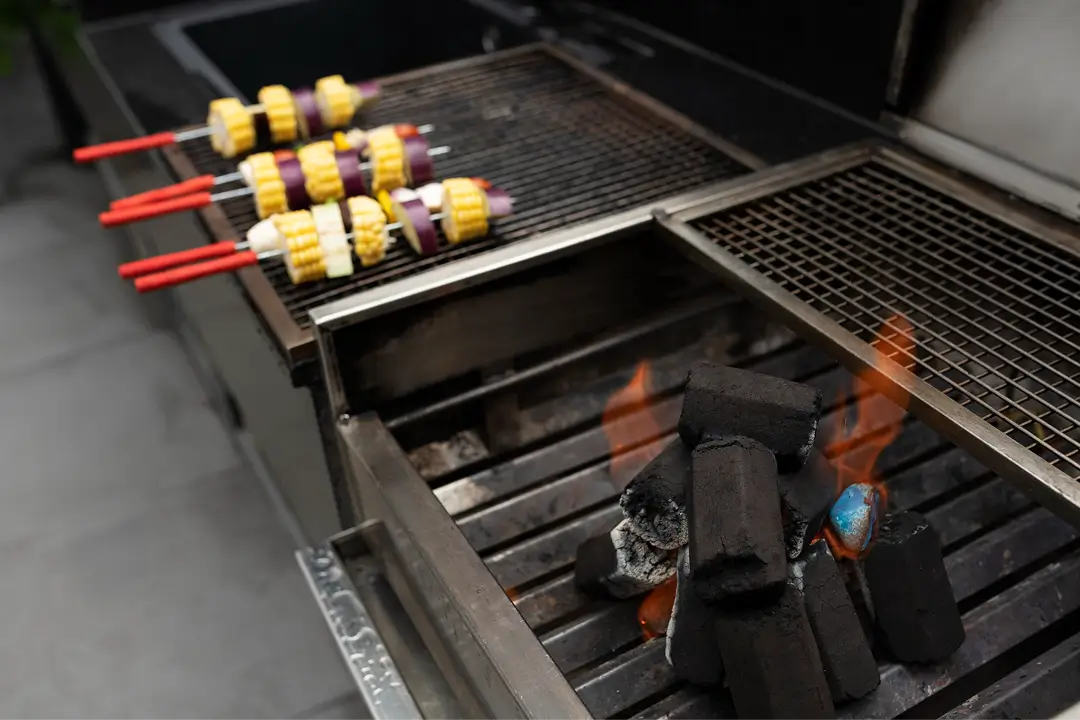
Smoky flavour
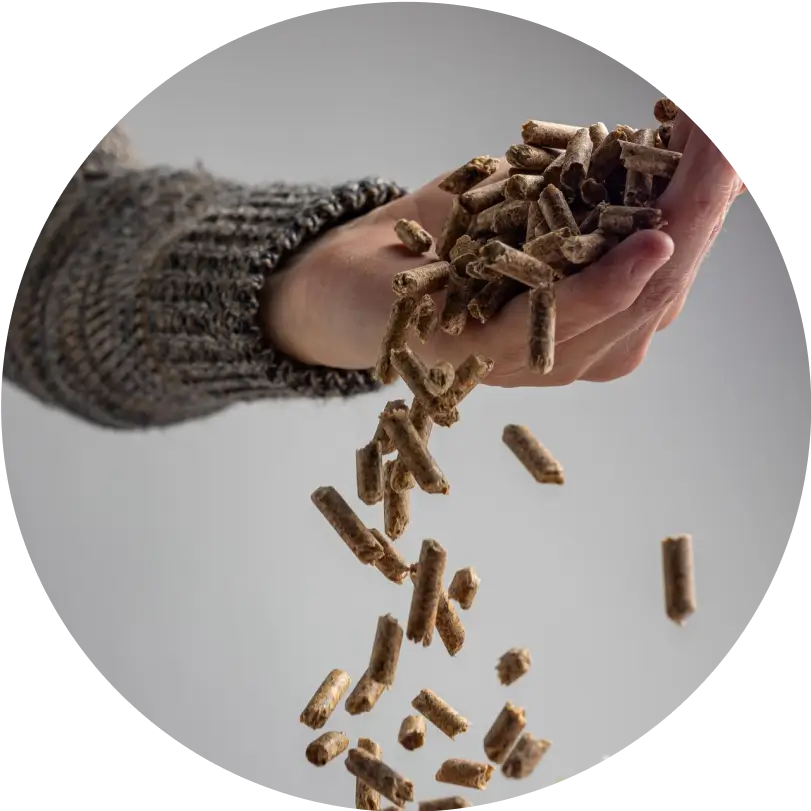
High-quality wood pellets from reputable brands can make all the difference in achieving consistent heat, clean burns, and the rich, smoky flavor that enhances your dishes.
Pellets from top brands in the industry are typically made from 100% natural wood with no fillers or additives, ensuring a reliable performance and minimal ash production
Investing in trusted brands not only improves your grilling and smoking results but also helps protect your equipment from issues like auger jams or excessive residue.
BRAND Recommendations
When it comes to choosing wood pellets for grilling and smoking, several well-known brands have established themselves as industry leaders.
Here are the main players in the world of wood pellets:
Premium-Grade pellets brand:
Other brands we recommend include Weber, Broil King, and Napoleon, all of which are recognized for producing premium-grade pellets that are compatible with various grilling and smoking equipment


BRAND COMPARISON
Comparing each pellet brand can help you choose the best option for your specific grilling and smoking requirements. Consider the pellet types, quality, and performance, when whittling down your options.
1. Pellet Types
Brands like Traeger and Lumber Jack offer diverse wood varieties, from classic hickory to specialty blends, while Pit Boss and Camp Chef focus on popular, everyday options.
2. Quality
Lumber Jack stands out for its use of whole logs, while Bear Mountain BBQ is known for its all-natural pellets with no fillers or binders.
3. Performance
Traeger and Camp Chef excel in providing pellets that burn evenly and produce minimal ash, making them ideal for long smoking sessions. Lumber Jack pellets are valued for their strong, distinct flavor of smoke, especially for meats like ribs and brisket.

In the end, the best choice depends on your grill type, cooking style, and favorite flavor preferences. Experimenting with different brands and blends can help you discover the perfect match for your grilling and smoking needs. However, always go with a quality, reputable brand!

Right Wood Pellets for grilling & smoking
BUDGET AND COST
Considerations
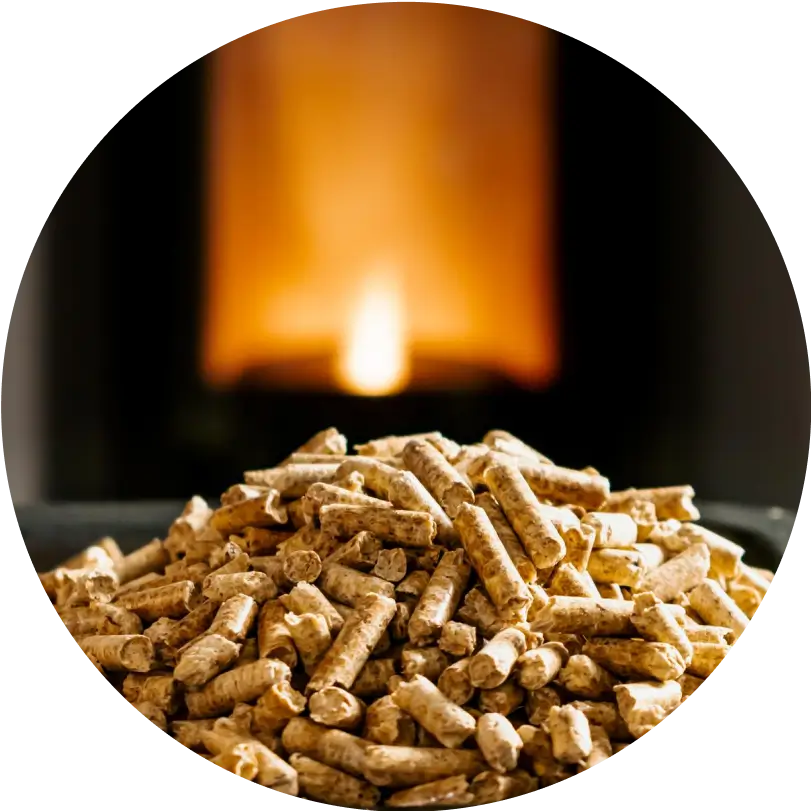
While quality should always remain at the top of your mind when choosing wood pellets, they need to be affordable too. We explore the costs of good-quality wood pellets and how choosing better products can save you more in the long run.
price range of wood pellets
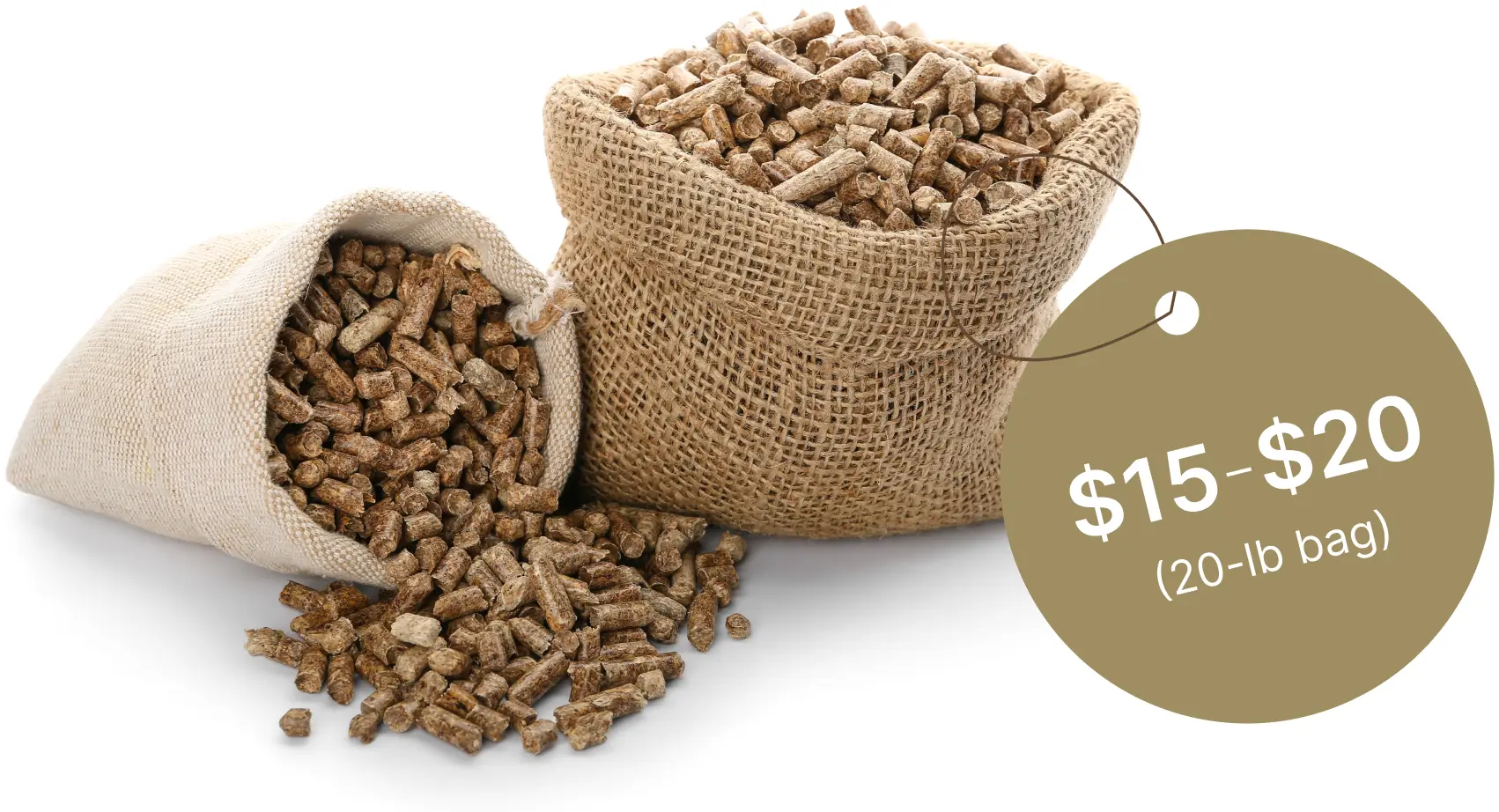
Wood Pellet Pricing: Cost & Considerations
The cost of wood pellets can vary widely depending on their quality, flavor variety, and brand. On average, you can expect to pay from $15 to $20 for a 20-lb bag of quality wood pellets. With premium brands and specialty blends at the higher end of the spectrum.
Pellets made from 100% natural wood without fillers or binders often cost more but the trade-off is worth it.
These high-quality products deliver superior performance, cleaner burns, and richer flavor profiles. On the other hand, seemingly budget-friendly options may include additives or lower-quality wood, which leads to inconsistent heat, excessive ash production, and an overall disappointing result.
High quality wooden pellets
Superior
performance
Cleaner
burns
Richer flavor
profiles
Budget friendly wooden pellets
Lower-
quality wood
Inconsistent
heat
Ash
production
When considering pellet costs, it’s essential to balance affordability with performance. One way to overcome budget restrictions is to wait for seasonal sales or buy in bulk. This can help reduce costs while still providing high-quality fuel for your grill or smoker.
VALUE FOR MONEY
While investing in good-quality wood pellets may come with a higher cost upfront, they provide better long-term value. High-quality pellets burn more efficiently and consistently, which can reduce the amount of fuel needed over time. This efficiency not only saves money but also minimizes waste and maintenance, such as sorting out jams and cleaning ash and residue from your grill.
Right Wood Pellets for grilling & smoking
CONCLUSION

Using the right wood pellets is the essential ingredient in achieving the perfect result when grilling or smoking your favorite foods. Paying attention to the wood pellet type, quality, and suitability for your grill ensures that your dishes are enhanced with the uniquely smoky flavors only this technique can offer.
In selecting high-quality pellets, this will ensure that your smoking and grilling equipment remains in tip-top condition without the risk of jams and resin residue build-up. By following this guide you’ll develop a better understanding of the importance of choosing the right pellets and experience what good quality products can do for your grilling and smoking.
What are wood pellets?
Compressed hardwood sawdust that burns cleanly while imparting distinct flavors to food. They provide consistent heat in pellet grills or smoker tubes.
Which wood flavors pair best with different foods?
Hickory/mesquite for red meats; apple/cherry for poultry and pork; oak for versatility; maple for mild sweetness with poultry and vegetables.
How to identify quality pellets?
Look for 100% real hardwood with no fillers, low moisture content, consistent size, minimal sawdust, and reputable manufacturers.
How to store pellets?
Keep in airtight containers in cool, dry places to prevent moisture absorption that makes pellets unusable.
How long do pellets last during cooking?
Expect 1 pound/hour at low temperatures (225°F) and 2-3 pounds/hour at high temperatures (400°F+). A 20-pound bag provides 6-20 hours of cooking.
Are expensive pellets worth it?
Premium pellets offer better quality control and authentic flavors. Mid-range works for everyday grilling; splurge for special occasions.
Can I mix different wood flavors?
Yes! Try hickory/cherry for beef, apple/oak for pork, maple/pecan for poultry, or oak/mesquite for bold-flavored meats.
How to tell if pellets have gone bad?
Watch for mold, crumbling texture, difficult ignition, excessive smoke, or musty odor. Properly stored pellets last 6-12 months.