
the ultimate
guide to Tenderizing
Steak
Perfect steak doesn’t grow on trees. Nor, in fact, does it spring perfectly-cooked from every grill. It takes many patient hours of practice to reach steak-cooking mastery – but the results are to die for.
Tender & Juicy Steak
There’s nothing quite like sinking your teeth into a tender, juicy steak cooked just the way you like it.
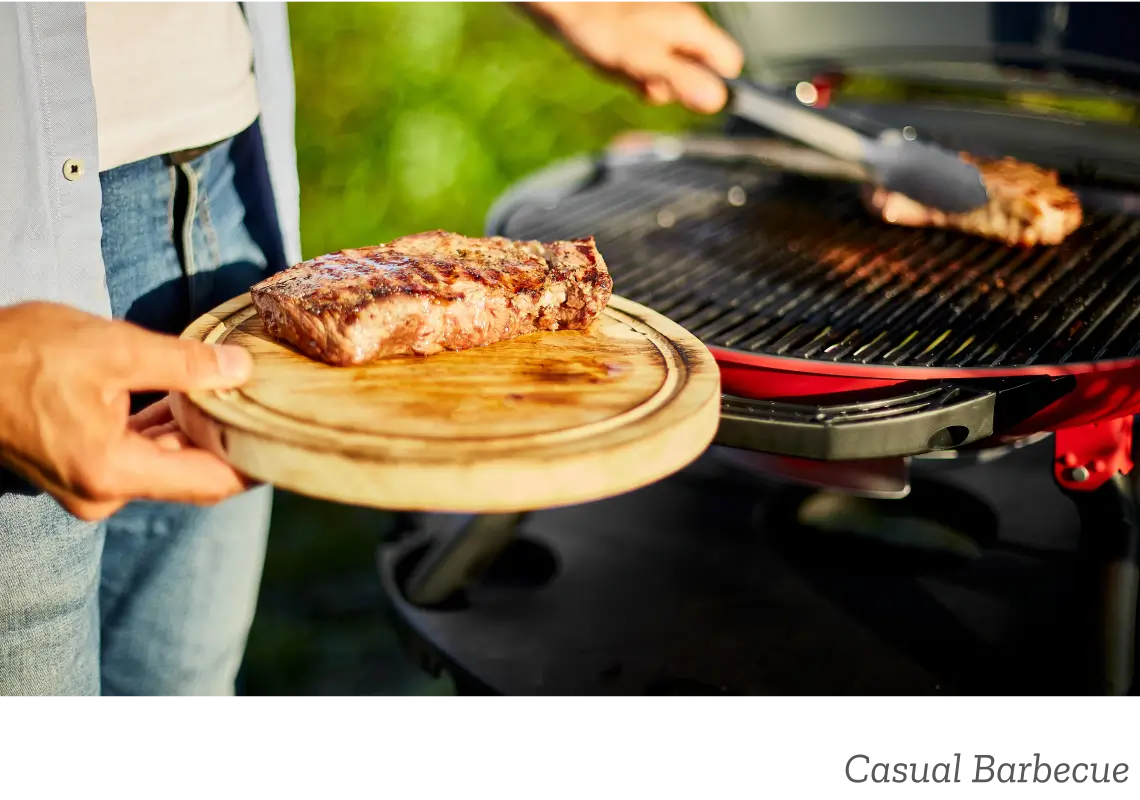
Whether it’s a casual barbecue in the backyard or a gourmet dinner for a special occasion, tender steak has a way of turning an ordinary meal into something truly extraordinary. But let’s face it – getting that melt-in-your-mouth texture is no walk in the park.
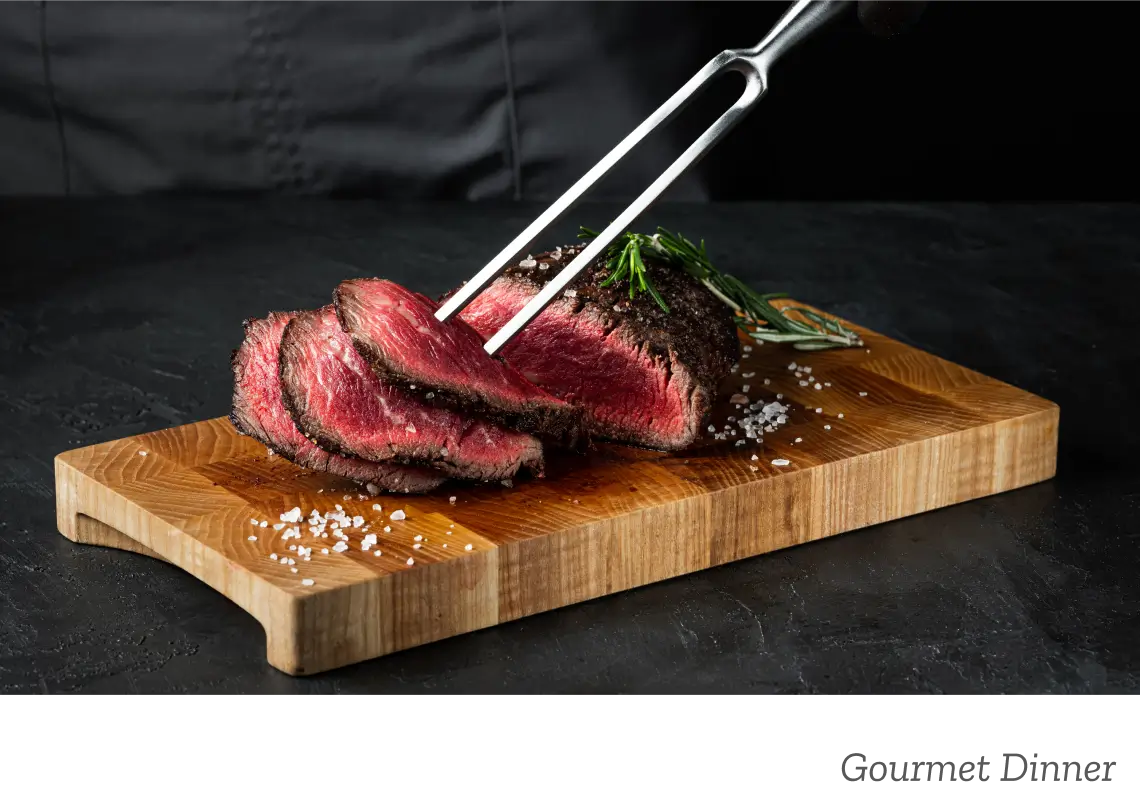
Even for the best of us, tough steak can be a common problem. After all, there’s a lot to consider: first, there’s the cut. Then, there’s the preparation method. Finally, there’s the cooking technique and presentation. Add all that together and you’ve got a recipe for trouble.
The good news? There are proven techniques to tenderize steak that can take it from below-par to beyond perfect. And guess what – we’re going to explain them to you right here, right now.
So if you’re looking to boost your steak’s texture and flavor – not to mention your street cred with your pals – stick around. Today, we’re going to take a deep dive into everything you need to know about tenderizing steak like a pro.


Understanding
Steak Tenderness
the ultimate guide to tenderizing steak

Before we let you in on the secrets that will take your steak to the next level, it’s time for some science. But don’t worry – you don’t have to be a biology major to cook the perfect steak!
What Makes a Steak
Tender or Tough?
the ultimate guide to tenderizing steak

Ever taken a chunk out of a steak only to find it fighting back while you chew? We’ve all been there. Well, why is that? Basically, the tenderness of a steak comes down to its structure and composition. At the heart of it are muscle fibers and connective tissue.
Cuts with more connective tissue – common in well-used muscles like the shoulder or leg – tend to be tougher. These connective tissues, especially collagen, need time or specific techniques to break down into gelatin, resulting in a tender texture.
But that’s not all. The age of the meat and its marbling also play a role.
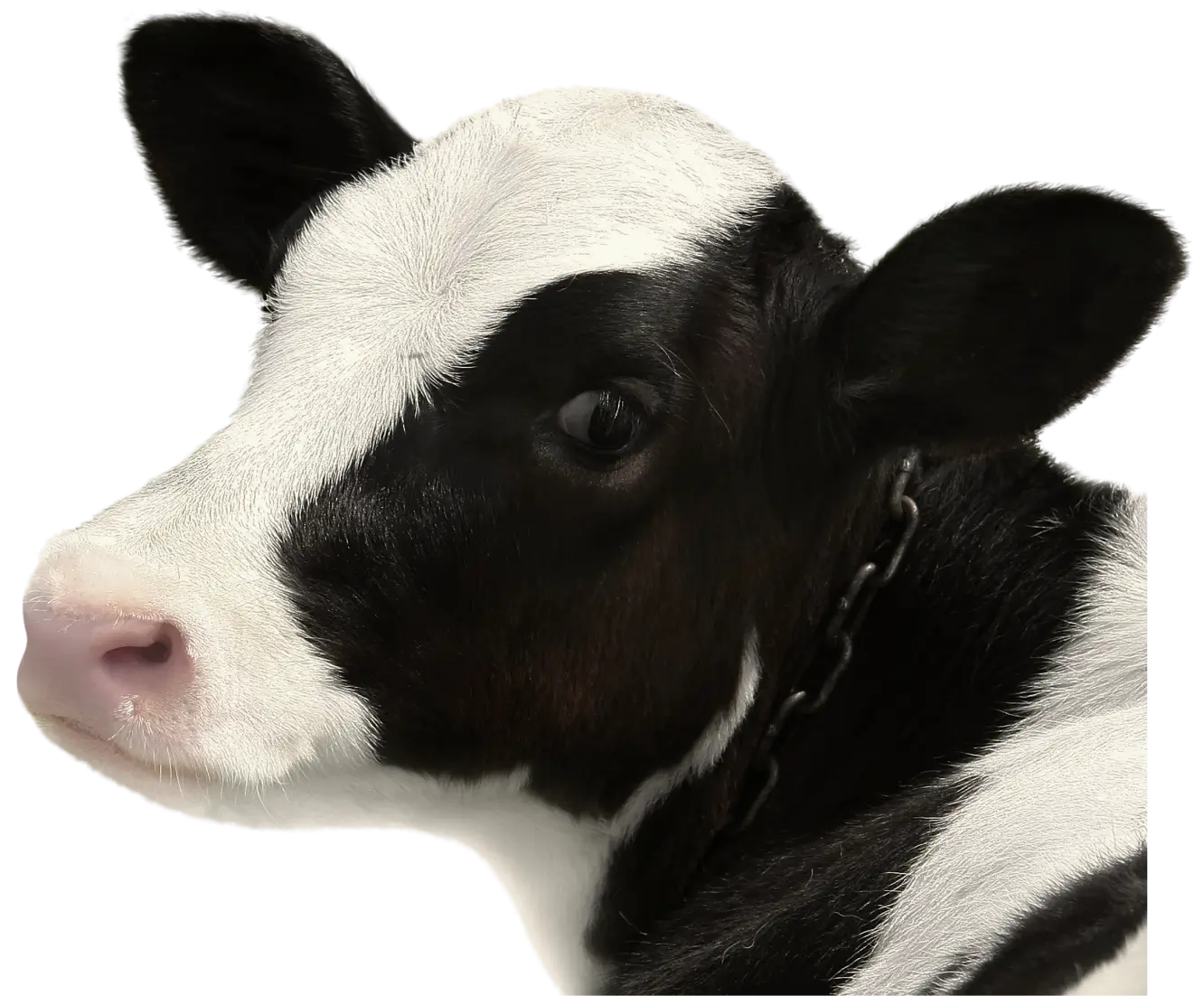
Younger animals, for instance, tend to have more tender muscle fibers. If you’ve ever indulged in a perfect lamb joint, you’ll know what we’re talking about!
Choosing
the Right Cut
the ultimate guide to tenderizing steak
Different cuts have different levels of tenderness. Familiarize yourself before buying:
Naturally Tender Cuts
Welcome to the world of premium cuts – cuts that need little to no tenderizing whatsoever. They are tenderloin (filet mignon), ribeye, and strip steak
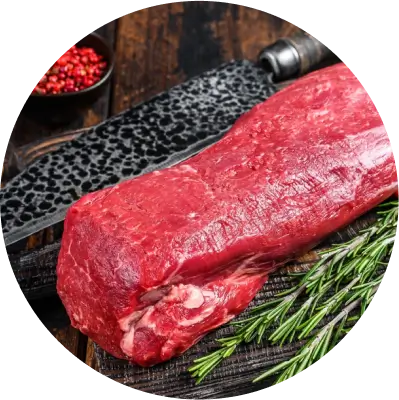
Tenderloin
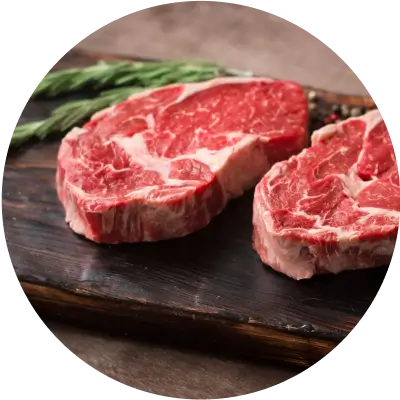
Ribeye
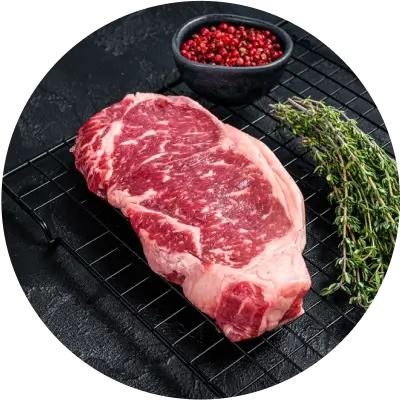
Strip Steak
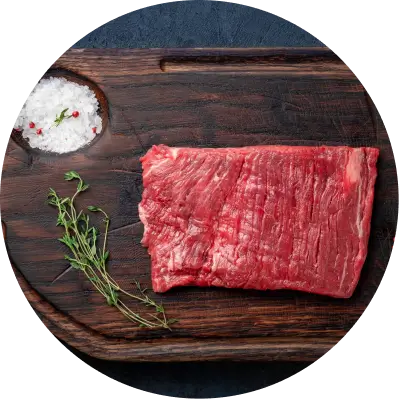
Flank Steak
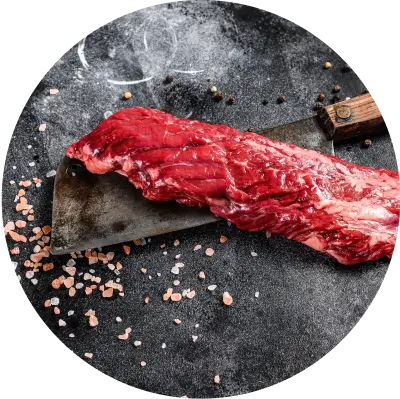
Skirt Steak
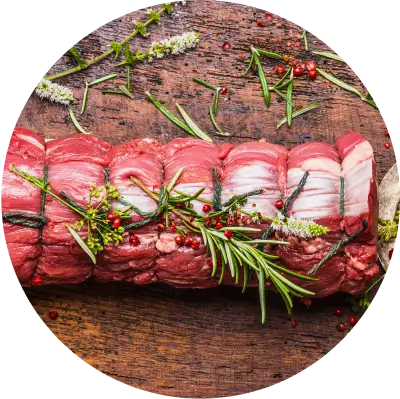
Round Steak
Tough Cuts That Benefit from Tenderizing
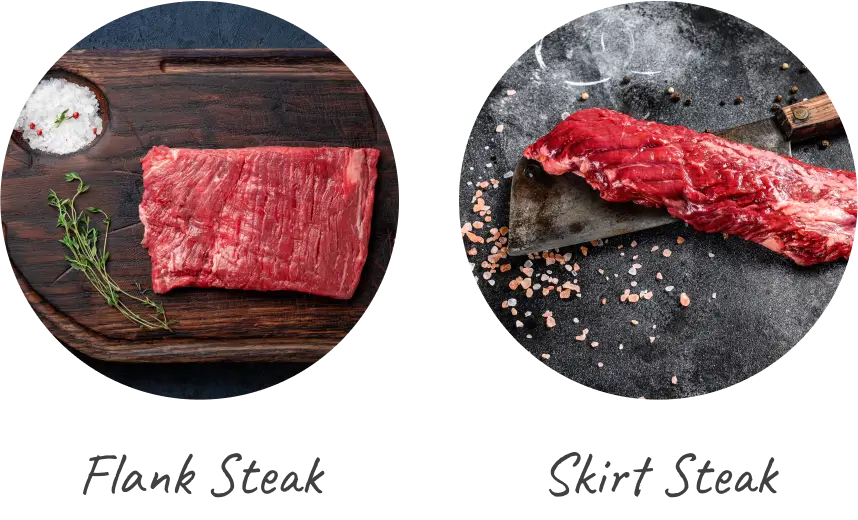
These are more affordable, but can still taste incredible when properly prepared. Look out for flank steak, skirt steak, and round steak.
Explore Tools
for Perfect Preparation
the ultimate guide to tenderizing steak
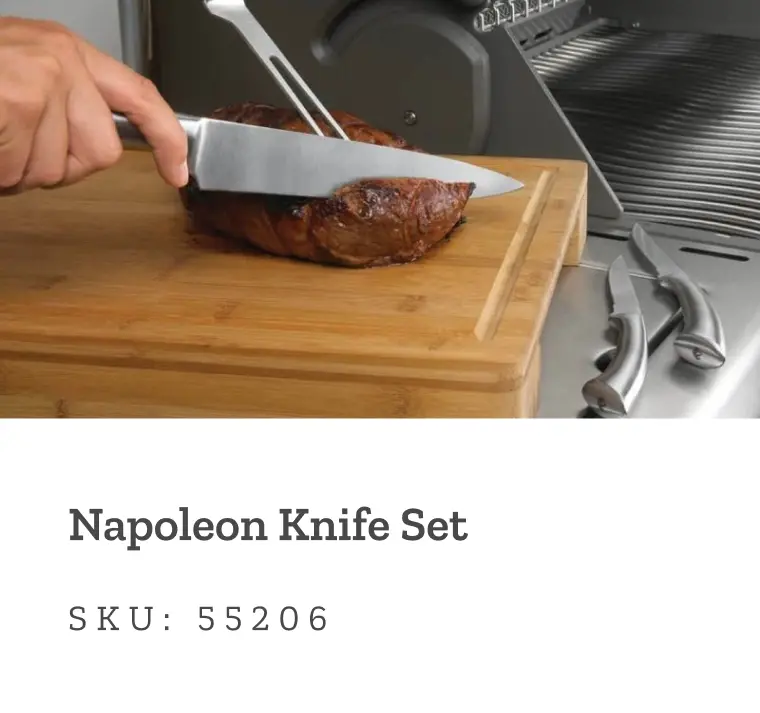
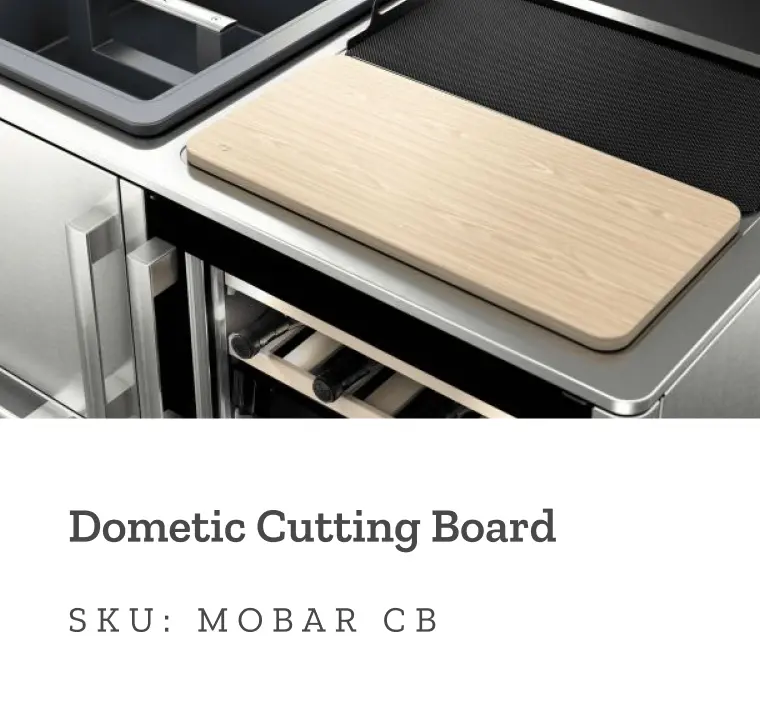
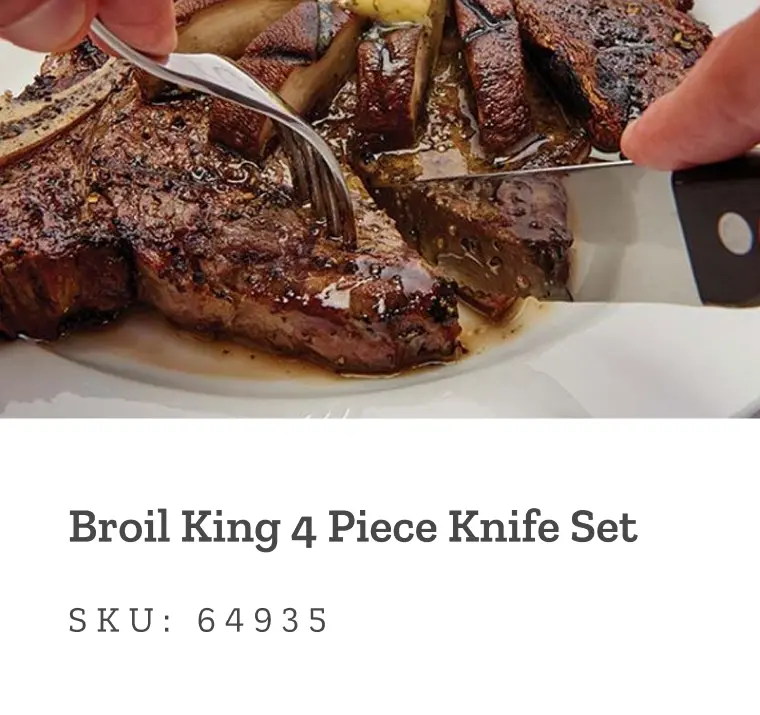
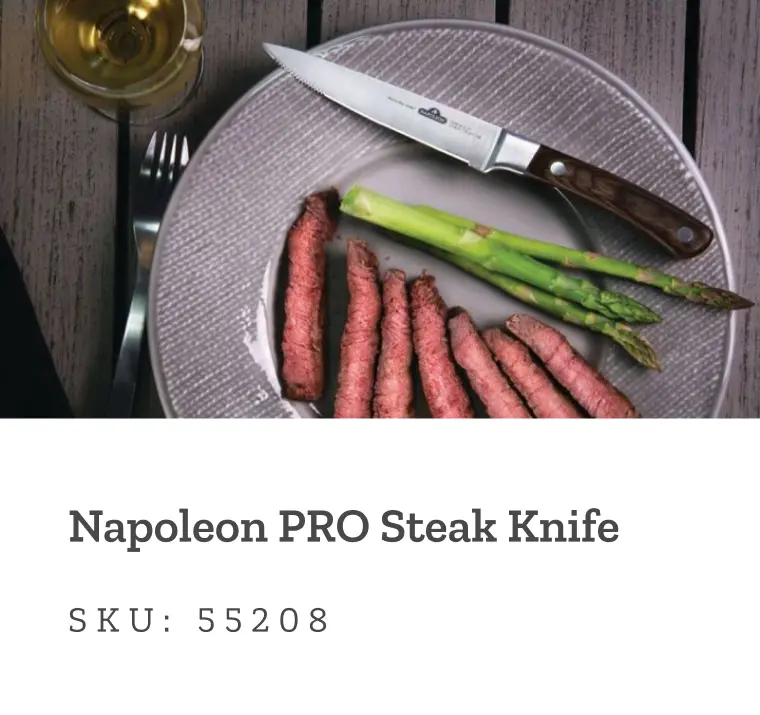
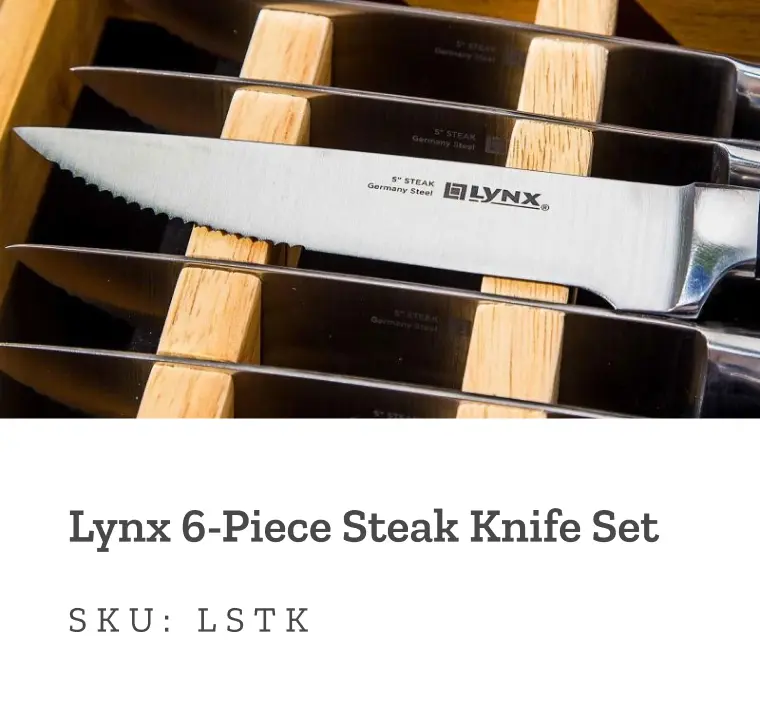
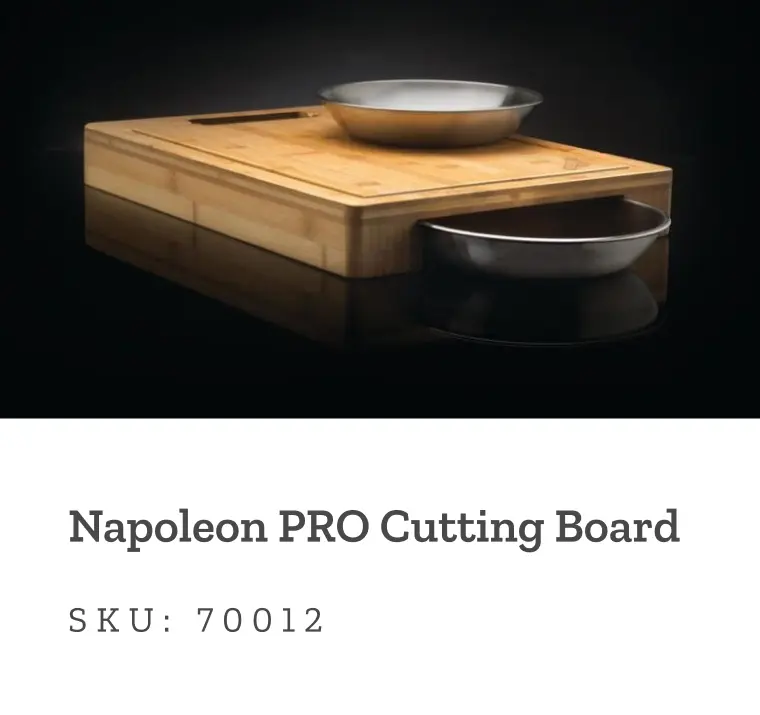
The quality of steak doesn’t just come down to the cut. You’ll find that preparation also plays a very important role in bringing your steak to life (in a manner of speaking!) For instance, tenderizing starts with the right tools. A sharp knife is essential for trimming silverskin or unwanted fat, while a sturdy cutting board provides a stable prep surface.
Invest in top-quality knives and cutting boards like those from Grillio for ultimate precision and durability.

Mechanical
Tenderizing
Methods
the ultimate guide to tenderizing steak
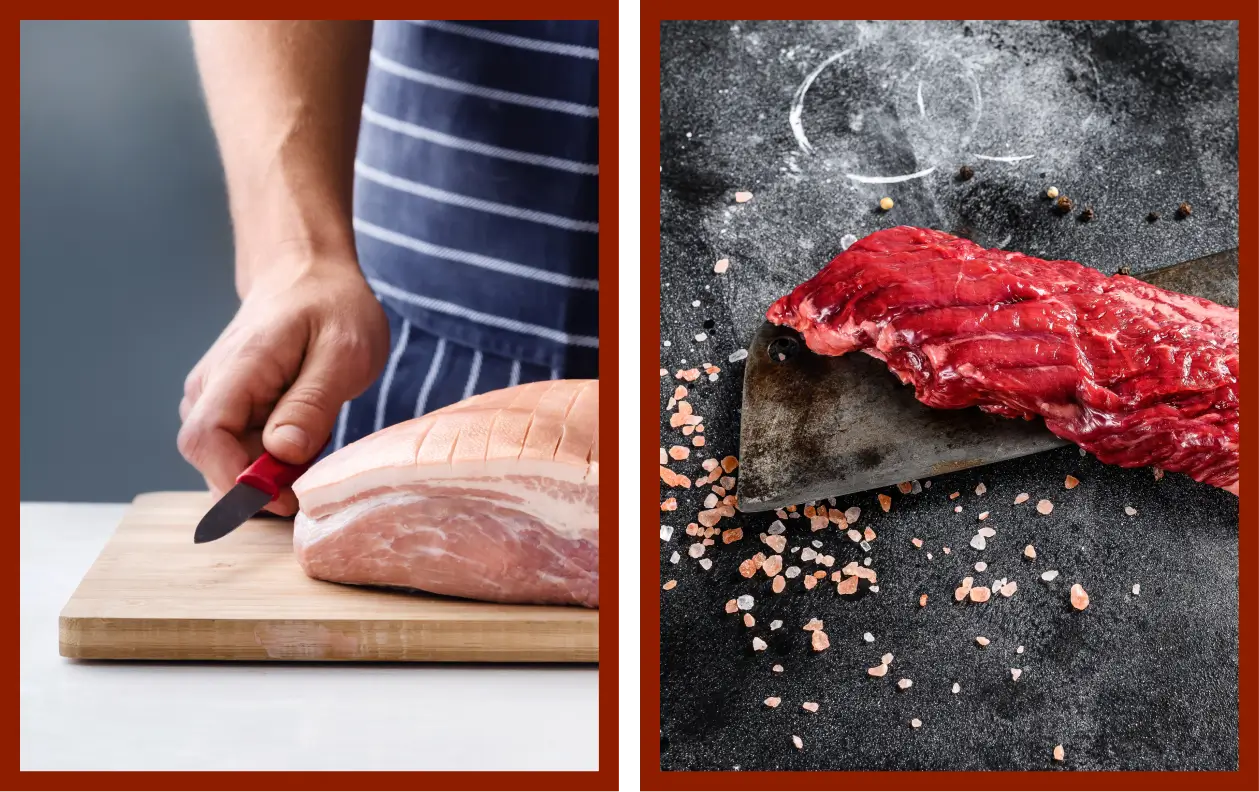
When you think of tenderizing steak, this is probably what you imagine. Mechanical tenderizing methods are your go-to tools for turning tough cuts into tender, mouthwatering steak. What do we mean by ‘mechanical’? Basically, it’s about physically breaking down tough muscle fibers, making the meat easier to chew.
Using a Meat Mallet
the ultimate guide to tenderizing steak
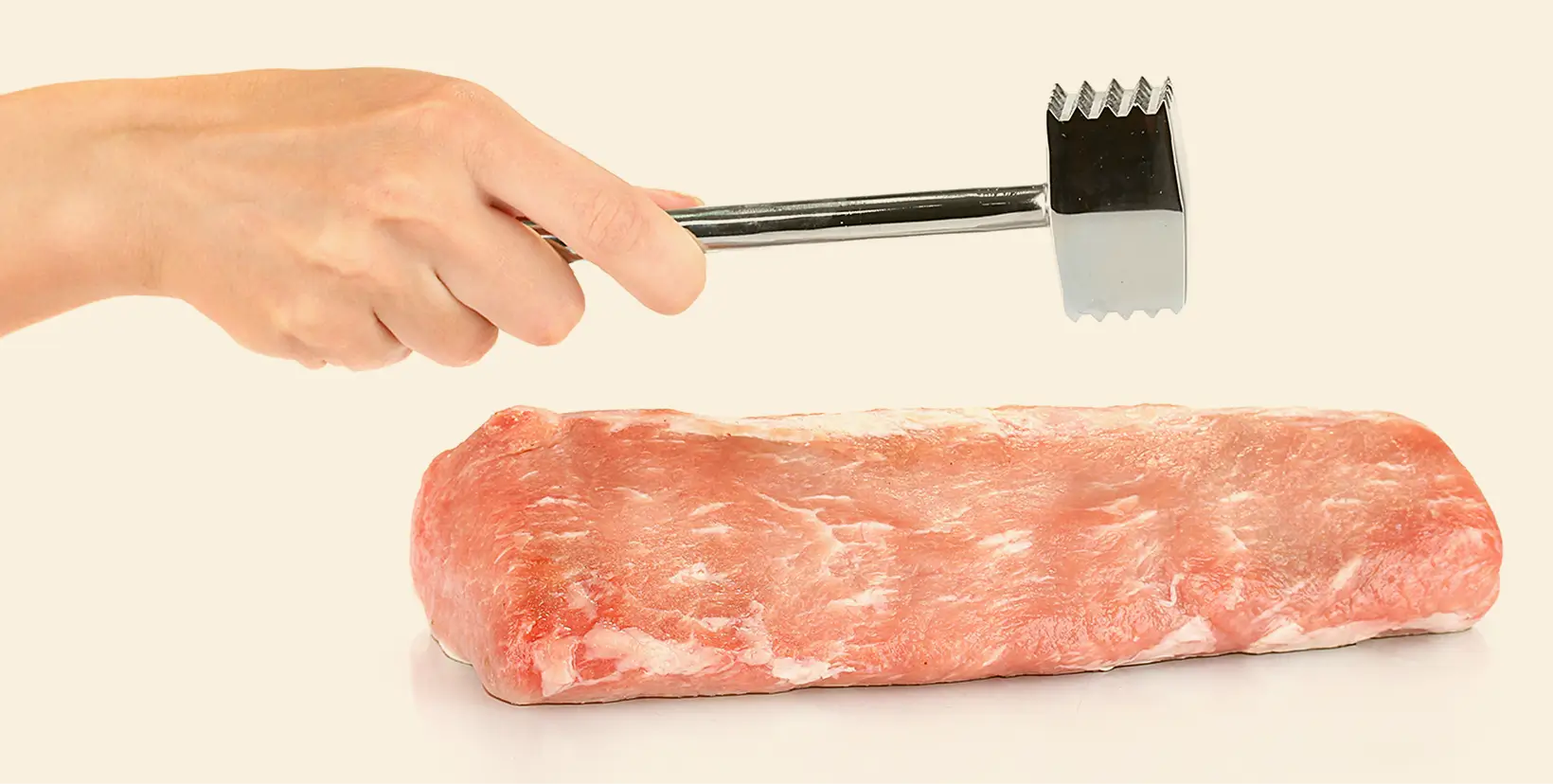
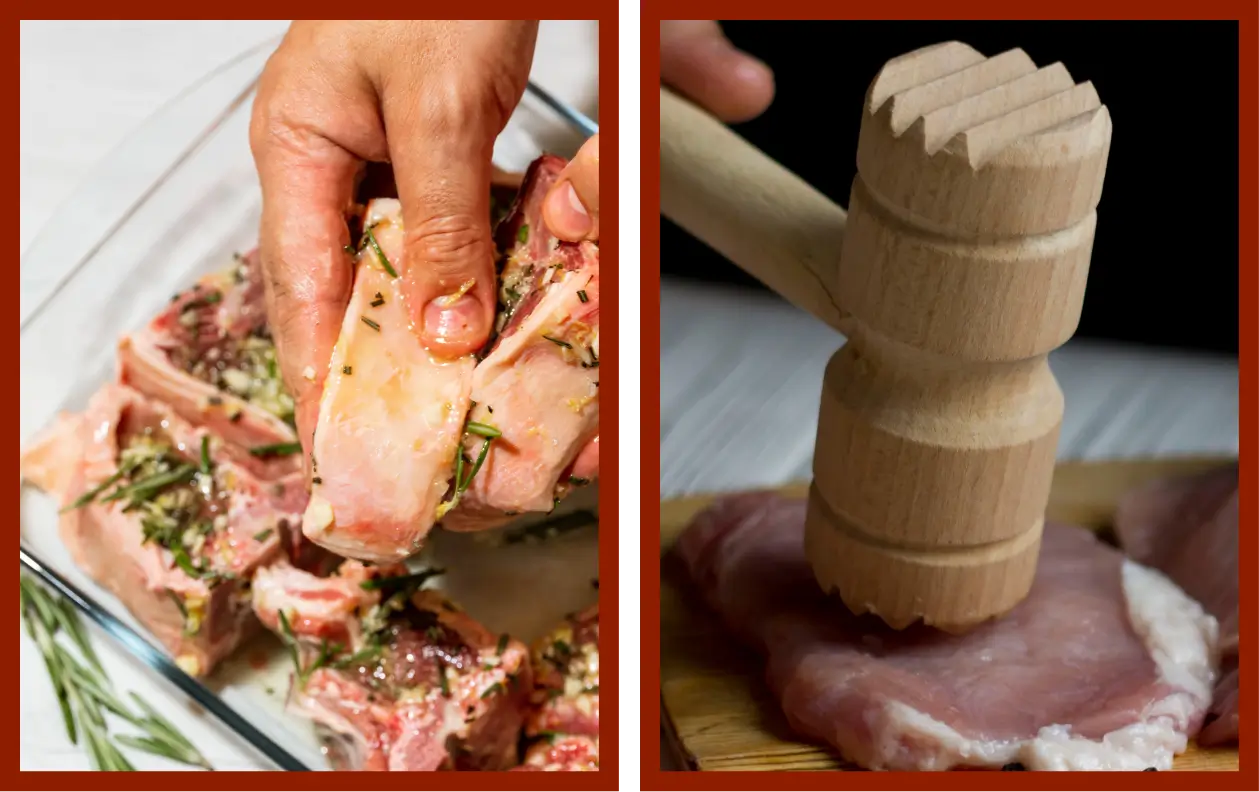
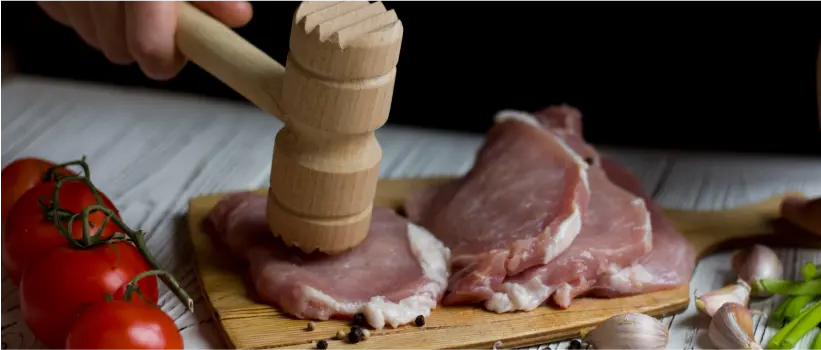
This is probably the simplest and most popular way to tenderize steak. It’s one of the most effective, too. That’s right, we’re talking about the classic meat mallet. To use one, simply:
01
02
03
The benefits of a meat mallet are twofold: on the one hand, you’re tenderizing tougher cuts like flank steak or round steak. On the other, you’re also evening out the thickness of the cut to help it cook more consistently.
Scoring & Slicing
the ultimate guide to tenderizing steak
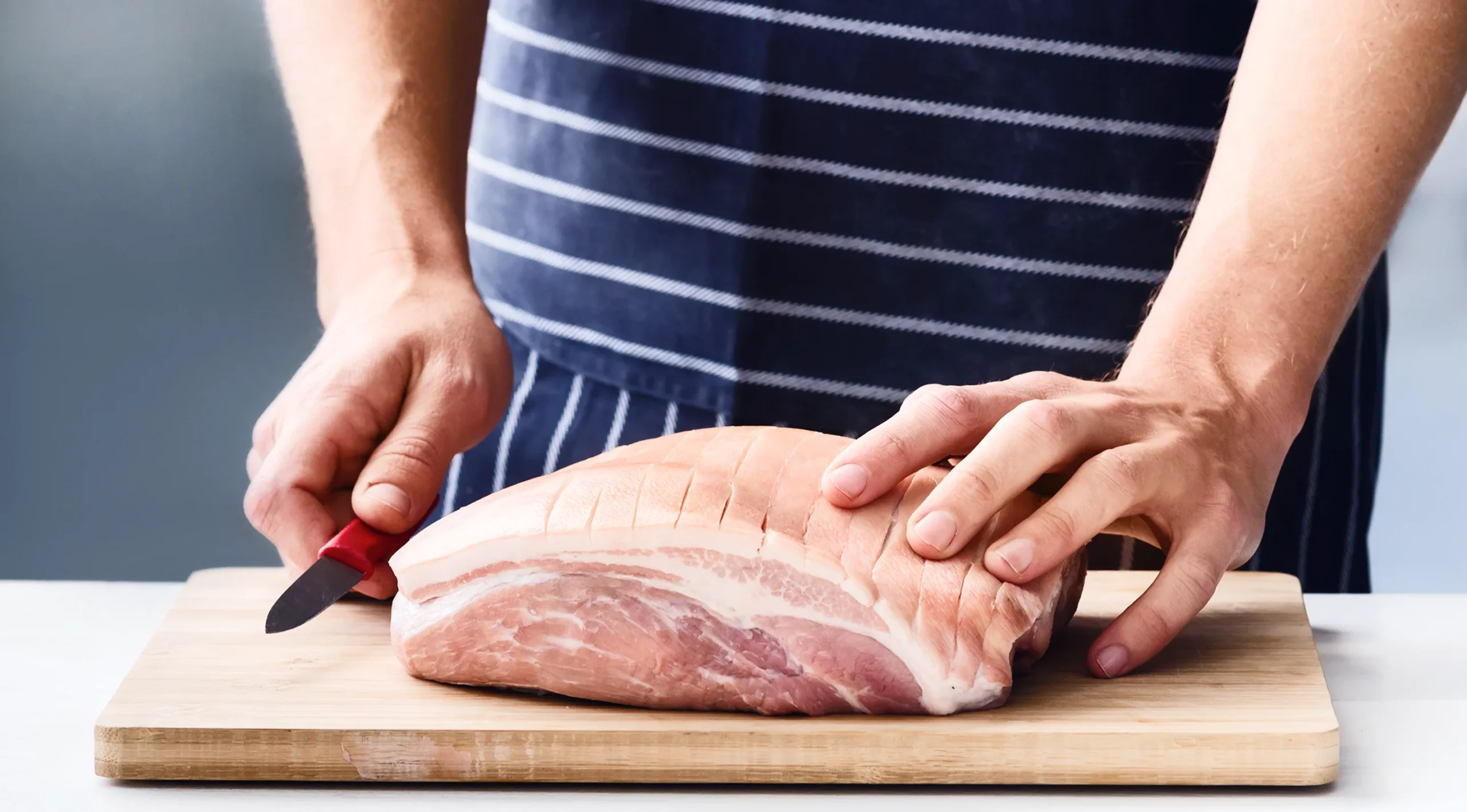
What if you don’t have access to a meat mallet? No problem. An equally effective method is to score and slice the steak. Scoring involves making shallow cuts in a crisscross pattern across the surface of the steak. Just like you’ve seen in restaurants. This technique disrupts tough muscle fibers and helps marinades penetrate deeper into the meat.
When does scoring work best? Traditionally, it’s a go-to method when serving up steak cuts with visible grain patterns – usually skirt steak or flank steak.
Needle or Blade
Tenderizers
the ultimate guide to tenderizing steak
Let’s get advanced. Consider using a needle or blade tenderizer. These tools pierce the steak with small blades or needles, cutting through connective tissue without flattening the meat.

PROS
Blade tenderizers retain the thickness of the cut and allow marinades to penetrate deeper into the steak.
CONS
They require careful handling to avoid over-tenderizing – yes, there’s such a thing – or damaging the steak.
Safety first! Always use these tools on a stable surface and clean them thoroughly after use to maintain food safety.
Chemical
Tenderizing
Techniques
the ultimate guide to tenderizing steak
Mechanical tenderizing may be the quickest way to tenderize steak, but it’s not the only way. Some prefer a more hands-off approach. They use chemicals to break down tough fibers and enhance flavor. Don’t panic: that’s not as scary as it sounds!
Marinades
the ultimate guide to tenderizing steak
You might think of marinades as a way to impart more flavor into your meat. You’re right. But did you know that they can also work to tenderize it? Two birds, one stone.
The key ingredients in a tenderizing marinade include:
Acids
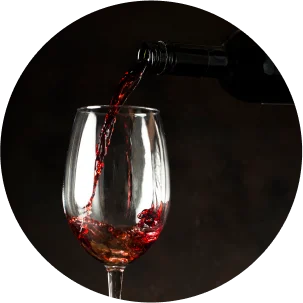
Vinegar, citrus juice, or wine help break down tough muscle fibers.
Vinegar

Citrus Juice
Wine
Enzymes
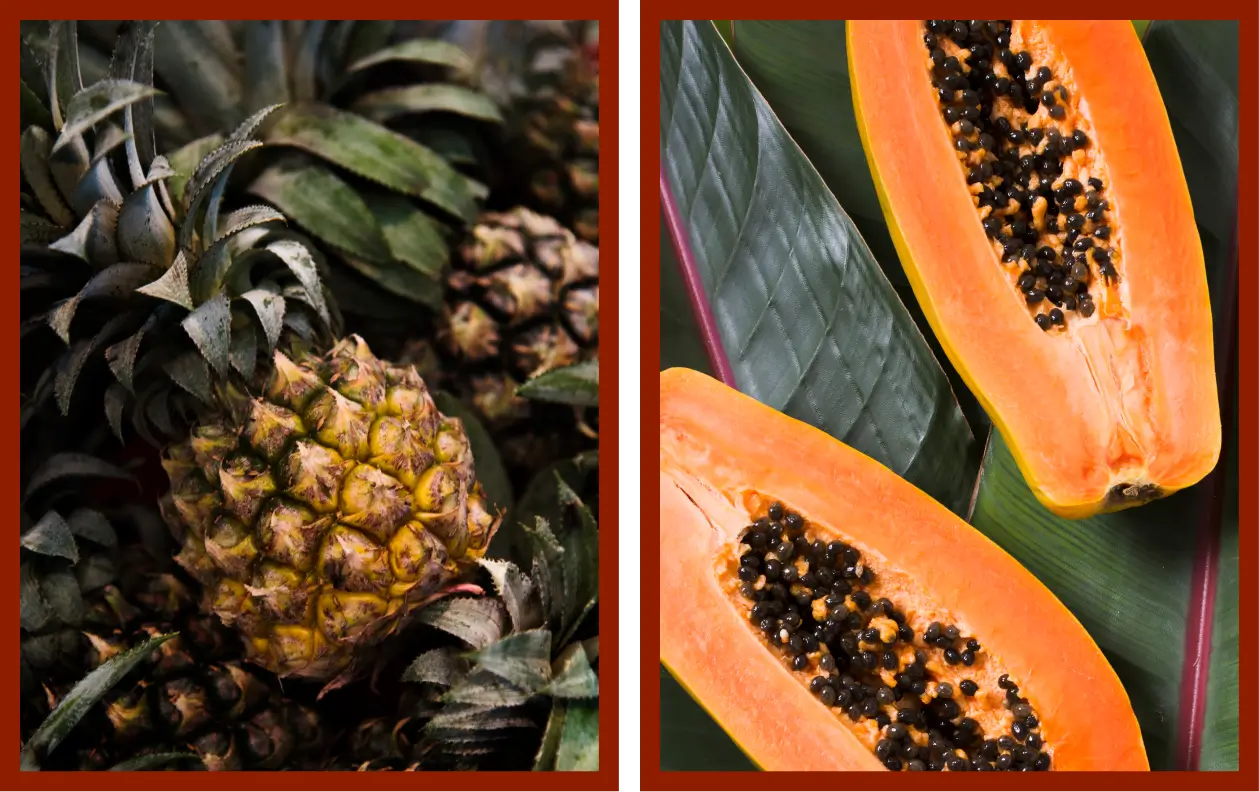
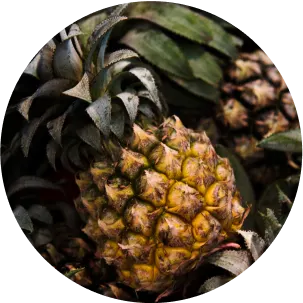
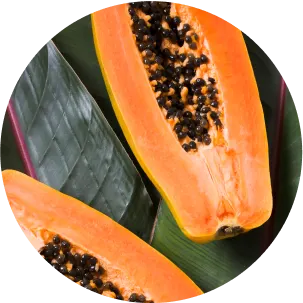
Fruits like pineapple and papaya contain natural enzymes (bromelain and papain) that work wonders on tough meat.
Pineapple
Papaya
Marinade Injector
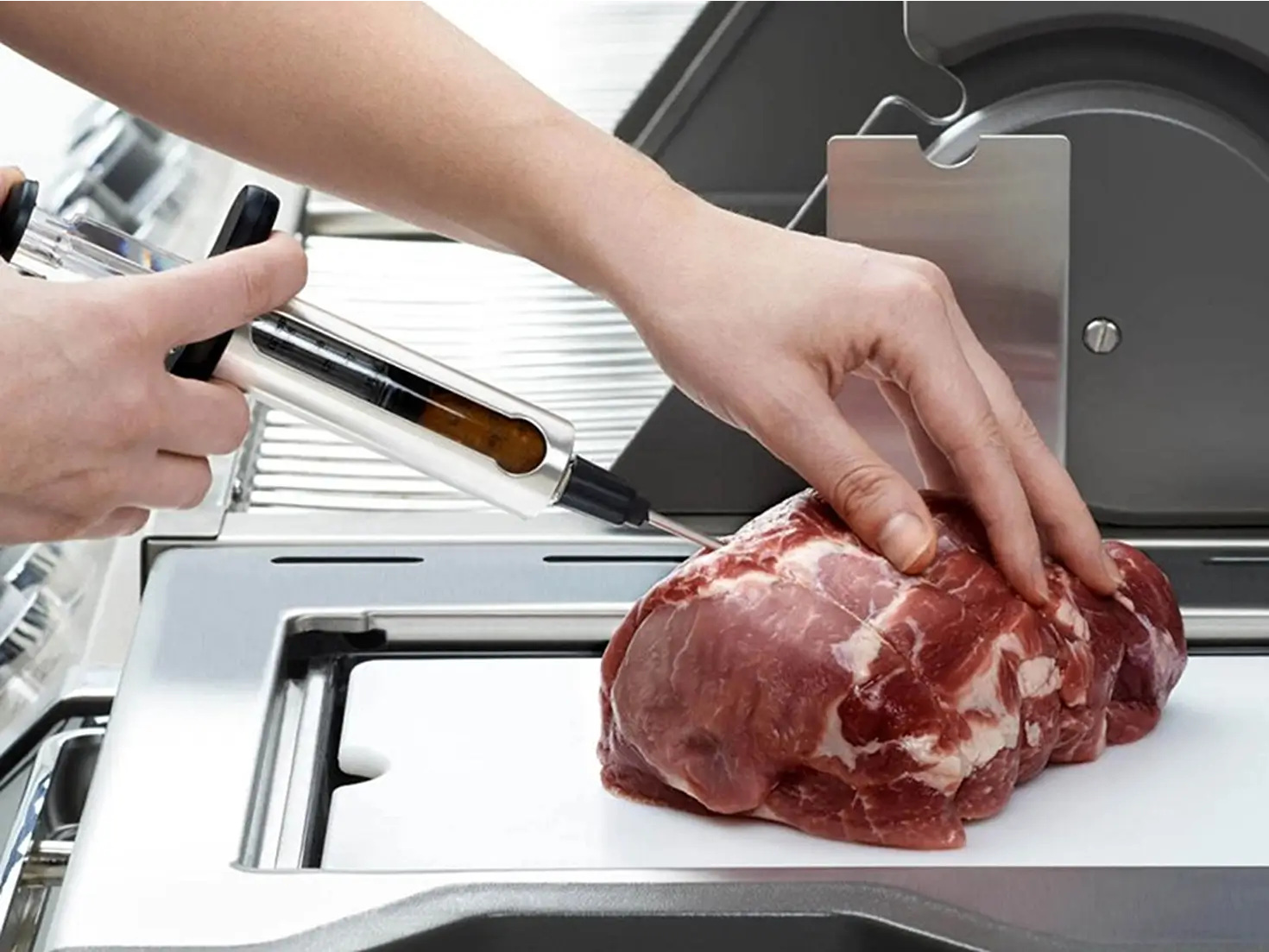
Whatever you do, don’t leave your steak to marinade for too long. You’ll end up with mush and ruin the cut. Generally, between one and four hours should do it. To make sure all the delicious flavor of your marinade gets in, too, use specialist tools like the Grillio Marinade Injector. This will infuse the steak with flavor deep beneath the surface.
Store-Bought
Tenderizers
the ultimate guide to tenderizing steak
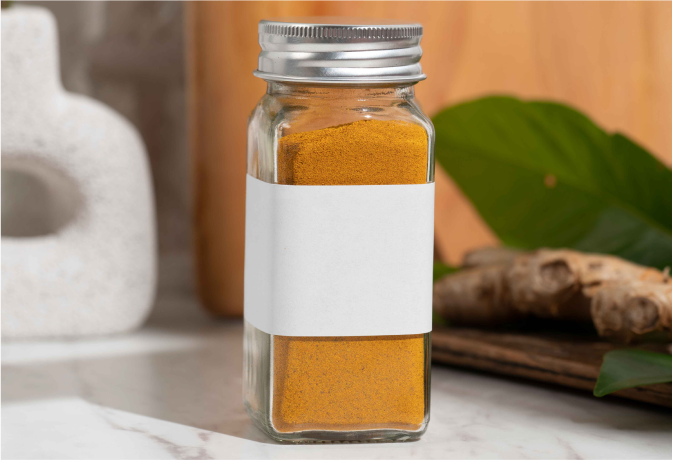
Short on time? Okay then, it could be time to turn to a store-bought alternative. These essentially do the same thing as marinades (though usually with less flavor) using powdered enzymes like papain or bromelain.
Tips for Success
Not all chemical tenderizers are the same, so make sure you choose one that suits your cut and preference. Also follow all instructions carefully to avoid the dreaded over-tenderized steak!
Salt Tenderizing
the ultimate guide to tenderizing steak
A Natural Tenderizer
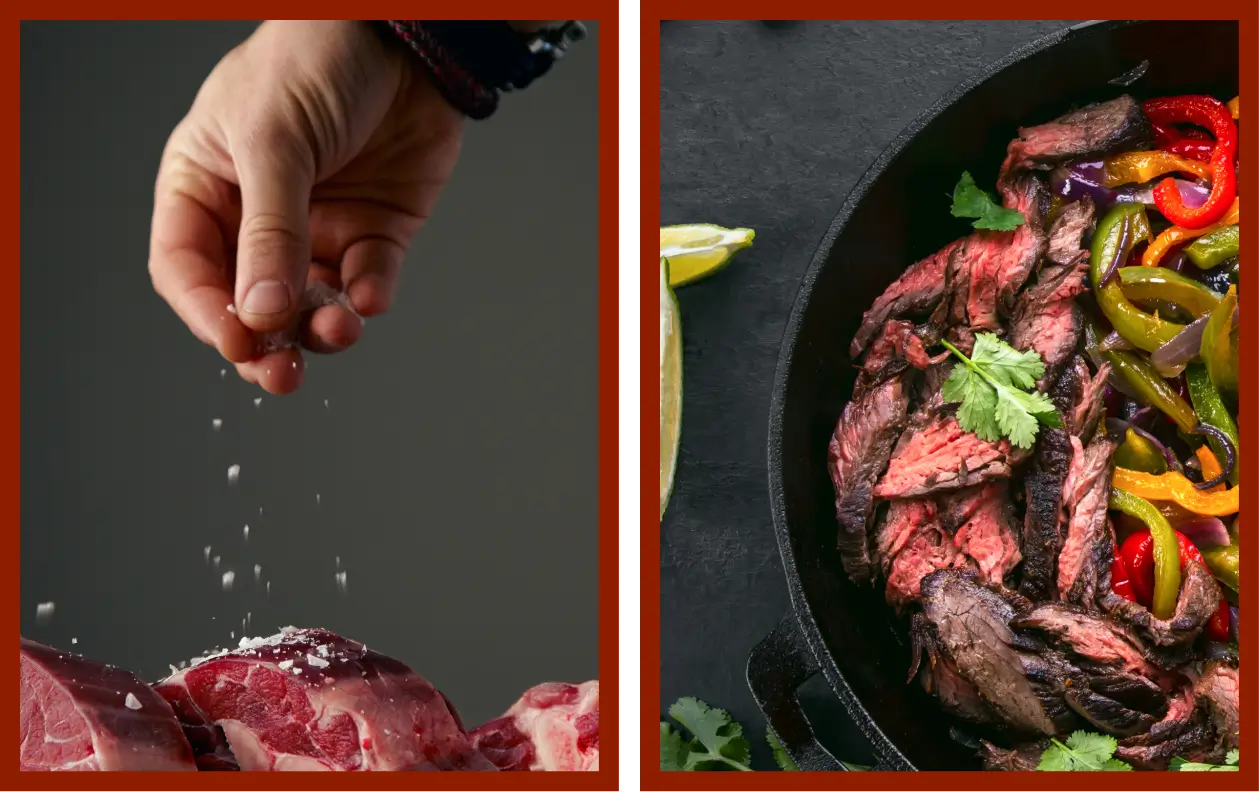
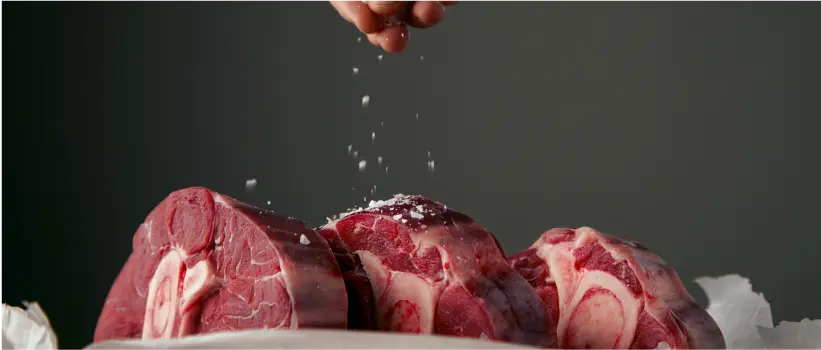
Perhaps the quickest and most accessible chemical tenderization method – who doesn’t have this in their cupboards? – is salt. Salt has long been used not only as a seasoning, but also as a natural tenderizer. Here’s how to salt your steak for a more succulent texture:
01
02
03
This method is particularly effective for tougher cuts, as it naturally tenderizes while maintaining the integrity of the meat.
Heat-Based
Tenderizing
Techniques
the ultimate guide to tenderizing steak
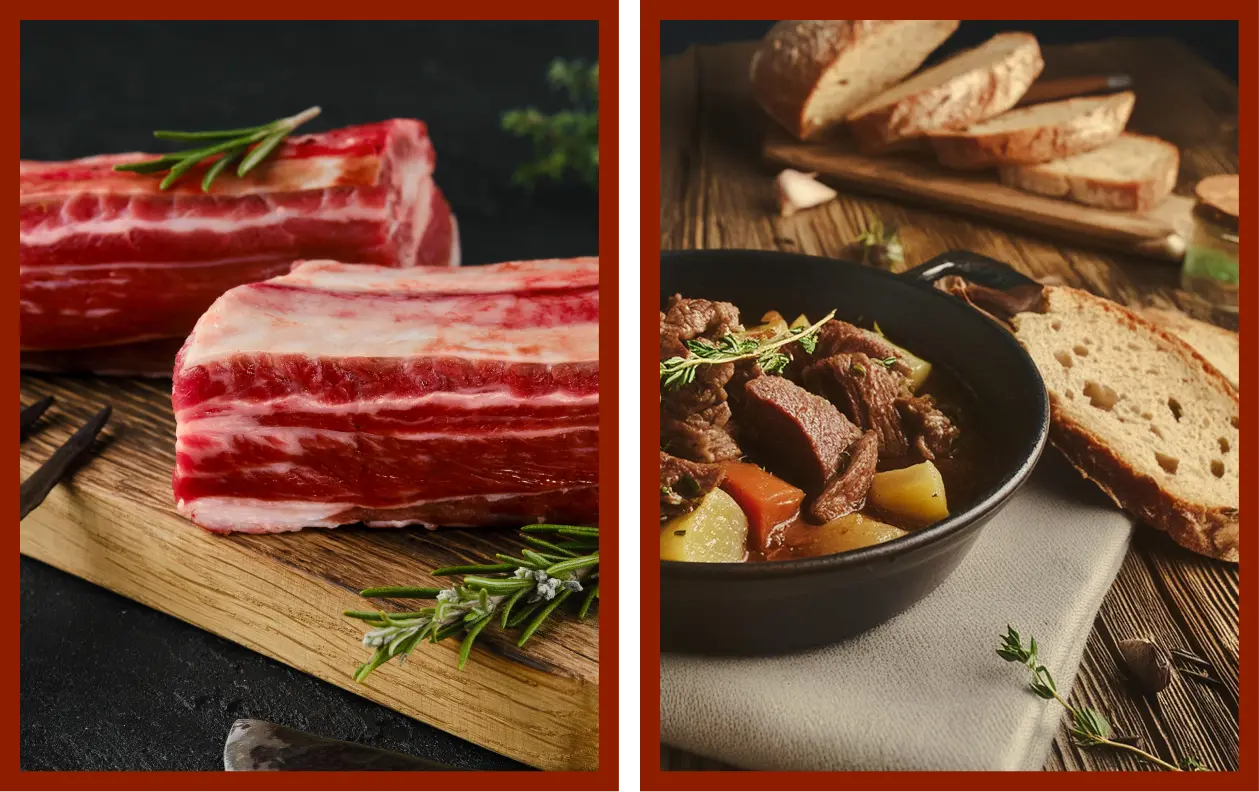
It’s a good idea to tenderize your steak before cooking, be that mechanically or chemically. That said, it’s also possible to cook a steak in such a way that brings out all the juicy tenderness and leaves behind the chewiness. Let’s see how these heat-based tenderizing techniques can transform steak cuts into something truly magical:
Low-&-Slow
Cooking
the ultimate guide to tenderizing steak
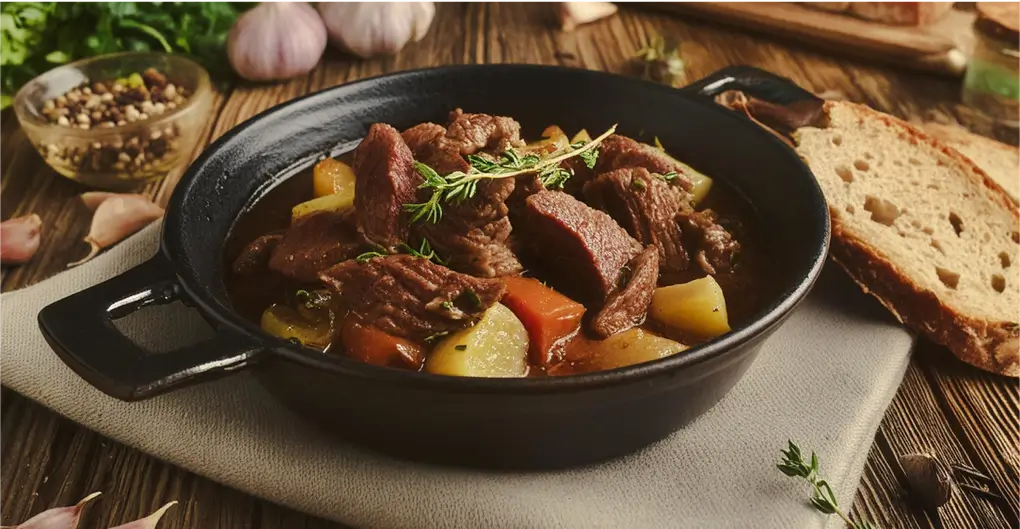
It’s not hard to guess what ‘low-and-slow’ means. Methods like braising, stewing, or sous-vide rely on low heat applied over an extended period. But how does that tenderize the meat? Well, these techniques gradually break down collagen, the connective tissue in tougher cuts, into gelatin, resulting in that silky, melt-in-your-mouth texture you’re looking for.
Braising and Stewing
A classic method. Simply part-submerge the steak in a flavorful liquid like broth or wine and cook away at a low temperature. The moisture helps soften the texture while also infusing the meat with flavor.
Sous-Vide
Looking for a modern technique? Sous-vide involves sealing the steak in a vacuum bag and cooking it in a water bath at a precise, consistent temperature. Sous-vide ensures perfectly tender results while preserving the meat’s natural juices.

These approaches are ideal for cuts like chuck, brisket, or short ribs, where connective tissue is abundant. It’s worth remembering, though, that you won’t get that signature steak sear using these methods!
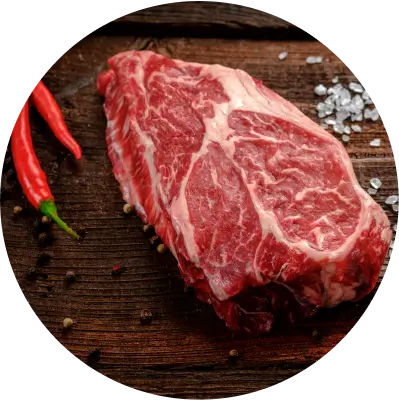
Chuck
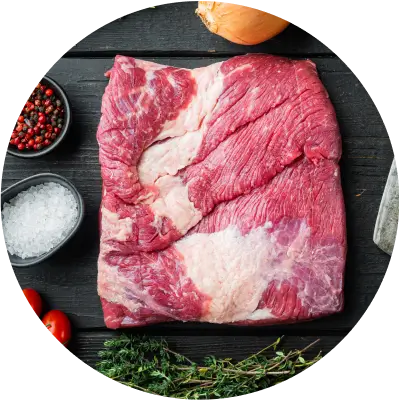
Brisket
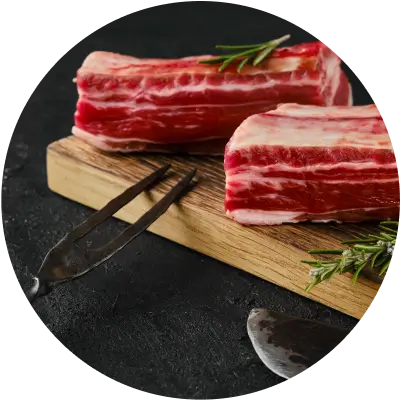
Short Ribs
Reverse Searing
the ultimate guide to tenderizing steak
Speaking of sears, have you ever heard of ‘reverse searing’? This is a favorite among steak enthusiasts. That’s because it’s particularly effective for tougher cuts and combines slow cooking with traditional searing. Here’s how it works:
01
02

This is a top method, particularly as it ensures an even cook, prevents overcooking, and allows for a super flavorful crust all in one. It’s a perfect blend of precision and flavor!
Once again, the right tools will really help you get the most out of this technique. Try Grillio’s reverse sear grills to up your game and get the most out of every cut.
Combining
Techniques for
Best Results
the ultimate guide to tenderizing steak
All of these methods are great in their own right. Their advantages, after all, depend on what kind of cut you’re grilling and what kind of ‘finish’ you’re looking for.
The good news is that you’re not necessarily limited to one technique! Not only can you experiment with different methods, you can actually combine methods, too. How? Well, for tougher cuts, combining mechanical and chemical techniques often actually yields the best results.
By layering tenderizing strategies, you can create steaks that are both flavorful and tender, no matter the cut.
Pairing Mechanical &
Chemical Methods
the ultimate guide to tenderizing steak
Why does combining mechanical and chemical tenderization techniques work? Don’t they achieve the same thing? Sure. But they address different aspects of toughness. Here’s what we mean:
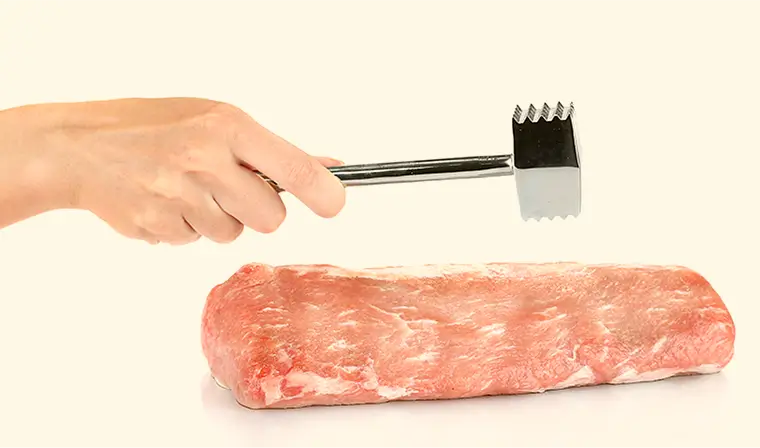
Start with a meat mallet or blade tenderizer:
Once you’ve broken down the muscle fibers and connective tissue mechanically, you’re left with a softer texture. This allows marinades or salt to penetrate more deeply.
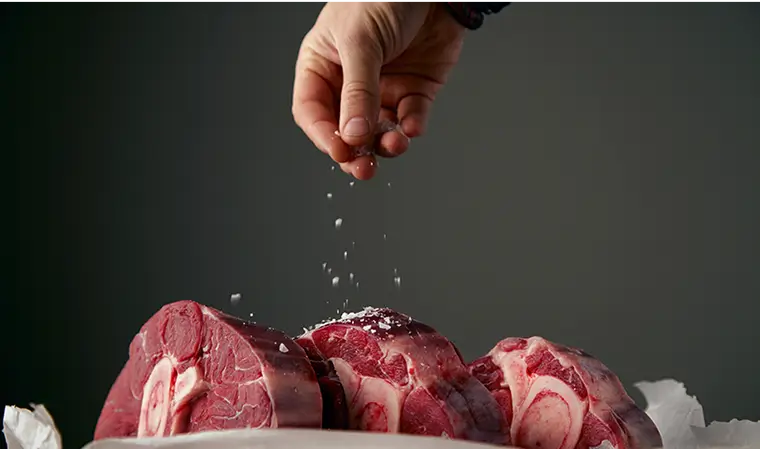
Follow with a marinade or salt tenderizing:
Once the meat’s structure is prepped, chemical methods can enhance tenderness further while infusing flavor.
This works well even on tougher cuts like flank or skirt steak. By scoring the surface, marinating with an acidic mixture, and finishing with a high-heat sear, you can transform the meat into a restaurant-quality dish and serve up a real crowd-pleaser.
Case Studies
the ultimate guide to tenderizing steak
Let’s see what these combination methods look like in action. Here are a few of our favorite grilled steak recipes that use a combination of tenderization methods. Feel free to give them a go!
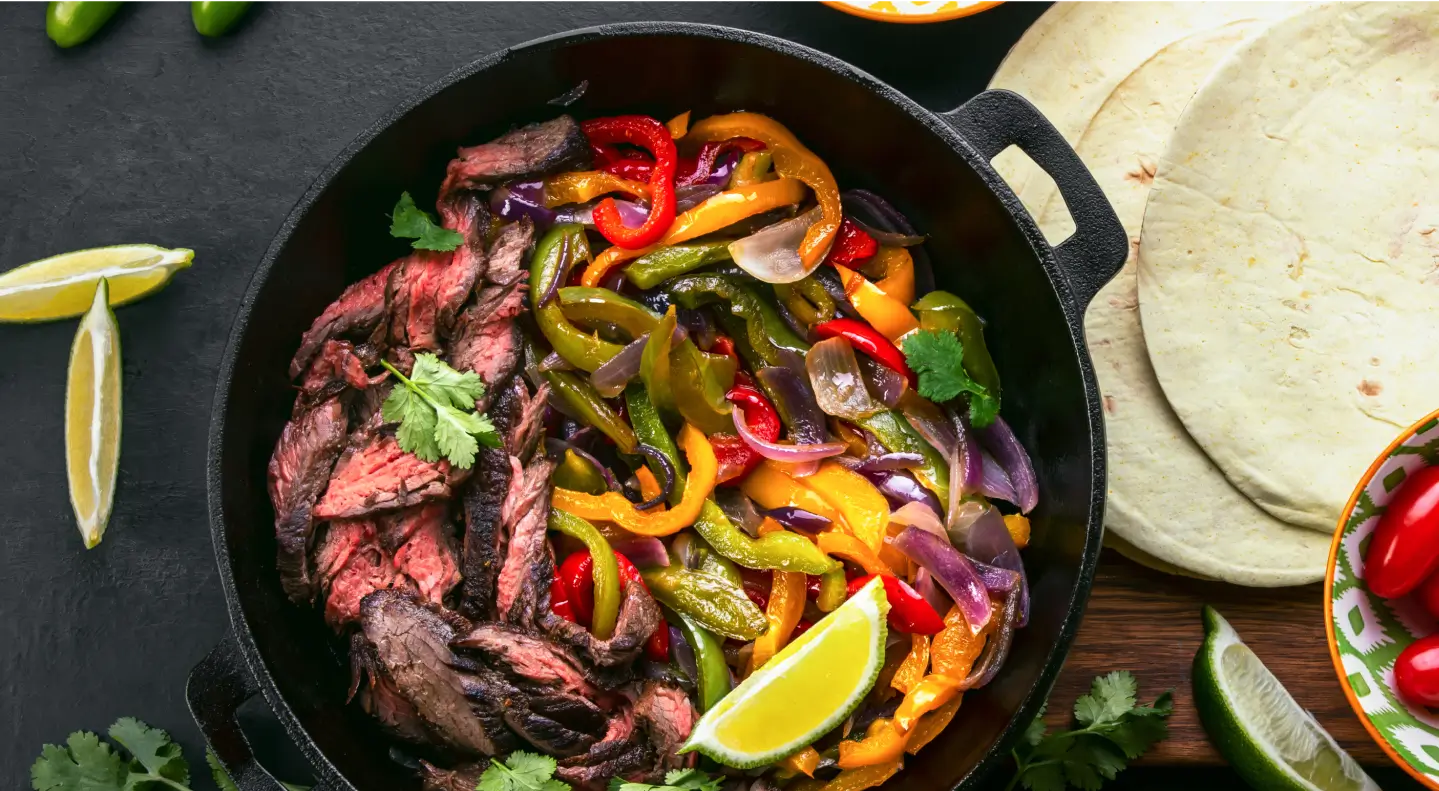
Grilled Skirt Steak Fajitas
Score the steak lightly, marinate it with lime juice, garlic, and soy sauce, then use a needle tenderizer for deeper penetration. Grill quickly at high heat and slice against the grain.
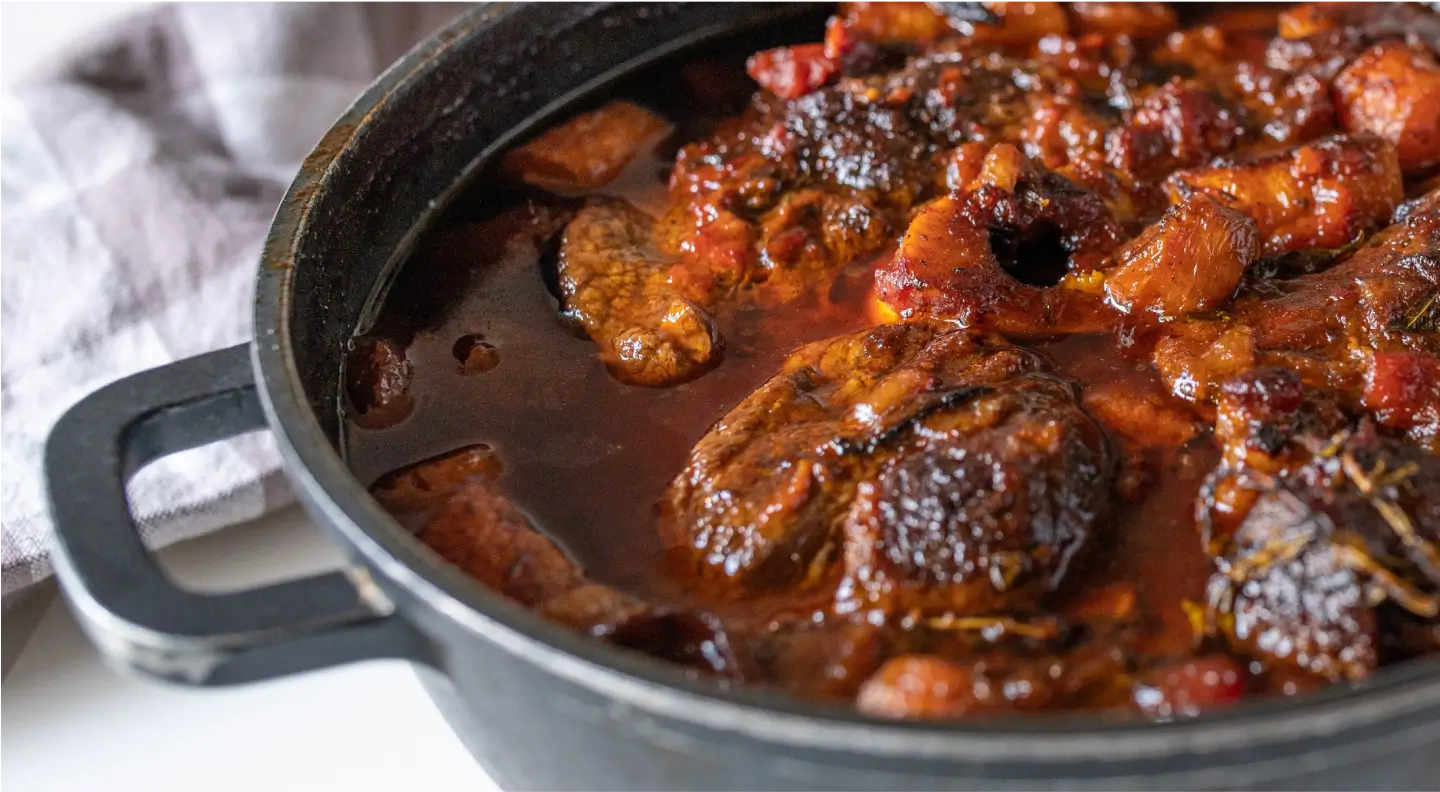
Braised Chuck Roast
Pound the meat with a mallet to flatten slightly and break connective tissue. Season generously, sear it, and cook it low-and-slow in a rich broth with onions and red wine.

Sous-Vide Flank Steak
Use a salt tenderizing method, then sous-vide the steak to perfection. Finish with a quick reverse sear for a beautiful crust.
Explore Recipes
the ultimate guide to tenderizing steak
Like the sound of our sumptuous steak suggestions? You’re not the only one. For more inspiration, check out Grillio Steak Recipes, where you’ll find step-by-step guides for incorporating these tenderizing techniques into your favorite dishes. Make your next backyard barbecue one to remember with the help of our carefully-curated Grillio Steak Recipes!
Common Mistakes
& How to Avoid
Them
the ultimate guide to tenderizing steak
Run into a steak conundrum? Don’t panic! We’ve all been there. Even the most experienced home grillers around encounter challenges when it comes to tenderizing steak. Luckily, there’s usually a quick fix. At the very least, knowing the common pitfalls and how to avoid them will help you achieve perfect results next time around.
Let’s take a look at some of the most common mistakes we come across – and how to handle them so they don’t ruin your barbecue!
Over-Marinating or
Over-Tenderizing
the ultimate guide to tenderizing steak
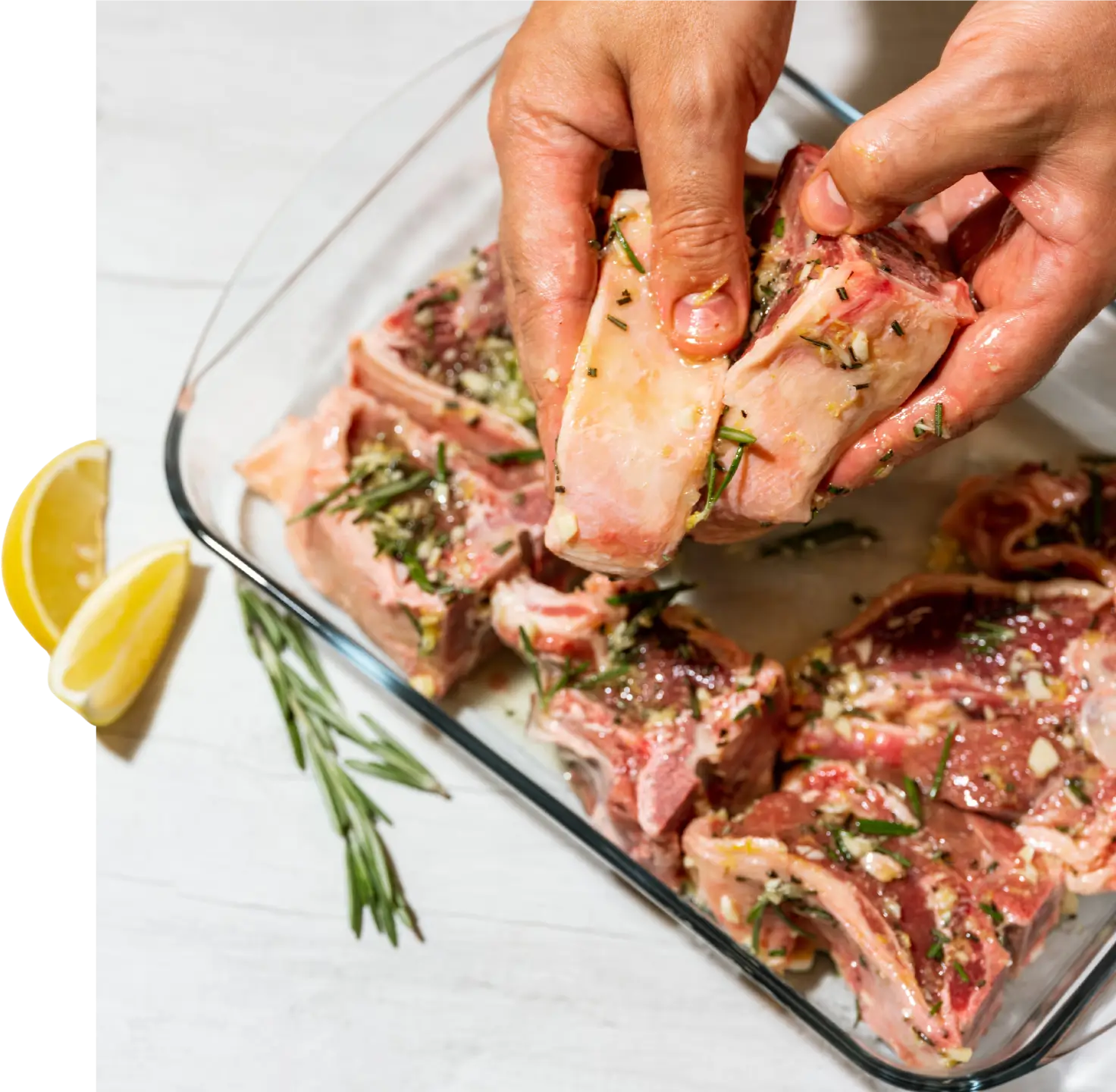
Don’t be afraid of bold marinades. They add a ton of flavor and can turn an ordinary steak into something truly exceptional. However, that doesn’t mean you can’t overdo them. Leave a steak cut in an acidic marinade for too long and you may well end up with a pile of mush. The acids or enzymes in the marinade break down the meat’s proteins – which is good – but too much time can ruin it.
How to Avoid It:
01
02
Misusing Tools Like Meat
Mallets or Tenderizers
the ultimate guide to tenderizing steak
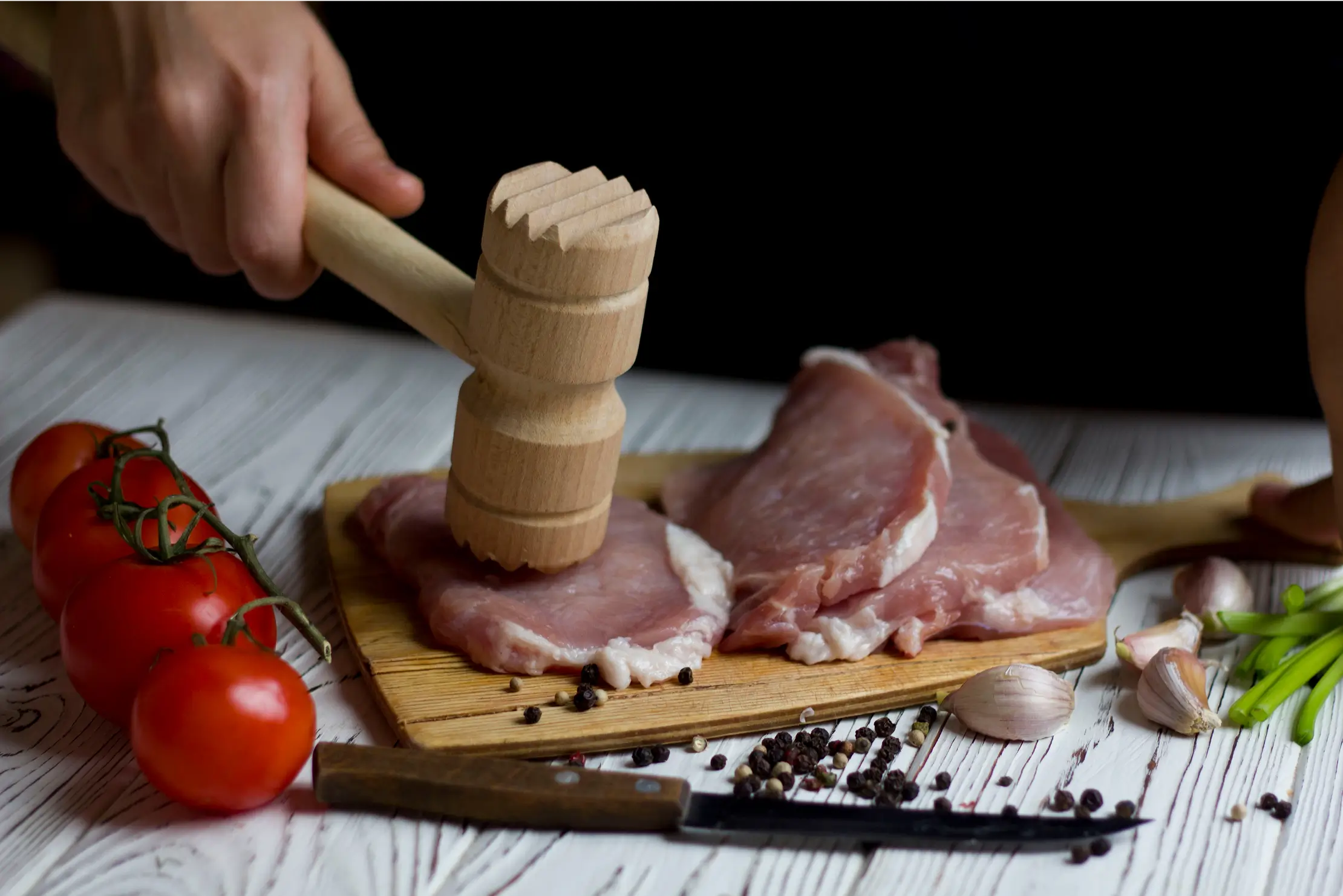
Meat mallets are the go-to tools for tenderizing meat the old-fashioned way. However, it’s not a case of ‘whack and serve’. Over-pounding can seriously damage your steak. Similarly, improper use of needle tenderizers can also have a negative effect; pierce too much and you’ll release too many juices, drying out your steak.
How to Avoid It:
01
02
How to Fix Over-
Tenderized Steak
the ultimate guide to tenderizing steak
Okay, so what if you’ve already over-tenderized your steak? No amount of beating or marinating can save that, right? True. Although, you may be able to salvage a slightly over-tenderized steak with proper cooking techniques.
For instance, if your cut is a little soft, try cooking it quickly at high heat to create a crisp crust, or use it in recipes like steak sandwiches or tacos where the texture won’t be as noticeable. Don’t throw away a cut of steak unless it’s truly inedible!
Tips for Cooking
Tender Steak
the ultimate guide to tenderizing steak
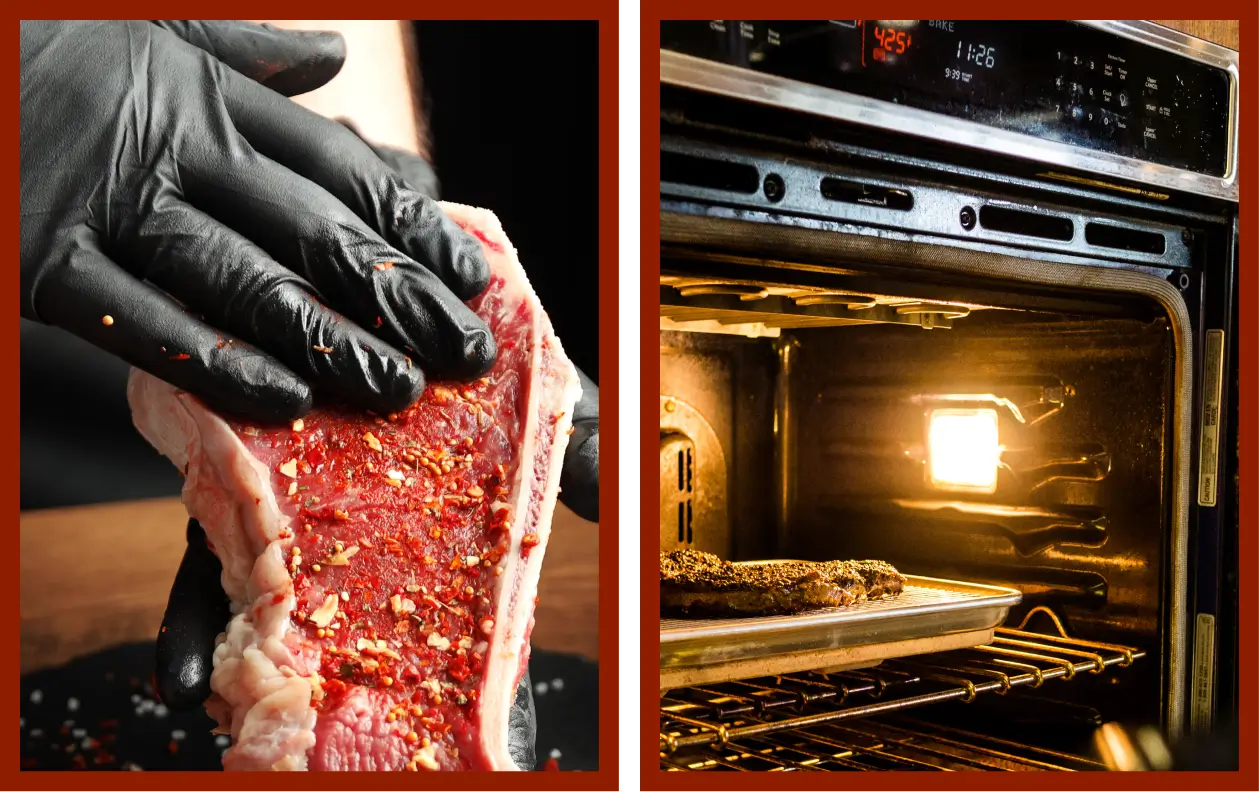
As any steak connoisseur knows, tenderization is only half the battle. How do you take a perfectly tenderized steak from pro to masterpiece? It’s all in the cooking, of course!
Once you’ve tenderized your steak, proper cooking techniques are the key to making it shine. Here are some essential tips to ensure your tenderized steak is cooked to perfection every time:
The Role of Resting the
Steak
the ultimate guide to tenderizing steak
The concept of ‘resting’ a steak is actually pretty simple. After all, it’s the first trick in the book when it comes to steak cooking. Essentially, it’s about letting your cut ‘rest’ to achieve a more consistent quality.
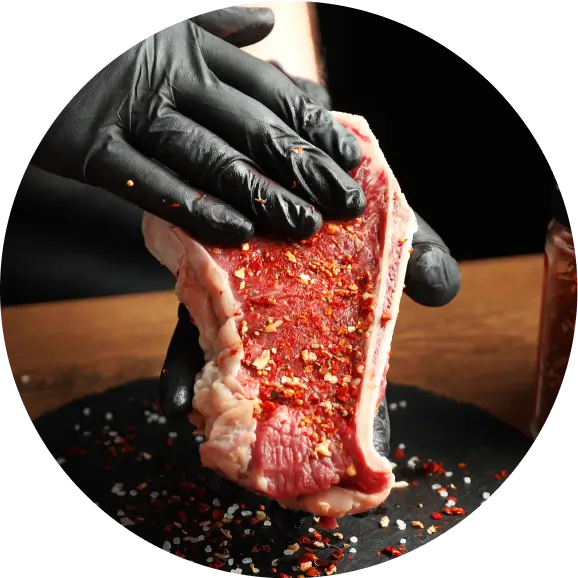
After tenderizing and before cooking, let your steak rest at room temperature for about 20–30 minutes. This helps the meat cook more evenly. Then, after cooking, rest it again for 5–10 minutes to allow the juices to redistribute, ensuring each bite is juicy and flavorful.
20–30 minutes before cooking
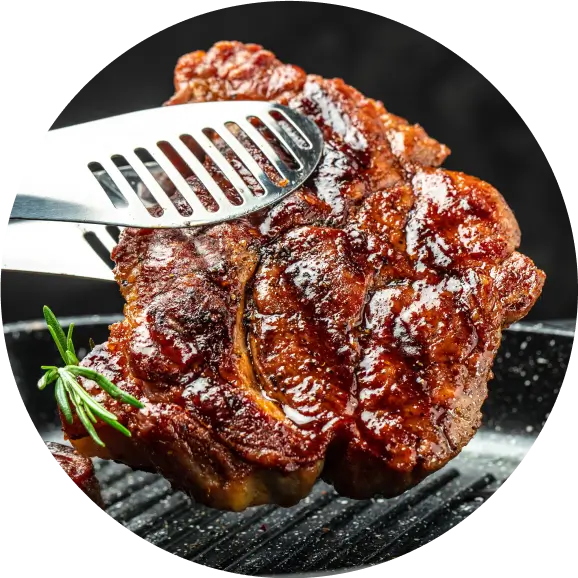
5–10 minutes after cooking
Best Practices for Cooking
Tenderized Steak
the ultimate guide to tenderizing steak
Here are a few pro tip to bear in mind while actually cooking your steak:
Grilling
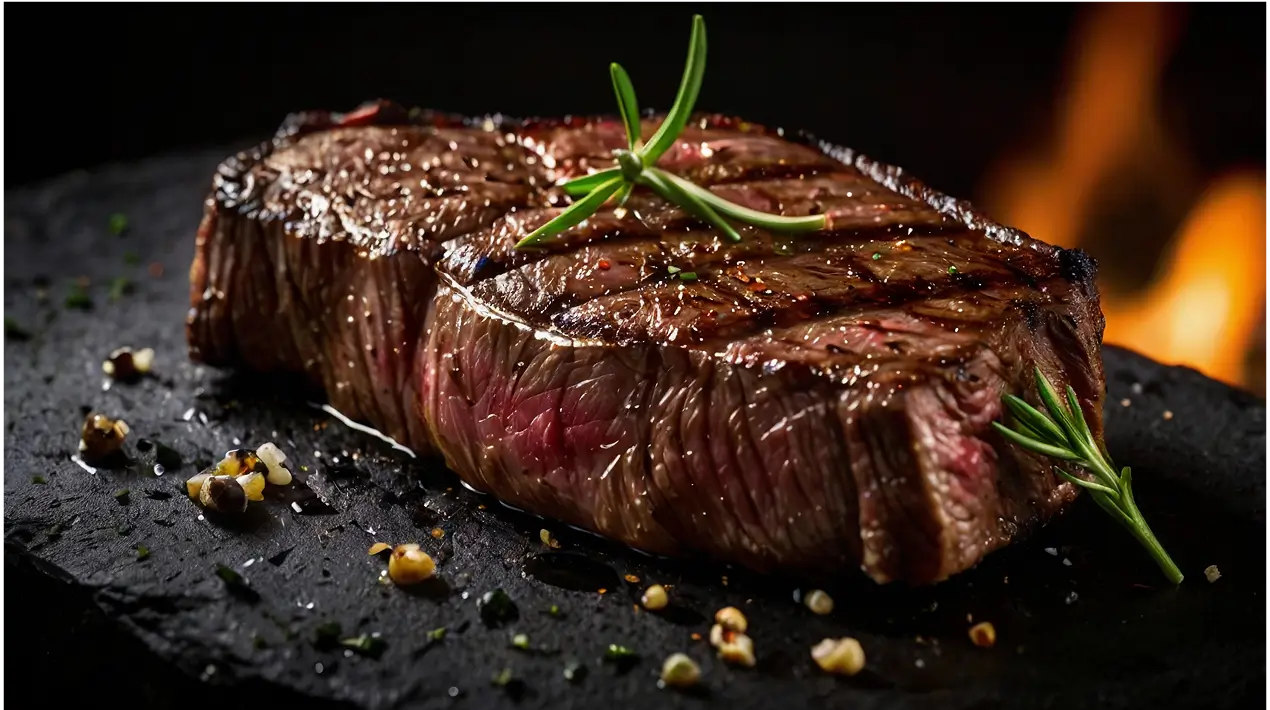
In short, your grilling standards should look something like this: Use medium-high heat for tender cuts and high heat for tougher, well-tenderized cuts like skirt steak. For maximum flavor, aim for a quick sear to develop a rich crust, then finish over indirect heat if needed. Simple.
Pan-Searing
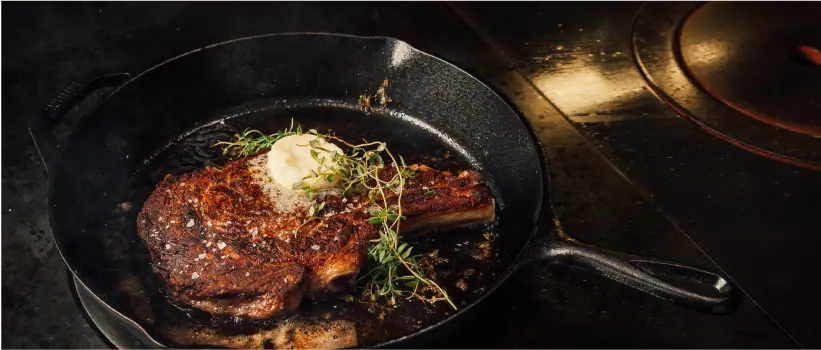
A cast-iron skillet is your best friend for pan-searing. Preheat the pan until it’s smoking hot, then add a high-smoke-point oil like avocado or canola. Sear each side for 2–4 minutes, depending on the thickness, to achieve a beautiful crust.

Broiling
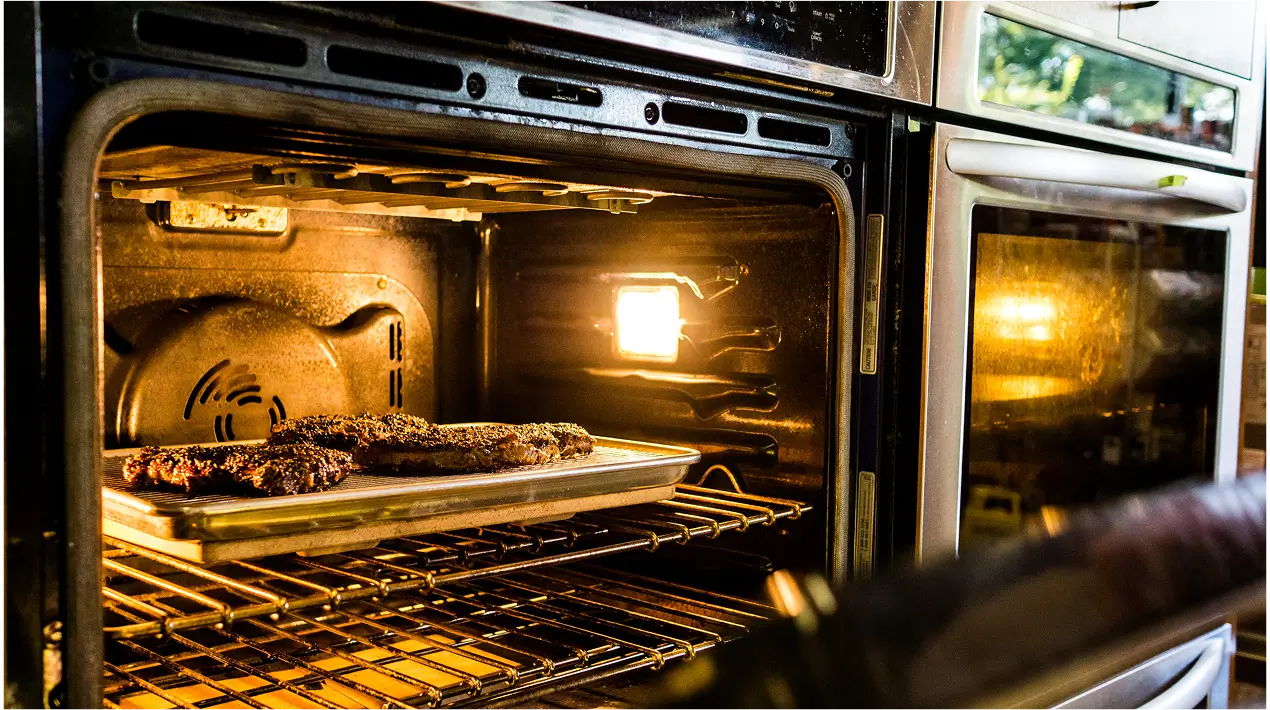
Position your steak 3–5 inches from the broiler element. Keep a close eye to prevent overcooking, and flip halfway through for even charring. The more steaks you cook, the more comfortable you’ll feel deciding when to flip. Practice makes perfect!
If you’re looking for a rule of thumb, try this: for tenderized steaks, quick, high-heat methods work best to lock in juices and highlight their improved texture.
Using a Meat Thermometer
for Precision
the ultimate guide to tenderizing steak
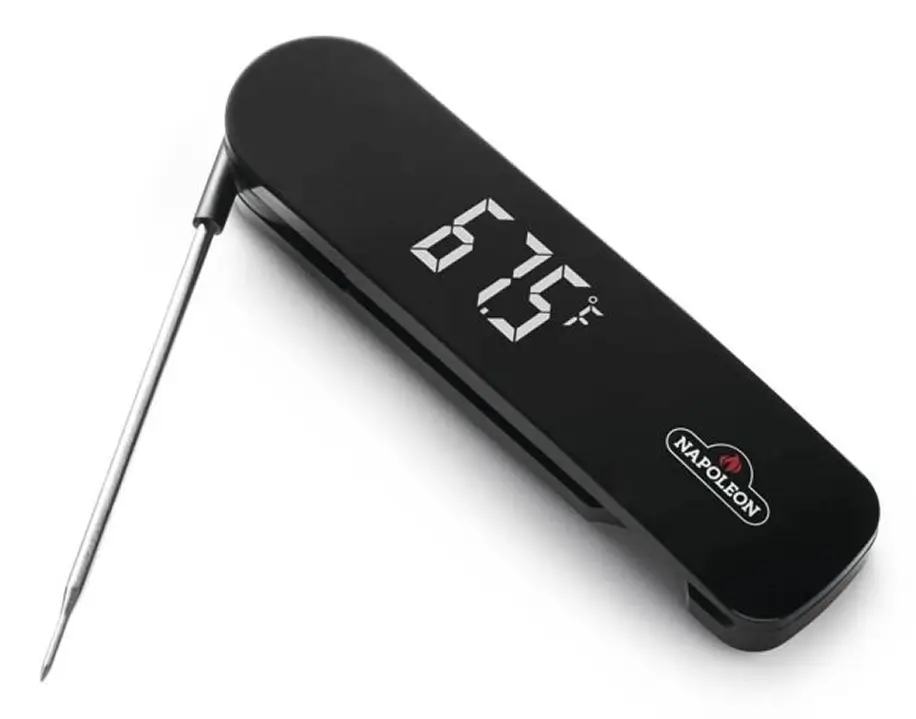
Experience can count for a lot, sure. But let’s be frank: cooking steaks to the perfect level is so much easier with a meat thermometer. Simply insert the thermometer into the thickest part of the steak and look for these parameters:
Rare
120–125°F
Medium Rare
130–135°F
Medium
140–145°F
It’s important to avoid overcooking tenderized steak. Overcooking can reverse all your hard work by making it dry or chewy.
Grillio Meat Thermometer
The easiest way to do this is by using a pro-level grilling thermometer. Tools like the Grillio Meat Thermometer ensure accuracy, helping you hit the perfect temperature every time.

The Final Word
on Tenderizing
Steak
the ultimate guide to tenderizing steak
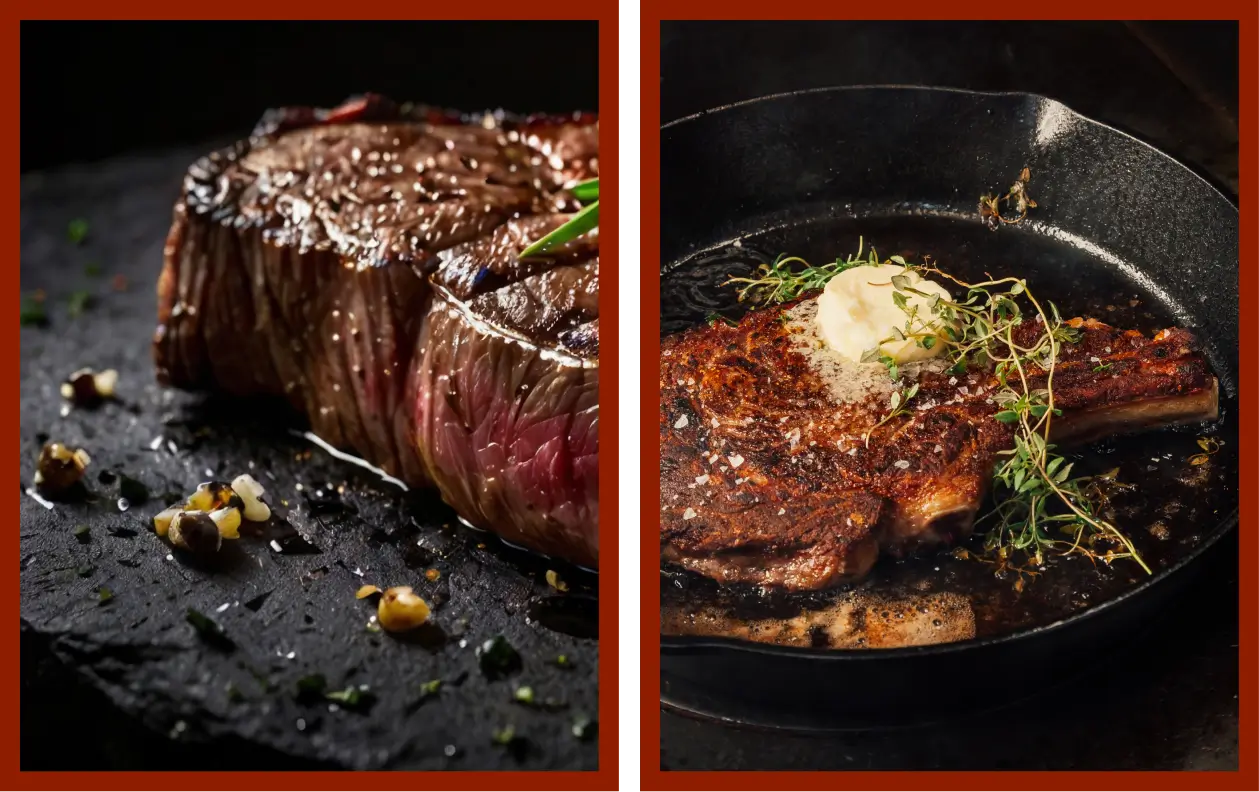
Tenderizing steak is as much about technique as it is about creativity in the kitchen. Whether you’re working with a prized ribeye or a challenging flank steak, the right methods can make a whole world of difference.
Key Tenderizing
Techniques
the ultimate guide to tenderizing steak
Here’s a quick recap of the best ways to achieve a tender, delicious steak:
01
Mechanical Methods
Use a meat mallet, scoring, or blade tenderizers to break down tough fibers.
02
Chemical Methods
Marinades, store-bought tenderizers, or salt can soften steak while enhancing flavor.
03
Heat-Based Techniques
Low-and-slow cooking or reverse searing ensure even cooking and juicy results.
04
Combining Methods
Pair mechanical and chemical techniques for the most tender and flavorful results.
Experiment and Enjoy
the ultimate guide to tenderizing steak
The most important ingredient is always joy. Corny, right? Well, it’s true! Each steak cut has its own unique characteristics, and experimenting with different tenderizing methods allows you to discover what works best for your favorite recipes. Don’t be afraid to try new techniques – every step brings you closer to mastering the art of steak preparation.
Whether you prefer grilling, pan-searing, or broiling, tenderizing your steak ensures a better barbecue experience that’ll make you the envy of your friends and neighbors!
Final Thoughts
the ultimate guide to tenderizing steak
Remember this: tenderizing isn’t just about making tough cuts manageable – it’s about bringing out the best they have to offer. All it takes is a little prep and a few handy tools. You can elevate your steaks to restaurant-quality levels, impressing family and friends with every meal.
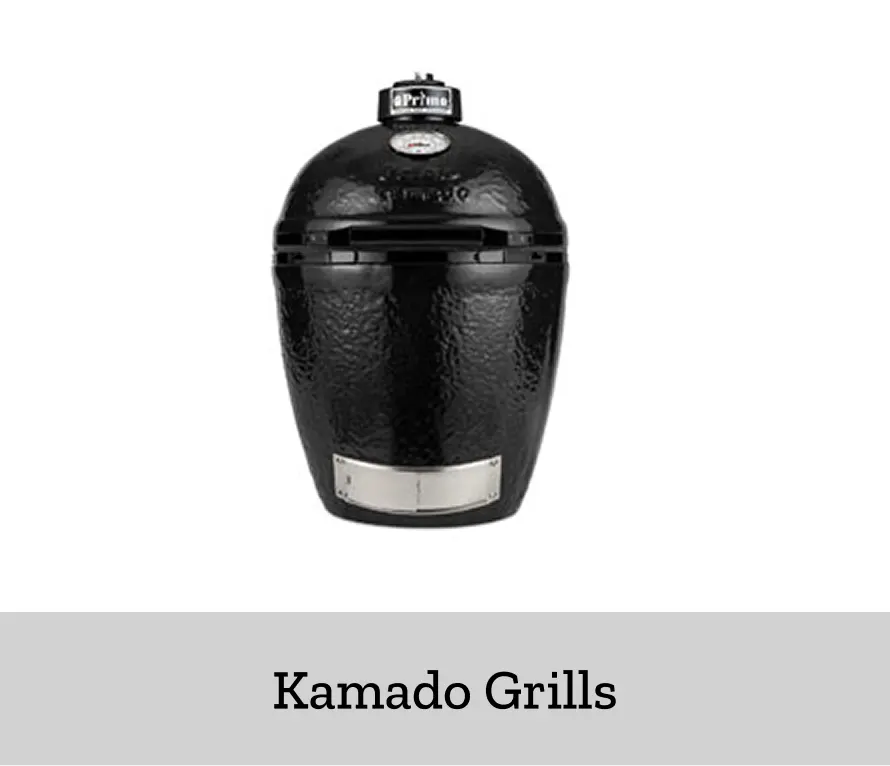
To make tenderizing and cooking easier, explore Grillio Steak Accessories, including mallets, blade tenderizers, cutting boards, and meat thermometers. Grillio grills and accessories are designed for you and made to last.







Up your steak game and become a pro griller (with a little help from us)!

What's the quickest way to tenderize a tough steak?
The quickest method is mechanical tenderization using a meat mallet or blade tenderizer, which physically breaks down tough muscle fibers in minutes.
Can salt really tenderize steak?
Yes, salting steak 40-60 minutes before cooking (known as dry brining) breaks down proteins and helps the meat retain moisture for improved tenderness.
Which cuts of steak benefit most from tenderizing?
Tougher, less expensive cuts like flank, skirt, chuck, and round steaks benefit most from tenderizing techniques, as they contain more connective tissue.
Do meat tenderizing powders actually work?
Yes, commercial meat tenderizers containing enzymes like papain (from papaya) or bromelain (from pineapple) break down muscle proteins effectively when used properly.
How long should I marinate steak to make it tender?
For most acidic marinades, 2-4 hours is ideal. Marinating too long (over 24 hours) can actually make meat mushy rather than tender.
Can I tenderize steak without tools or marinades?
Yes, slow cooking methods like braising or using the sous vide technique naturally tenderize tough cuts by slowly breaking down collagen.
Will letting steak come to room temperature help with tenderness?
Yes, allowing steak to rest at room temperature for 30-45 minutes before cooking promotes even cooking and can improve overall tenderness.
Does the way I slice steak affect its tenderness?
Absolutely. Always slice cooked steak against (perpendicular to) the grain to shorten muscle fibers, making each bite easier to chew and significantly improving perceived tenderness.