
Organic farming is the practice of growing food without synthetic pesticides, fertilizers, or genetically modified organisms (GMOs). It relies instead on naturally occurring processes, such as composting, crop rotation, and biological pest control, to maintain healthy, fertile soil and promote plant growth. Small hobby farmers are turning to organic farming at home as a way to ensure that they have access to fresh, chemical-free produce. Organic farming also contributes to a healthier planet. Before you take on organic farming, it’s important to learn the basics, its nutritional and sustainability benefits, key practices, and how you can get started with your own organic garden.
Organic Farming Basics
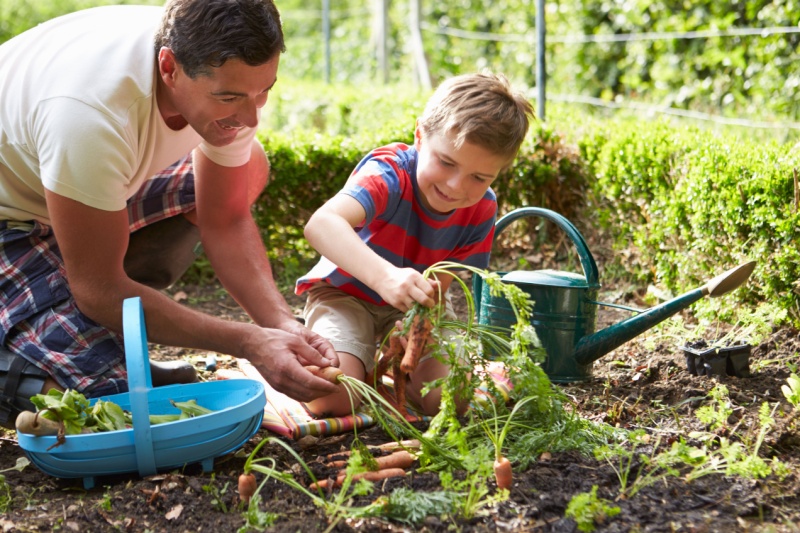
Organic farming centers on creating a self-sustaining ecosystem in which plants grow in harmony with their surroundings without synthetic chemicals. A key aspect of organic farming is maintaining soil fertility through composting, mulching, and using organic fertilizers, such as manure or plant-based compost, to feed the soil. Organic farming also encourages biodiversity. Growing a variety of different plants together can help to naturally deter pests and diseases. Whether growing vegetables, fruits, or herbs, organic farming at home allows individuals to control what goes into their food and, in turn, their bodies while ensuring a natural growing process.
The Nutritional Benefits of Organic Farming
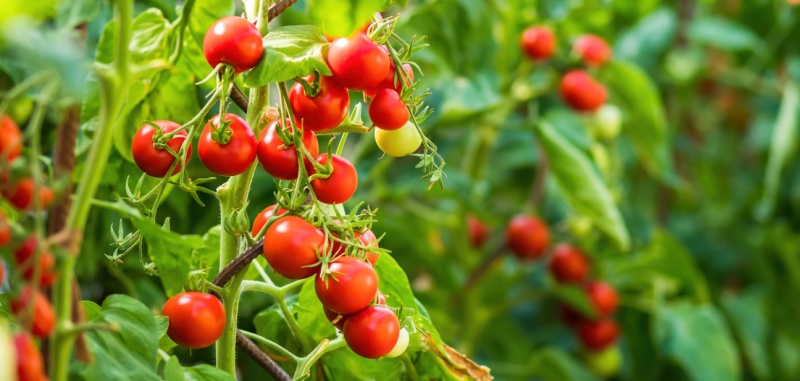
Organic produce is often considered more nutritious than its conventionally grown counterpart. Studies have shown that organic fruits and vegetables tend to have higher levels of vitamins, minerals, and antioxidants, which are essential for overall health. Because organic farming avoids synthetic pesticides and fertilizers, the plants develop their own natural defenses, leading to higher concentrations of beneficial vitamins and nutrients. Additionally, organic farming methods enhance the quality of the soil, contributing to better nutrient absorption for plants. Homegrown organic produce is also fresher, since it’s not subjected to long journeys or time spent in storage or on store shelves between when it was grown and when it arrives in your kitchen. This farm-to-table approach means that you’ll be cooking and grilling with the highest-quality, best-tasting ingredients; you can enjoy healthful meals with ingredients harvested at their peak without paying an increased price at your local grocer.
The Sustainability Benefits of Organic Farming

One of the most significant advantages of organic farming is its sustainability. Organic farming practices reduce environmental pollution by avoiding harmful chemicals that can leach into the soil and local water sources. By focusing on soil health, organic farming also prevents soil erosion and degradation, ensuring long-term fertility. Additionally, organic farming methods encourage biodiversity by supporting beneficial insects, birds, and microorganisms that contribute to a balanced ecosystem.
When practiced at home, organic farming also reduces dependence on store-bought produce, lowering the carbon footprint that accompanies commercial farming, transportation, and processing and packaging operations. By growing their own organic produce, individuals can play a vital role in conserving natural resources and promoting a more sustainable future.
Key Gardening Practices and Organic Farming Techniques
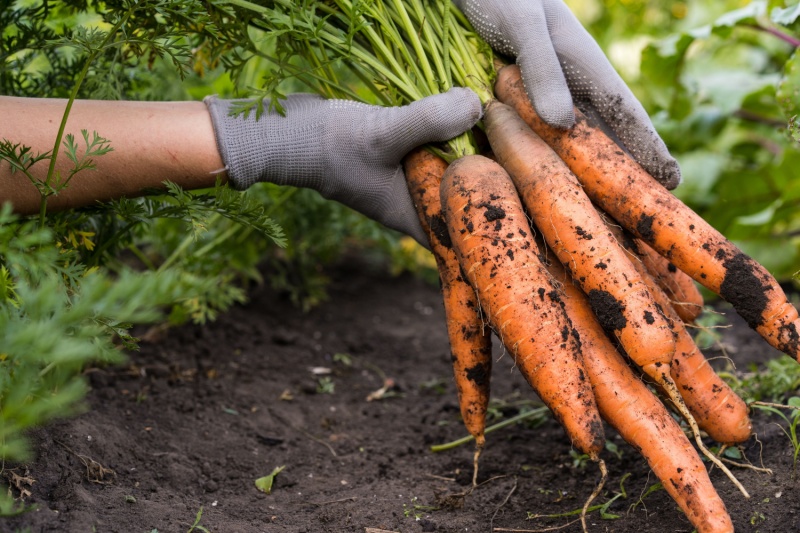
Successful small-scale organic farming requires a combination of techniques to maintain soil health and plant productivity. One of the most fundamental practices is composting, turning organic material like kitchen scraps and yard waste into a rich source of nutrients to add to garden soil. Mulching can be done in conjunction with composting. Mulching is the practice of adding a layer of organic materials, like straw, dried leaves, and wood chips, atop the soil to aid in moisture retention, suppress weeds, and regulate the soil temperature. Mulch also adds nutrients to the soil it’s covering as it naturally decomposes.
Crop rotation is another critical method of soil management. Crop rotation is the practice of changing what is grown on a single garden plot. This practice prevents nutrient depletion in the soil and mitigates the risk of infestation and disease. A well-planned crop rotation cycle includes types of plants that balance nutrient use, revitalizing the soil for the next plants. For example, in a four-year crop rotation, a hobby farmer might choose to plant legumes in the first year, which help to fix nitrogen in the soil; leafy greens in the second year, which benefit from nitrogen-rich soil and help suppress weeds; fruiting crops like tomatoes, peppers, and squash in the third year, since they need only moderate amounts of nitrogen and also use the phosphorus and potassium in the soil that the greens didn’t need; and root vegetables in the fourth year, which don’t need as many nutrients, help break up compacted soil, and discourage pests that might have been drawn to previous crops. The following year, the farmer would go back to the beginning of the cycle and plant legumes again to replenish the soil.
A technique called companion planting can be used in conjunction with effective crop rotation. Companion planting is where certain plants are grown alongside each other to benefit one another, and it can naturally deter pests and enhance growth. For example, marigolds deter nematodes, while basil improves tomato growth.
Natural pest control methods are also part of organic farming. This technique of pest control relies on introducing and encouraging beneficial insects, like ladybugs, to help naturally manage pests without synthetic chemicals. Ladybugs (which eat aphids) and lacewings naturally reduce pest populations. Neem oil and sprays made with garlic or chili peppers can also work as natural pesticides, and they don’t harm the beneficial insects that share the space.
How to Get Started
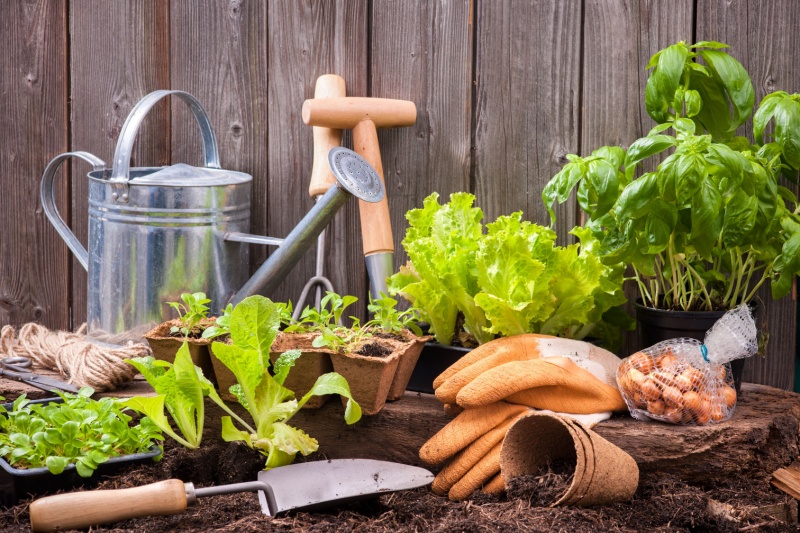
Starting an organic garden at home is both rewarding and practical. Begin by selecting a suitable location with ample sunlight and well-drained soil. If space is limited, consider using raised garden beds or containers. Choose organic seeds or seedlings, and enrich the soil with compost and organic fertilizers before planting. Watering should be done efficiently, using methods such as drip irrigation or rainwater collection to conserve water. Regularly monitor plant health and implement natural pest control methods to maintain a thriving organic garden. Over time and with experience and practice, you can expand the variety of organic crops and experiment with different techniques to keep your garden flourishing and your grill grates and dinner plates full of delicious, organic produce grown in a way that is good for you and our planet.
Grills & Smokers
-
- Gas Tabletop Grills
- Kamado Barbecues
- Best Outdoor Gas Pizza Oven
- Blaze 30 Griddle
- Ofyr 85