

Maintaining a healthy heart is essential for long-term health, and nutrition plays a central role in keeping the cardiovascular system strong. Since heart disease remains one of the leading causes of death worldwide, understanding how diet affects heart health is critical. A well-balanced, heart-healthy diet can help reduce inflammation, lower blood pressure, and prevent high cholesterol.

Eating More Fruits and Vegetables
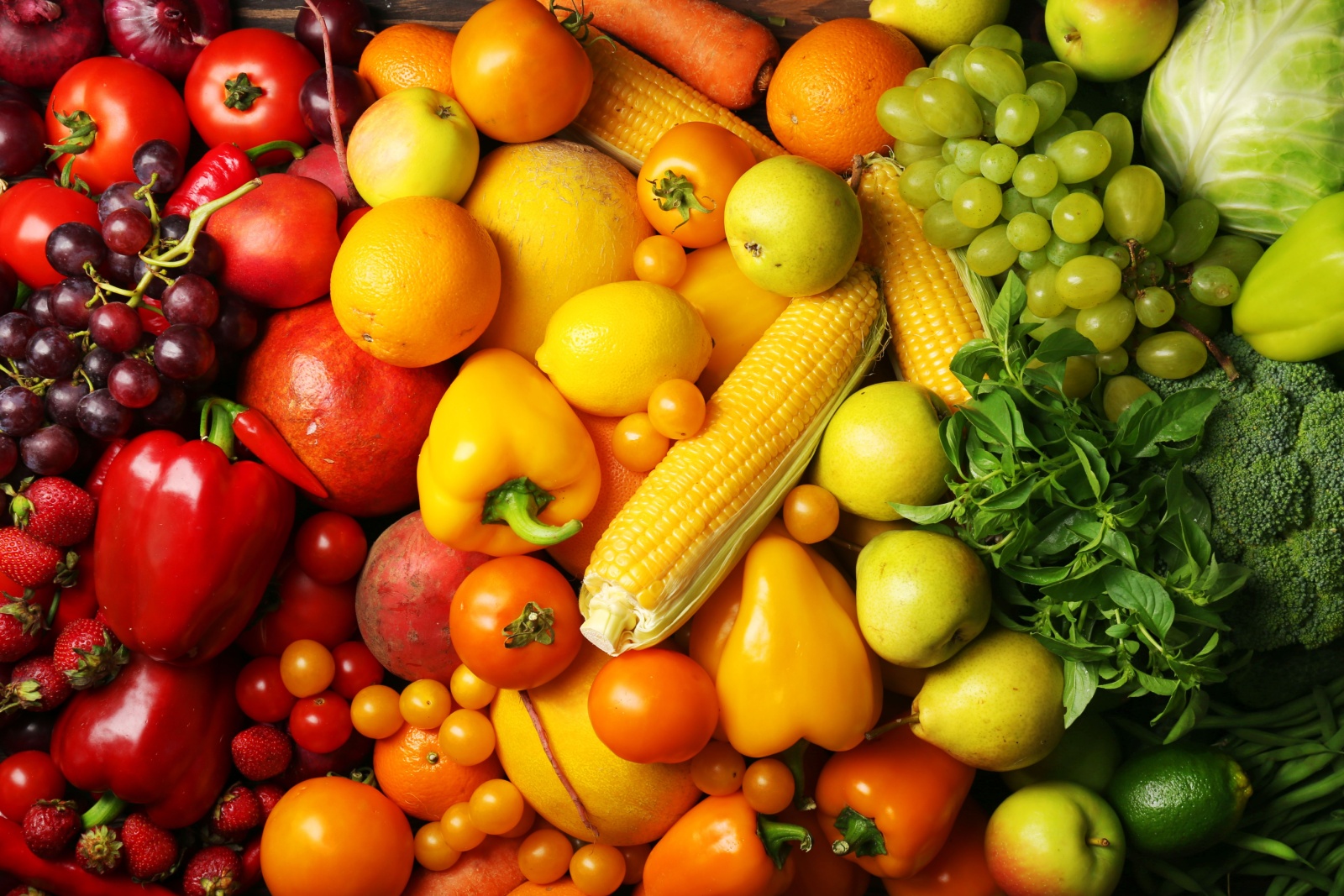
Fruits and vegetables are not only flavorful but also rich in nutrients that support heart health. They provide fiber, antioxidants, and vitamins that help lower blood pressure, reduce cholesterol, and fight inflammation. Eating a colorful variety of fruits and vegetables ensures that your body gets the full spectrum of nutrients it needs to keep your heart functioning well. Aim to fill half of your plate with fruits and vegetables at every meal.
Limiting Unhealthy Fats and Choosing Healthier Alternatives

The type of fat you eat makes a big difference for your heart. Saturated and trans fats, commonly found in fried foods, fatty cuts of meat, and processed snacks, can raise LDL (bad) cholesterol and increase the risk of heart disease. Replacing them with unsaturated fats is a smart swap. Olive oil, avocados, nuts, and fatty fish like salmon provide healthy fats that help lower harmful cholesterol levels and protect your cardiovascular system.