

Grilling is a favorite outdoor cooking method, but it’s important to learn how to grill safely and to be aware of the potential hazards that accompany cooking over an open flame. Whether you’re using a gas, charcoal, or portable grill, following proper safety guidelines can help prevent accidents, injuries, and fires.
General Grill Safety Tips

Before you fire up the grill, always check local fire regulations and burn bans, as some areas, especially areas that are prone to dry weather and drought, may have restrictions due to weather conditions. Always grill outdoors in an open space; never use a grill indoors, in a garage, or under an overhang where smoke and gas buildup can create a dangerous situation. Choose a stable, level location to set up your grill that’s at least 10 feet away from any structures, including railings and fences. Make sure the grill is not under any low-hanging branches.
When using your grill, never leave it unattended. Grill fires have the potential to start and spread quickly, and an unsupervised grill poses a significant safety hazard. If you are cooking at the grill and do need to step away, ask someone to take your place and keep an eye on the grill for you.
Always keep your grill clean by removing any grease or fat buildup from the grates and trays below to prevent flare-ups. You should also have a fire extinguisher and fire blanket nearby in case of an emergency, ensuring that you’re prepared to handle unexpected flames safely. Remember to never use water to put out a grease fire.
Your choice of clothing and grilling equipment also play important roles in grilling safety. Avoid loose-fitting clothing that could catch fire, and always use heat-resistant gloves to protect your hands from burns. A grilling apron is recommended but not necessary. And long-handled grilling tools provide additional clearance from the heat and flames, making them a safer option than standard kitchen utensils.
When you’re ready to cook, allow the grill to preheat before placing food on the grates. This helps ensure even cooking and reduces the risk of food sticking. Be mindful not to overload the grill, leaving enough space to allow for proper air circulation and heat distribution. If you’re using wet marinades or cooking oils, apply them sparingly; excess oil can drip onto the flames and cause flare-ups. Always use a meat thermometer to check for proper doneness, making sure that your food is cooked to safe temperatures to minimize the risk of foodborne illness.

While the grill is hot, keep children and pets at least three feet away from the area to avoid accidents and injuries. Take time to talk about fire safety with young kids and test their knowledge, filling in any gaps, to make sure they understand why it’s important to practice proper fire safety. Older children may be interested in helping at the grill, and that may be appropriate with proper supervision.
While grilling, immediately dispose of food wrappers and be cautious of where you place oven mitts, towels, and other flammable items to prevent them from catching fire. When you’re done cooking, turn off the grill. Use a grill brush to clean the grates immediately, while they are still hot, as this makes it easier to remove stuck-on food and grease. Proper cleaning not only extends the life of your grill but also prevents buildup that can lead to dangerous flare-ups during future use. Then, allow it to cool completely before covering it with a weather-proof grill cover. If using a charcoal grill, ensure that the coals are fully extinguished before disposing of them in a metal container.
Also, never operate a grill while under the influence of drugs or alcohol. Staying alert and focused while grilling is essential for preventing accidents and ensuring the safety of everyone around you.
Propane Grill Safety Tips
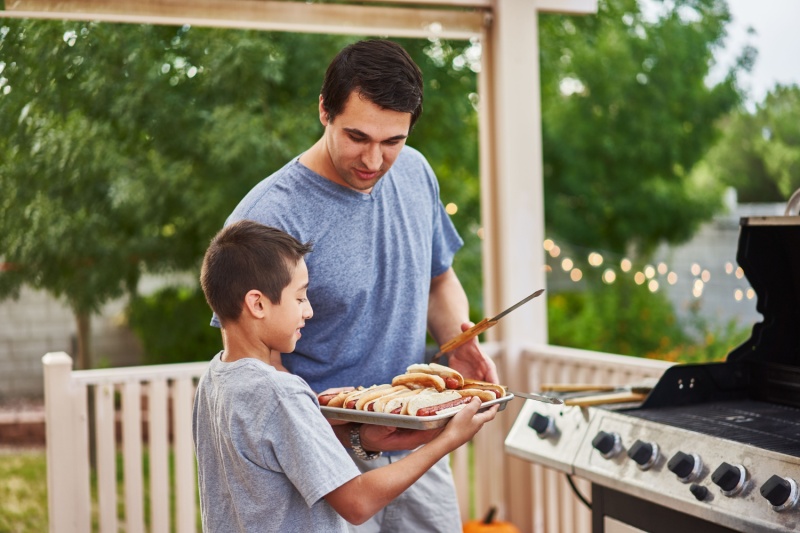
Propane grills are a convenient and efficient tool to cook meals outdoors, but they require careful handling. Unlike charcoal grills, propane grills involve gas connections, ignitions, and fuel storage, all of which need proper attention and regular maintenance to prevent fires, leaks, and accidents. Whether you are a seasoned griller or new to propane grilling, be aware of what you need to do to use your propane grill confidently and safely.
Propane tanks should always be stored in cool, well-ventilated places away from direct sunlight, heat sources, or enclosed areas. Never keep propane tanks indoors, in a garage, or near combustible materials. Always store tanks upright to prevent leaks, and avoid keeping extra tanks too close to the grill while cooking.
Before firing up your propane grill, inspect the gas tank and connections for leaks, especially if it’s the start of the grilling season and the equipment has been stored away for months. To test for leaks, first, apply a soapy water solution to the hose and connections. Then, turn on the gas (without lighting the grill) and watch for bubbles forming; this indicates a leak. If a leak is detected, turn off the gas immediately and have the tank or hose repaired or replaced before use. Regularly check the propane hose for cracks, holes, or signs of wear, and make sure that all connections are secured tightly to prevent gas from escaping during use.
A crucial safety step when using a propane grill is opening the lid before lighting the grill. Keeping the lid closed while lighting allows gas to accumulate inside, potentially leading to a dangerous flare-up or explosion. Open the lid, turn on the gas, and then ignite the grill according to the manufacturer’s instructions. If the grill does not light immediately, turn off the gas and wait a few minutes before trying again to avoid gas buildup.
When you’re finished grilling, turn off the burners, then shut off the propane supply at the tank. This ensures that no gas is left flowing through the system, reducing the risk of leaks or accidental ignition.
If a fire or gas leak occurs, immediately turn off the propane supply at the tank if it’s safe to do so. Use the fire extinguisher or blanket that you have nearby. If the fire is uncontrolled, call 911 and keep a safe distance.
Charcoal Grill Safety Tips
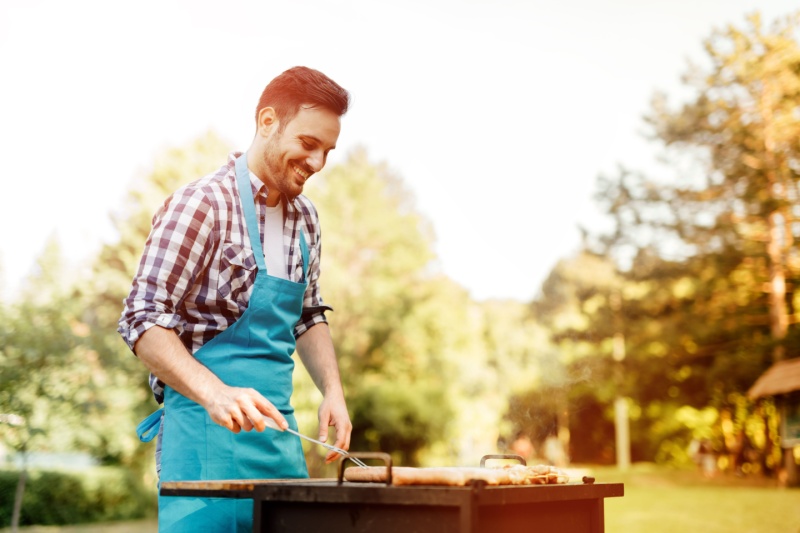
Charcoal grilling offers a rich, smoky flavor but requires proper handling to keep everyone safe. Unlike gas grills, charcoal grills involve open flames, hot coals, and lighter fluid, all of which can pose fire safety hazards if not managed and used correctly.
When lighting a charcoal grill, always use a proper starter, such as a chimney starter or charcoal-specific lighter fluid. Never use gasoline, kerosene, or other hazardous accelerants, as they can create uncontrollable flames and dangerous flare-ups. If using lighter fluid, allow it to fully absorb into the charcoal before igniting. This prevents sudden bursts of flames when the fluid ignites and helps the charcoal light more evenly. Do not add lighter fluid to a grill that is already lit; this can cause flare-ups that have the potential to lead to burns or uncontrolled fires.
Proper airflow is crucial when starting a charcoal grill. Always keep the lid open during ignition to allow for air circulation and prevent smoke buildup. Closing the lid too soon can trap smoke and lead to uneven heat distribution.
If you need to move or reposition charcoal during grilling, always use long-handled tongs designed for high heat. Never use your hands to touch charcoal that’s been lit, even if you think the coals have cooled, as residual heat can still cause serious burns.
Most charcoal grills have adjustable vents that help to regulate airflow and temperature. Keeping the vents open allows more oxygen to fuel the fire, increasing heat, while closing them slightly cuts off the oxygen to the flame and reduces the intensity of the flames. Mastering vent control is essential for maintaining steady cooking temperatures and takes practice and trial and error, as every grill can be a little bit different.
When you’re finished grilling, allow the ashes to cool completely before disposing of them. Hot ashes can remain a fire hazard for several hours or even overnight. Always place cooled ashes in a metal container with a lid and store them away from flammable materials.
Portable Grill Safety Tips
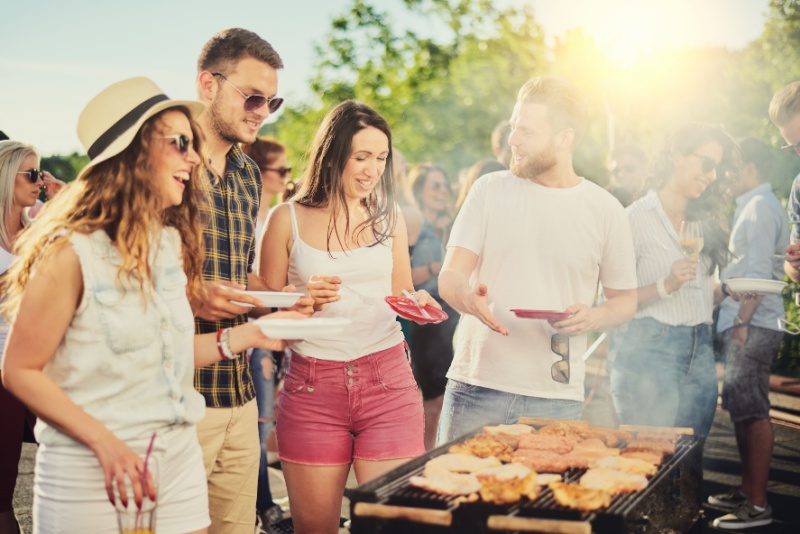
Portable grills are a great option if you like to go camping, tailgating, or picnicking. They are convenient and flexible. However, using a portable grill safely requires planning and attention, especially when cooking in unfamiliar environments. Understanding fire regulations, weather conditions, and proper fire extinguishing methods can help prevent accidents and protect natural areas.
Before setting up your portable grill, always check local fire regulations. Certain parks, campsites, and public areas may have restrictions on open flames or grilling due to fire hazards. Some locations prohibit the use of grills entirely during dry or high-risk conditions, so confirm that fires are permitted before you decide to grill. Additionally, pay attention to fire danger ratings in your area; hot, dry, and windy weather can increase the risk of uncontrolled fires.
When cooking with a portable grill, choose a stable, non-flammable surface, such as gravel, dirt, or a designated grilling area, on which to place the grill; this can help minimize the risk of accidents. Never place a portable grill directly on grass, wooden picnic tables, or other flammable materials. Keep a safe distance from tents, vehicles, or overhanging branches to prevent accidental fires.
Once you’re done grilling and before leaving the area or going to sleep, extinguish the fire properly. If using charcoal, allow the coals to burn out completely, then carefully douse them with water to make sure that they are fully extinguished. Stir the ashes and feel the area with the back of your hand; if it’s still warm, continue adding water until the coals and grill surface are cool to the touch. For gas-powered portable grills, turn off the burners, allowing the grill to cool completely, and disconnect the propane source before packing up.
By following these safety precautions, you can enjoy outdoor cooking safely. Responsible grilling practices help preserve natural spaces and ensure a safe and enjoyable experience for everyone.
Grills & Smokers
- Blz Griddle Lte Lp
- Moderno Pizza Oven
- Broil King 5 Burner Baron
- Broilmaster Infrared Grill
- C2Sl42Lp