When it comes to grilling and smoking, the wood you choose is more than fuel — it’s a key ingredient. The right smoking wood can transform an ordinary cut of meat into something rich, complex, and unforgettable. The wrong choice? It can leave your food tasting bitter or overpowering.
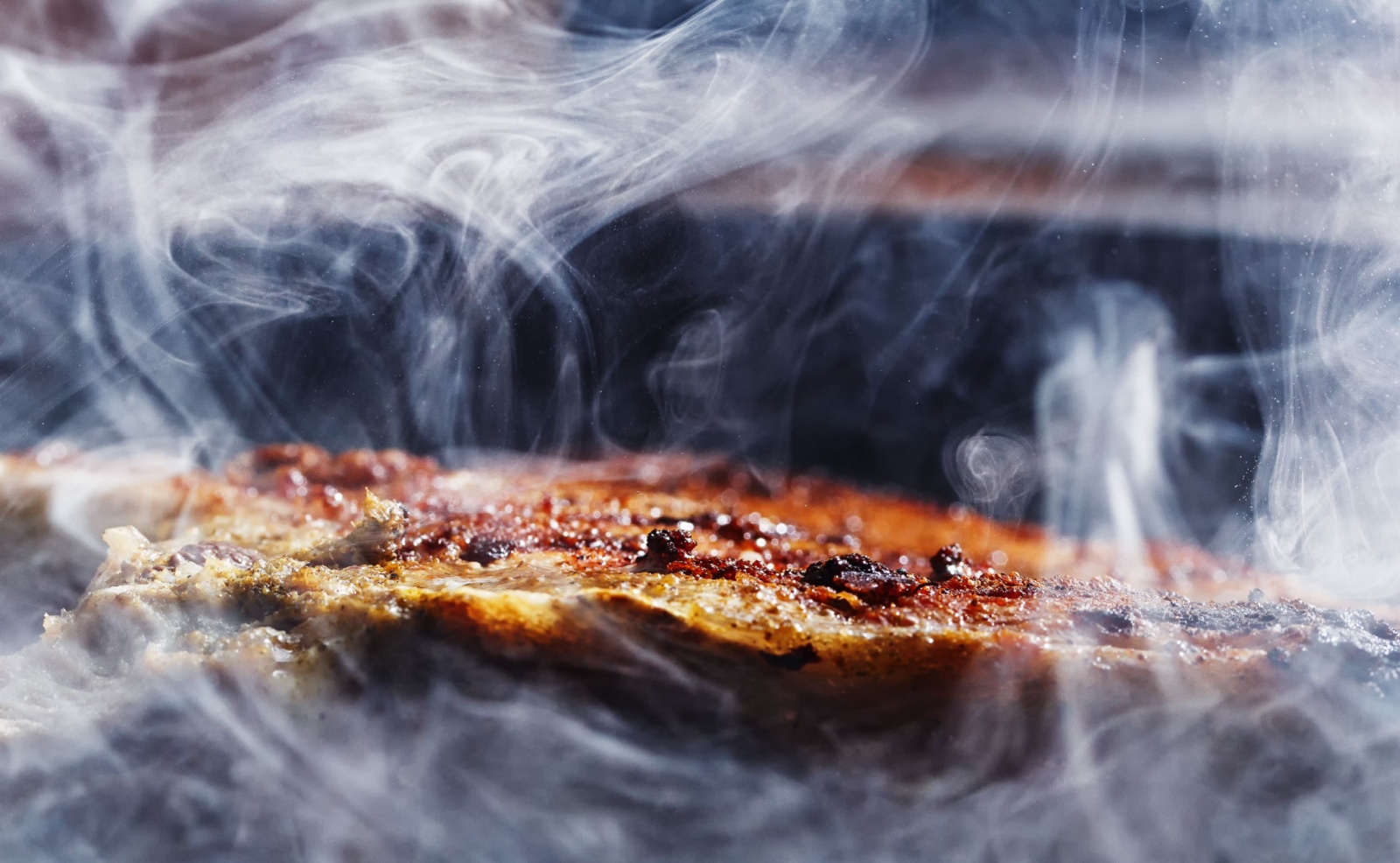
The Science of Smoke
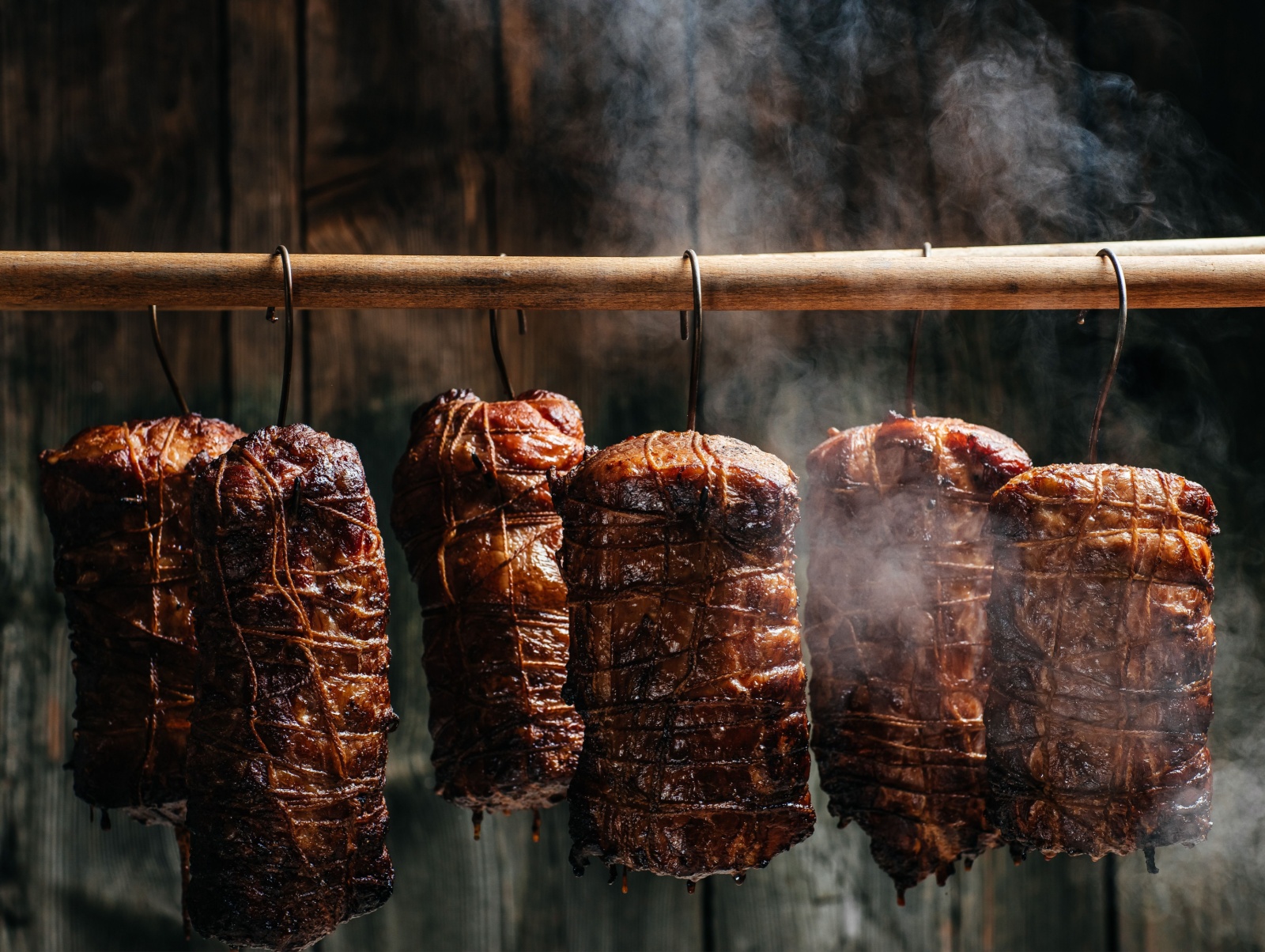
Smoking enhances food in two important ways: flavor and preservation. As wood burns, it releases compounds like phenols, aldehydes, and acids. These chemicals interact with the meat’s surface, searing it and forming a flavorful outer layer known as the bark. The longer the food is exposed to smoke, the deeper these flavors penetrate.
The smoke also dries out the surface of the meat slightly, helping to form that satisfying crust while allowing the interior to stay juicy. Plus, the heat from smoking breaks down connective tissue and fat slowly, which adds tenderness and boosts flavor.
Types of Wood and Their Flavor Profiles
Each type of wood brings its own unique taste to the table. Here’s a quick breakdown of the most popular options:
Hickory
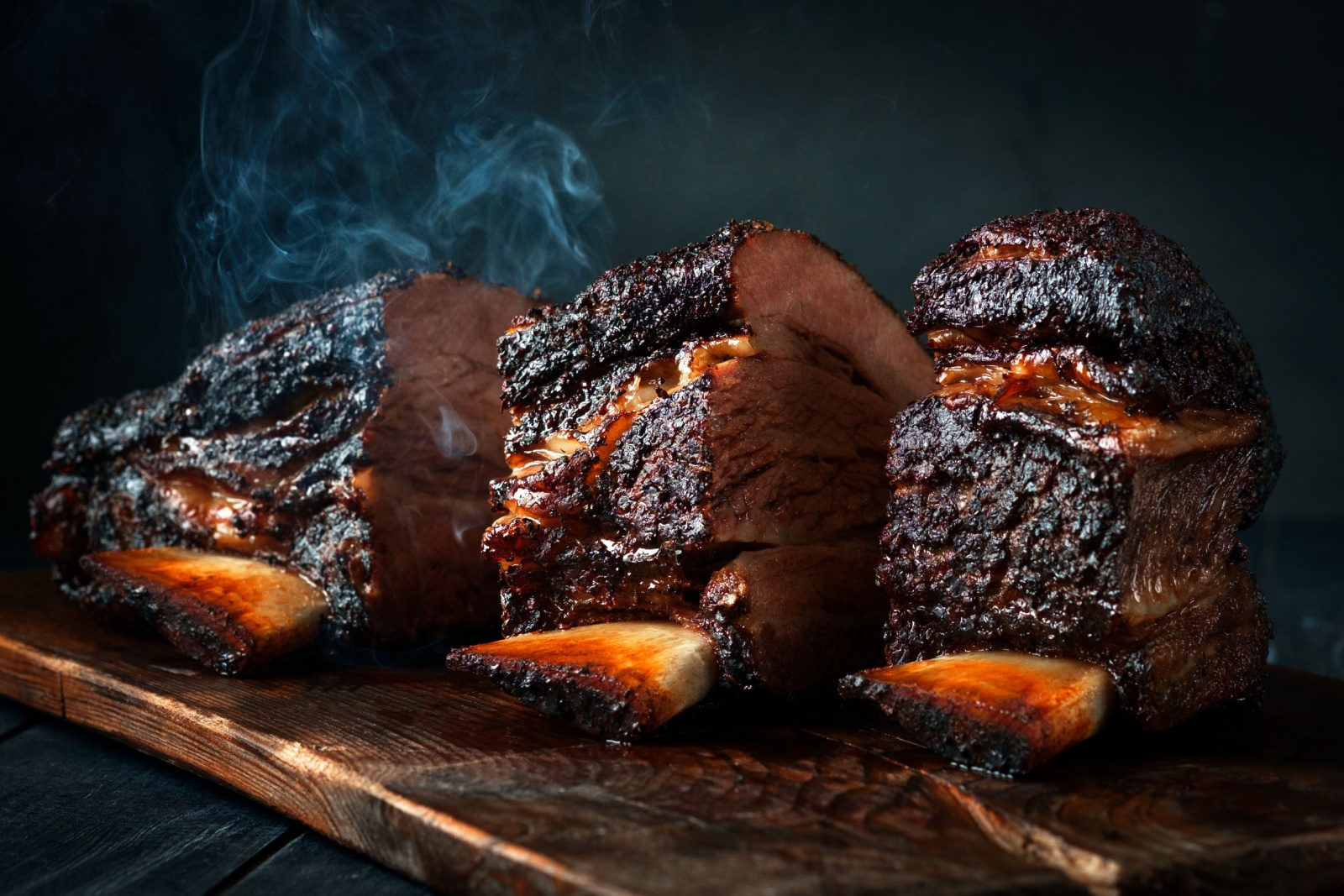
- Strong, savory, and slightly sweet
- Great for ribs, pork shoulder, and brisket
Mesquite
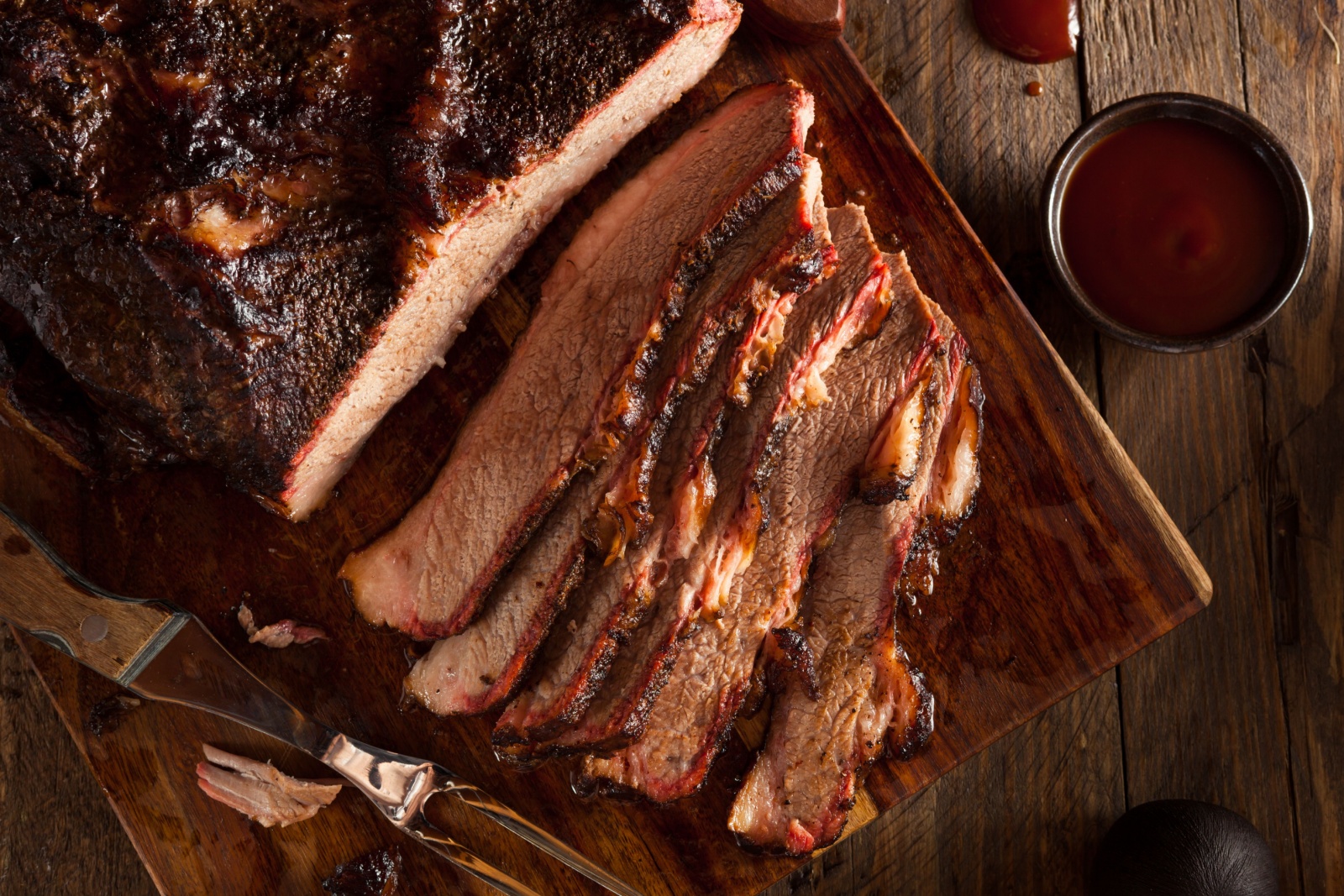
- Very bold, earthy, and smoky
- Best for beef and game meats; can be overpowering for poultry
Oak
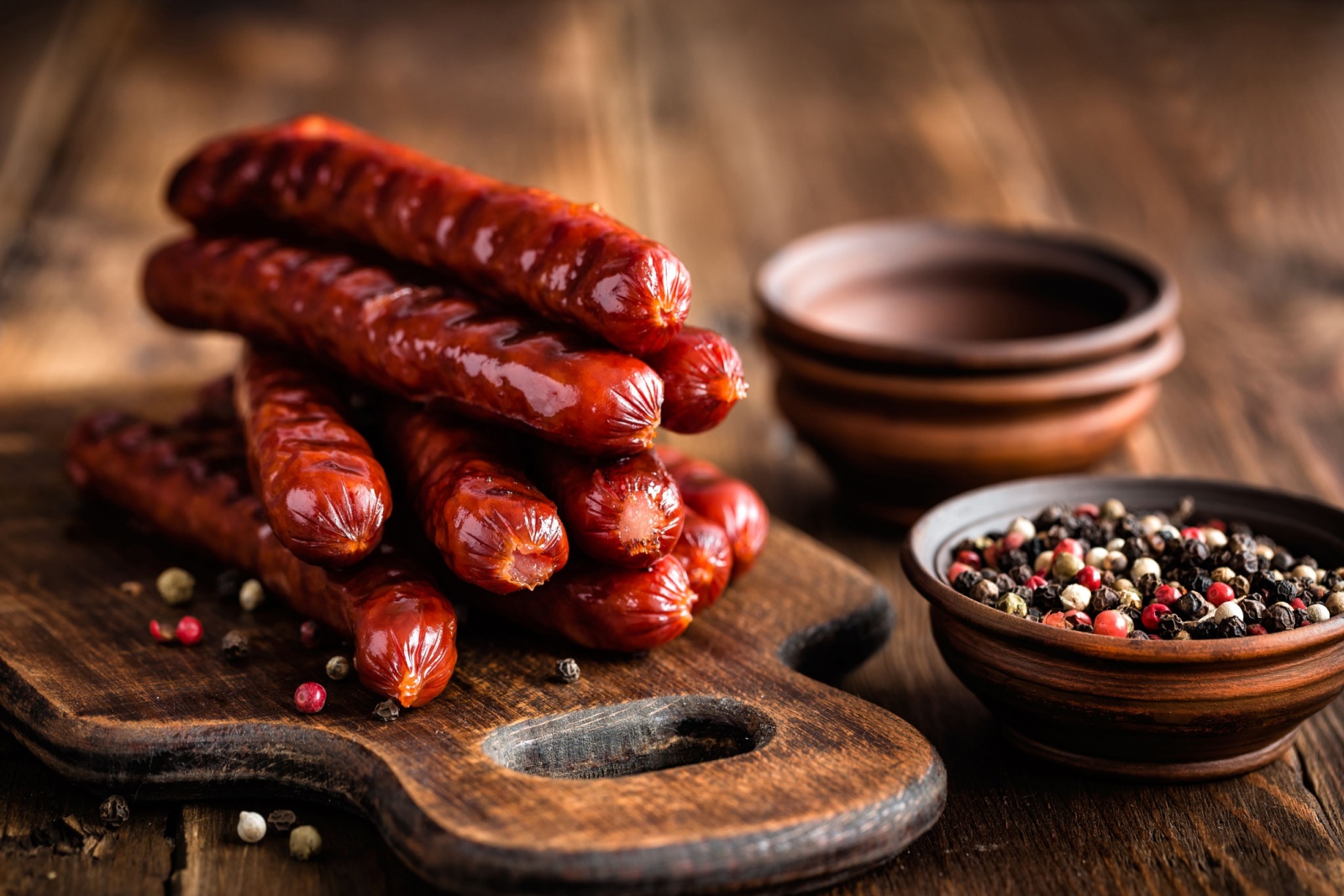
- Medium-strong with a classic smoky flavor
- Versatile and good for brisket, sausages, and lamb
Apple
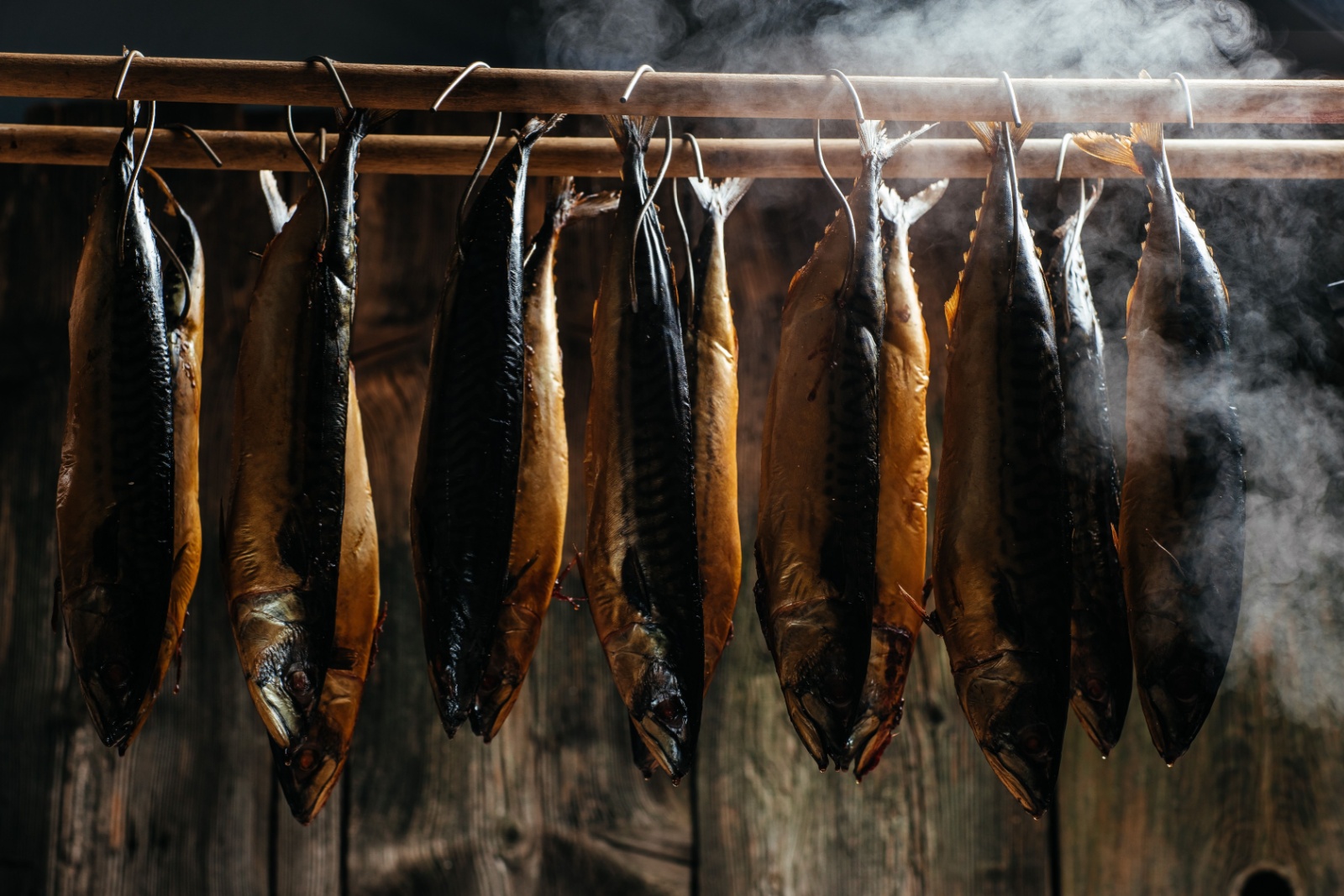
- Mild and slightly sweet with a fruity aroma
- Ideal for pork, poultry, and fish
Cherry
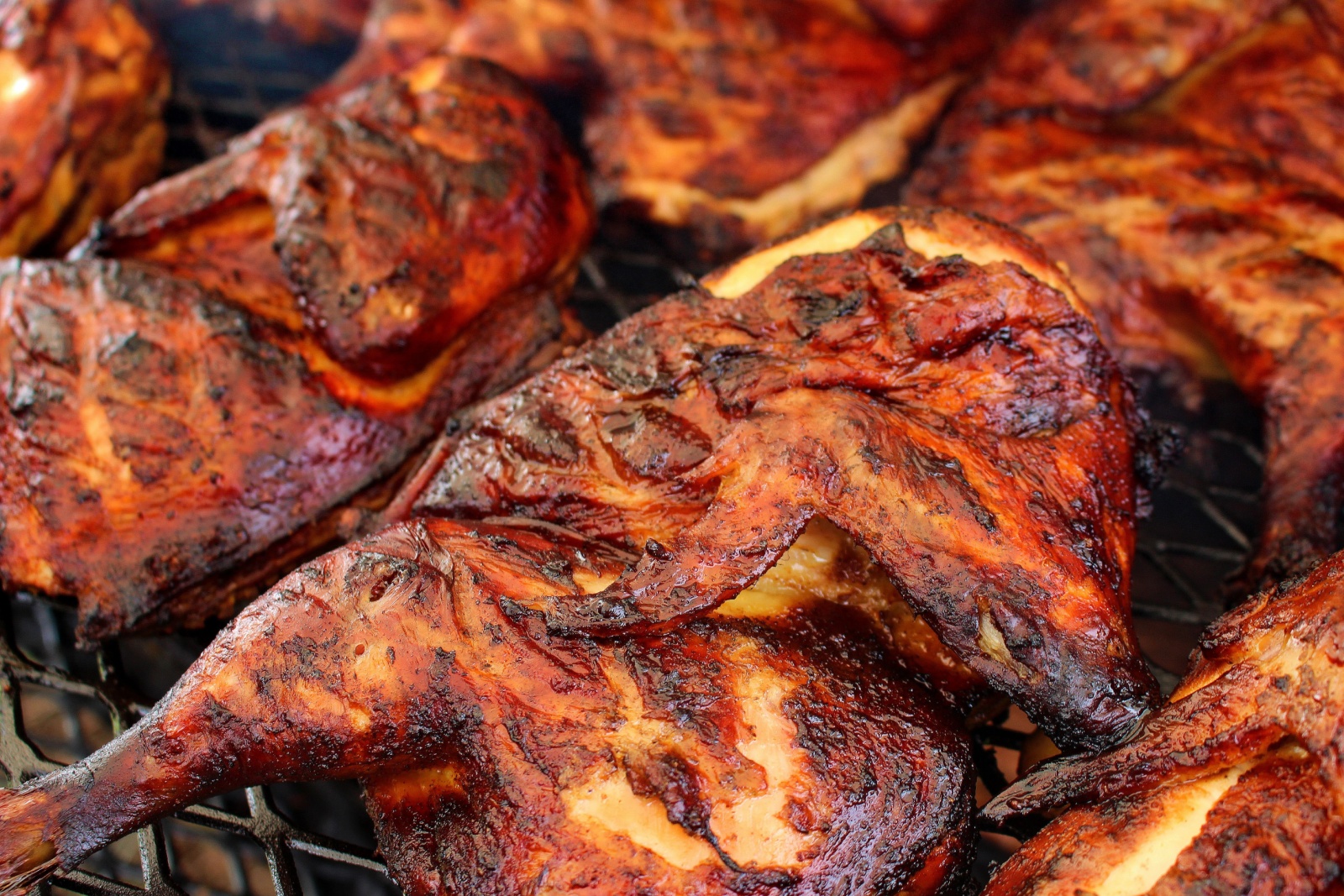
- Sweet, rich, and deep red in color
- Pairs nicely with turkey, ham, and chicken
Maple
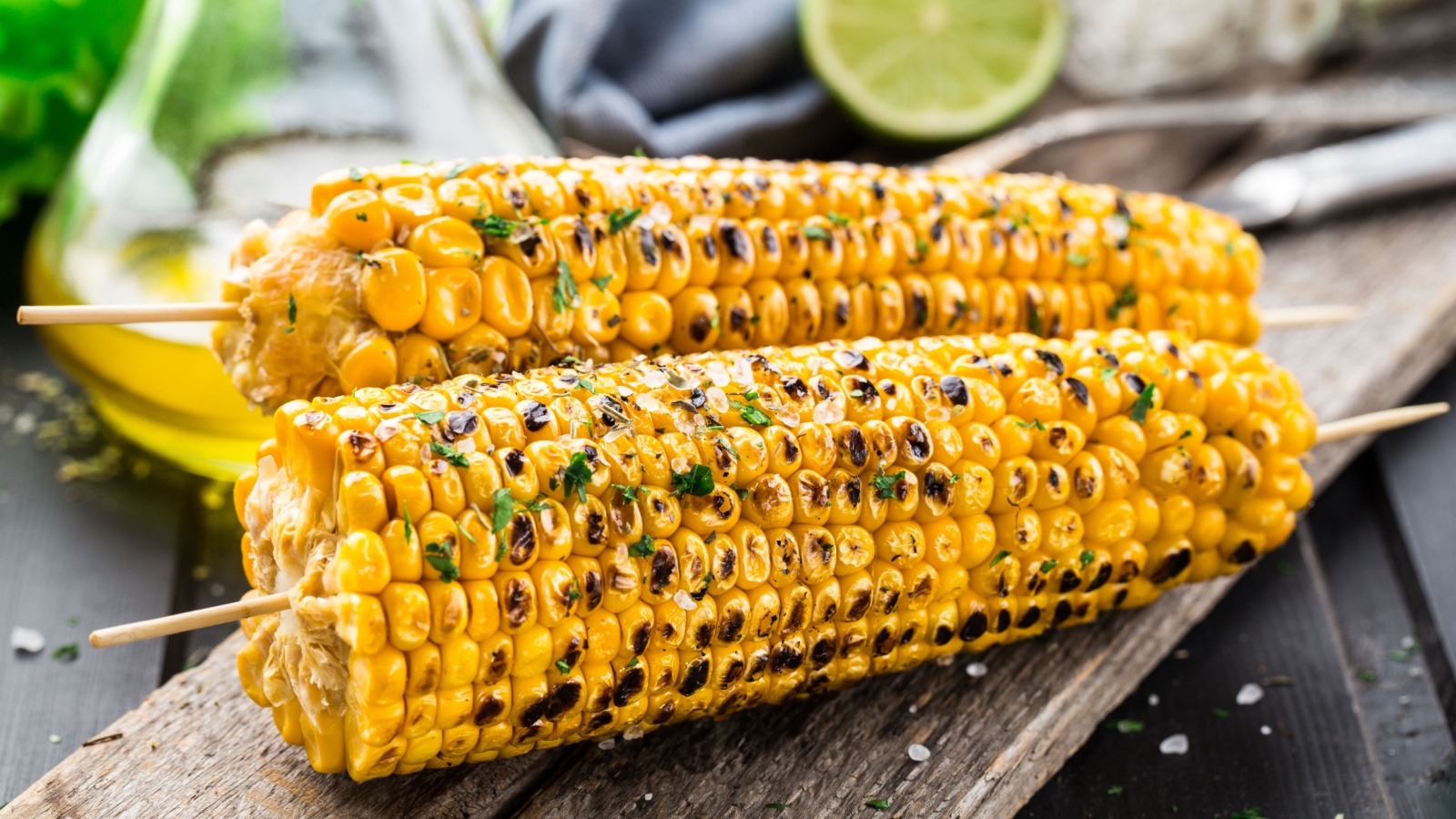
- Mild and slightly sweet
- Works well with poultry, pork, and vegetables
Pecan
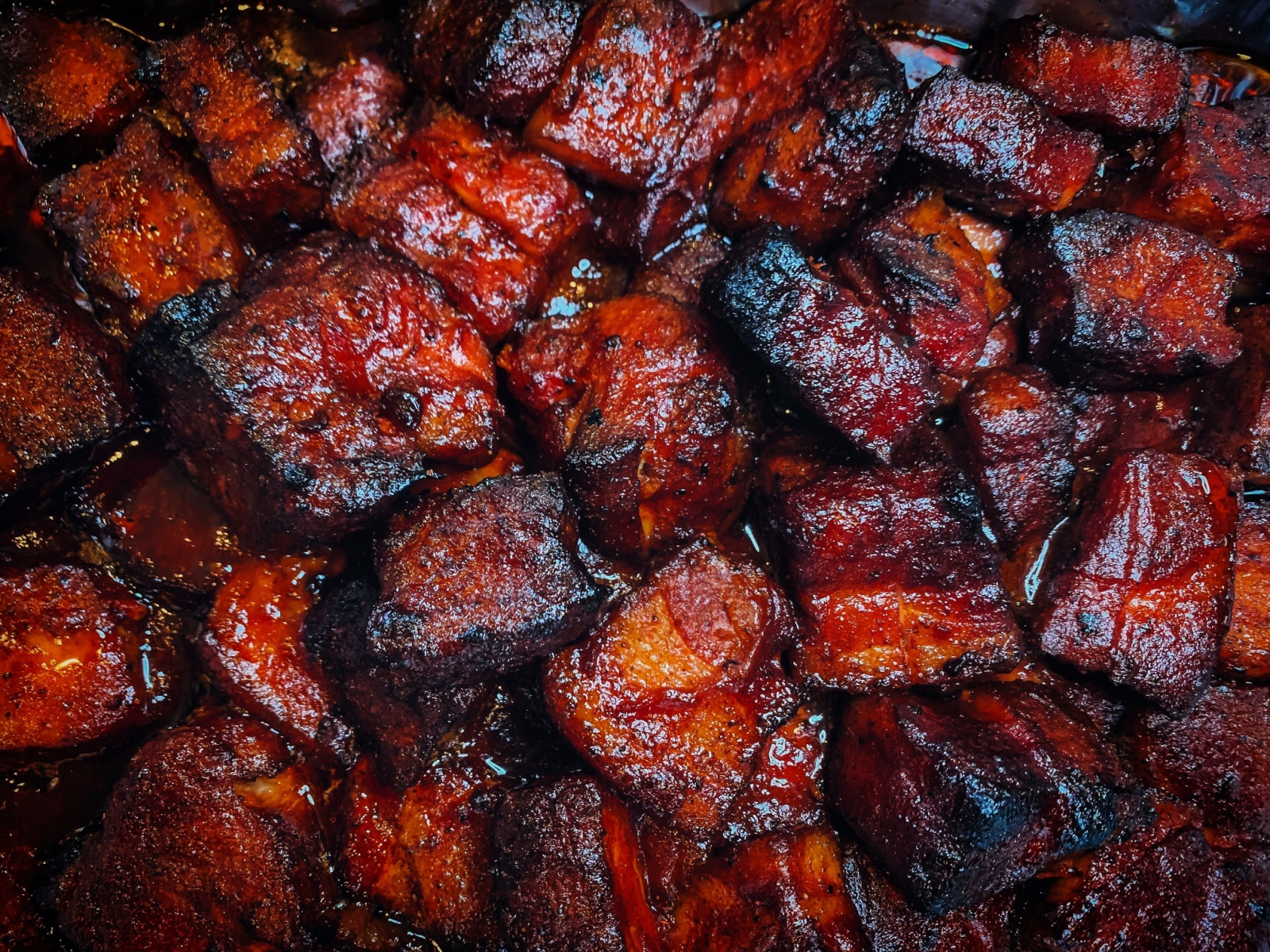
- Nutty and rich without being too strong
- Great for poultry and pork
How Do You Pair Woods With Meats?
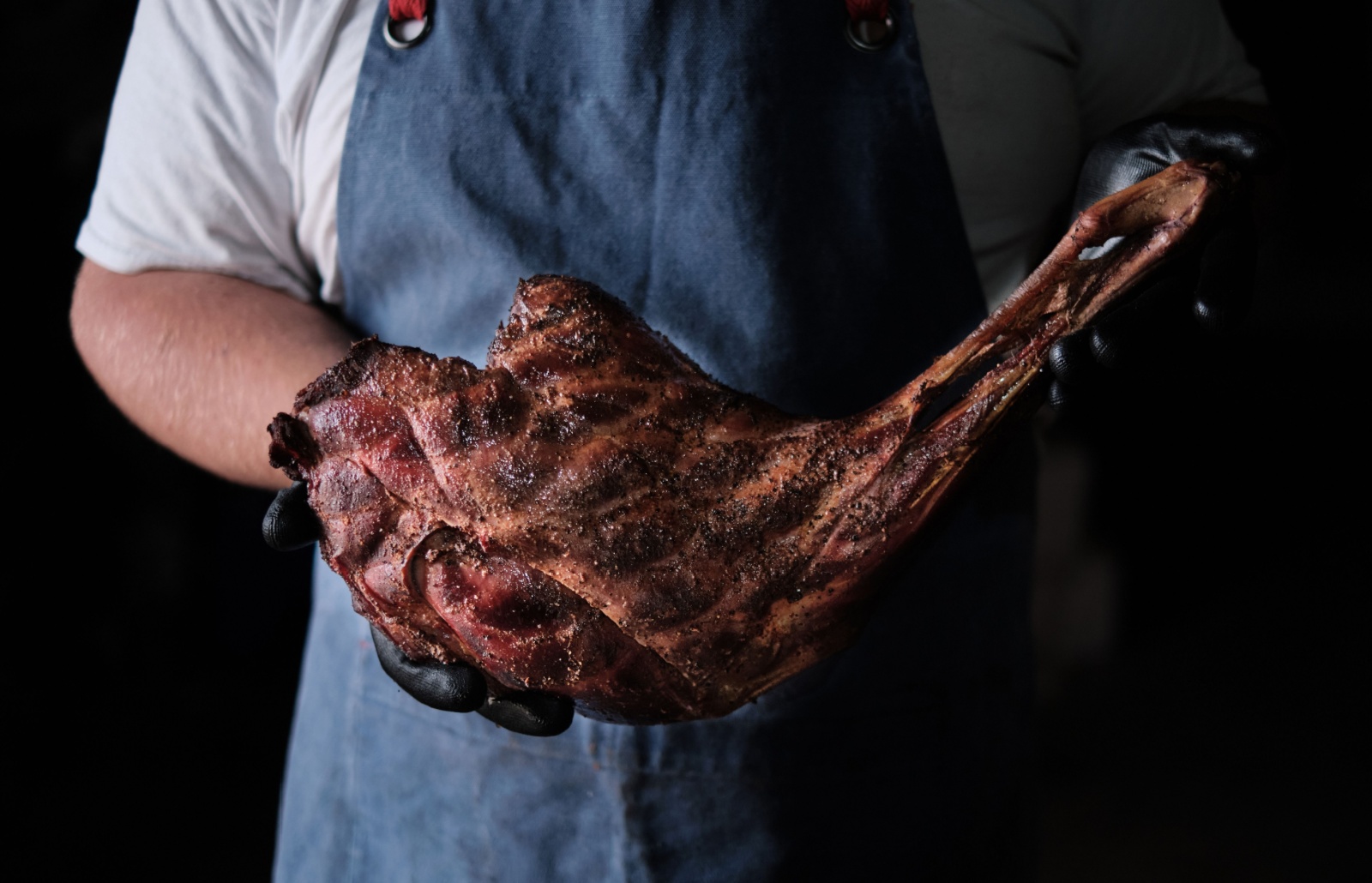
The key to pairing wood smoke with meats is balance. You want the smoke to enhance the meat, not overpower it. A strong-flavored wood like mesquite or hickory can work well with fatty or bold meats like beef brisket or pork shoulder. But delicate meats like chicken or fish do better with lighter woods such as apple, cherry, or maple.
Here’s a simple way to think about it:
- Bold Meats (Brisket, Lamb, Game): Go for stronger woods like mesquite, oak, or hickory.
- Medium Meats (Pork, Turkey): Choose medium woods like cherry or pecan.
- Delicate Meats (Chicken, Fish): Stick with light, fruity woods like apple or maple.
If you’re new to smoking, you can also experiment with wood blends to create a flavor that’s just right for your taste.
Can You Smoke Meat Without a Smoker?
Absolutely! While using a dedicated smoker is the easiest way to get that delicious smoky flavor in your food, you can create smoke on a charcoal or gas grill with a few simple tricks.
Charcoal Grill Method
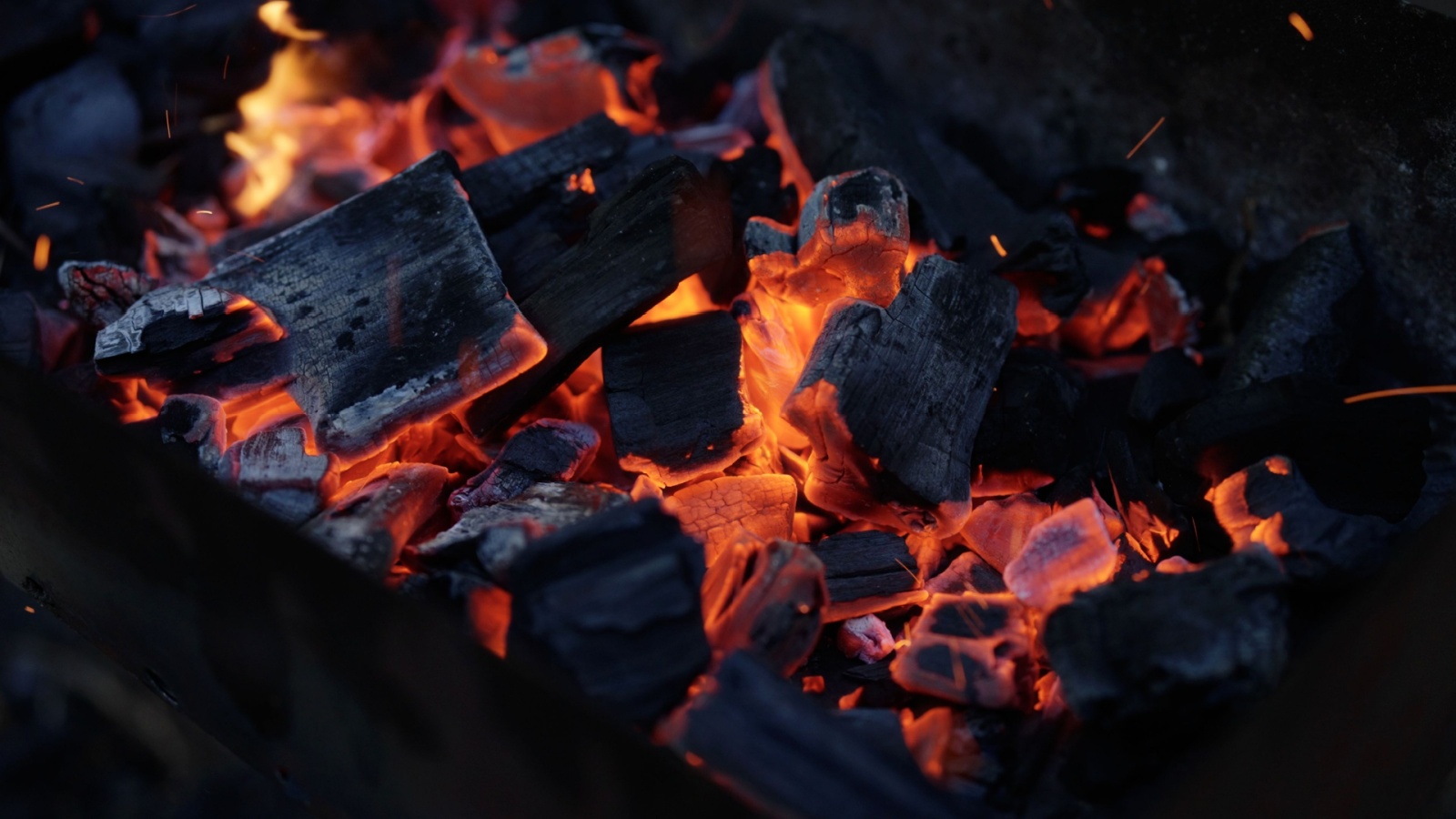
- Soak Wood Chips: Soak your wood chips in water for at least 30 minutes.
- Prepare the Grill: Light your charcoal and pile it on one side of the grill.
- Add the Chips: Place the soaked chips directly on the hot coals.
- Add the Meat: Place the meat on the opposite side of your charcoal grill, away from the fire.
- Cover and Cook: Close the grill lid and keep the vents partially open to control the heat. Cook your meat low and slow with indirect heat.
Gas Grill Method

- Soak Wood Chips: Soak your wood chips in water for 30 minutes.
- Make a Foil Packet: Wrap the wet chips in aluminum foil, and poke holes in the pouch to let smoke out.
- Preheat Grill: Turn one burner of your gas grill to medium-high, and leave the other side off.
- Add the Packet: Place the foil packet over the hot burner.
- Add the Meat: Set the meat on the cool side of the grill.
- Close the Lid: Let the smoke build up and cook your meat slowly.
Creative Culinary Uses for Smoke
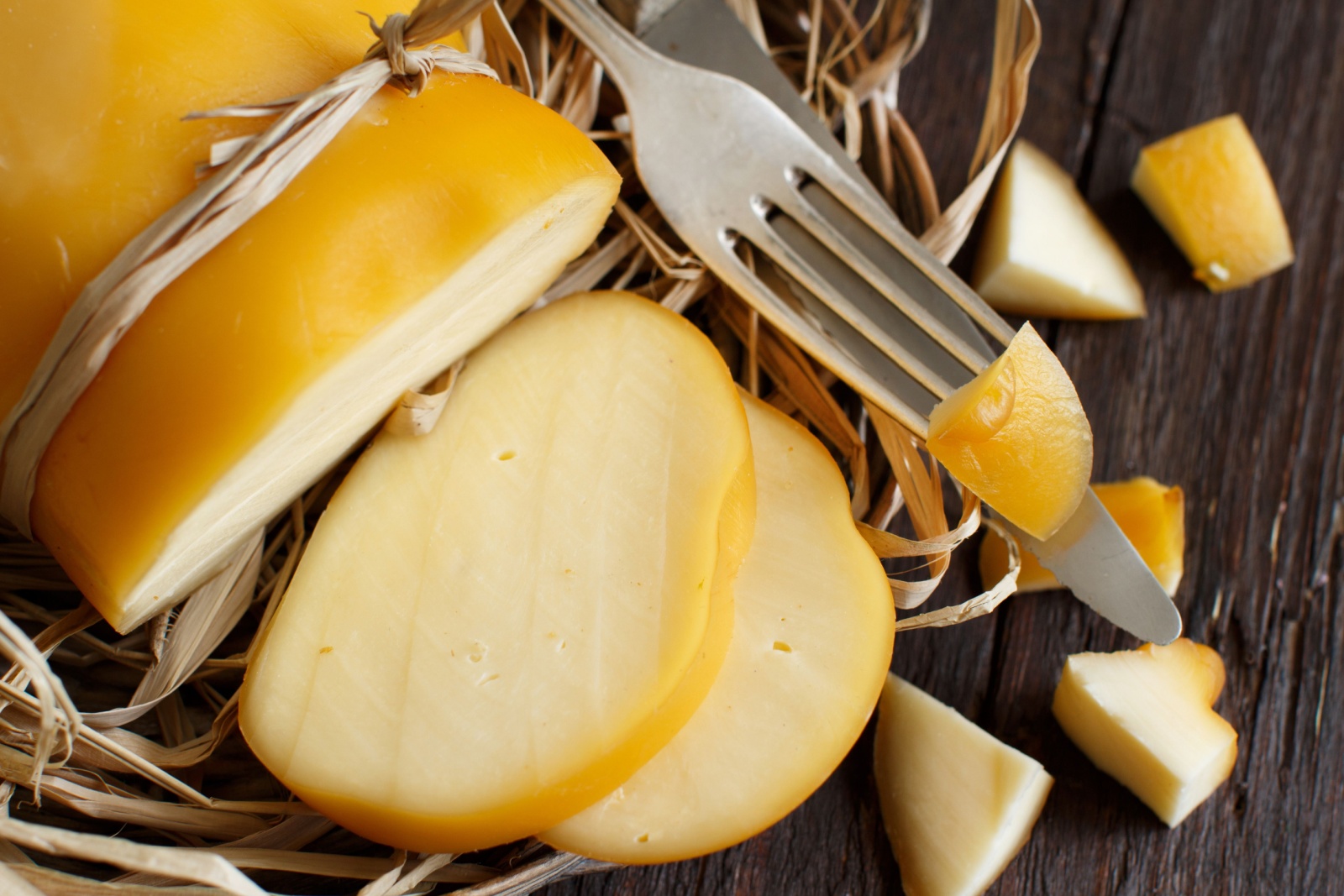
Once you get comfortable with smoking meats, you might want to experiment with other foods. Smoke adds depth to the flavor of more than just brisket and ribs: It can enhance everyday foods in surprising ways.
- Cheese: Cold-smoke cheddar, Gouda, or mozzarella for a delicious layer of flavor. Let the cheese rest afterward to mellow the taste.
- Vegetables: Mushrooms, onions, bell peppers, and corn all do well when smoked with light woods like apple or maple.
- Salt and Spices: Smoke kosher salt, peppercorns, paprika, or garlic powder to boost your seasoning blends.
- Nuts: Almonds, pecans, and cashews take on a rich, roasted flavor when lightly smoked over pecan or hickory wood.
- Cocktail Ingredients: Citrus peels, cherries, and simple syrup can be cold-smoked for use in drinks like an old fashioned.
- Desserts: Some people experiment with smoked butter, chocolate, or even pie crusts. These work best when you’re confident about managing heat and smoke levels.