
Natural Gas
vs
Propane Grills
Backyard grills generally summon the idea of summertime barbeques, neighborhood gatherings, and the joy of a perfectly charred hamburger on the Fourth of July. Grilling on your BBQ is a nostalgic, all-American pastime that is a tradition for many families.

Grilling on your BBQ is a nostalgic, all-American pastime that is a tradition for many families.
But what about the stuff that powers these grills?
But what about the stuff that powers these grills?
But what about the stuff that powers these grills?
But what about the stuff that powers these grills?
But what about the stuff that powers these grills?
Well, two of the most common energy sources for a BBQ are natural gas and propane, both fossil fuels that grill-owners all over the nation rely on to get their steaks seared.
And although people can become reticent when hearing the words “fossil fuel”, both natural gas and propane are among the cleanest and most environmentally friendly of their kind. The carbon footprint left behind when using either of these fuels is much smaller and less destructive than others, such as kerosene and coal.

The CO2 output, greenhouse gas emissions, and harmful byproducts created by natural gas and propane are much less dangerous, leading many to opt for such fuels when powering their grills, homes, heating, and more.
But what are the other advantages of using natural gas and propane for grilling purposes, such as portability and convenience?
Let’s take a deeper dive into the various aspects that come with these two gas types, convenience, and cost, as well as their disadvantages, so that you can see the full picture before making a decision.
What is Natural Gas?
Natural gas grills are powered by a type of fossil fuel energy source that is found underground. Though many types of compounds of natural gas exist, the product that is captured for home and grilling use is generally found near oil pockets in the earth.
In summary, natural gas is created when microorganisms, plants, and even animals die and their bio-matter decomposes back into the ground around them. As this seeps into the earth, the thermal capabilities of rock layers trap the molecules and allow them to heat into a gaseous state.
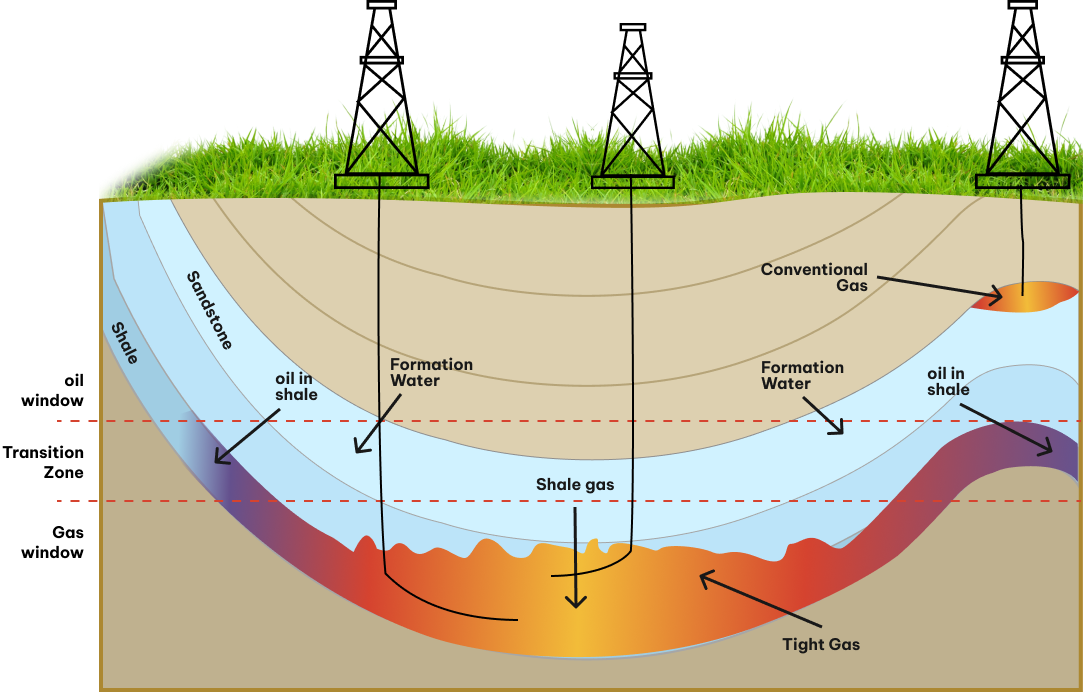
Once this gas is sourced and extracted from the ground, it is channeled by pipelines and passed through a processing plant to purify it before use in a commercial or residential setting.
As such, natural gas is one of the cleanest and safest substances available to run your outdoor grill, as well as being an economically sound decision for your wallet.
What is Propane?
Also known as LPG or Liquid Propane Gas, this fuel is the processed byproduct created after refining natural gas and petroleum.
As such, it’s a very common fuel type for many things, including propane grills. It returns to its original gaseous state when exposed to air, burns incredibly hot, and produces few carbon emissions when used.
Pros Of Natural Gas Grills
Now, let’s delve into some of the advantages that come with owning and using a natural gas grill. While the choice between propane and natural gas can largely come down to personal preference, it’s a good idea to consider the pros and cons of each and the benefits of opting for a gas BBQ grill.
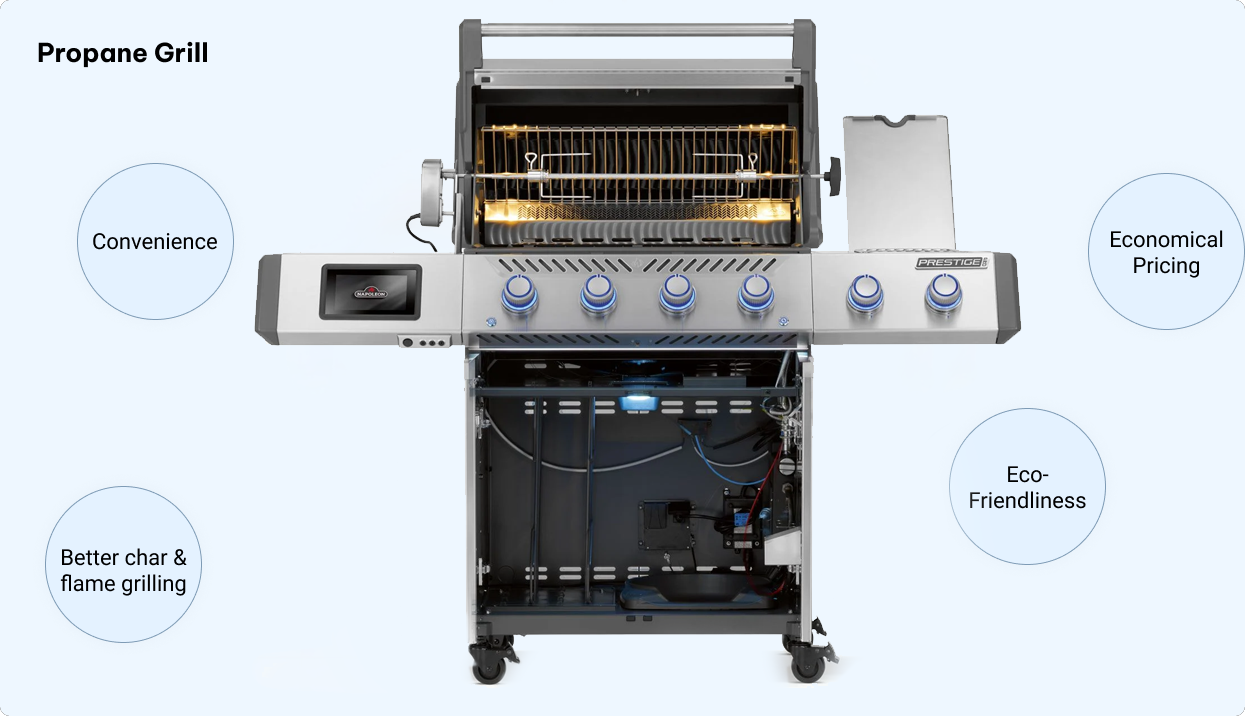
Convenience
As long as your natural gas grill is connected to the gas line, you are good to go! With a gas outdoor grill, there is no more worrying about how much fuel is left and whether the grill can make it through that last batch of hamburgers before it’s running on fumes.
There are no associated concerns with driving out to get a propane grill tank refill or worrying about using too much fuel, making the whole process smoother and less stressful.
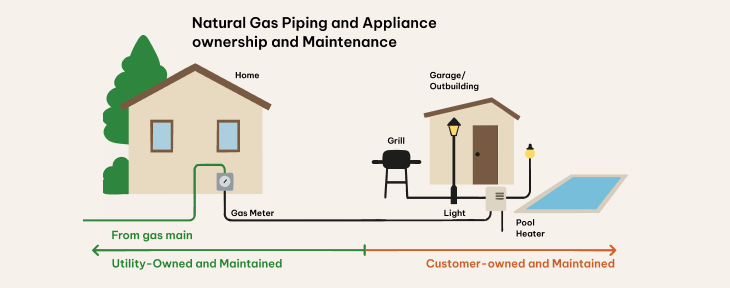
While the setup might be a bit complex (and downright expensive if you don’t have a natural gas line already installed, but more on that later), getting started with connecting your grill is made easier by a variety of online instructionals and the unit’s detailed user’s manual.
Cooking Heat
Many people tout a natural gas grill as the better option just when it comes to its ability to cook foods under “dry heat” conditions, rather than the slightly more damp heat that comes along with a propane gas BBQ grill.
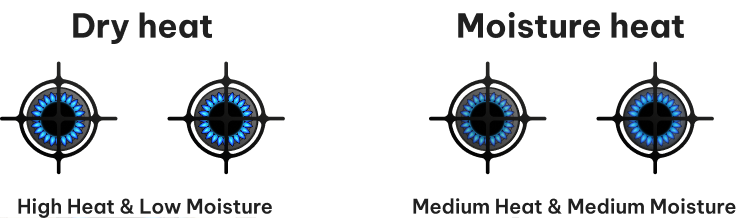
As such, a natural gas barbeque grill uses a much dryer flame to heat the entire grilling area, leading to better char and flame grilling for many types of meats, as well as more smoke within the unit for flavoring.
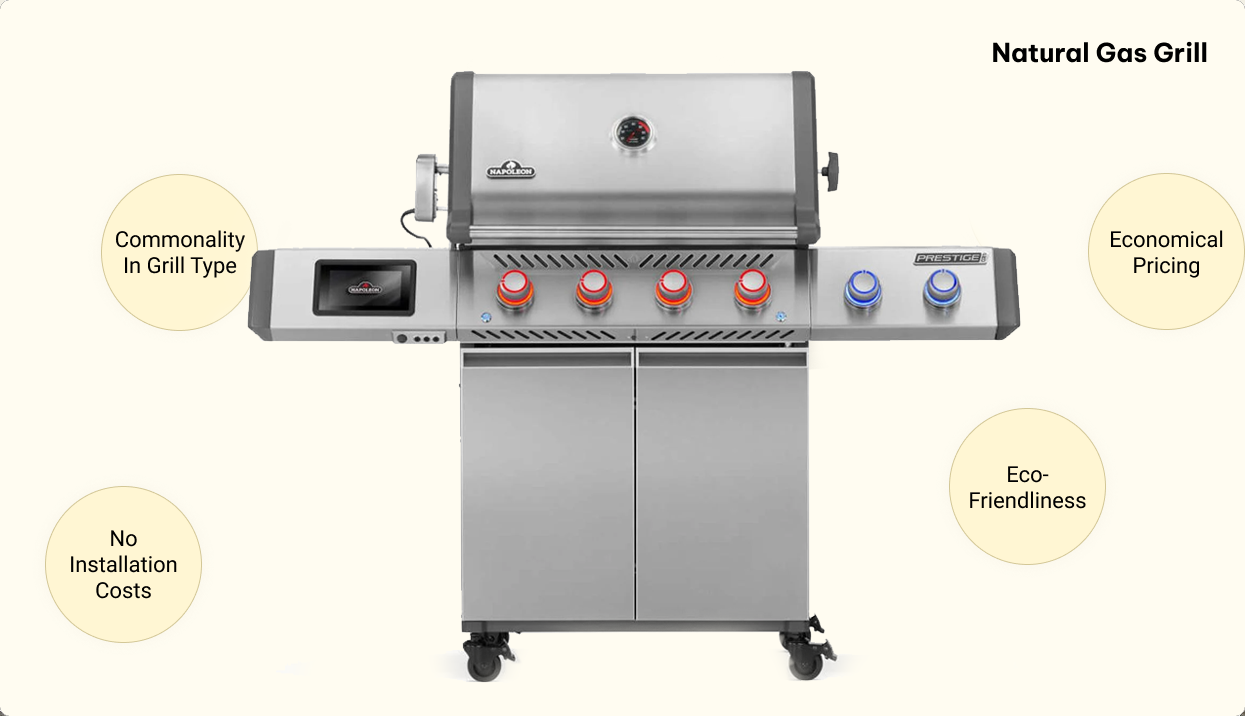
Eco-Friendliness
One of the most important aspects of propane vs natural gas lies in its impact on the environment. And when talking about your natural gas built-in grill, this type does surpass others when it comes to eco-friendliness.
Natural gas has a relatively small carbon footprint in terms of fuel pollution, CO2 emissions, and overall damage to the environment. It burns much cleaner than other options for powering grills, such as coal, kerosene, and synthetic gasoline.
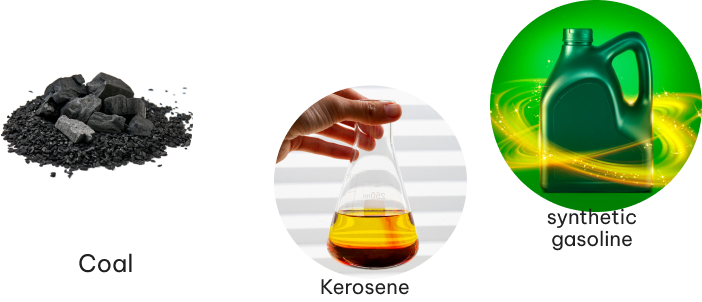
When compared with its counterpart, however, natural gas vs propane gas still enjoys competition for which is a cleaner-burning and more environmentally friendly fuel for your grilling unit. In general, natural gas is a cleaner fuel than propane, as it produces slightly lower amounts of greenhouse gas emissions, by a slight margin.
Economical Pricing
If you are looking at the cost factor between a natural gas grill vs propane, it’s easy to see that a gas barbeque grill is the more economical of the two options in terms of fuel pricing alone.
Let’s consider this for a moment: propane grills require routinely refilled tanks, whereas your built-in gas line provides fuel for a gas grill. This boils down to the expense of filling a propane grill tank vs an increase in your gas bill.
There is no worry about a bit of gas left behind and rendered useless.
Propane, on the other hand, comes in smaller tanks and you cannot often completely use up the entire grill tank before having to refill it, leading to waste costs that can build up over time.

Plus, in many states, natural gas can be up to 20-30% cheaper than the price of propane refills, leading to even more economical fueling solutions!
Grill Type Commonality
Many people tout a natural gas grill as the better option just when it comes to its ability to cook foods under “dry heat” conditions, rather than the slightly more damp heat that comes along with a propane gas BBQ grill.
If you are in the market for a built-in grill that will not be a long-term fixture in your yard, then you will likely be heading home with a natural gas BBQ grill. This is simply because natural gas is more common in built-in grills and also some of the freestanding grill models.
And while you can get a conversion kit that you can use to change the fuel source for your chosen type of grill (more on that later), you will generally find the larger and less portable units to be powered by natural gas.
Cons Of Natural Gas Grills
Of course, many disadvantages come with owning a natural gas barbecue for outdoor cooking. Let’s open the lid on some of these cons now!
Cooking Considerations
And while a natural gas BBQ grill can be seen by some cooks as the better choice if you want food to be crisped and smoked to perfection, when it comes to their molecular composition, natural gas vs propane gas has a key cooking difference.
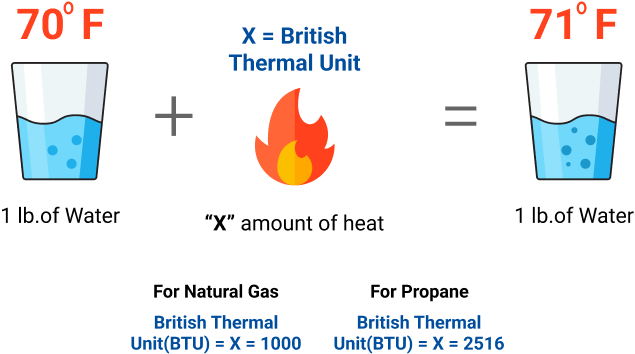
When comparing the heating ability of both a gas and propane grill, the BTU for one cubic foot of these gases is as follows: propane is about 2,516, while natural gas rests at just above 1,000.
And how does that affect the cooking? Natural gas might give you a dryer heating surface within the unit, great for flaming and charring, but it will likely take longer to craft your perfect grilled dishes as the temperature doesn’t reach as high a temperature as in a propane barbeque grill.
This doesn’t necessarily mean that your food will suffer when being prepared with a non-propane grill, however. In fact, many other grill types are popular because of their lower temperatures and drier cooking, such as wood pellet grills. The meat might take longer to cook, but cooking it low and slow is better than accidentally incinerating the meal!
Costliness
If you do not already have a gas line installed inside your home and have access to attaching appliances to it, then your natural gas grill will cause inconvenience and incur costs.
You need to hire trained professionals to extend your gas line or install a new one entirely, leading to renovations inside the home and pulling the backyard apart to successfully lay down the components, all of which add up financially.
So, though you might save money on repeated trips to fill up your propane tanks, the cost of installing a natural gas line can be the factor that tips the pricing aspect of this natural gas vs propane gas grill discussion.
Installation Issues
Speaking of laying gas lines for a new natural gas grill, it’s not even an option to extend these pipes for some areas of the country. It depends on the layout of your property, local laws, and whether or not you own or rent the location, among other things.
Permit Restrictions
Due to the flammable nature of gas, most people will require the proper permit for laying these lines down on their property before starting the job.
However, such paperwork for following such regulations commonly comes with even further restrictions, and highly depends on your property’s ability to be up to code before the process can even be considered.

You might also be subject to occasional inspections to ensure that your gas line is properly placed and that everything is running safely. After all, gas can be a dangerous substance when not moderated and used correctly!
Restricted Mobility
And finally, because this type of outdoor gas grill needs its attachment to gas lines to function, the unit’s mobility is greatly inhibited. In fact, because many of these grills are manufactured to be built-in, there is virtually no portability involved.
While you might be able to move your grill slightly within your property with the help of extenders or altering the location of its connection to the gas line, your gas outdoor grill is entirely dependent on the area of the pipes below the surface.
Pros Of Propane Grills
Next up, the outdoor propane grill! Now that we have become acquainted with the pros and cons associated with a gas barbeque grill, let’s take the time to get familiar with propane grills and their key aspects. Read on for the advantages of purchasing a propane barbeque grill for yourself.
Commonality In Grill Type
To begin, if you are looking for a particular type of grill such as a mobile model, the choice can largely be already made for you. Propane fuel is most common for some key types of grill units, including primarily portable grills, and even some freestanding and built-in units. It just depends on what you are looking for!
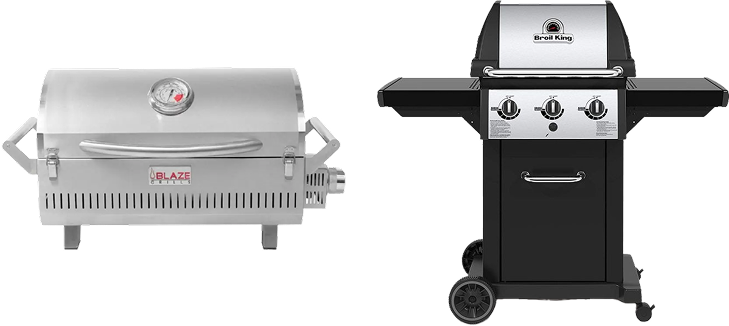
Just keep in mind that while you can find conversion kits that help you straddle the two sides of the fuel debate with a gas and propane grill, you cannot mix the main fuel types without one of these. It causes damage to the unit and could be dangerous to yourself and your surrounding neighbors!
Energy Efficiency
One of the best things about propane gas is its innate energy efficiency, particularly when compared with natural gas.
Additionally, the narrower connection ports featured within a propane gas BBQ grill mean the fuel usage is more streamlined than a natural gas grill with much wider ports. This means your propane grill tank will last longer, because there is less seepage, leading to a more energy-efficient grill.
No Installation Costs
When it comes to having a propane barbeque grill, there are virtually no installation costs or considerations that come into play.
Instead of planning out where the gas line is or installing a whole new one, all you have to worry about with a propane grill is placing it far enough away from your home and other flammable structures for safety, and where to put the propane grill tank!
Portability
And following the ease of installation that accompanies propane barbeque grills, they also enjoy a level of portability that is hard to get with other types of grills. Instead of needing to be hooked up to a constant source of fuel, you can simply pick up the propane grill tank and bring it with you!
Camping, parkside cookouts, and even trips to visit other family members— the propane barbeque is a great asset in terms of its mobility and the ease of movement it provides.
Temperature For Cooking
If you are looking for an outdoor cooking surface that reaches high temperatures and sears like a dream, propane could be the ideal grill type for you!
BTU scores and overall heat inside the lid,

Not only is that a better, more economical, and energy-friendly use of the fuel, but you can also get a much more satisfying grilling experience.


From searing meat to crisping up the edges of your vegetable skewers, the higher temperature of a propane grill can be a cook’s best friend. These high heats are reached quickly and by expending less fuel than other grill counterparts.
However, keep in mind that many people believe that because propane has additives included it burns as a “wetter” fuel, leading to a more smokeless grilling atmosphere.
In truth, it largely comes down to a personal opinion on the validity of this belief, but it’s something to consider!
Cons Of Propane Grills
However, though the propane barbeque grill does have many advantages over a non-propane grill, there are still several disadvantages that need to be considered when deciding between a gas and propane grill. Let’s go over those cons now.
Fuel Constraints
A major issue that grill owners face with this type of unit is their reliance on a propane grill tank refill. If the unit runs out of fuel, then there is no more grilling until you get more.
Part of the ease associated with keeping a natural gas grill running is the constant access these models have to their fuel source, provided by the gas lines running from your home and powered by your gas provider.
However, when your propane grill runs out of fuel, you cannot simply turn on a household propane source to refill the tank and get grilling again. Instead, a trip to your local gas station or refilling service is in order.
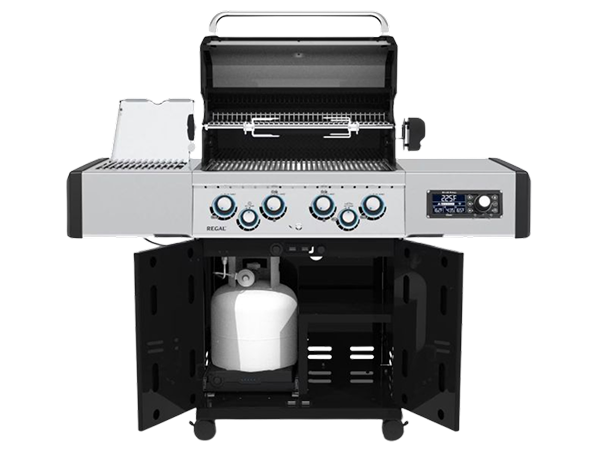
And while this is a fairly easy process to complete in itself, as many station attendants can assist you, it can be a hassle nonetheless.
Having a propane gas grill requires you to keep an eye on the fuel levels at all times and monitor your usage, particularly when the grill is in use. You don’t want to run out of propane gas midway through searing a batch of flank steaks!
Inconvenience
Let’s face it, fuel constraints are inconvenient— whether it’s your car or a grill, running out of the stuff that powers it leaves you in a sticky situation. Constantly having to keep a propane grill tank refill that’s ready to use can be a damper on the enjoyment of getting out and grilling whenever the mood strikes you.
Overall Cost
As previously mentioned, propane gas refills can really add up inside your monthly budget. Depending on where you live, the price of one tank’s worth of propane starts at $15 and often rises. And that’s only for a 10 to 20-pound tank, which is a typical size for a smaller propane grill tank!

Alternatively, if you opt to just purchase a new propane grill tank, that gets even more expensive, depending on the home or garden goods store you go to. For example, Home Depot sells new propane tanks for your grill starting at around $60, and Walmart prices them for about $50 to purchase a new tank.
In the long run, this can get expensive— particularly if you are the type of griller who likes to get out and cook quite frequently. If that sounds like your lifestyle, it’s important to consider the costs over the next few years as well as the upfront fees for fuel types.
Safety Concerns
While both natural gas and propane grills can be a risk for fire, many people think of propane as the more dangerous fuel type. And this can be true, as propane tanks and grills that are not properly cared for can experience malfunctions that lead to terrible consequences.
However, a well-maintained grill and fuel line will prevent this from happening, and natural gas can be just as dangerous as a noxious substance when leaking from a grill’s fuel connectors, as it too produces carbon monoxide.
A Word About Odor
When discussing the merits of natural gas vs propane gas, it’s only right to mention a sort of contention in the community of gas grill users— the smell of natural gas.
In case of Natural gas,
Because natural gas itself has no smell, an odor is added during the manufacturing process so that users can identify gas leaks.
In case of Propane,
This is unnecessary with propane, as the fuel naturally has quite a distinctive smell and doesn’t have any additional odor placed into its compound.
However, some people do feel that the chemical odor of natural gas affects the food and its flavor.
But if you really do notice something odd about your grill’s flavoring, there are some ways to make sure the unit doesn’t have a different issue.
Conversion Kits
While you cannot directly hook up your propane grill to a natural gas source, and vice versa, there are still some options for altering your unit to meet the specifications of another fuel type. But why would you even need to convert your grill from one fuel source to another?
After purchasing a natural gas outdoor grill and enjoying it for many years,


You suddenly find yourself moving to a new house without the convenience of a natural gas line.

And perhaps you don’t want to go through the trouble and expense of installing a new one, or maybe the municipality’s jurisdictions don’t allow it— either way, what do you do with the old grill?
To achieve this, you need to alter your BBQ grill with the right equipment and attachments so that it accepts the difference in energy amount and fuel density that exists between natural gas vs propane gas. This is done by installing valves, switches, and other mechanisms that work to control and regulate the flow of a different fuel.
By using these gas conversion kits, you can easily— and more importantly, safely— convert your propane grill to a nat gas bbq, or your natural gas unit to a propane one!
Products
Now that you are familiar with the key aspects of natural gas vs propane gas in grill types, and the pros and cons associated with each, let’s get you started in shopping for your ideal grill!
Blaze Prelude LBM 32-Inch 4-Burner Built-In Gas Grill
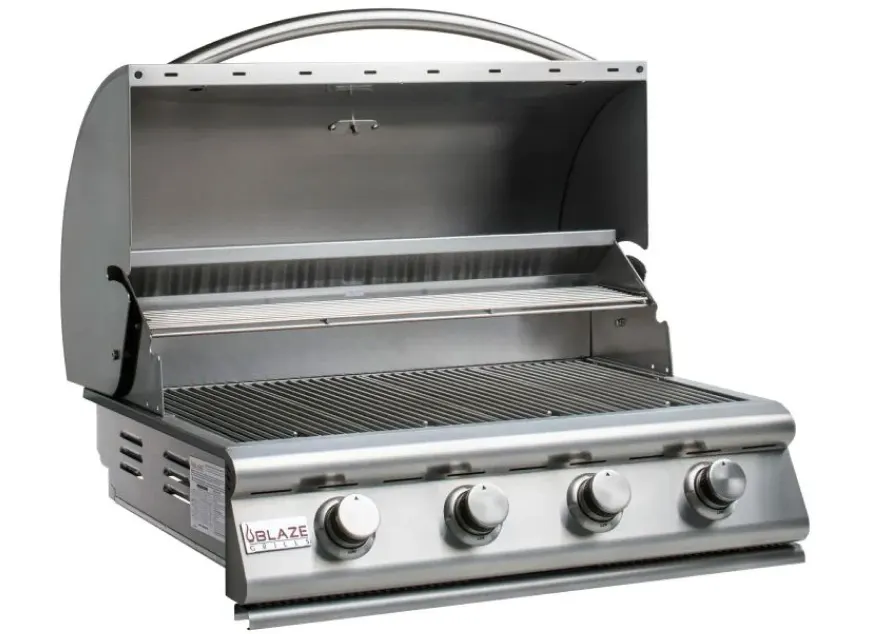
MODEL
BLZ-4LBM-LP /
BLZ-4LBM-NG
FUEL TYPE
Natural Gas /Propane
GRILLING SURFACE BTU
56,000 BTUs
TOTAL GRILLING ARE
748 Square Inches
Meet the Blaze Prelude LBM 32-inch 4-Burner Built-In Gas Grill — your ultimate outdoor cooking companion! Perfect for both seasoned chefs and beginners, it turns your patio into a gourmet kitchen under the stars.
Mont Alpi 44-Inch 6-Burner Black Stainless Steel Built-In Gas Grill
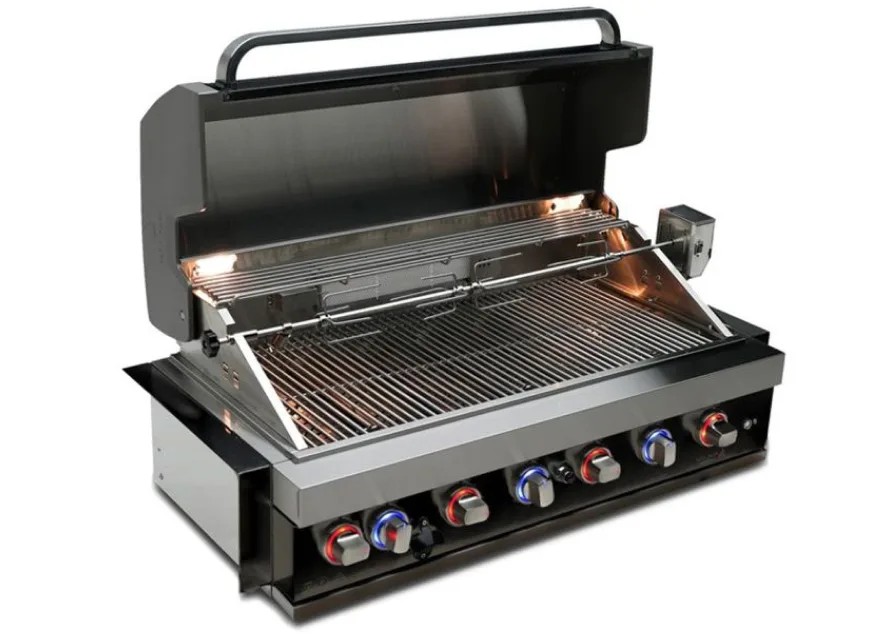
MODEL
MABi805-BSS
FUEL TYPE
Natural Gas /Propane
GRILLING SURFACE BTU
87,000 BTUs
TOTAL GRILLING ARE
836 Square Inches
Elevate outdoor cooking with the Mont Alpi 44-Inch 6-Burner Black Stainless Steel Built-In Gas Grill. Crafted from durable 304 stainless steel, it features six burners, a ceramic infrared rear burner, and a rotisserie kit for flawless grilling.
https://grillio.com/mont-alpi-805-44-inch-built-in-gas-grill-mabi805-bss
Lynx Sedona 36-Inch Built-In Gas Grill With One Infrared ProSear Burner And Rotisserie
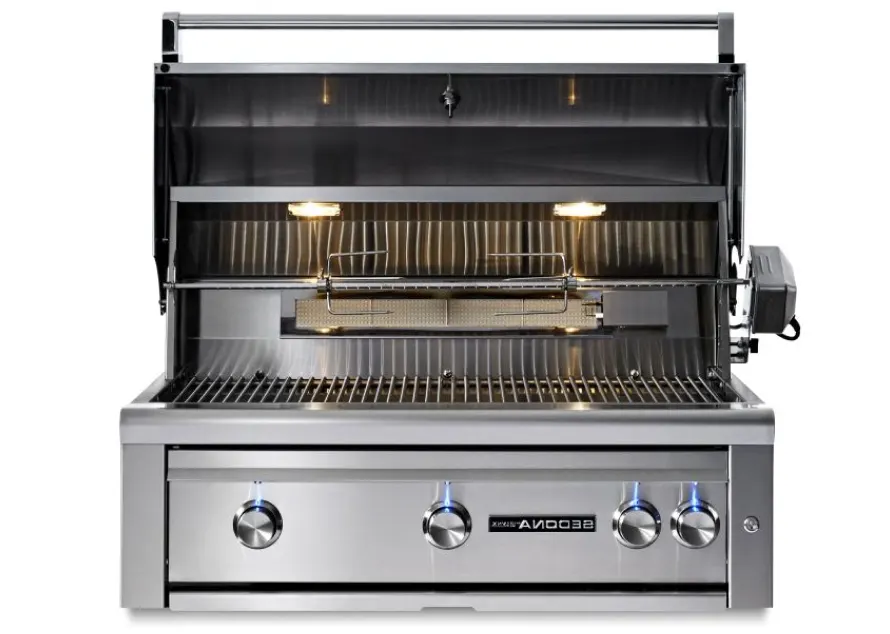
MODEL
L601PSR-LP, L601PSR-NG
FUEL TYPE
Natural Gas /Propane
GRILLING SURFACE BTU
69,000 BTUs
TOTAL GRILLING ARE
891 Square Inches
The Lynx Sedona 36-inch Built-In Gas Grill elevates outdoor cooking with a ProSear infrared burner for perfect steaks and delicate veggies. Its rotisserie burner ensures delicious slow-roasted meats to impress your guests.
Napoleon Built-In 700 Series 38-Inch Gas Grill with Infrared Rear Burner & Rotisserie Kit
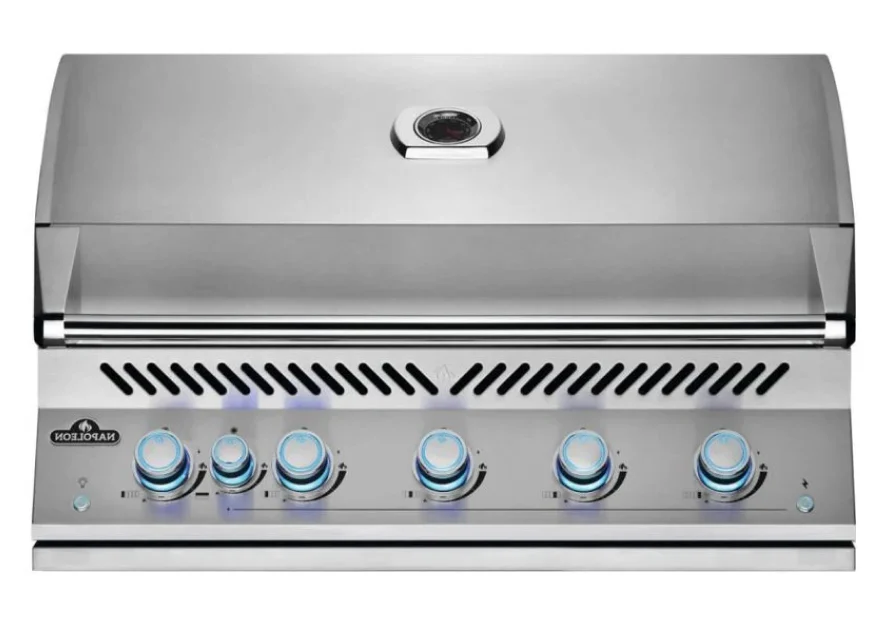
MODEL
BIG38RBPSS-1, BIG38RBNSS-1
FUEL TYPE
Natural Gas /Propane
GRILLING SURFACE BTU
60,000 BTUs
TOTAL GRILLING ARE
945 Square Inches
The Built-In 700 Series 38-Inch Natural Gas Grill delivers powerful heat, even cooking, and juicy results with its infrared burner and rotisserie kit. Ideal for efficient outdoor grilling.
Bull Outlaw 30-Inch 4-Burner Built-In Propane Gas Grill
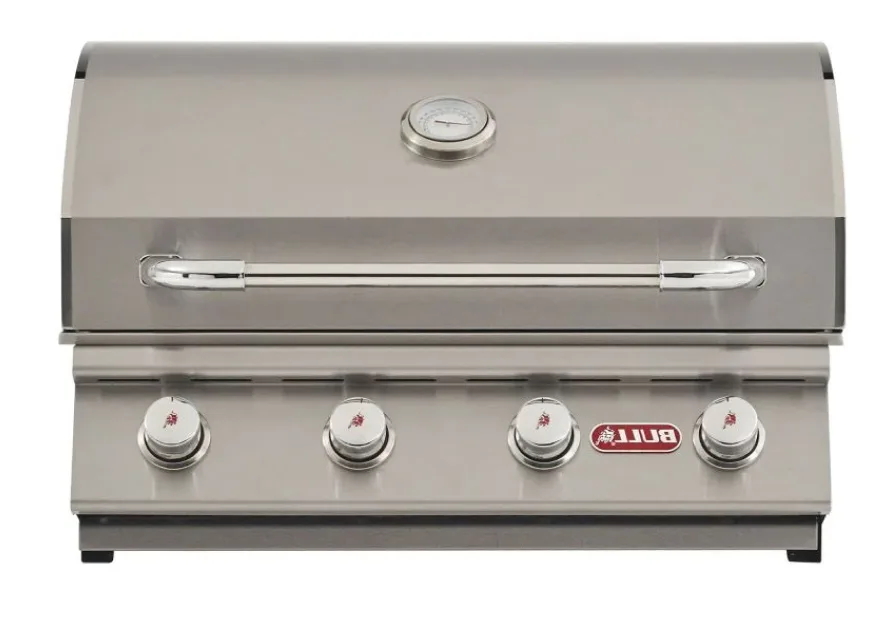
MODEL
26038, 26039
FUEL TYPE
Natural Gas /Propane
GRILLING SURFACE BTU
60,000 BTUs
TOTAL GRILLING ARE
810 Square Inches
The Outlaw 304 Stainless Steel Built-In Gas Grill delivers 60,000 BTUs across four burners with a spacious 600 sq. in. cooking area and a 210 sq. in. warming rack—perfect for outdoor feasts.
https://grillio.com/outlaw-30-inch-gas-grill-4-burner-built-in
Coyote SL-Series 36-Inch 5-Burner Built-In Gas Grill
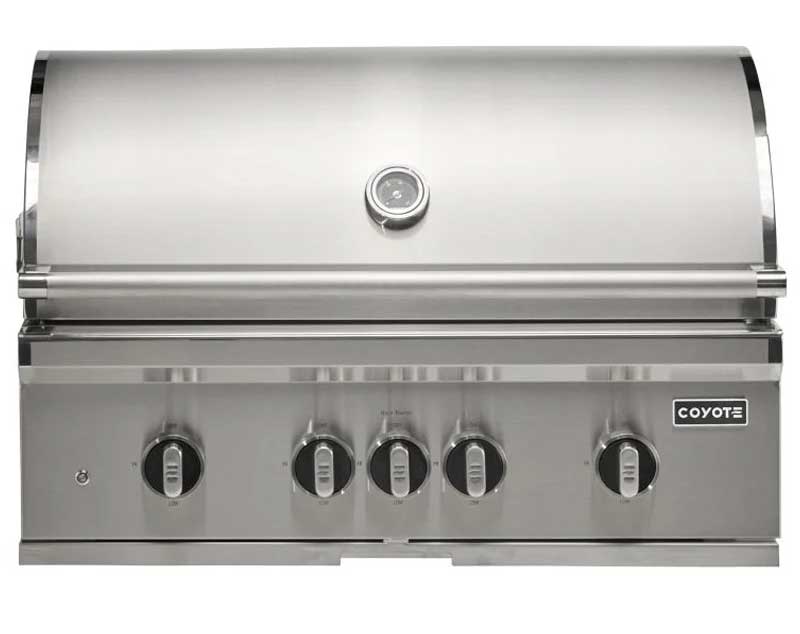
MODEL
C3SL36LP, C3SL36NG
FUEL TYPE
Natural Gas /Propane
GRILLING SURFACE BTU
75,000 BTUs
TOTAL GRILLING ARE
875 Square Inches
The SL-Series 36-Inch 5-Burner Built-In Gas Grill delivers75,000 BTUs across four burners with a spacious 640 sq. in. cooking area and a 235 sq. in. secondary grilling area.
Conclusion
To summarize, both gas and propane grills will produce the same result— a great grilling experience and delicious food. It’s just how you want to get there that matters!
Whether you are interested in convenience or cost, portability or longevity, deciding between a fuel type for your grill is important. And once you do, it’s time to tie on the apron and get grilling right away!