
Campers, survivalists, and naturalists alike have contributed to the increasing popularity of solar cookers. There are many different kinds of solar cookers and they all depend on solar energy, energy from the sun, to grill, bake, cook, or fry food. Solar cookers are markedly different from the outdoor cooking equipment we see in backyards and parks, and for many years, solar cookers were considered difficult and took so long to cook that they were only used for disaster relief in developing countries. In fact, many people in the developed world have only seen solar cookers at middle school science fairs! However, recent technological advances have made solar cookers easier and more efficient.
How Does a Solar Cooker Work?

Solar cooking uses UV rays. The cooker converts UV rays into infrared light that can’t escape the cooker. These rays have the energy needed to heat up the molecules and cook the food. It’s not actually the heat from the sun’s rays that solar cookers use to cook food. Nor is it the outside temperature, though it may impact the cooking time. It’s simply the sun rays being converted into energy that heats the pot holding the food. Most solar cookers work using the same principles a greenhouse uses or the same way a car with its windows rolled up heats up on a sunny day.
Reflection & Ray Tracing

Getting enough energy to cook food requires gathering a lot of sun rays. Mirrors help reflect the sun’s rays so that the intensity is increased in a specific area. Mylar or aluminum foil might be used instead of mirrors to help the solar oven multiply the sun’s rays so it gets enough energy to cook the food efficiently. Ray tracing is a method in which the path of waves or particles is calculated to increase absorption. Ray tracing can be difficult because factors like weather conditions, characteristics of the location, and the bend of the sun’s rays must be accounted for.
The Greenhouse Effect: Absorption & Insulation
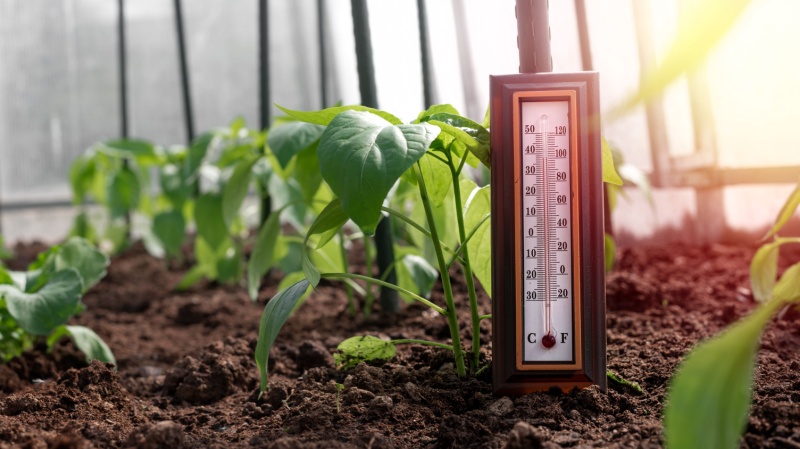
Accumulating enough heat to efficiently cook a meal requires holding onto the rays the reflectors capture. This is where the Greenhouse Effect comes in. The Greenhouse Effect is also what makes Earth habitable. It’s the process in which the heat from the sun warms the Earth’s surface to make it habitable. CO2 is one of the most critical gasses found in the Earth’s atmosphere because it captures and amplifies the energy needed to create heat. Solar cookers replicate the actions of CO2 in terms of insulation. Fiberglass is a popular choice for insulation, but cellulose and rigid foam are also used. They all work the same way; sealing the solar cooker to prevent heat from leaking out. Glass is, unfortunately, not a good insulator. This is why vacuum tubes are often used on solar cookers the increase their efficiency.
Thermodynamics & Cooking

NASA defines thermodynamics as the study of the effect heat, energy, and work have on any given system. The principles of thermodynamics are what make solar cooking possible.
Radiation
Radiation is the primary way the sun powers solar cookers. The cookers capture infrared radiation, which makes up about 53% of typical sun rays on a bright day. Very efficient solar cookers are rated at about 80%. So they are capturing and using about 80% of available infrared waves as cooking fuel.
- S’mores Solar Oven (PDF): The Oak Ridge Institute for Science and Education released this plan for a solar oven that uses radiation to make s’mores.
Conduction
Conduction is another type of heat transfer. It takes place when objects are directly touching. One object is heated, and as its particles speed up they begin hitting adjacent objects. Solar cookers use conduction inside the cooking area. Sunlight first heats up the collector tube. That energy is transferred to the cooking vessel and, eventually, the food itself. This changes the energy of both pot and food, causing them to heat up. Some materials conduct heat better than others. For example, stainless steel cooking vessels conduct heat far more efficiently than wooden pots.
- Conduction: The North Carolina Climate Office thoroughly explains the principles of conduction and how it works.
Convection
Convection requires gas or liquid. In this process, heat is transferred from warmer areas to colder areas. Warm liquid or air rises. As it rises, the cooler parts sink closer to the heat source at the bottom. As the cooler parts are once more heated they rise again. This pattern is known as convection currents. A convection oven uses these currents to cook food evenly.
- The Sun and Convection Currents: The sun plays a part in how convection currents work in the environment and in solar cookers.
Solar Cooker Design Types

There are more options than ever when it comes to solar cookers. Each different type has its own pros and cons. Cooks may decide that a mixture of types will provide the best cooking experience to fit their needs. It’s important that people consider their needs and how they will use a solar oven.
Simple Panel Solar Cookers
Solar ovens are inexpensive and most commonly used in humanitarian aid around the world. There are over ninety different designs. Each model is unique, but all use a heat-absorbing pot and a reflective panel to cook food.
Basic Box Solar Cookers
These cookers consist of an insulated box topped by a sheet of glass. One reflector is positioned above the box to help the cooker gather more energy. A black pot, which is best for absorbing energy, is placed inside the box before the sheet of glass is placed over it. The glass lets light into the cooker, trapping the heat generated by the rays. These cookers generate more heat than simple panel cookers.
Advanced Panel Solar Cookers
Advanced panel cookers share many similarities with simple panel cookers. However, it creates dead air space around the cooker which allows the greenhouse effect to work, resulting in a far more efficient cooker. Insulation also helps the cooker hold in more heat. These cookers reach higher temperatures and are much more efficient and faster.
Parabolic Dish Solar Cookers
Parabolic cookers rely on a large reflective dish to help gather more infrared rays so that it can cook at a higher temperature. Since these cookers don’t rely on insulation to work, it’s possible to use a sauté pan on top of the cooker as people do on normal stove tops.
Advanced Box Solar Cookers
Advanced box cookers use a complex system of reflective surfaces to better absorb sunlight. They also contain grills so that the pot doesn’t touch the floor of the box, which helps the cooker maintain a higher and more even heat. The reflectors are able to be folded down flat to make it easy to transport the cooker.
Solar Cooking Recipes and Tips

-
How to Cook with a Solar Oven – 11 Tips for Success: Starting early in the day is vital for the success of many solar recipes.
-
Getting Started with Solar Cooking – DIY Solar Cooker Ideas, Printable Cooking Guide: Beginners who are more accustomed to using outdoor kitchens and gas grills will have most of their questions answered in this thorough guide.
-
35 Solar Oven Cooking Recipes: These recipes each require fewer than ten ingredients.
-
Solar Cooking: Even more complicated recipes, like zucchini quiche, are possible with a solar oven.
-
Recipes for Solar Cooking: Banana nut bread and vegan brownies are some of the recipes found in this collection.
-
Cook With the Sun: Solar Oven Recipes: Along with five recipes, there are many tips for successfully cooking with a solar oven.
-
Easy Desserts For Solar Cooking: These desserts cook well in solar ovens and are good ways to get used to using solar cooking methods.
-
One-Pot Solar Recipe: Vegetables, protein, and carbohydrates are cooked together in this recipe that includes Brussels sprouts!
-
Chicken Rice Recipe for Solar Cooker: This one-dish recipe is great for an evening meal when camping.
- Solar Oven Recipe: Budget Chicken Dinner: Explicit instructions for using a solar cooker are given in this recipe.