
How to Keep
Bugs Away
from Your Patio


Whether you’re hosting a barbecue or simply just trying to enjoy the sun on a nice day, you’re often going to be interrupted by a bunch of annoying bugs that get in the way and ultimately frustrate you – not to mention you’ve now got the threat of allergic reactions or diseases when you literally just wanted to grill a few burgers.

For the most part, people, maybe even yourself in the past, just reckon this is part and parcel of barbecuing – “obviously there are bugs, I’m cooking delicious food right now” – but this genuinely doesn’t need to be the case; you can actually get rid of them to a large degree if you just prepare the surrounding area and don’t make it easy for them.

So, from setting physical barriers to natural and chemical repellents, we’re going to show you how easy it can be to get back to what you enjoy most without constantly waving bugs away and slapping your arms over the course of this article – let’s kick things off by learning a little bit about what they’re actually attracted to in the first place.

Understanding Bug Attraction
How To Keep Bugs Away From Your Patio

It’s a bit too simplistic to just assume the bugs are coming because they sense that you’re cooking up something tasty – there are actually quite a few different reasons why they might be swarming you:

What Attracts Bugs to Patios

Food
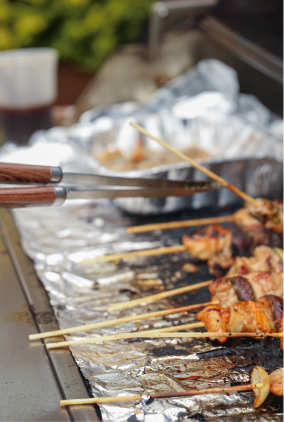
Starting off with perhaps the most obvious reason, your patio is generally just a feeding ground for bugs and other kinds of pests if you’re someone who grills a lot and doesn’t always clean up as well as they maybe should.
From leftover crumbs to spilled drinks, it’s not always super easy to spot these kinds of things while you’re grilling at night, but this is definitely something you’re going to need to stay on top of during the day while you can still see the mess you’ve made from grilling.

Lights
Grilling is naturally something most people do during the day on a sunny afternoon, but if you’re someone that’s using a grill with built-in LED lights – such as the BLZ-4PRO-CART-LTSC model by Blaze Outdoor Products – or use a patio light to make it far easier to cook at night, this can also draw bugs.
The vast majority of bugs, at least the ones that are going to be crowding your grills, are naturally attracted to light sources, so this kind of outdoor lighting – while highly useful most of the time – can create a kind of beacon for them.
Standing Water
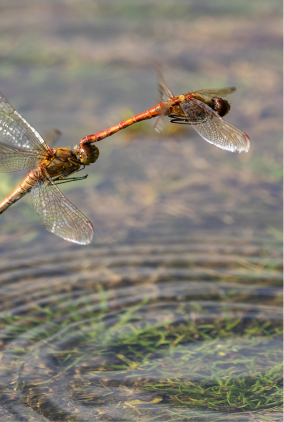
Furthermore, if you’ve got a garden with things like plant saucers or birdbaths – even puddles after it’s been raining – this is also something that’s going to attract nasty bugs like mosquitoes. In addition, they also end up laying their eggs in standing water, so this only further perpetuates the problem.
Habits of Common Patio Pests
Obviously, all kinds of bugs can end up on your patio and disturbing you while you’re trying to cook, but the range of different types is always going to vary depending on where you’re living and the climate you have – the most common ones, however, are the following:

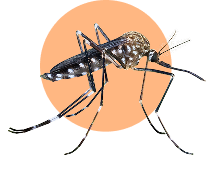
Mosquitoes
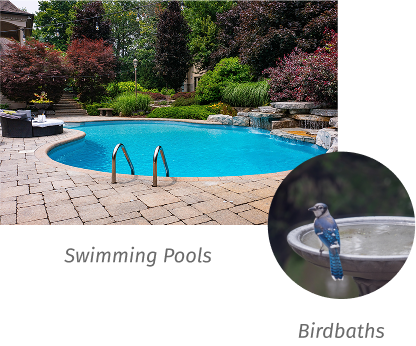
Mosquitoes Near Swimming Pool & Birdbaths
You’d be fairly hard-pressed to find someone who’s had a positive experience with these persistent little insects. As mentioned earlier, mosquitoes are generally drawn to standing water which is where they eventually lay their eggs – that’s why you always see them around swimming pools or birdbaths, for example.
Having said that, they can also be attracted to human scents and even body heat – either way, they’re quickly going to get on your nerves while you’re out on your patio unless you’ve got the adequate protection we’re going to dive into later on in the article.
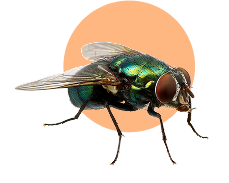
Flies
Flies Near Sweets & Proteins
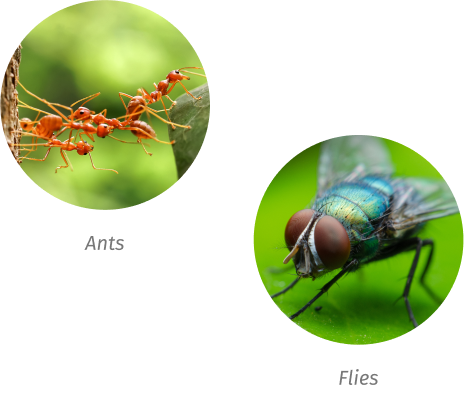
Unlike mosquitoes who aren’t as invasive if you don’t have standing water sources near your patio, flies are opportunistic little scavengers that specifically seek out food remnants – especially sweets and proteins.

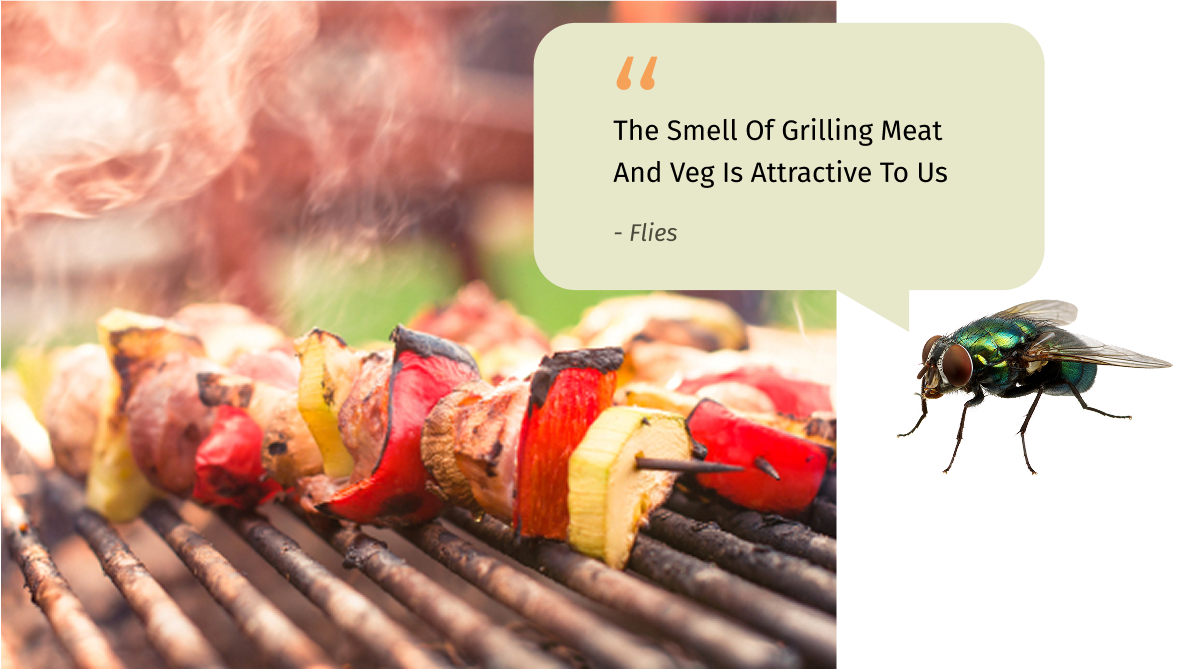
Naturally, the smell of grilling meat and veg is attractive to us, but this is no different to flies, which is why they’re always buzzing around your barbecue or picnic. Aside from this, they’re also fairly common wherever pets or garbage bins are, and while it’s a bit cruel to exile your pet while you’re working the grill, you can at least move your garbage bins far away from your patio.
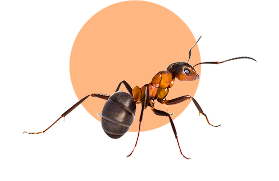
ANTS
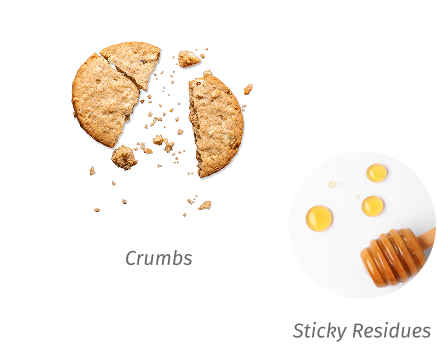
Ants Near Crumbs & Sticky Residues
Lastly, ants are similar to flies in that they seek out food sources directly – whether it’s with crumbs or other sticky residues. This naturally makes your patio a pretty irresistible target for ants, and once they’ve found a food supply, you can guarantee they’re going to keep coming back.


Natural Deterrents
How To Keep Bugs Away From Your Patio

Ready to be solution-oriented and learn how you can actually put a stop to these bugs? We’ll be looking at a few different ways you can do this, but before trying some of the more ‘extreme’ solutions involving chemicals, we’ll start by looking at natural deterrents like plants.
Plants that Repel Bugs


The main appeal to adding various plants and herbs into your garden is naturally the beauty and general convenience aspect, but certain ones can actually have the added benefit of repelling insects.
This is because, depending on the plant in question, they come with compounds that the kinds of bugs we mentioned earlier generally find unappealing – we’d generally recommend you try something like this first before going down the chemical route (not that there’s anything wrong with that, either; you just need to be safe when using them.
01
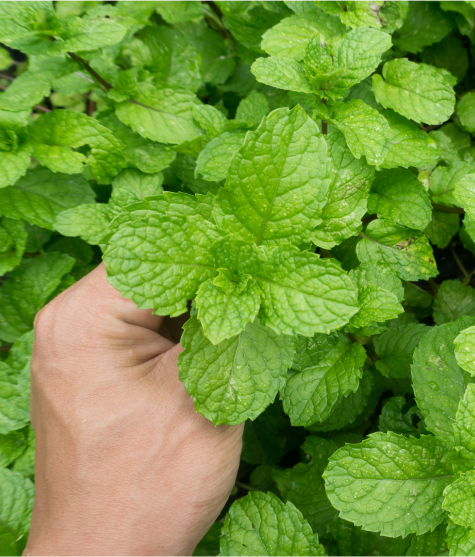
BASIL
This one’s ideal to keep around your grill just because of general cooking convenience, but basil isn’t just a delicious herb for your kitchen either; it also works wonders as a bug repellent because its strong scent deters both mosquitoes and flies.
They’re fairly unobtrusive to plant, too; you just need to put some in a few pots around your patio or even just on a table – either way, they’re highly effective at keeping bugs away.
02
Lavender
Lavender is generally one of the most calming scents, which is why we have so many candles and essential oils based on them, but the bottom line here is that humans love them and bugs hate them.
Like basil, lavender has a pretty strong aroma, and the flowers are highly effective in repelling mosquitoes and flies – even moths, to some extent (although moths aren’t really obtrusive in the way other bugs are while you’re cooking). Again, you can either plant pots of lavender around your patio, or you can even plant it directly in your garden if you have the space.

03
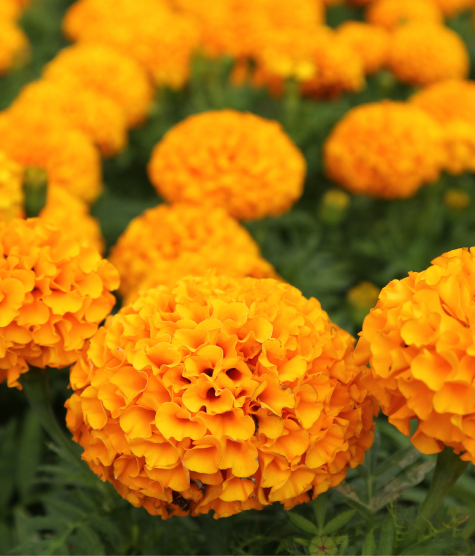
Marigolds
Moving forward, marigolds are another pretty and cheerful flower in the way that lavender is, and they also repel a variety of different pests, from mosquitoes to aphids.
Interestingly, they contain a compound that’s known as pyrethrum, which is actually something that’s used in the vast majority of insect repellents – including some of the ones we’re going to be discussing later on. You can either dot these around the perimeter of your patio or even just in flower beds if you want to keep bugs at bay – if you plan on including all of these plants we’ve mentioned thus far, you’ll have such a colorful garden by the time you’re finished!
04
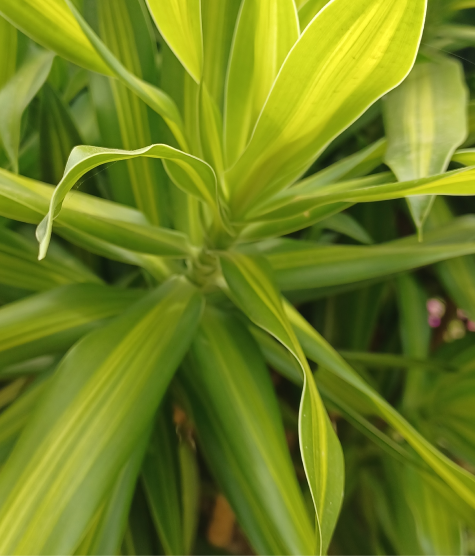
Citronella
Citronella isn’t as colorful as the previous two plants, but it’s perhaps still one of the most well-known natural bug repellents. In fact, the oil that you can extract from citronella grass is generally used in candles and sprays for this exact reason. This actually makes it one of the more versatile options here, as you can plant citronella grass in your garden or even use citronella candles if you want instant results – it’ll not deter every kind of annoying bug, but it’ll certainly have an impact on arguably the worst one: mosquitoes.
Essential Oils as Natural Repellents
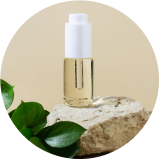
Moving forward, we’ve got another option for a more natural repellent, essential oils – these are obviously fairly similar to plants, but they offer a more concentrated way of repelling bugs rather than just passively planting flowers around your garden.
They’re actually a bit more versatile than plants, too, since you can put them in diffusers or sprays – you can even put them on your skin (when properly diluted) to fend the mosquitoes away while you’re trying to relax in the sun.


01
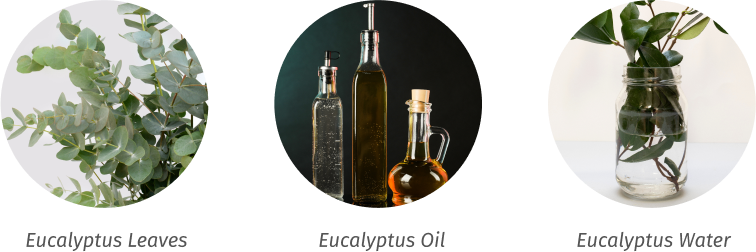
Eucalyptus
Our first recommendation is eucalyptus oil – this one’s highly effective against mosquitoes in particular, but it generally works against all biting insects. Not everyone likes the smell because of how strong and menthol-like it is, but it’s this aroma that makes it so effective at masking the human odors that attract bugs in the first place.
To apply it, you can either stick some eucalyptus oil in a diffuser or simply just mix it with water to create a spray for your patio.
02
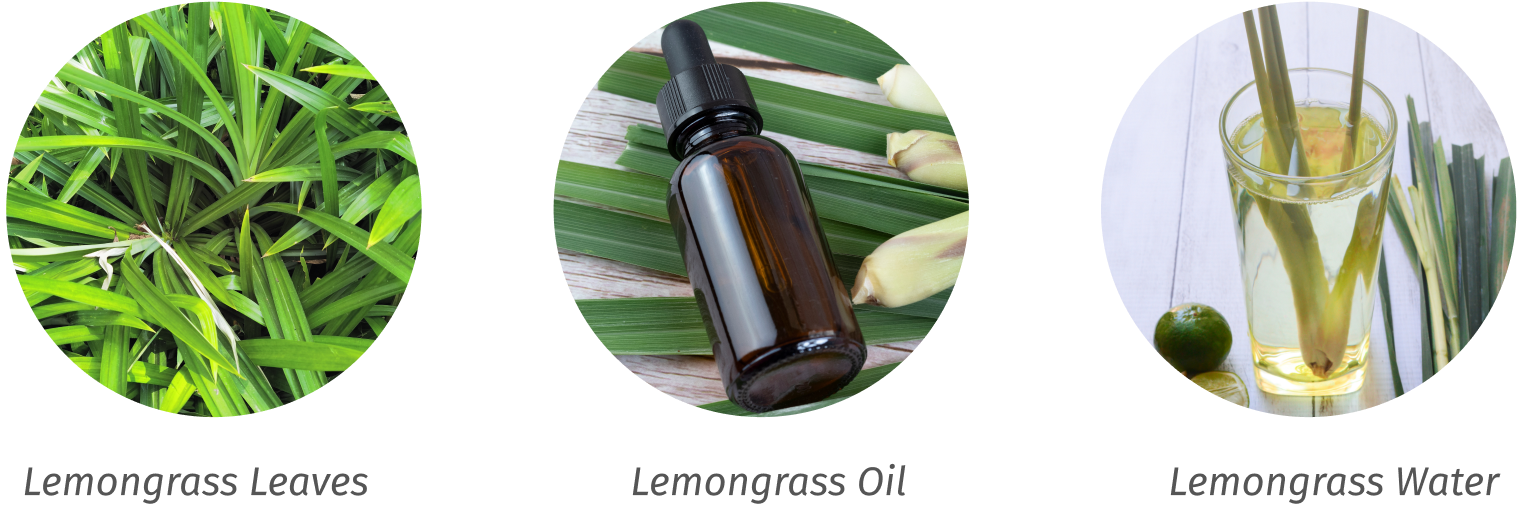
Lemongrass
Next up is lemongrass, containing the aforementioned citronella which we’ve already established is excellent for deterring mosquitoes and other kinds of bugs.
Similarly to how you apply eucalyptus, you can either create a spray with lemongrass oil that you then spray around your patio or mix it with a carrier oil and apply it to your skin.
03
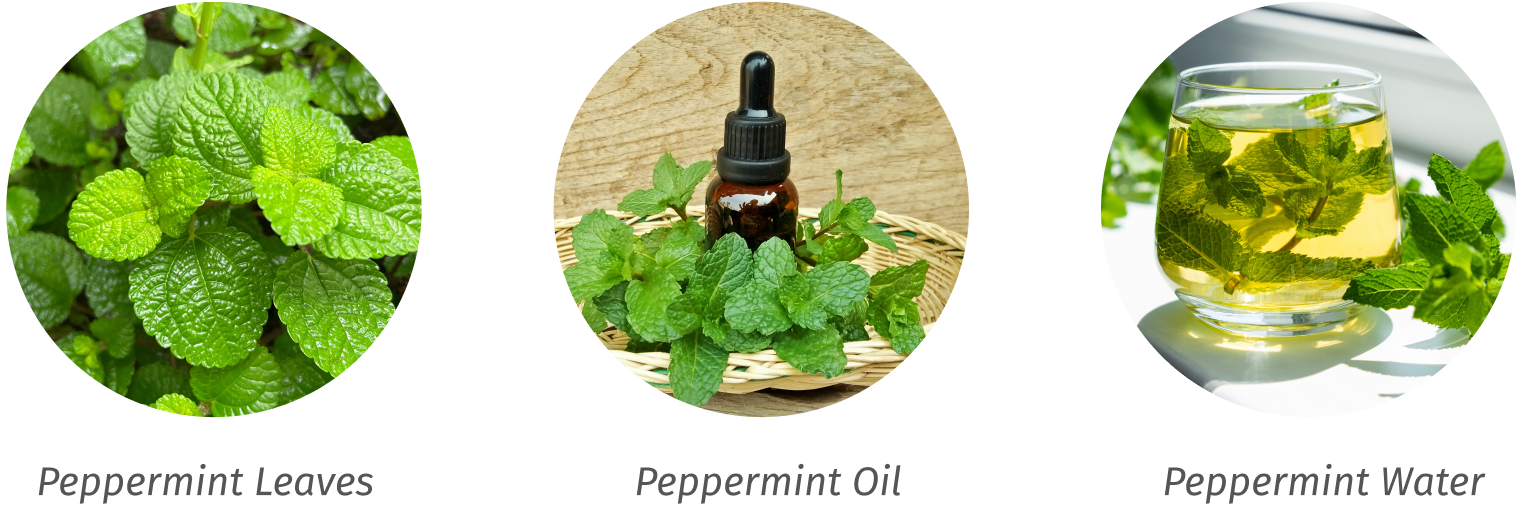
Peppermint
Lastly, peppermint oil is possibly the most refreshing-smelling oil on this list – perhaps only second to eucalyptus – and it’s also incredibly effective at repelling insects, whether they’re mosquitoes or ants, even spiders to some extent.
Like the other two essential oils, you can mix it with water if you want to create a kind of topical spray, but you can also place a few drops on cotton balls and place them around your patio.
Physical Barriers
How To Keep Bugs Away From Your Patio

Rather than spending the time sourcing and planting a bunch of flowers – or even researching and learning how to safely apply chemical repellents – instead, you could simply just install a physical barrier to keep bugs out of your patio area.
Screens and Nettings
Patio Screens
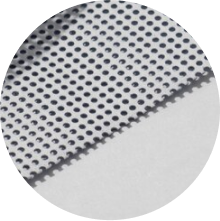
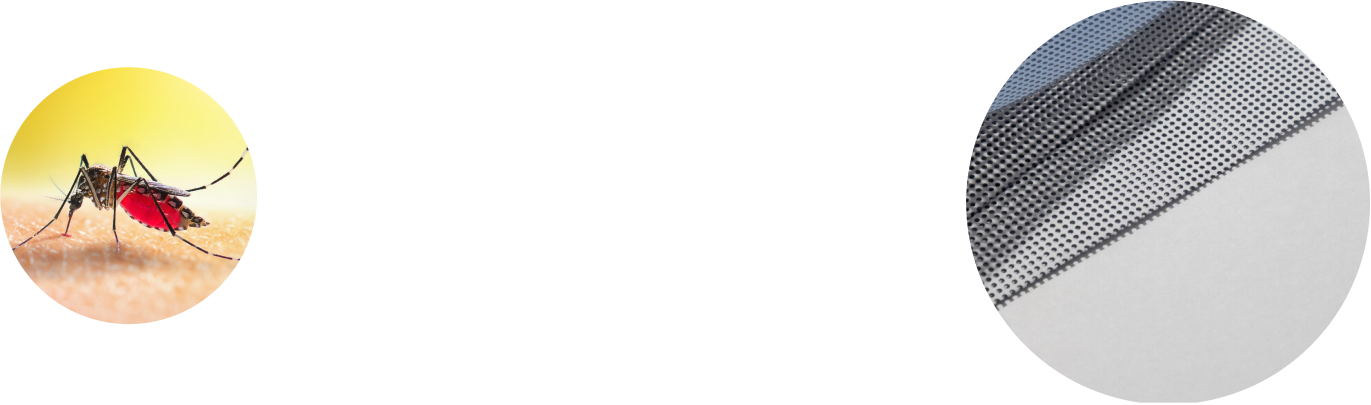
Although you may consider this as slightly obtrusive, we’d suggest installing some kind of screened enclosure around your patio so that you don’t need to bother as much with the other repellents – instead, you can simply put up a physical screen to keep flying insects like mosquitoes and flies away.
Nettings

The same goes for nettings – these are generally more geared towards smaller parts of your patio (you could maybe even install one around your grill) like in the places you sit down to enjoy the food you’ve just made. Functionally, these aren’t really too different from larger patio screens, but the main benefit they have over them is that they’re smaller and possibly less of an eyesore.
Sealing Gaps and Cracks
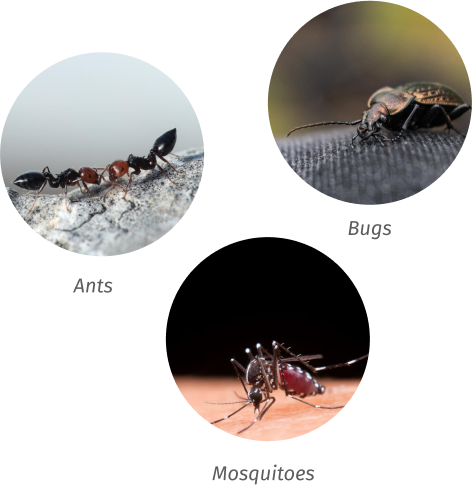
Whether we’re talking about ants or mosquitoes, bugs are generally crafty little things and will try to enter your patio through any small gap or crack that they can. Because of this, we’d recommend taking a good look at your patio and all the surrounding areas so you can spot any kind of entry point and seal them accordingly.
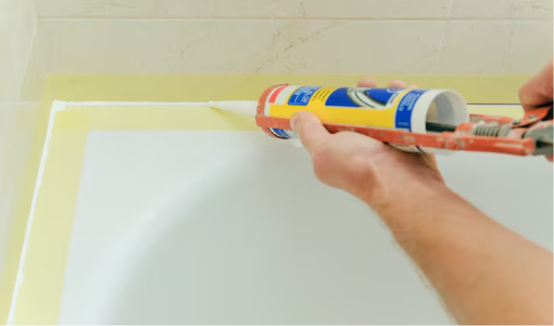
Caulk & Sealants
These are pretty useful for sealing any kinds of cracks in your walls or floors – you can even use them around your doors and windows if you’ve noticed bugs coming in from there before.
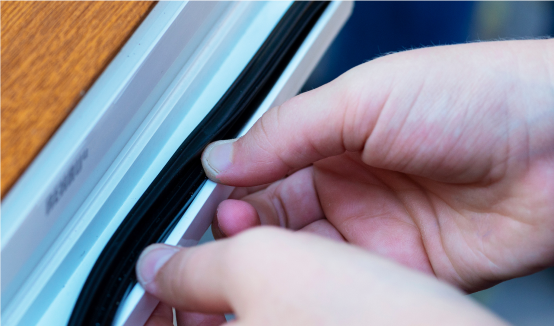
Weather Stripping
This is fairly similar to the previous option – you just need to install these around your windows or doors so that you’re able to close off any gaps that bugs could use to enter.
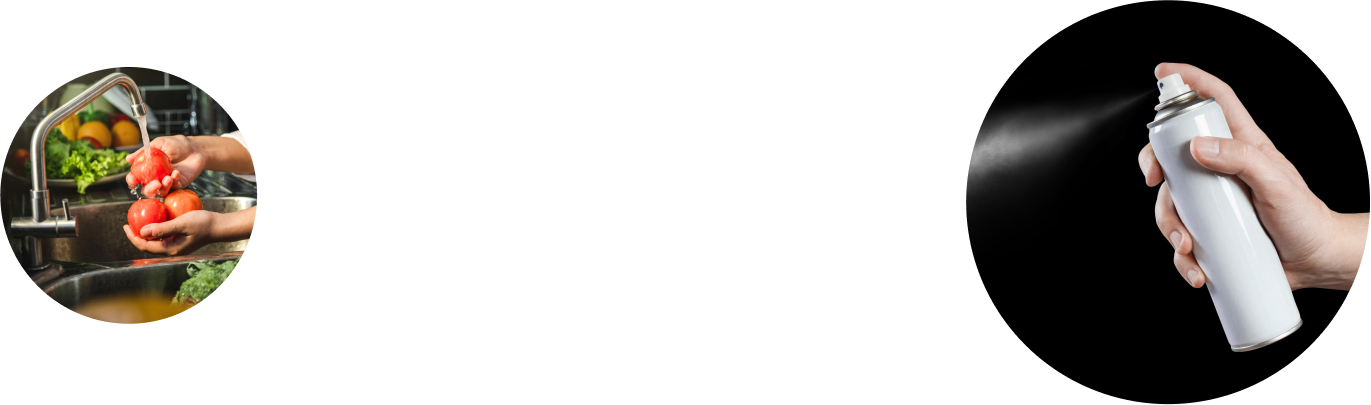
Chemical Repellents
How To Keep Bugs Away From Your Patio
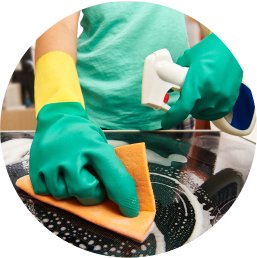
So, we’ve tried the natural and physical methods already, but even if you try these and the bugs are still coming through and getting on your nerves, you can always explore the chemical options if you need a little bit more protection.
Safe Use of Insecticides
These are often more useful for getting rid of the bugs there and then (unlike the plants we mentioned earlier that are more of a passive repellent), but it’s absolutely imperative that you’re using these kinds of products safely – take a look at how you can use them without any danger:
01
Read the Label Carefully
Before you even think about using any kind of insecticide, you’ve got to read the label on the back of the can in full – not only so you can protect yourself in the process but to ensure that you’re actually using them effectively. From here, you’ll learn a few things, such as:
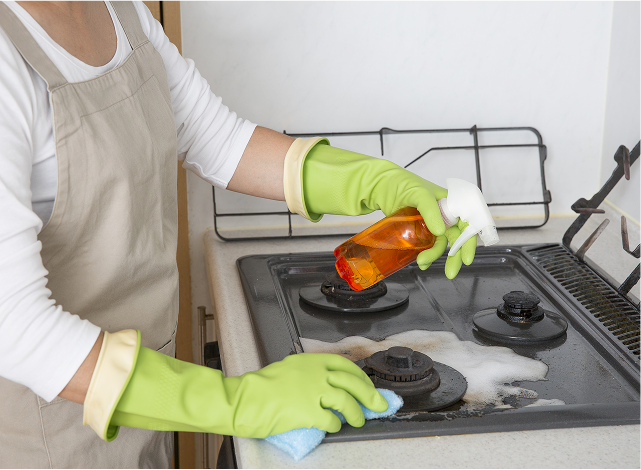

Important Information About The Product
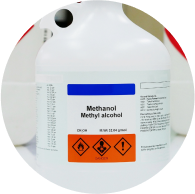
Various Warnings
Instructions For Use

Safety Precautions

02
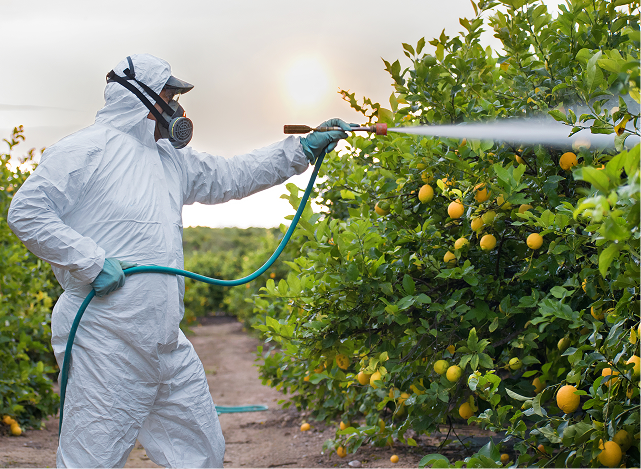
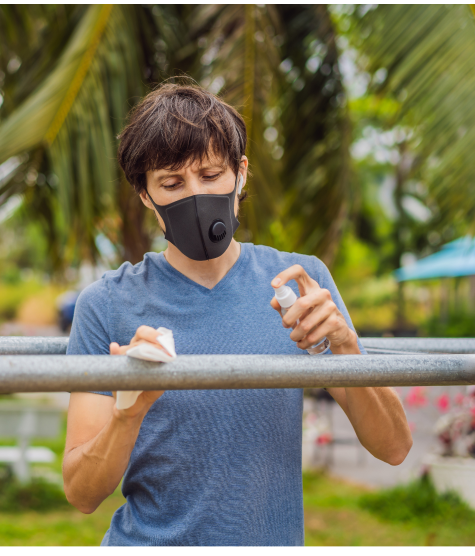
Wear Protective Clothing
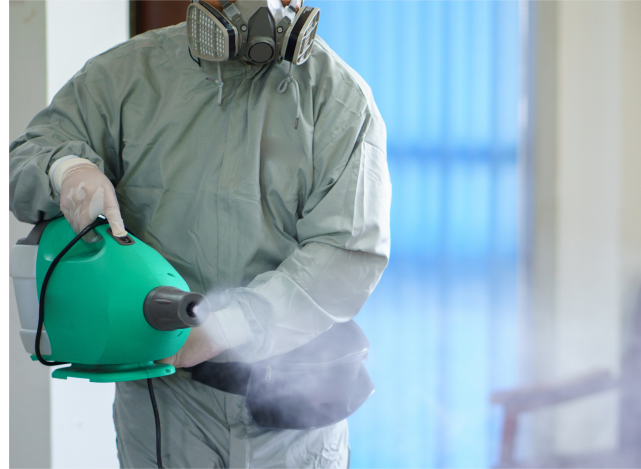
Obviously, you’d rather be out on your patio with shorts and a t-shirt when it’s a nice day, but in the meantime, while you’re applying these insecticides, you’re going to need to wear some protective gear, such as:

Long Sleeves
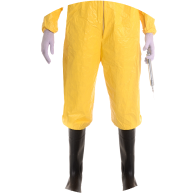
Long Pants

Gloves

Eye Protection
Depending on the product, maybe even a mask or respirator (so you don’t accidentally inhale harmful chemicals)
03
Choose the Right Time
It’s tempting to bust this can out mid grill when you can’t take the bugs for a second longer, but keep in mind that these aren’t designed to be instant-killing machines where you just spray directly in a mosquitoes’ face (despite how liberating that might feel).
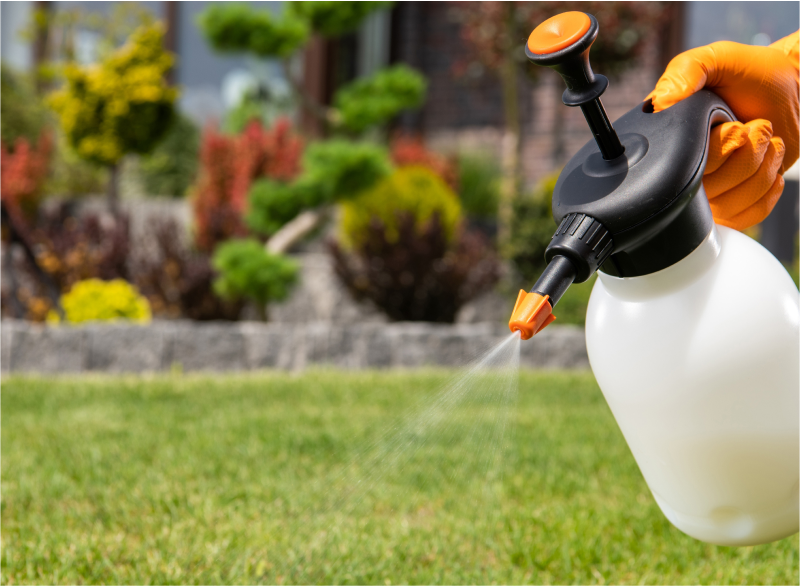
Instead, you’ll want to apply this stuff tactically and during specific parts of the day – generally during calm weather so you can avoid drift. We’d recommend applying your insecticide either early in the morning or late at night so you can avoid impacting the kinds of insects that are actually useful, like bees. Furthermore, don’t apply it on windy days or the chemicals will end up spreading to areas you didn’t intend it to.
Best Times to Apply Insecticide to
Protect Beneficial Insects

Early Mornings

Late Night
04
Use the Correct Amount
It doesn’t actually make your insecticide more effective by spraying more than the recommended amount – all that ends up doing is posing more risks to your health and the environment. Like we mentioned in one of the earlier points, just read through the information on the back of the can carefully and only use the amount that’s specified on the label.
05
Target Specific Areas
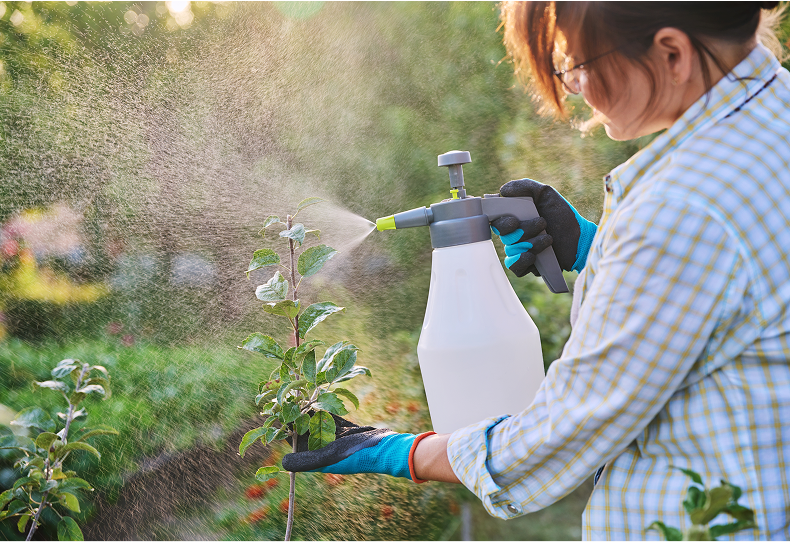
Again, your goal here isn’t to look your enemy in the eyes while you spray them down, you just need to apply it on certain hotspots where you’ve noticed that the bugs are most prevalent, like around your grill or the seating areas – if it helps, try to think of this more like you’re setting a trap rather than frantically running around your garden wielding a can of dangerous chemicals.
You’re really trying to minimize the environmental impact you’re having while using these kinds of repellents, so make sure you’re only treating areas where you’ve actually identified pests in the past – meaning you need blanket applications.

06
Avoid Water Sources
Following on from the previous point, try to take care while you’re using these cans so that you’re not spraying them around bodies of water like ponds or lakes – most insecticides are pretty harmful to aquatic life, so you need to make it your responsibility to ensure no runoff from the areas you’ve treated enters them.
We mentioned earlier how mosquitoes can lay their eggs in standing water around your garden, like ponds or birdbaths, but we’ve got solutions for how you can handle this without spraying insecticide in there that we’ll cover later on in the article.
07
Store Safely
Once you’ve applied the insecticide, there are a few practices you’re going to need to follow that we’ll touch on in the next few points – the first one being about general storage.
There’s no need to replace the containers of these insecticides with something else, so keep them in their original cans where they can be closed securely and placed somewhere dry that’s away from food and water supplies – naturally, make sure they’re far out of reach of any children or pets that you might have, too.
08
Dispose of Properly
Then, after you’re finished using the can, don’t ever think about pouring the remnants down the drain or into the waterways – we’ve already touched on how harmful these kinds of chemicals can be to aquatic life.
Fortunately, most communities offer some kind of hazardous waste disposal program, so you just need to check local regulations if you need some guidance on how to properly dispose of them.
09
Wash Thoroughly
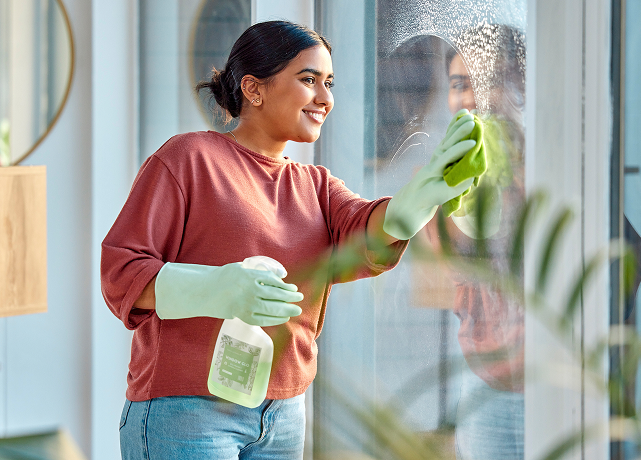
These kinds of chemicals can generally be pretty harmful to your skin and other parts of your body if they’re exposed for too long – as we’ll discuss further in the disadvantages of chemical repellents section – so after you’ve finished applying insecticides, you’re going to need to wash your hands and any other exposed skin thoroughly with soap and water.
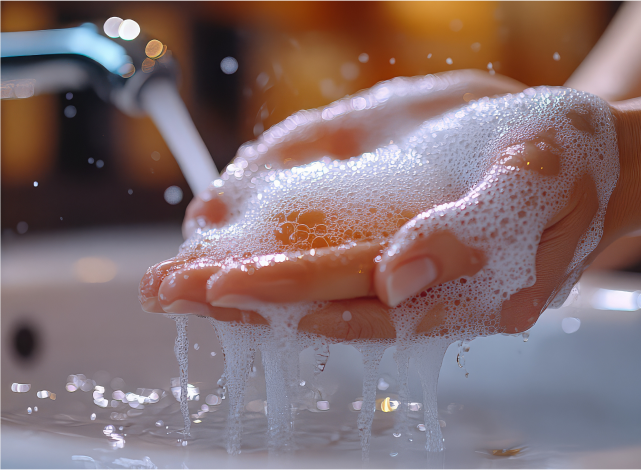
Aside from this, definitely don’t feel like it’s overkill to wash treated clothing – the long sleeves and masks we talked about earlier, for instance – separately from your other laundry; the last thing you’d want is to contaminate other items of clothing needlessly.

10
Monitor & Follow Up
Lastly, just remember to keep a keen eye on the area that you’ve sprayed so you can see if the treatment was actually effective or not. If, even after you’ve applied the repellent exactly as you were supposed to, bugs are still flying around and bothering you while you’re on your patio, you can always reapply – just make sure it’s fully in accordance with the product’s guidelines and you’re using only as necessary.
While it can definitely be tempting to be a bit trigger-happy here – especially if you’ve become frustrated that it didn’t work the first time – overusing chemical repellents can not only lead to increased health risks but resistance, too.
Pros & Cons of
Chemical Repellents
How To Keep Bugs Away From Your Patio

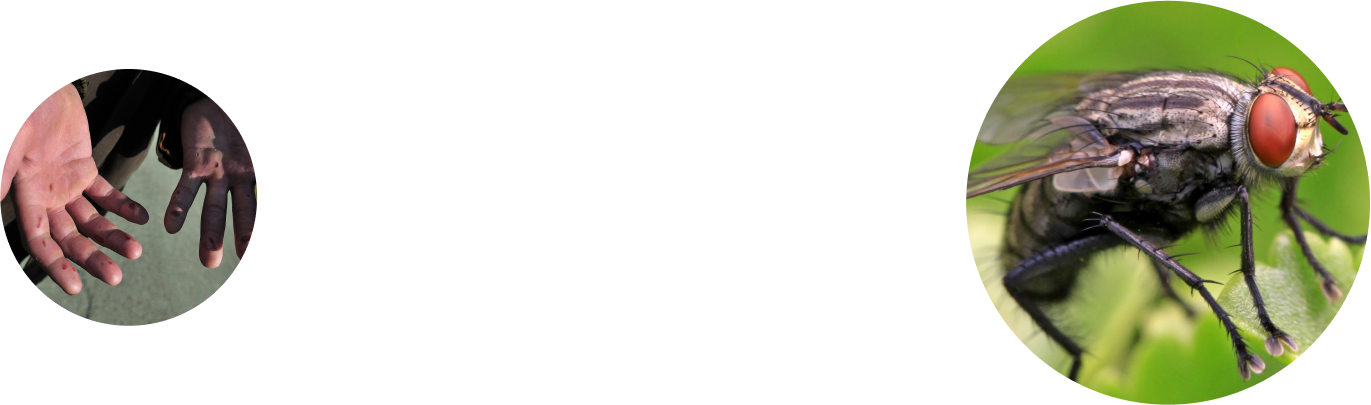
We’ve talked a lot about how effective chemical repellents can be and how you can safely apply them, but it’s worth mentioning that there are still quite a few downsides to these kinds of tools that you won’t really see with some of the more natural methods we talked about earlier.
As such, it’s crucial that you’re fully informed about the main advantages and disadvantages of these products before we move on.
Pros
Kicking things off, let’s start positively by talking about the reasons why you should consider using chemical repellents as a means of keeping pesky bugs away from your patio:
Effectiveness
From flies to ants, chemical repellents are generally one of those most effective ways you can deter insects – and you’ll find that a lot of these products are specifically made to target specific pests, too.

DEET
As an example, DEET, which is one of the most common active ingredients in chemical repellents, is something that’s known to repel mosquitoes and other biting insects for several hours.
Longevity
Aside from being good at what they do, most chemical repellents offer long-lasting protection, too, which means you don’t need to apply them half as much as you’d expect with some of the more natural alternatives.

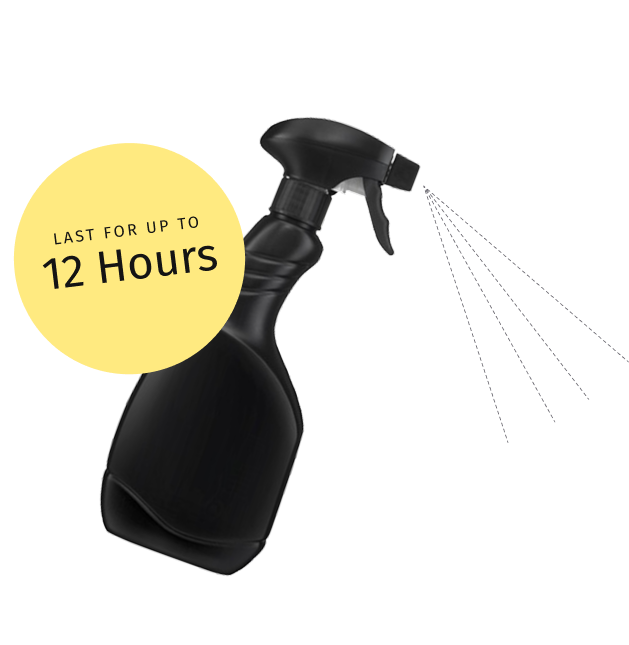
Because of this, we’d generally recommend using them for any outdoor activities you’re planning that last quite a while – such as barbecues or picnics. A lot of these products can last for up to 12 hours or more, so you don’t need to worry about constantly reapplying them either.
Cons
As mentioned, these chemical repellents are mostly positive when used correctly, but that certainly doesn’t mean there aren’t any downsides:
Health Concerns
Going back to that DEET chemical we touched on before, this, along with a few other substances, can actually be pretty harmful if you accidentally ingest them or if they’re in contact with your skin for a while.
Again, they’re generally pretty safe to use, but they don’t half have health issues such as the following if you use them improperly:
- Headaches
- Skin irritation
- Allergic reactions
- Respiratory issues.
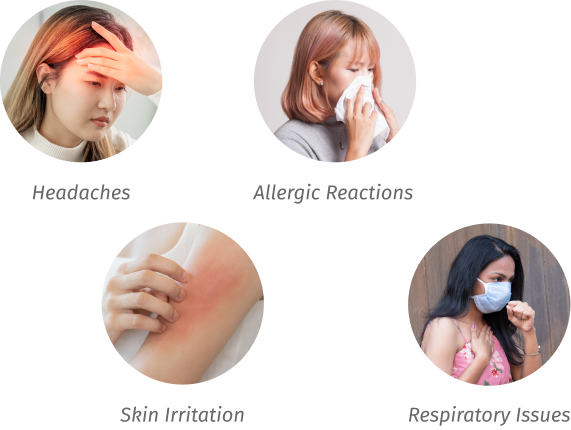
Environmental Impact
Unlike plants and other kinds of natural repellents that are generally not very obtrusive, chemical repellents can have an awful effect on the environment – no more so than if they contaminate water sources.
A lot of these insecticides are naturally toxic to aquatic life and can end up leading to fairly long-term ecological damage if their residues persist in the environment, so you’ve got an added responsibility of being mindful whenever you’re applying these products.
Maintenance Tips
How To Keep Bugs Away From Your Patio
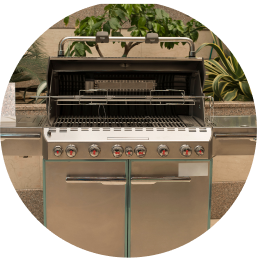
Both natural and chemical deterrents are generally only going to get you so far when you’re not bothering with actually taking care of your grill or patio – you’re going to need to put more effort in if you want to stop these kinds of issues altogether.
Regular Cleaning to
Avoid Attracting Bugs

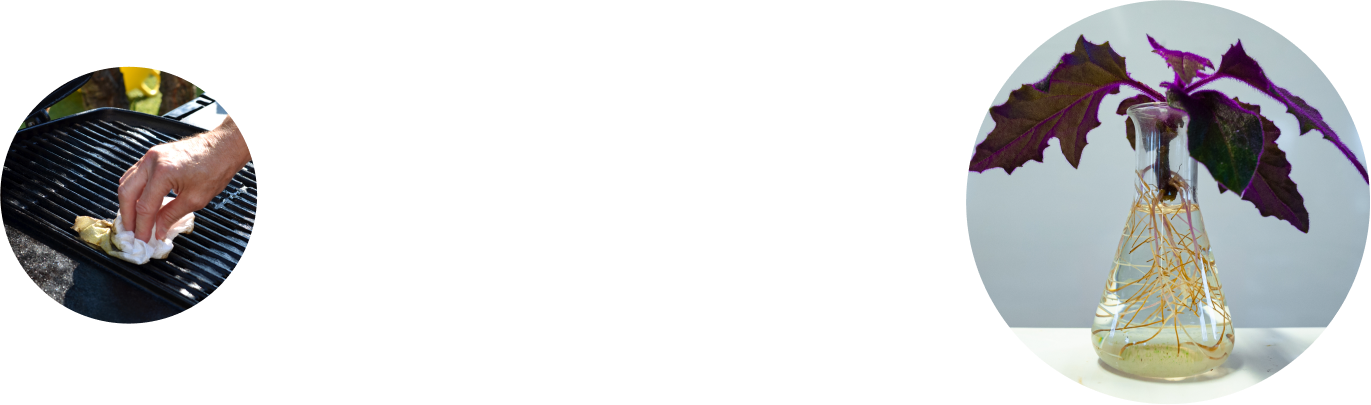
Firstly, you’ll want to ensure that you’ve wiped down all of the surfaces you’ve been using – from your tables to the grill itself – in order to remove any kinds of food crumbs or grease, since this is naturally going to attract pests.
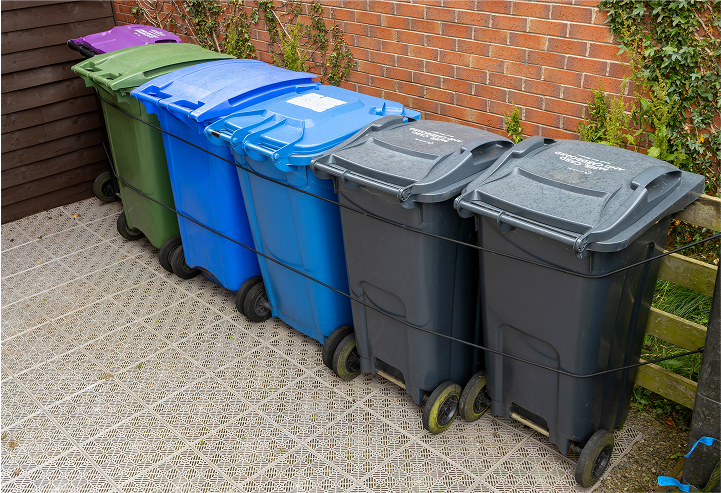
Aside from this, it can also help to fully seal and empty any of your garbage bins on a regular basis as this can create a bit of a breeding ground for insects.
Managing Lighting
We’ve mentioned a few times how insects are often attracted to light, and that’s especially true during the evening when you’re grilling or sitting outside with some kind of light on. Fortunately, you can stop this from being such an issue with proper lighting management:.
01
Yellow Bulbs
Rather than using traditional white bulbs, using ones that are a ‘softer’ color means you’ll avoid attracting so many bugs as the spectrum of light they emit is generally less attractive to insects in comparison.
02
Dimmer Lights
The same goes for simply just dimming your lights in general – dimmer switches are pretty easy to install and you can use them to control the brightness of your outdoor lighting, but you could always just opt for lower-wattage bulbs if you don’t want to bother with this.
Water Control to
Prevent Breeding Sites
Generally speaking, there are a bunch of insects, namely mosquitoes, that rely on water as a part of their life cycle – as such, you can significantly reduce how prevalent they are by simply controlling their water source (which is usually standing water around your patio!).
01
Eliminate
Standing Water
Regularly check the following areas of your property for standing water:
- Plant saucers
- Buckets
- Bird baths
- Other containers
From here, you can simply just empty these containers out – helps if you do this at least once a week – and you’ll massively disrupt mosquito breeding cycles.
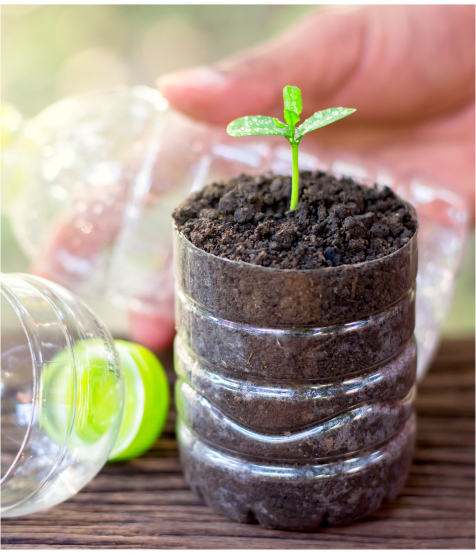
02
Fix Leaks
Repair leaking faucets and sprinkler systems that contribute to unnecessary moisture accumulation. Addressing these leaks promptly helps prevent water from pooling and attracting bugs
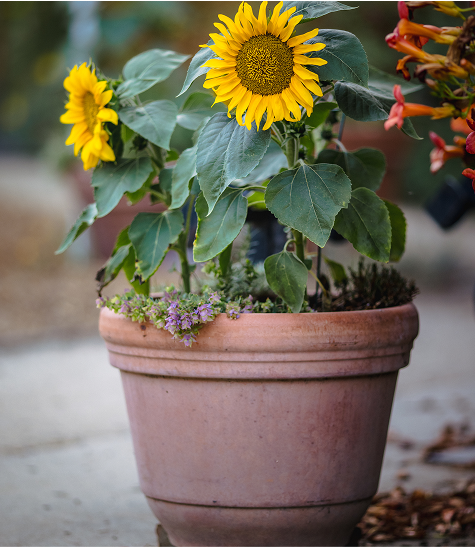
03
Manage Drainage
Try to make sure that your yard has proper drainage so that it prevents water from pooling – this might be a little bit tricky if it doesn’t, so if necessary, you might even need to adjust the landscape so you can ensure the runoff goes away from your home. Basically, this means that water doesn’t stagnate and ends up becoming a breeding ground for insects.

04
Use Mosquito Dunks
Naturally, there are going to be some water features that you can’t just empty like you would with a bucket, so for water features like ponds, it’s best to use something like a mosquito dunk – these contain a kind of bacteria that are harmless to people and wildlife but lethal to mosquito larvae.

Alternative Solutions
How To Keep Bugs Away From Your Patio
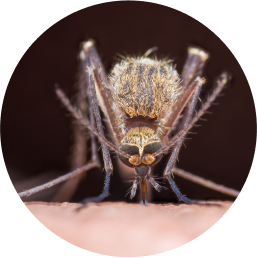
We’ve explored a pretty vast range of solutions throughout this blog, but just to wrap things up, it’s worth touching on a short-term solution – bug zappers don’t exactly stop your issues at their core, but they’ll definitely provide some kind of relief.
Bug Zappers & Traps
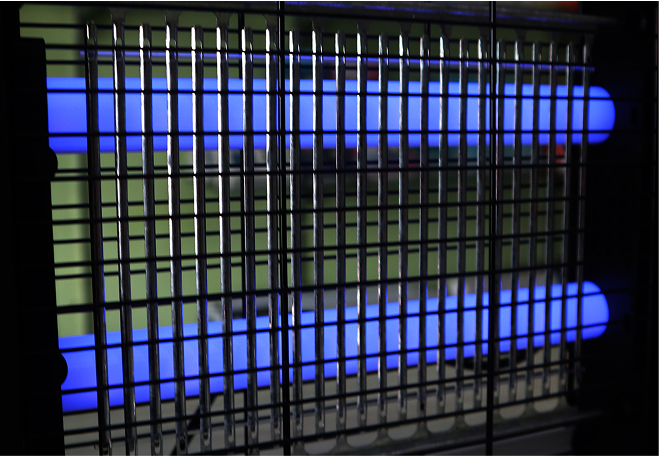
These kinds of devices will purposely attract bugs – whether it’s mosquitoes or flies – by using light or some kind of bait which will then trap or kill them. We’d generally suggest using bug zappers like these for flying insects in particular, but if you want something that’ll get rid of ants, you’d probably be better off with a specific ant trap.

Final Thoughts
How To Keep Bugs Away From Your Patio
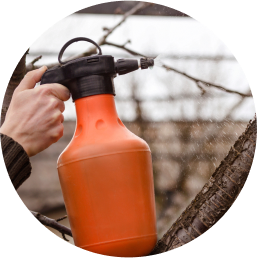
While you can definitely see some level of success by using just one of these methods – whether that’s natural/chemical deterrents or simple regular maintenance – you’re always going to see the best results when you combine multiple methods at once.
Patio Maintenance: Keeping Your Outdoor Space Pristine
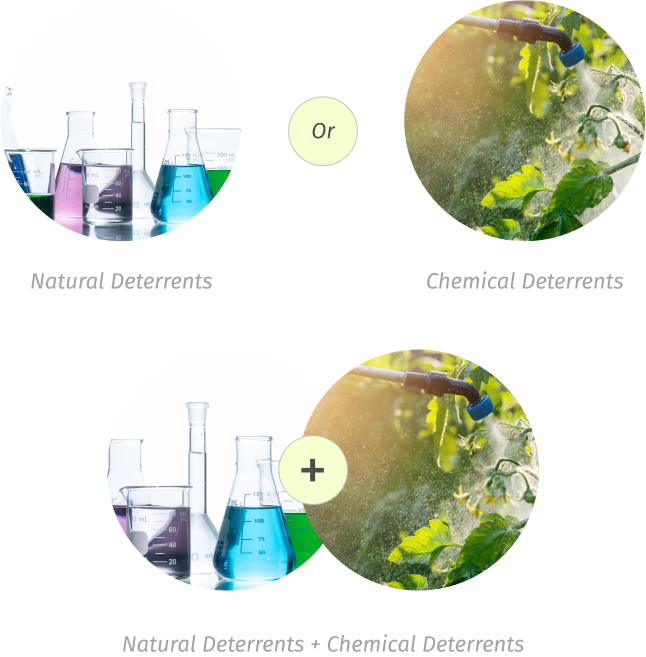
You might even find that one of these methods works better than the others for your particular patio, so play around with a few of the different approaches we’ve outlined throughout this article, and you’ll be back on your patio without annoying bugs in no time!

What are the most common patio bugs?
The most common
patio bugs include mosquitoes, flies, ants, wasps, and gnats.
Are there any plants
that naturally repel insects?
Yes, plants like lavender,
citronella, marigolds, and peppermint can help repel various insects.
How effective are
citronella candles in keeping bugs away?
Citronella candles
can be moderately effective in small areas, but their range is limited and
they work best when combined with other methods.
Can changing my outdoor lighting help reduce
bugs?
Yes, switching to yellow “bug lights” or LED bulbs can
attract fewer insects compared to standard white lights.
Is it safe to use chemical insect
repellents on my patio?
Many chemical repellents are safe
when used as directed, but always read labels carefully and consider pet and
child safety.
How can
I keep ants off my patio without harmful chemicals?
Natural deterrents like vinegar, cinnamon, or diatomaceous
earth can help keep ants at bay.
Will an outdoor fan help keep mosquitoes
away?
Yes, a fan can be effective as mosquitoes are weak
flyers and the airflow can disperse carbon dioxide that attracts them.
How often should I
clean my patio to prevent bug infestations?
Regular cleaning, at least weekly, can significantly reduce
insect populations by eliminating food sources and hiding spots.
Are bug zappers
effective for patio use?
Bug zappers can kill many insects
but aren’t always effective for biting insects like mosquitoes. They may also
harm beneficial insects.
How can I bug-proof my patio furniture?
Choose furniture made of materials less attractive to
insects, like metal or teak, and store cushions when not in use to prevent
nesting.
Outdoor Living & Patio Essentials
Outdoor Kitchen & Grills
- Built-In Grills
- Freestanding Grills
- Outdoor Kitchen Grill Islands
- Grill Covers
- Fire Pit Covers
- Fire Pit Lids
- Outdoor Stainless Steel Trash Bins
- Outdoor Sinks & Faucets
- Grill Lights