

Our pets are family, but unlike us, they don’t come with a built-in sense of what’s safe and what isn’t. They chew, sniff, and explore everything in sight, which means potential hazards you’ve never thought twice about could be hiding all around your home. From sharp tools used in your outdoor patio kitchen to toxic plants on the windowsill, the dangers aren’t always obvious. Taking a little time to identify and remove these risks is one of the best things you can do to keep your pet healthy, happy, and safe for years to come.
Backyard
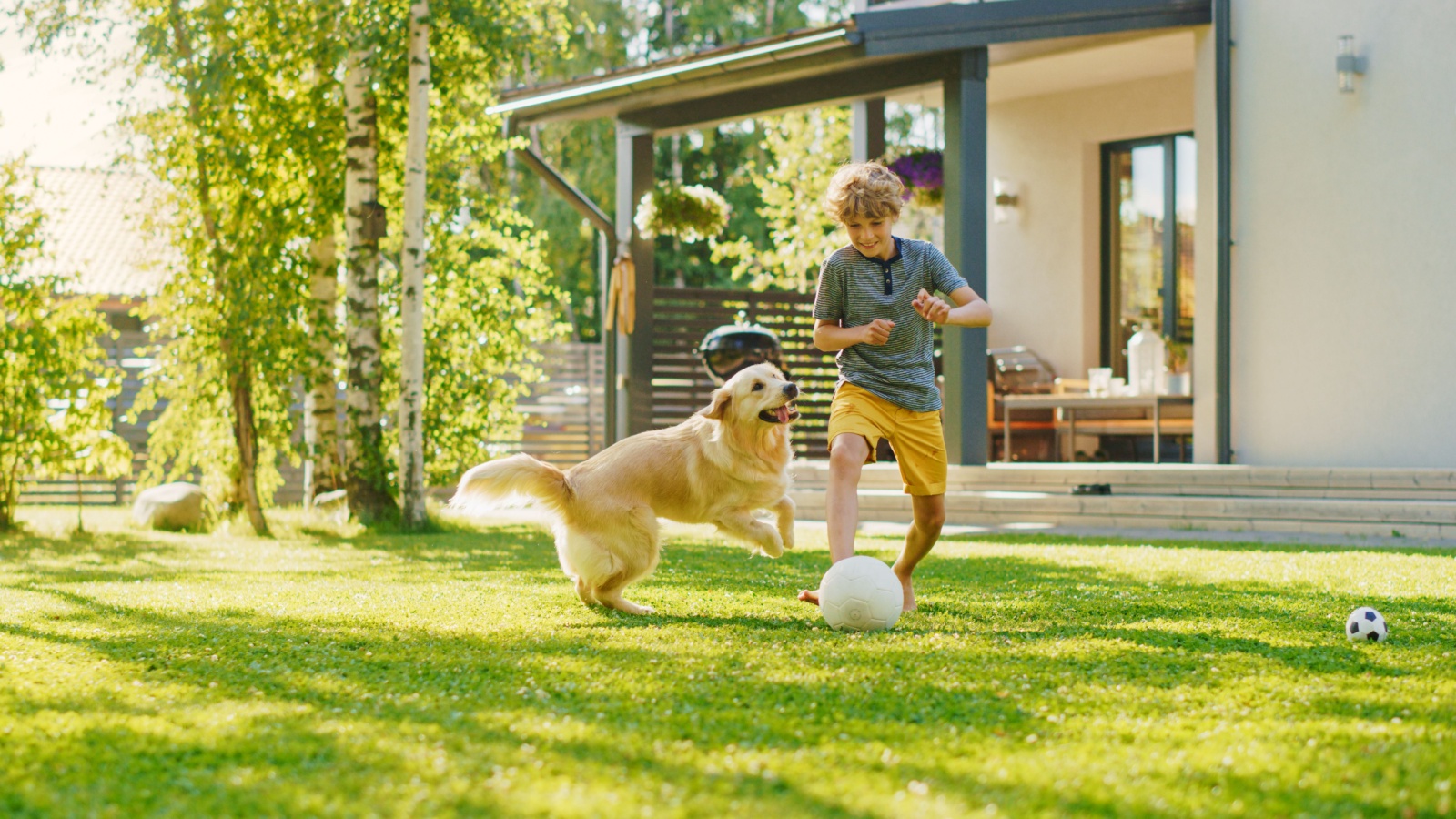
A backyard is a paradise for most pets, but it can also be one of the most dangerous places for them to be. Start by inspecting fences and gates for gaps or weak spots that could lead to escapes or injuries. You should also avoid using toxic lawn treatments and fertilizers, and research which plants are poisonous to animals before planting them. Eliminate standing water to prevent mosquitoes from breeding, and secure trash cans and compost bins with tight-fitting lids so your pets can’t climb in and get trapped. With regular maintenance and awareness, your yard can remain a safe, enjoyable space for pets to explore.
- Vegetable Gardening and Pets: This resource offers information about the potential dangers for pets that could be lurking in your garden.
- Petscaping: Creating a Pet-Friendly Garden: Beautifying your yard doesn’t have to endanger your pets.
- Pet-Safe Garden Planning: AARP provides practical ideas and essential tips for planning and planting a garden that’s free of toxic plants and safe for pets.
- Create a Dog-Friendly Wildlife Garden: The NWF offers ideas for creating sustainable, wildlife-friendly backyards that are non-toxic to pets.
Deck and Patio
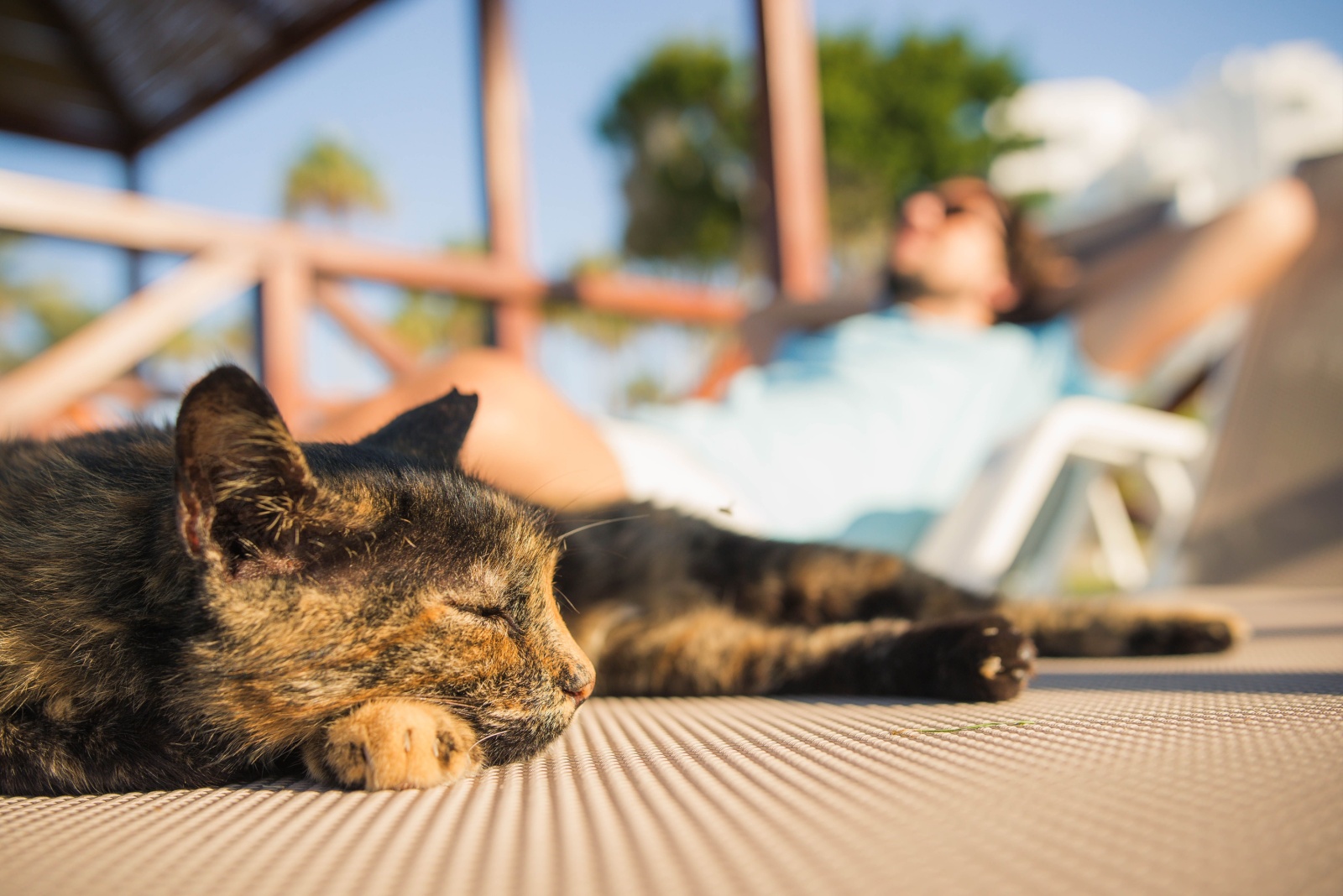
Decks and patios are gathering spots for both families and pets, but they can hide hazards to pets such as sharp furniture edges, fire pits, and exposed chemicals. Keep clutter minimal, store all cleaning products and lighter fluids in locked, weatherproof containers, and inspect your deck and outside furniture for loose boards or protruding nails regularly. You should also make sure that grilling utensils are out of reach and electrical cords are covered. Whether you’re designing an outdoor kitchen or just a simple patio, an eye toward safety can help pets relax alongside their families without risk.
- How to Keep Your Pets Safe in the Summer Heat: This resource provides guidance on safeguarding pets from common outdoor hazards in the summer, including heatstroke, burns, and dehydration.
- Grilling Safety for Dogs: Firing up the grill in your outdoor kitchen is a great way to make a meal, as long as you keep your dog a safe distance from your grill and make sure they don’t get into your food.
- How to Make Your Balcony Safe and Dog-Friendly: The American Kennel Club provides helpful guidance and creative tips for making a balcony space safe, fun, and comfortable for pets.
- Controlling Fleas and Ticks on Your Pet: The Environmental Protection Agency provides guidance for pet owners on safely using products to keep fleas and ticks at bay.
Garages and Basements
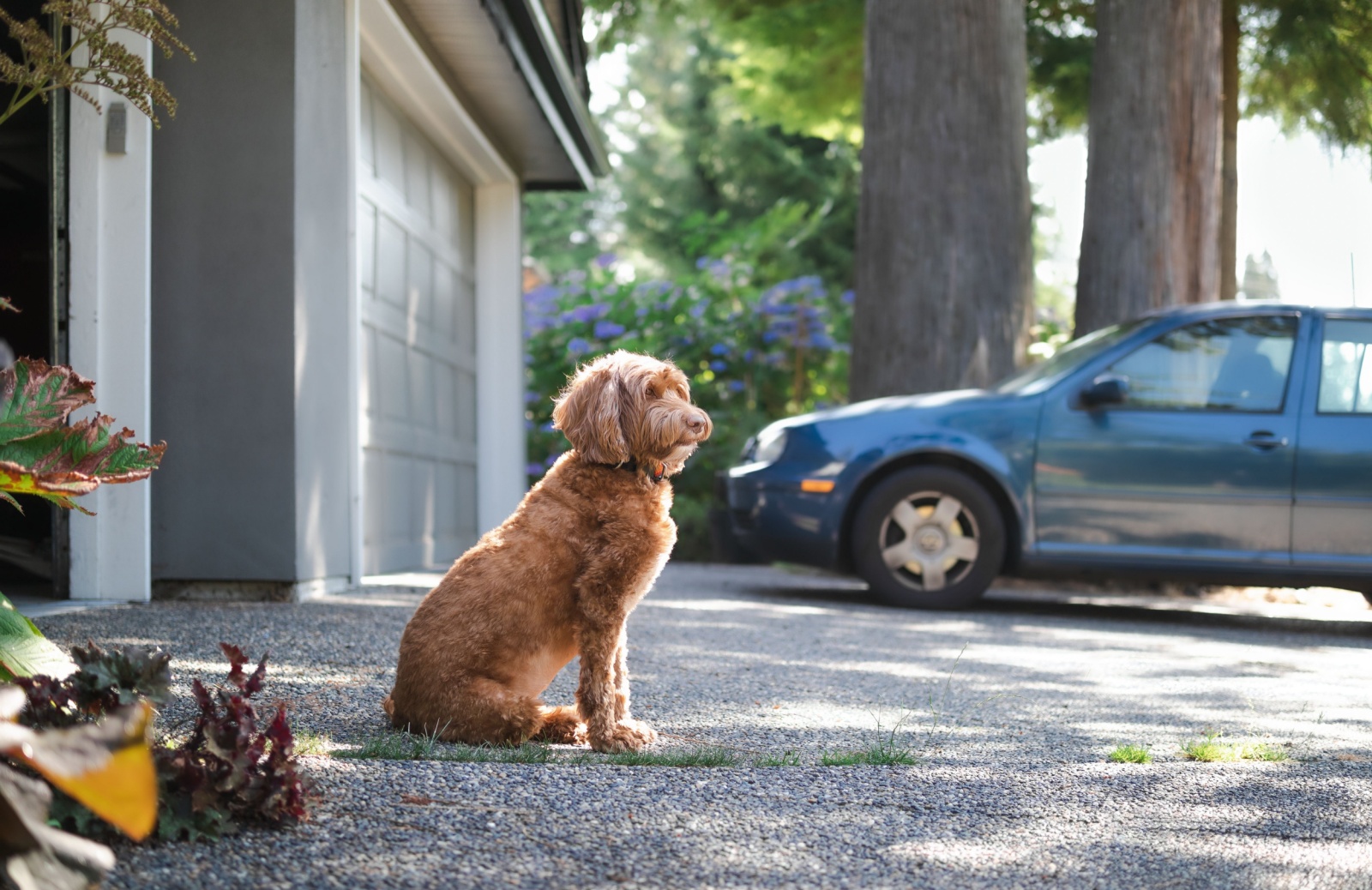
These areas often contain the most dangerous substances in a home. Antifreeze, paint, solvents, and cleaning products can be lethal even in small amounts. Keep them in locked storage cabinets or on high shelves, never on the floor. Check containers for leaks regularly, and clean up spills immediately. Adequate ventilation is essential to prevent the buildup of harmful fumes that can affect both pets and people.
- Poisons in Your Garage and Shed: Learn about the common poisonous chemicals that are frequently stored in garages and sheds, posing risks to pets.
- Organizing Your Garage to Eliminate Safety Hazards for Pets: Read practical advice on effectively organizing a home garage to minimize clutter and eliminate common safety hazards for pets.
- Poison Safety for Pet Owners: This one-page handout lists a variety of substances commonly found in homes that can be toxic to pets.
- Household Threats for Pets: Things like electrical cords, string, insect bait, and batteries can all be dangerous for animals.
Kitchens
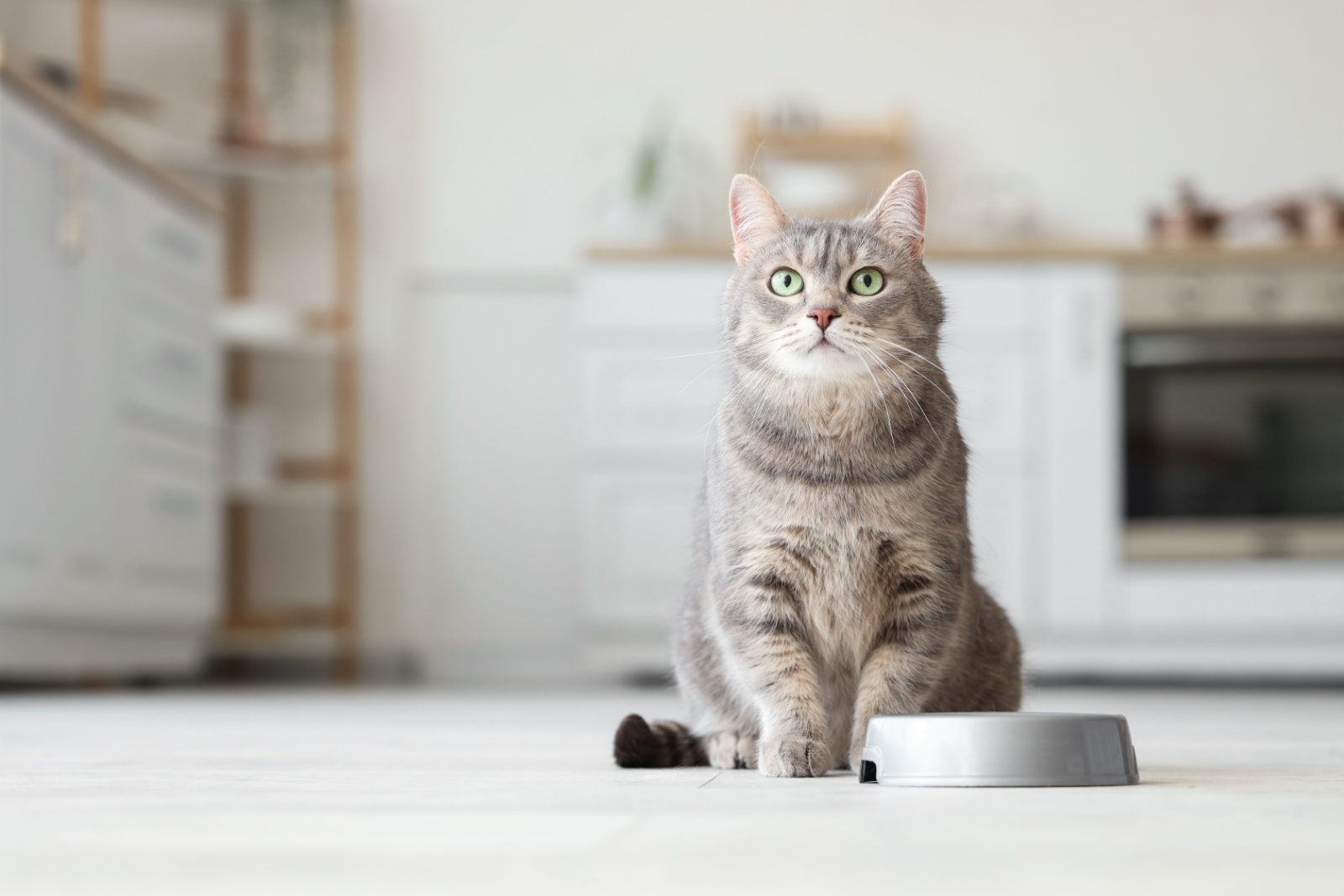
Kitchens are irresistible to pets, filled with enticing smells and easy-to-reach temptations. Unfortunately, many common foods, like chocolate, onions, garlic, and grapes, can be deadly if ingested by pets. Keep trash bins closed or sealed and food securely stored to prevent this from happening. You should also guard against the dangers of a kitchen like you would for a small child: To prevent burns or electric shocks, keep pets away from hot stovetops and unplug appliances when they’re not in use. Using baby gates during meal prep is a simple way to keep curious paws safe and your kitchen running smoothly.
- Dangerous Household Items for Your Pet: The Food and Drug Administration provides a list of potentially dangerous and toxic items for pets that are commonly found in homes on this page, including foods and household chemicals.
- Plants and Foods That Can Be Poisonous to Pets: Many things that humans frequently consume can make pets sick or even be fatal to them.
- Pets in the Kitchen: Michigan State University Extension offers practical advice focused on maintaining food safety and preventing accidents involving pets in the kitchen.
- Table Scraps Can Be Dangerous: Feeding your pet table scraps not only encourages begging but can make them sick.
Living Rooms

Electrical cords, candles, and decorative objects can turn the living room into a hazard zone for your pets. Protect cords with covers to keep your pets from playing with them or chewing on them, and keep fragile decor out of reach so they can’t knock it over. Anchor heavy furniture to prevent tipping if pets jump or bump into it. These small adjustments reduce risks and create a safer environment where everyone can relax together.
- Poisoning in Cats: Common things like decorative houseplants or salt tracked in from outside can be deadly for cats.
- Keeping Your Cat Safe: Objects like electrical cords and rubber bands can look like toys to cats, but they’re actually potential hazards.
- Tips to Pet-Proof Your Home: Before you bring home a pet, examine your home carefully to make sure it’s safe for them.
Bathrooms and Laundry Rooms
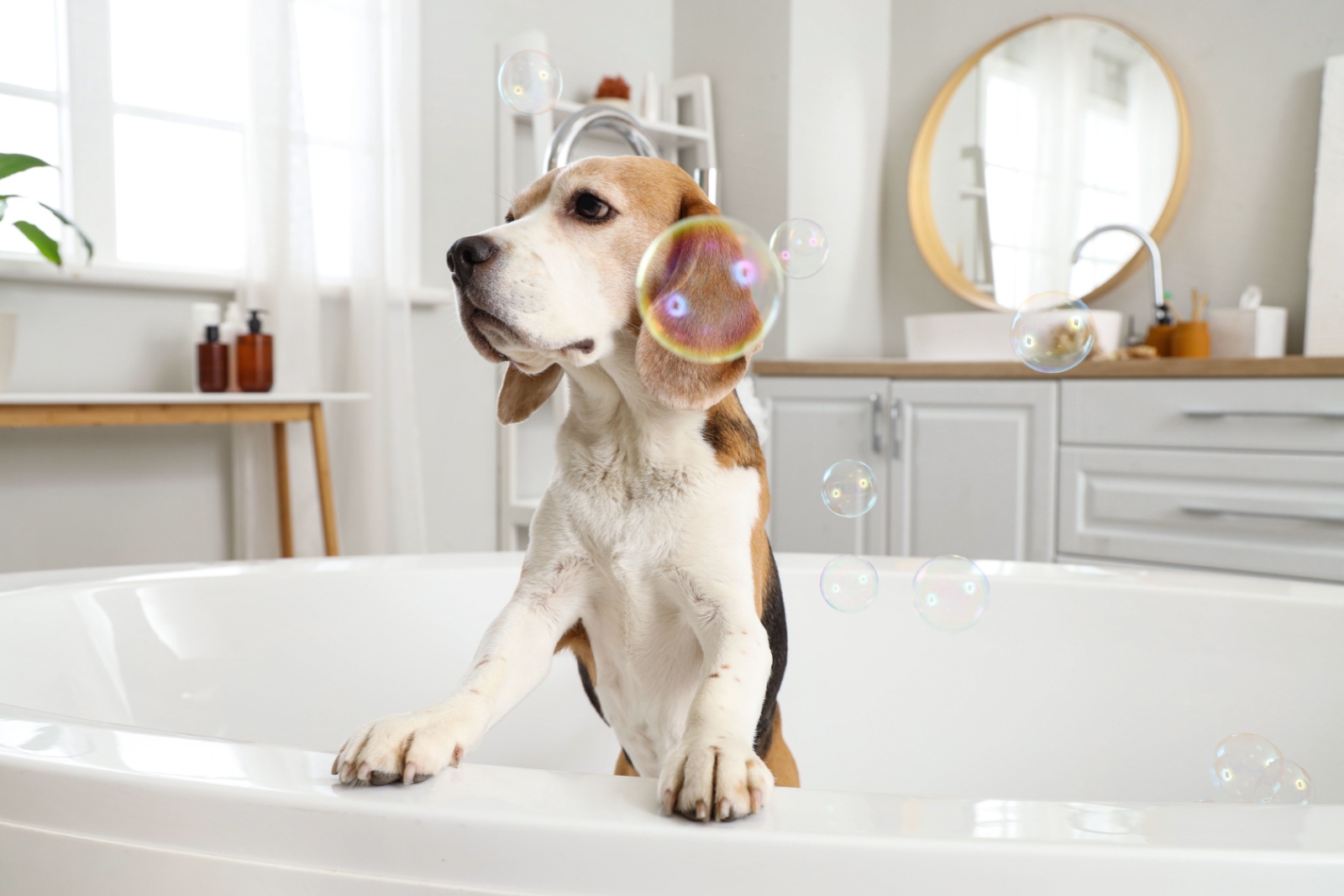
These spaces can be filled with concentrated detergents, cleaning products, and human medications, all potentially deadly to pets. Always store chemicals and medicines in high, locked cabinets so that pets can’t reach them, and keep toilet lids closed to prevent animals from drinking the water inside, which can contain harmful chemicals. You should also make sure to unplug hot tools like curling irons and hair straighteners when not in use.
- Toilet Water Safety: While dogs are known to drink out of the toilet, it may not be safe for them to do.
- Pet Poisoning in the Home: Learn about a variety of household substances that can be toxic to dogs, cats, or both.
- Spring Cleaning Pet Safety: Cleaning products can be toxic to pets, and opening a window or door to air out your home can add another layer of potential danger.
- Five Poison Prevention Tips for Pets: Medications and cleaning products can be fatal to a curious pet.
Bedrooms
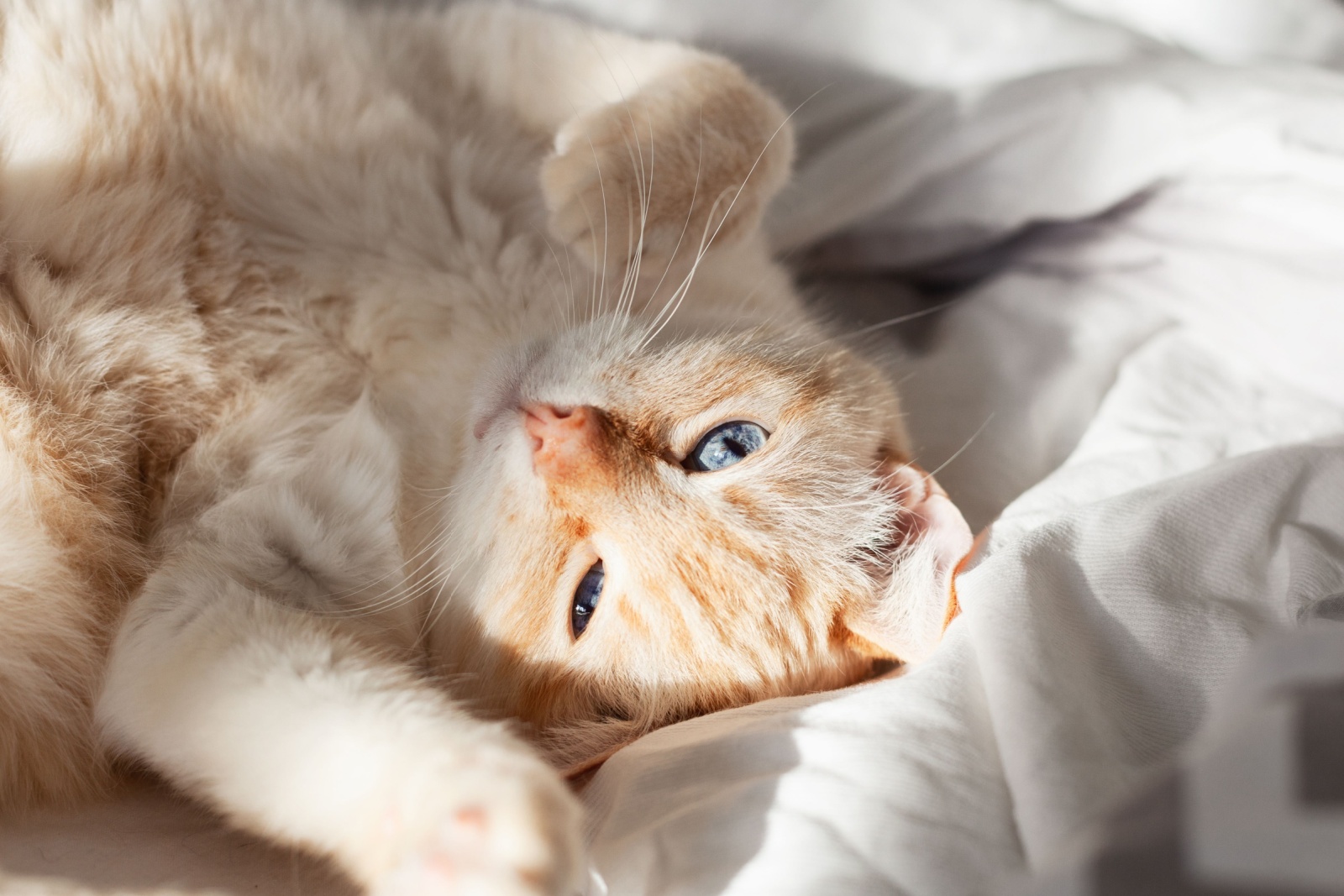
Bedrooms seem harmless but can hide small items like jewelry, pills, or cosmetics that can pose choking or poisoning risks; keep these objects out of reach. You should also secure cords for window shades or blinds to prevent entanglement. Before closing drawers or hampers, check for pets that may have climbed inside. Providing a designated bed gives pets a safe spot of their own and helps keep them from burrowing in places they shouldn’t be.
- Sleeping With Your Pet: Sharing a bed with your pet can endanger them and disrupt your sleep, so it’s important to carefully consider the pros and cons and do what you can to keep them safe.
- Is it Safe to Sleep With My Pet? Cuddling your furry friend can feel like a cozy way to drift off to sleep, but it can be dangerous for pets to sleep in your bed.
- Dog-Friendly Home Guide: Learn tips for making sure that your home meets your dog’s needs and keeps them safe.
Additional Pet Safety Resources
- ASPCA Poison Control Center: This 24/7 emergency line provides expert veterinary advice and critical medical information for pet owners dealing with potential poisoning cases.
- AVMA Household Hazard Guide: The American Veterinary Medical Association provides a detailed list of common household toxins, including foods, cleaning products, and medications, to help owners manage risks to their pets.
- How to Keep Cats Safe in a Disaster: In a natural disaster, pet owners should have a plan for themselves and their cats to make sure that everyone weathers the situation safely.
- Pet Disaster Preparedness: Read tips from the Red Cross on creating emergency plans and assembling critical supply kits for pets.
- Pet Fire Safety Guidelines: When you’re making a home fire safety plan, include strategies for keeping pets away from potential fire hazards and an evacuation plan for them if you need to escape from a fire.
- Pet Hygiene Tips: Maintaining good hygiene around the home can keep both you and your pets healthy.
- National Animal Poison Control Center: Find out about the history of this resource that offers comprehensive information on toxic items, symptoms of poisoning, and safe alternatives for use in and around the home.
- Preparing Your Home for Foster Kittens: Curious kittens can get into all sorts of things, many of which can be dangerous.
- Pets and a Clean Home: Keeping your pet’s home clean is good for their health as well as yours, as long as you keep cleaning products out of their reach.
- Keep Pets Safe Around Pesticide: If you use chemicals to get rid of household pests, be careful not to expose your pets to them.
- Tips for Keeping Pets Safe From Household Dangers: Read this advice from a veterinarian to keep your pet healthy and safe.
Grills, Covers & Safety Accessories
- Built-In Grills
- Freestanding Grills
- Grill Covers
- Fire Pit Covers
- Fire Pit Lids
- Fire Pit Wind Guards
- Propane Tank Storage Bins
- Stainless Steel Trash Bins
- Grill Lights
Outdoor Space & Backyard Guides
- How to Keep Bugs Off Your Patio
- Guide to Tick Safety Outdoors
- Outdoor Furniture Care & Maintenance
- Teak vs. Acacia Furniture
- Budget-Friendly Backyard Ideas
- Beginner’s Guide to a Vegetable Garden
- The Chef’s Guide to Safe Food Handling
- Best U.S. Cities for Outdoor Weather
- What Does an Outdoor Kitchen Cost?