
Types of Grills
Choosing the Right One for Your Needs

From the aroma of sizzling steaks to the simple pleasure of cooking outside in the fresh air, you’re getting both enjoyment and flavor when you’re grilling outside. That said, actually choosing a grill can be quite intimidating since you’ve got all the various grill types and price ranges to think about.
Some home chefs seek the quick and easy approach of gas grills, while others love the smoky authenticity of charcoal. Others still want a single unit that can do it all.
Below, we examine the major types of grills and smokers in detail, explaining:

| GRILL TYPE | FUEL TYPE | BEST FOR | EASE OF USE | POPULAR MODELS (GRILLIO) | CLICK TO LEARN MORE |
|---|---|---|---|---|---|
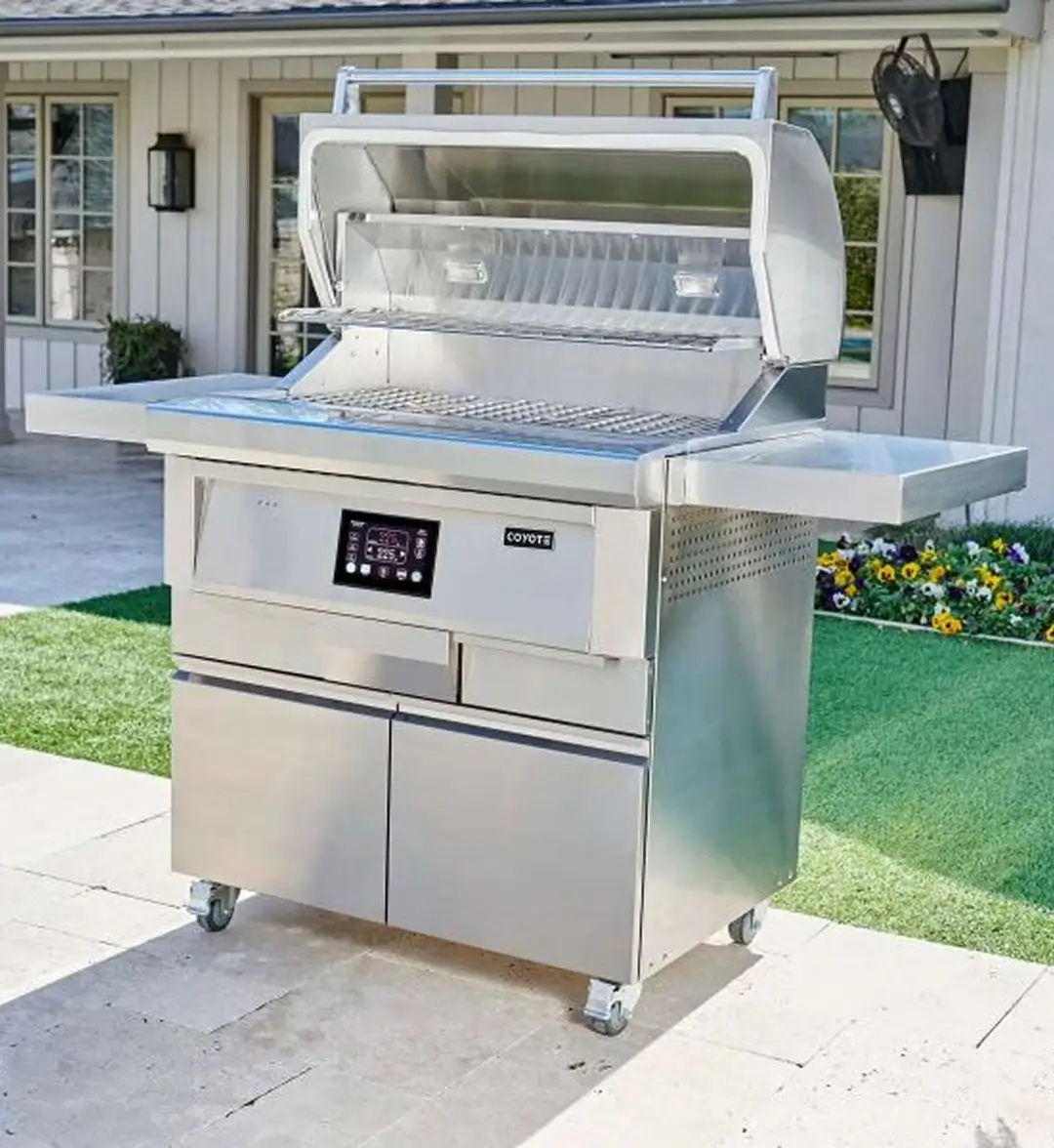
| Gas Grills | Propane, Natural Gas | Everyday grilling, convenience | High | Coyote SL-Series 36”, Artisan Professional Series 36” | Gas Grills |
| Combo Grills | Gas + Charcoal, Gas + Pellet | Versatility, multiple fuel options | Moderate | Coyote Centaur 50” | Combo Grills |
| Griddle/Flat Top | Gas, Electric | Searing, breakfast cooking | High | Le Griddle 30”, Blaze 30” Griddle | Griddle/Flat Top |
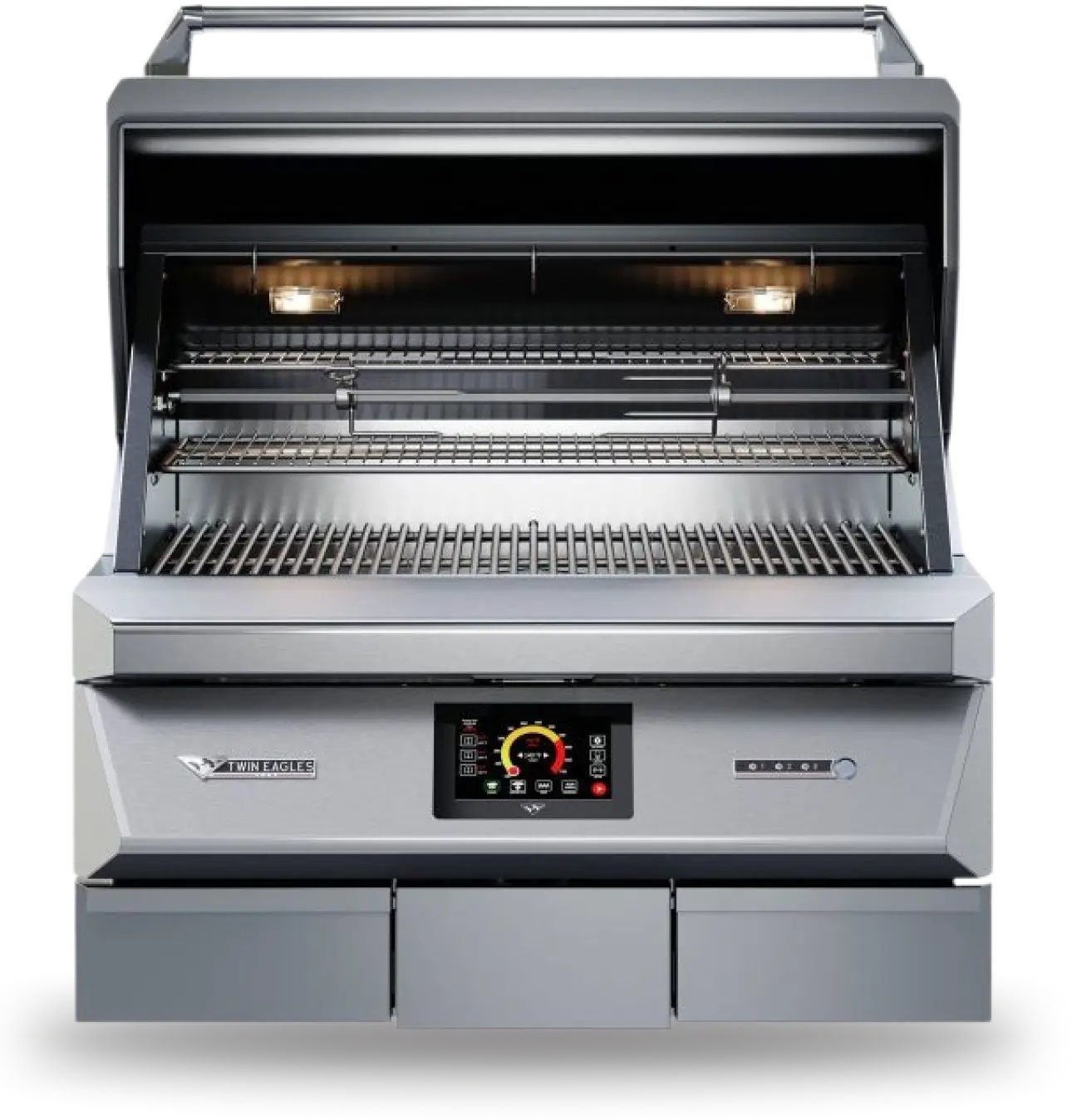
| Smokers | Charcoal, Electric, Wood | Slow-cooked BBQ, deep smoky flavor | Low | Twin Eagles Wi-Fi Controlled 36-Inch Built-In Stainless Steel Pellet Grill and Smoker | Smokers |
| Pellet Grills | Wood Pellets | Smoking & grilling combined | High (automated) | Memphis Pro ITC3, Coyote 28" Pellet Grill | Pellet Grills |
| Pedestal Grills | Gas, Electric | Compact spaces, small patios | Moderate | PGS Legacy Pacifica Gourmet 39-Inch Natural Gas Grill on Pedestal With Timer | Pedestal Grills |
| Portable Grills | Gas, Charcoal, Electric | Travel, tailgating, camping | High | Coyote 18-Inch Portable 1300 Watt Electric Grill, Weber Q1200 Portable Gas Grill | Portable Grills |
Types of Grills ● Types of Grills ● Types of Grills ● Types of Grills ● Types of Grills ●
Gas Grills
Types of Grills
How Gas Grills Work
(Propane vs. Natural Gas)
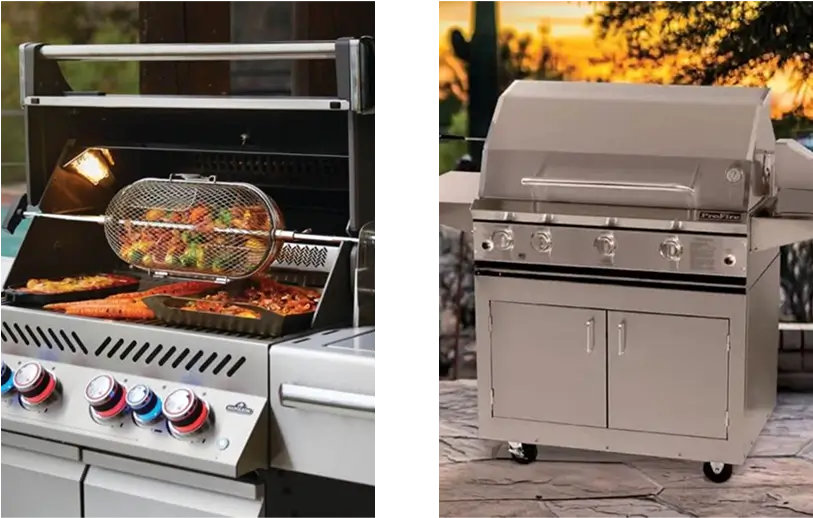
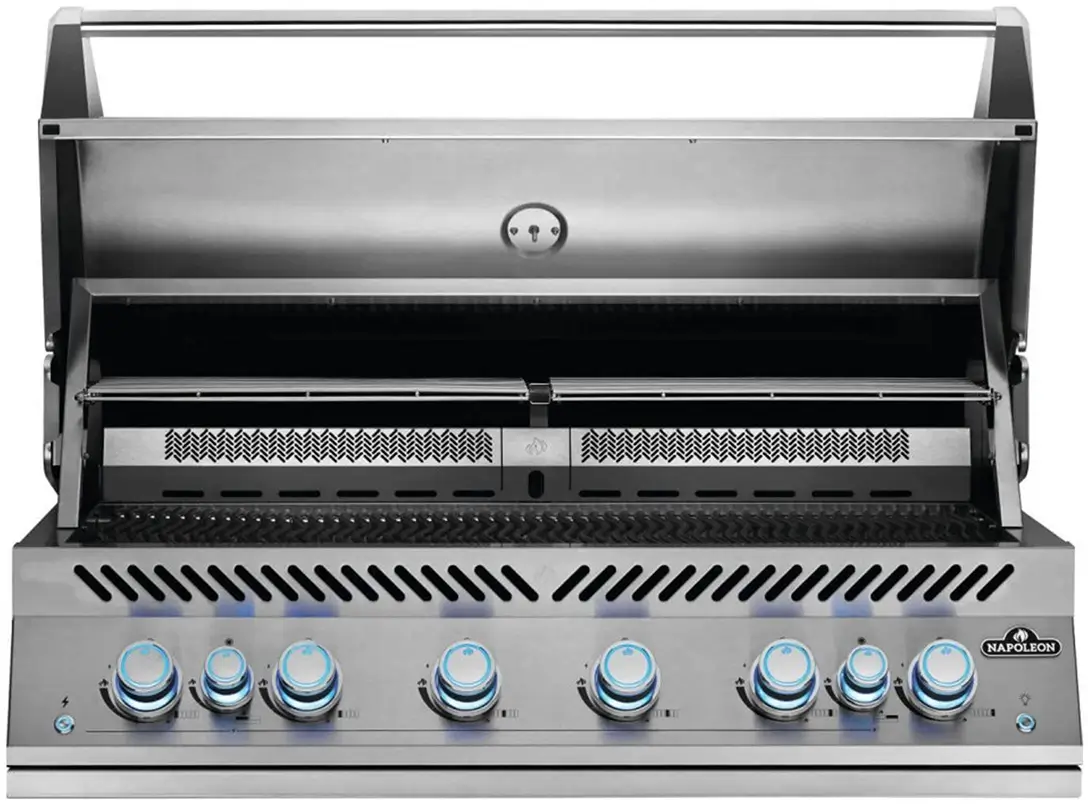
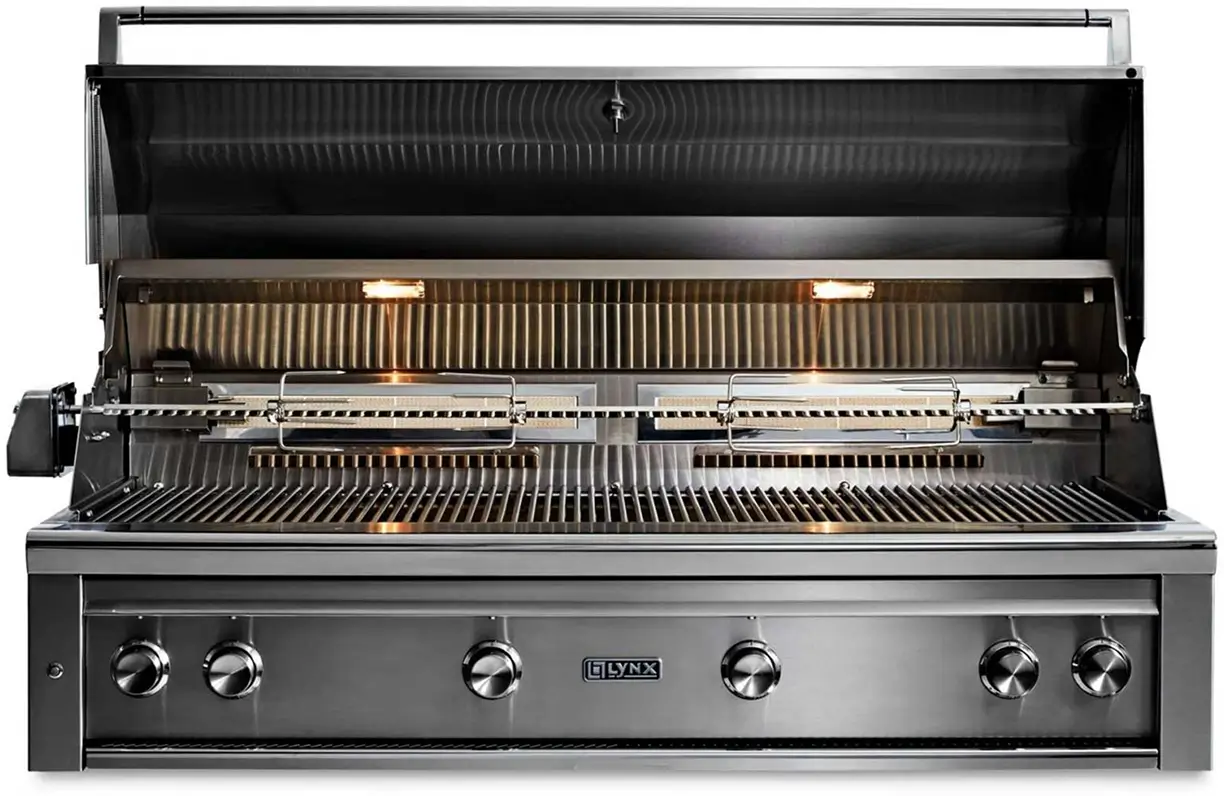
Gas grills rank among the most popular options, thanks to their convenience. They heat quickly and allow precise temperature control via burners located underneath the cooking grates. Typically, gas grills use one of two fuel sources:
- Sold in portable tanks (often 20-pound cylinders).
- Commonly found at hardware stores and gas stations.
- The tank connects to the grill’s regulator, supplying fuel for its burners.
- Uses a home’s existing natural gas line.
- Eliminates the need to monitor or refill a separate tank.
- Installation of a dedicated gas outlet may be required if not already in place.
Igniting a gas grill is usually straightforward. Many models feature an electronic push-button igniter or a manual spark igniter that lights the burners in seconds.
This fast startup can be pretty handy for weekday meals or impromptu gatherings. Each burner adjusts independently, so you can create multiple heat zones – a high-heat zone for searing steaks and a lower-temperature zone for cooking more delicate items.
Types of Grills
Pros and Cons of Gas Grills
(Propane vs. Natural Gas)
There’s plenty to praise gas grills for, but it’s also worth taking a look at the downsides so you’re getting the full picture:
Pros
Let’s kick things off positively with the main advantages:
- Rapid Heat-Up: Ready to cook in roughly 10 to 15 minutes.
- Ease of Use: Simple ignition and straightforward temperature adjustments.
- Minimal Mess: No leftover ash or spent charcoal to remove.
- Steady Performance: Offers consistent, predictable results.
Cons
See why certain grillers are less impressed with gas grills:
- Flavor Profile: Some purists find the flavor less smoky compared to charcoal or wood.
- Installation Requirements: Natural gas lines require professional setup if not pre-installed.
- Potentially Higher Cost: Mid-range and high-end gas grills can be more expensive than basic charcoal units.
Types of Grills
Who Benefits Most From a Gas Grill?
(Propane vs. Natural Gas)

Busy Households
Ideal for quick dinners without the hassle of building a charcoal fire.

Frequent Grillers
If you plan to grill multiple times a week, the easy setup will save you a decent amount of time in the long run.

Urban Living
Produces far less smoke than charcoal, which makes it a lot more neighbor-friendly.

Beginners
These are super intuitive to use and easy to manage the temperature with, so if you’re new to grilling in general, they’ll definitely simplify the learning curve for you.
Types of Grills
Representative Brands and Models
(Propane vs. Natural Gas)
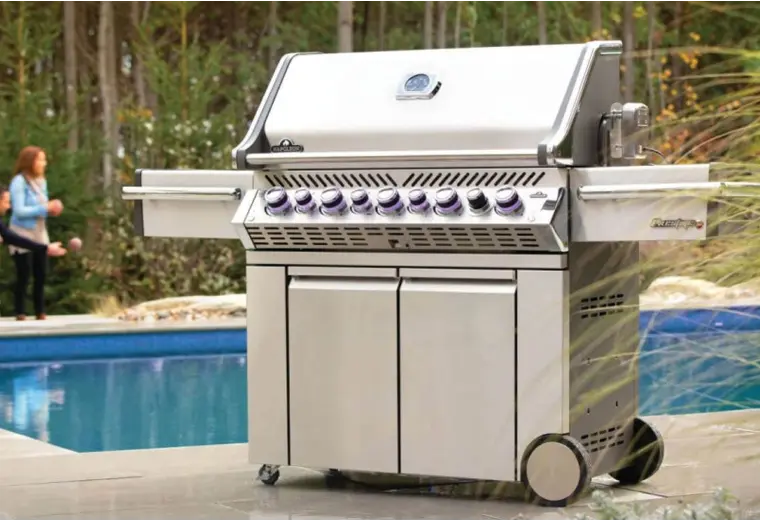
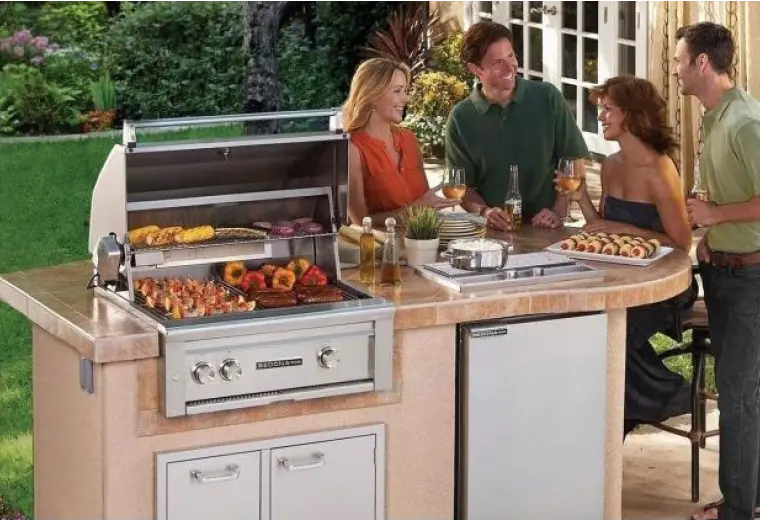
2. Lynx
Known for high-end craftsmanship, durable stainless steel construction, and powerful burners
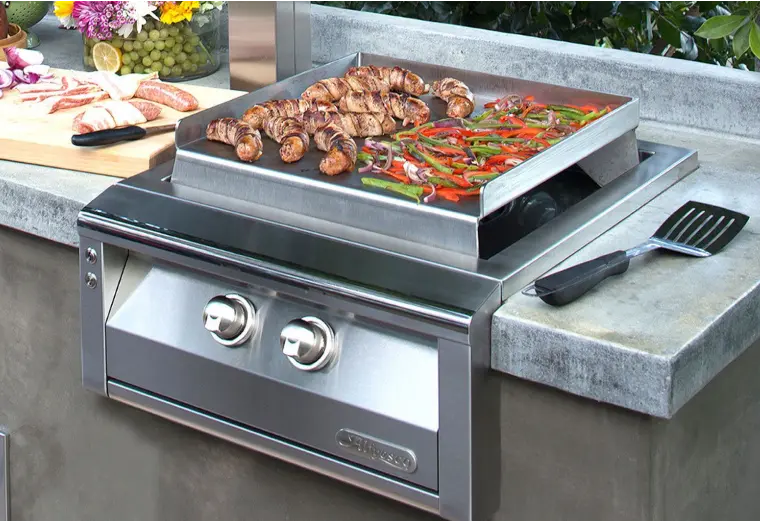
3. Alfresco
Premium outdoor grills with advanced features like integrated smoking systems and infrared searing zones.
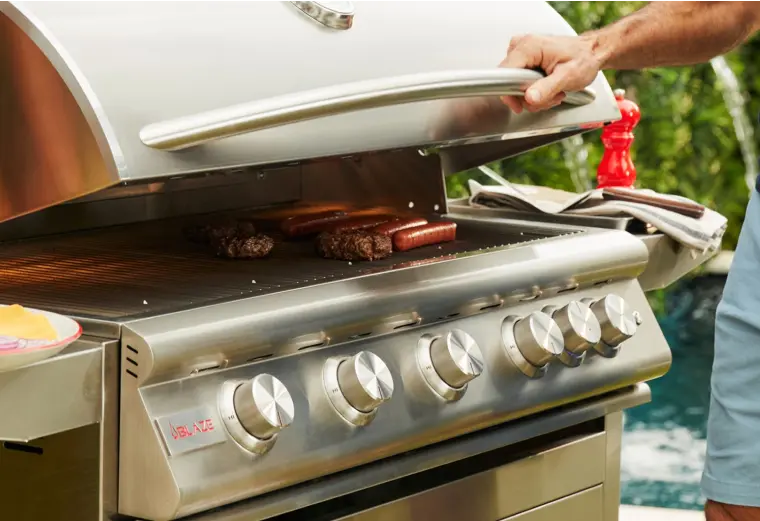
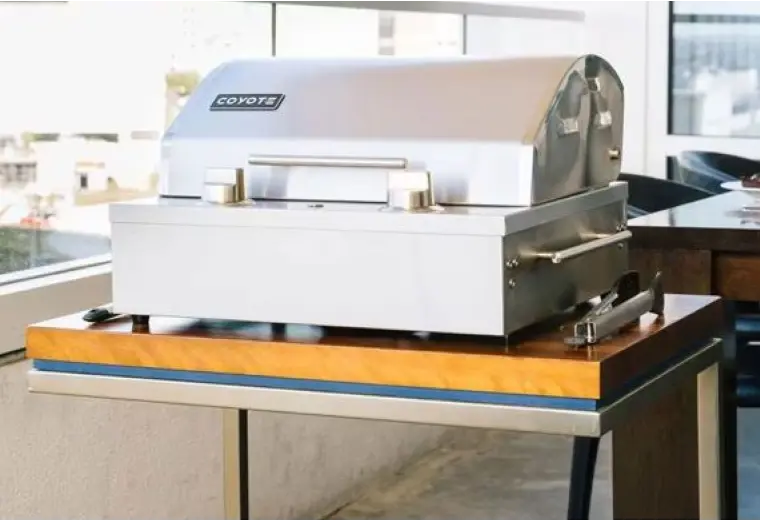
5. Coyote
Offers a balance of affordability and performance, with stainless steel designs and versatile cooking options.
Types of Grills ● Types of Grills ● Types of Grills ● Types of Grills ● Types of Grills ●
COMBO Grills
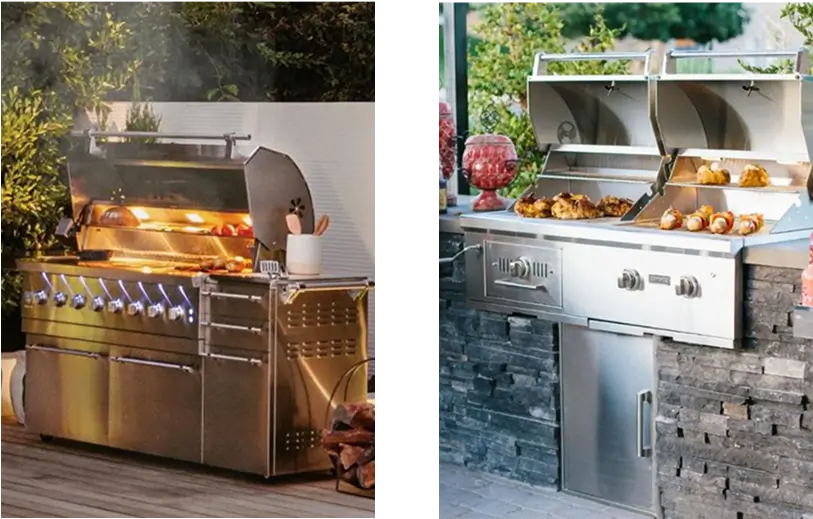
Next, we’ve got a slightly more versatile option, although it’s also not without its flaws:
Types of Grills
Definition and Core Features
COMBO Grills
1. Combo Grills
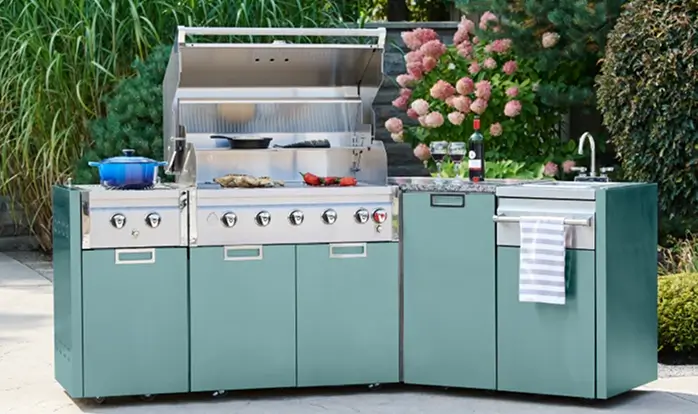
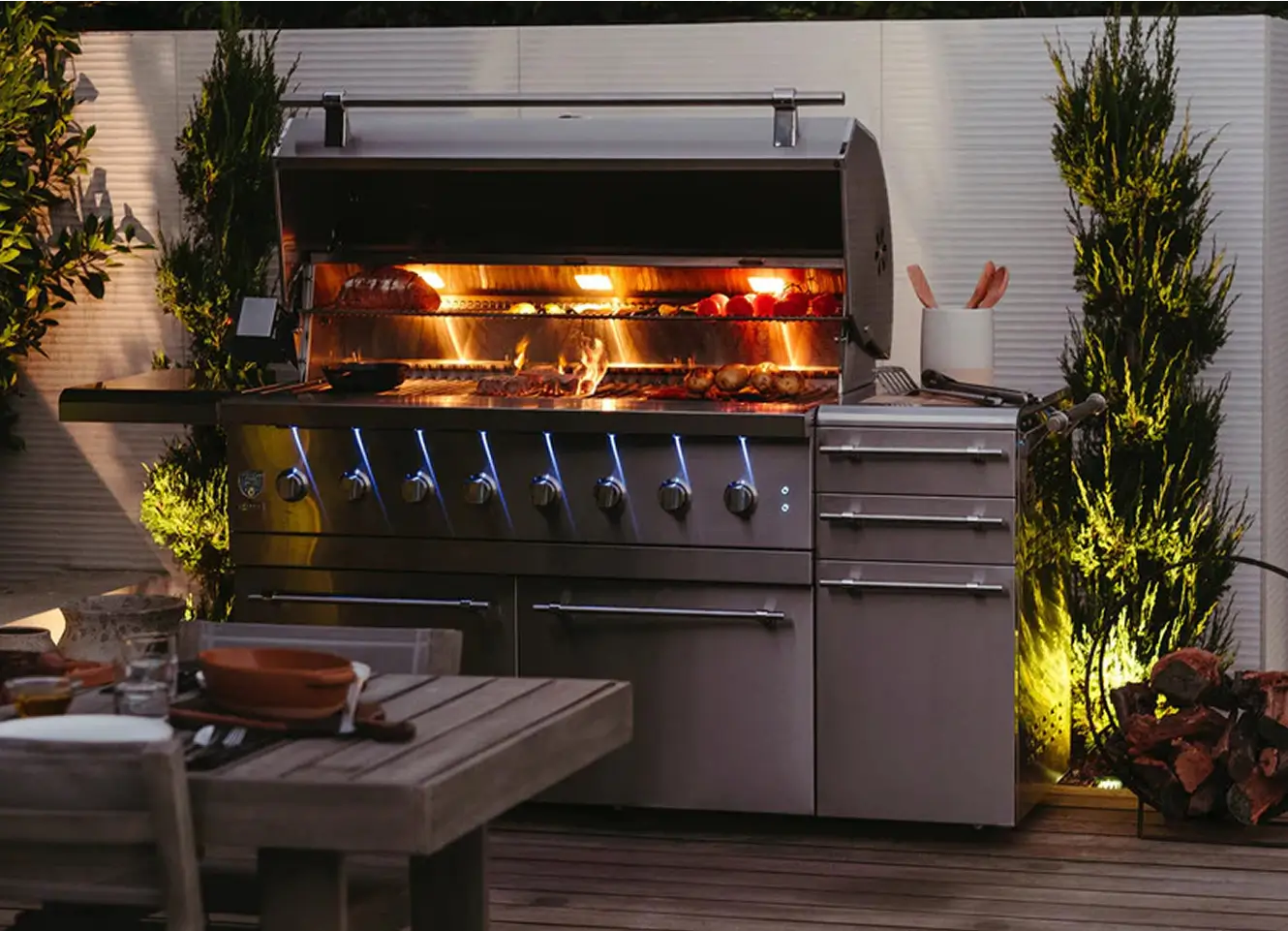
A combo grill or gas/charcoal grill essentially just merges multiple fuel sources into one unit. The most classic combination you’ll see is gas plus charcoal – one side has the gas burners, while the other contains a charcoal chamber.
2. High-end combo grills
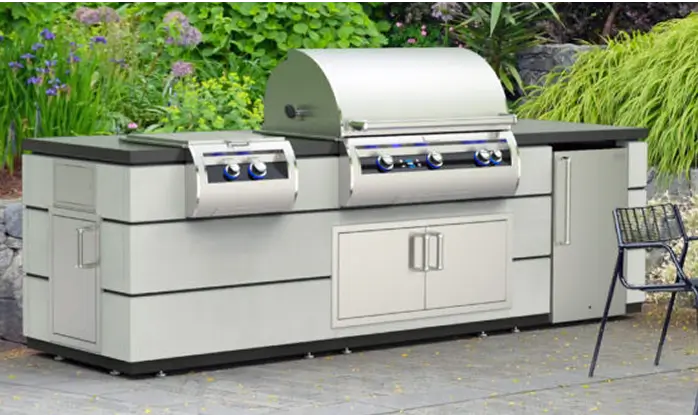
Some high-end combo grills go even further and include a smoke box or a pellet insert, which effectively makes them multi-purpose cooking stations.
Types of Grills
Advantages of Multi-Fuel Functionality
COMBO Grills
Why would you consider getting one of these grills?
1. Flexibility
Switch between fuels based on your schedule and the type of food you plan to cook.
2. Space-Saving
Having two or three cooking methods in a single appliance spares you from cluttering your outdoor area with heaps of different devices.
3. Impress Guests
You can quickly grill vegetables over gas while slowly cooking your main protein over charcoal – plus you’re getting some added smokiness.
Types of Grills
Popular Combinations
COMBO Grills
What’s the best way to use one of these grills?
Gas + Charcoal
Best Known Variety
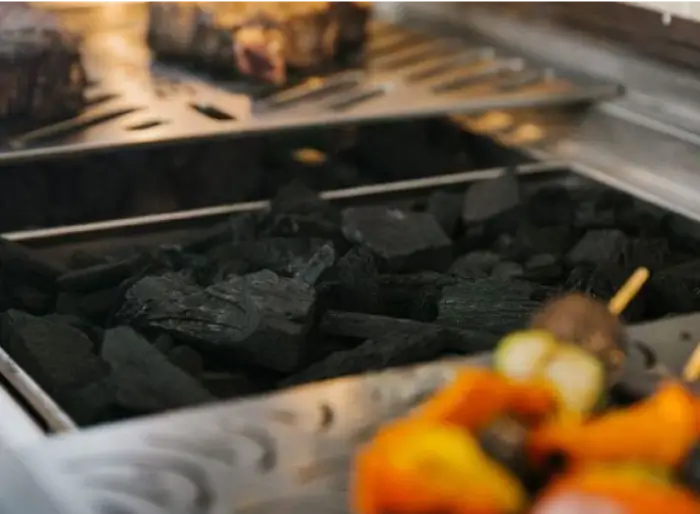
The best-known variety – light the gas side for quick meals or use charcoal for traditional barbecue flavors.
Gas + Pellet
NEWER CATEGORY
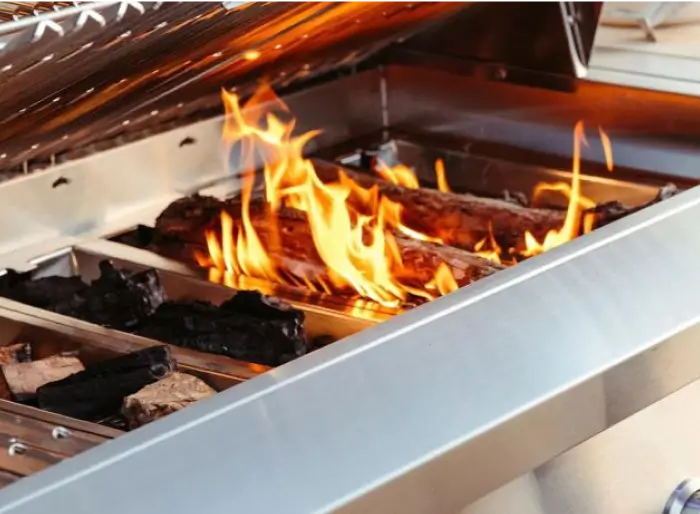
This ones a slightly newer category that combines gas’s convenience with the wood-smoke essence of pellets.
Types of Grills
Considerations for Potential Buyers
COMBO Grills
There’s a few things you should keep in mind if you’re thinking about buying one of these grills:
1
Size
Combo grills can be large. Confirm that your patio or deck can accommodate the footprint.
2
Cost
Typically priced higher than a single-fuel grill due to added complexity.
3
Learning Curve
Managing multiple fuel types requires time and attention if you plan to cook with both simultaneously.
Types of Grills ● Types of Grills ● Types of Grills ● Types of Grills ● Types of Grills ●
GRIDDLE/ flat top Grills
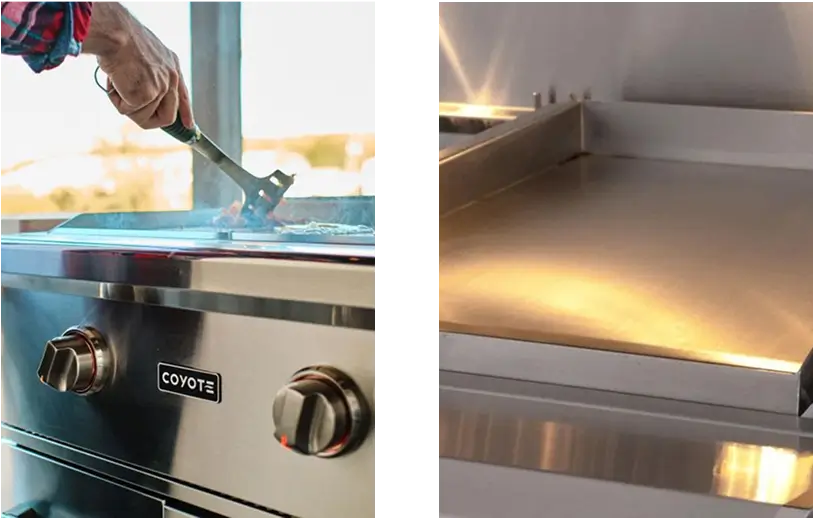
See what makes griddles/flat tops different from the other grills we’ll be covering today:
Types of Grills
Key Differences from Traditional Grills
GRIDDLE/flat top Grills
Flat-Top Cooking
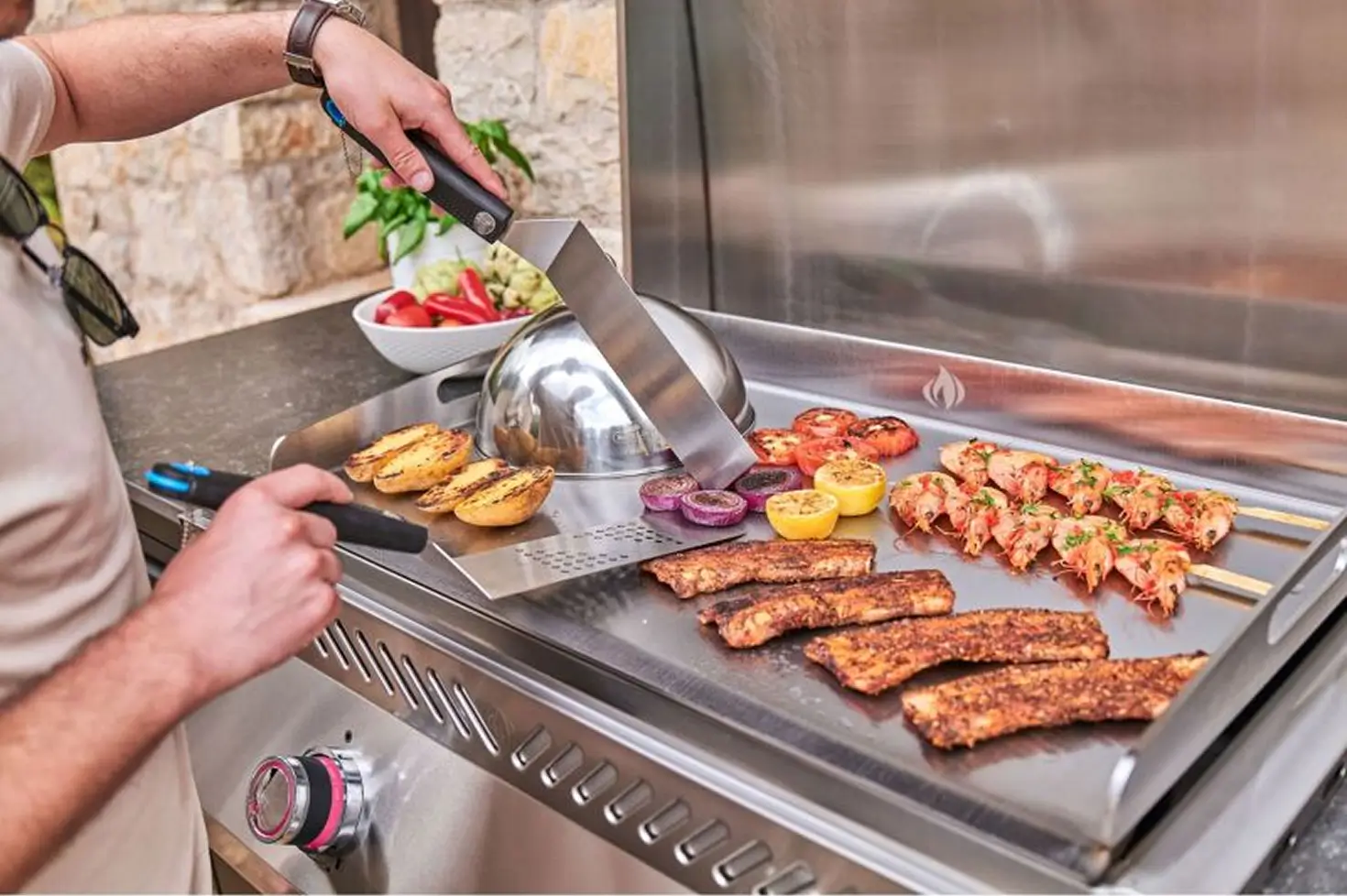
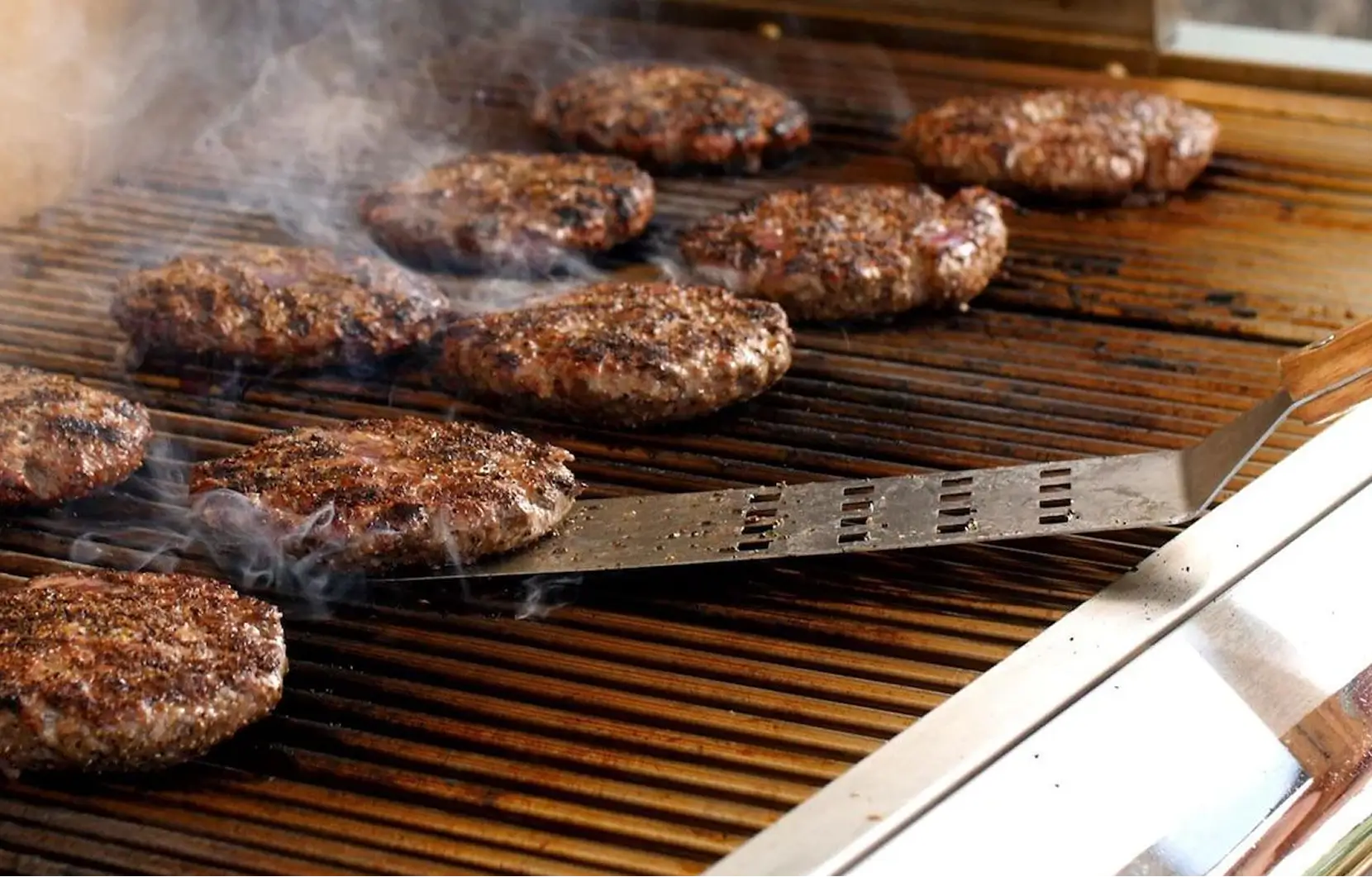
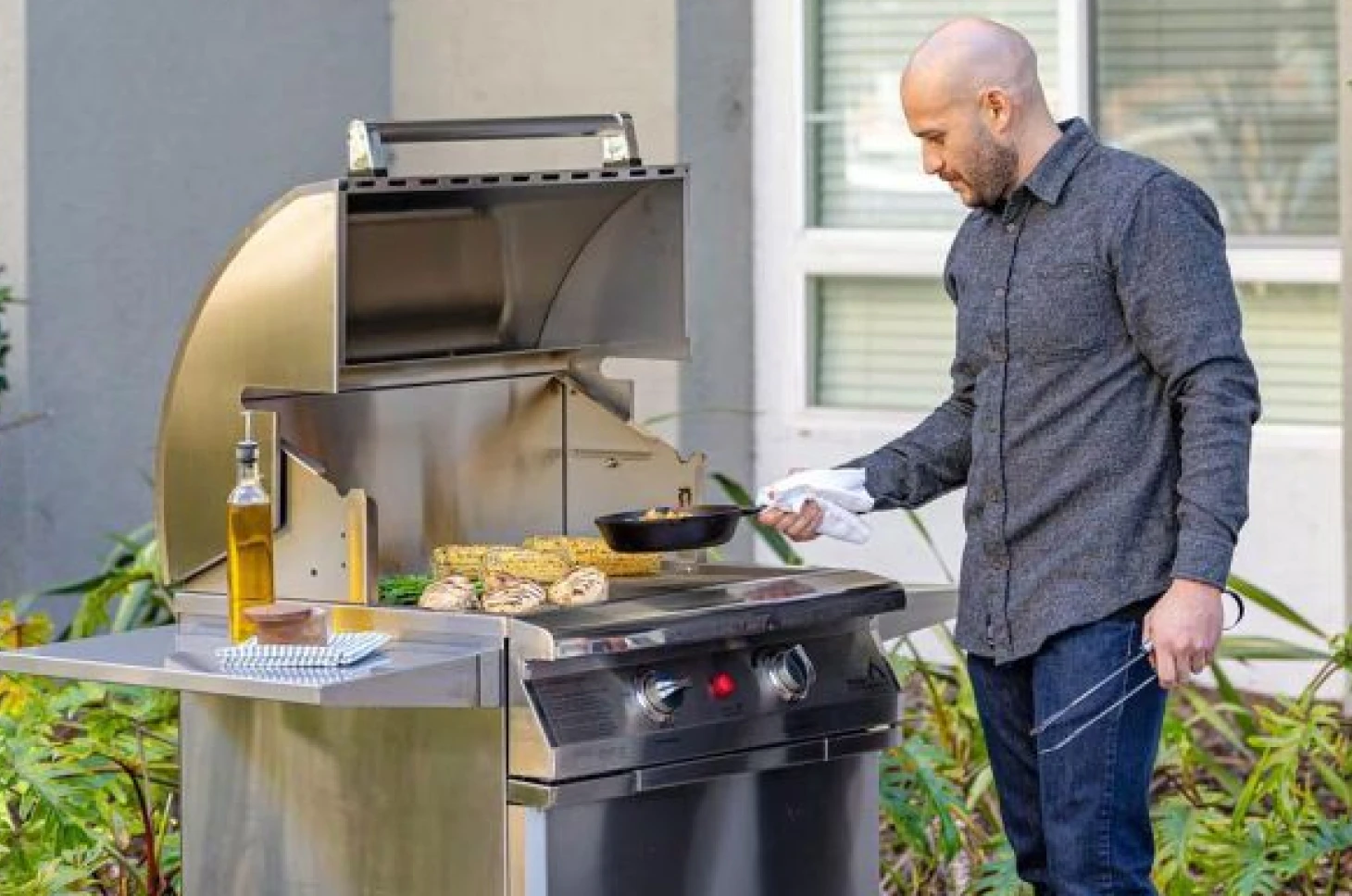
Unlike standard grills with open grates, griddle or flat top grills have a flat cooking surface – like the ones you’d see in a burger van. The burners are located beneath a steel or cast iron plate, so they heat the entire surface area. Instead of flame-kissed grill marks, you’re getting direct contact with a hot, solid surface.
Types of Grills
Benefits of a Flat-Top Surface
GRIDDLE/flat top Grills
Why bother investing in a flat-top grill?
Types of Grills
Ideal Dishes for a Griddle Grill
GRIDDLE/flat top Grills

1. Breakfast Spreads
Eggs and pancakes all in one place.

2. Smash Burgers
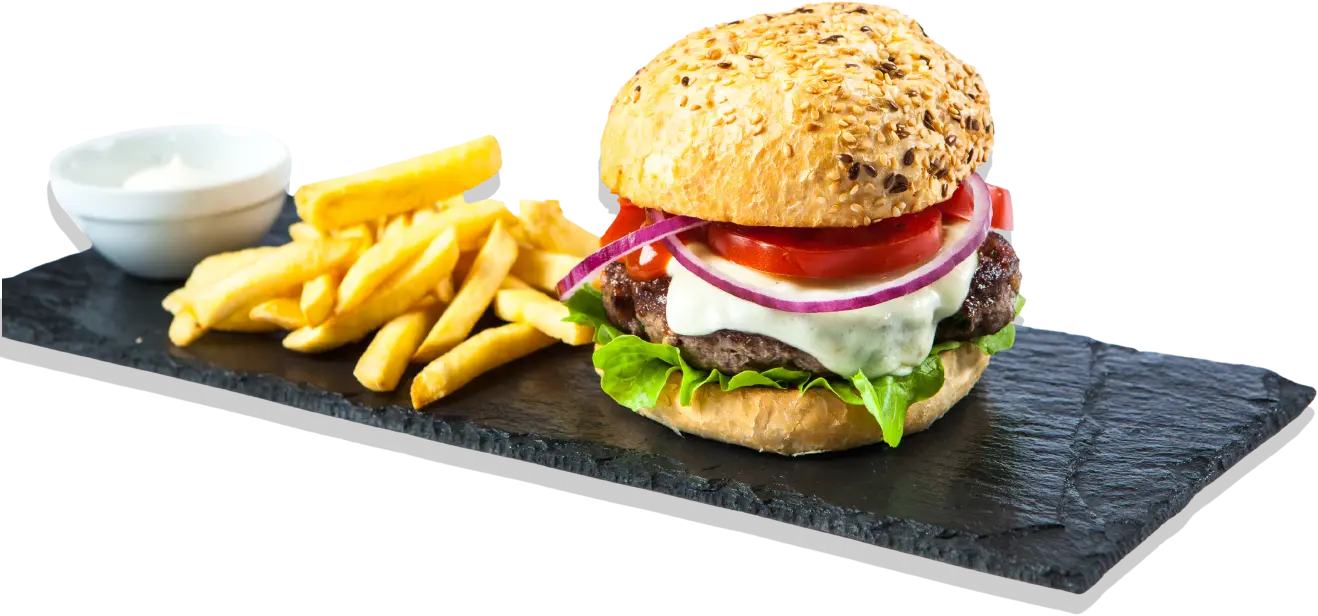
A crispy crust forms when ground beef patties meet a hot, oiled surface.
3. Stir-Fries and Fajitas
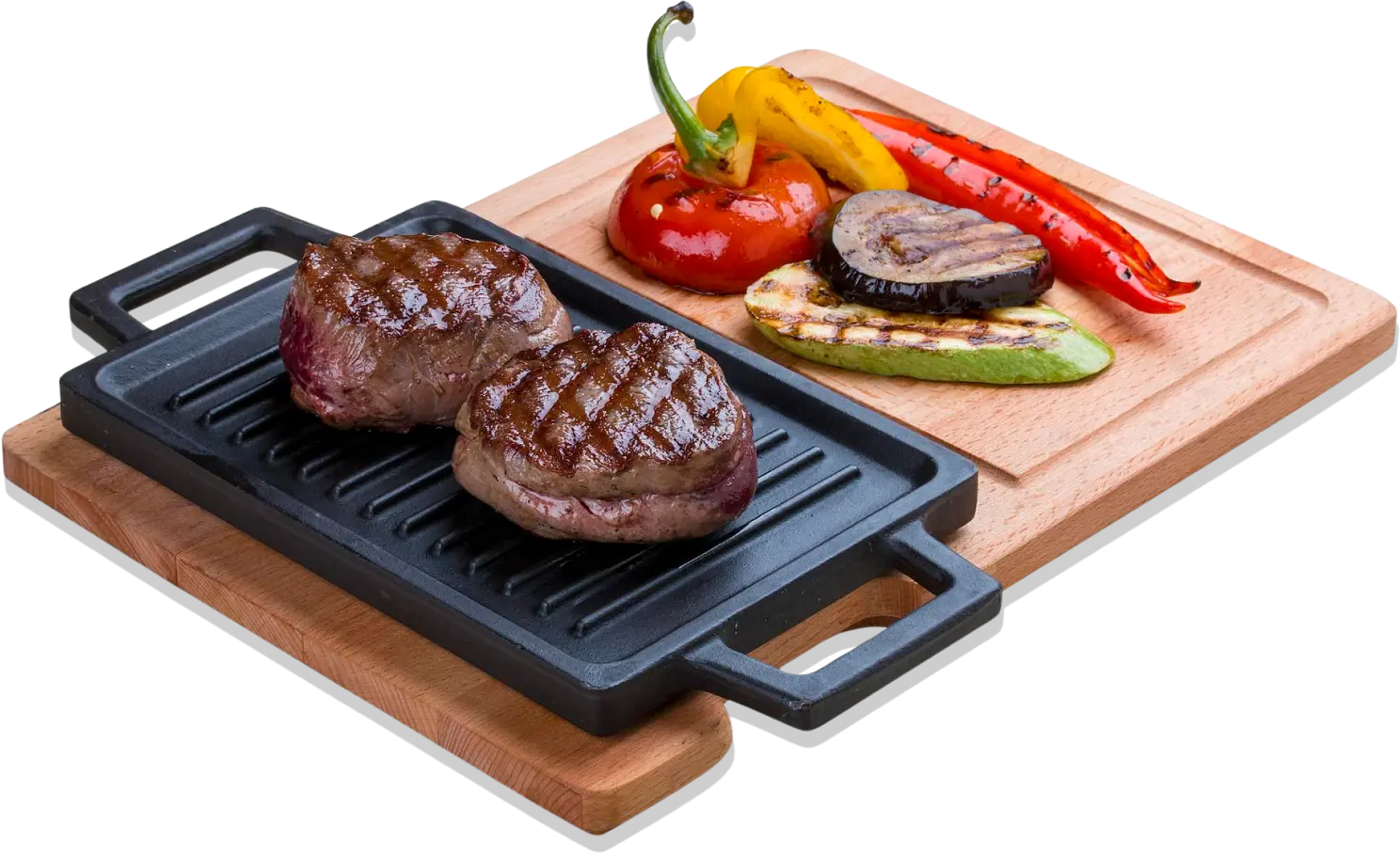
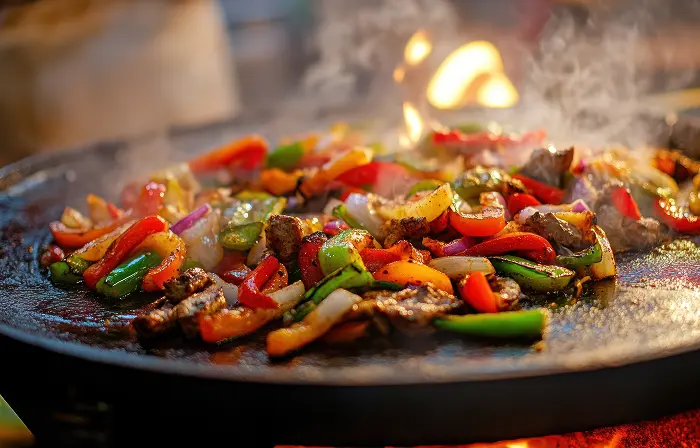
Sauté vegetables on one zone while searing meats on another.
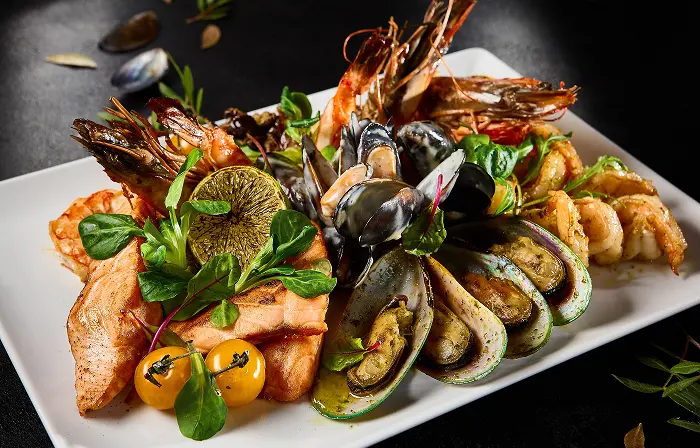
4. Seafood
Delicate fish or shellfish are far less likely to stick to a smooth surface.
Types of Grills
Maintenance Tips
GRIDDLE/flat top Grills
While these grills are relatively simple to clean, they do require consistent upkeep:
1
Scraping
Remove food particles and grease while the surface is still warm.
2
Wiping
Follow up with a rag or paper towel.
3
Seasoning
Cast iron or cold-rolled steel surfaces often need a thin layer of cooking oil to prevent rust.
4
Storage
Use a protective cover or store under shelter to guard against moisture.
Types of Grills ● Types of Grills ● Types of Grills ● Types of Grills ● Types of Grills ●
SMOKERS
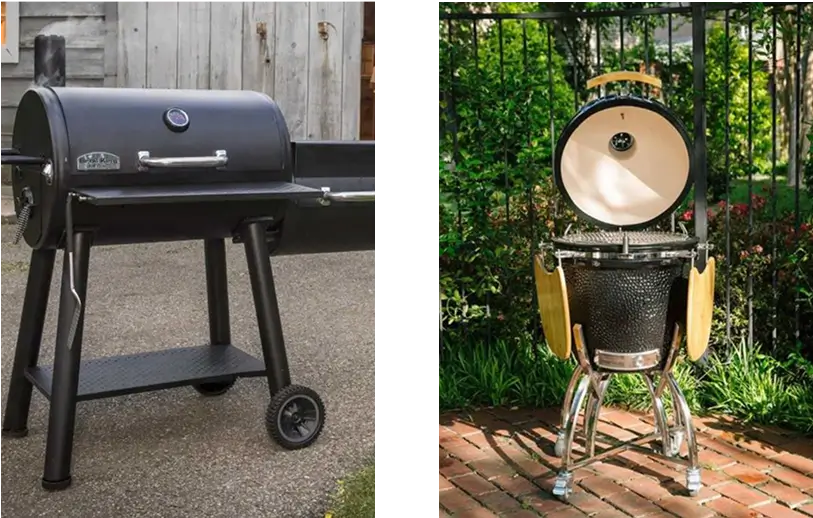
These are definitely on the more pricey range of grills we’ll be covering today, but at least you’re getting proper quality with that:
Types of Grills
Core Distinction from Other Grills
SMOKERS
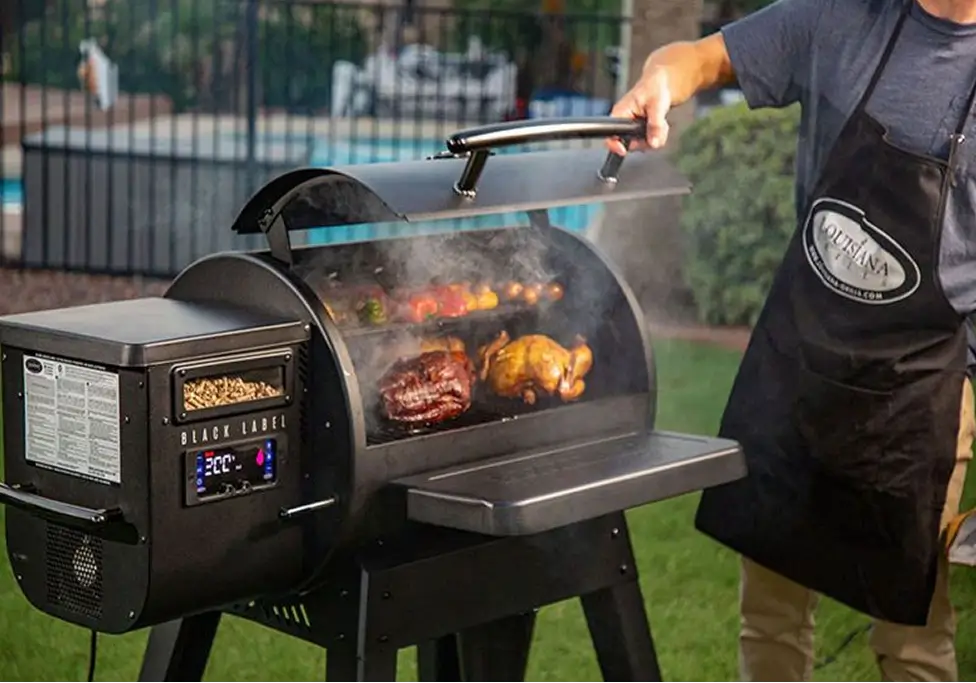
Standard grills often cook at higher heat for shorter durations but BBQ smokers are more for emphasizing low temperatures over extended periods.
The gentle, consistent heat means tough cuts of meat can break down gradually, which gives you a rich and tender barbecue.
Unlike some of the other options on this list, like the griddle, smokers also allow you to introduce deep flavors through wood smoke, which gives you much more distinctive aromas and taste profiles.
Types of Grills
Types of Smokers
SMOKERS
See what qualities you get from different types of smokers:
Types of Smokers
1. Offset Smokers
(Stick Burners)
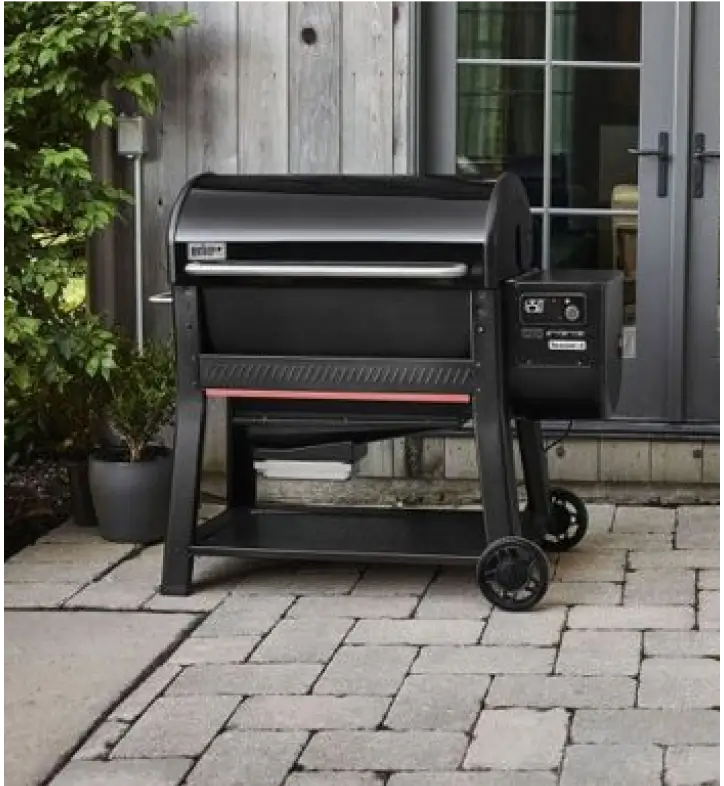
● Side-mounted firebox that separates the fire from the main cooking chamber.
● Requires active monitoring so you can maintain a stable temperature.
● Tends to be a go-to for barbecue purists who prefer having hands-on fire management.
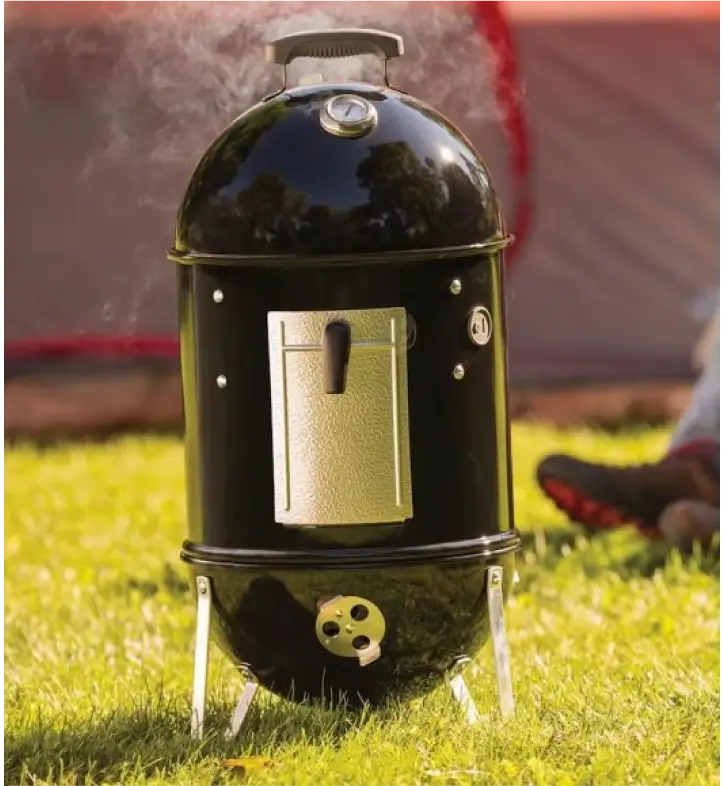
2. Vertical Smokers (Bullet or Cabinet Styles)
● A compact box-shaped design where the heat source is beneath the cooking racks.
● A lot more compact footprint than some of the offset units.
● Tends to be more straightforward for beginners since it’s a lot easier to maintain a consistent heat.
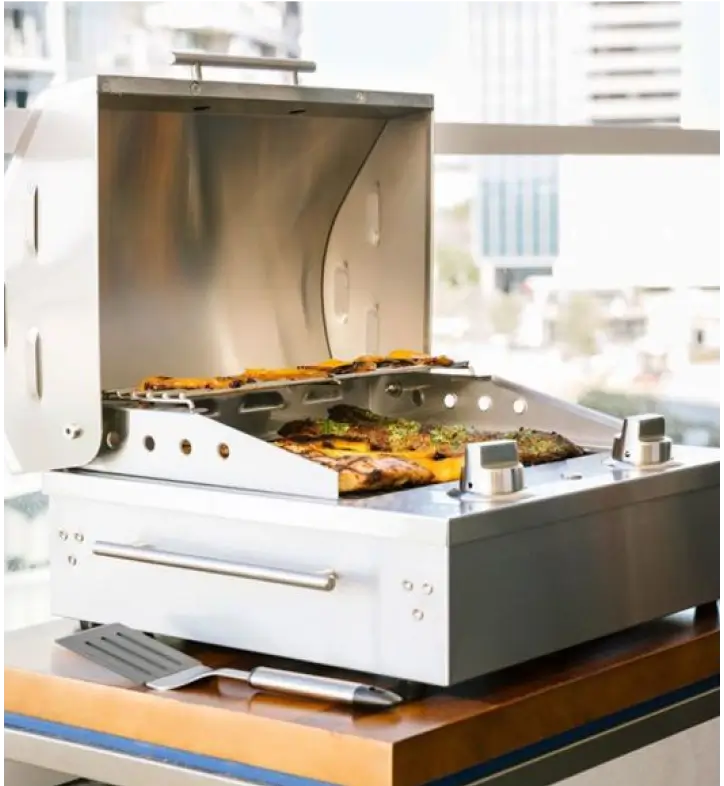
● An electric heating element generates a steady temperature, then you can use wood chips to create the smoke.
● More automated and consistent than offset or charcoal smokers.
● Sometimes perceived as less “traditional,” but still more than capable of producing excellent flavors.
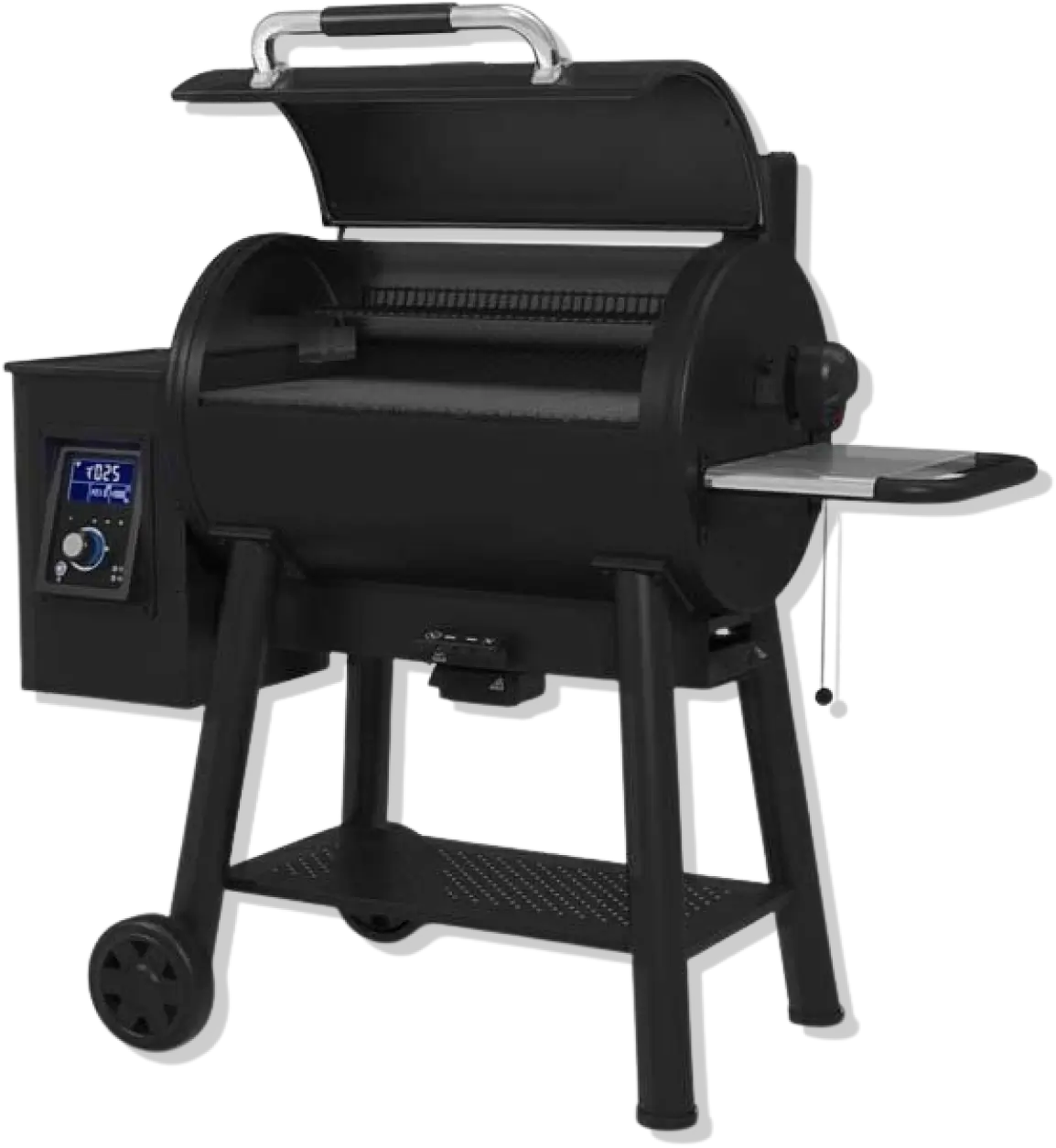
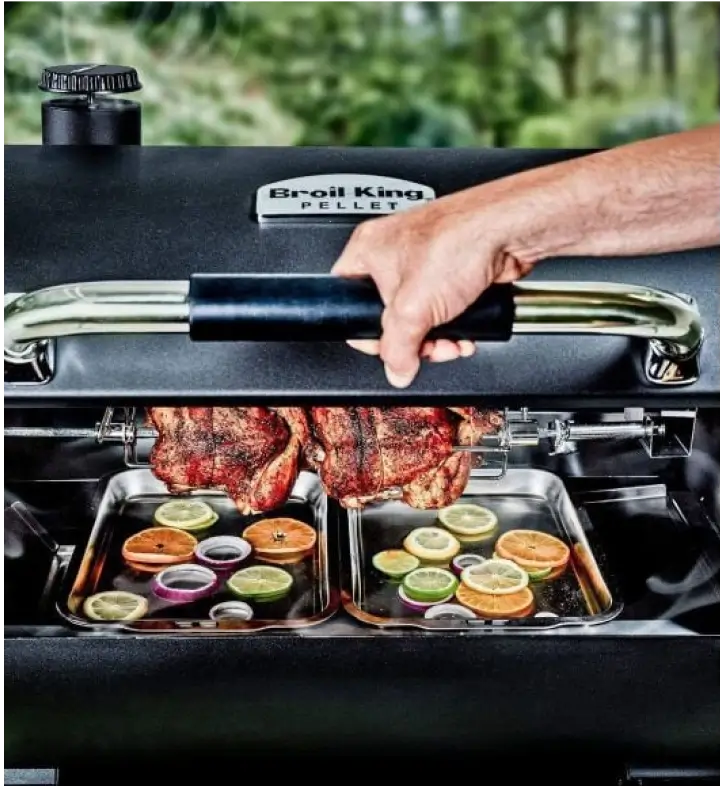
● Automatically feed compressed wood pellets into a burn pot.
● Digital controllers handle temperature regulation, allowing a “set it and forget it” approach.
● Balance convenience with authenticity of wood-fired cooking.
Types of Grills
Benefits of Low-and-Slow Cooking
SMOKERS
So, why bother taking your time with smoking when you could use a faster option like a gas grill?
Types of Grills
Who Should Own a Smoker?
SMOKERS
1. True Barbecue Enthusiasts
Individuals who want maximum flavor and enjoy the extended process of cooking.
2. Experimenters
Anyone who enjoys trying different wood varieties and rubs.

3. Patience Required
Smoking takes time and care; those short on time or reluctant to babysit temperatures may prefer alternative methods.
Types of Grills ● Types of Grills ● Types of Grills ● Types of Grills ● Types of Grills ●
Pellet Grills
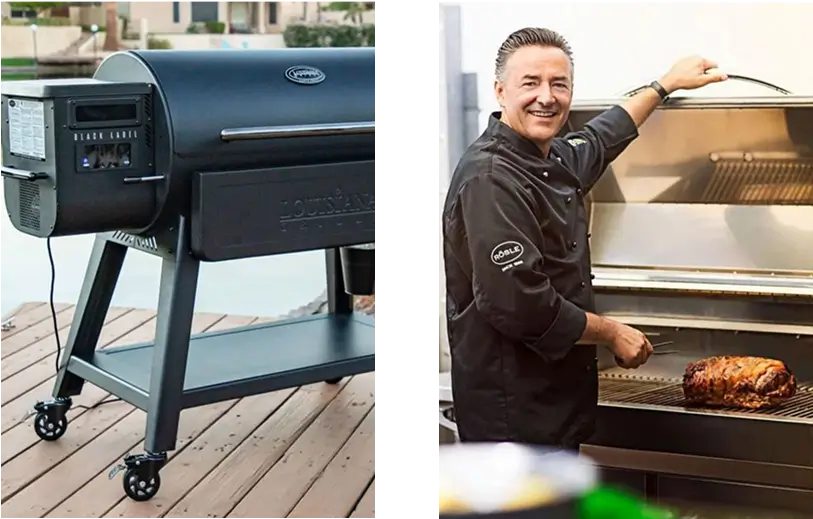
In recent years, pellet grills have gotten a lot more popular for people who like cooking in their backyards since you’re getting that same quality flavor but don’t have to compromise on convenience.
These are technically a subset of smokers, but pellet grills can handle traditional low-and-slow barbecue as well as moderate-heat grilling tasks.
Types of Grills
How Pellet Grills Operate
pellet Grills
See how to use one of these grills efficiently:
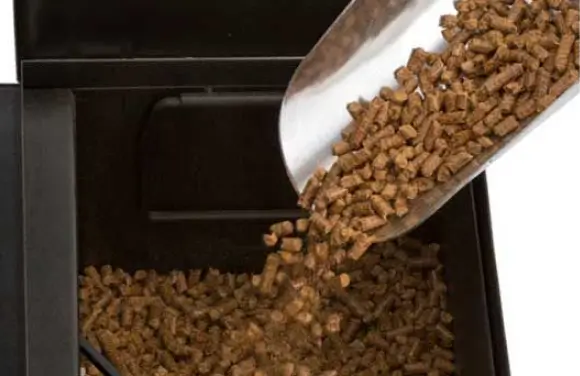
Hopper
Load the grill’s hopper with food-grade wooden grill pellets which is made from compressed hardwoods.
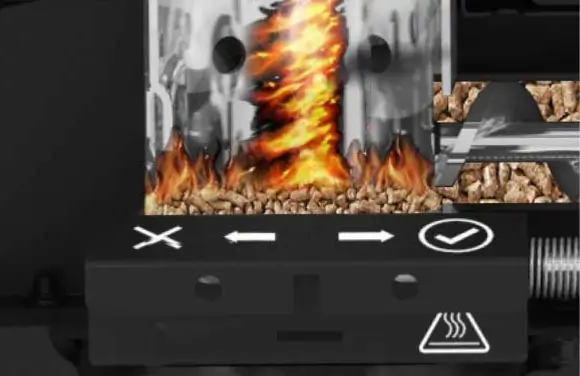
Auger & Fire Pot
An automated auger drops pellets into fire pot, where an electric igniter and fan system light and maintain the burn.
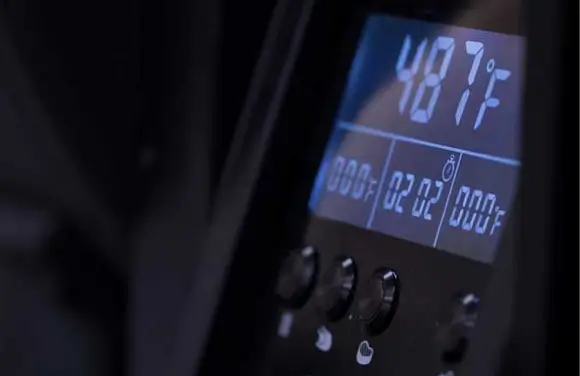
Digital Controller
Most models let you select an exact temperature, which the grill handles by controlling pellet flow and airflow.
Types of Grills
Advantages
pellet Grills
Not all of these benefits are unique to pellet grills, but it’s still worth knowing about them to help make a decision:
Set-It-and-Forget-It
You can use digital controllers to stabilize the cooking temperature and then just leave it until your food is cooked.
Authentic Wood Flavor
The pellets themselves produce a natural and aromatic smoke.
Versatility
Many pellet grills can roast or even sear, which expands your outdoor cooking repertoire.
Consistency
Ideal for those who want repeatable results without mastering vent adjustments.
Types of Grills
Best Foods for Pellet Grills
pellet Grills
You’d generally cook different food with a pellet grill than you would with, say, a griddle:
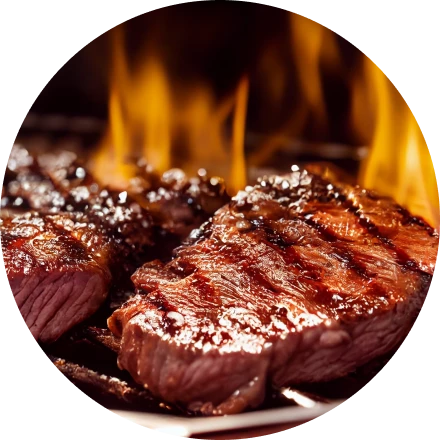
Low-and-Slow Favorites
Brisket, pork shoulder, ribs, beef.
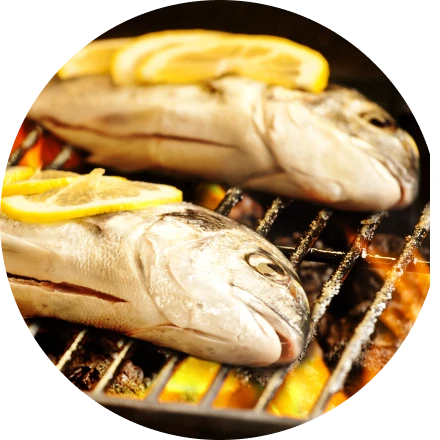
Delicate Items
Chicken and fish benefit from stable temperatures.

Baked Goods and Pizza
Certain models reach temperatures high enough for pizzas or breads.
Types of Grills
Considerations When Buying
pellet Grills
Keep these features in mind before you purchase a pellet grill:
Hopper Capacity
Larger hoppers support longer cooks without refilling.

Tech Features
If it interests you, some types of pellet grills include Wi-Fi or Bluetooth connectivity so you can monitor it remotely.

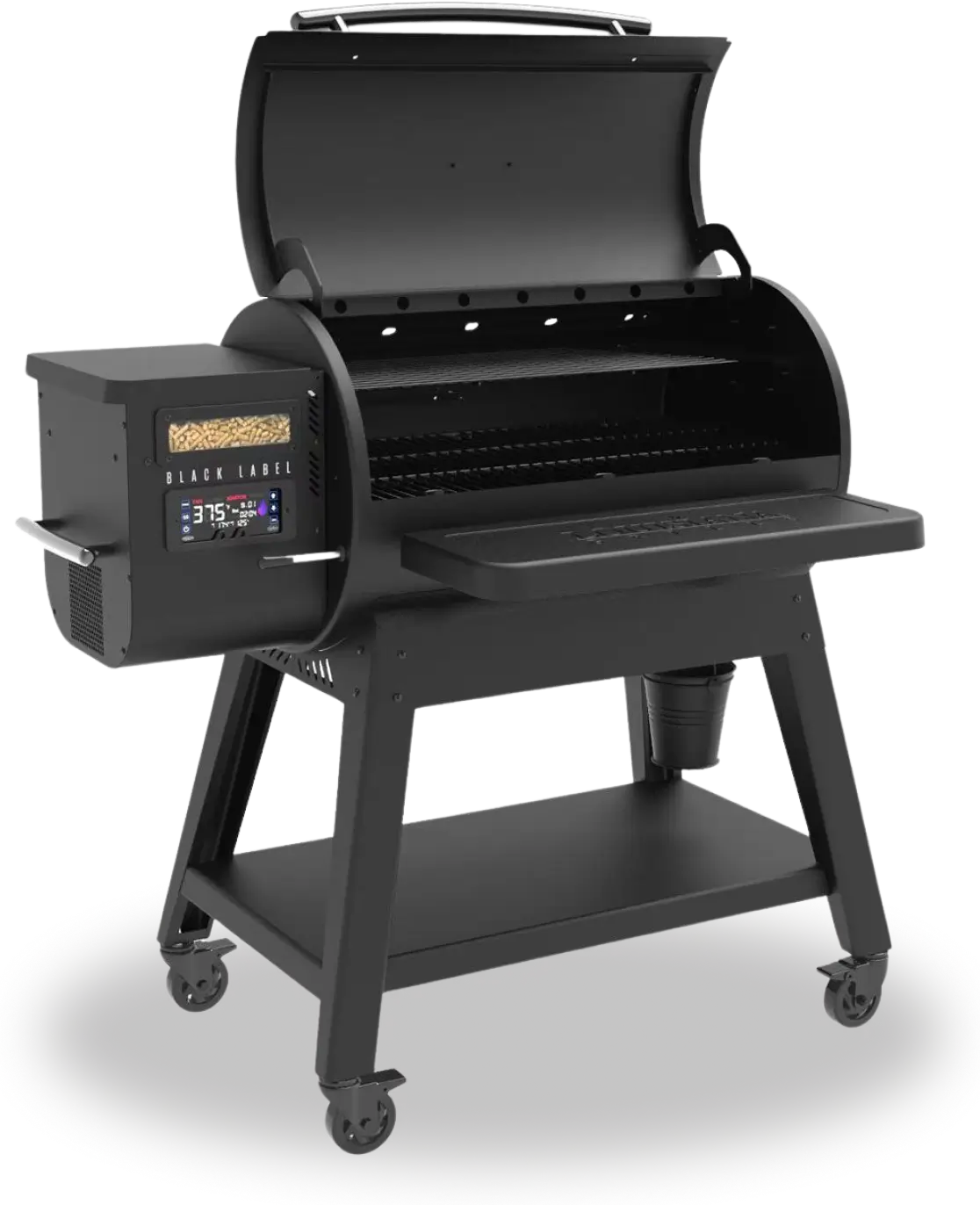
Temperature Range
Look for grills capable of cooking low (around 180°F) and high (400 – 500°F).

Build Quality
Check materials (stainless steel, for example) so you can ensure longevity.

Types of Grills ● Types of Grills ● Types of Grills ● Types of Grills ● Types of Grills ●
PEDESTAL Grills

What makes pedestal grills a standout option among the other grills we’ve mentioned today?
Types of Grills
Unique Characteristics
PEDESTAL Grills
Elevate Your Grilling
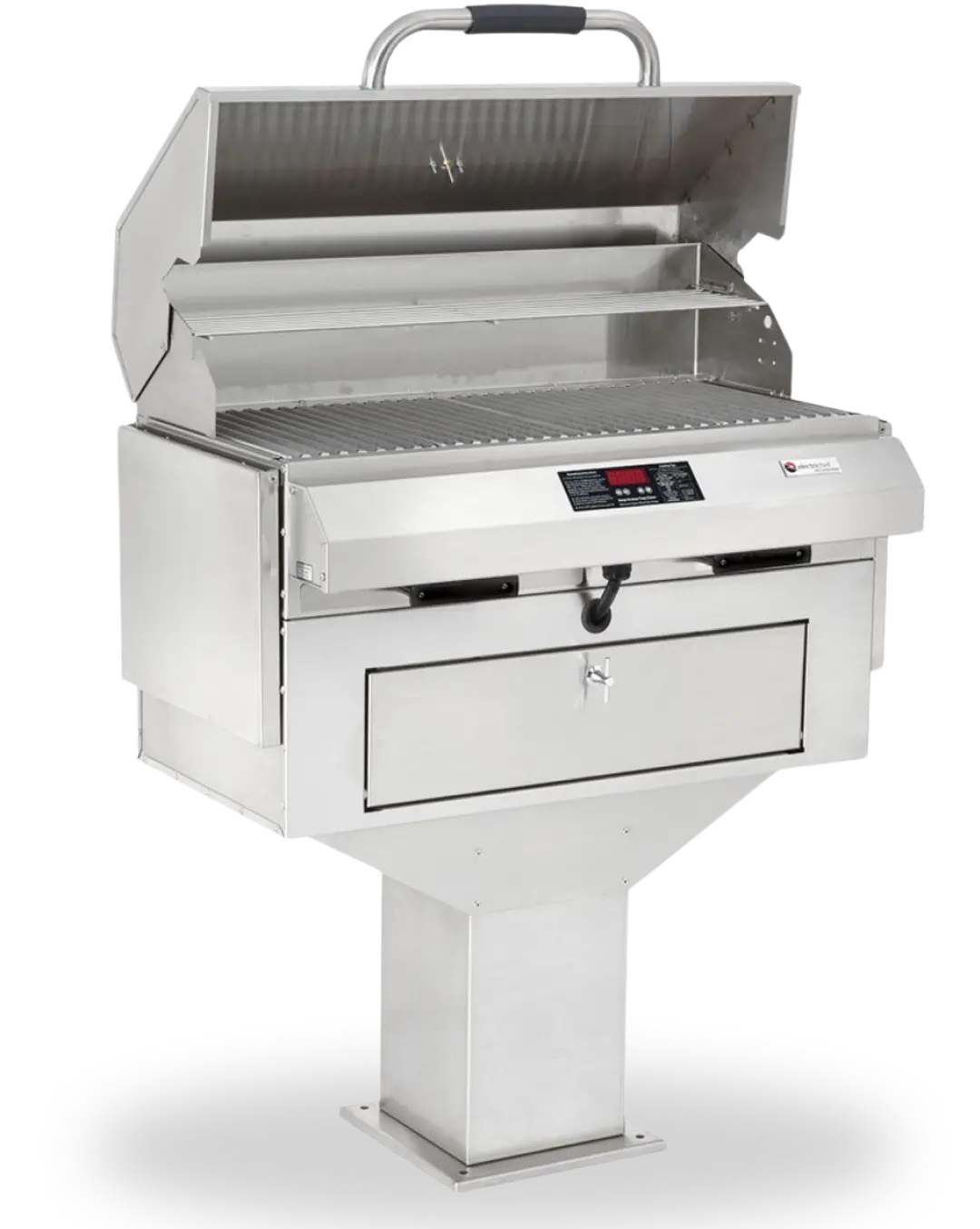
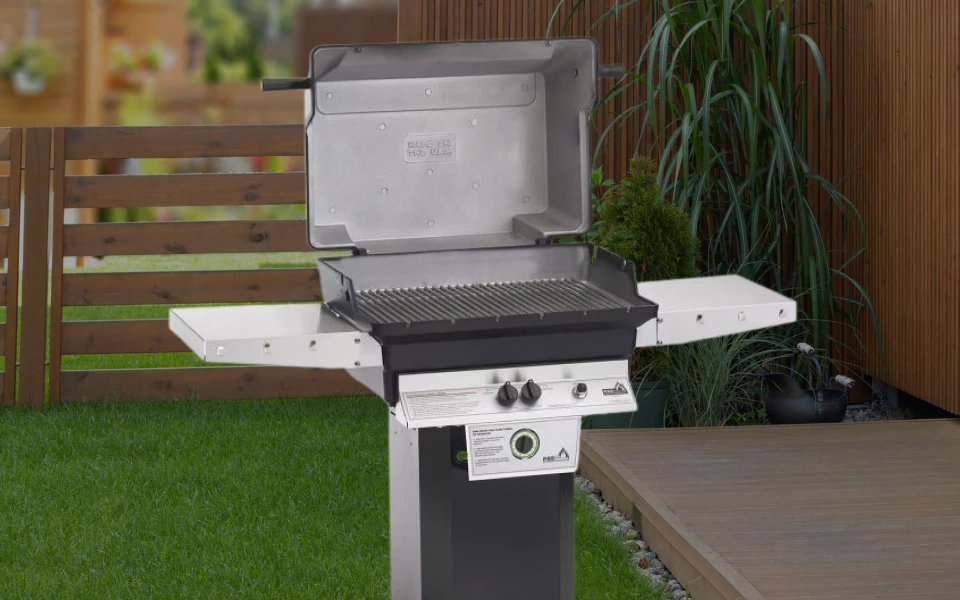
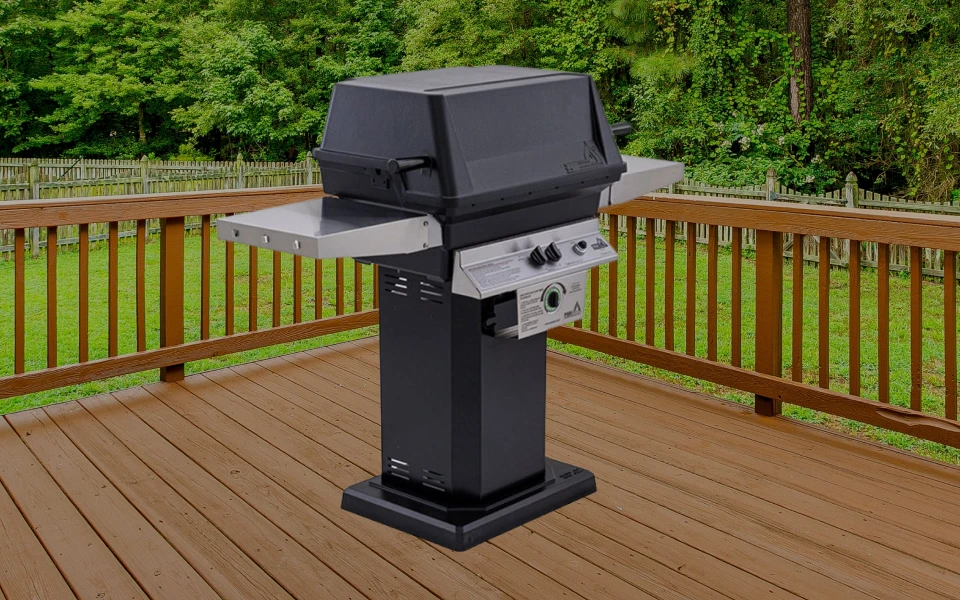
Pedestal or post-mount grills have a tall and central column rather than four legs or a cart base. You rest the cooking bowl on top of the pillar, which gives them a more sleek and space-conscious form.
Airflow often channels through the base, which gives you control over cooking heat without needing any side vents.
Types of Grills
Types of Fuel for Pedestal Grills
PEDESTAL Grills
You can use a wide range of fuel for your pedestal grill, including:
1.
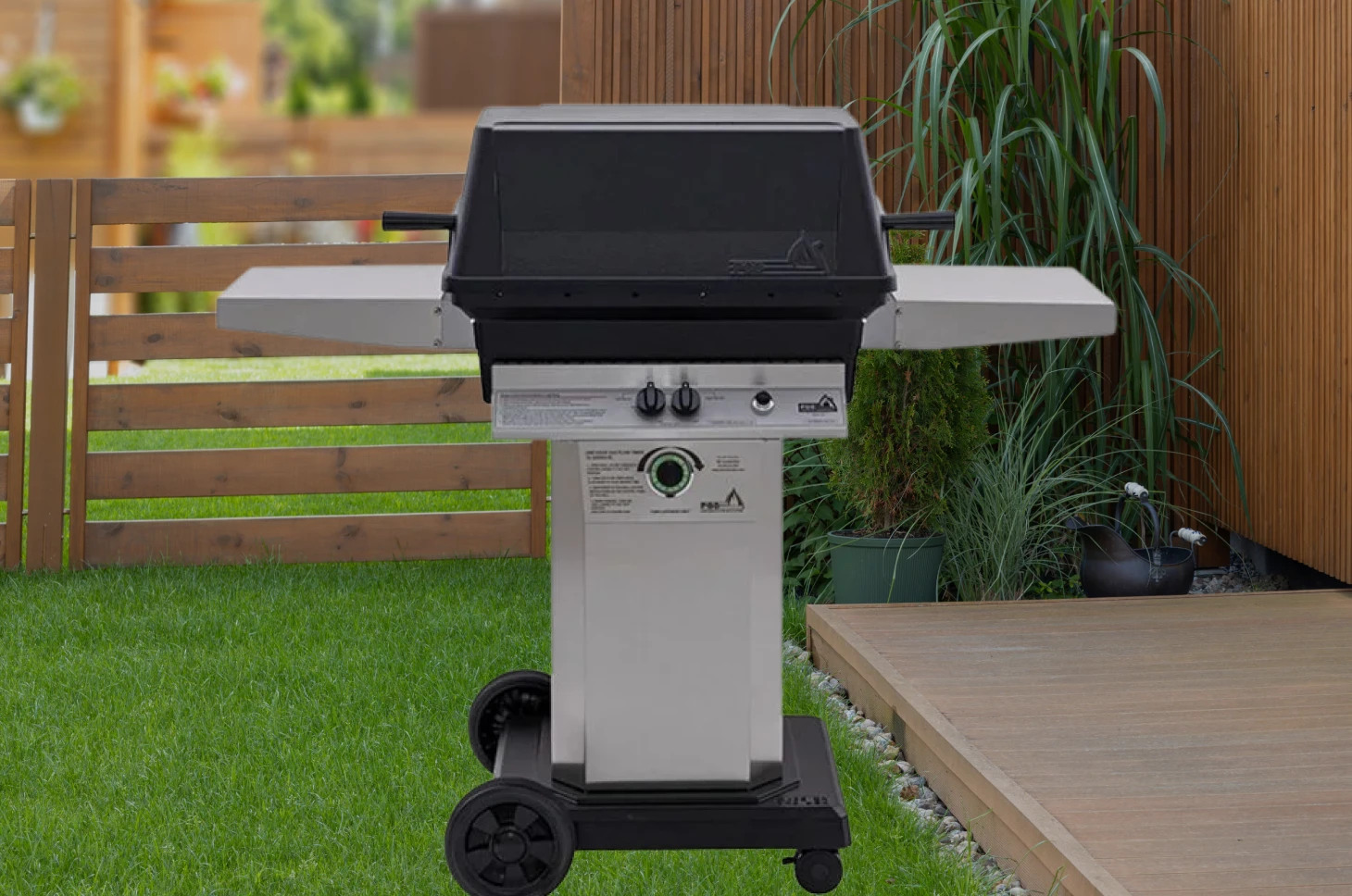
Gas Pedestal Grills:
● Conceal the burner in or around the column.
● Rely on small propane tanks or, less commonly, a natural gas hookup.
2.
Charcoal Pedestal Grills:
● Place charcoal briquettes or lump charcoal in a small basin.
● Typically include vents or dampers at the bottom for airflow control.
3.
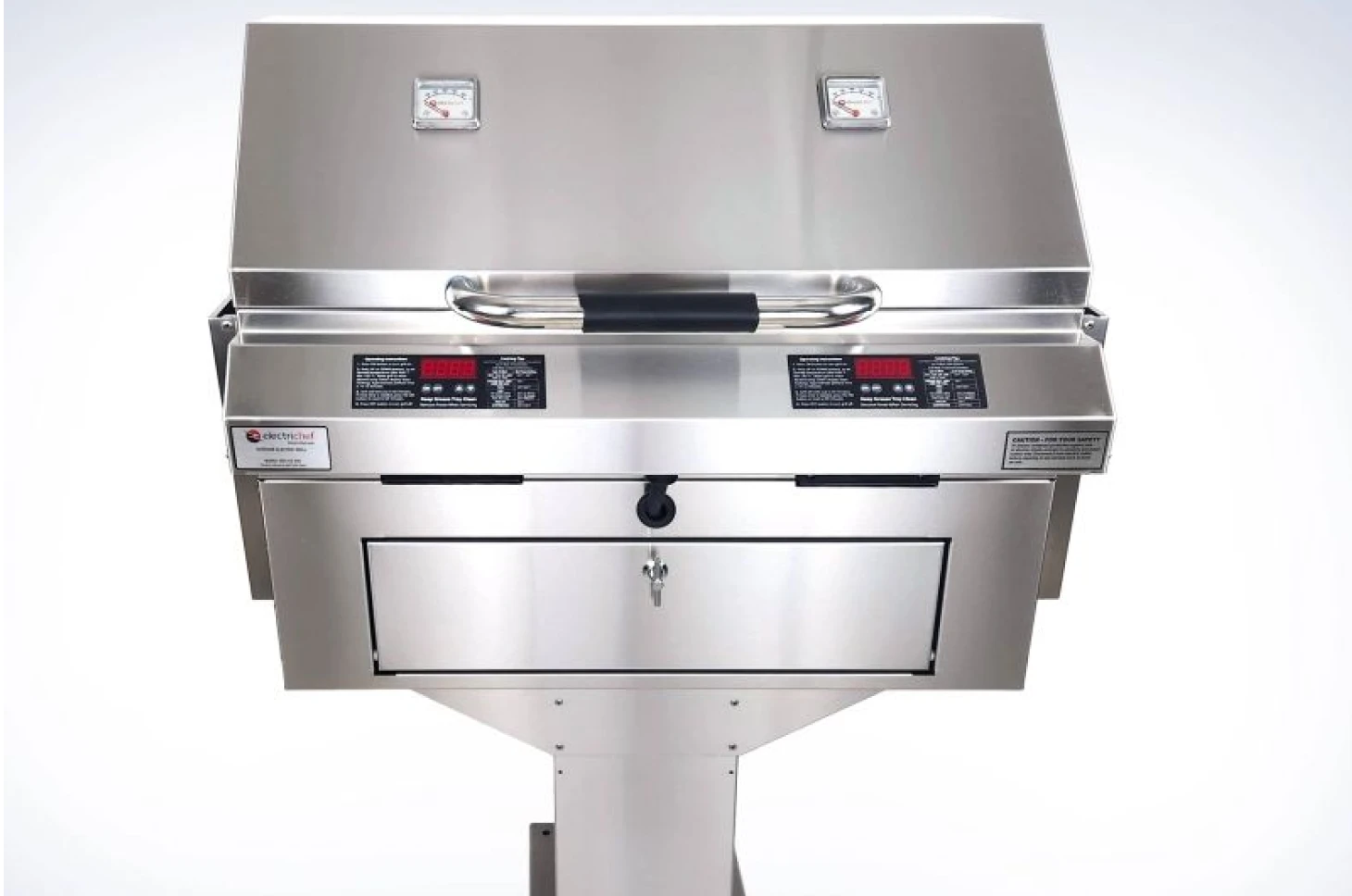
Electric Pedestal Grills:
● Rare, but sometimes found in apartment-friendly designs.
● Use a heating element beneath a cooking grate.
Types of Grills
Space-Saving Benefits
PEDESTAL Grills
One of the main benefits of these kinds of grills is how little space they take up in comparison to other grills:
01
Minimal Footprint
The vertical column takes up less deck or patio space than wider grills with side shelves.
02
Cleaner Look
A single upright pillar can appear less bulky and easier to keep free of debris underneath.
Types of Grills
Who Should Consider a Pedestal Grill?
PEDESTAL Grills

Types of Grills ● Types of Grills ● Types of Grills ● Types of Grills ● Types of Grills ●
PORTABLE Grills
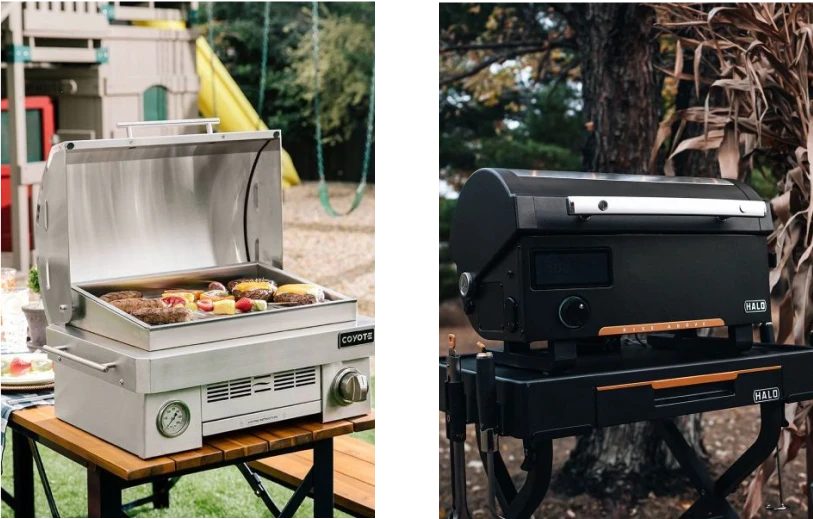

A portable grill should be lightweight and straightforward to transport – perfect for:
- Tailgating
- Picnics
- Camping
- Beach Outings
Many fold into a suitcase-like form or come with carrying bags.
Types of Grills
Popular Fuel Types for Portable Grills
PORTABLE Grills
Accessibility is key with these kinds of grills, so it’s just as well that there are plenty of fuel types you can use for them:
Gas
Small propane canisters
(often 1-pound cylinders) connect directly to the grill’s regulator.
Charcoal
Collapsible or smaller drum models with limited coal capacity.
Electric
Require a reliable electrical hookup, which may be feasible for RV parks but less so for remote camping.
Pellets
Miniature pellet grills exist but can be heavier and require battery or generator power for the auger.
Types of Grills
Tailgating, Camping, and Travel
PORTABLE Grills
Most of the other grills we’ve mentioned stay put in your backyard or patio, so the fact that you can transport these grills around is definitely one of the most unique selling points they have:

Tailgaters
Quick assembly and startup are vital – gas models often shine in this environment.

Camping Trips
Durability matters. A grill with foldable legs and thick-walled metal might better withstand outdoor conditions.

Beach Outings
Choose an easy-to-clean model; sand and salt can damage delicate components.
Types of Grills
Key Features to Evaluate
PORTABLE Grills
Consider the following factors before you go all out on a portable grill:
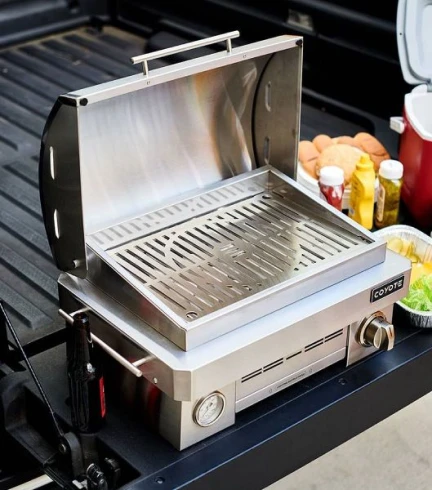
Weight & Dimensions:
Ensure you can comfortably carry and store it in your vehicle.
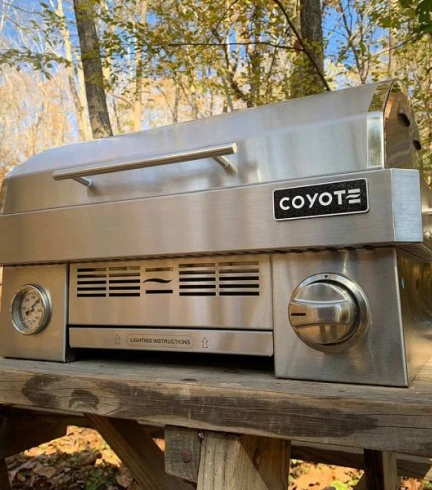
Leg Stability:
Grilling on uneven terrain can be hazardous if the legs are flimsy or hard to adjust.
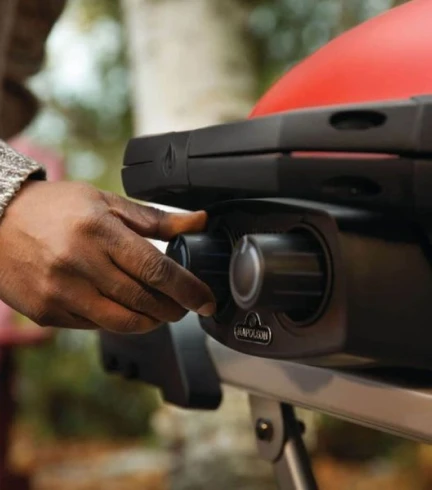
Locking Mechanisms:
Lids and grease trays should secure firmly to avoid any messy accidents while you’re moving around.
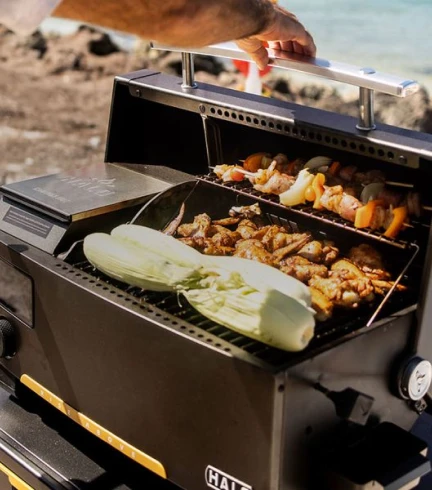
Cook Space:
While they’re pretty compact, some portable grills still offer enough surface area to feed a small group.
Types of Grills ● Types of Grills ● Types of Grills ● Types of Grills ● Types of Grills ●
Comparing grill TYPES
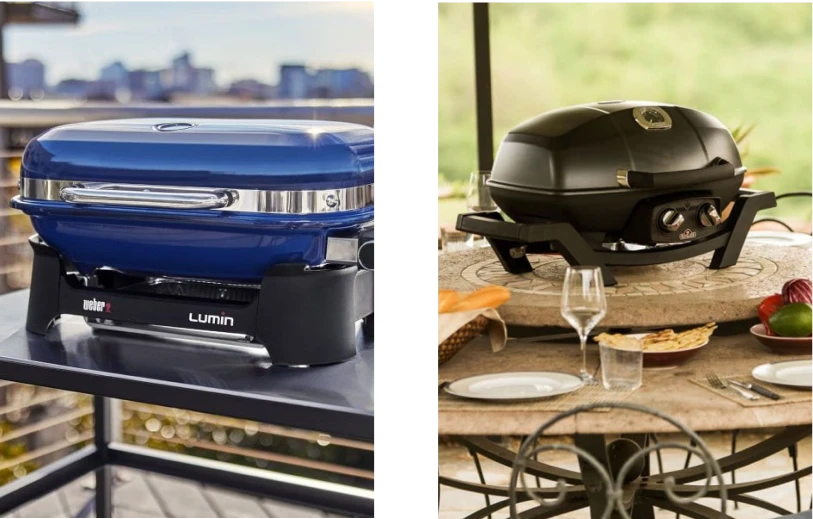
Now that we’ve covered all seven of your options, lets see how they compare with one another:
Types of Grills
Quick Reference Chart
Comparing grill TYPES
| GRILL TYPE | PRIMARY FUEL | COOKING STYLE | CONVENIENCE LEVEL | FLAVOR PROFILE | TYPICAL COST RANGE |
|---|---|---|---|---|---|
| Gas Grills | Propane, Natural Gas | Direct/Indirect Grilling | High (quick startup) | Neutral to Mild Smoke | $499.00 to $20,679.00 |
| Combo Grills | Gas + Charcoal/Pellets | Flexible, multi-method | Moderate | Mixed/ Customizable | $3,098.00 to $18,622.00 |
| Flat Tops | Propane, Natural Gas, Electric | Griddle Cooking | High (even surfaces) | Less Smoke, More Brown | $299.99 to $12,922 |
| Smokers | Charcoal, Wood, Electric, Pellets | Low-and-Slow | Varies (offset = low, electric/pellet = high) | Strong Smoke | $299 to $30,000 |
| Pellet Grills | Wood Pellets | Low-and-Slow/Some Sear | High (set-and-forget) | Wood-Rich Smoke | $499.00 to $11,718.00 |
| Pedestal Grills | Charcoal, Gas, Electric | Compact Grilling | Moderate | Mild Smoke (charcoal) | $1,249 to $7,430.00 |
| Portable Grills | Propane, Charcoal, Electric, Pellets | Varies | High (designed for travel) | Depends on fuel | $45.99 to $11,630.00 |
Types of Grills ● Types of Grills ● Types of Grills ● Types of Grills ● Types of Grills ●
CHOOSING THE RIGHT GRILL FOR YOUR NEEDS
Given the variety of grills, how are you meant to know which one suits you best? Try to focus on four main questions when making your decision:
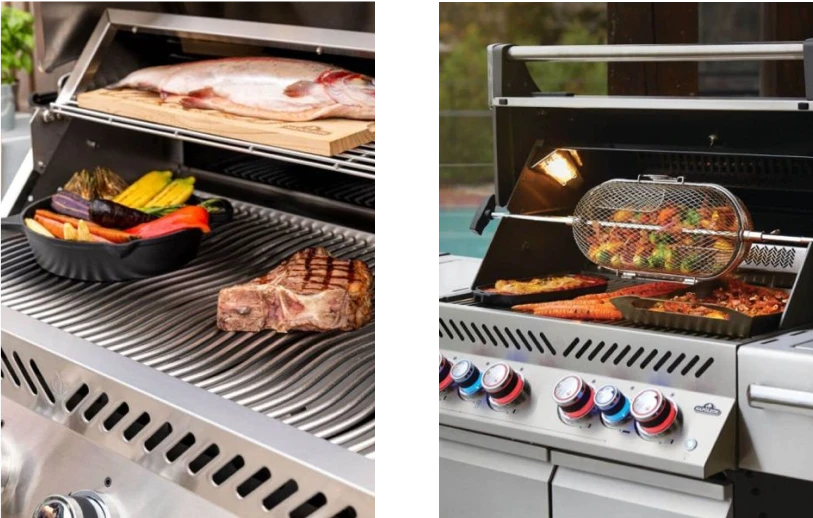
What is my budget?
● A low budget might favor a basic charcoal kettle grill or an entry-level gas grill.
● A moderate budget opens up mid-tier gas models or a decent smoker.
● Premium budgets can afford high-tech pellet grills or some of the more advanced combo units.
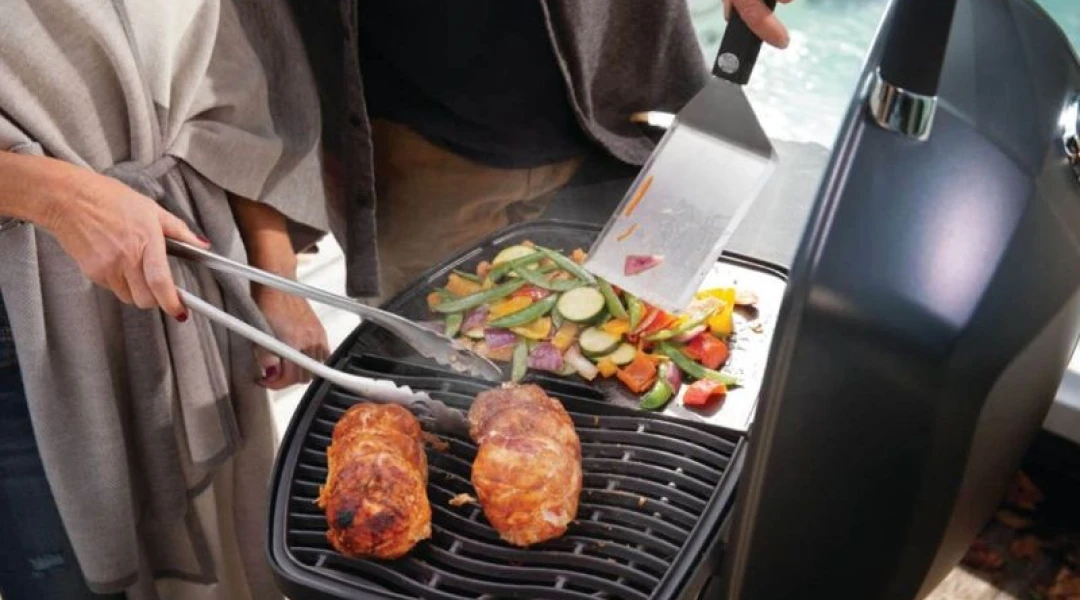
How much space do I have?
● Substantial backyard: Large smokers or multi-burner gas grills can all fit.
● Compact patio or balcony: Might be better off with pedestal grills, smaller flat tops, or electric grills. Just make sure you check your regulations for open-flame usage.
● Travel frequently: A portable grill that folds for easy transport is by far the best.

How important is flavor intensity?
● Anyone who’s looking for potent smoke flavors will most likely prefer a charcoal or wood-burning smoker
● If you’re happy with something a little more mild or clean, lean toward gas or electric.
● Remember that with some of the more expensive models, you can equip accessories like smoker boxes that can add wood-chip smoke to gas grills (though not always at the same intensity as charcoal or pellet cooking).
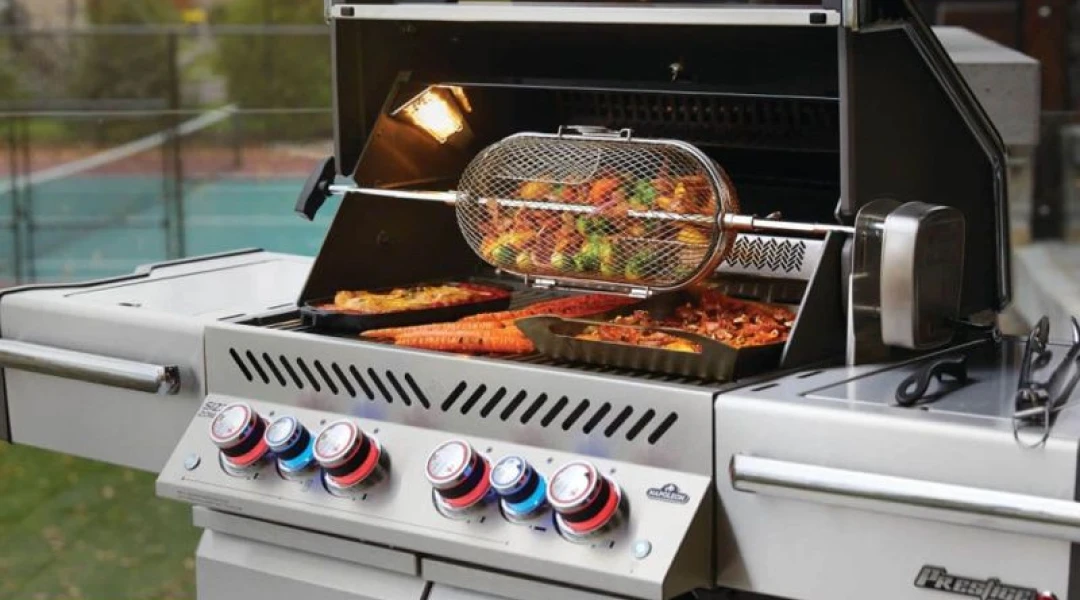
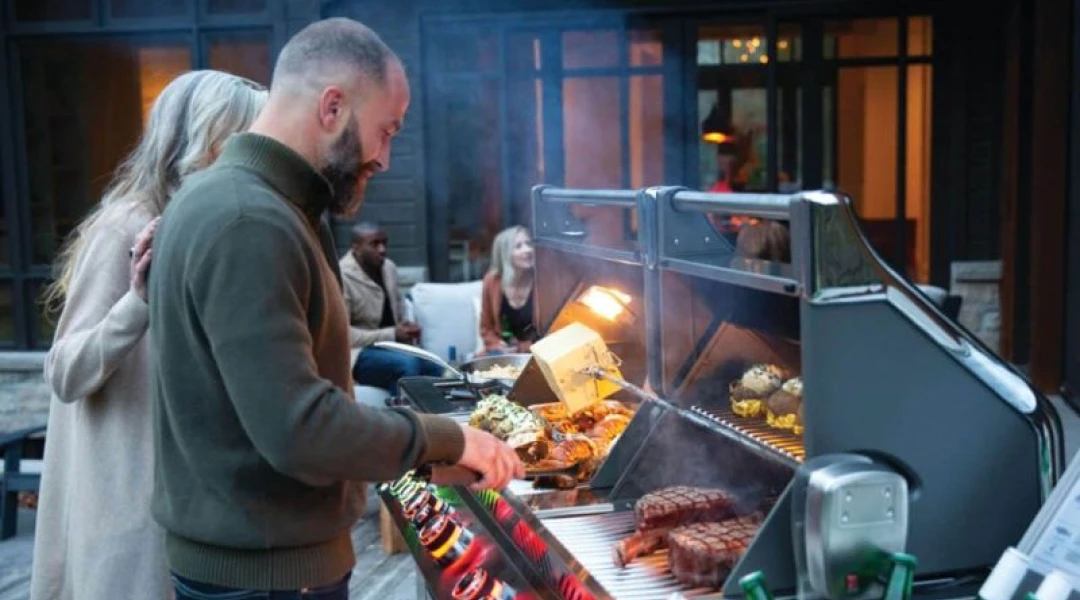
How do I like to cook?
● Fast and Efficient: Gas or electric – ignition is quick, and maintaining heat doesn’t require much supervision.
● Hands-On Barbecue: Charcoal or kamado-style grills gives you a bit more old-school flair and a deeper level of engagement if you’re really into grilling culture.
● Wide Menu Range: Flat top/griddle or combo grill to handle everything from breakfast to specialized barbecue.
● Set It and Forget It: Pellet smokers or electric smokers with thermostatic control.
Types of Grills ● Types of Grills ● Types of Grills ● Types of Grills ● Types of Grills ●
Recommendations Based on Specific Scenarios
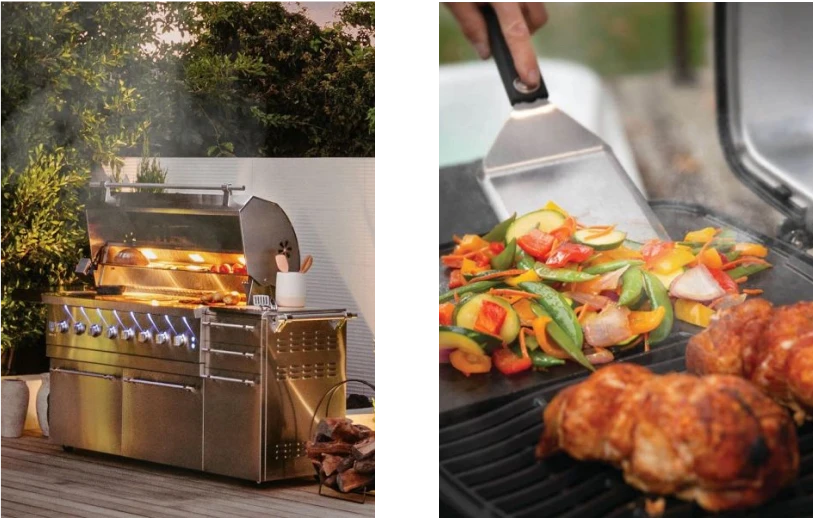
Different grills ultimately offer different benefits, so it’s slightly misleading to say that one grill is the best:
Beginners and Busy Families
- A mid-range gas grill offers a forgiving learning curve and dependable performance.
- An electric grill can be a good alternative for anyone who’s not allowed to use open flames because of regulations.
Barbecue Purists
- Charcoal grills or offset smokers provide traditional smoke aromas and the “ritual” of fire-tending, which you’re not getting with electric ones.
- All your patience and attention are definitely rewarded when it comes to the flavor.
Adventurous Cooks
- A combo grill allows experimenting with gas for quick meals and charcoal for special weekend cookouts.
- A flat top grill expanded options for everything from Korean barbecue to breakfast feasts.
Tech Enthusiasts
- Modern pellet grills often include Wi-Fi connectivity which means you can control things like the temperature from your phone.
- Some have integrated meat probes that relay internal food temperature to a smartphone app.
Space-Constrained
- Pedestal grills fit small patios while maintaining decent cooking capacity.
- Portable grills (gas or charcoal) are perfect for campers and occasional outdoor events.
Slow-and-Low Fans
- Dedicated smokers (charcoal, offset, electric, pellet) will bring out the best in brisket and pork shoulder.
- Vertical smokers are a great balance of capacity and smaller footprints.
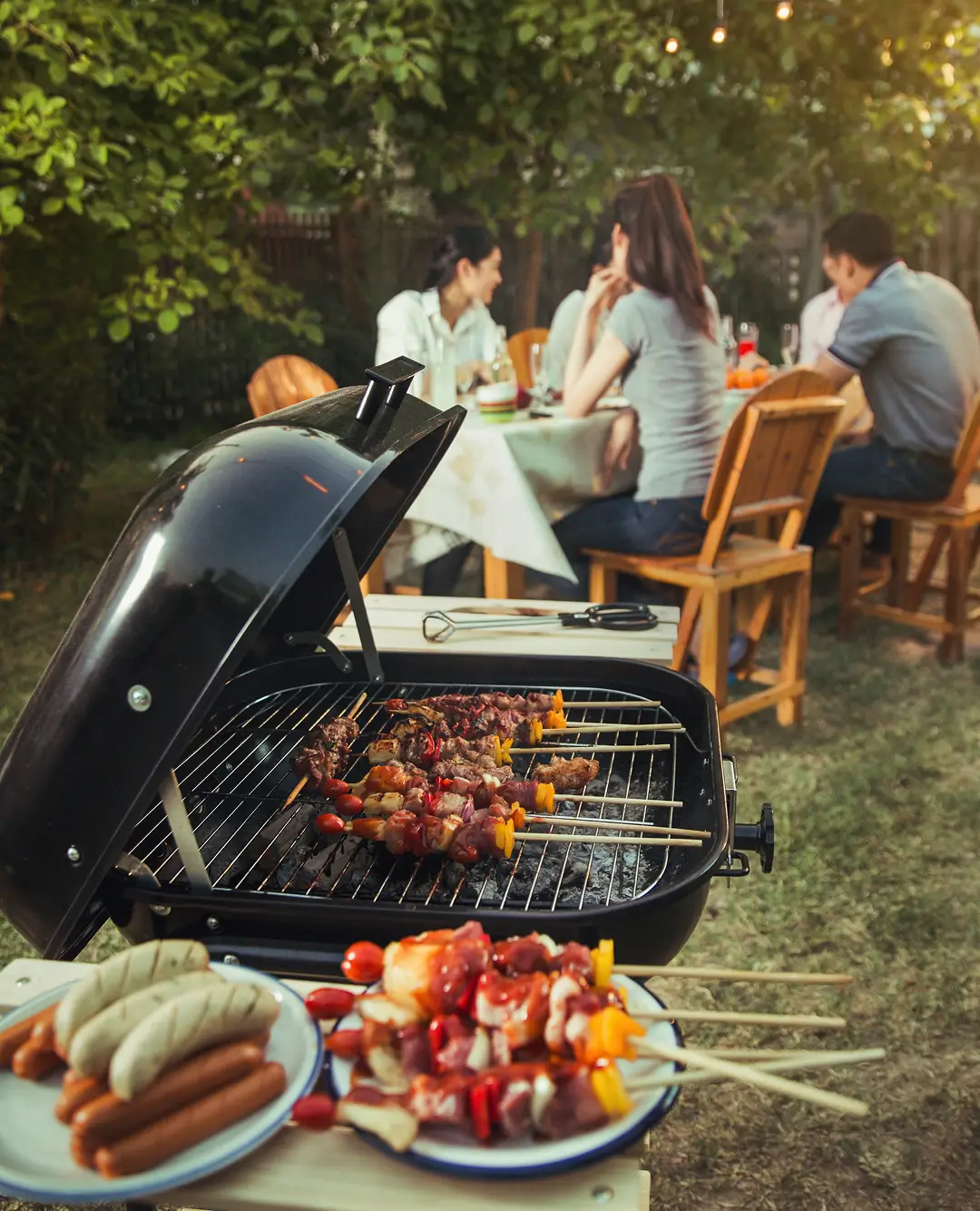
Types of Grills ● Types of Grills ● Types of Grills ● Types of Grills ● Types of Grills ●
TIPS FOR SUCCESSFUL GRILLING AND SMOKING
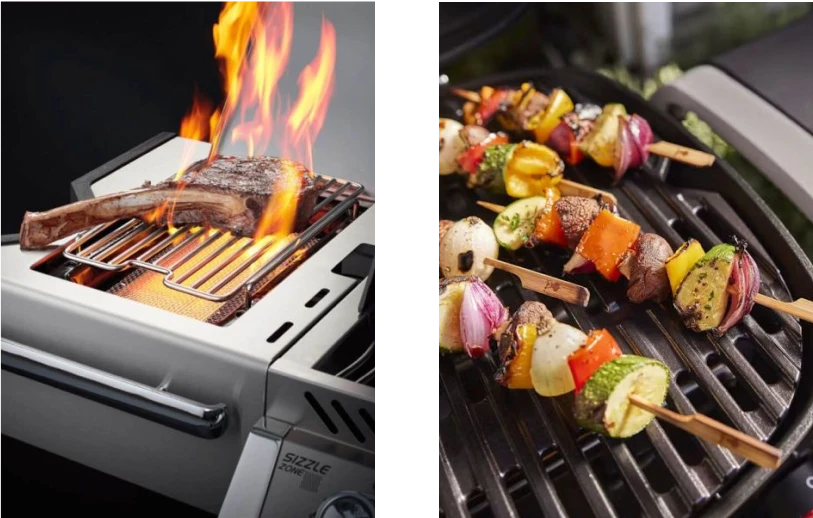
You can buy a top-of-the-line grill, but if you don’t actually have any experience grilling or at least know what you’re doing, you’re going to struggle.
See how you can get the most out of your grill in the next section:

Preheat Properly
Allow your grill or smoker to reach the target temperature before placing food on the grate. This means you’ll cook it more evenly, and it also gives you better searing or smoking.

Use a Thermometer
Rely on an instant-read or probe thermometer to check internal food temperatures instead of guesswork. This needs to be non-negotiable – not only to get consistent results but also from a food safety standpoint.

Practice Vent Management
If using charcoal or a stick burner, learn to adjust top and bottom vents. More airflow intensifies the fire; less airflow lowers the temperature.

Select the Right Wood
Hardwoods like hickory or oak tend to give you stronger flavors, whereas fruitwoods (apple, cherry) have far milder and sweeter notes.

Keep it Clean
Clean your grill grates after each cook. This prevents buildup that can lead to off-flavors or even potential flare-ups.

Experiment with Seasoning and Marinades
Even if you’re using the same grill, switching up the rubs and marinades you use can completely transform a meal’s taste and texture.

Practice Patience
Especially for smoking. Resist the urge to open the lid too often, as heat and smoke escape quickly, prolonging cooking times.
Types of Grills ● Types of Grills ● Types of Grills ● Types of Grills ● Types of Grills ●
SAFETY AND MAINTENANCE CONSIDERATIONS
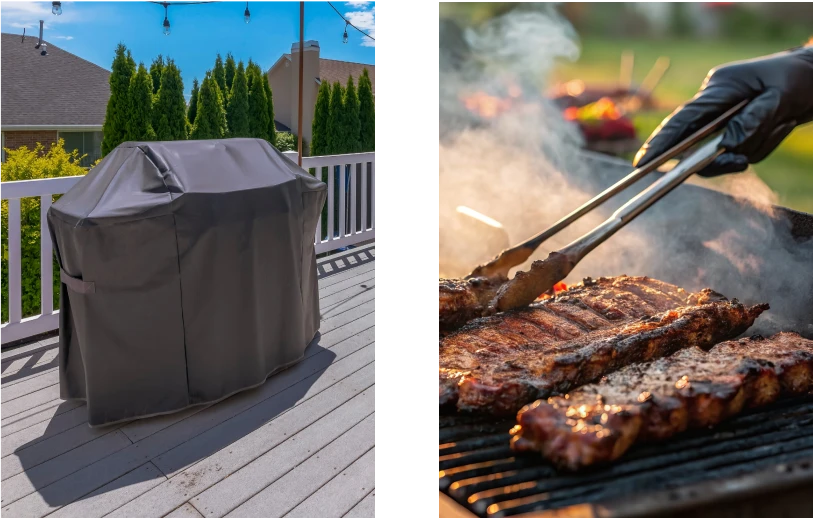
Once you’ve got your grill ready, make sure that you’re using it safely – both personally and so that you don’t damage it:
Location and Ventilation:
Always place grills in a well-ventilated area that’s away from any kind of structure or overhang. Never grill indoors unless you’re using a specifically designed indoor grill.
Fuel Handling:
- For charcoal, store briquettes in a dry area.
- Propane tanks must remain upright and out of direct sunlight or extreme heat.
- Wood pellets should be kept in sealed containers to avoid moisture.

Regular Inspection:
- Gas Grills: Periodically check hoses and connections for leaks using a soapy water test.
- Electric Grills: Inspect cords for damage and ensure the outlet is suitable.
- Charcoal Grills: Confirm the bowl and vents are free from excessive ash or rust.
Extinguishing The Fire:
- Gas Grills: Turn off the burners and the fuel supply.
- Charcoal: Close all vents and dampers; wait for coals to cool or carefully douse them with water.
- Wood/Pellet: Shut down per the manufacturer’s instructions; ensure leftover embers cool fully.
Protective Gear:
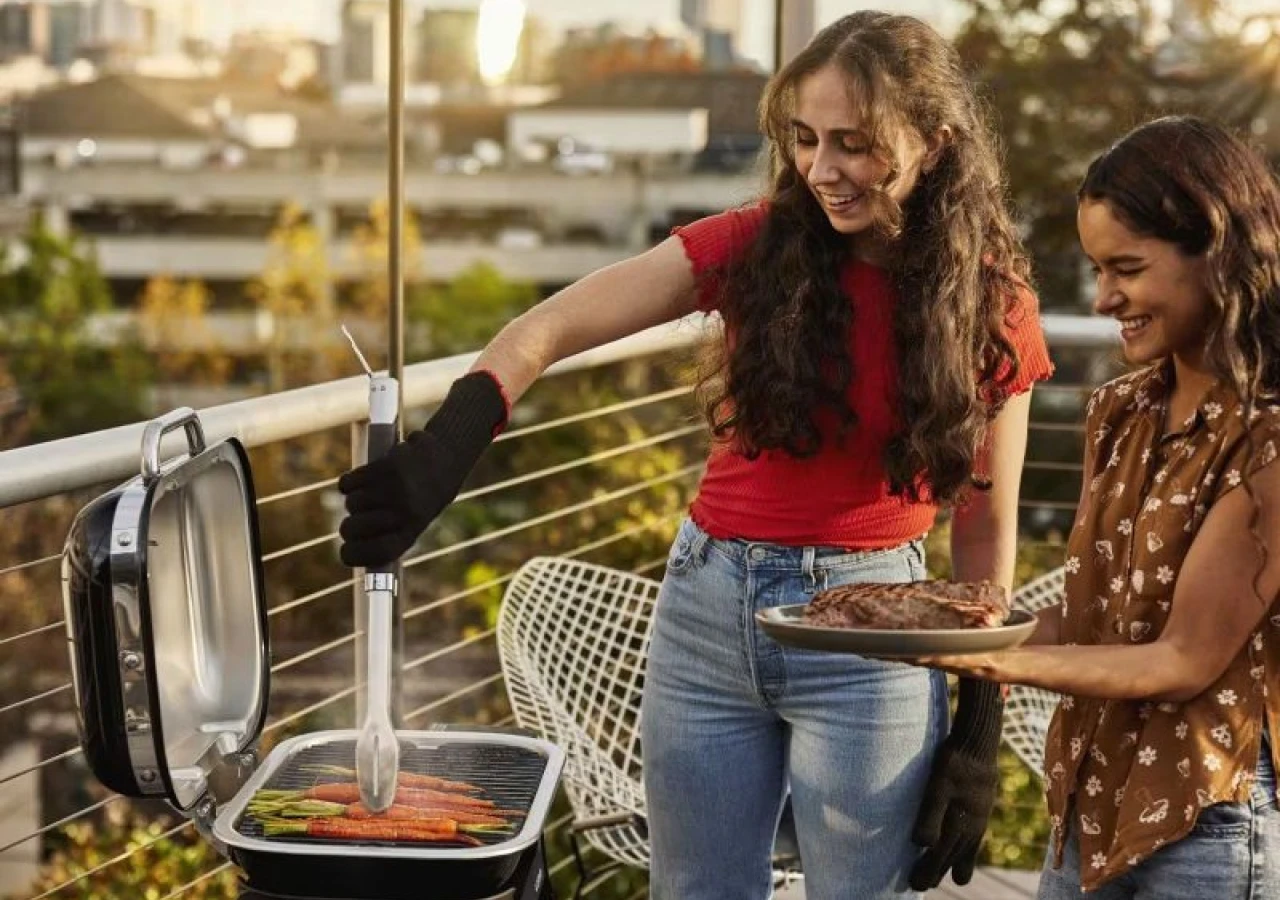
Use insulated gloves or mitts when handling hot surfaces or moving vents. Long-handled tongs and spatulas reduce burn risks.
Grill Covers and Storage:
Cover your grill when not in use to shield it from moisture and dust. This step extends the lifespan of grates and interior parts.
Types of Grills ● Types of Grills ● Types of Grills ● Types of Grills ● Types of Grills ●
FINAL THOUGHTS

Selecting a grill is about more than just fuel types and brand names since it’s more about how you like to cook and experiment with flavors.
Gas grills are quality options for people who want quick, controllable heat (also a good option for beginners), while charcoal models are solid for anyone who wants a more smoky option.
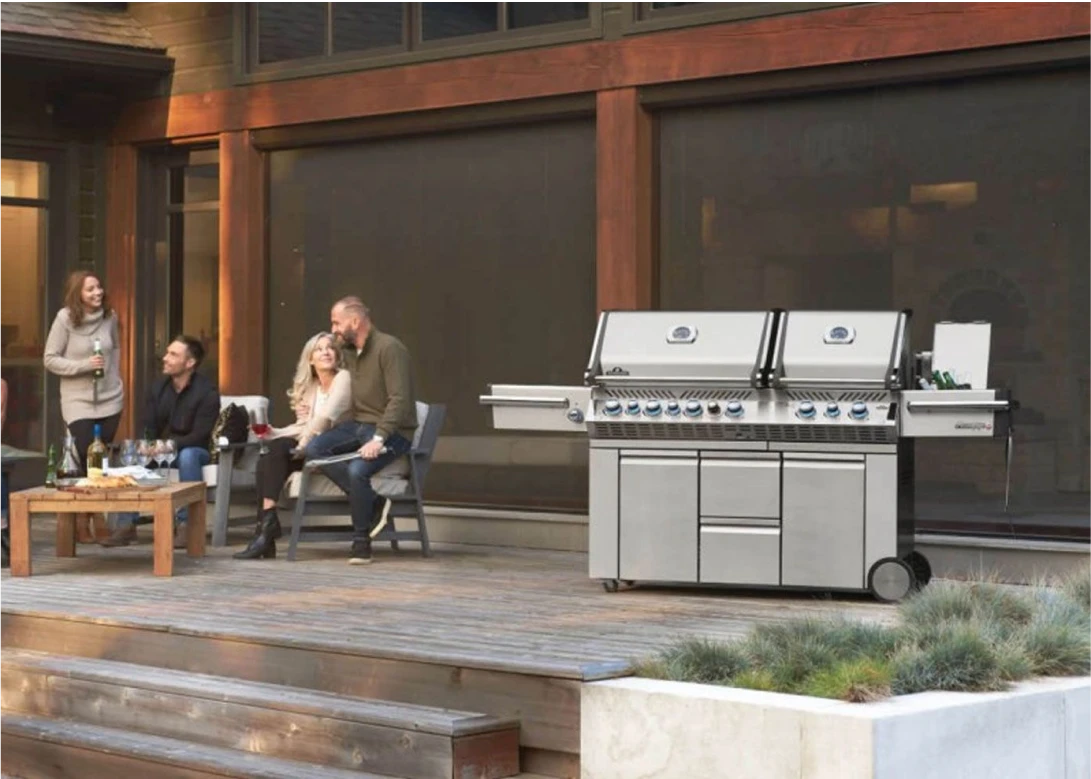
Pellet grills let you experiment a bit more than the former options, as you’ve got simplified temperature control but also the addition of wood-fired cooking. Similarly, smokers are for people who want to slow down and appreciate the nuances of low-and-slow technique without rushing to get a final result.
Choosing the Right Grill for Every Lifestyle and Space
Aside from the cooking technique, you’ll find that each environment also has its own optimal solutions. Pedestal grills, for instance, tend to work best in smaller spaces since they’ve been designed for simplicity.
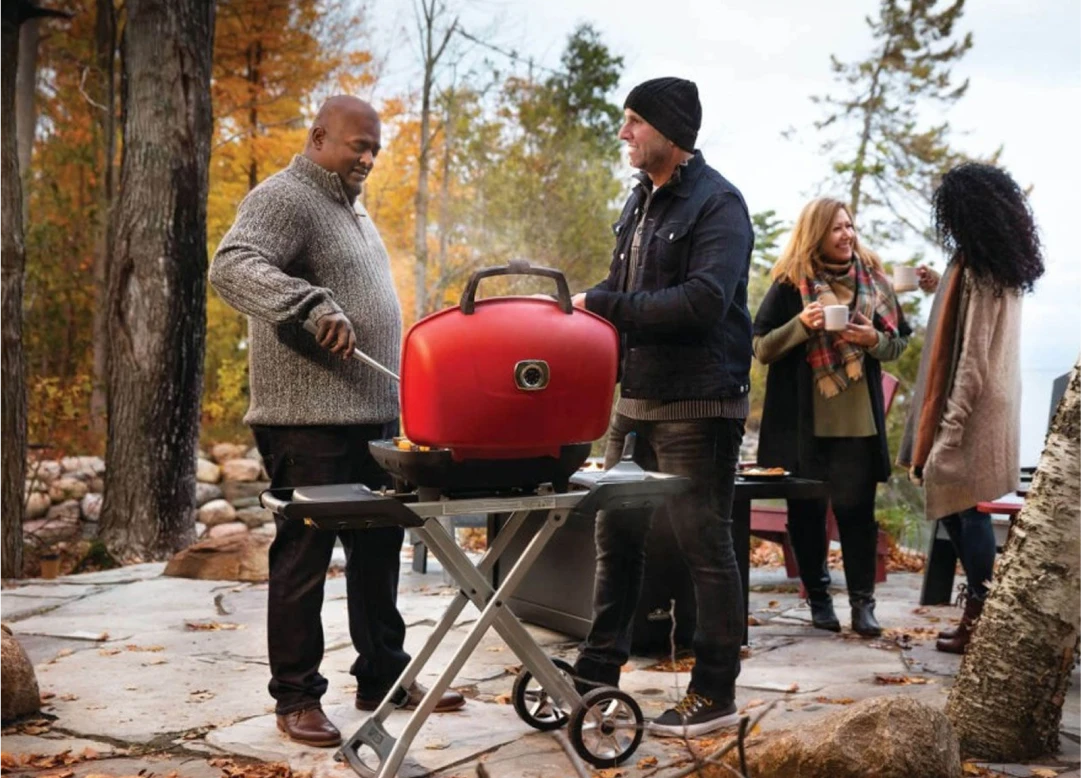
Portable BBQ grills are slightly different from the other options as they’re designed to meet the needs of travelers – you wouldn’t want this as your main grill that never leaves your backyard.
Combo units eliminate the need for multiple devices since you can pivot among charcoal and sometimes even pellets in a single package.
So, when you’re making a final decision, simply consider what your typical cooking routine looks like – are you mostly preparing quick weeknight meals, or do you enjoy leisurely barbecues that span the afternoon?
Factor in your budget and how much hands-on interaction you want with the cooking process, and you’ll be good to go with the right grill or smoker for countless future outdoor gatherings.
What are the main types of grills?
The four main types are charcoal, gas, pellet, and electric grills, each offering different cooking styles and benefits for your outdoor kitchen.
Which grill type is easiest to use?
Gas and electric grills are the easiest, offering quick startup and precise temperature control with minimal cleanup required.
Which grill gives the best flavor?
Charcoal and pellet grills provide the most smoky, authentic grilled flavor, while gas and electric offer cleaner taste.
How do I choose the right grill?
Consider your budget, available space, desired flavors, and how much time you want to spend on setup and cleanup.