

Half the joy of a backcountry adventure is sitting down to a hot meal after a long day on the trail. But cooking in the wild isn’t quite the same as firing up the stove at home. The places we love to explore are also the places we need to protect. That’s where Leave No Trace (LNT) principles come in. Whether you’re a solo hiker, out with a group of friends, or part of an outdoor club, following LNT guidelines helps you enjoy great meals in the outdoors without leaving any lasting impact on the environment around you.
Understanding LNT Principles
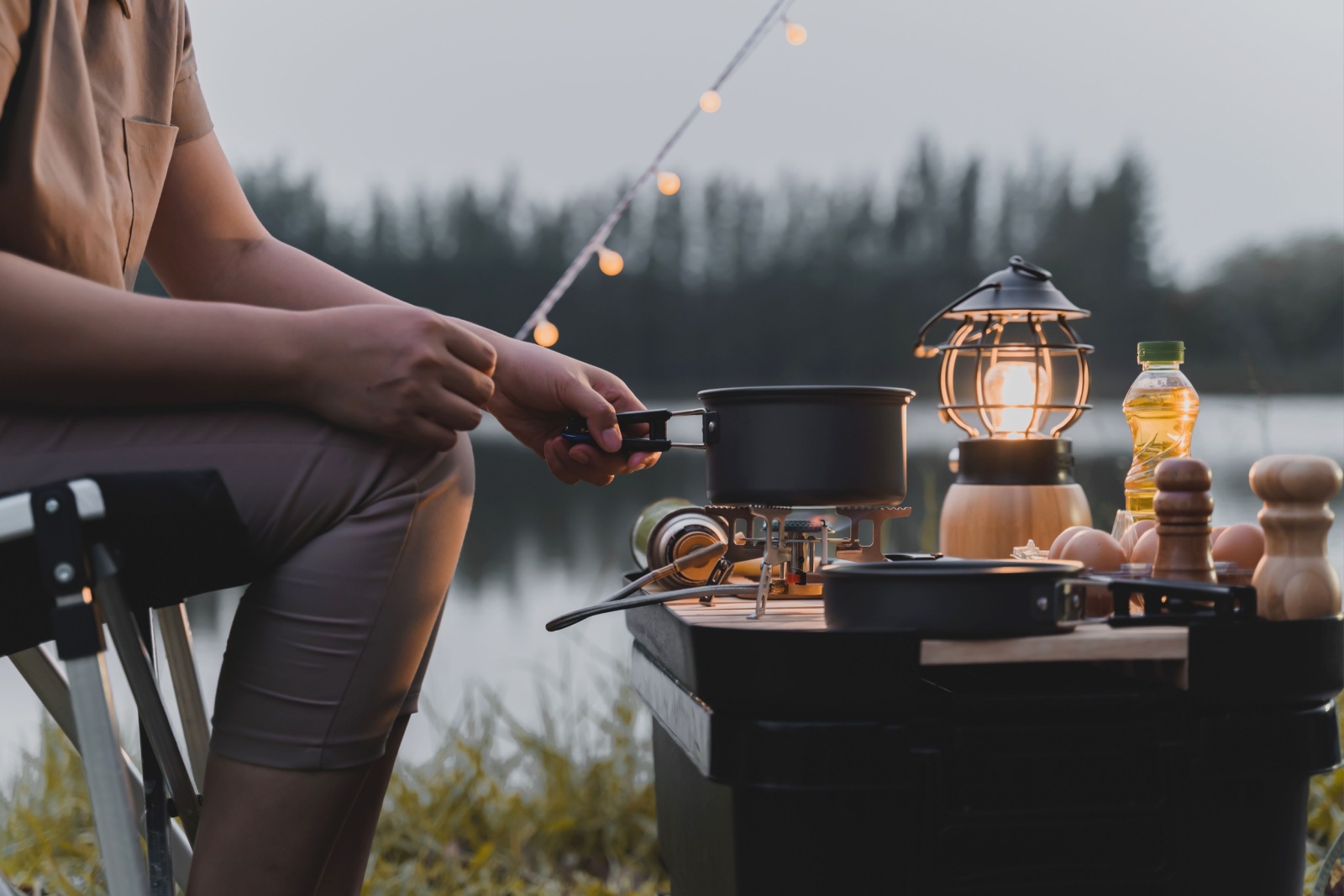
The Leave No Trace Center for Outdoor Ethics has created seven principles designed to minimize a person’s environmental impact in the wilderness, and many of these apply directly to outdoor cooking. For meal preparation in the backcountry, the guidelines emphasize careful planning that matches your menu and gear to the terrain, weather, and local regulations. Cooking areas should be set up on durable surfaces like rock or gravel to protect fragile vegetation. Food scraps, trash, and used materials must always be packed out, and gray water should be managed responsibly. Natural features should remain undisturbed, and campfire impacts should be minimized by using camp stoves, portable grills, or solar cookers instead of open flames. Food must also be secured to protect wildlife. When applied together, these practices allow outdoor cooking to be safe, sustainable, and respectful of the land and fellow visitors.
Meal Planning With Minimal Impact

Thoughtful planning before heading out makes all the difference in reducing your environmental footprint. Foods that require minimal packaging and resist spoiling, such as dehydrated meals, instant grains, and shelf-stable proteins, are best for the trail. Consolidating ingredients into reusable pouches or lightweight containers reduces both waste and pack weight. Coordinating menus with fellow hikers prevents duplication and allows for shared resources, whether it’s a small portable grill, a single camp stove, or cookware that can be passed around. Pre-measuring spices, oils, and dry goods at home also saves time at camp and minimizes what you need to carry. The goal is simple: to enjoy nutritious meals without leaving behind trash or introducing non-native materials into wild spaces.
Safe Wilderness Cooking Methods
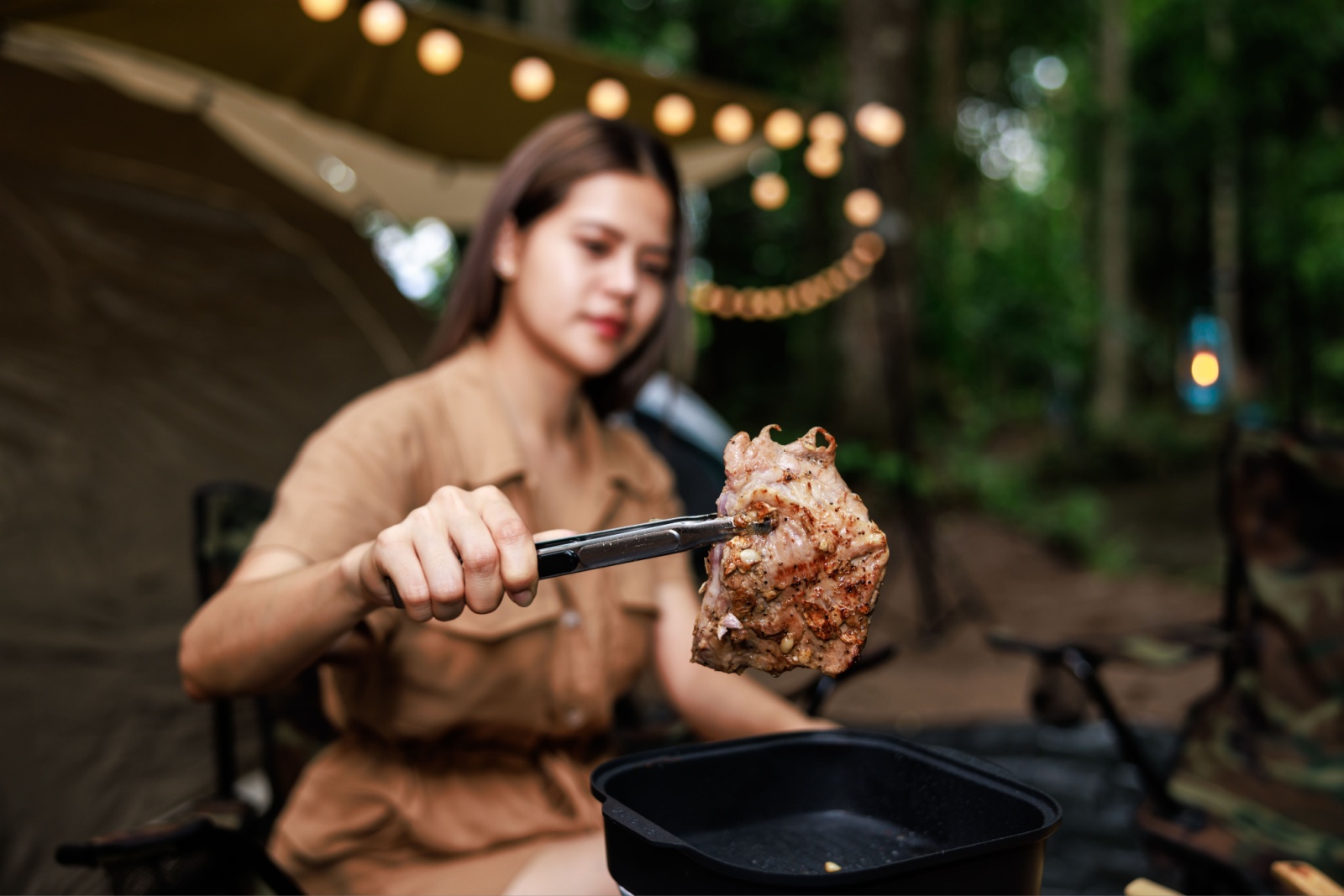
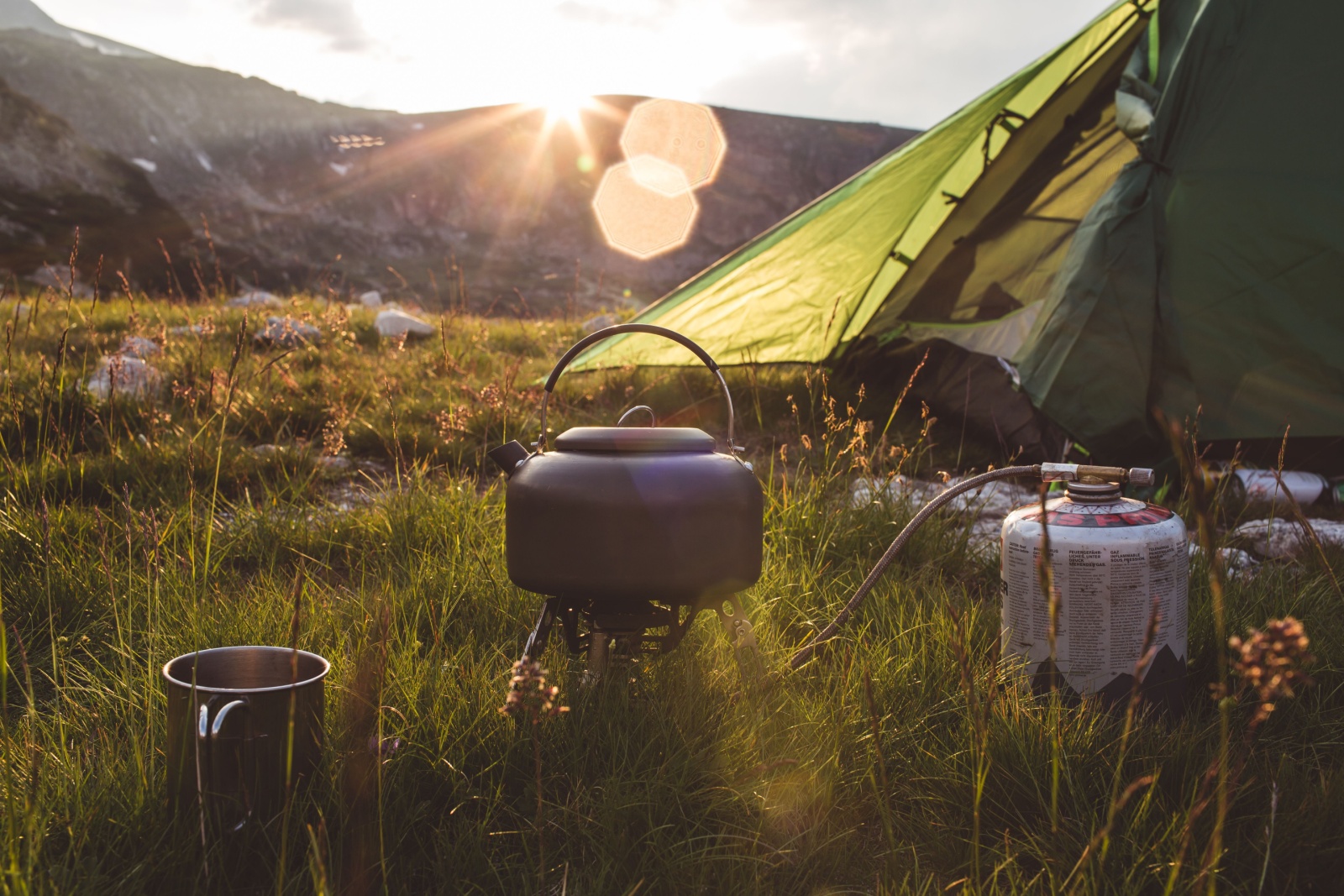
Choosing low-impact cooking methods protects both the environment and your safety. Camp stoves, solar ovens, and portable camping grills are efficient tools that help prevent wildfire risks and minimize damage to the ground. A lightweight grill grate, for example, allows you to roast vegetables or fish over a contained flame without scorching the soil beneath. Whatever method you use, always cook on a stable, fire-resistant surface, and never leave a heat source unattended. Even small stoves can cause lasting harm if tipped or used on dry vegetation. With the right approach, you can prepare hearty meals that feel like a true outdoor cookout while staying aligned with Leave No Trace principles.
Safe Food Handling and Storage Methods
Proper food storage is critical in the wilderness, both for keeping meals safe and for protecting wildlife. Animals that access human food often become aggressive or dependent, increasing the danger to humans. To prevent this, all food, scented items, and trash should be stored in bear-resistant canisters, odor-proof bags, or suspended food packs at least 10 to 15 feet above the ground and 4 to 6 feet away from tree trunks. In areas with smaller animals such as raccoons or rodents, hard-sided containers can prevent chewing damage. Grilling tools, cookware, and even utensils that have absorbed food odors should be stored as carefully as the food itself to avoid attracting unwanted attention from wildlife.
Waste Disposal and Cleaning Up
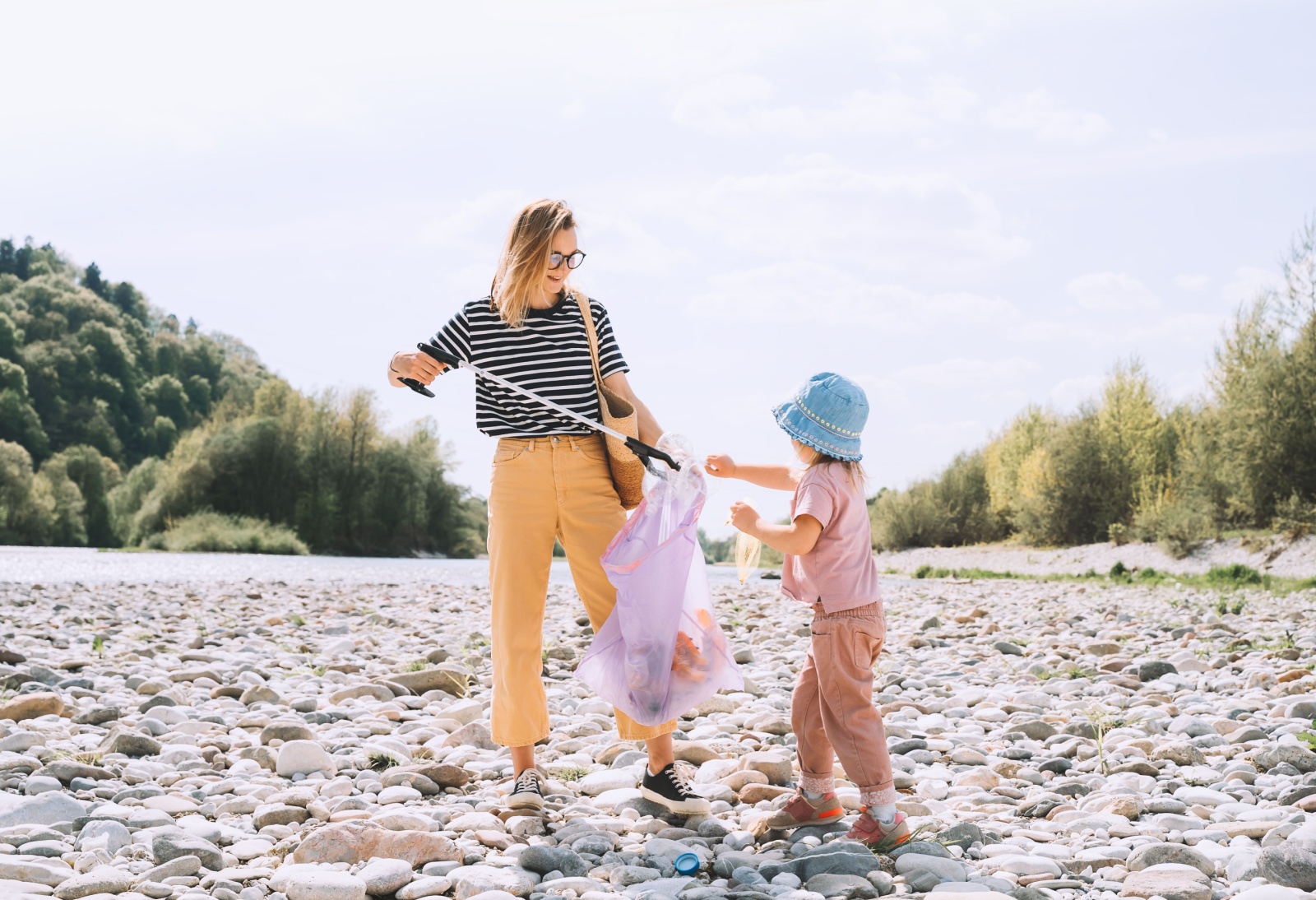
One of the most important Leave No Trace practices is managing waste responsibly. Everything you bring in must be carried out, including food scraps, packaging, and other non-natural materials. Even seemingly harmless items like fruit peels or crumbs can disrupt animals’ diets and linger far longer than expected.
When washing dishes, carry water at least 200 feet away from lakes, rivers, and streams. Use a minimal amount of biodegradable soap, but remember that even eco-friendly soaps can harm aquatic life if used directly in the water. After washing, strain out food particles and pack them with your trash, then scatter the gray water over a wide area so it can be filtered naturally. If you are in an area without trash bins, keep all waste in a sealed container or dry bag to prevent leaks and odors until you can dispose of it properly.
Campfire Alternatives
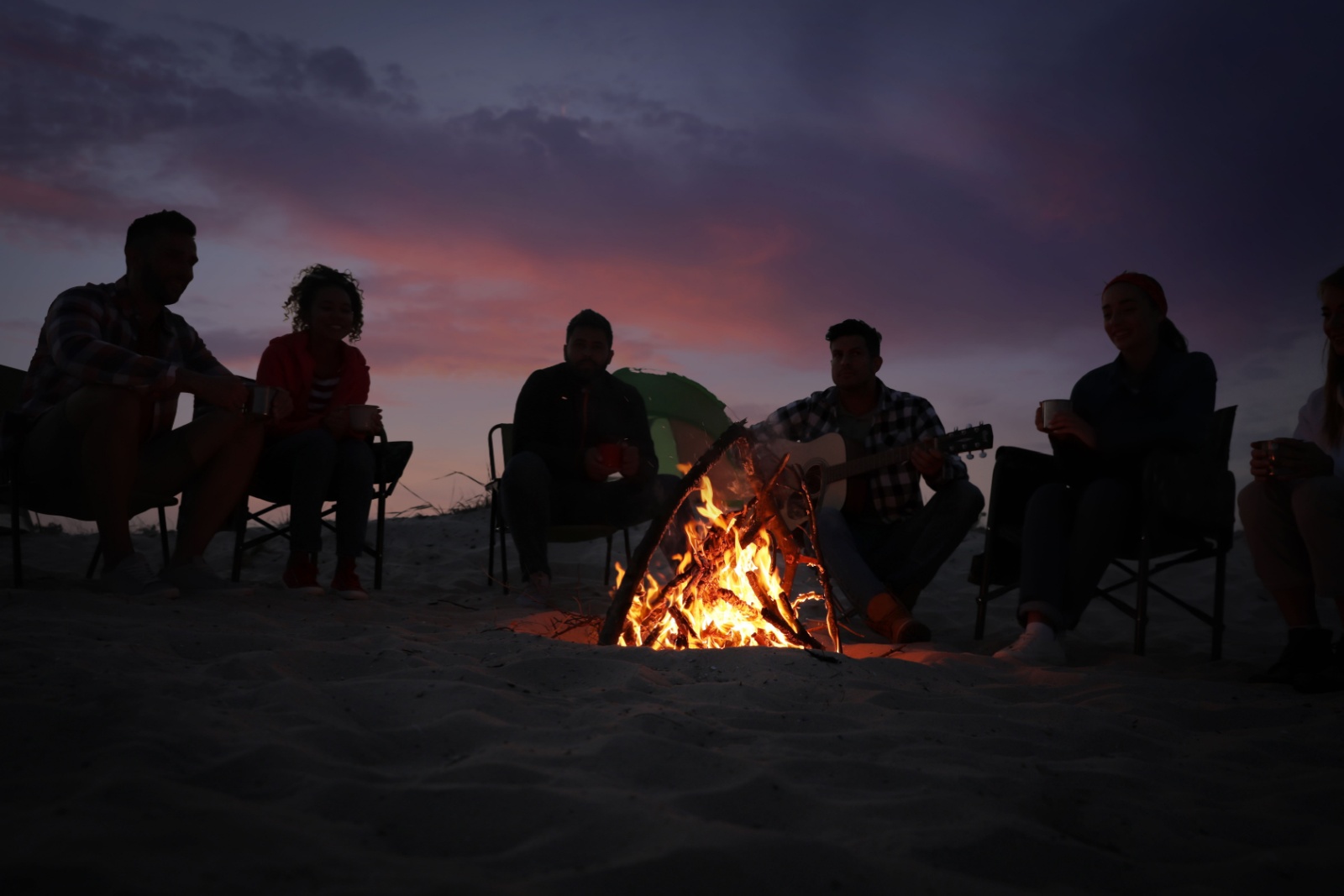
Traditional campfires may feel like part of the wilderness experience, but they can leave behind scars, strip an area of wood, and raise the risk of wildfires. Many regions now enforce fire restrictions during dry seasons, so always check regulations before your trip. For cooking, portable stoves, compact gas camping grills, and solar cookers provide safe and sustainable alternatives. If you want the glow of a campfire, propane fire pits or specialized fire pans that elevate flames and contain ash are smart options. These tools even allow you to grill food without damaging the ground beneath.
Additional Tips
Beyond the core principles, a few additional practices can make your outdoor cooking both safer and more enjoyable. Packing reusable utensils, sturdy grill tools, and collapsible cookware reduces waste and saves space. Preparing meals in advance, such as chopping vegetables or marinating proteins at home, simplifies cooking once you’re on the trail. Portion control is another overlooked but important step. Cooking just the right amount not only prevents food waste but also eliminates the challenge of storing leftovers safely. And once you’re at camp, setting up in designated cooking areas or existing fire rings minimizes your impact while also giving you a more stable and predictable workspace.