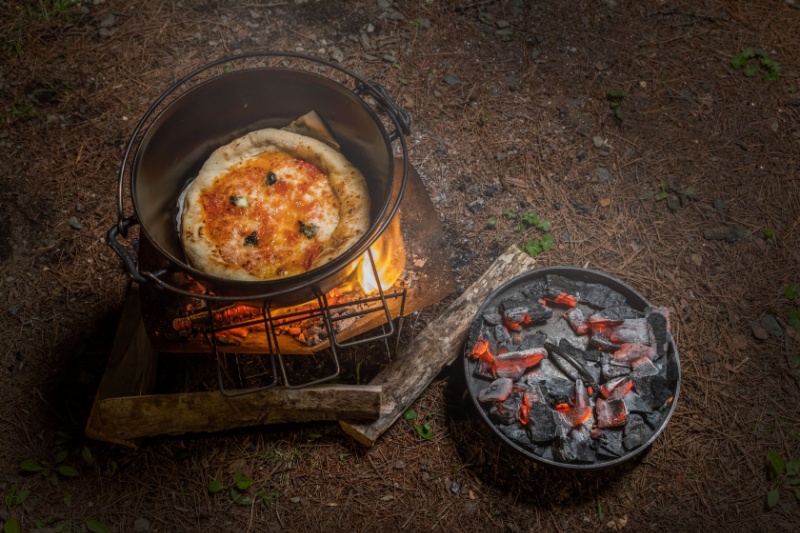
There’s something about cooking over a campfire that taps into a deep, primal connection. The crackle of the wood, the smell of smoke, and the taste of food skillfully cooked over an open flame can turn an ordinary camping trip into something truly memorable. It’s one of the oldest ways humans have ever prepared a meal, and it still holds up. But as rewarding as campfire cooking can be, it also comes with real responsibility. Knowing how to do it safely, and without leaving a mark on the environment, is just as important as knowing how to get a good fire going.
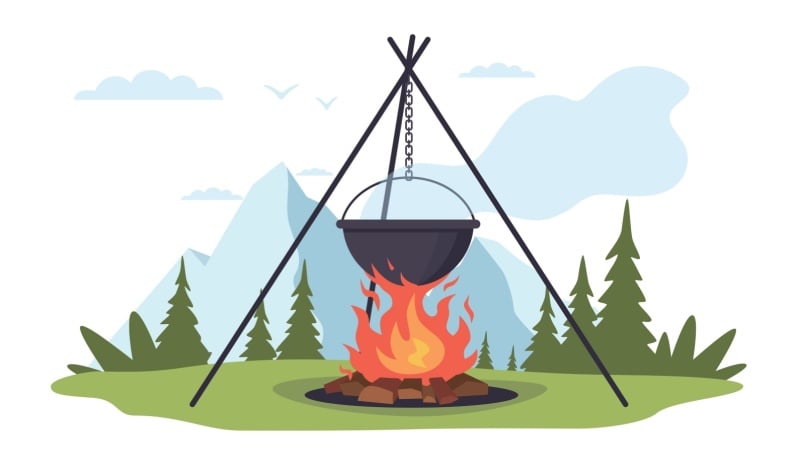
Safety Precautions for Outdoor Cooking
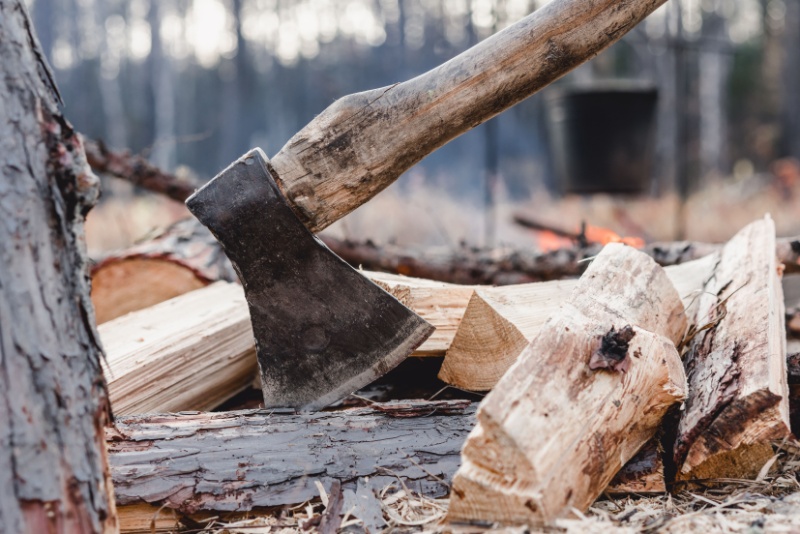
Wood
The most important thing you need to keep in mind when you’re collecting firewood is that you need wood that will help you create a hot, clean fire. Dry wood will burn cleanly without creating a lot of smoke. This means that you should only use dead wood that you find on the ground or pre-seasoned firewood that you bring to your campsite. Just make sure to check your campground’s rules about bringing in firewood, as doing so improperly can spread invasive species.
Fire Location
Always build your fire in an open space where it can’t reach trees or other plants. If a campsite has an existing fire pit, always use it. If not, build your campfire on or surrounded by rocks to help protect the ground and keep the fire contained.
Wind
If it’s windy, reconsider starting a fire. Strong winds can cause embers, sparks, and debris to blow from your fire pit, leading to a wildfire. It’s also difficult to start a fire and keep it alive during windy weather.
General Fire Safety Information

Before building a fire, always think carefully about how it could spread and do everything you can to prevent this from happening. Have a bucket of water on hand to put out the fire before you light a match. And once the fire is going, watch it at all times to make sure that it stays contained and that no children or pets get too close to the flames.
- Do’s and Don’ts for Campfire Safety and Burn Prevention
- Campfire Safety Tips
- Campfire Safety Guide
- Fire Safety When Camping
- Learn About Campfire Safety
- Outdoor Fire Safety
- Campfire Safety Practices
- All About Campfire Safety
- Get Prepared: Campfires
- Outdoor Fire Safety for Kids
- Campfire Safety Tips for the Summer Season
How to Build a Campfire

A campfire is the heart of a campsite. However, building a campfire is not as simple as tossing a few logs and lighting a match. There’s a technique to building a fire that will burn as long as you need it, burn as cleanly as possible, and not endanger the people at your campsite.
Leave No Trace
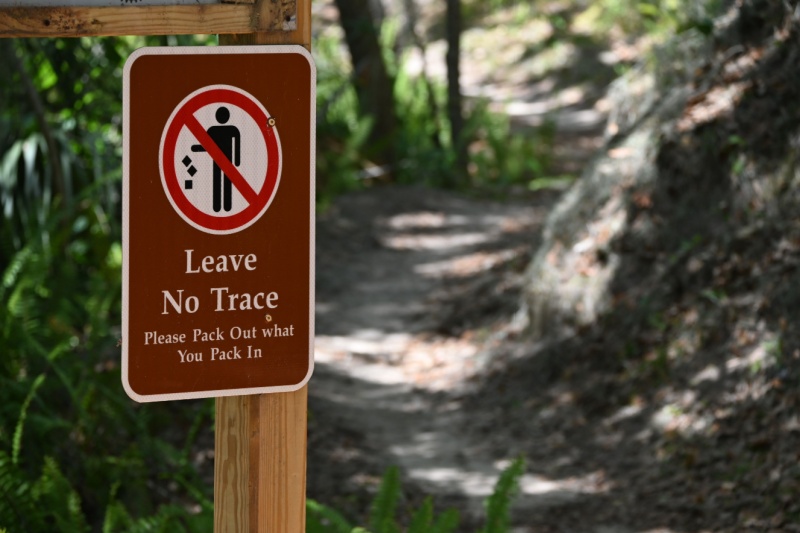
Leave No Trace is a set of principles and practices that promote conservation of nature and the outdoors. The Leave No Trace principles are based on respect for the natural world and focus on minimizing the impact of human presence in nature.
Food Safety
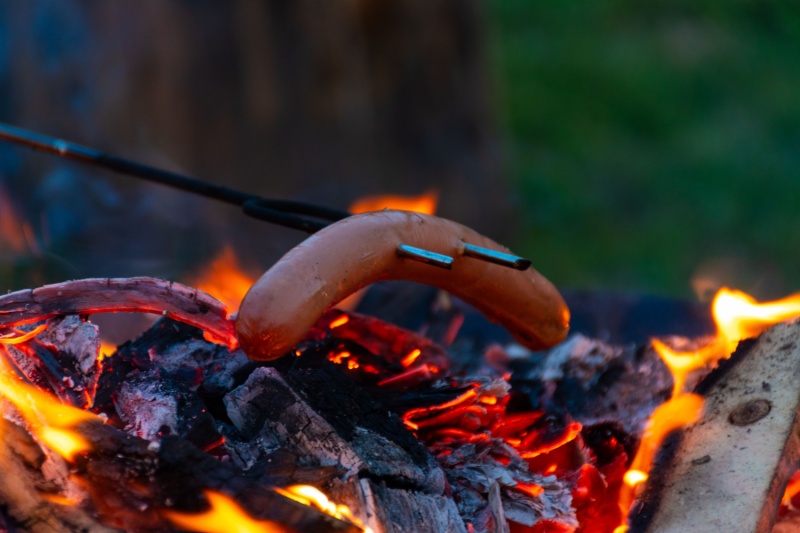
Food safety is important whether you’re cooking at home or grilling over a campfire. Outdoor cooking can be a little more challenging to do safely due to the absence of refrigeration, but the effort is well worth it.
- Outdoor Food Safety
- Food Safety for Any Outdoor Summer Event
- Handling Food Safety Outdoors This Summer
- Ten Tips for Outdoor Food Safety in the Summer
- Food Safety While Hiking, Camping, and Boating
- Campsite Cooking: Food Prep and Fire Safety Tips
- Food Safety Knowledge
- Five Food Tips for Camping and Hiking
- Outdoor Food Safety
- Keep Food Safe When Camping and Hiking
- Outdoor Cooking: Basic Food Safety Principles
- Food Safety While Camping
Recipes for Campfire Meals

Dutch Oven Recipes and Cooking Tips