
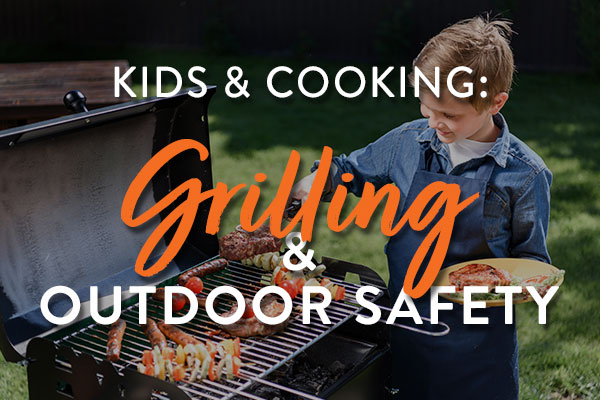
Grilling is a beloved outdoor activity that brings people together for delicious meals and warm memories. According to the National Fire Protection Association (NFPA), approximately 64% of U.S. households own at least one outdoor grill or smoker, with gas grills being the most popular choice at 61%. Nonetheless, while grilling is a fun and convenient way to cook, it also comes with risks. On average, more than 10,000 home fires are caused by grills each year, with gas grills being a leading contributor. Thankfully, by following proper safety precautions, you can reduce these risks and focus on what really matters: enjoying great food and great company.
Safety Tips
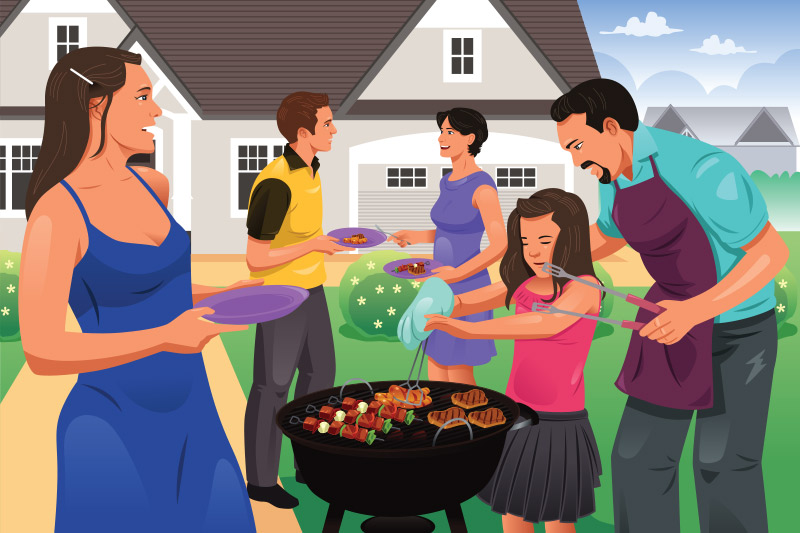
- Always use your propane or charcoal barbecue grill outside, and place it on a flat, stable surface away from structures, overhanging branches, or flammable materials. Keep it at least 10 feet from your home or any outdoor furniture.
- Never leave your grill unattended while it’s in use. Fires can start and spread quickly, so always keep an eye on the grill. And always keep pets and kids at least 3 feet away from the equipment.
- Regularly clean your grill to remove grease buildup, which can ignite and cause flare-ups.
- Make sure that the grill’s lid is open before you light it.
- Keep a fire extinguisher, baking soda, or sand within reach in case of emergencies. Never use water to put out a grease fire.
Charcoal Grills
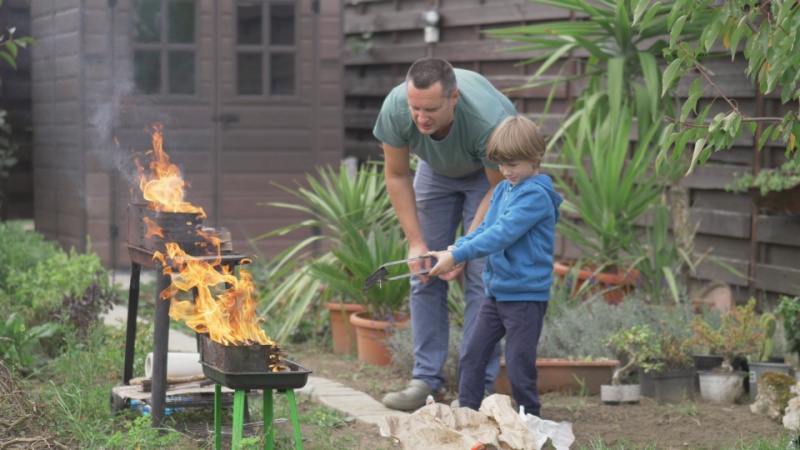
- Only use charcoal starter fluid designed for grilling. Never use gasoline or other accelerants, as they can cause dangerous flare-ups.
- Allow charcoal ashes to cool completely before disposing of them in a metal container. Hot ashes can ignite other materials.
- Charcoal grills produce carbon monoxide, so always use them in a well-ventilated area to avoid the risk of poisoning.
- Don’t add too much charcoal, as this can lead to excessive heat and potential flare-ups.
- Keep charcoal fluid far away from children.
Propane Grills
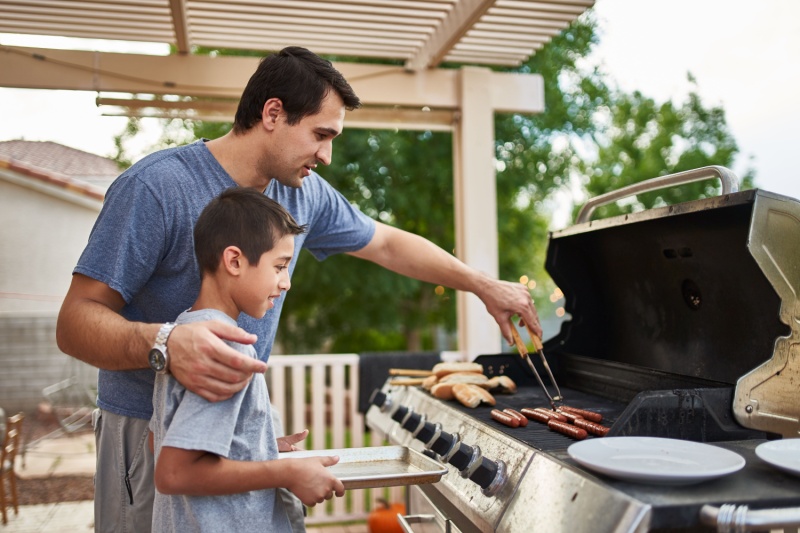
- Before lighting the grill, inspect the propane tank and hose for leaks. To do that, apply a soapy water solution to the connections; if bubbles form, there’s a leak. Also, if you smell gas, turn off the grill immediately and check the connections.
- Always open the lid before turning on the gas to prevent a dangerous buildup of propane.
- Keep propane tanks upright, and store them in a cool, well-ventilated area away from direct sunlight or heat sources.
- After use, turn off the propane tank first, then the grill controls. This ensures that no gas is left in the line.
Children’s Safety Gear for Grilling
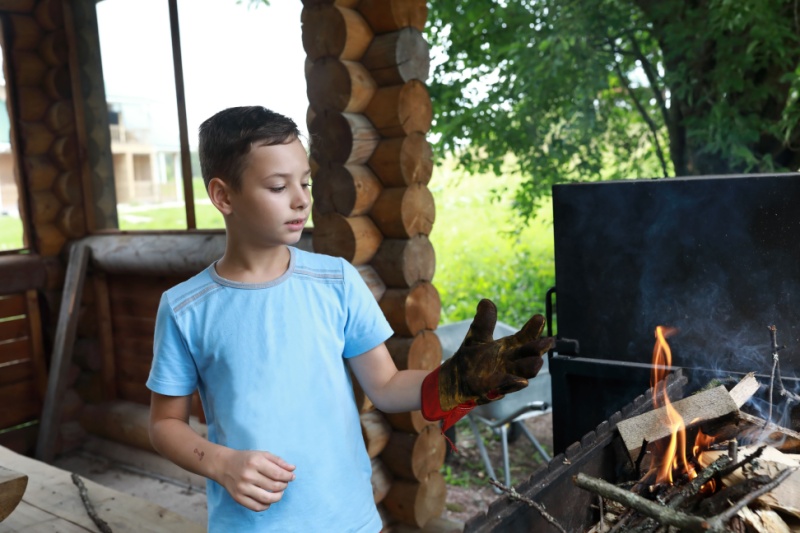
- Dress children in snug-fitting clothing made from non-flammable materials, such as cotton or other natural fibers, if they’re going to be around the grill. Avoid loose sleeves or flowing fabrics that could accidentally catch fire.
- You can also consider getting them heat-resistant gloves if they are helping with tasks near the grill. These gloves protect their hands from burns when handling warm utensils or being near the heat source.
- A sturdy, heat-resistant apron can help shield their clothing from grease splatters, sparks, or accidental contact with hot surfaces.
- Make sure that children wear closed-toe shoes to protect their feet from hot coals, spills, or dropped utensils.
- Pair safety attire with grilling tools for kids, such as smaller tongs, spatulas, or brushes with easy-grip handles, which can make the experience of helping at the grill safer and more manageable for them.
How to Safely Use Grilling Tools
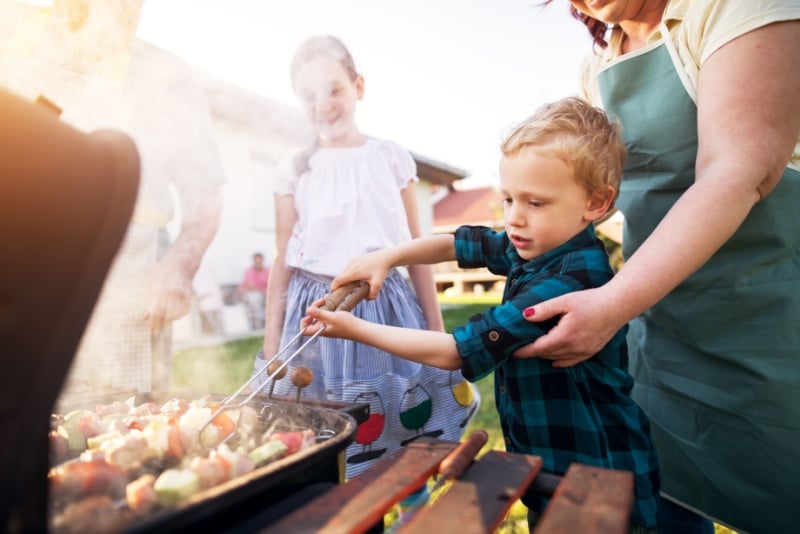
- Always check your grilling tools for damage, such as loose handles, rust, or cracks, before using them.
- Regularly clean your grilling tools to prevent grease buildup and cross-contamination. Use warm, soapy water and a brush to remove residue, and dry them thoroughly before storage.
- Avoid using grilling tools for tasks they aren’t designed for. For example, don’t use a spatula to move charcoal or a fork to flip delicate foods. This can lead to accidents or damage the tools.
- When not in use, store grilling tools in a designated area away from the grill to prevent them from accidentally touching hot surfaces.
- Use separate tools for raw and cooked foods to prevent the spread of bacteria. If you only have one set of tools, wash them thoroughly between uses.