
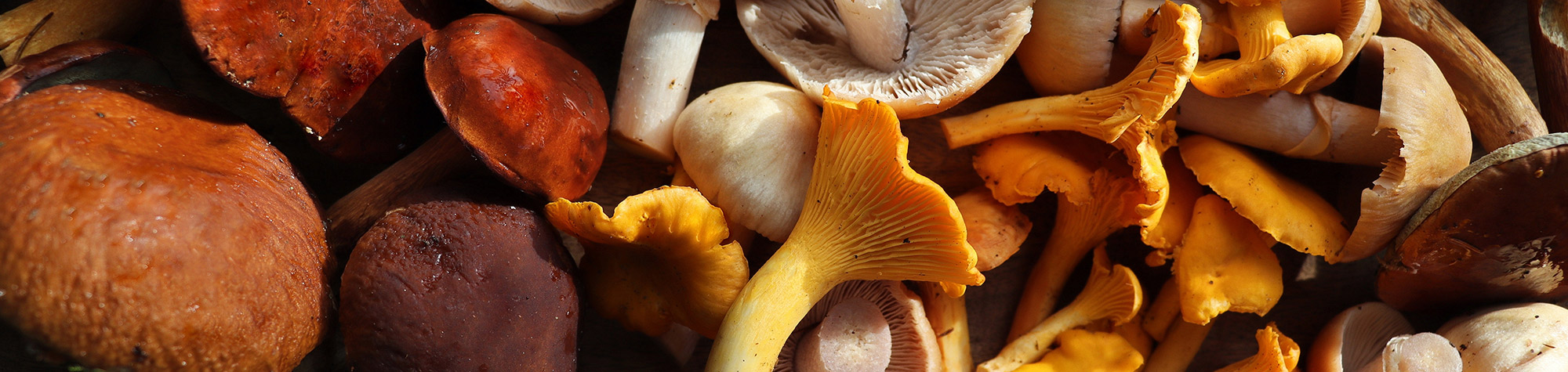
Scientists estimate that we’ve only discovered somewhere between 3% and 8% of the fungal species that inhabit our planet. Yet even this small glimpse into the world of fungi is enough to keep us interested and searching for more. Mushrooms are much more than a side dish to be served alongside a cut of meat; they are magnificent in their own right, and many of the already-known fungi have remarkable abilities. For example, some species can break down pollutants, including oil and plastic, helping to remediate serious environmental damage. Others are known to attract insects and pollinators through vibrant colors and distinct odors. Those insects then pollinate plants and help sustain forest ecosystems.
A 2023 study by the University of Sheffield found that mycorrhizal fungi, which form symbiotic relationships with plants, are capable of storing up to 36% of annual global fossil fuel emissions underground; that’s more than the total yearly emissions of China. As we continue to explore the fungal kingdom, we may uncover even more ways they can help restore the health of our planet. Recognizing fungi’s role in nature leads to a deeper appreciation of their ecological value. Fungi can also positively impact the health of humans. Mushrooms are rich in protein and vitamins and are known to:
- Strengthen the immune system
- Lower blood pressure
- Support gut health
- Enhance cognitive function
- Regulate blood sugar
- Improve sleep and energy levels
- Support lung function
- Combat cancer
- Reduce anxiety and depression
One notable example of how fungi contribute to human health and well-being is the agarikon speciees of mushroom. As a rare polypore fungus that is found in the old-growth forests of North America and Europe, agarikon is valued for its antiviral, antibacterial, antifungal, and anti-inflammatory properties. It’s been included in and consumed through tinctures, extracts, and capsules for its medicinal properties, and early research suggests that it might be used to combat certain types of cancers.
Foraging for mushrooms is a great way to spend quality time outdoors, and it’s an accessible activity that can be enjoyed by many different skill levels, as long as it’s done safely with someone with an understanding of fungi and the support of identification books. In an age dominated by screens and indoor activities, mushroom hunting can offer us an opportunity to reconnect with nature and with each other. Research has shown that being in forests, often referred to as forest bathing, has measurable mental health benefits. Engaging children in outdoor experiences like mushroom foraging fosters their development and teaches them to value natural ecosystems. It also helps instill an understanding of how our actions affect the environment.
Let’s not forget one of the most compelling reasons to take up fungi foraging: Mushrooms are delicious! Foraging can be a fun way to involve selective eaters in the preparation of food. This is especially true with young eaters. Offering children a sense of ownership over their food choices and involving them in the process of meal planning and preparation can help them to feel invested in and open to new food experiences.
Common Edible Mushrooms
- Always use your propane or charcoal barbecue grill outside, and place it on a flat, stable surface away from structures, overhanging branches, or flammable materials. Keep it at least 10 feet from your home or any outdoor furniture.
- Never leave your grill unattended while it’s in use. Fires can start and spread quickly, so always keep an eye on the grill. And always keep pets and kids at least 3 feet away from the equipment.
- Regularly clean your grill to remove grease buildup, which can ignite and cause flare-ups.
- Make sure that the grill’s lid is open before you light it.
- Keep a fire extinguisher, baking soda, or sand within reach in case of emergencies. Never use water to put out a grease fire.
Cantharellus (Chanterelle)
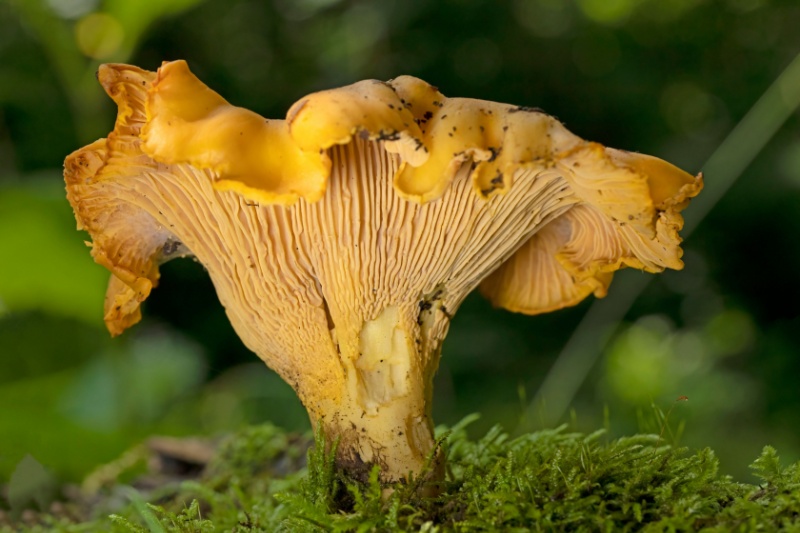
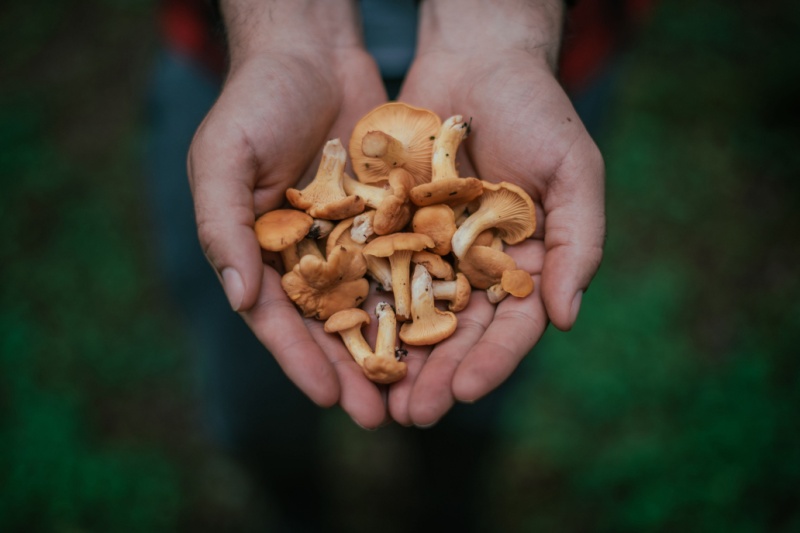
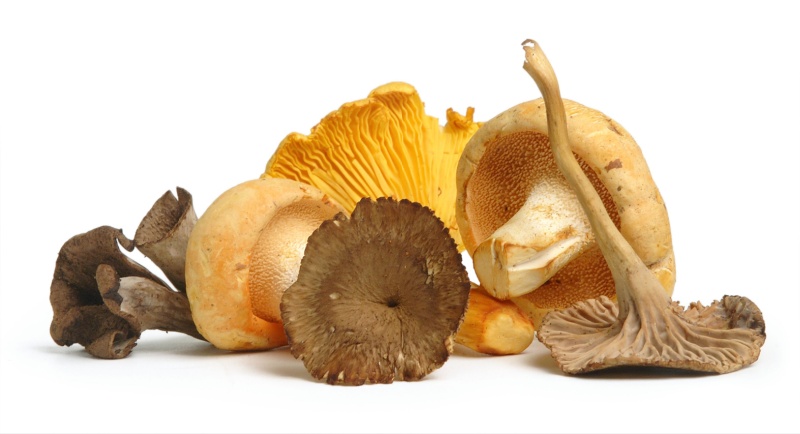
Chanterelle mushrooms are golden in color and shaped like a vase or a trumpet. They can often be found growing in soil, not on wood, in lines or clusters along hillsides and forest trails. Chanterelles begin fruiting in late spring or summer, depending on which part of the country you’re in, and persist until the first hard freeze. But be careful when you’re foraging for them, as they look very similar to Omphalotus or Jack-o’-lantern mushrooms, which are toxic. Once you get your chanterelles home, try putting them on the grill or sauteing them in butter.
Boletus (Bolete)
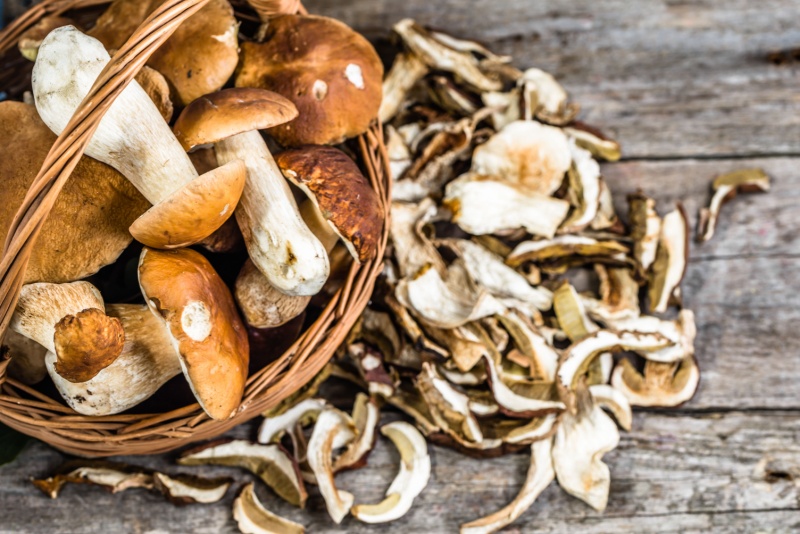
Sought after for their impressive size, boletes can be very large and heavy, some weighing as much as several pounds. They are reddish brown in color, with a dome-shaped top that flattens as the mushroom ages. Boletes typically fruit from May through November, depending on the climate, in coniferous and deciduous forests. When out foraging, always avoid species of bolete that feature red pores or stain blue when cut, as those are most often inedible or toxic. Because they’re so big, boletes are great to cook on the grill, though you can also roast them in the oven or cut them up to add to a soup or stew.
Morchella (Morel)
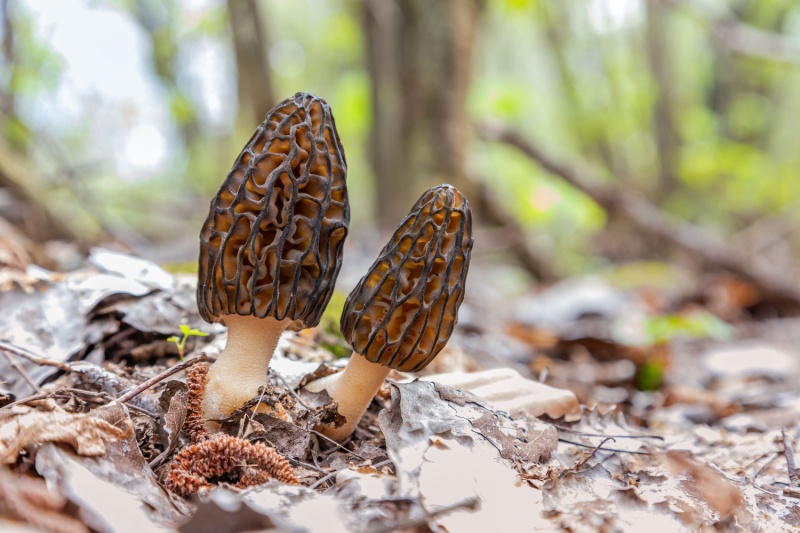
Morels, which feature an interesting dark brown or black honeycomb-like cap, can be hard to find when foraging. You might have the best luck foraging for morels in wooded areas with an abundance of dying or dead trees; they’ve also been known to thrive in burned forests. They can appear as early as March and as late as August, with prime season usually in May and June, depending on rainfall and elevation in the region. Don’t mistake false morels for the real thing, as they can be deadly. Morels are toxic if not cooked thoroughly. Saute them in a dry skillet to really bring out their nutty flavor.
Pleurotus (Oyster)
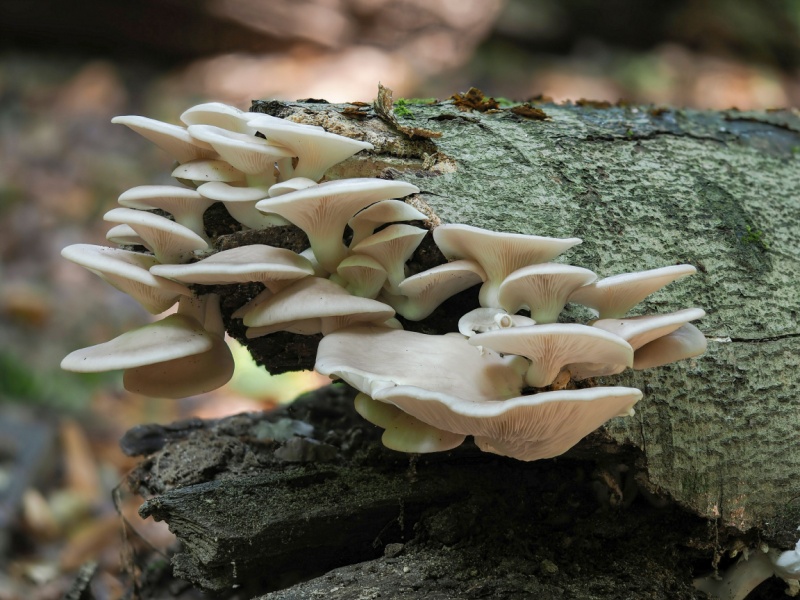
Recognizable by their shelf- or shell-like shape, oyster mushrooms grow in clusters on decaying wood; they especially like aspen and beech trees. What’s really nice about these edible mushrooms is that they can be found for most of the year, from early spring to fall in some areas and year-round in mild climates. Choose fresh, firm oyster mushrooms when you’re foraging, and beware of lookalike Jack-o’-lantern mushrooms. Oyster mushrooms are great oven-roasted or cooked on the grill.
Hericium (Comb Tooth, Lion’s Mane, Bear’s Head, etc.)
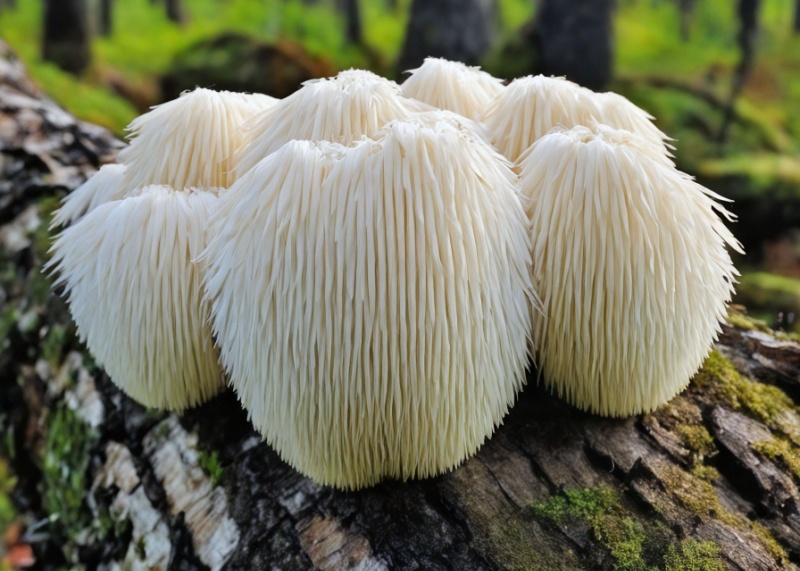
Featuring white and shaggy spines or teeth, these mushrooms resemble cascading white or cream-colored icicles or waterfalls as they grow in clumps on dead hardwood trees, like maple or oak. Fruiting from late summer through late fall, depending on the weather, lion’s mane mushrooms are valued for their ability to support cognitive function and have been studied for their neuroprotective properties. They’re also a great meat substitute: Just grill them with a bit of steak seasoning for a vegetarian treat!
Hydnum (Hedgehog)
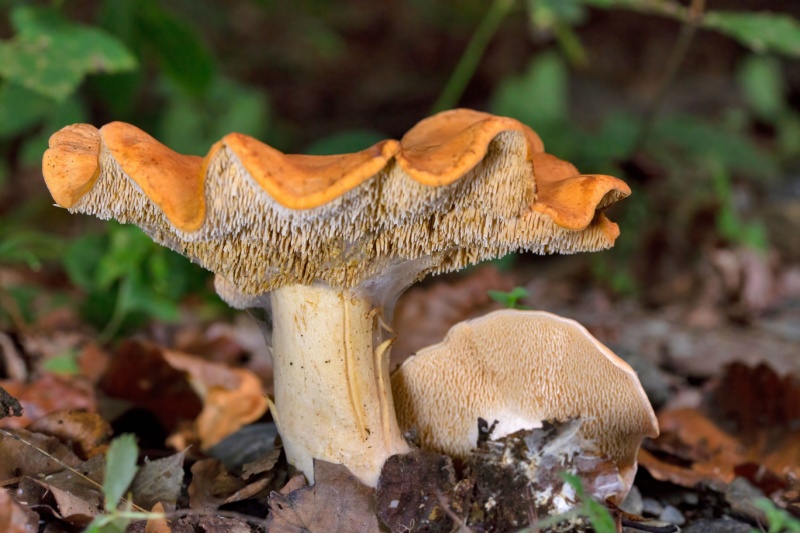
Named for the beige to orange hedgehog-like spines of their underside, hedgehog mushrooms should not be foraged by beginners, as there are several harmful lookalike mushrooms that a novice could easily mistake for the hedgehog species. They can be foraged for in late summer through the winter in coniferous and mixed forests. Hedgehog mushrooms make a great side dish when sauteed or grilled on skewers.
Basic Mycology Terms You Should Know
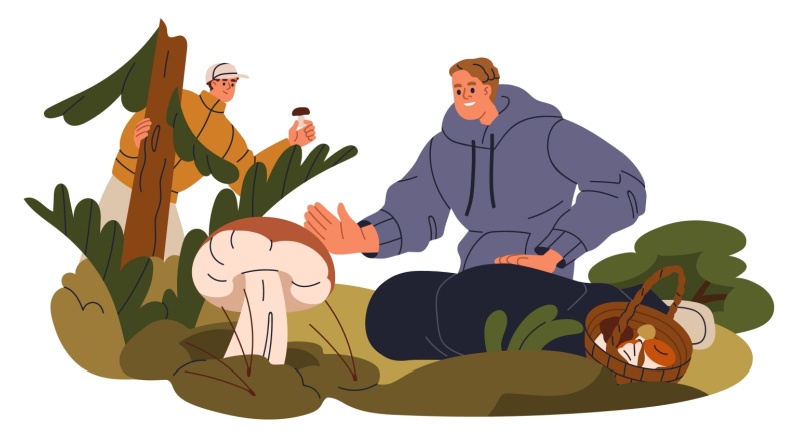
Mycology is the study of fungi, including mushrooms, molds, and yeasts. A mycologist explores topics that include edible and poisonous mushrooms, medicinal fungi, fungal ecology, fungal decomposition, fungal genetics, and how fungal diseases impact plants, animals, and humans. Mycology has made great contributions to the fields of agriculture and medicine. It has also contributed to our understanding of ecosystems and food science. Here are some basic mycology terms you should know:
Ascomycota: One of the two major phyla of fungi (alongside Basidiomycota). These fungi produce spores in sac-like structures called asci. Examples include morels, truffles, and many molds.
Basidium: A microscopic, spore-producing structure found on the gills, pores, or other surfaces of many mushrooms, especially in the phylum Basidiomycota. Each basidium typically produces four spores.
Cap (Pileus): The top part of a mushroom, which can be round, flat, or funnel-shaped. It protects the gills, pores, or spines underneath.
Decomposer: A type of organism that breaks down dead organic material, returning nutrients to the ecosystem. Most saprotrophic fungi are decomposers.
Edible: Safe and suitable to eat
Fruiting Body: The visible, reproductive part of the fungus, what we commonly call a mushroom. It emerges from the mycelium to produce and release spores.
Fungus: A type of organism that includes molds, yeasts, and mushrooms. Unlike plants, fungi absorb nutrients from organic matter.
Gills (Lamellae): Thin, blade-like structures under the mushroom cap where spores are produced in many species (e.g., agarics like the typical grocery-store mushroom).
Hyphae: Microscopic filamentous structures that make up the mycelium. They absorb nutrients and grow throughout the environment.
Identification Key: A step-by-step tool or guide used by foragers and mycologists to determine the species of a mushroom, usually based on physical traits like cap shape, spore print color, habitat, and gill structure
Inedible: Not poisonous, but not palatable or digestible
Lichen: A symbiotic organism made of a fungus and a photosynthetic partner, usually algae or cyanobacteria. Lichens are not mushrooms, but they are important in ecosystems and studied in mycology.
Mycelium: The vegetative part of a fungus, made up of a network of thread-like filaments called hyphae. It lives in soil, wood, or other substrates and produces the mushroom.
Mycorrhizal: Fungi that form mutually beneficial relationships with plant roots, helping them absorb nutrients
Parasitic: Fungi that feed on living organisms, often harming them (e.g., honey fungus)
Pores: Instead of gills, some mushrooms, like boletes and polypores, have a spongy underside full of pores from which spores are released.
Ring (Annulus): A ring-like remnant on the stem left by a partial veil
Saprotrophic: Fungi that feed on dead organic matter, helping to decompose and recycle nutrients (e.g., oyster mushrooms)
Spore: A microscopic reproductive unit released by fungi (like seeds in plants). Spores help the fungus spread and grow in new areas.
Spore Print: A technique used to identify mushrooms by placing the cap gill-side down on paper to observe the color of the released spores
Stem (Stipe): The stalk that supports the cap. Not all mushrooms have a stem, but many do.
Teeth or Spines: In some species, spores are released from tooth-like projections underneath the cap.
Toxic/Poisonous: Capable of causing illness or death when consumed
Veil: A thin layer of tissue that may cover parts of a young mushroom. It can form a partial veil covering the gills, often leaving a ring, or a universal veil covering the entire mushroom when young, which can leave a volva at the base.
Volva: A cup-like structure at the base of some mushrooms, left from the universal veil
Additional Information About Mushrooms
- An Introduction to Mushroom Foraging
- A Comprehensive Glossary of Mycology Terms
- Edible Mushroom and Earthworm Culture
- If You Suspect You’ve Consumed a Poisonous Mushroom
- Identification Key to Major Groups of Mushrooms
- Teaching Students How Mushrooms Grow
- Outdoor Kitchen Storage
- Mushrooms and Other Fungi
- The Nutritional Benefits of Mushrooms
- How Mushrooms Grow
- Mushrooms Are Vital to Our Ecosystems and a Culinary Delight