

Protecting yourself from ticks is essential when enjoying the great outdoors, whether you’re grilling in your backyard, exploring on a hiking trail, or relaxing at a campsite. These tiny arachnids can pose serious health risks, but with a few simple precautions, you can stay safe and enjoy nature worry-free.
Ticks are small arachnids that feed on blood by attaching to humans and animals. They thrive in grassy, brushy, or wooded areas, including leaf litter and tall grass. Ticks don’t jump or fly; they “quest” by climbing to the tips of grasses or shrubs and extending their front legs to latch onto a passing host. Once on the body, they often crawl toward warm, protected areas like the armpits, hairline, groin, or behind the ears before attaching.

Backyard Tick Safety

If not appropriately managed, your backyard can become a tick hot spot. Reducing tick habitats around your home is key to prevention. Regularly mow your lawn, clear tall grass and brush, and remove leaf litter. Keep woodpiles neat, and create a wood chips or gravel barrier between lawns and wooded areas to deter tick movement. However, even if you keep your yard very tidy, you should always perform a tick check after spending time outdoors, just to be safe.
Trail and Campsite Tick Safety
Spending time in nature is refreshing, but it also increases your risk of encountering ticks. Trails, campsites, and wooded areas often have ideal conditions for ticks to thrive, such as shaded brush, tall grass, and moist leaf litter.
When heading into natural areas, take extra precautions. Stick to marked trails, and avoid tall grass or dense vegetation. Wear long pants tucked into your socks, long-sleeved shirts, and light-colored clothing to help you spot ticks more easily. Apply EPA-registered repellents like DEET, picaridin, IR3535, or oil of lemon eucalyptus on exposed skin. Treat clothing and gear with permethrin for added protection. Ticks can hitchhike on backpacks, tents, and furry companions, so you should also inspect gear and pets before bringing them indoors or into your vehicle.
After you come inside from hiking or cooking on the grill, conduct a full-body tick check, paying close attention to behind your knees and your underarms, hairline, waistline, and other warm, hidden areas. It’s also a good idea to take a shower; showering can help remove unattached ticks.
How to Remove a Tick Safely
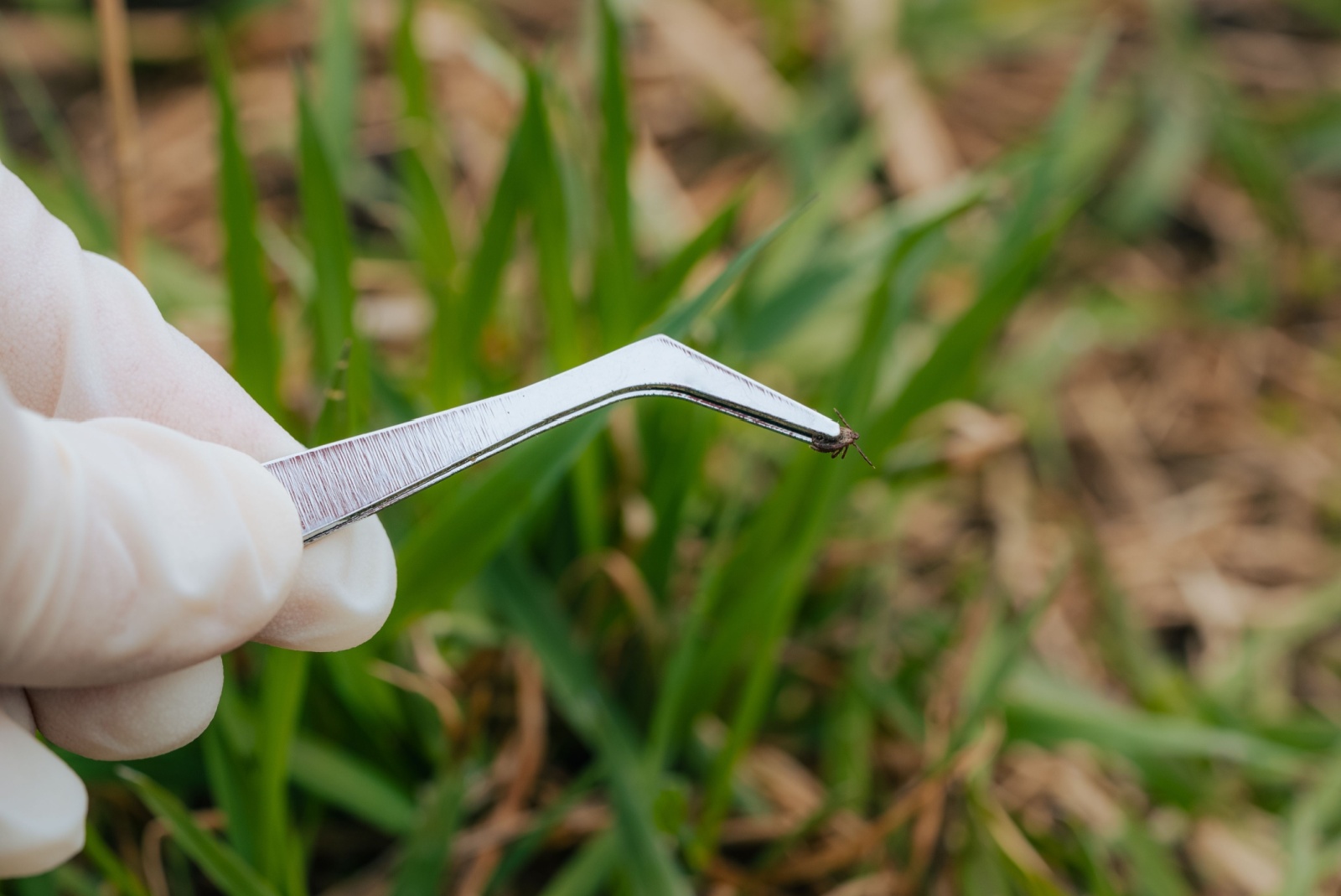
If you spot a tick on your skin, don’t panic. Removing it correctly and promptly is key to preventing illness. Use fine-tipped tweezers to grasp the tick as close to the skin as possible, aiming for the head or mouth parts, not the body. Pull straight up with slow, steady pressure; avoid twisting or jerking, which can leave parts behind. Then, clean the bite and your hands with soap and water or disinfect with rubbing alcohol. Dispose of the tick by sealing it in a bag, placing it in alcohol, or flushing it. Never crush a tick with your fingers.
Over the next few weeks, watch for symptoms like fever, rash, or fatigue. If symptoms appear or you’re unsure how long the tick was attached, consult a medical professional.
Tick-Borne Illnesses to Be Cautious Of

Ticks can carry several serious illnesses, making early detection and treatment especially important. In North America, one of the most common tick-borne diseases is Lyme disease, which often presents with a distinctive “bull’s-eye” rash along with fever, headache, and fatigue. If left untreated, joint pain and neurological complications could be in store. Ticks can also carry Rocky Mountain spotted fever, which typically causes fever, headache, and a rash that begins at the wrists and ankles; it requires prompt medical care to avoid severe outcomes. Tick-borne illnesses like anaplasmosis and ehrlichiosis usually result in fever, headache, and muscle aches. And though rare, Powassan virus disease can be particularly severe, sometimes leading to brain inflammation or meningitis. If you experience fever, rash, joint pain, or flu-like symptoms within a few weeks of a tick bite, it’s important to seek medical attention.
- How to Protect Yourself From Ticks Year-Round
- Preventing Tick Bites
- How to Protect Yourself Against Ticks
- Trail Safety: Ticks, Snakes, and Common Sense
- What You Need to Know to Stay Safe During Tick Season
- Find the Right Bug Repellent
- Lyme Disease
- Infrared Grills
- Rocky Mountain Spotted Fever
- Ehrlichiosis and Anaplasmosis
- Powassan Virus Disease Fact Sheet
- Tick Identification Guide
- Outdoor Kitchens
- Ticks and Tickborne Diseases
- How to Choose an Insect Repellent for Your Child
- Lyme Disease Prevention Tips and What to Do After a Tick Bite