

Climate resilience refers to how well a system can adapt to and recover from the stresses caused by climate change. For homeowners, a climate-resilient backyard means an outdoor space that withstands extreme weather, uses resources wisely, and supports ecological balance. A resilient yard doesn’t just offer personal benefits; it also contributes to the health and stability of the wider community and the environment at large.
Why Is Climate Resilience Important?

The effects of climate change are already showing up in daily life: more frequent flooding, record-breaking heat, extended periods of drought, and seasonal shifts that disrupt planting cycles. These disruptions damage infrastructure, threaten food and water supplies, and strain local ecosystems. At the residential level, gardens and yards can either amplify these stresses or help reduce them.
A resilient backyard provides buffers against extreme conditions. It helps absorb excess rainfall, cools the surrounding air, and provides refuge for native wildlife struggling with habitat loss. It also reduces the need for costly interventions like excessive irrigation, stormwater pumping, or chemical treatments. On a larger scale, when many homeowners adopt resilient practices, it creates a network of healthier, more adaptive green spaces that support long-term sustainability and reduce pressure on municipal systems.
Understanding Climate Resilience at Home
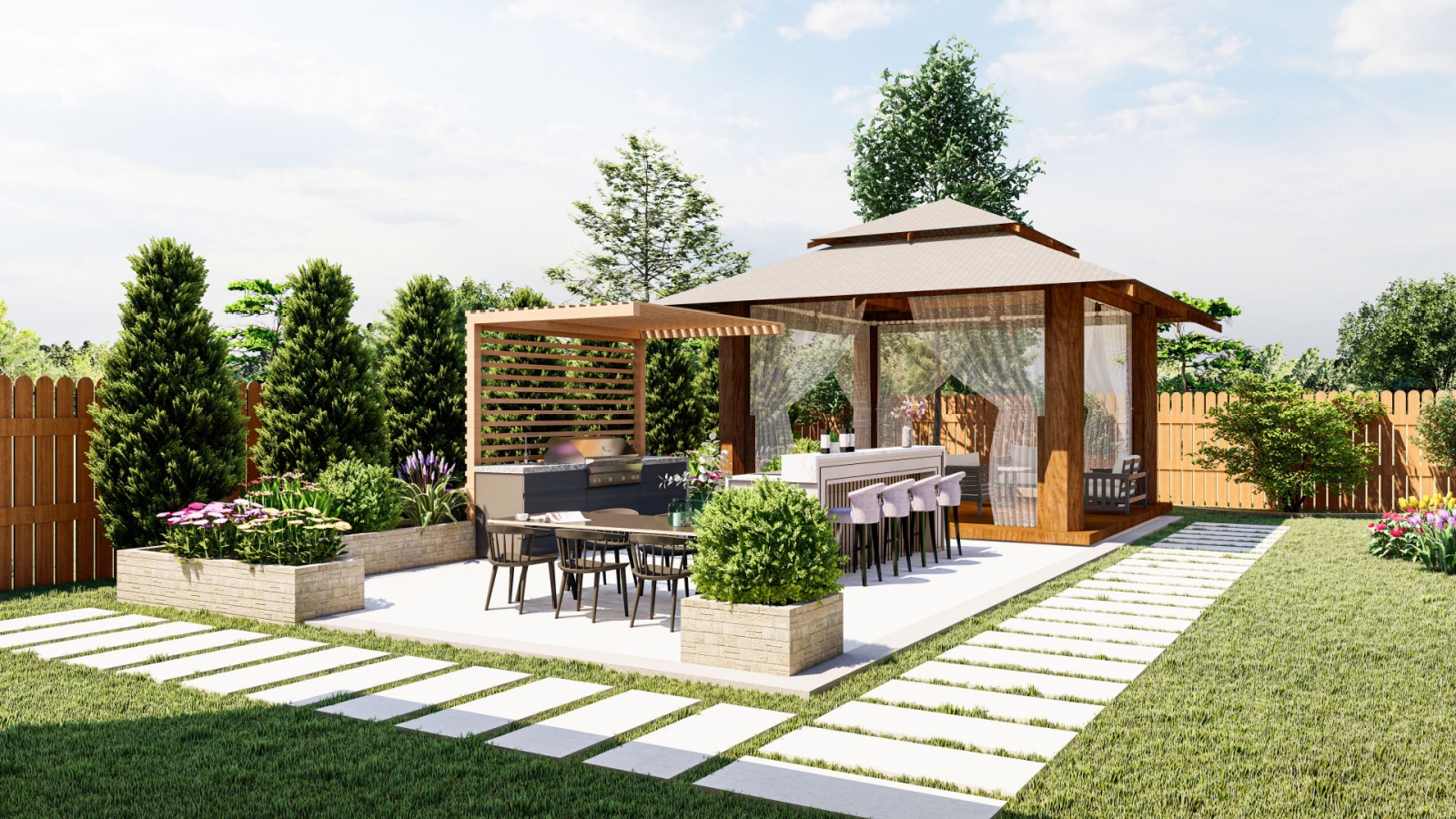
Climate resilience begins with a shift in how you see your yard, from a standalone patch of land where you cook on the grill or grow a garden to an integrated part of a living ecosystem. This mindset helps guide choices that support natural processes rather than override them.
For example, compacted or depleted soil doesn’t absorb water well, which can lead to runoff, erosion, and poor plant growth. But when soil is aerated, nourished with organic matter, and covered with plants, it becomes a dynamic system that retains moisture, cycles nutrients, and supports life underground and above. Similarly, choosing region-appropriate vegetation and designing your yard to accommodate rainfall instead of fighting it with drains or impervious surfaces can make your outdoor space far more adaptable and self-sustaining.
This approach also improves the long-term value of your home. Resilient yards tend to require less maintenance over time, are more attractive to wildlife and people alike, and can improve local air and water quality.
Backyard Strategies
Soil Health
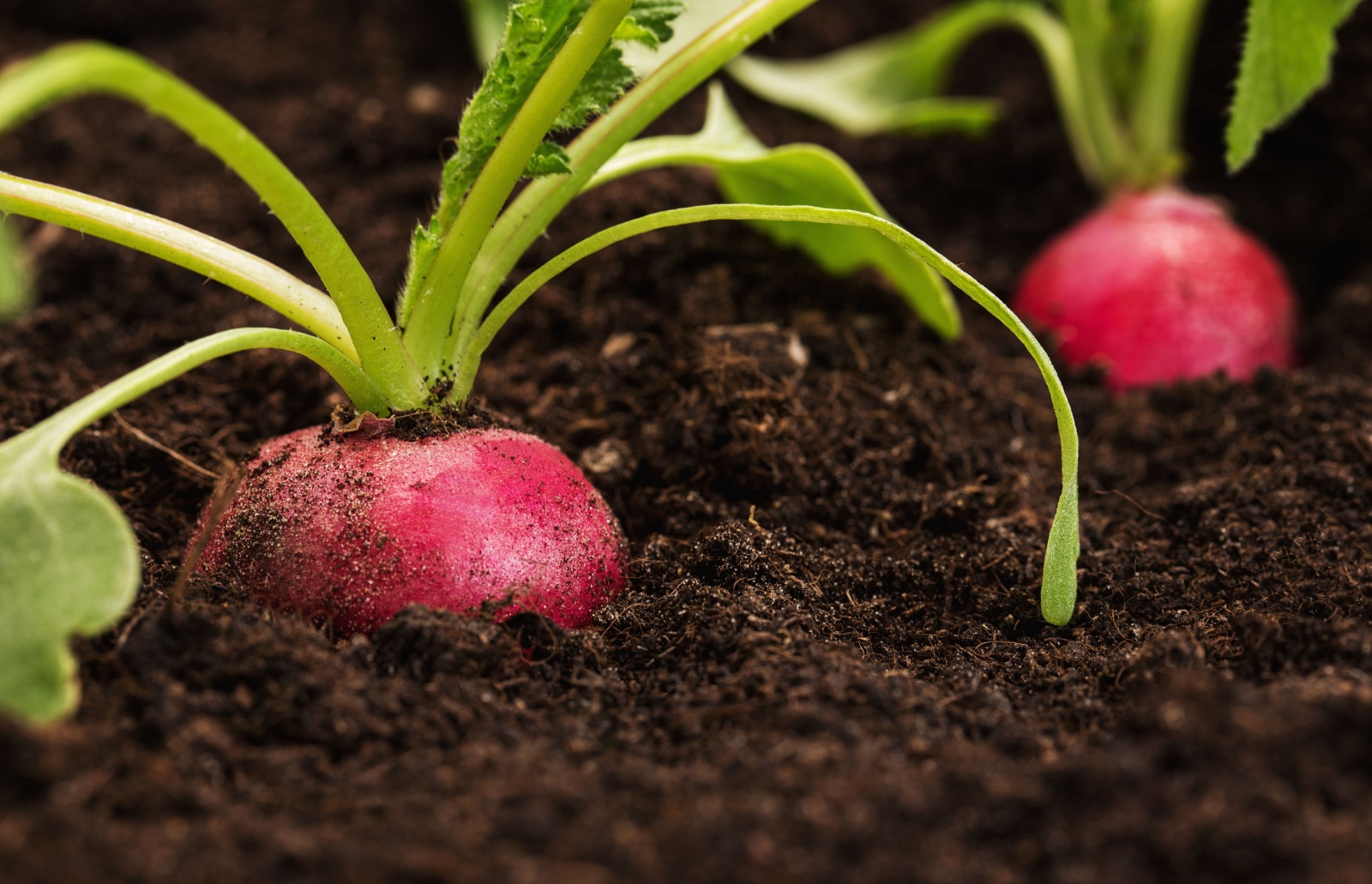
Healthy soil is a living system filled with organisms that contribute to water retention, nutrient cycling, and plant resilience. By reducing soil disturbance, adding compost or mulch, and avoiding using synthetic chemicals, you improve the structure and function of your soil. This not only supports thriving plant life but also helps trap carbon in the ground, making the soil a key tool in fighting climate change.
Native Plants

Native plants are adapted to your region’s soil, climate, and seasonal rhythms, which means they’re more dependable under stress. Their root systems stabilize the ground, store water, and support insect and bird populations that depend on them. A well-planned native landscape provides a year-round habitat, reduces the need for added water and fertilizers, and gives a sense of place to your yard.
Water Conservation

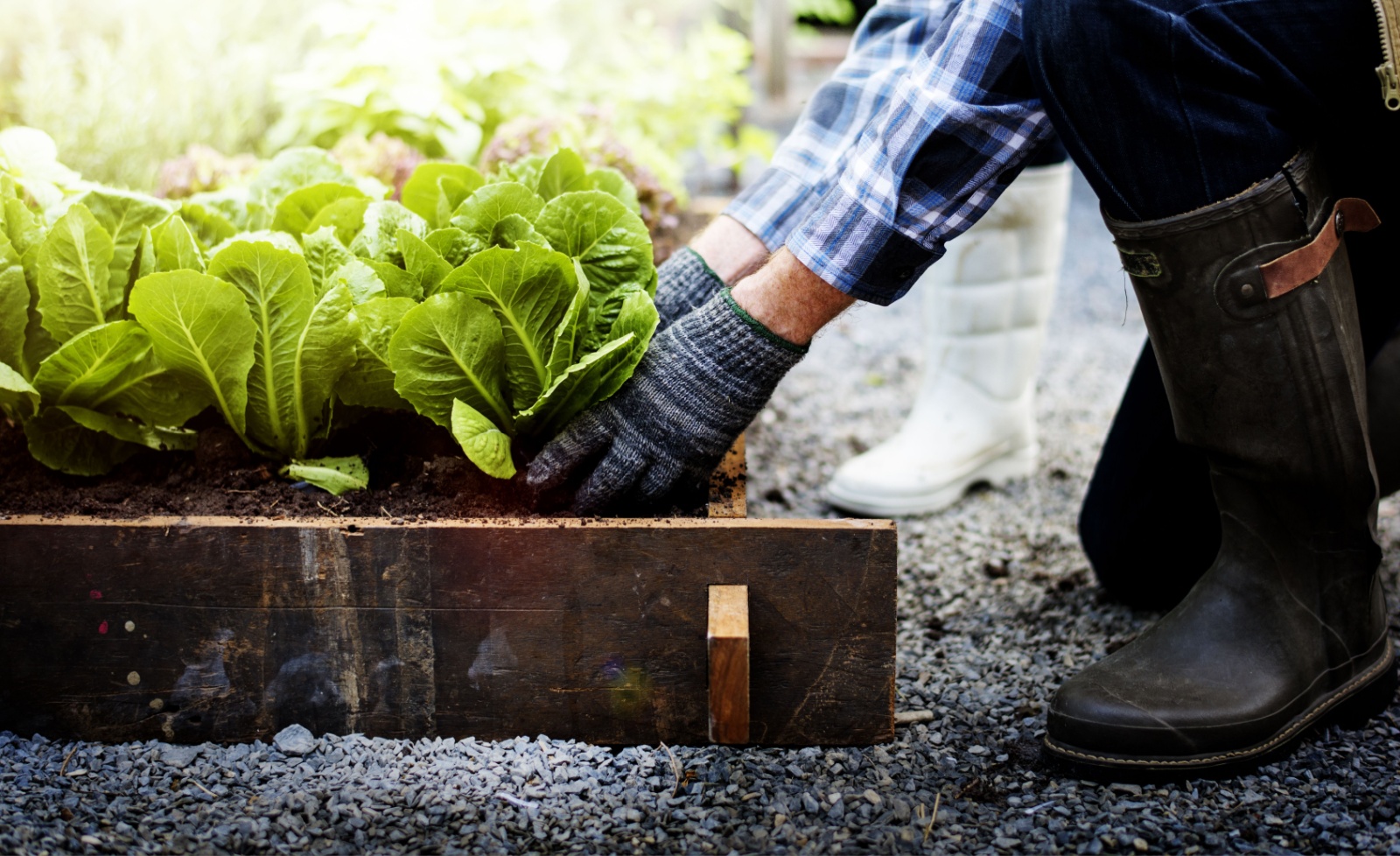
Smart water use starts with understanding and optimizing how your yard handles rainfall. Rain gardens can collect and filter runoff. Mulch helps soil stay moist longer, while drip irrigation targets roots directly, reducing waste. Replacing lawns with native grasses or groundcovers cuts down on evaporation. And rain barrels can help capture and store water where it’s most useful. These solutions don’t just save water: They also help protect nearby waterways from pollution.
Carbon Footprint Reduction

Reducing your yard’s carbon output is more straightforward than you might think. Composting food and yard waste keeps organic matter out of landfills and feeds your soil. Cutting back on lawn mowing or switching to electric tools reduces emissions. Planting trees for shade can lower energy bills by cooling your home. Even choosing natural fertilizers over synthetic ones can reduce the release of potent greenhouse gases like nitrous oxide. And when you fire up the grill for a backyard cookout, choose a propane or natural gas grill for your outdoor kitchen or use sustainably sourced charcoal.
Community Strategies
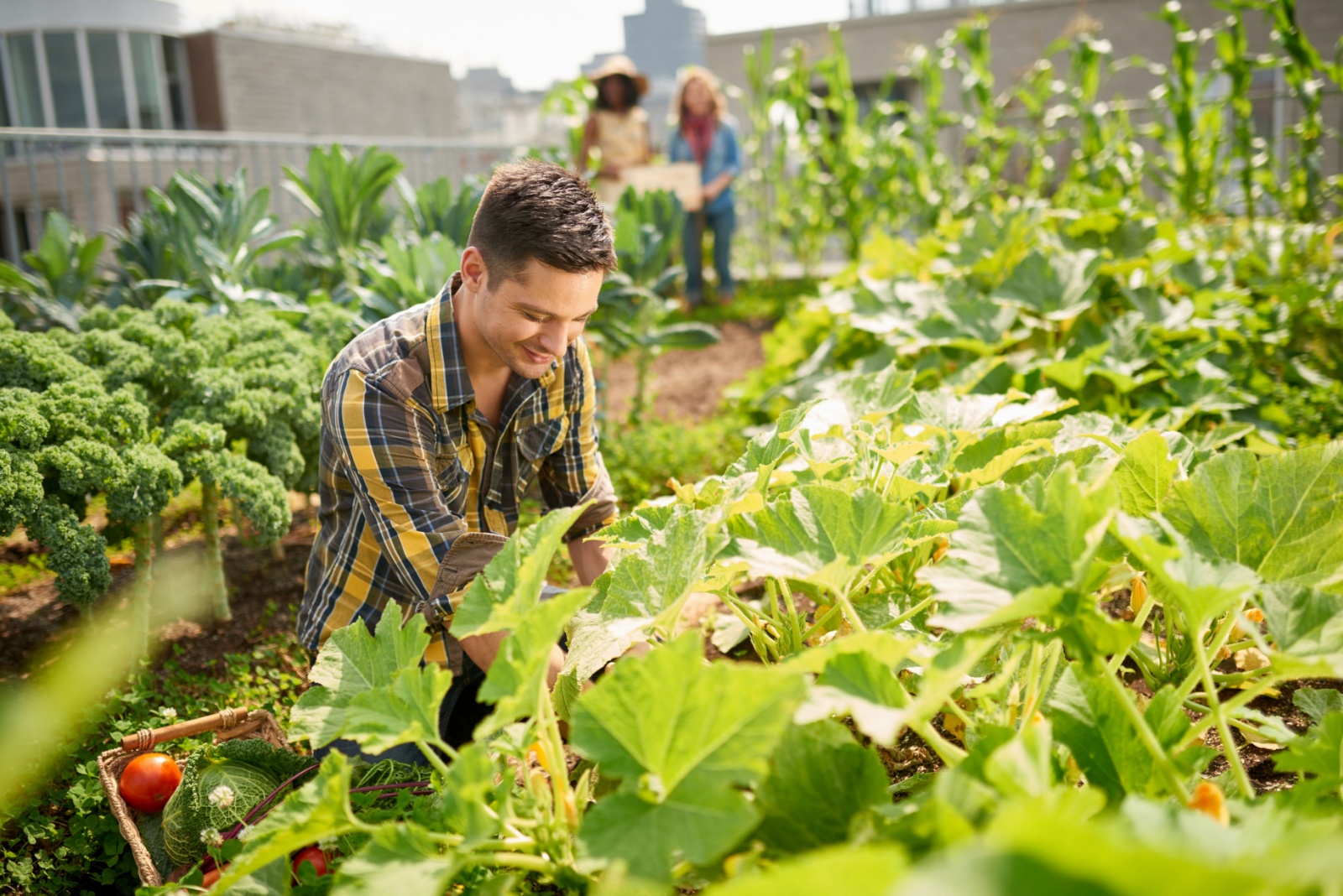
Individual changes are powerful, but shared action goes even further. Starting or joining a community garden builds resilience across neighborhoods. Tree-planting events not only increase shade and clean the air, but they also connect people with a common goal. Exchanging native seeds, sharing tools, or hosting sustainability workshops also create a sense of collective investment. These efforts build stronger relationships, spread knowledge, and scale up the environmental benefits.
Resources for Getting Started
- Start Saving Water
- Building Biodiverse, Climate-Resilient Habitats
- Five Backyard Solutions to Climate Change
- Join the Native Plant Movement
- Give Your Yard a Climate Makeover
- Ways to Garden Sustainably and Reduce Your Carbon Footprint
- Climate-Conscious Gardening
- How to Reduce the Climate Impact of Urban Farming
- Sustainable Gardening: Solutions to Climate Change
- How to Turn Your Garden Into a Carbon Sink
- Grow Your Own Groceries
- 12 Ways to Grow a Low-Carbon Garden