
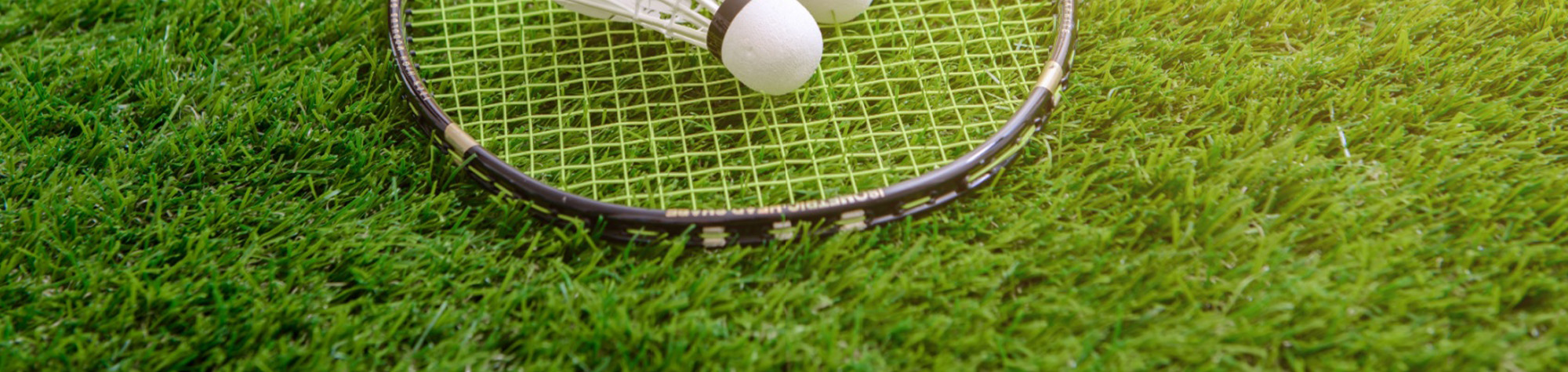

If you’re looking for a fun, fast-paced backyard sport that’s easy to pick up and great for your health, you need look no further than badminton. This engaging game is accessible to people of all ages and fitness levels. All you need to get started is some open space, a few basic supplies, a partner, and a willingness to learn the basics.

The History of Badminton
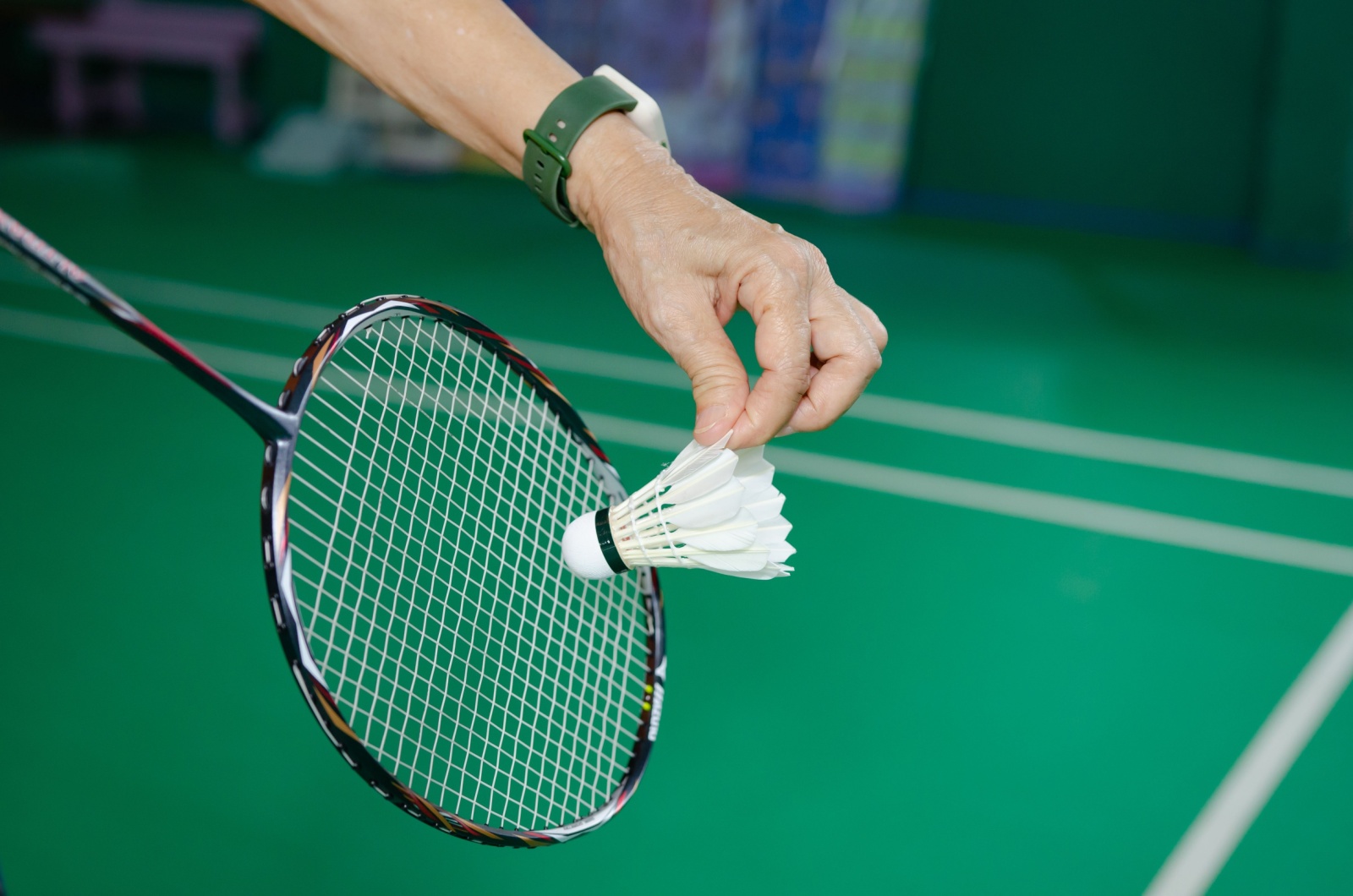
Badminton has an international backstory with origins stretching back centuries. The game in its modern form took shape in the mid-1800s when British soldiers in India adapted a game known as poona. When they brought it home to England, the sport gained traction, particularly at a country estate called Badminton House, which eventually gave the sport its name. Today, badminton is a popular pastime and competitive sport worldwide, particularly in Asia.
- The Duke of Beaufort helped popularize the sport in England.
- It became an Olympic sport in 1992.
- Badminton is the second-most played sport in the world, after soccer.
- Major badminton nations include China, Indonesia, South Korea, and Denmark.
Badminton Equipment

Getting started with badminton doesn’t require much. You can set up a court in your backyard, at a park, or even in a gym. The necessary gear is fairly affordable and widely available.
- Rackets: Lightweight and smaller than tennis rackets, made from aluminum or graphite
- Shuttlecock: Also called a birdie, made with feathers or plastic and a cork or rubber base
- Net: Optional for backyard play but adds structure and makes the game more fun
- Shoes: Sneakers with good grip and ankle support to prevent slipping and injuries
- Court: A standard court is 44 feet long and 20 feet wide, but you can adjust the dimensions for casual play to maintain a safe distance from your built-in grill.
Rules and Scoring

Badminton is easy to learn casually, but understanding the official rules adds structure and excitement to matches. Whether you’re playing a quick backyard match before you make dinner in your outdoor kitchen or you’re gearing up for serious play, getting to know the core rules early on will make it easier for you to grasp the more technical aspects of the sport as you get more into it.
- A match consists of up to three games, each played to 21 points.
- A point is scored on every serve (rally scoring system).
- You must win by at least 2 points.
- The shuttlecock must be served diagonally across the net.
- A rally ends when the shuttlecock touches the ground or a fault occurs.
- Common faults include failing to clear the net, hitting the shuttlecock so it goes out of bounds, touching the net with your body or racket, or hitting the shuttlecock twice in succession.
Form and Technique
Success in badminton requires speed, control, balance, and awareness. Learning proper form early helps prevent injuries and quickly improves your game.
- Grip: Depending on your shot, you can use different grips (forehand, backhand).
- Stance: Stand with feet shoulder-width apart, knees slightly bent, and weight on the balls of your feet.
- Footwork: Stay light on your feet. Use small, quick steps to reposition.
Shot Types:
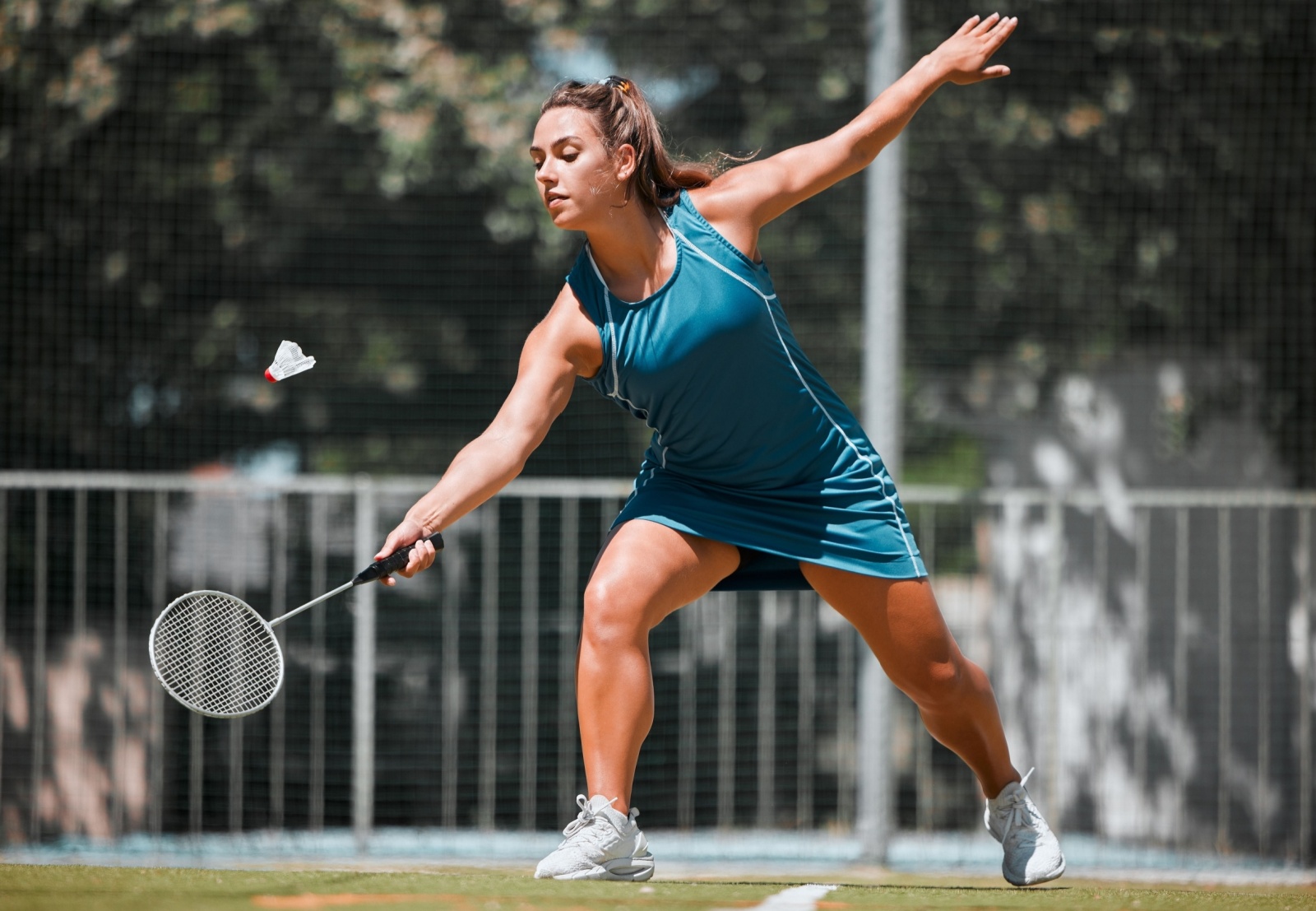
- Drive: A flat, fast shot across the net
- Smash: A downward, aggressive shot
- Drop: A soft shot that barely clears the net and falls quickly
- Clear: A deep shot to the back of the opponent’s court
Badminton Safety
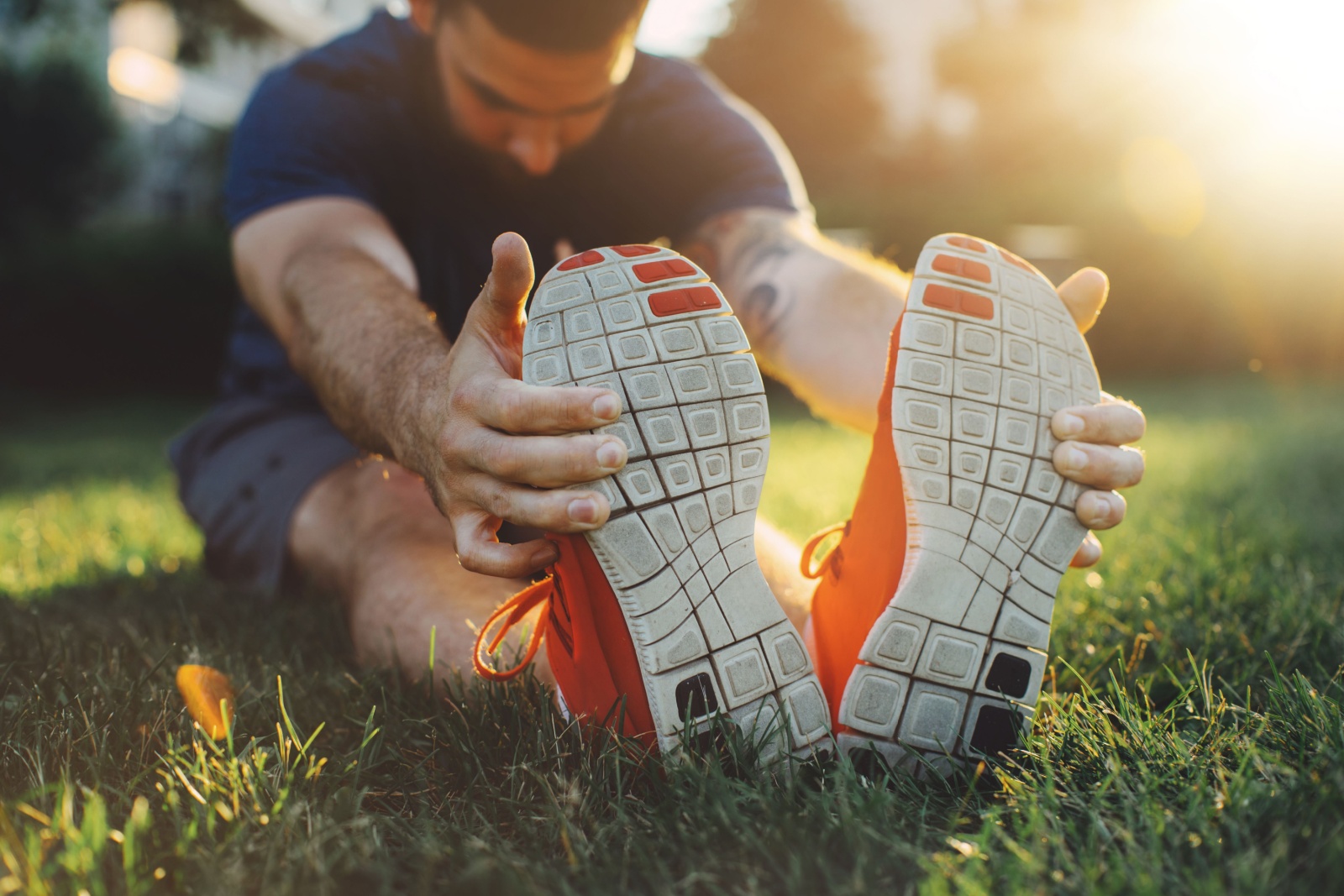
Though badminton is a low-impact sport, safety still matters, especially when playing in less formal environments like your backyard. Always take measures to minimize the risk of injury that could prevent you from being able to play.
- Warm-ups: Stretch and do light cardio before playing to avoid strains.
- Shoes: Always wear shoes with good grip and support.
- Hydration: Keep water nearby, especially when playing outdoors.
- Awareness: Watch out for obstacles like lawn furniture, barbecue grills, or uneven ground.
- Pacing: Don’t overdo it if you’re new. Take continuous breaks and gradually build up the intensity.
Health Benefits

Badminton offers a full-body workout that helps improve physical and mental well-being. Playing badminton is also a great way to socialize and spend time outdoors. Benefits include:
- Cardio: Boosts heart health and burns calories
- Coordination: Improves reflexes and hand-eye coordination
- Muscle Strength: Builds core, leg, and upper-body strength
- Mental Focus: Encourages strategic thinking and concentration
- Stress Relief: Promotes relaxation through movement and play
Additional Badminton Resources

- Badminton Fact File: The BBC put together this overview of badminton scoring, rules, and officials.
- Ten Badminton Facts: Learn interesting facts about the sport of badminton from the British Heart Foundation.
- Basic Badminton Rules: Read a no-frills summary of the court layout, scoring, faults, and gameplay for beginners.
- Intramural Badminton Rules: This simple rules overview is ideal for casual play.
- Adapting Badminton Instruction: Players of all abilities can enjoy playing badminton with a few adaptations.
- Badminton Court Dimensions: Follow this diagram to set up your own badminton court.
- Badminton Glossary: Reading a glossary of key badminton terms and definitions can help you better understand the sport.
- Warming Up for Badminton: Make sure to warm up before you play in order to prevent injury.
- Badminton Coaching Tips and Tactics: If you’re just getting started with badminton, these tips can help you improve your game.
- Serving in Badminton: A key skill to learn is how to serve the shuttlecock effectively.
- Badminton Study Guide: This quick reference can help you remember all of the basics of the sport.
- Badminton Drills for Beginners: Practice these skills to get better at playing badminton and build stamina so you don’t run out of gas mid-game.
- Different Types of Badminton Shots: Mastering the core shots (clear, drive, drop, smash) and knowing when to use them can help you get better at badminton.
- Badminton Fun Games: Try these skill-building games to have fun while improving your body control, racket coordination, and movement.
- USA Badminton: Learn about the governing body for badminton in the U.S.
- Badminton Skills and Drills: This in-depth presentation covers skills and training methods for the sport.
- Olympic History of Badminton: Badminton has been part of the Olympics since 1992.
- The Game of Battledore and Shuttlecock: The Badminton Museum put together this article about the game from which badminton developed.
- Badminton World Federation Regulations: Read the rule book of the Badminton World Federation, the global governing body for the sport.
- Badminton Competition Regulations: Explore the full regulations for Badminton England tournaments.
- Top Badminton Health Benefits: Not only is badminton fun, but it also provides a good workout.
- Racket Sports Serve Up Health Benefits: Studies have found evidence that playing sports like badminton may reduce the risk of early death.
- Research on the Health Benefits of Badminton: Find out more from this systematic study on the physical and mental advantages of playing badminton.