
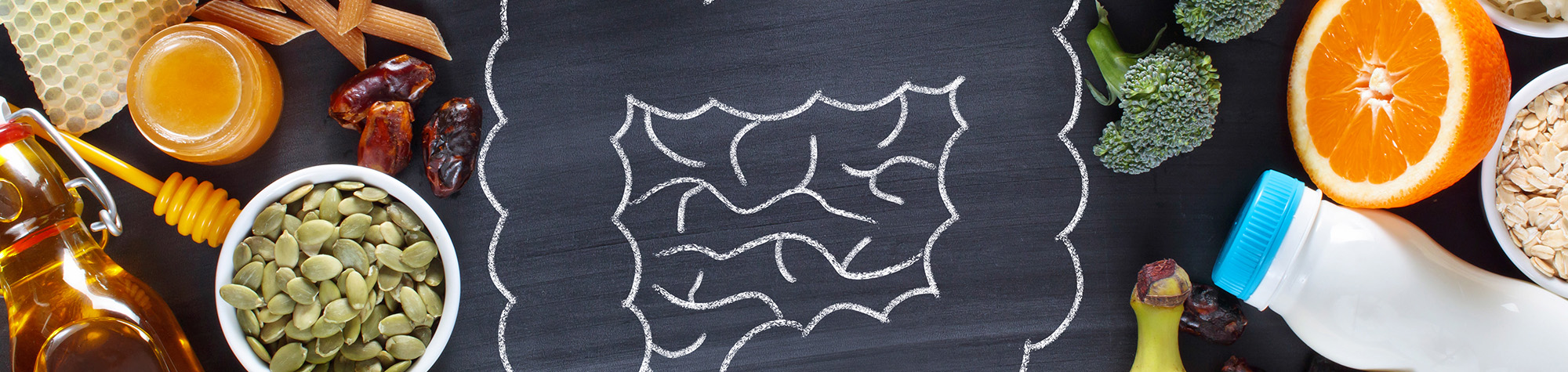
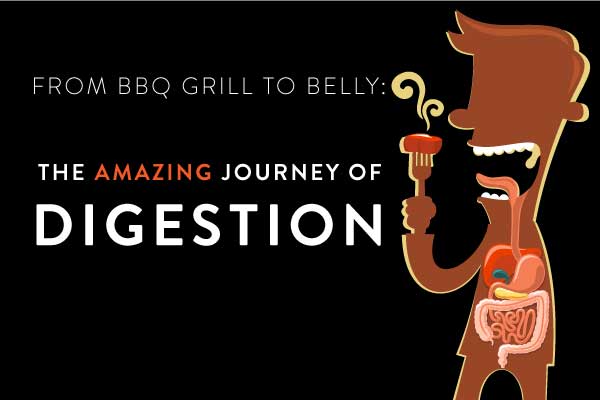
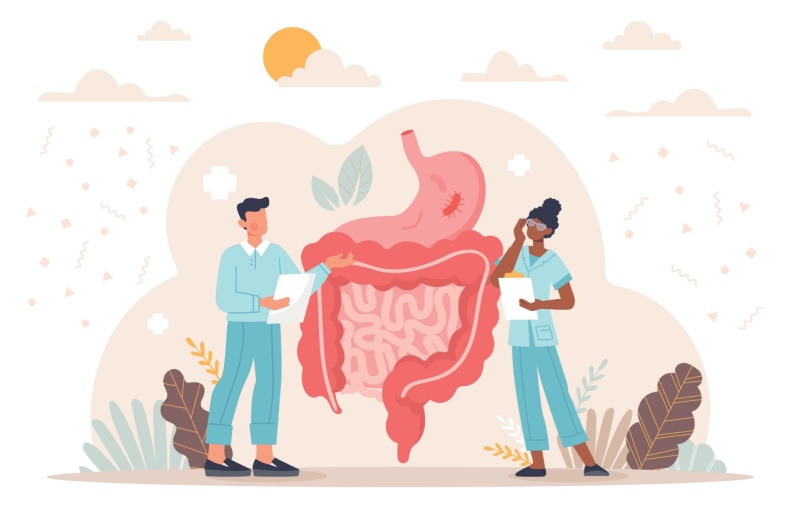
Digestion is like an incredible journey inside your body. Every bite of food you eat goes on a carefully planned trip, where different parts of your body help break it down to get the nutrients you need. Step by step, the food is digested, and what’s left is removed from your body.
Step 1: The Mouth
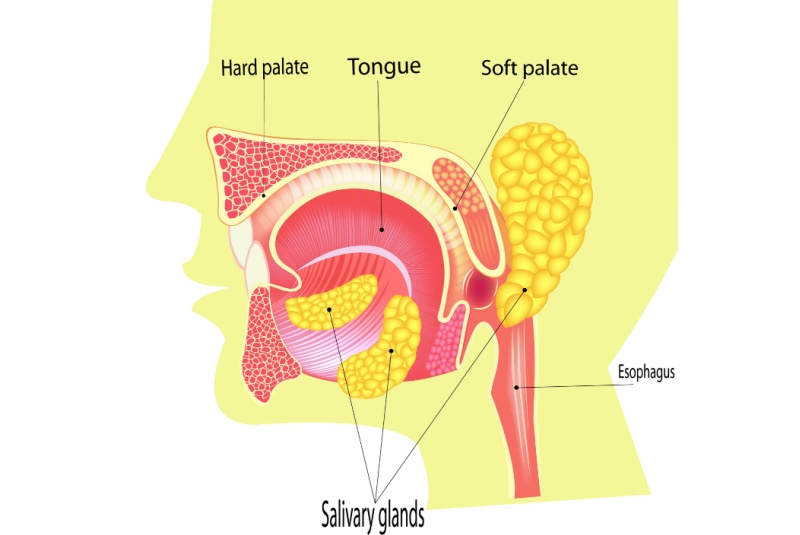
The journey of digestion starts in your mouth. Here, your teeth work as powerful tools to break food into smaller pieces. Saliva, a special liquid your mouth makes, mixes with the food to help soften it and start breaking it down. Inside saliva are enzymes, chemicals that also help to break down the food. By the time you’re ready to swallow, the food has already changed quite a bit from when you first took a bite.
Step 2: The Esophagus
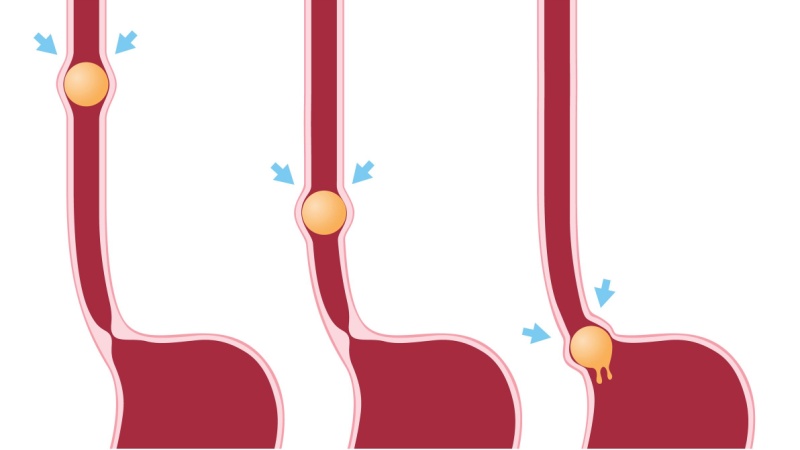
Once you swallow, the food travels down a long tube called the esophagus. Muscles in the esophagus squeeze and push the food down, sort of like how you squeeze toothpaste out of a tube. This squeezing action, called peristalsis, helps the food make its way down to the next stop on the journey.
Step 3: The Stomach
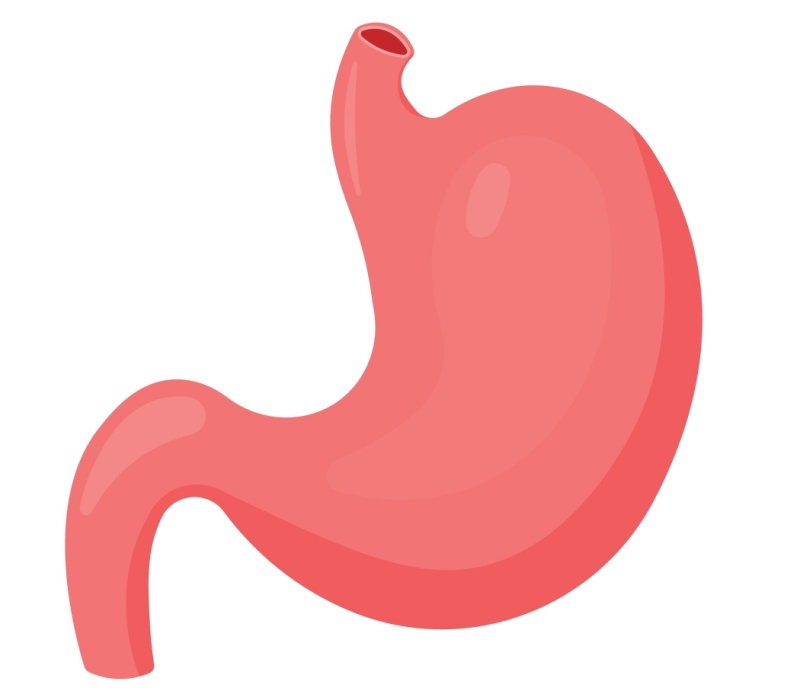
When the food arrives in your stomach, it enters a churning, bubbly environment full of acid. Your stomach is like a mixing bowl that uses powerful muscles to mash the food around, while strong acids and enzymes keep breaking it down even more. This process helps to turn the food into a thick liquid called chyme. After a few hours being stored and digested in the stomach, this liquid mixture is ready to move on.
Step 4: The Small Intestine
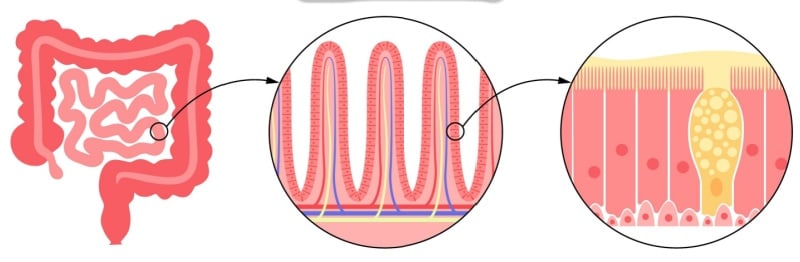
The next stop is the small intestine, where nutrient absorption happens. As the chyme moves through this long, twisty tube, more enzymes from other organs, like the pancreas and liver, get involved to finish breaking down the food into nutrients your body can use. The walls of the small intestine are covered in tiny finger-like structures called villi, and these villi soak up all of the important nutrients from the food and pass them into the bloodstream, so your body can send them where they’re needed.
Step 5: The Large Intestine

Now, all that’s left is to get rid of what’s left over. Waste products that the body doesn’t need make their way into the large intestine. Here, water gets absorbed back into the body to keep you hydrated. The large intestine then packs up whatever’s left and gets it ready to leave the body as waste. This is the end of the journey of digestion for your food.
More Fun Resources
- How Does the Digestive System Work?
- Science Trek Into the Digestive System
- Digestive System Activity: Making “Poop”
- What Is the Digestive System?
- Why Do You Fart? Facts About Flatulence
- Digestive System Interactive Tutorial
- Label the Digestive Organs
- Investigate the Digestive System With Sid the Science Kid
- 19 Fun Facts About the Digestive System
- The Human Body Game
- Outdoor Kitchens
- Why Do We Burp?
- How Do Tongues Taste Food?
- 16 Weird and Wacky Facts About the Human Body