


The medieval world was full of innovation, not just in castles and weaponry but also in cooking. Imagine the scent of sizzling meat over an open fire, the crackling of flames, and the rich aroma of herbs filling the air. Before modern cooking appliances, people relied on simple yet effective tools to prepare their meals. One such tool was the gridiron, a metal cooking grate that played a vital role in medieval kitchens. Whether in a grand feasting hall or a humble village home, the gridiron was a staple of daily life. It allowed people to cook directly over an open flame, adding a distinct smoky flavor to their food. While it may seem basic by today’s standards, the gridiron was an essential part of medieval cooking, shaping the way food was prepared and enjoyed.
What Is a Medieval Gridiron?
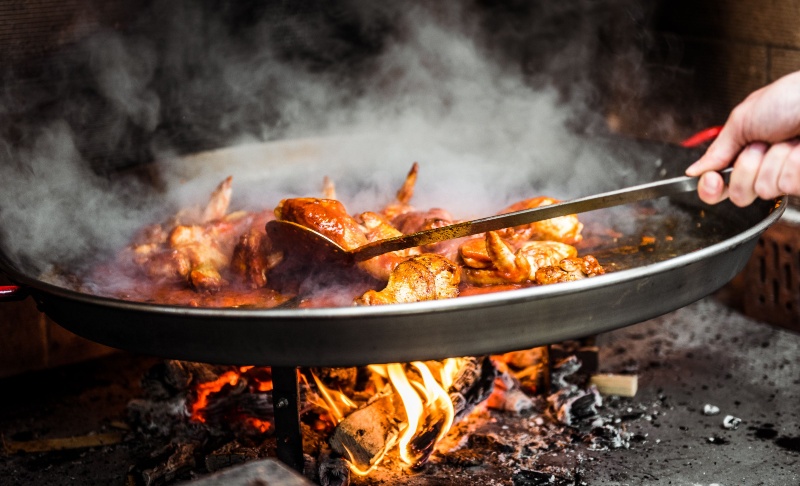
A medieval gridiron was a metal framework, typically made of iron, designed to hold food over an open fire. It looked much like a modern barbecue grill rack, with parallel metal bars that allowed heat and smoke to rise evenly through the food. Some gridirons had legs, allowing them to stand above hot coals, while others were designed to be placed over a fire pit. Unlike modern grills with smart temperature controls, a gridiron could be tricky to use; medieval cooks had to rely on skill and experience to manage the amount of direct and indirect heat reaching the food by adjusting the distance between the gridiron and the fire. Gridirons varied in design depending on the time period and region. Some were simple and flat, while others featured adjustable heights or handles for easier maneuvering. Blacksmiths often crafted them from sturdy iron to withstand extreme heat, ensuring that they lasted for years. The gridiron wasn’t just a tool for cooking: It was a crucial part of medieval life, helping people to prepare meals efficiently using open flames.
Who Used the Gridiron?

The gridiron was a common cooking tool across medieval Europe and beyond. It was used by different social classes, from the wealthy nobility to common villagers. In grand castles and noble estates, kitchen staff used large, well-crafted gridirons to prepare meats and fish for feasts. These gridirons were often suspended over large hearths where multiple dishes could be cooked at once. In smaller homes, peasants and townsfolk used simpler gridirons in their modest indoor fireplaces. A gridiron provided a convenient way to grill food using just firewood. However, this device could also be put to nefarious use; for example, in the third century, legend says that a deacon in Rome, later known as St. Lawrence, was tortured to death by being roasted alive on a gridiron. Nonetheless, the tool’s durability and ease of use made it popular across different walks of life, especially in Europe.
What Did They Cook on the Gridiron?

Medieval people cooked a wide variety of foods on the gridiron, making the most of what was available to them. Meat was the most common item grilled. Beef, pork, lamb, and game meats like venison and rabbit were often seasoned with herbs and cooked over open flames, creating a smoky, flavorful dish. However, many people thought that smoke would actually harm the flavor of the food, and so they often tried to make their fires as clean-burning as possible to minimize the smoky taste. In coastal regions, fish such as cod, herring, and salmon were grilled fresh from the sea, sometimes with a brush of oil or vinegar to enhance the taste. Beyond meat and fish, medieval cooks also grilled bread and cheese: Stale bread could be revived by toasting it over a gridiron, making it crisp and warm, and cheese could then be melted on top. In some cases, vegetables like onions, leeks, and mushrooms were skewered and placed on the gridiron as well, absorbing the rich flavors of the fire. The smoky, charred flavors from the gridiron became a signature of many dishes, and even today, grilling remains a popular cooking method, proving that the gridiron’s influence has stood the test of time.
- Roman Gridiron: A Development in Cooking Technology
- The Appearance and Uses of the Gridiron
- Barbecue Grills and Smokers
- Gridirons: Chalking and Cleaning, Broiling and Basting
- How to Make Gridiron Barbecued Pork
- Gridiron Cooking Facts
- Outdoor Pellet Grills
- St. Lawrence’s Death on a Grill: Fact or Fiction?