
Outdoor Furniture Care Guide:
Keep Your Patio Pieces Looking Great Year-Round
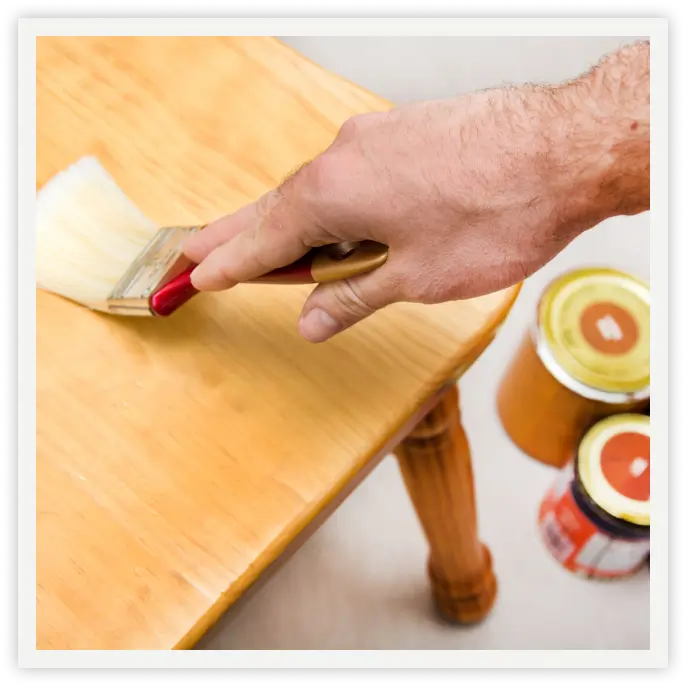
These days, many of us spend as much time sitting out in our outdoor spaces as we do our indoor ones. We’ve all, at some point or another, felt our patios, gardens, and outdoor kitchen areas could do with a makeover – and outdoor furniture is one of the things that can bring that makeover to life.
In fact, outdoor garden furniture is growing so much in popularity that the market is expected to more than double in the next ten years. The good news is this leaves outdoor furniture enthusiasts with plenty of choices when it comes to combining style and comfort in our outdoor spaces.
But it’s not all fun and games: outdoor furniture is, by necessity, exposed to the elements and can age prematurely if not properly cared for.
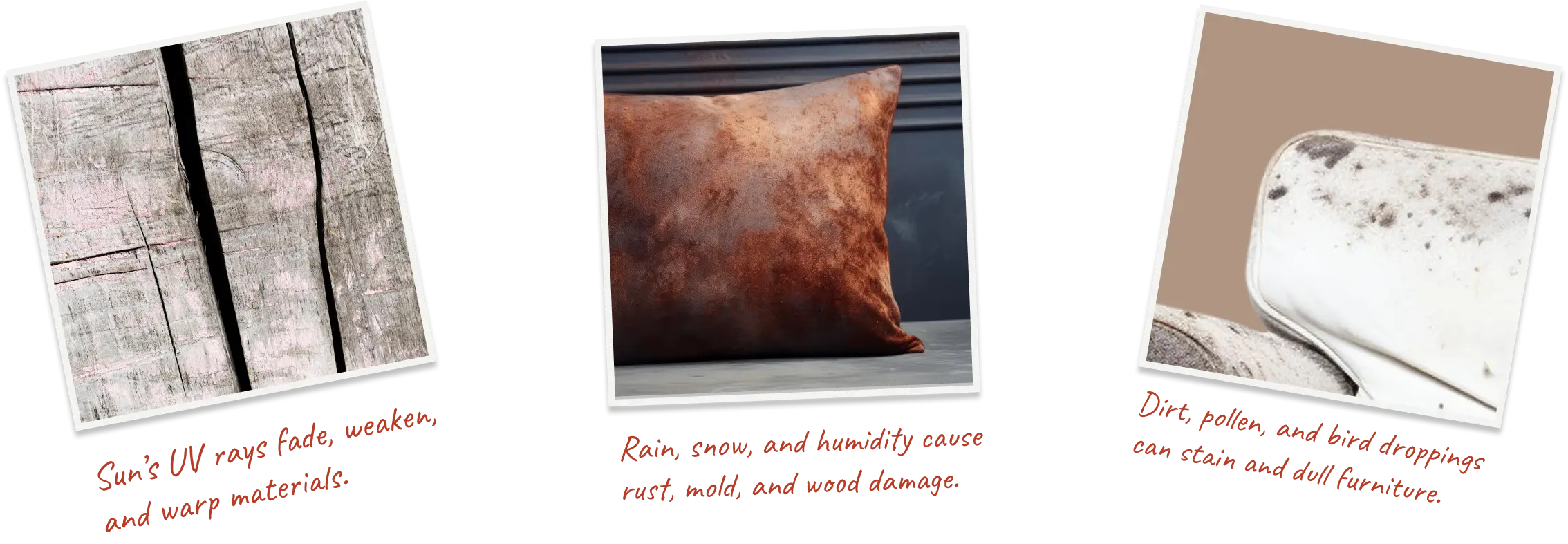
The sun’s UV rays can cause fading and weaken materials, leading to cracks and warping. Rain, snow, and humidity can lead to rust, mold on fabric cushions, and wood swelling or rotting if left untreated. Even dirt, pollen, and bird droppings can build up on surfaces, causing permanent stains and taking the shine out of your furniture’s once-pristine appearance.
Regular maintenance, then, not only keeps your patio pieces looking great all year round but also helps to extend their lifespans. That means retaining aesthetic appeal and saving money on premature replacements all at once!
This guide will cover everything you need to know to keep your outdoor furniture in top condition come rain or shine. We’ll explore general cleaning techniques that apply to all materials, as well as specific advice for different types of furniture. You’ll also find tips on how to protect your furniture from extreme weather, including proper storage solutions for colder months. Be sure to stick around for extra tips on simple maintenance strategies that can prevent small issues from turning into big repairs.
Whether you’re a seasoned patio owner or a first-time outdoor furniture buyer, this comprehensive guide will equip you with the knowledge and tools needed to maintain your outdoor pieces whatever the weather.
General Outdoor
Furniture
Maintenance Tips


While today’s outdoor furniture comes in a mind-boggling range of styles and materials, there are some general maintenance tips you can use to stay on top of outdoor furniture maintenance without feeling overwhelmed.
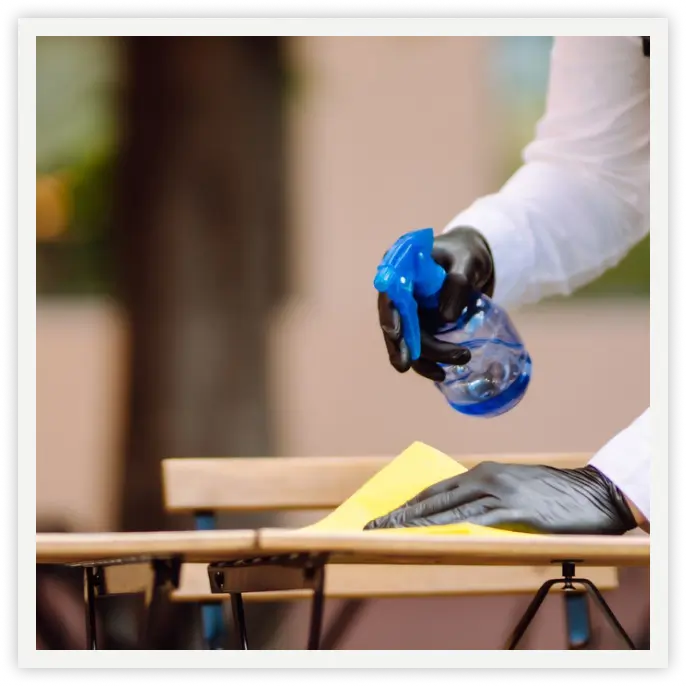
The trick, really, is to incorporate regular cleaning into your routine – even a gentle wipe-down with a damp cloth can go a long way.
This is the first line of defence against dirt, dust, mold, mildew, and other common contaminants which could damage your outdoor pieces if left to their own devices.
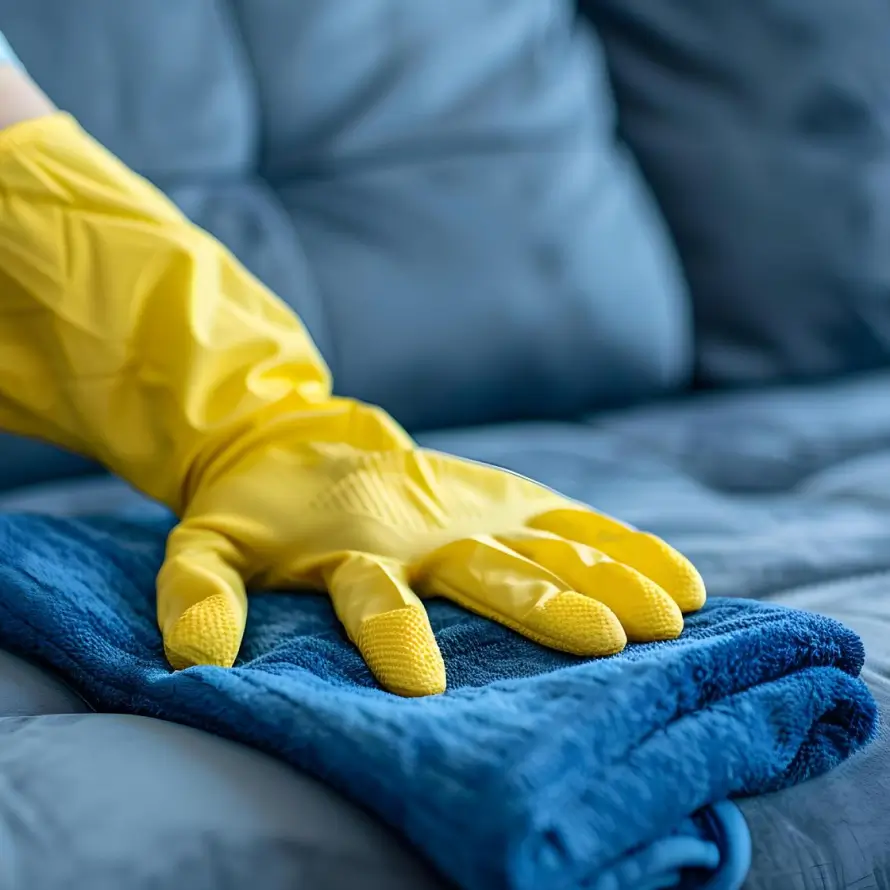
Here’s a basic checklist every outdoor furniture owner should use to make sure they’re on top of their essential tasks:

Wipe down
surfaces weekly
Use a damp cloth or mild soapy water to remove dust, pollen, and other debris.

Inspect
for damage
Check for signs of rust on metal furniture, cracks in wood or plastic, and any loosening of joints or screws.

Tighten
hardware
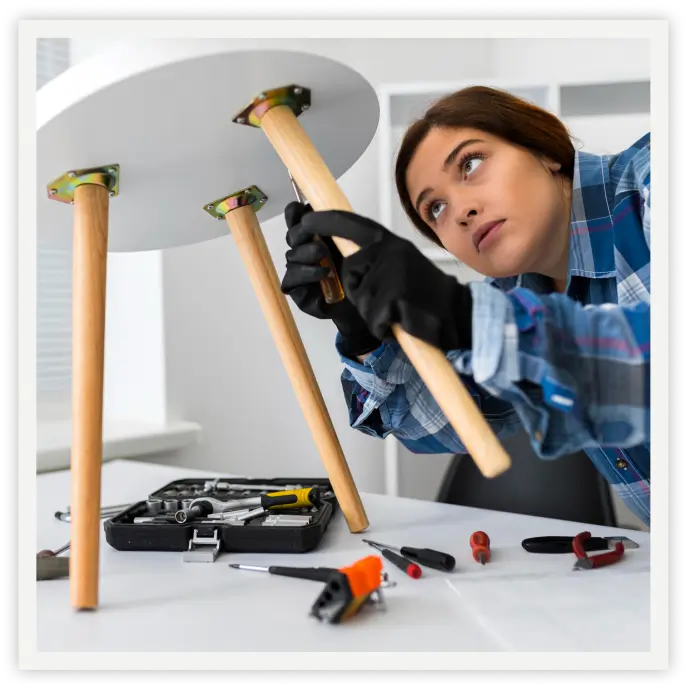
Periodically check and tighten bolts, screws, and other fasteners to prevent furniture from becoming unstable.

Clean cushions
and fabrics
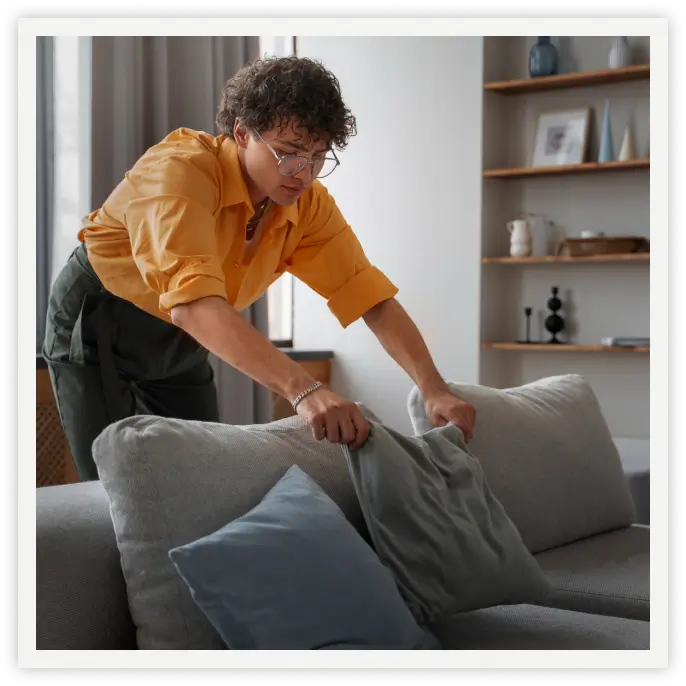
Remove cushions and shake out any dirt or debris. If they’re machine-washable, give them a wash every few weeks.

Reapply
protective coatings
If your furniture has a protective finish, like varnish or paint, consider reapplying it at least once a year to prevent wear and weather damage.

Cover or store during
harsh weather
Protect your furniture from extreme weather by using covers or storing it indoors during off-seasons.
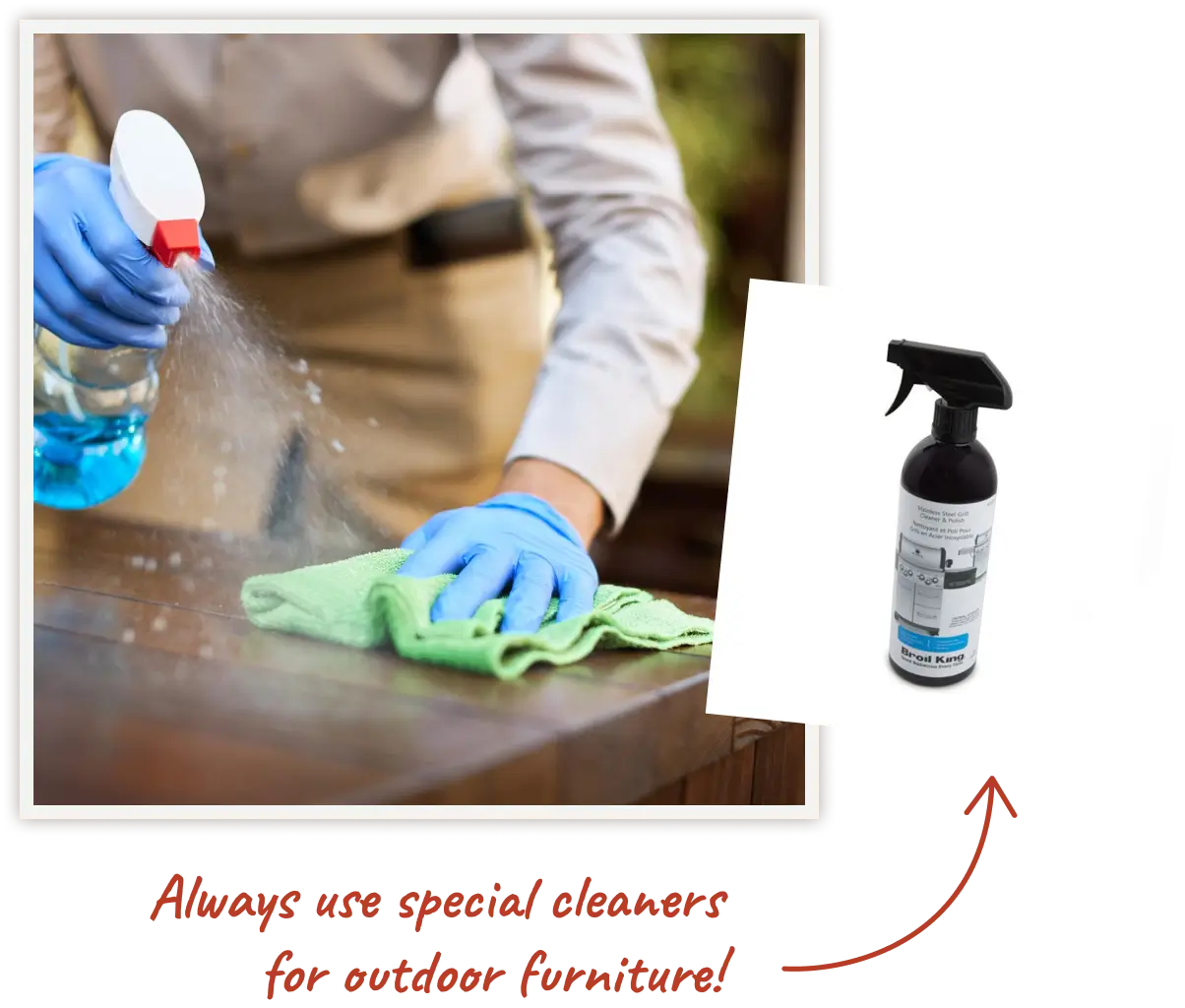
Safe Cleaning with Special Cleaners
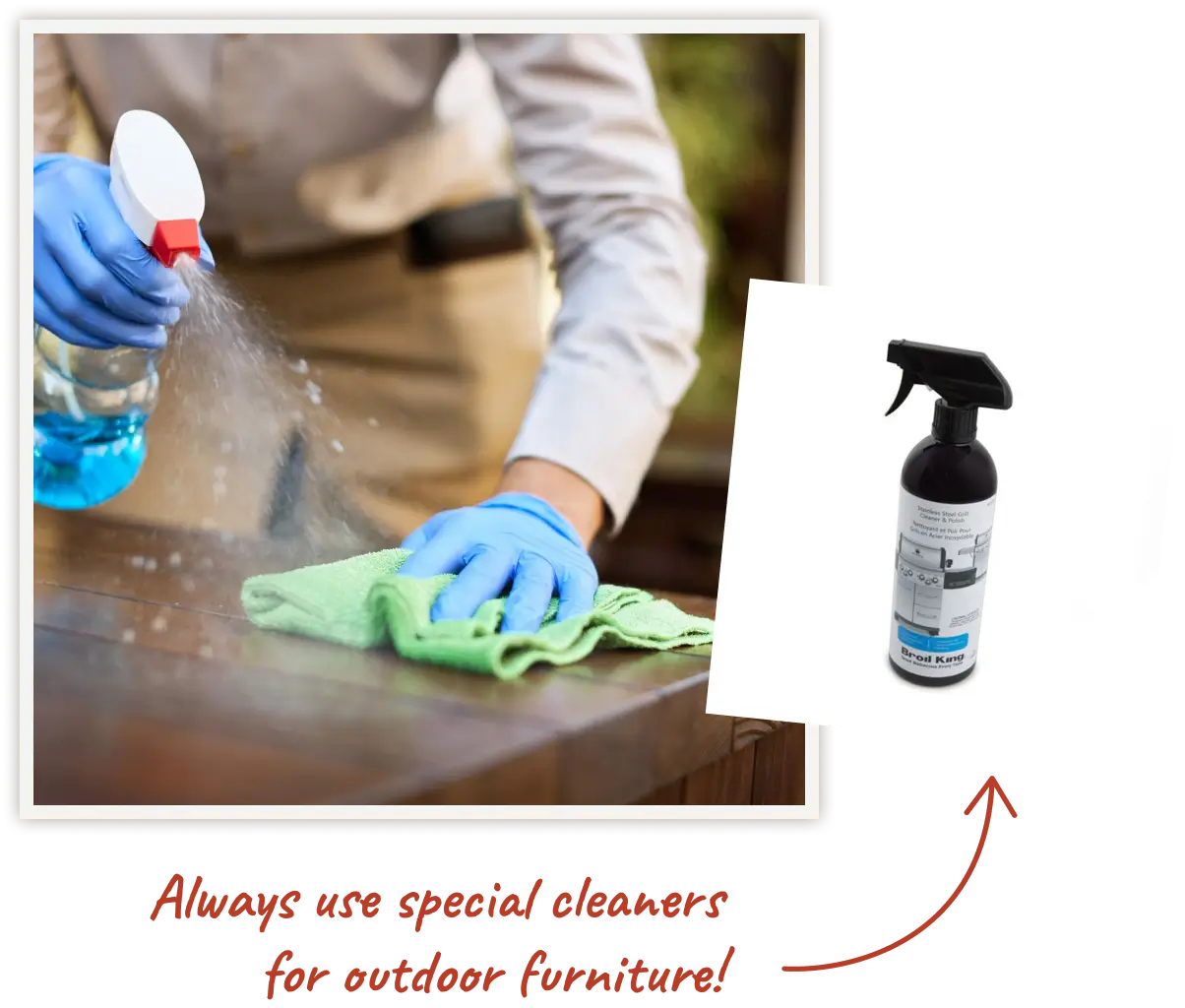
Of course, these tasks won’t tackle everything. Some cases may require bigger solutions; that’s where special cleaners and chemicals come in. Be wary, though, of harsh chemicals or abrasive cleaners that could cause further damage – always opt for specially designed outdoor furniture cleaners.
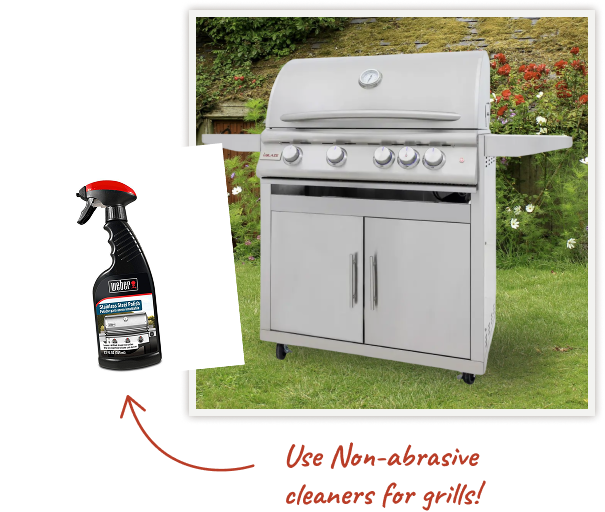
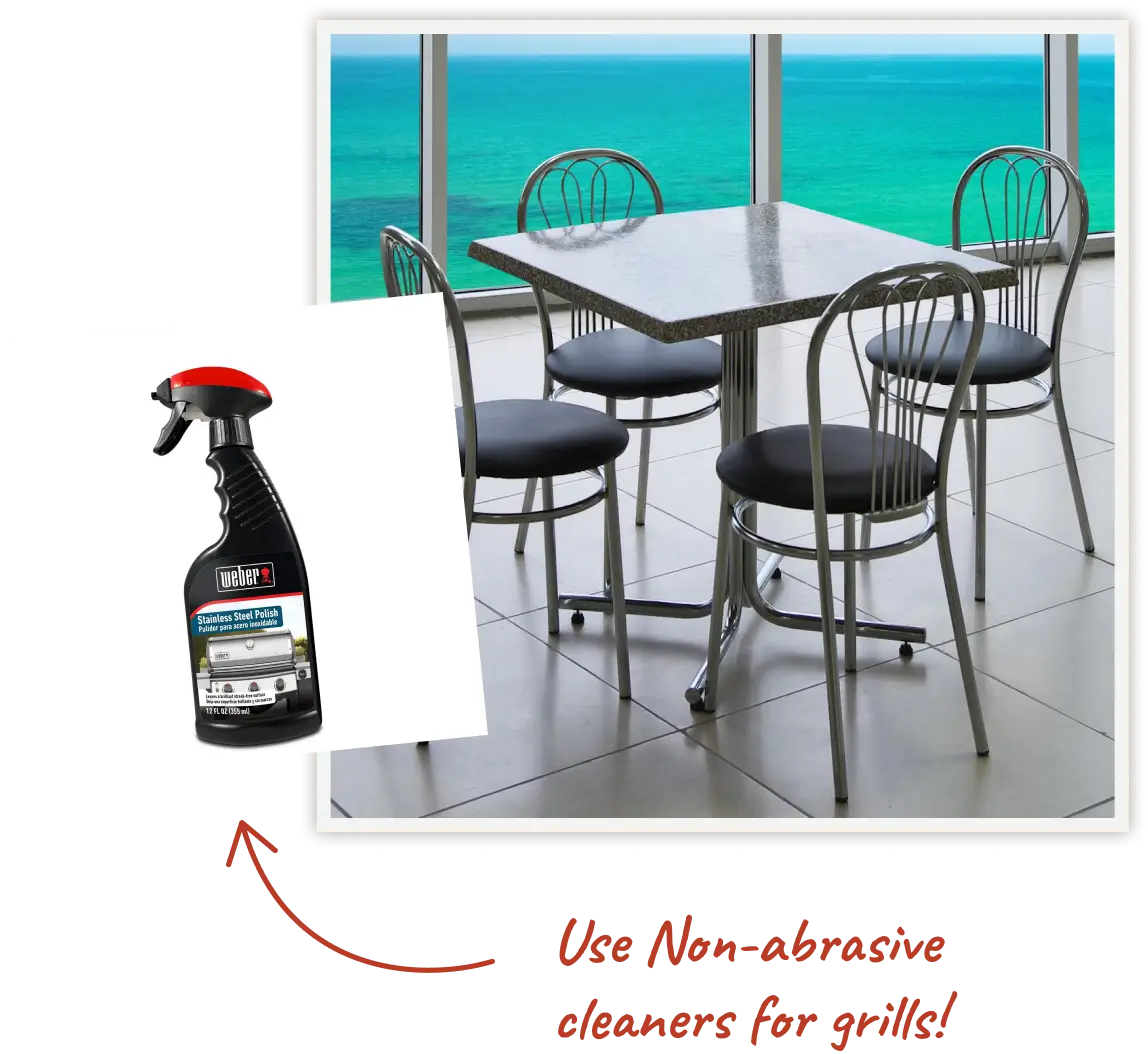
For example, metal furniture may require rust removers or protective sprays, while wood furniture benefits from oil-based treatments to preserve its natural finish. For high-end grills, such as the Blaze Gas Grill Series, using a non-abrasive cleaner will ensure that the finish remains polished and resistant to rust.
In general, regular maintenance is the best way to avoid resorting to specialist cleaning services in the first place.
Cleaning Different
Types of Outdoor
Furniture Materials
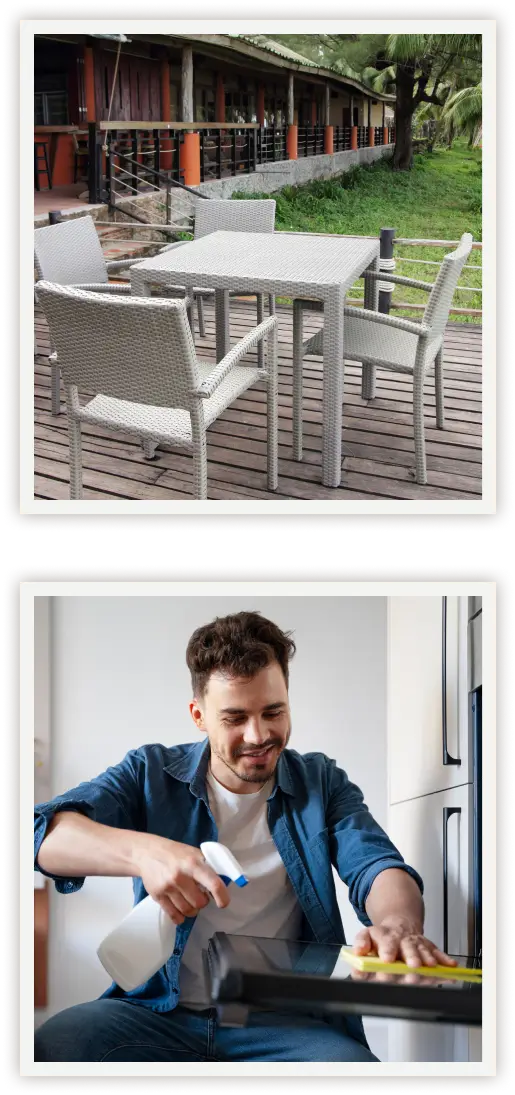
Understanding the properties and requirements of different outdoor furniture materials is crucial if you want to preserve your pieces’ aesthetic value and extend their lifespans. Whether you’re working with wood, metal, wicker, or plastic, every material responds differently to seasonal weather conditions and has its own unique needs.
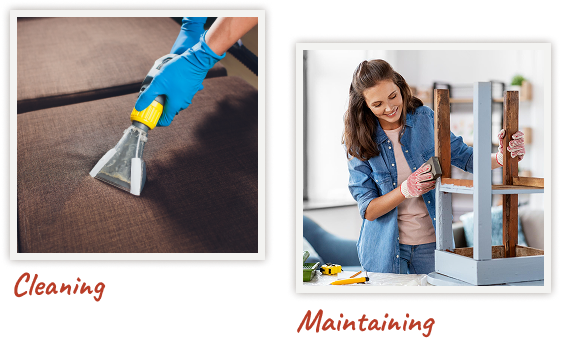
Below, we’ll explore how to clean and maintain different types of outdoor furniture materials to keep them in top condition all year round.
Wood Furniture
OUTDOOR FURNITURE CARE GUIDE
Caring for Hardwood Furniture
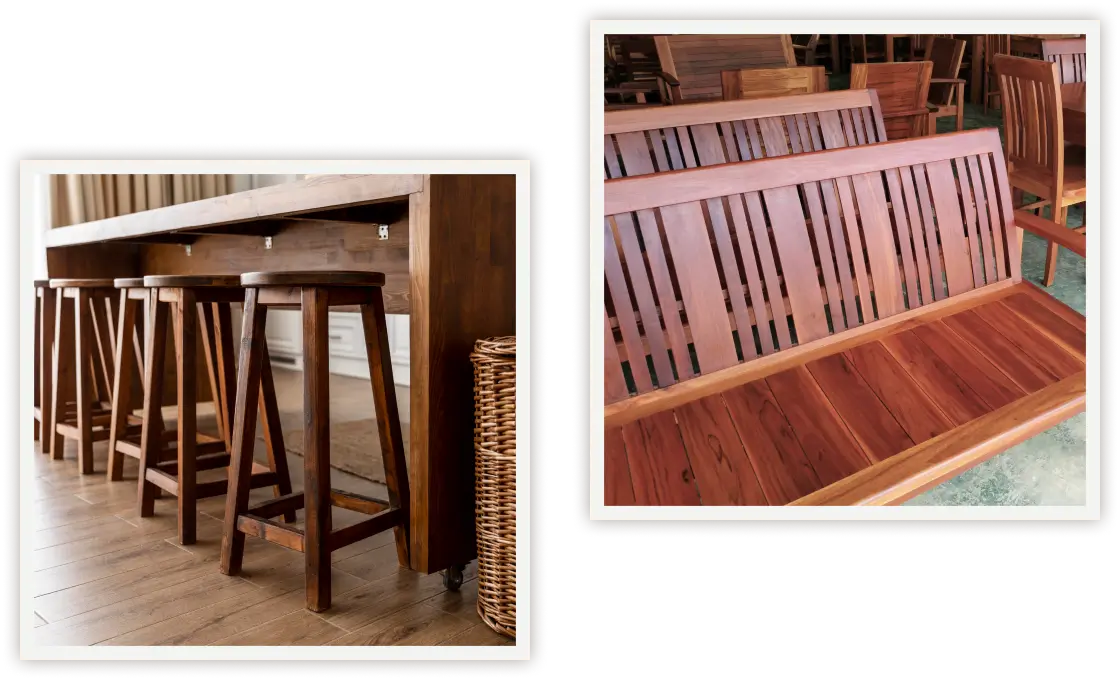
Who doesn’t love wooden furniture? Few materials compete with wood for aesthetic appeal, quality construction, and longevity. Hardwoods like teak, acacia, and cedar are especially prized for their natural beauty and durability. But to maintain these qualities, regular maintenance is essential.
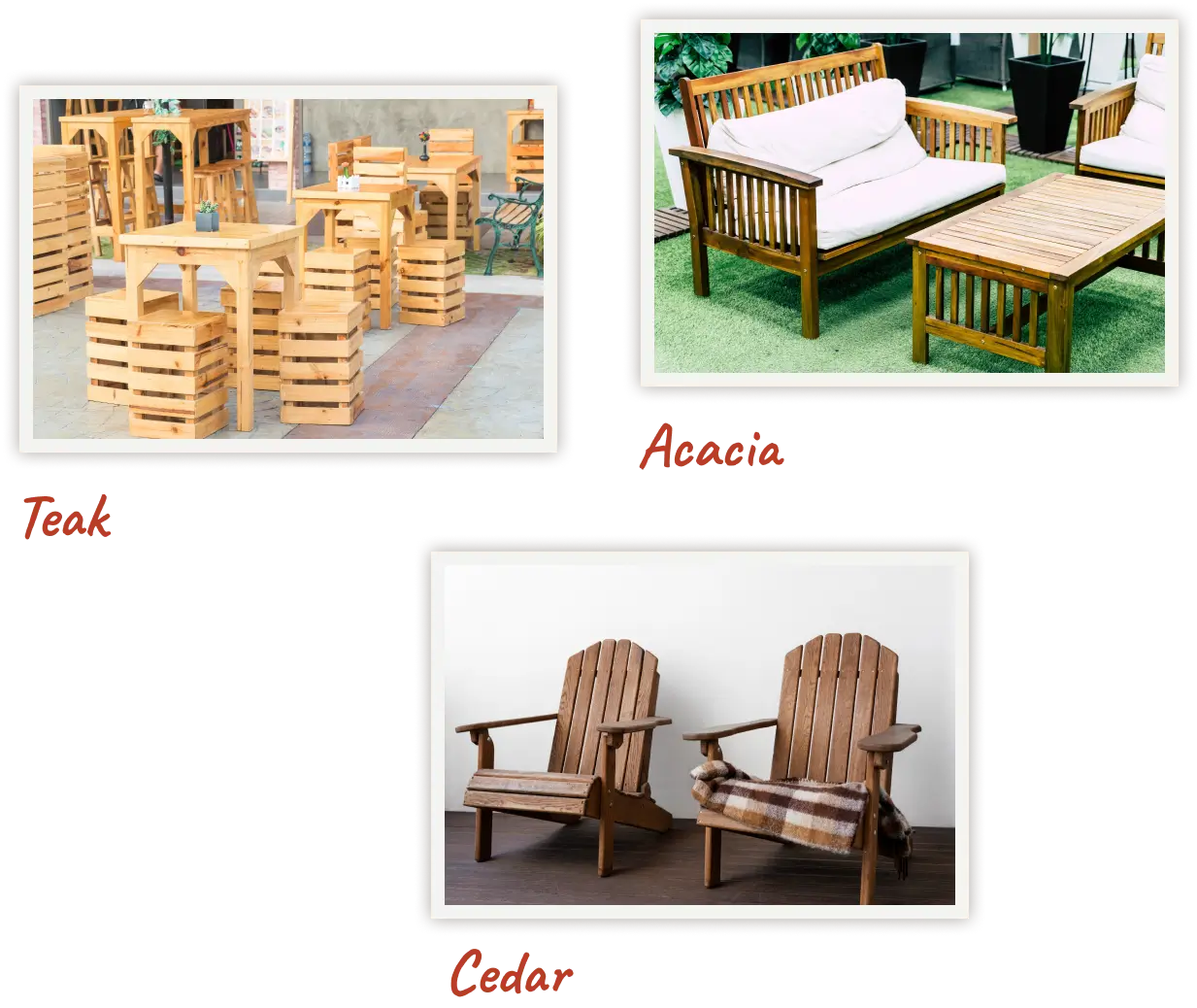
Begin by removing dirt and debris with a soft brush or cloth. For deeper cleaning, use a solution of mild soap and warm water, and gently scrub the surface with a soft-bristled brush or sponge. Avoid using harsh chemicals or pressure washers, as they can damage the wood’s finish.
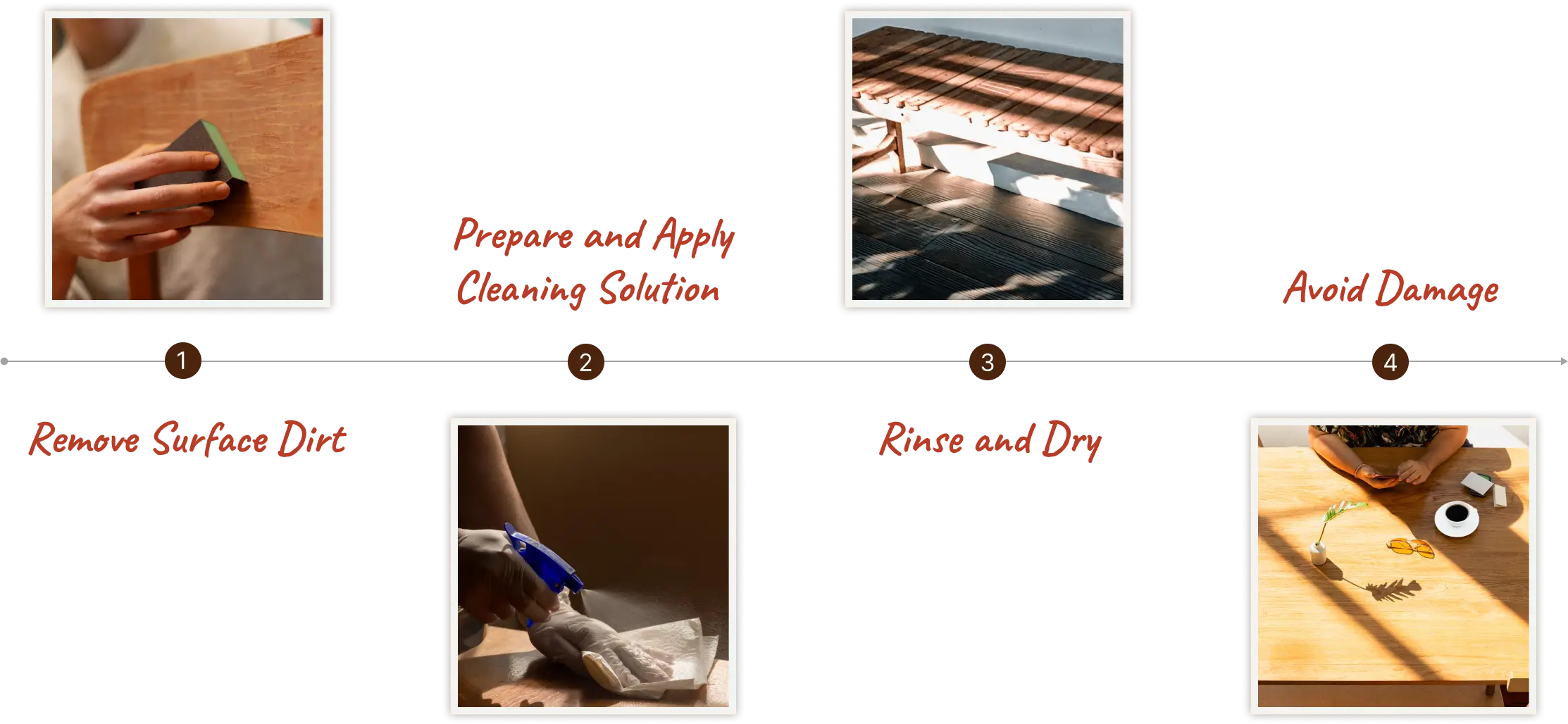
Silver patina or golden glow — the choice is yours
Of course, if you want to retain a rustic look, especially with woods like teak (which develop a natural silver patina over time), you may wish to leave your wood furniture untreated. However, many homeowners choose to apply a teak oil or wood preservative to maintain a rich, golden color. They usually do this once a year.
Acacia and cedar can also benefit from oil treatments to enhance their natural grain and provide protection against moisture. If the finish becomes worn or rough, light sanding can help restore smoothness and prepare the surface for oiling or resealing.
Metal Furniture
OUTDOOR FURNITURE CARE GUIDE
Metal offers a stronger construction than most other outdoor furniture materials, but that comes with a range of different cleaning practices.
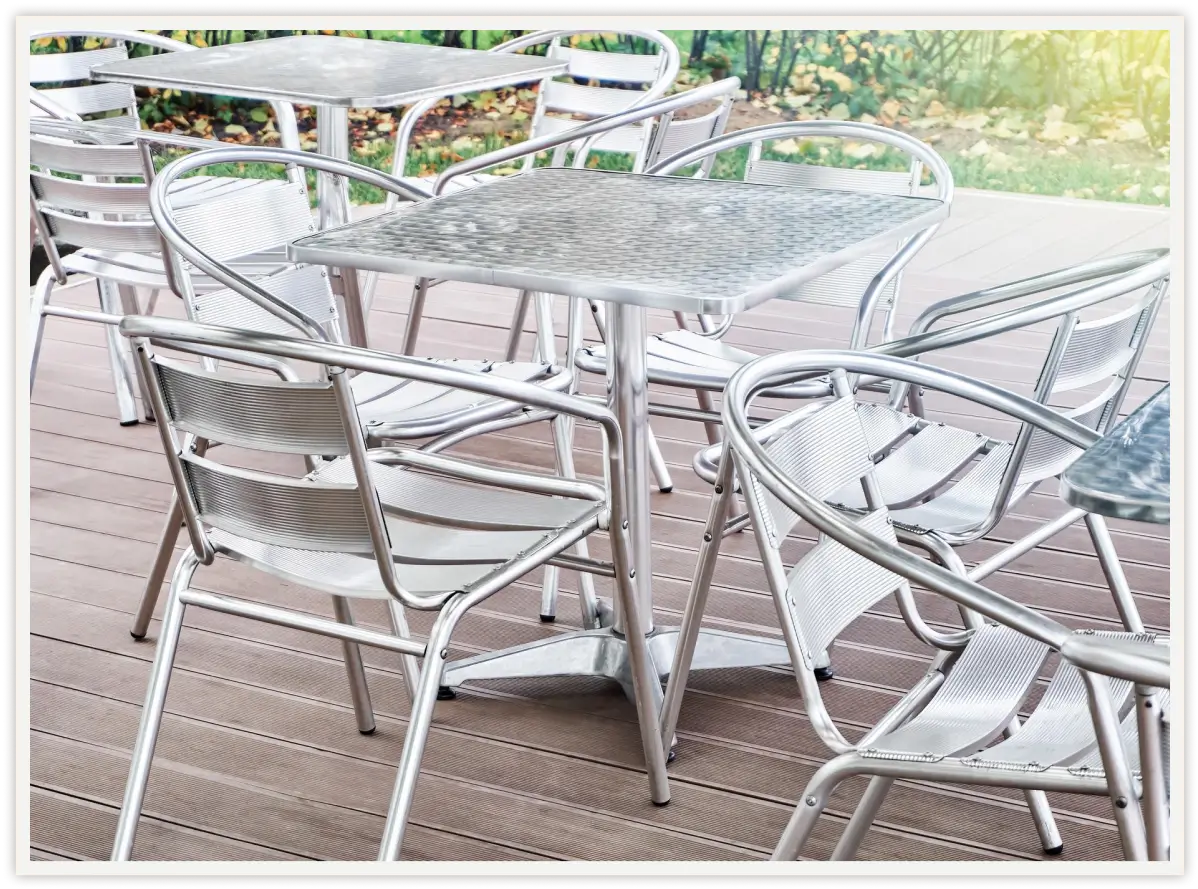
Aluminum furniture is naturally resistant to rust, but dirt and grime can still accumulate. Clean aluminum pieces with mild soap and water, using a soft cloth or sponge. For tougher stains, a 50/50 mixture of water and vinegar can help remove grime without damaging the metal. Applying a coat of automotive wax once or twice a year can also work wonders, adding a protective layer (this works especially well in coastal areas where salt can cause corrosion).
Aluminum Furniture Maintenance Made Simple
1
Clean with Soap and Water
Wash aluminum furniture with mild soap and water using a soft cloth or sponge.
2
Remove Stains with Vinegar Mix
For tougher stains, use a 50/50 mix of water and vinegar to gently remove grime.
3
Protect with Automotive Wax
Apply a coat of automotive wax once or twice a year to prevent corrosion.
4
Shield Furniture in Coastal Areas
Waxing is especially helpful in coastal areas to shield against salt corrosion.
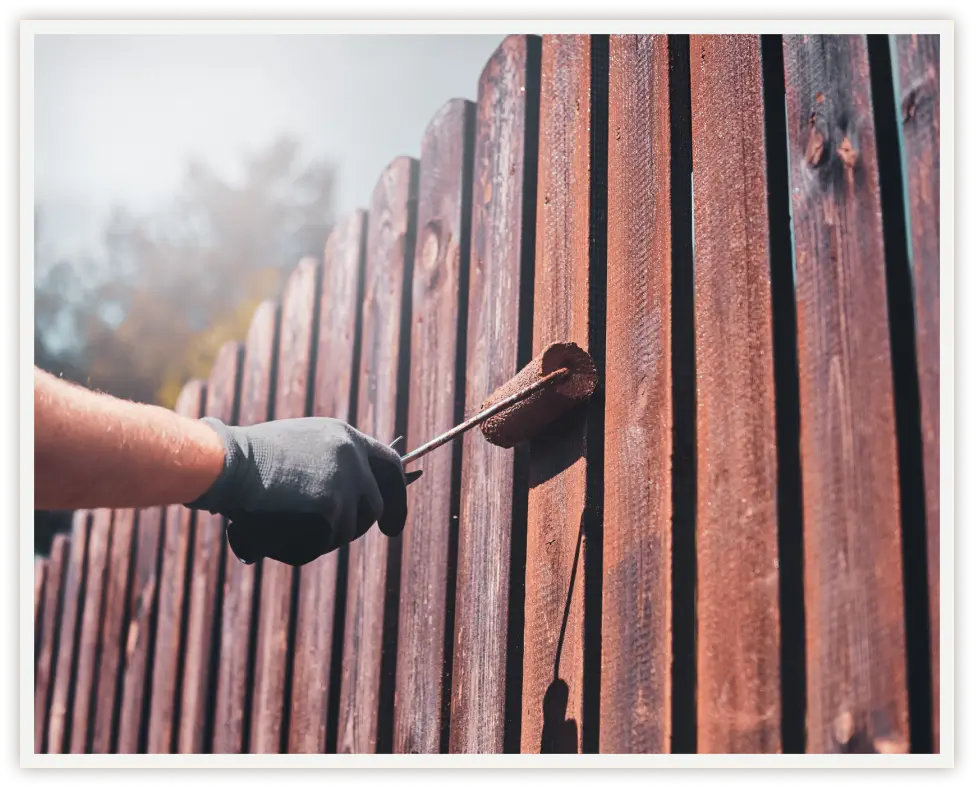
Although wrought iron and steel are sturdier than aluminum, they can be prone to rust. To clean wrought iron, use a solution of warm water and soap, scrubbing with a soft brush. If rust spots are present, lightly sand the area with fine-grit sandpaper and apply a rust-resistant primer or paint to prevent further corrosion.
Even stainless steel, noted for its rust-resistant properties, can develop spots if neglected. Always clean stainless steel furniture with a specialized cleaner.
Wicker and Rattan Furniture
OUTDOOR FURNITURE CARE GUIDE

Delicate

Natural

Aesthetic
If you prefer a delicate, naturalistic aesthetic, you’ll love wicker and rattan. However, these materials are much more fragile than wood, metal, and plastic, and require extra care when cleaning.
It’s a good idea to begin by vacuuming the furniture with a soft brush attachment to remove dirt from the crevices. Next, wipe the surface with a soft cloth dampened with a mixture of mild soap and water. But here’s an important note: always avoid soaking the wicker, as excessive moisture can weaken the fibers and lead to warping or mold growth.
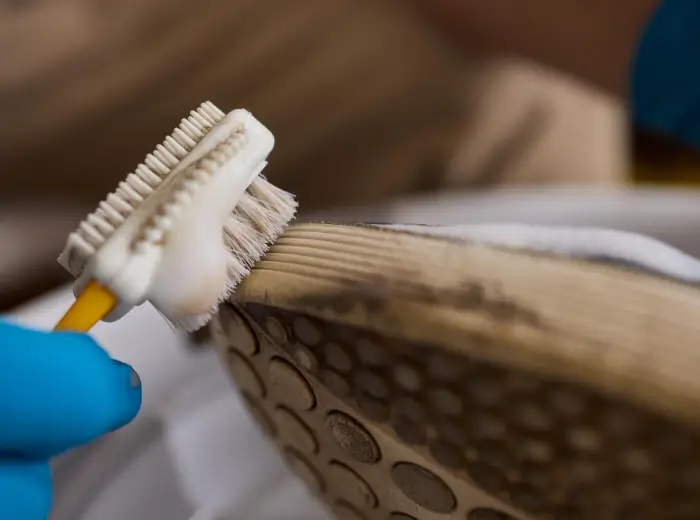
Step 1:
Remove Dirt
Use a soft brush attachment to clear dirt from crevices.
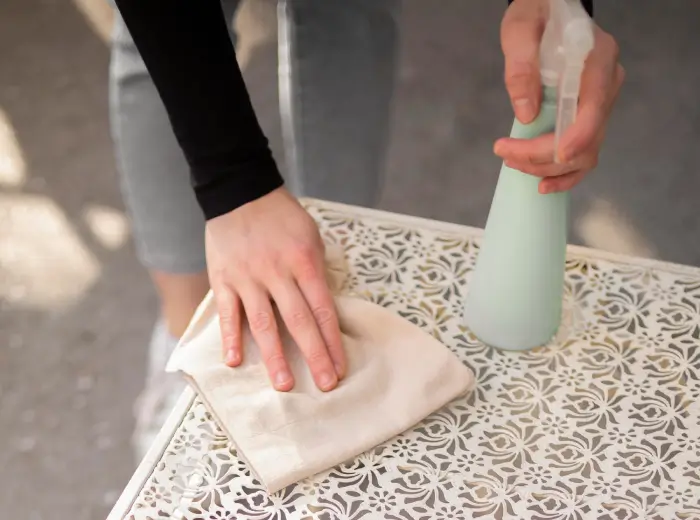
Step 2:
CLEAN GENTLY
Wipe with a damp cloth and a mixture of mild soap and water.
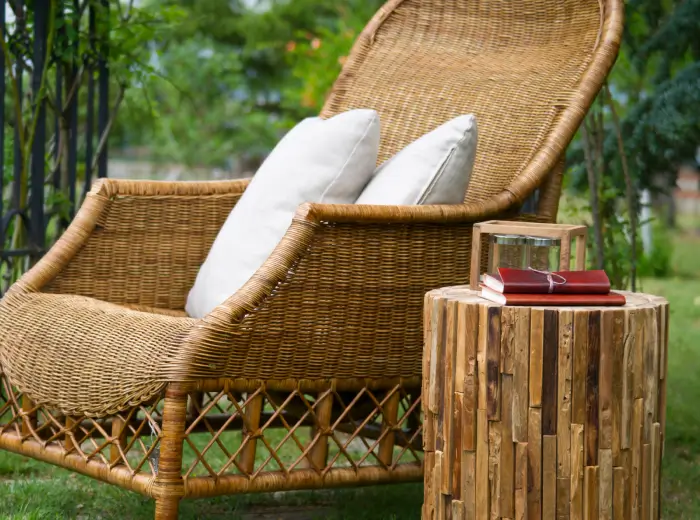
Step 3:
AVOID EXCESS MOISTURE
Do not soak the wicker to prevent warping or mold.
SYNTHETIC WICKER IS DURABLE AND EASY TO MAINTAIN
Of course, that doesn’t apply to synthetic or resin wicker, which is much hardier. With these materials, feel free to wash furniture down with a hose without worrying about damaging the material. For tougher stains, use a soft-bristle brush to gently scrub the surface.
Plastic and Resin Furniture
OUTDOOR FURNITURE CARE GUIDE
Many homeowners choose plastic and resin outdoor furniture simply because it tends to be pretty durable and affordable. They’re also easy to clean. Having said that, plastic outdoor furniture is known to accumulate dirt and grime quickly.

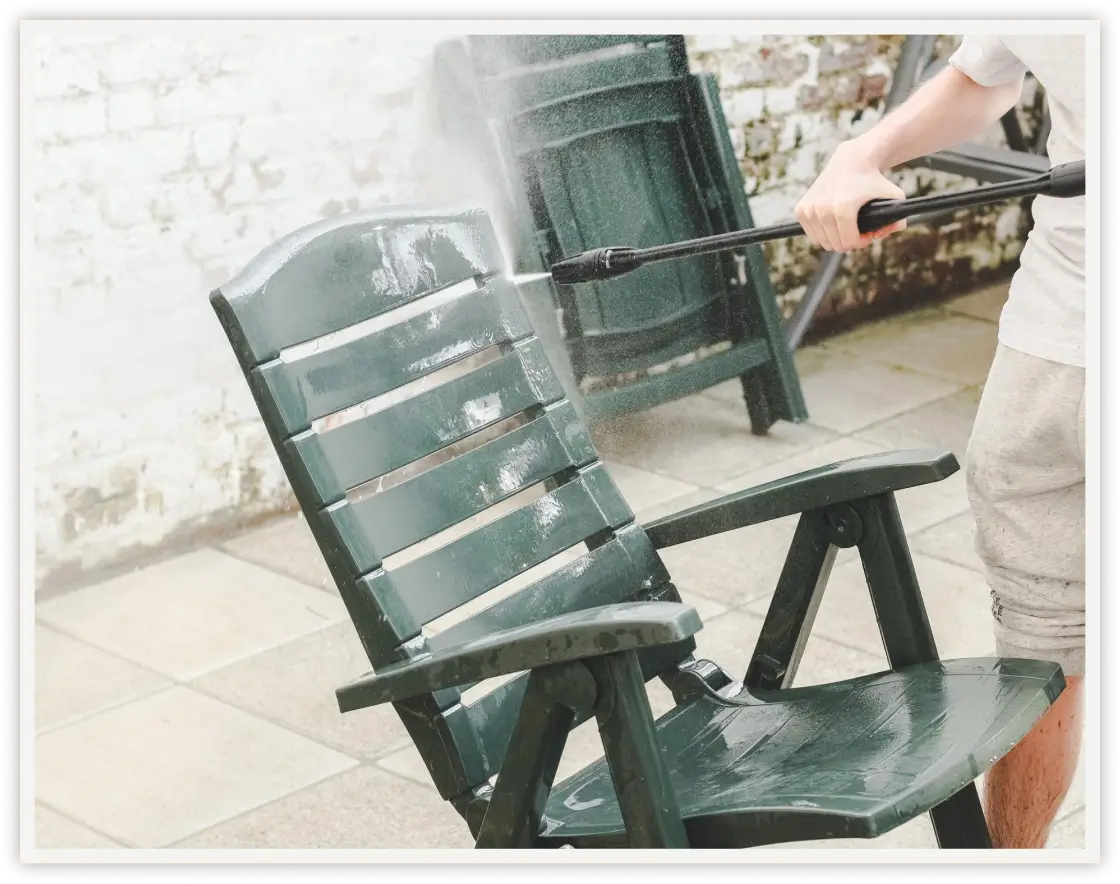
Luckily, you can start off with a good old hose to get rid of the bulk of dirt. For a deeper clean, use a non-abrasive cleaner or a solution of dish soap and warm water. Avoid using bleach or other harsh chemicals, as they can cause the plastic to fade or become brittle.
Do’s
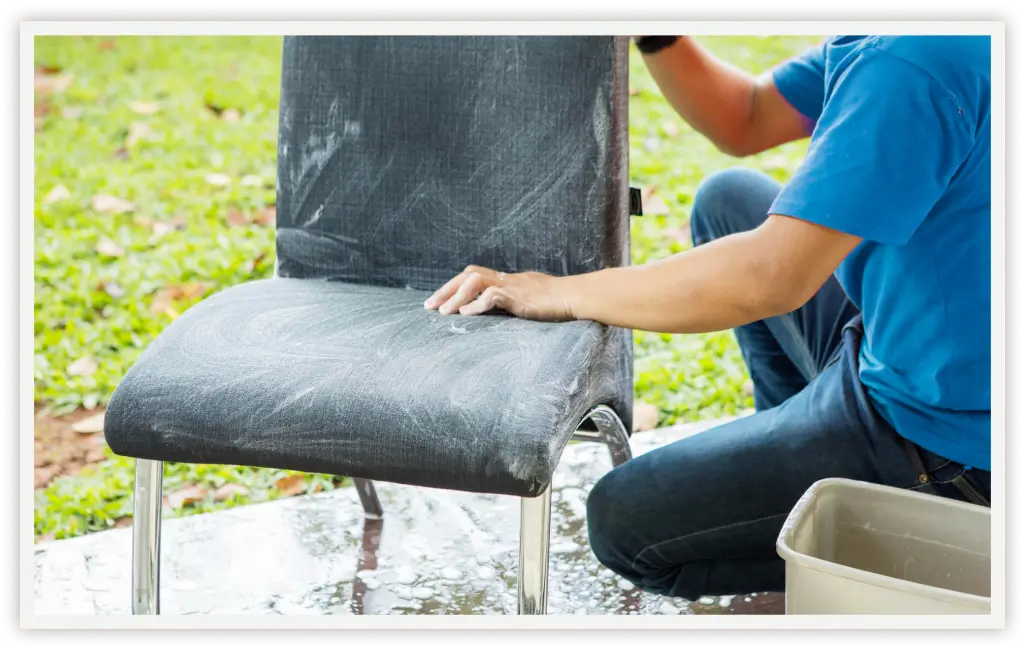
- Use a hose to remove dirt.
- Clean with mild soap and water.
Don’t
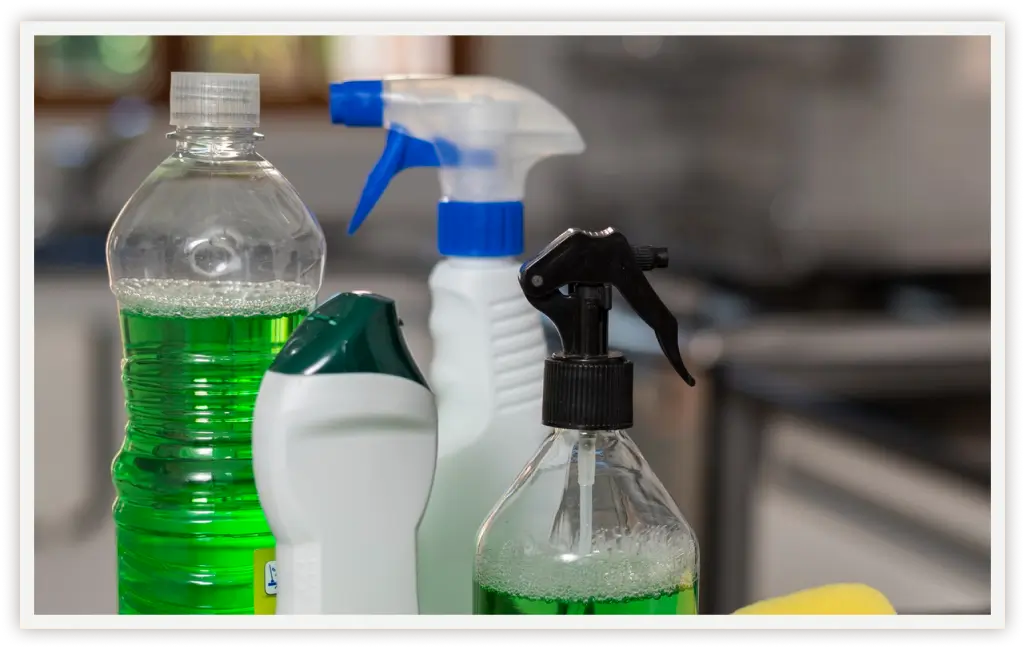
- Avoid bleach or harsh chemicals.
- Don’t use abrasive tools.
If your furniture has developed stubborn stains or mildew, a mixture of baking soda and water can be an effective yet gentle cleaner. Scrub the surface lightly with a sponge or cloth to avoid scratching the plastic. Here’s another top tip: for resin furniture, applying a UV-protectant spray can help prevent fading and discoloration from sun exposure.
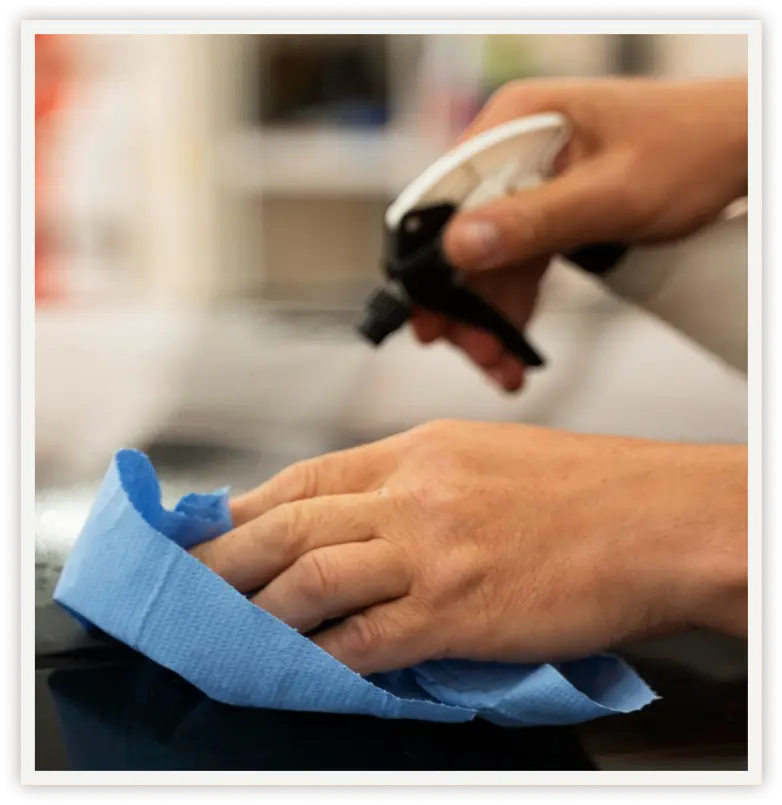
Regularly applying UV-protectant spray keeps resin furniture looking new for years!
Cushion and Fabrics
OUTDOOR FURNITURE CARE GUIDE
However long you spent choosing the perfect cushion covers for your outdoor seating area, the fact is, they’re going to start showing wear quicker than the base. But that doesn’t mean you can’t extend their lifespans with a few simple routine cleaning methods.
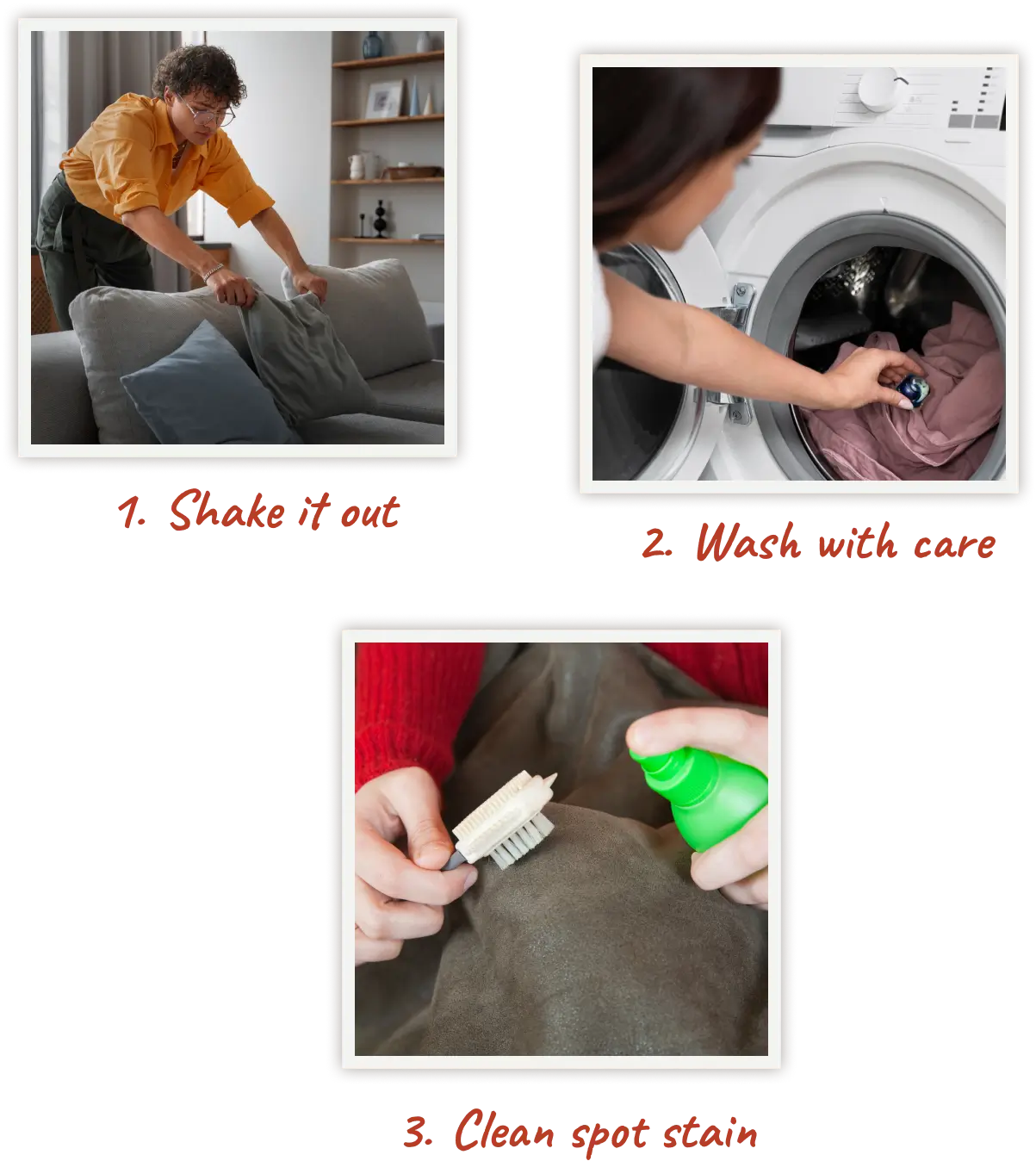
Easy Steps to Keep Your Cushions Fresh and Clean
For starters, it’s a good idea to regularly remove cushions and give them a good shake to get rid of dirt and dust. If they’re machine washable, follow the manufacturer’s instructions, using a mild detergent and cold water to prevent fading.
For non-machine washable cushions, spot clean with a mixture of mild soap and water, using a soft brush to work out stains.
If you live in a humid climate, mildew may become a problem. To counteract this, always make sure cushions are 100% dry before storing them and avoid leaving them out in periods of rain or snowfall.
Protecting Furniture
from the Elements
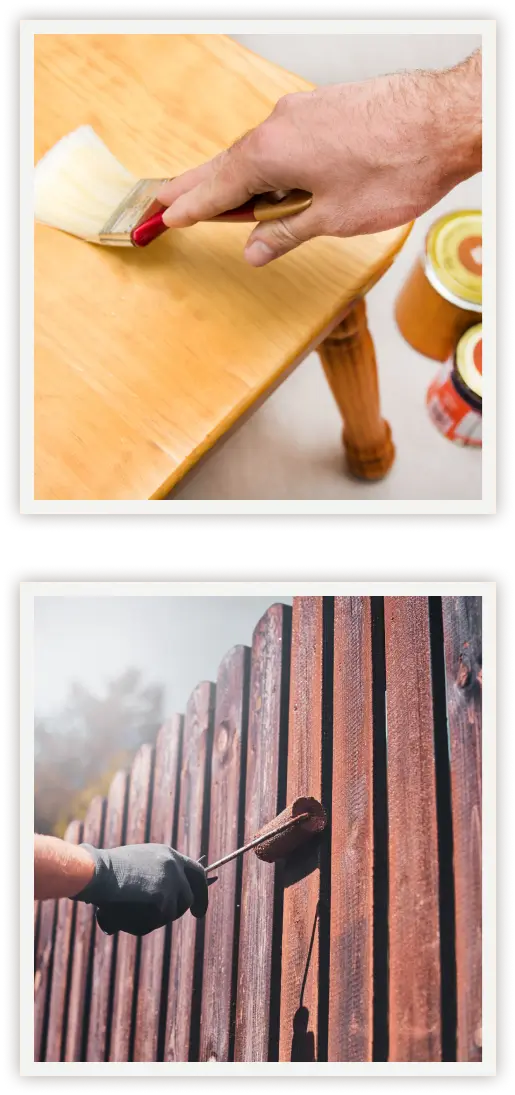
The best way to keep your outdoor furniture in top shape for as long as possible is to use protective measures. Protecting your patio pieces from environmental factors like damage from sun, rain, moisture, and snow is essential – and doesn’t have to be a headache.

Sun

Rain

Moisture

Snow
Below are practical tips on how to shield your furniture from the elements and keep it in excellent condition year-round.
Sun Protection
OUTDOOR FURNITURE CARE GUIDE
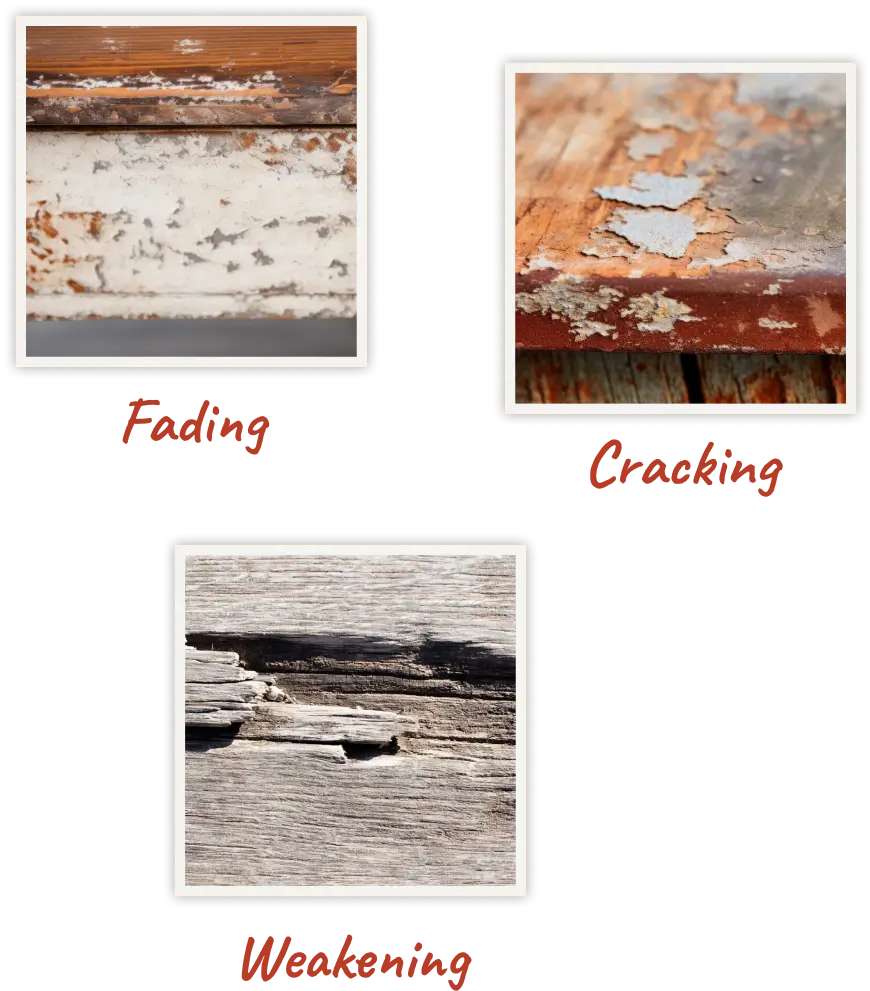
Although when we talk about ‘harsh conditions’ we often think about wind and rain, sunlight – specifically UV rays – can actually be just as dangerous for your outdoor furniture. Evidence shows that prolonged exposure leads to fading, cracking, and weakening of materials, especially for wood, plastic, and fabrics.
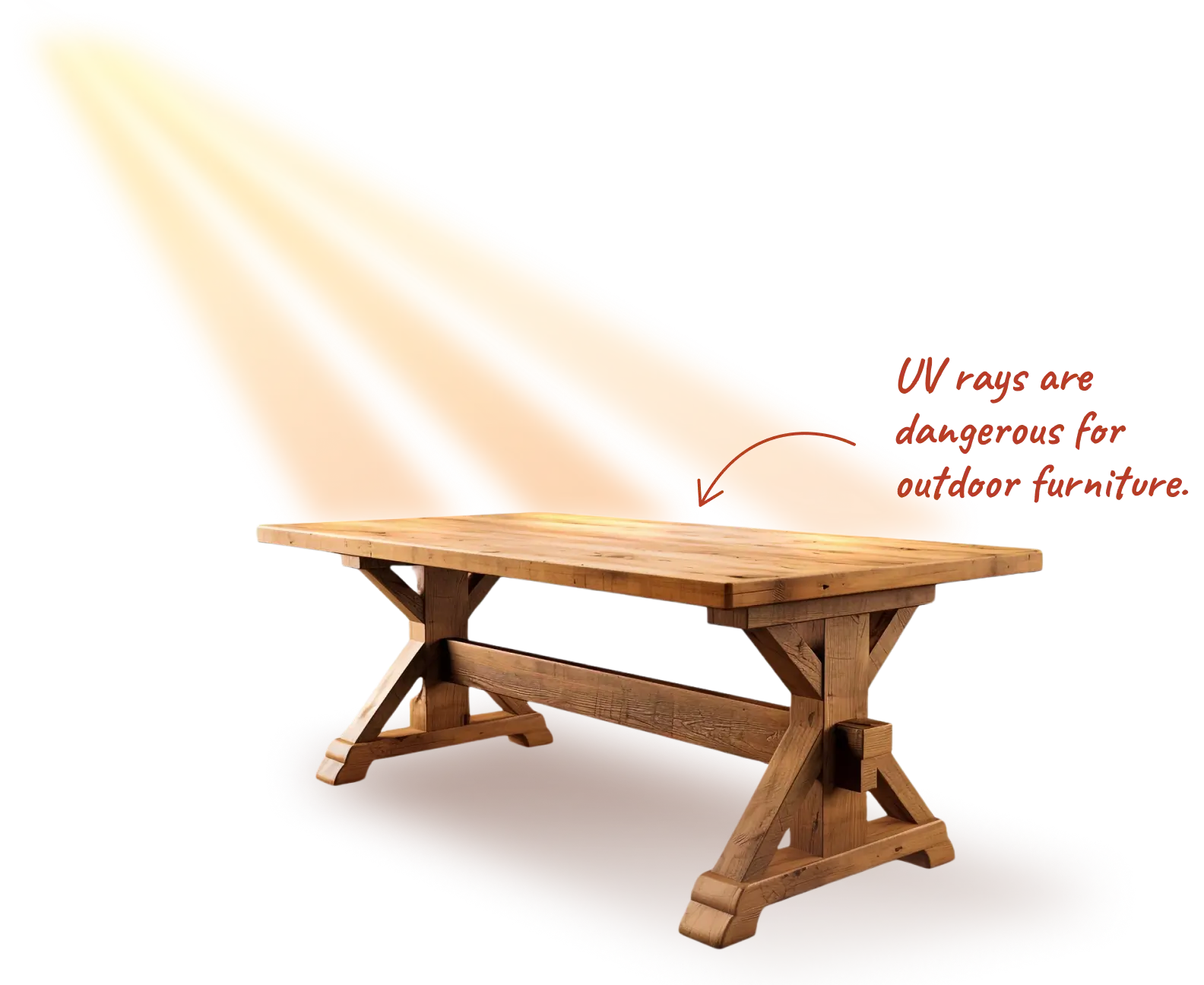
The easiest way to protect against UV rays is simply to cover your outdoor furniture when not in use. However, that’s not the only method: you can also buy UV-protective sprays which help prolong the life of your outdoor furniture. These sprays are designed to block harmful UV rays, preserving the color and structural integrity of the furniture.
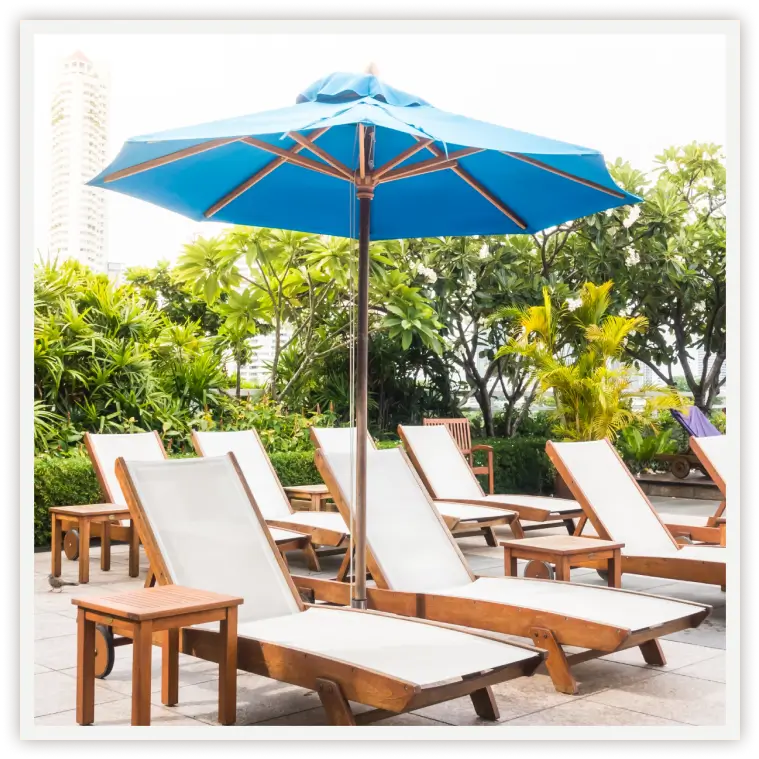
Of course, placing pieces under an awning, umbrella, or pergola can also keep your furniture – and yourself! – nicely protected

Rain and Moisture
Protection
OUTDOOR FURNITURE CARE GUIDE

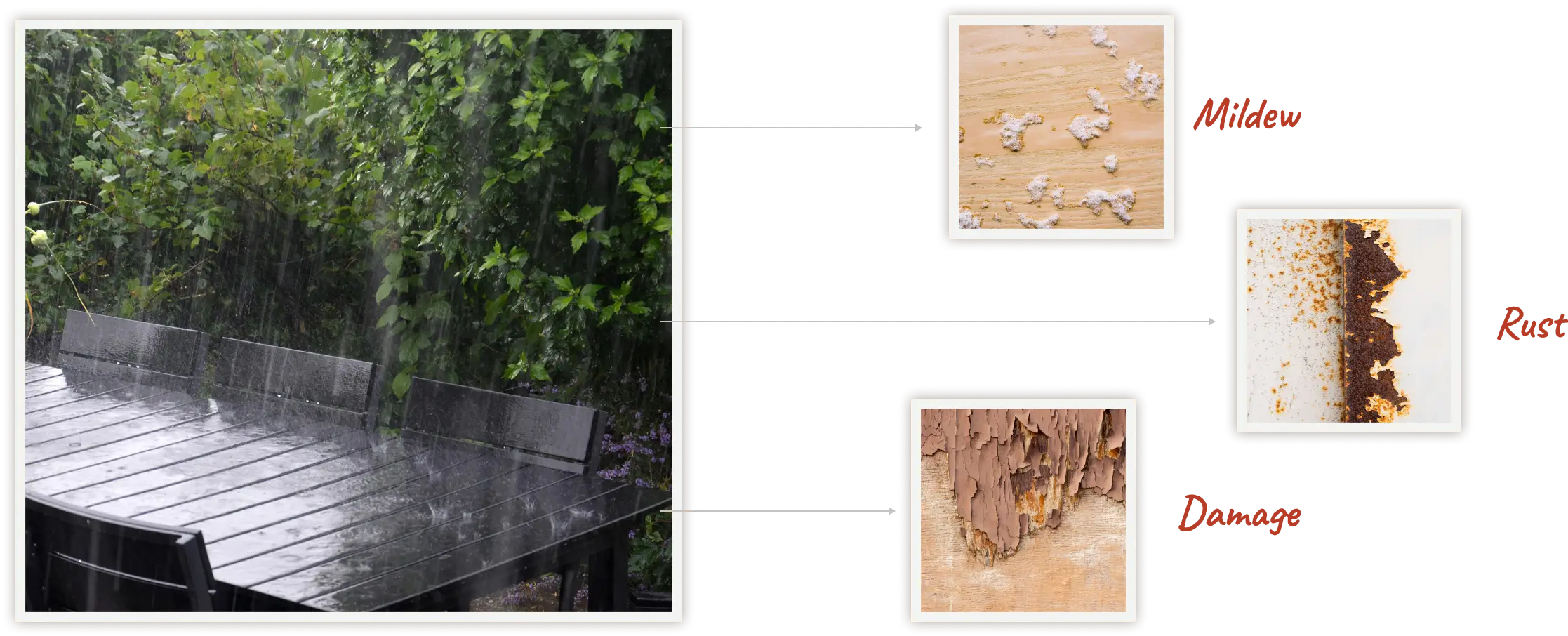
Rain is the real enemy of outdoor furniture. It can lead to rust, mildew, and wood damage. For fabric in particular, waterproofing is essential; applying a water-repellent spray specifically designed for outdoor fabrics should keep them dry and prevent mold and mildew growth.
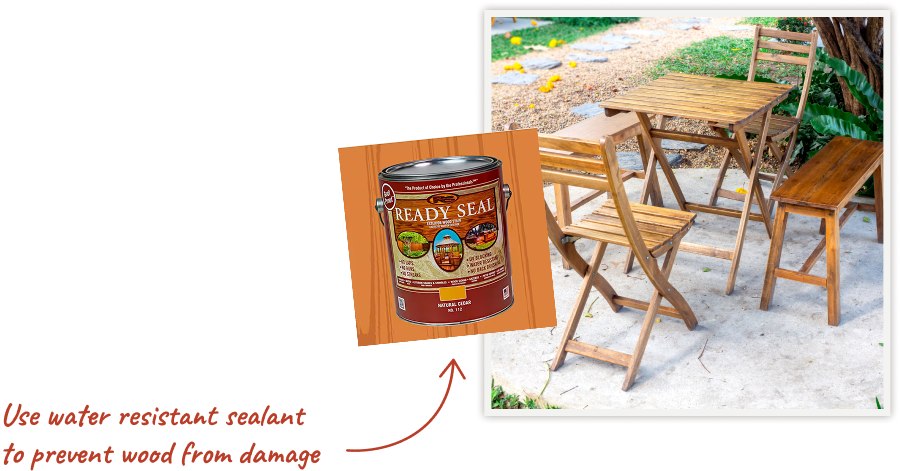
As for wood, regularly applying a water-resistant sealant or oil treatment can help prevent wood from absorbing water, which can cause it to swell and rot. Even naturally ‘water-resistant’ woods like teak, cedar, and acacia can benefit from periodic treatments.
For metal furniture, rust is the big concern. Wrought iron and steel need extra care. Use rust inhibitors or protective coatings to prevent water from seeping into metal surfaces, and ensure that any scratches or chips are quickly repaired to avoid rust forming in those areas.
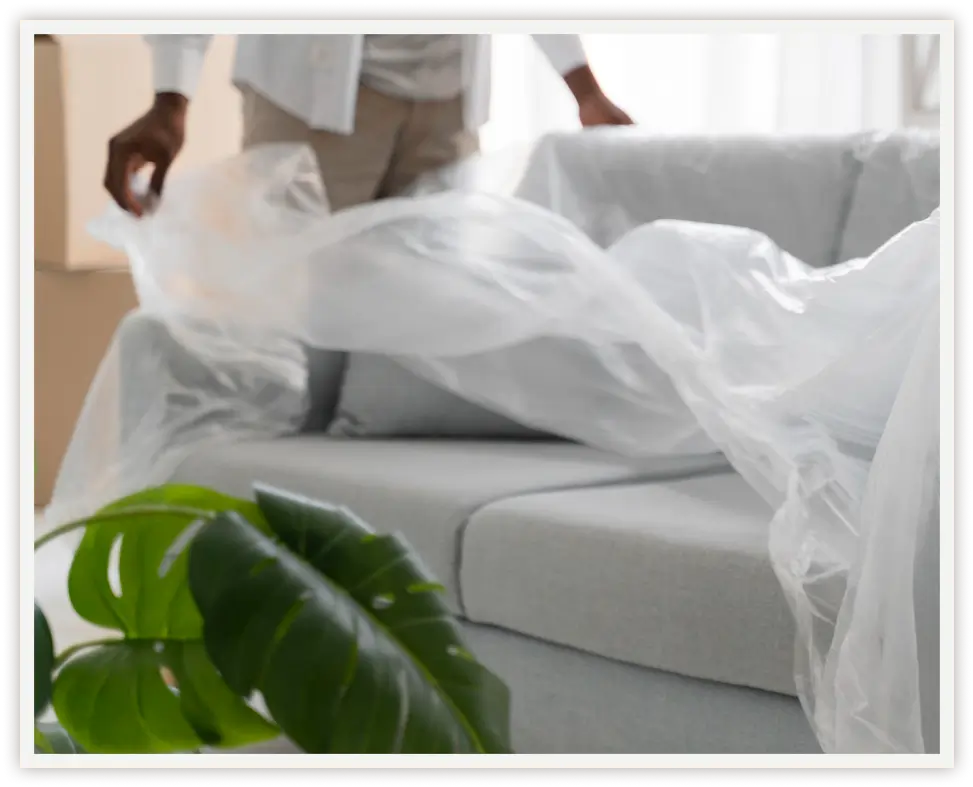
Again, though, the best way to protect outdoor furniture against moisture damage is to cover it during periods of rainfall.
Winterizing Outdoor
Protection
OUTDOOR FURNITURE CARE GUIDE
Here’s a new word for you: ‘winterizing’. But what does it mean? Well, winter conditions – think snow, frost, ice – can take their toll on outdoor furniture. Winterizing your outdoor furniture means protecting it during the coldest months ready for use when barbecue season rolls back around.

One of the best ways to protect furniture during winter is to invest in heavy-duty outdoor covers. These covers should be thick and durable, designed to withstand snow and freezing temperatures.
For wooden furniture, applying a protective oil or sealant before winter hits will also help prevent the wood from cracking. Metal furniture, especially wrought iron and steel, can rust if left exposed to snow and moisture. Applying a rust-resistant coating or paint will create a barrier, safeguarding the metal from corrosion during the colder months.
Storage Solutions for
Off-Seasons

Even the most die-hard barbecue enthusiasts are unlikely to be at the grill all year round. During those off-seasons, your outdoor furniture can often be sat outside accumulating damage. That’s why properly storing outdoor furniture is one of the most effective ways to prolong its life and maintain its appearance.
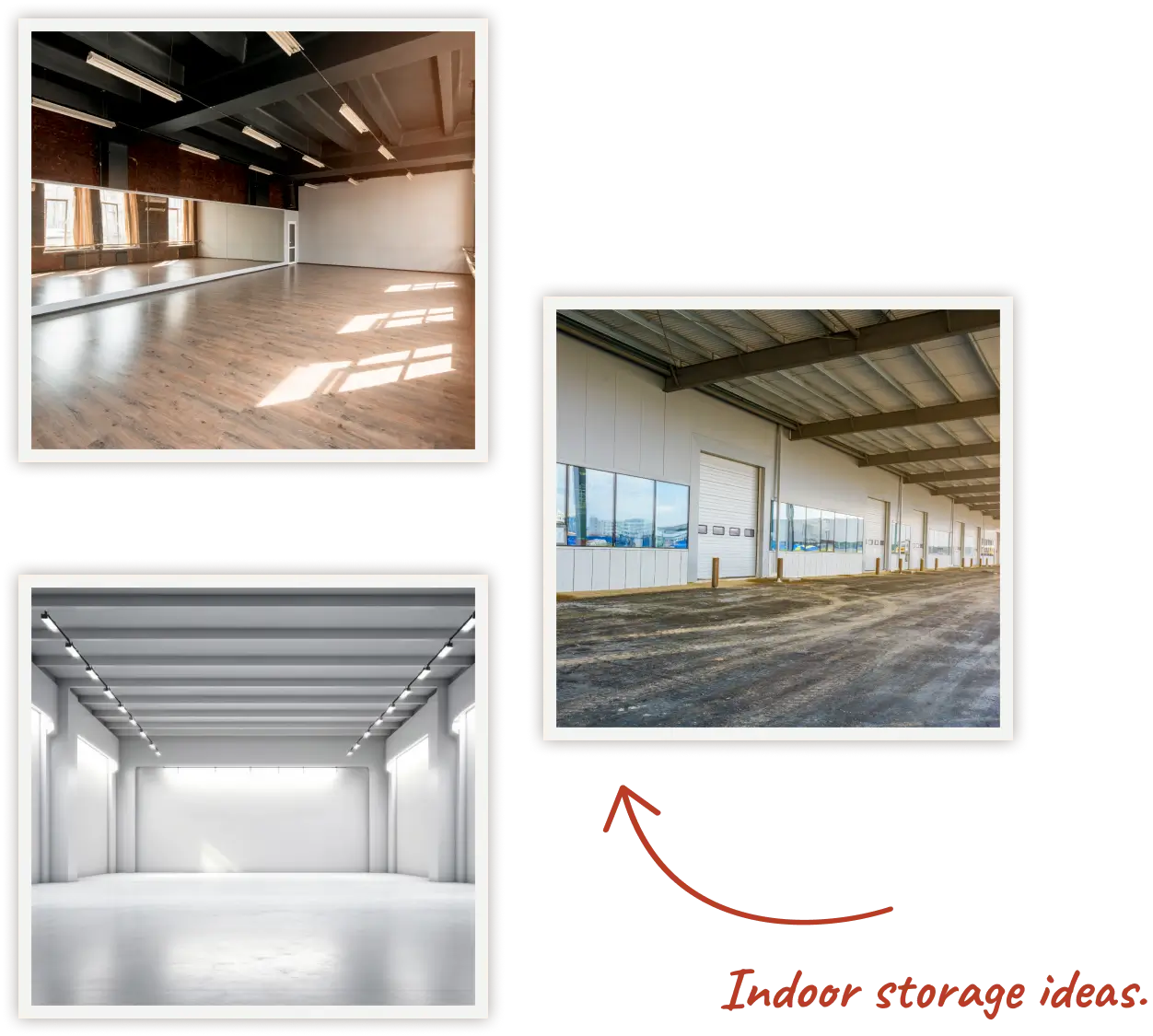
Indoor storage is ideal, as it offers complete protection from weather-related damage. If you have the space, garages, basements, or sheds are great options for storing your furniture during the off-season. But don’t simply sling your pieces indoors; give each piece a thorough clean before you put it away for the off-season! This’ll help prevent mold and mildew growth.
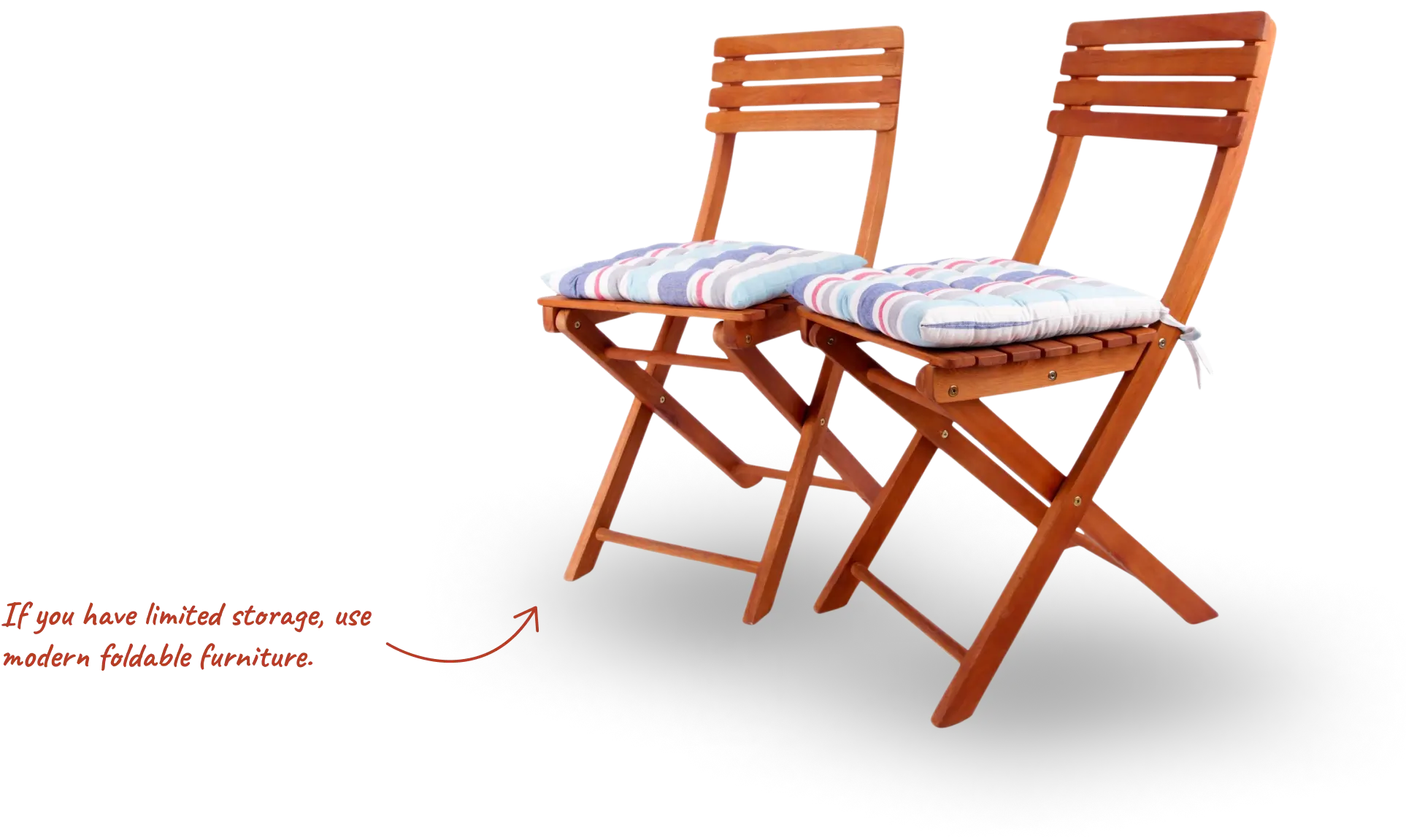
For those with limited storage space, compact solutions can help maximize the area available. Luckily, many modern outdoor furniture sets are designed to accommodate this, with stackable chairs and foldable furniture being easy to come by. If you’re furniture doesn’t fold or stack, one final solution would be to disassemble it and pack it away off of the ground (to avoid moisture exposure).
If all else fails, consider investing in good-quality, heavy-duty outdoor furniture covers. When selecting covers, make sure they fit properly, covering each piece completely but not so tightly that air can’t circulate. Fasteners like drawstrings or clips are helpful for securing covers in windy conditions.
Stain removal and
Repair Techniques

No matter how much effort you put into protection measures, stains are inevitable. Maybe there was an unexpected shower, an accident, or a greasy spill at your last barbecue – either way, it’s time to get to work removing it.
Below are some effective techniques for removing common stains and performing basic repairs on outdoor furniture.
01
Stain Removal Basics
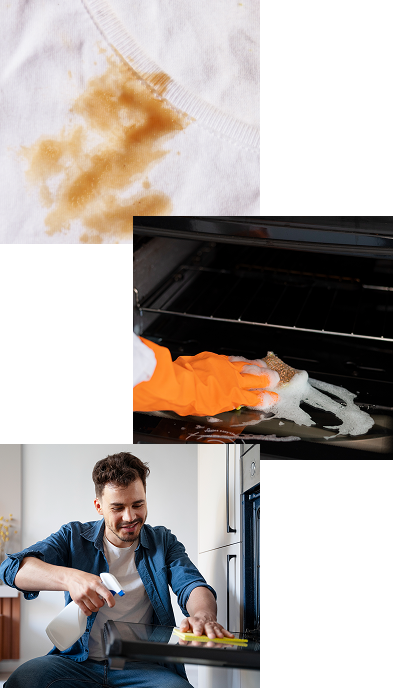
To tackle food and grease stains, start by wiping away excess residue with a paper towel or cloth. Use a mild soap solution mixed with warm water to gently scrub the area. If you’re facing a tougher stain, such as oil, don’t panic: a solution of white vinegar and water or a specialized outdoor furniture cleaner can often do the job.
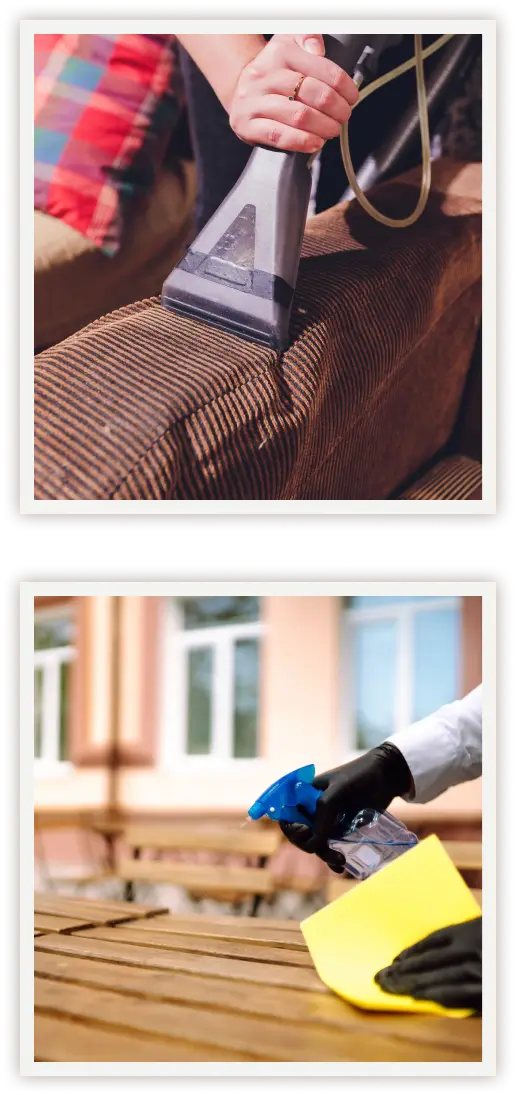
Mildew and mold present another problem entirely, especially on fabric cushions and wooden surfaces. To remove mildew, create a mixture of water, white vinegar, and a little baking soda, then scrub the affected area with a soft brush. For high-end grill furniture you should avoid abrasive cleaners that can damage the finish; opt for non-abrasive solutions specifically designed for those materials.
02
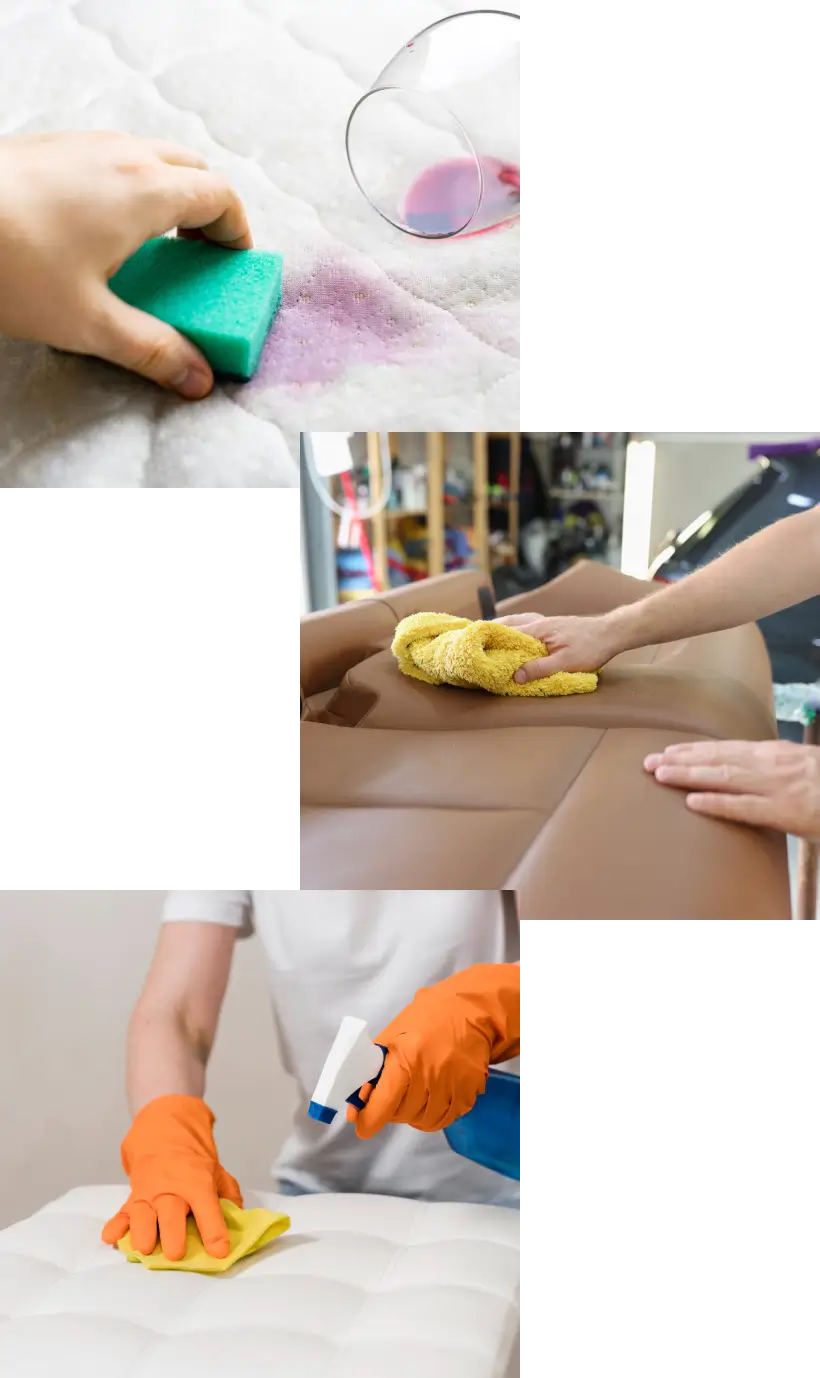
Spot Treatment for Fabrics
Outdoor cushions are prone to spills and dirt, but regular spot-cleaning can help keep them looking fresh. For most fabrics, a mild detergent mixed with lukewarm water will do the job. Simply dab the solution onto the stain using a soft cloth or sponge—avoid scrubbing too harshly, as this can wear down the fabric fibers. After cleaning, blot the area with a dry cloth to remove excess moisture.
If it’s something harsher like wine or ketchup giving you a headache, try using a fabric cleaner designed for outdoor use, which will lift the stain without damaging the material.
03
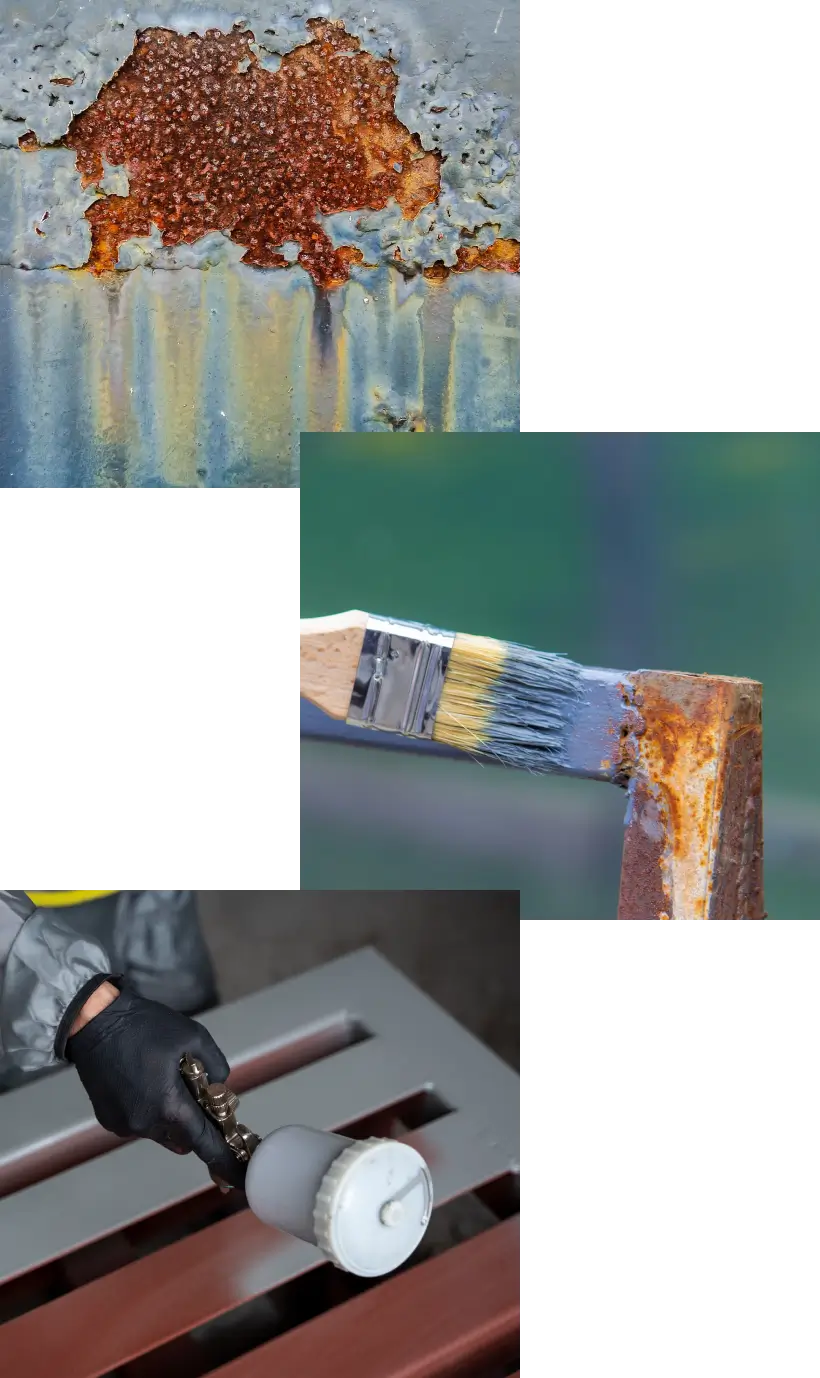
Rust and Corrosion Repair
Despite your best efforts, rust is, in the end, inevitable. The best way to remove rust is to simply sand it off: start by lightly sanding the affected area with fine-grit sandpaper until you reach the bare metal. Be careful not to sand too aggressively, as this can damage the surface further. Once the rust is removed, apply a rust remover or metal primer to prevent the rust from returning.
If you want to really keep your metal outdoor pieces protected long-term, repaint the area with rust-resistant paint. This’ll restore the piece and also add a layer of protection against future rust. Stainless steel furniture, like that found in the Blaze Gas Grill Series, is less prone to rust but can still benefit from occasional polishing and protective treatments to maintain its shine.
04
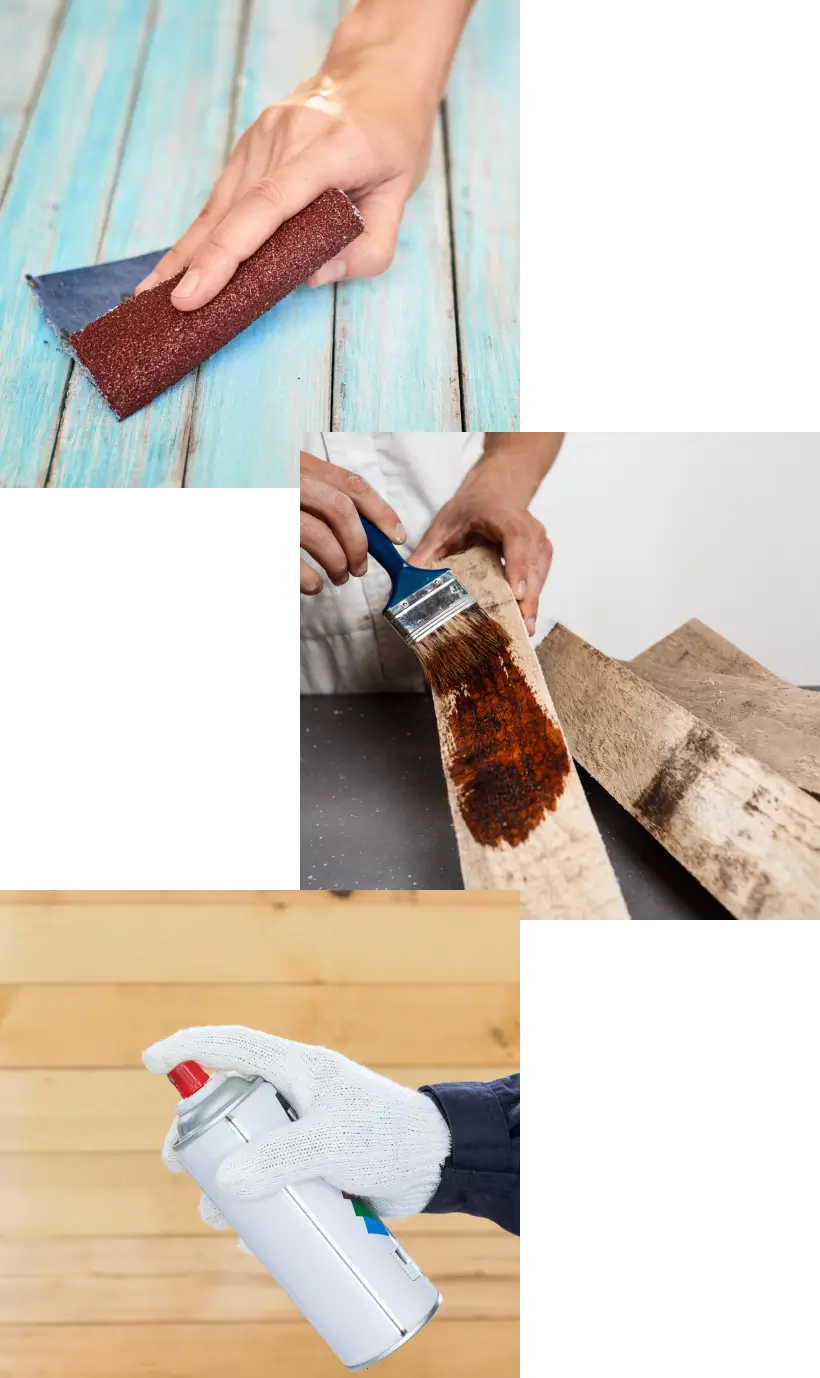
Wood Refinishing
Wood comes with its own problems. Scratches, scuffs, and general wear can all leave your furniture looking a little neglected after a while. To restore its appearance, start by lightly sanding the damaged area with fine-grit sandpaper (always working in the direction of the wood grain). Once the surface is smooth, wipe away any dust with a damp cloth. You can then apply a fresh coat of wood stain or sealant to match the original finish.
UV rays can also sap your wooden pieces of their color. This is harder to fix, but a UV-protectant stain can help to restore vibrancy – as well as provide additional protection.
Material-Specific
Care Tips

As you may have gathered from experience, not all materials react the same way to different elements. That’s why it’s crucial to
a) know exactly what material your outdoor furniture is made from, and
b) understand how to treat different materials properly.
Here’s a detailed guide on material-specific care tips for popular types of outdoor furniture:
Wood Furniture (Teak,
Acacia, Cedar)
OUTDOOR FURNITURE CARE GUIDE
Although few materials can compete with wood for timeless beauty and durability, not all wood is the same; different types of wood require different treatment methods. So if you’re looking into maintaining teak, acacia, or cedar, read on!
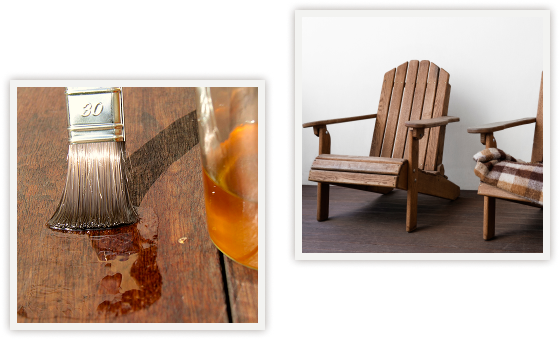
Teak is a dense wood. It’s naturally resistant to moisture and pests, but, over time, tends to develop a silver-gray patina. If you’re a fan of teak’s original golden hue, applying teak oil is essential. Oil treatments should be applied two to three times a year to prevent the wood from drying out and cracking.
01
Naturally Moisture and Pest-Resistant
02
Develops a Silver-Gray Patina Over Time
03
Oil 2-3 Times a Year to Prevent Cracking
Although it’s also a hardwood (like teak), acacia is not quite as dense. That’s why a protective sealant is a good idea when it comes to outdoor acacia furniture – once a year should be enough. While it doesn’t require as much oiling as teak, keeping acacia covered during prolonged rainy periods helps prevent water damage.
01
Less dense than teak & requires protection.
02
Seal once a year to avoid water damage.
03
Cover during rainy periods for durability
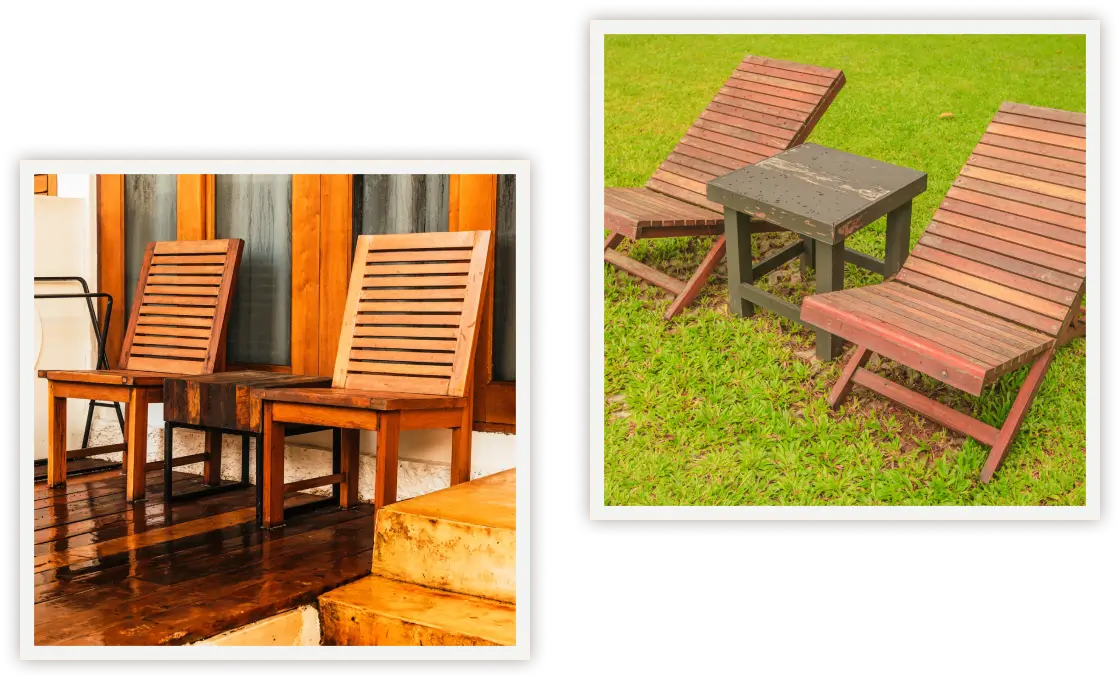
Cedar is a much softer wood that requires more frequent maintenance to avoid scratches and wear. You should regularly clean and treat all cedar outdoor furniture with wood preservative or water-repellent sealant. If the wood begins to fade or lose its finish, a light sanding followed by a new coat of sealant will keep it in top condition.
01
Soft Wood – More Maintenance Required
02
Treat with Wood Preservative Regularly
03
Sand and Reseal to Restore Finish
Metal Furniture (Aluminum,
Wrought Iron, Stainless Steel)
OUTDOOR FURNITURE CARE GUIDE
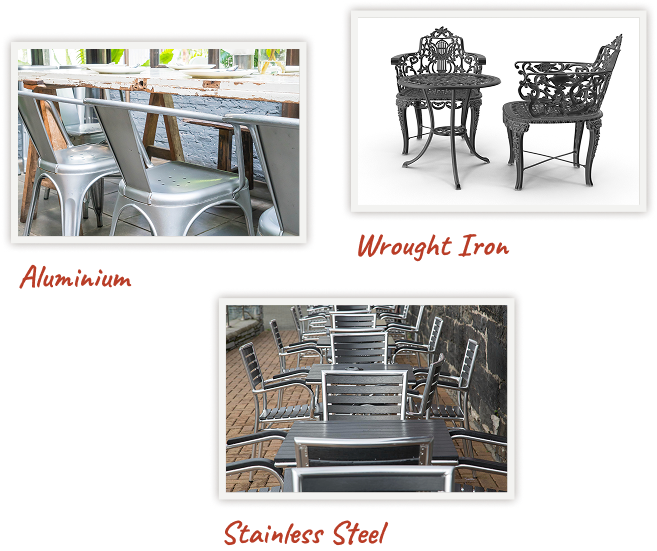
Just like wood, different types of metals vary in their properties. That means that in order to properly care for metal furniture over time, it’s important to read up on how best to treat the specific type of metal you’re working with.
01 ALUMINIUM
We all love aluminum’s lightweight and rust-resistant characteristics – but that doesn’t mean it’s 100% resistant to all wear and tear. Aluminum furniture is prone to oxidation, which can cause dulling over time. Regular cleaning with mild soap and water helps remove dirt, and applying a coat of car wax or a protective spray can prevent oxidation. For powder-coated aluminum, be gentle with cleaning to avoid chipping the coating.
02 WROUGHT IRON
Wrought iron is much stronger than aluminum, but the big problem with this metal type is rust. When scratches or chips occur in the paint, you can bet rust will get in. To combat this, sand down any rust spots and apply a rust-resistant primer and paint to seal the metal.
03 Stainless steel
Stainless steel is highly resistant to rust, but it still needs occasional maintenance to prevent corrosion. Regularly clean stainless steel furniture with a non-abrasive cleaner or stainless steel polish. For premium outdoor products like the Blaze Gas Grill Series, stainless steel polish also helps protect against oxidation and keeps the metal surface looking as good as new.
Wicker and Rattan
Furniture
OUTDOOR FURNITURE CARE GUIDE
Wicker and rattan bring a natural, cozy vibe to outdoor spaces, but they require special care to avoid damage from moisture and sun exposure.
Natural Wicker
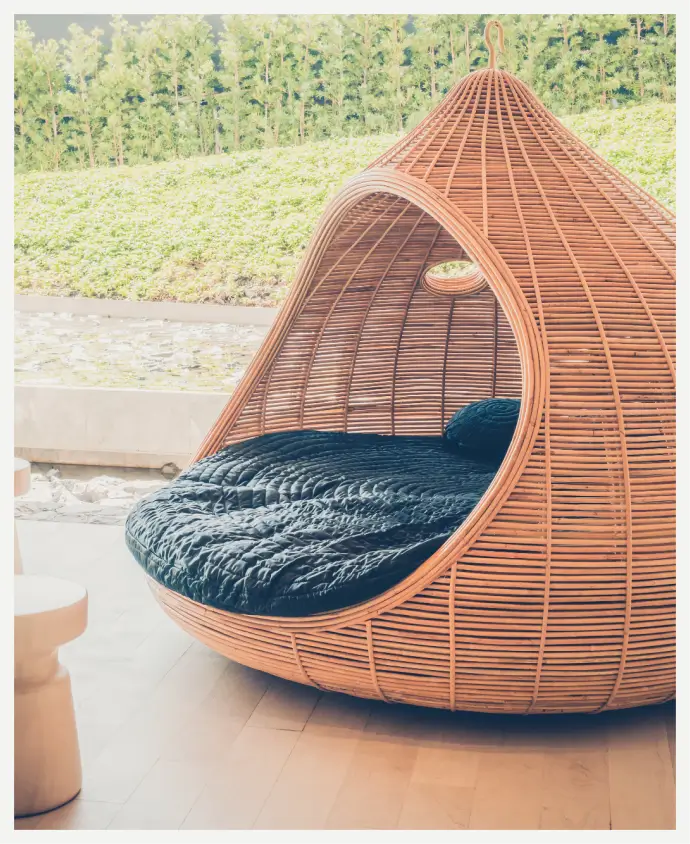
As wicker is made from organic materials like rattan or bamboo, it’s especially susceptible to moisture damage and mold growth. The best way to fight this is by keeping it under a covered area, such as a patio roof or pergola. You can also vacuum the surface to remove dust, and gently wash with a damp cloth and mild soap solution – but avoid oversaturating the wicker with water, as this can cause warping!
Synthetic Wicker
Of course, synthetic wicker is less sensitive than natural wicker. That makes maintaining it relatively easy. A garden hose and mild detergent should suffice. However, even synthetic wicker can benefit from protection during harsh weather, so consider using covers when necessary.
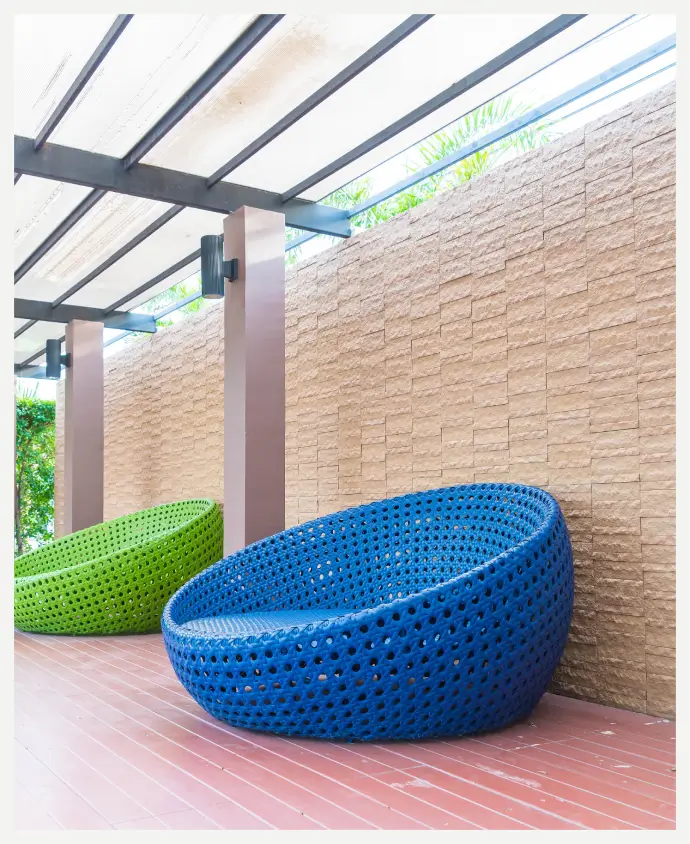
Plastic and Resin
Furniture
OUTDOOR FURNITURE CARE GUIDE
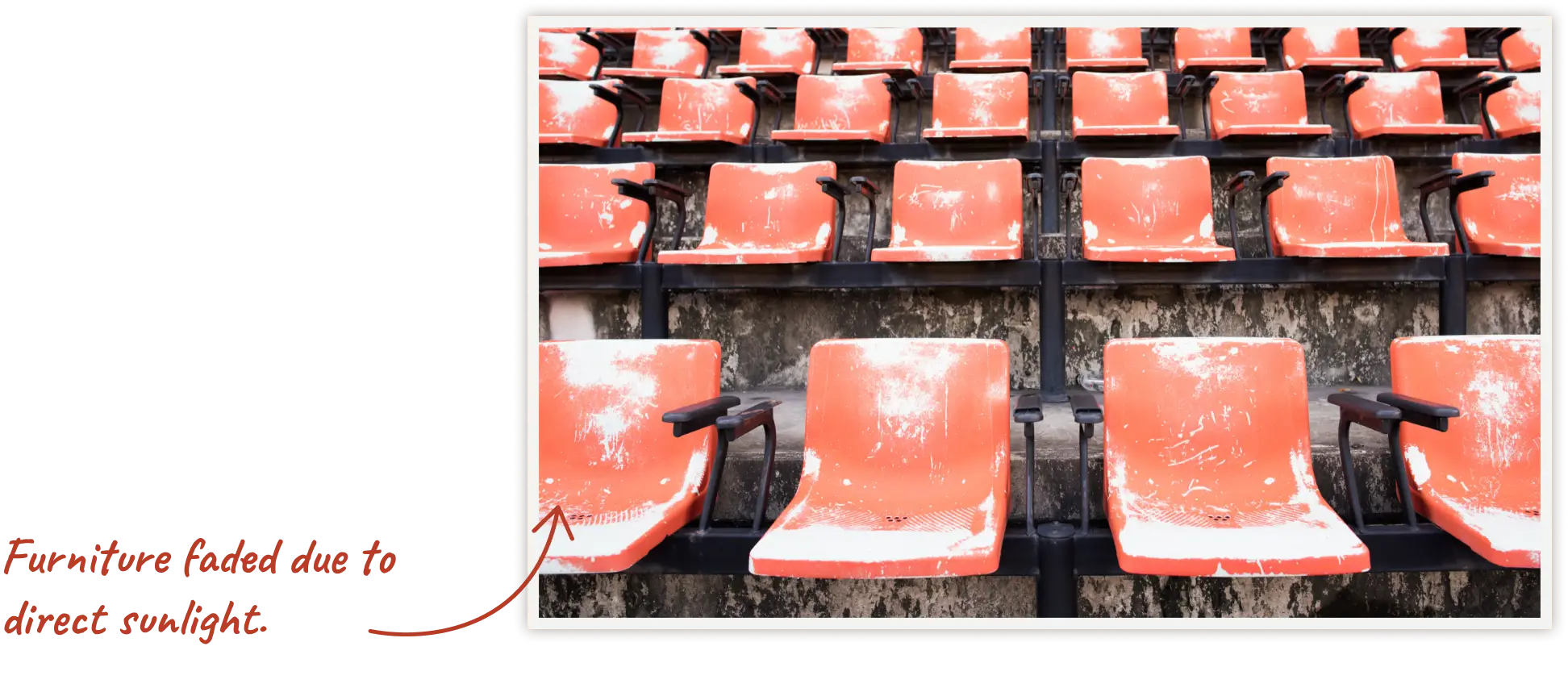
While you might not have to worry about rust with plastic outdoor furniture, direct sunlight can eventually cause it to fade, warp, and even crack.
PLASTIC AND RESIN FURNITURE
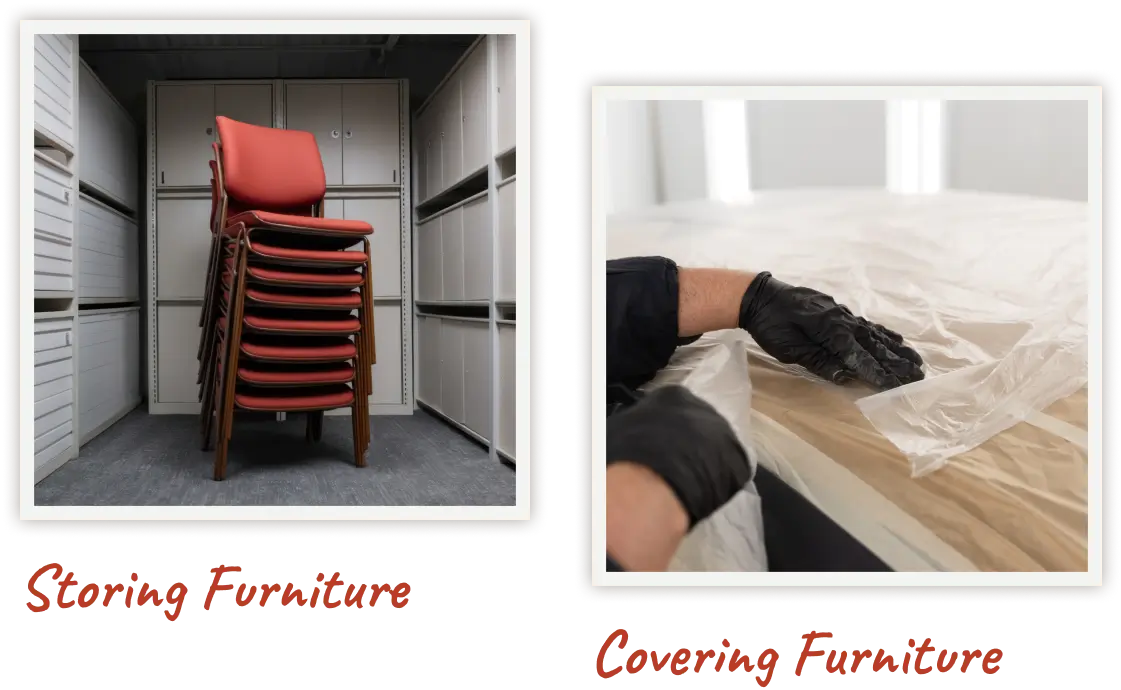
To prevent fading and cracking of your plastic furniture, apply a UV-protectant spray to shield the material from the sun’s harmful rays. Storing plastic furniture in shaded areas when not in use and covering it during extreme heat can also help extend its lifespan.
Cushions and Fabric
Care
OUTDOOR FURNITURE CARE GUIDE
Cushions and fabrics are often the first to feel the brunt not only of weather conditions, but of the many barbecue-related mishaps we’re all familiar with! Proper care is essential to keep them looking fresh.
Outdoor fabrics
Regularly shaking out cushions and spot-cleaning with mild detergent is the best place to start with fabrics. Many outdoor fabrics are even machine washable (but always check the manufacturer’s care instructions before washing). For premium fabric products, reapplying a waterproof or fabric protectant spray will help maintain the material’s water resistance and protect it from stains.
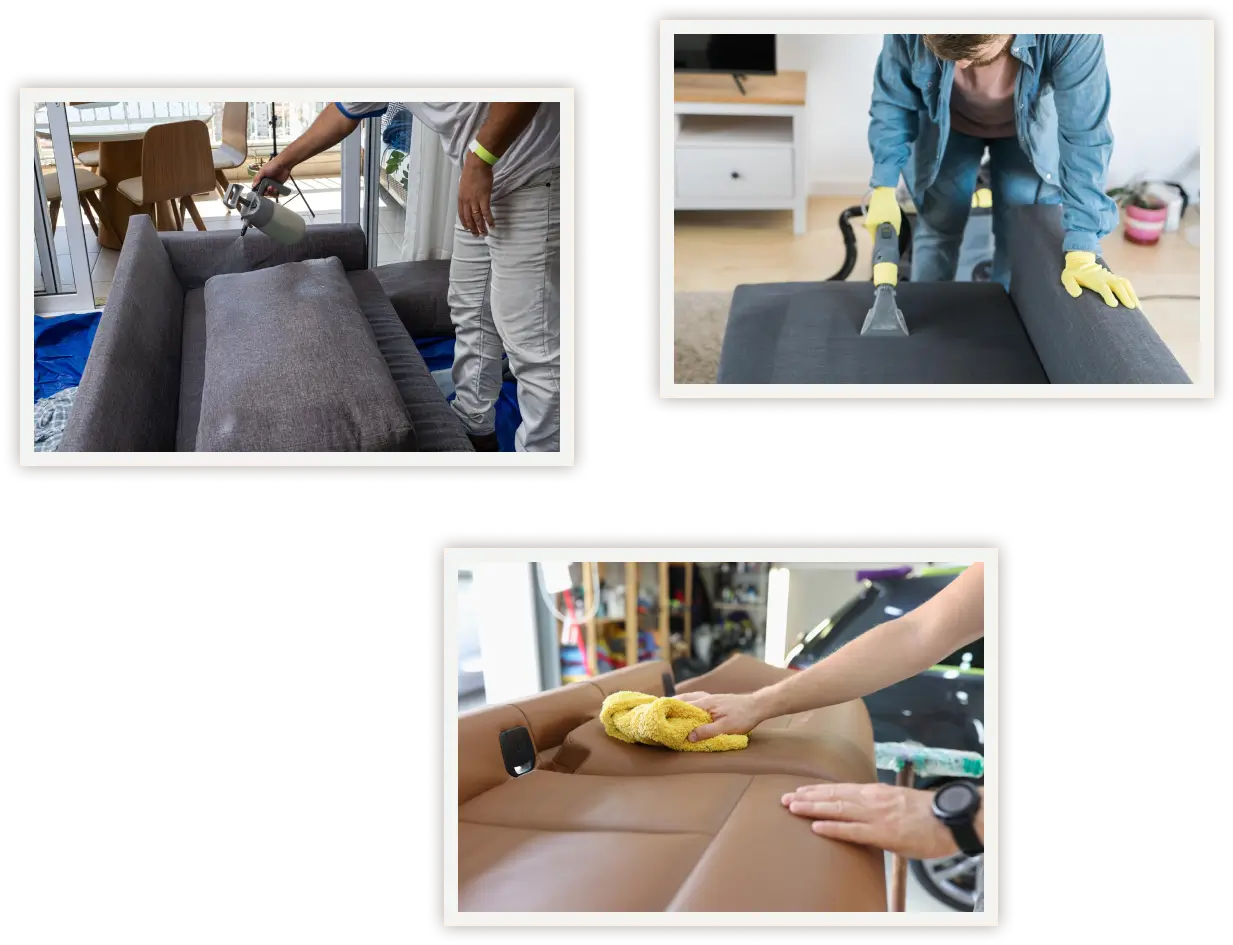
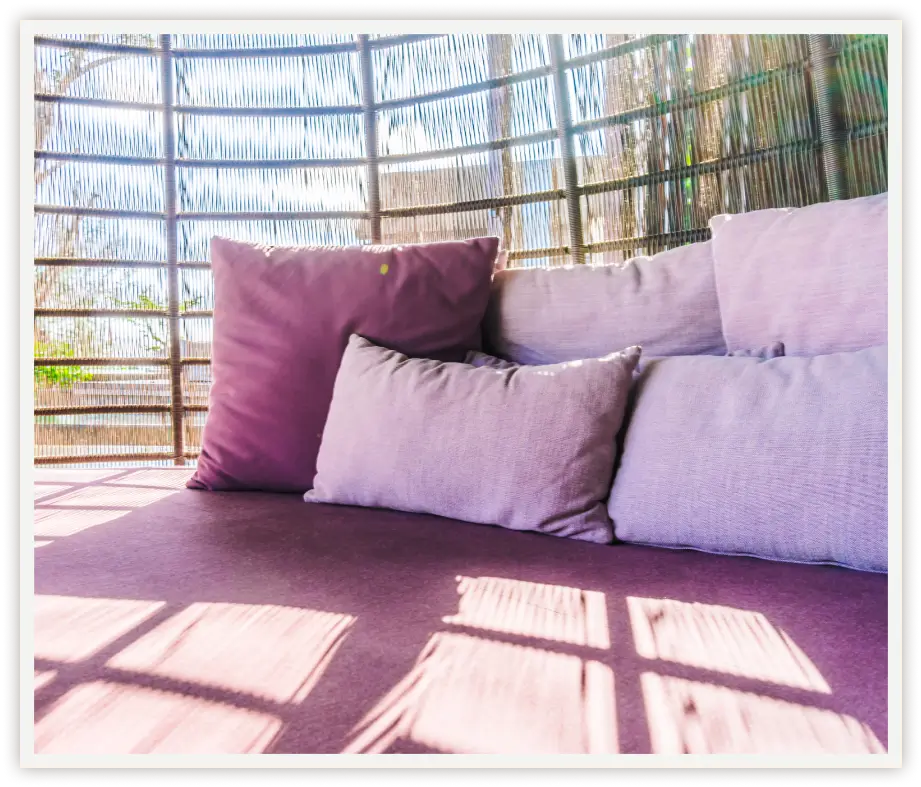
Again, the best line of defence is always to store outdoor cushions in a dry, indoor area to avoid moisture buildup and mildew growth in the first place.
How to Restore Faded
or Damaged Furniture

If you’re reading this, it could mean that it’s too late for preventative measures. Bad luck. Fortunately, however, there are several steps you can take to minimize the effects of faded or damaged outdoor furniture. Here they are:
1. Restoring Faded Plastic/Resin
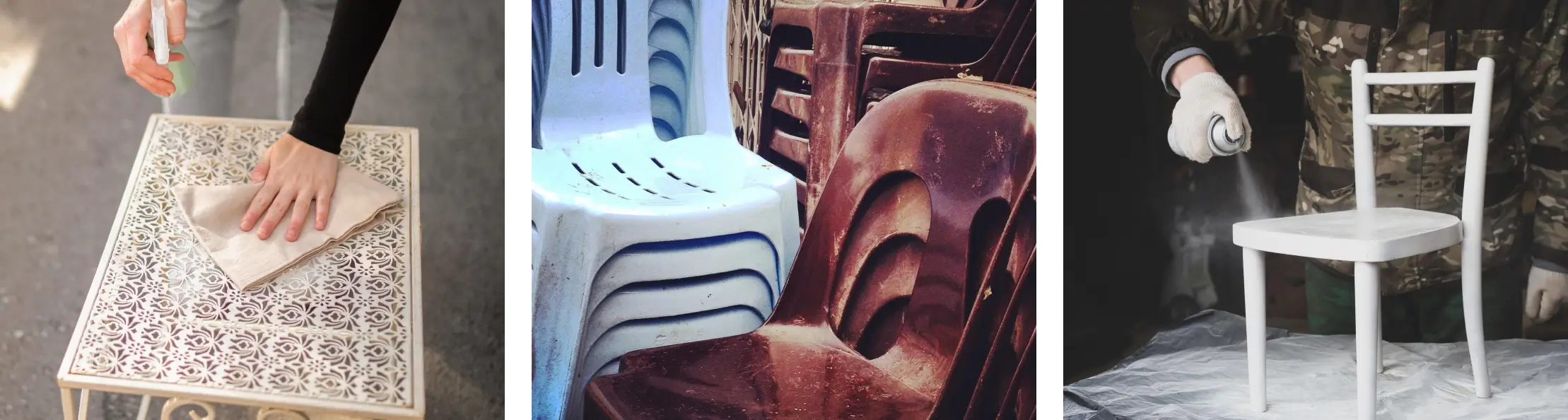
If you’re plastic furniture is looking a little lifeless, don’t despair! There are a few things you can do to counteract fading. Start by thoroughly cleaning the surface with a mild soap solution and a soft brush to remove any dirt and mildew buildup. Once clean, you can use a plastic restoration product designed to bring back the original color and sheen.
Failing that, applying a fresh coat of paint specifically formulated for plastic may be the best option. Start by sanding the surface lightly to create a rough texture that will allow the paint to adhere properly. Then, apply a coat of primer, followed by spray paint designed for outdoor plastic furniture.
2. Wood Furniture Restoration
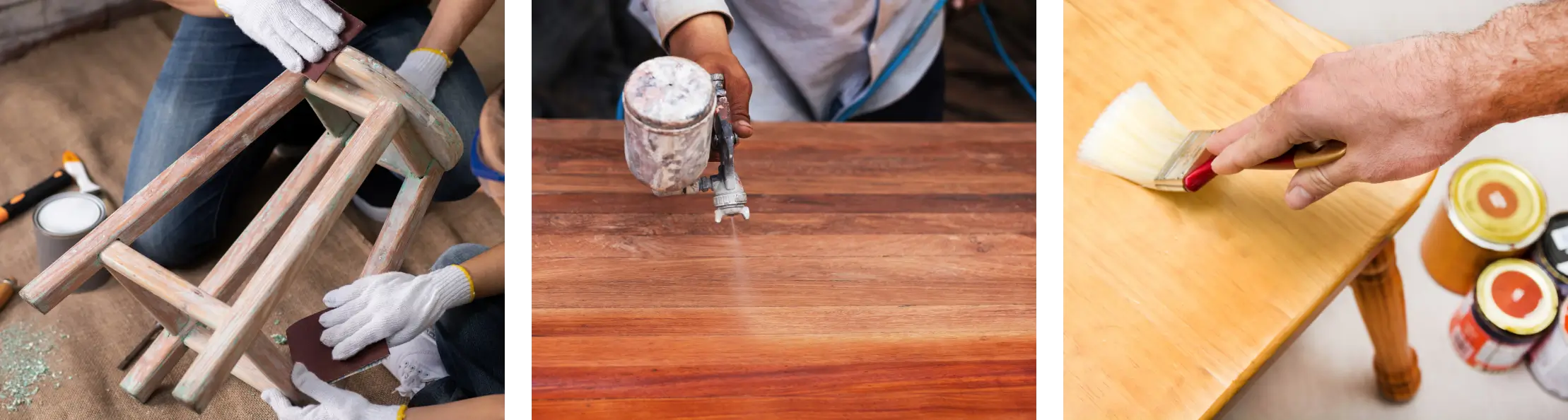
Restoring wood involves sanding and refinishing to bring back its original beauty. Begin by lightly sanding the wood using fine-grit sandpaper to remove the weathered top layer. Be sure to sand with the grain to avoid scratches. Once sanded, clean off the dust with a damp cloth.
The next step is to apply a sealant to protect the furniture and restore its natural color. For woods like teak or cedar, applying an oil-based product can enhance the wood’s appearance and prevent further damage – just be careful to let the product dry before you take a seat!
3. Metal Furniture Restoration
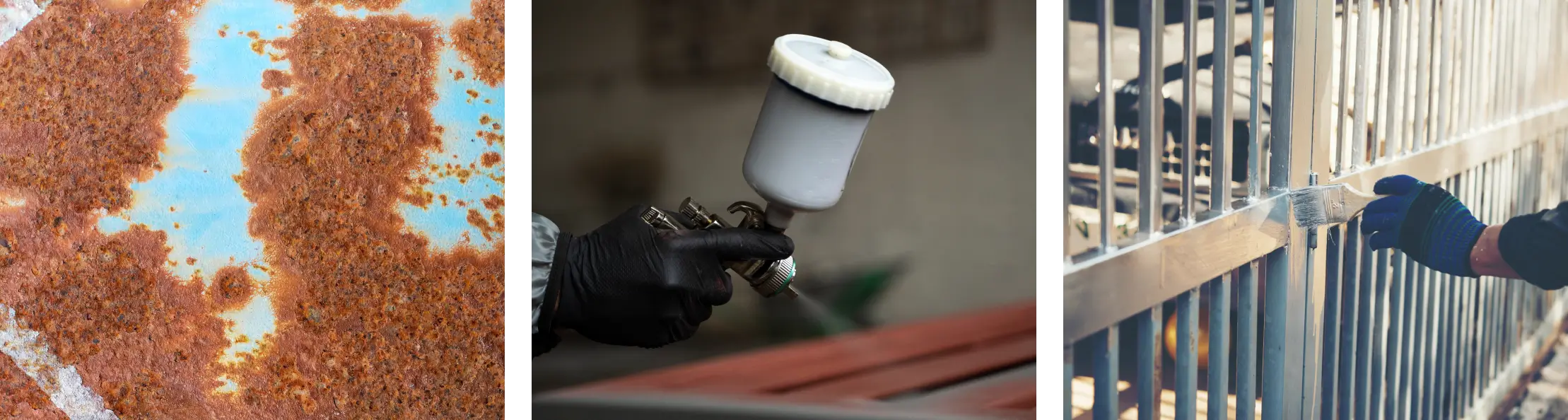
Rust is usually the main problem with metal. Luckily, it’s not too tricky to remove. Again, fine-grit sandpaper is your best friend here; brush off any rust, then clean the metal with a damp cloth to remove dust and debris.
Next, apply a rust-resistant primer to the affected areas, followed by a coat of rust-resistant paint in your desired color. For top-tier patio pieces like the Blaze Gas Grill Series, using high-quality paint designed for metal will help ensure longevity.
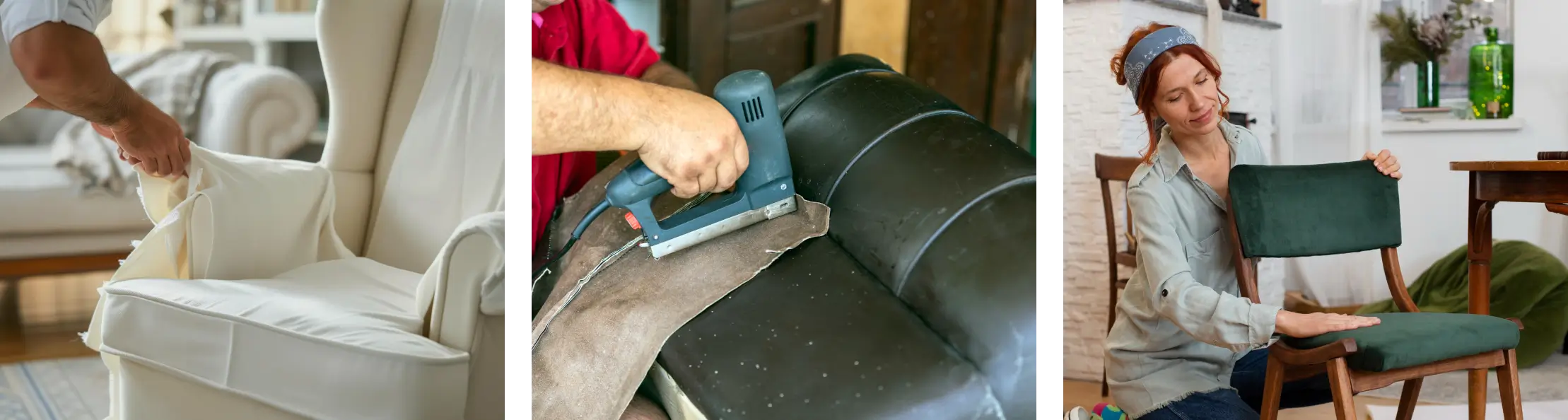
4. Reupholstering Cushions
We all love recycling, right? Well, reupholstering tired cushions can be a great cost-effective and environmentally friendly way to give your outdoor cushions a new lease of life. Fabric choice is key: once you’ve measured your cushions, choose a durable, weather-resistant fabric, such as polyester or solution-dyed acrylic, which is designed to withstand the outdoor elements.
You can either reupholster the cushions yourself by removing the old fabric and stapling or sewing the new fabric in place, or you can hire a professional to do the job. And don’t forget: reupholstering also gives you the opportunity to update your outdoor space’s aesthetic.
Preventative
Maintenance Tips
Hopefully, you’re outdoor furniture is getting put to good use. But you don’t want to be replacing your patio pieces every year due to unfettered wear and tear. By taking the time to apply protective treatments, conduct routine inspections, and follow a cleaning schedule, you can prevent wear and tear from sending your outdoor furniture to the trash prematurely!
Apply Sealants and
Protectants
OUTDOOR FURNITURE CARE GUIDE
As you’ll have gathered from this article, we’re big fans of sealants. But specialist oils and sprays really are the best way to protect your outdoor furniture from the elements. Wood furniture, in particular (especially teak, acacia, and cedar), benefits from the application of a water-repellent sealant, which helps to protect the wood from harmful moisture, UV rays, and temperature fluctuations.
For metal furniture, particularly wrought iron and aluminum, using protective sprays or waxes can prevent oxidation and rust.
And remember: the type of furniture protectant you need will depend on the climate in which you live.
Routine Inspections
OUTDOOR FURNITURE CARE GUIDE
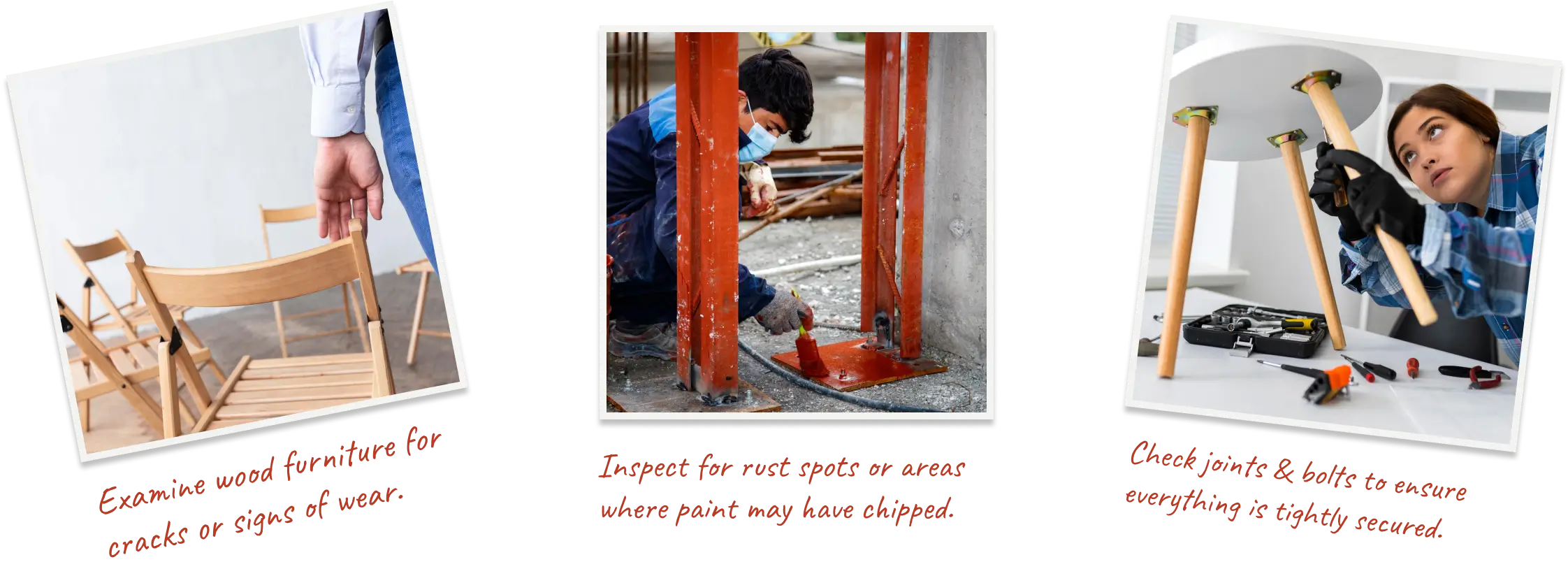
The best way to catch minor issues is before they become a major inconvenience by conducting regular inspections of your outdoor pieces. But that doesn’t have to mean ticking off a checklist every single day. Every few weeks, take the time to check your furniture for any signs of damage. Examine wood furniture for cracks or signs of wear, and for metal furniture, inspect for rust spots or areas where paint may have chipped.
Also be sure to check joints, screws, and bolts to ensure everything is tightly secured. Loose connections can cause havoc and should be tightened immediately.
How Often to Clean and
Maintain
OUTDOOR FURNITURE CARE GUIDE
Creating a seasonal cleaning and maintenance schedule is a great way to stay on top of your furniture care. Here’s a basic timeline to follow:
SPRING
Deep clean all furniture as you prepare for the (hopefully barbecue-filled!) outdoor season. Wash cushions, apply sealants to wood, and inspect metal furniture for rust.

SUMMER
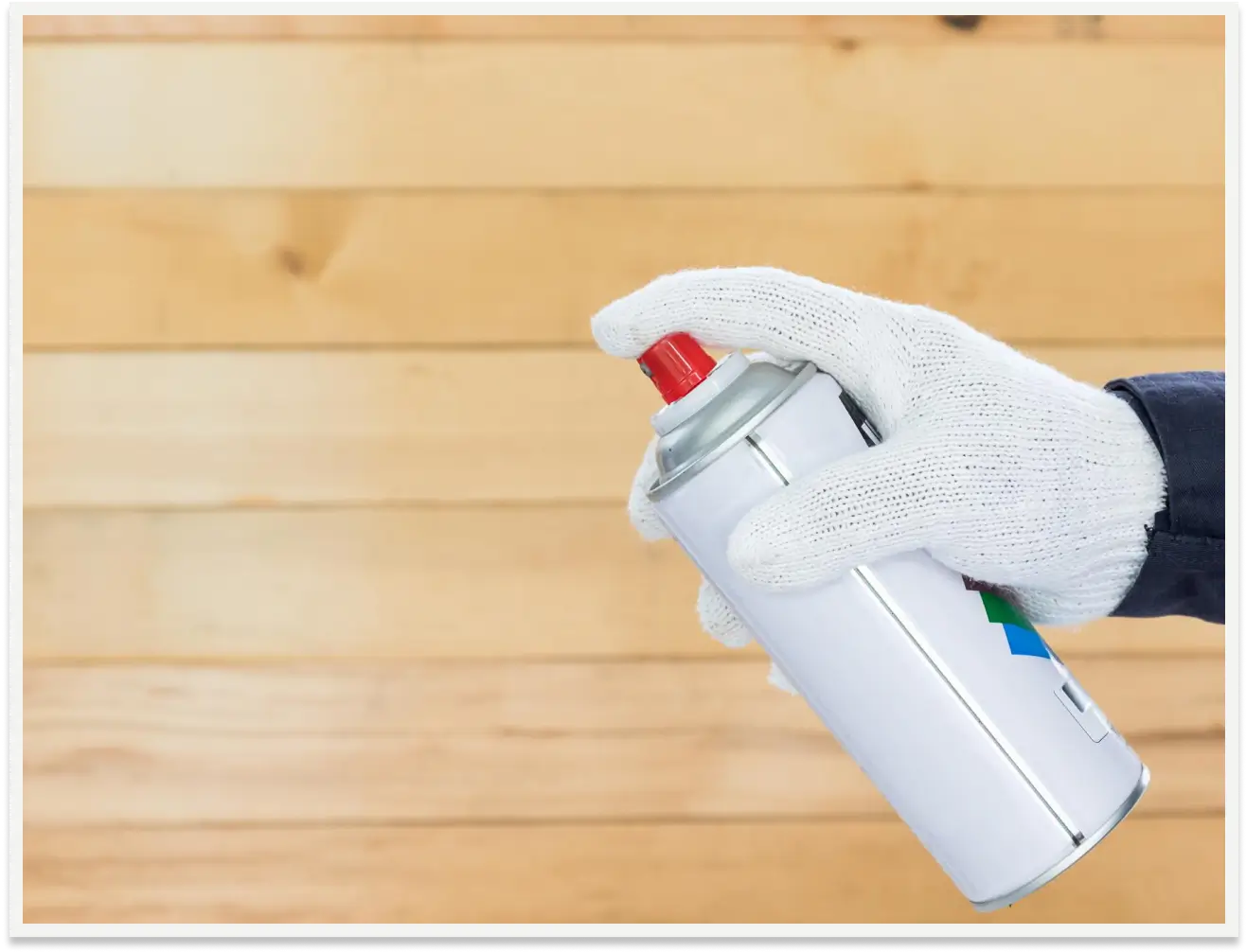
Clean furniture every few weeks to remove dirt and debris. Apply UV-protectant sprays to prevent fading, especially on wood, plastic, and fabric.
FALL
Before storing furniture or covering it for the winter, give everything one last thorough cleaning. This is your last chance to reapply protective coatings and make repairs before spring!
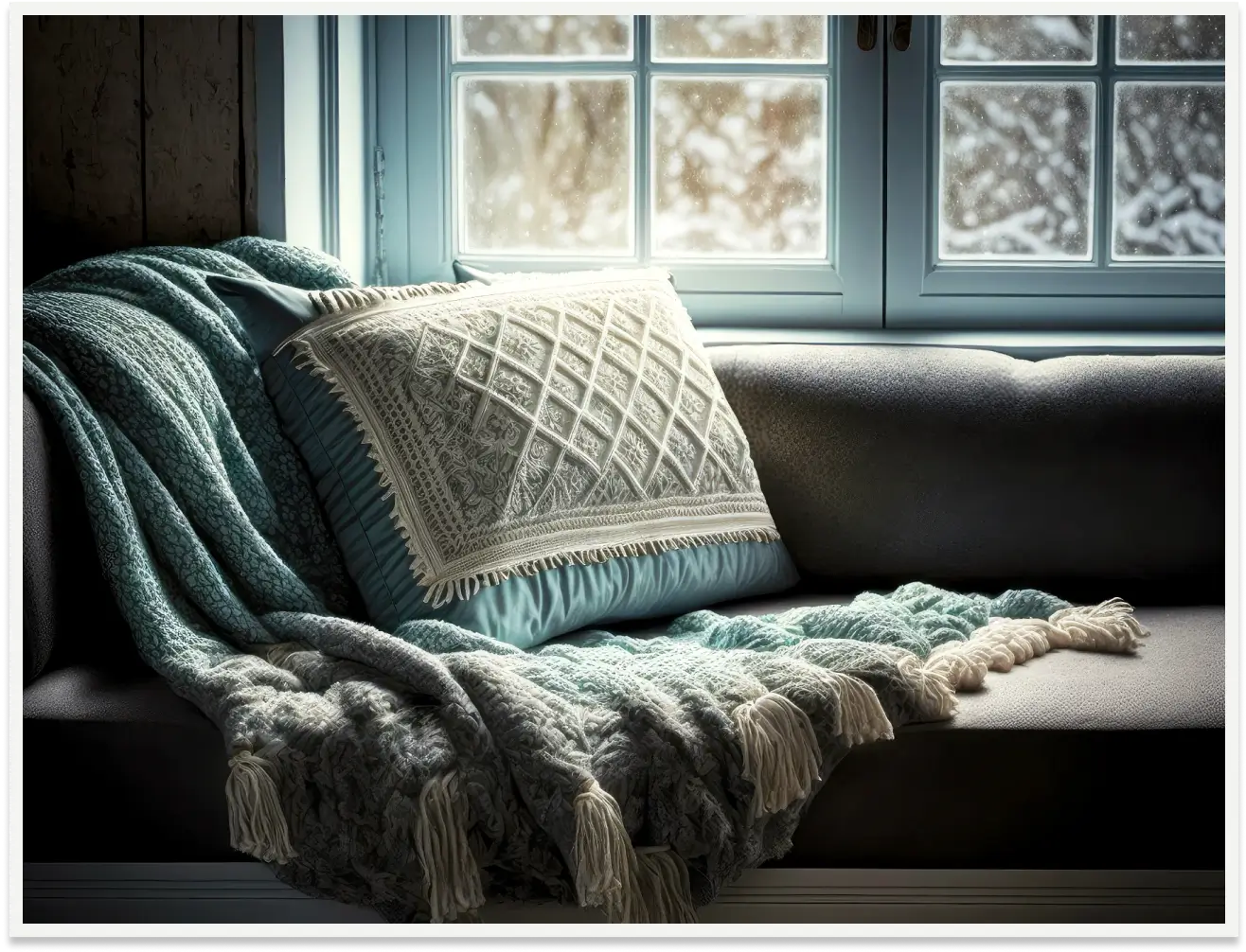
WINTER
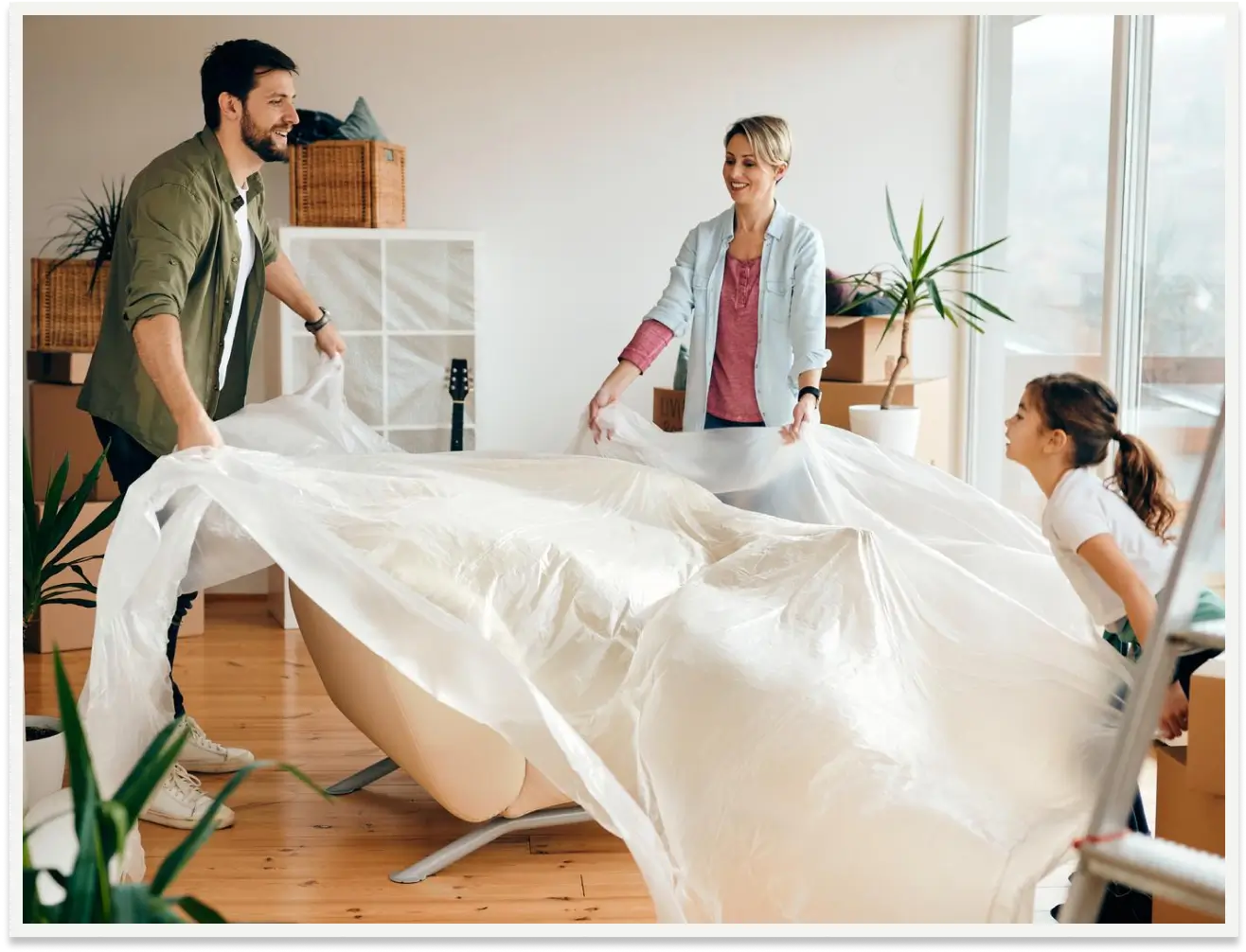
If possible, store furniture indoors or cover it with weatherproof covers. Cushions and fabrics should be stored in a dry area to prevent mold and mildew.
Final Thoughts:
Maintaining the
Beauty and Function
of Outdoor Furniture
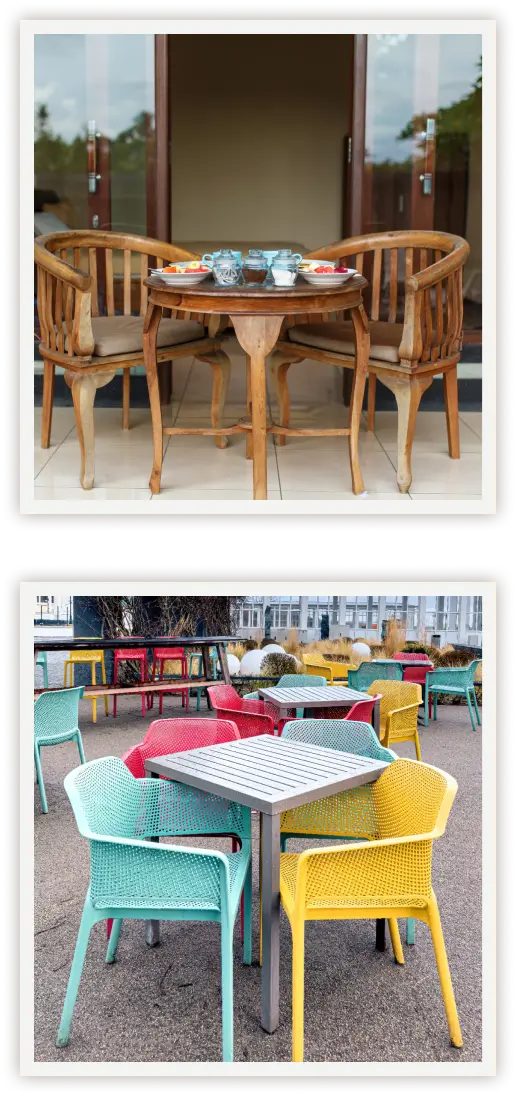
The aim is to keep your outdoor furniture both beautiful and functional. With that in mind, adopting a long-term care mindset is the best way to prevent damage and keep your patio pieces pristine for as long as possible.
A small, regular investment of time and effort can go a long way in preserving the life of your outdoor furniture – also preventing costly repairs. Simple practices such as routine cleaning, applying protective coatings, and ensuring proper storage will safeguard your furniture from the elements.

To recap some of the most effective tips for longevity:
PROTECTION
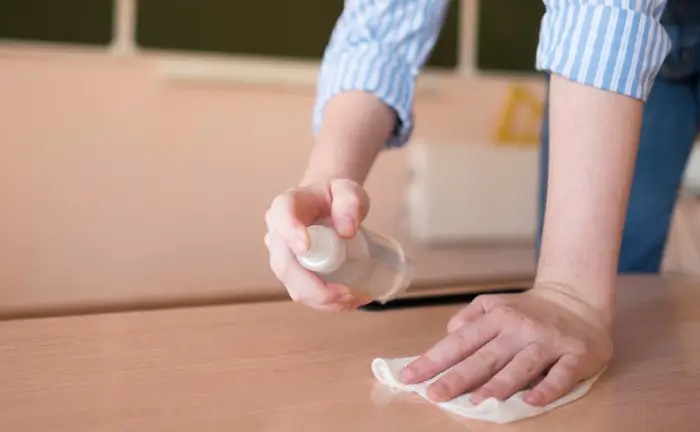
Use outdoor furniture covers, apply UV-protectant sprays, and ensure wood and metal surfaces are sealed to withstand sun and moisture exposure.
CLEANING
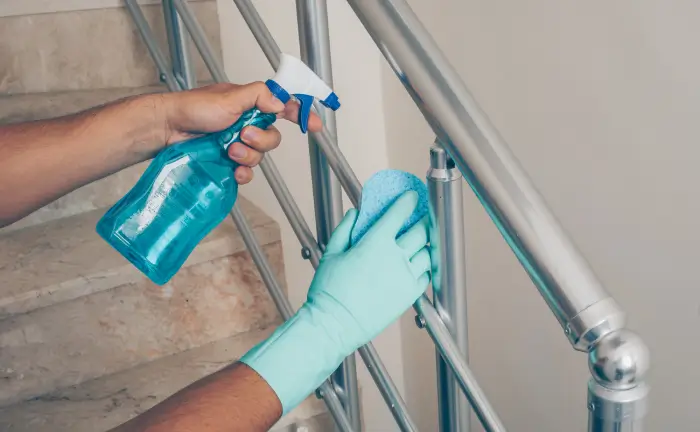
Establish a regular cleaning routine to remove harmful elements before they cause lasting damage. Clean metal to prevent rust, wood to maintain its finish, and plastic to avoid fading.
STORAGE
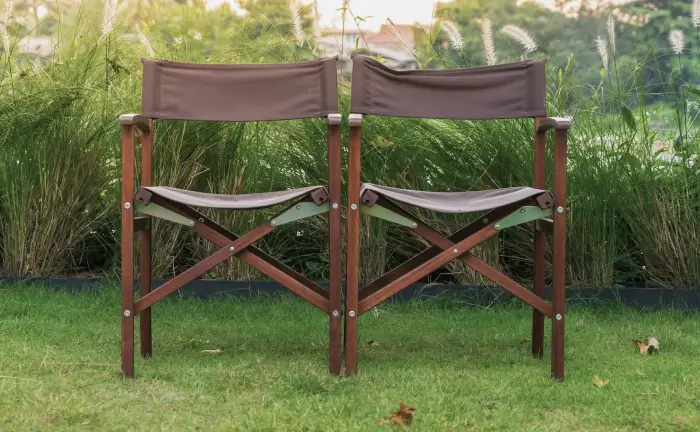
Lastly, don’t forget to store furniture indoors or use protective covers when not in use. Stackable and foldable options make storing easy, even in compact spaces.
After all, these care techniques will not only protect your investment, but also give your outdoor living space the lift it’s been looking for. The first step to enjoying fun summer gatherings with family and friends for years to come is to make sure your outdoor furniture is up the task – so get started today to enjoy the benefits of long-lasting, well-maintained patio furniture!
How often should I clean my outdoor furniture?
Clean your outdoor furniture thoroughly at least twice a year (spring and fall), with light cleaning as needed throughout the season. High-traffic areas may require more frequent attention.
What's the best way to protect wooden outdoor furniture?
Apply a quality sealant or protective oil annually, keep it covered during harsh weather, elevate it from wet ground, and clean it regularly with appropriate wood cleaners to prevent mold and mildew.
Can I leave my outdoor furniture outside during winter?
It’s best to store outdoor furniture in a garage or shed during winter months. If that’s not possible, invest in high-quality, waterproof furniture covers designed for your specific pieces and climate.
How do I remove mildew from outdoor cushions?
Mix a solution of 1 cup bleach, 1/4 cup mild soap, and 1 gallon of water. Apply to the affected areas, let sit for 15 minutes, then scrub gently with a soft brush. Rinse thoroughly and allow to dry completely in the sun.
What's the proper way to clean metal outdoor furniture?
Clean with mild soap and water, rinse thoroughly, and dry completely to prevent water spots. For aluminum or wrought iron, apply a thin coat of car wax after cleaning to protect the finish and prevent rust.
How can I restore faded outdoor furniture?
For plastic furniture, use a plastic restorer spray. For wood, sand lightly and apply a new coat of stain or sealant. Metal furniture may need repainting with outdoor-grade paint after properly removing rust and old paint.
Are pressure washers safe to use on outdoor furniture?
Pressure washers should be used with caution on most outdoor furniture. Use the lowest effective pressure setting and maintain proper distance to avoid damaging finishes, splintering wood, or forcing water into joints.
How do I protect outdoor furniture from UV damage?
Place furniture in shaded areas when possible, use furniture covers during peak sun hours when not in use, apply UV protectant sprays appropriate for your furniture material, and bring cushions indoors when not in use.
Furniture Brands & Protective Covers
Outdoor Care & Maintenance Guides
- Teak vs. Acacia Wood Compared
- Corrosion Resistance in Outdoor Products
- Stainless Steel Grades for Outdoor Grills
- How to Clean a Gas Grill
- How to Keep Bugs Off Your Patio
- Budget-Friendly Backyard Ideas
- Best U.S. Cities for Outdoor Weather
- What Does an Outdoor Kitchen Cost?
- Pet-Proofing Your Outdoor Space