
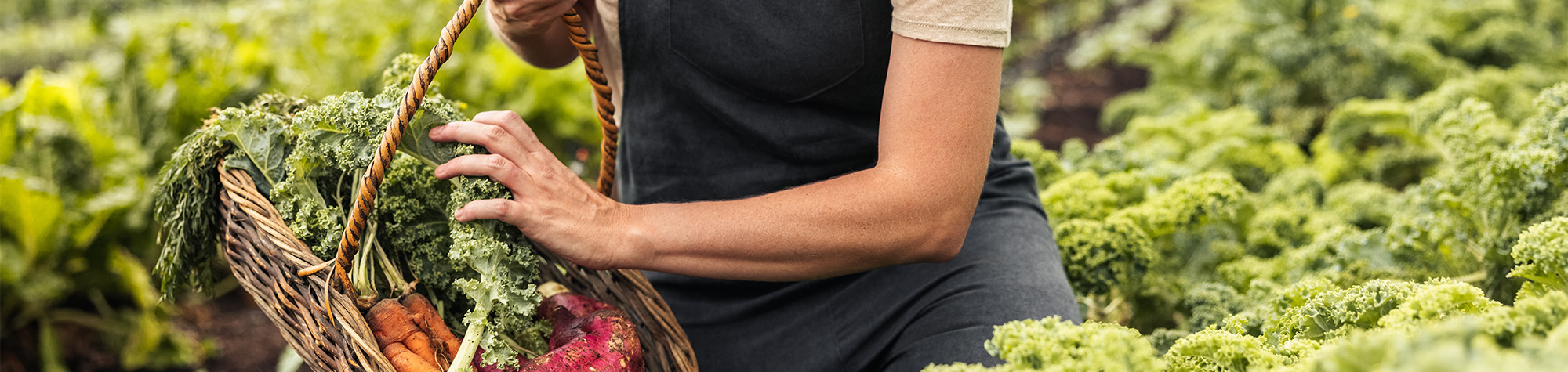
Plucking fresh ingredients from your garden and bringing them directly to your outdoor kitchen provides a uniquely satisfying experience that no one should go without. Whether you want to harvest sun-ripened tomatoes for a healthy homemade pizza, snip aromatic herbs for a celebratory prime cut, or gather fresh berries to make a delicious pie, putting in the time and care to grow an edible garden can benefit your cooking in many ways. Not every garden will be a showpiece, but anyone can create a garden that rewards them with great ingredients to put on the grill.
Gardening Basics
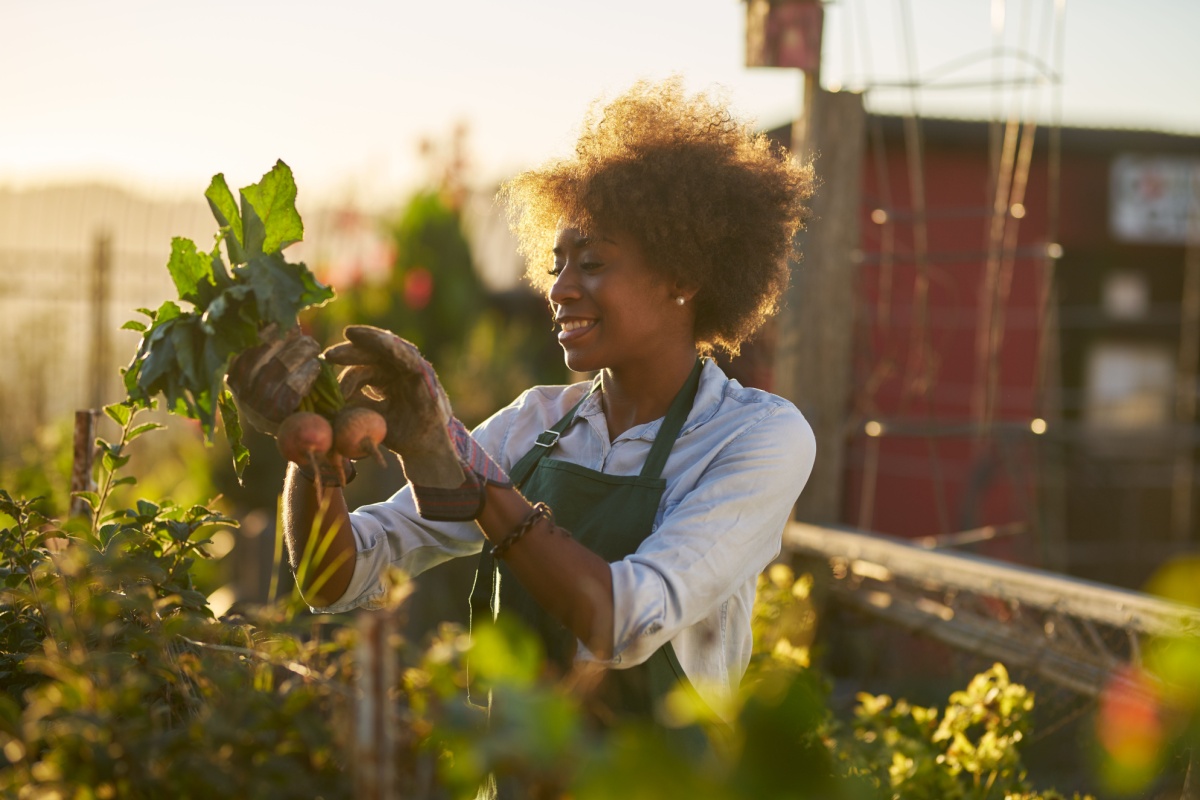
Whether you’re a complete novice or have some experience already, the best way to start a garden is by brushing up on the fundamentals. Consider the growing zone where you live, the amount of shade or sun your garden will get, and the types of vegetables, fruits, and herbs you like to cook with. Then, plan out what you’ll plant, choosing crops that can thrive in the environmental conditions of your garden. Once you’ve done that, you’ll be well on your way to achieving gardening success.
Gardening Projects for the Family
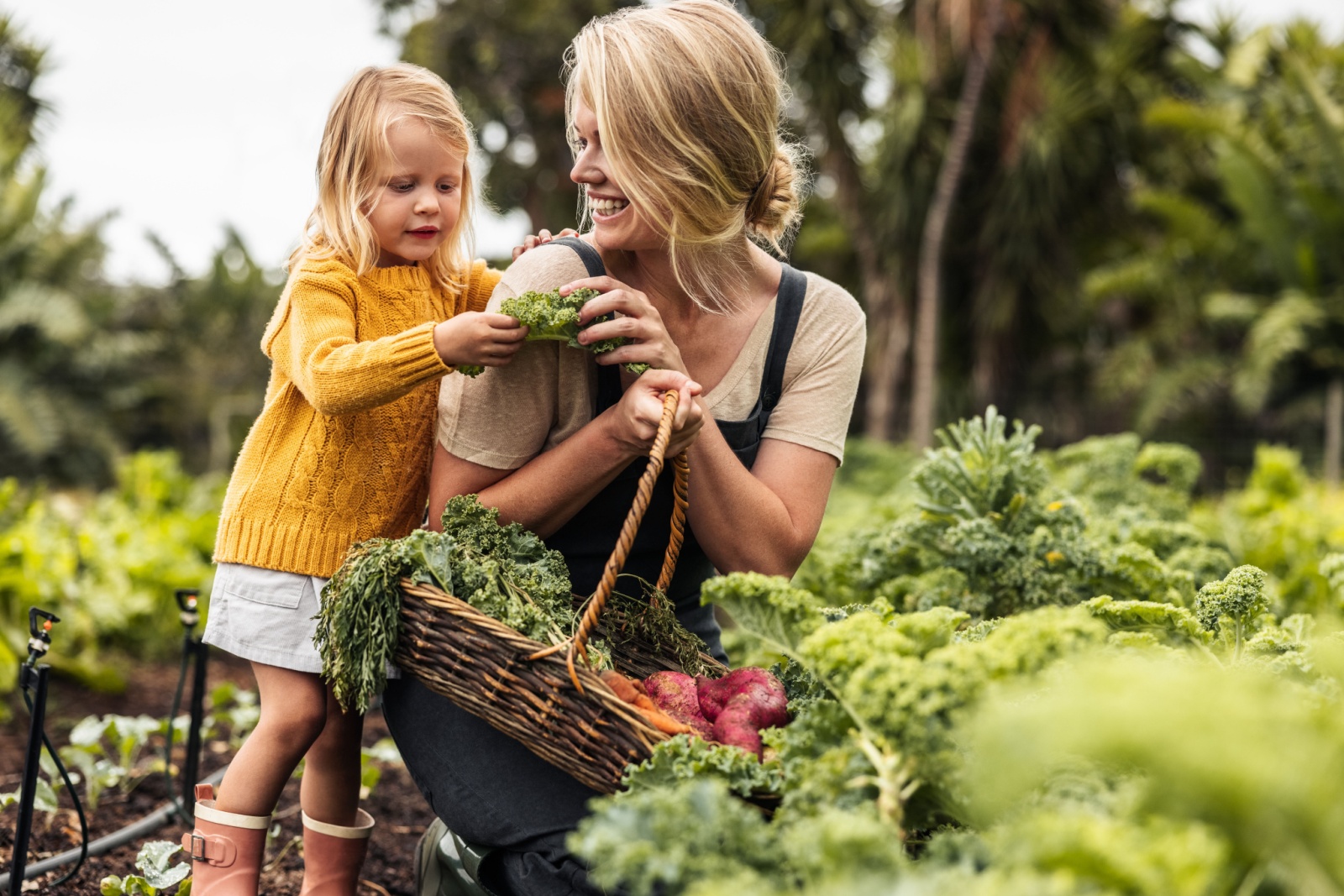
As you start working on your edible garden project, it’s worth remembering that these spaces aren’t just about stocking your outdoor kitchen. They also give you and your family an excellent opportunity to connect with nature, develop valuable skills, and create lasting memories together. Kids can get involved with gardening in many ways, from crafting unique garden décor to learning about and making compost to improve the soil.
Vegetable Gardens
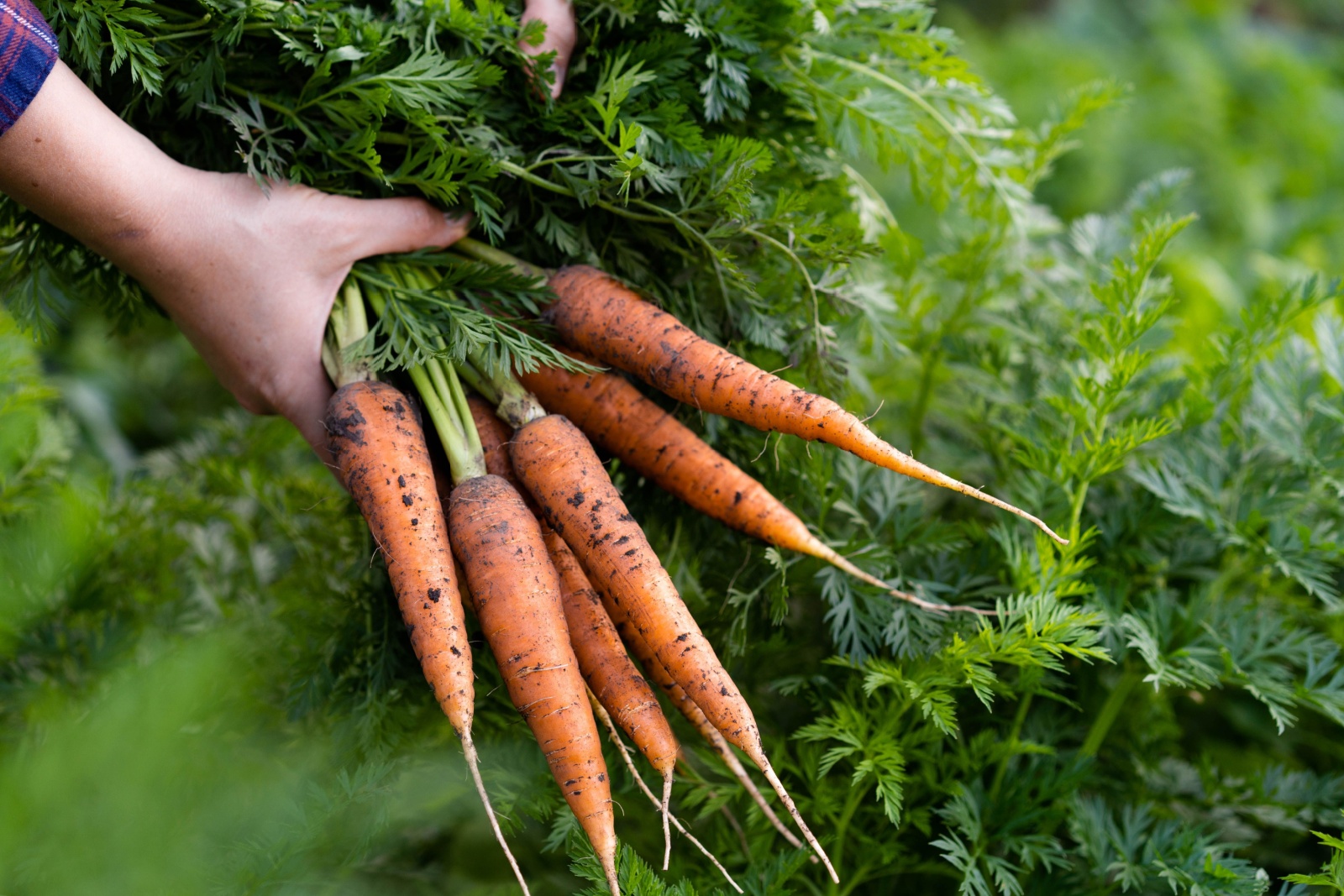
Home-grown vegetables can have a lot of culinary uses, and they taste better, too. This can also motivate you and your family to eat better: Even kids are more likely to eat their veggies when they’re freshly picked. Kids also love the experience of being able to eat something they grew themselves. And growing vegetables doesn’t have to be difficult; many plants are simple to grow, and you can even plant vegetables in containers if you’re short on space.
How to Grow Common Vegetables
Fruit Gardens
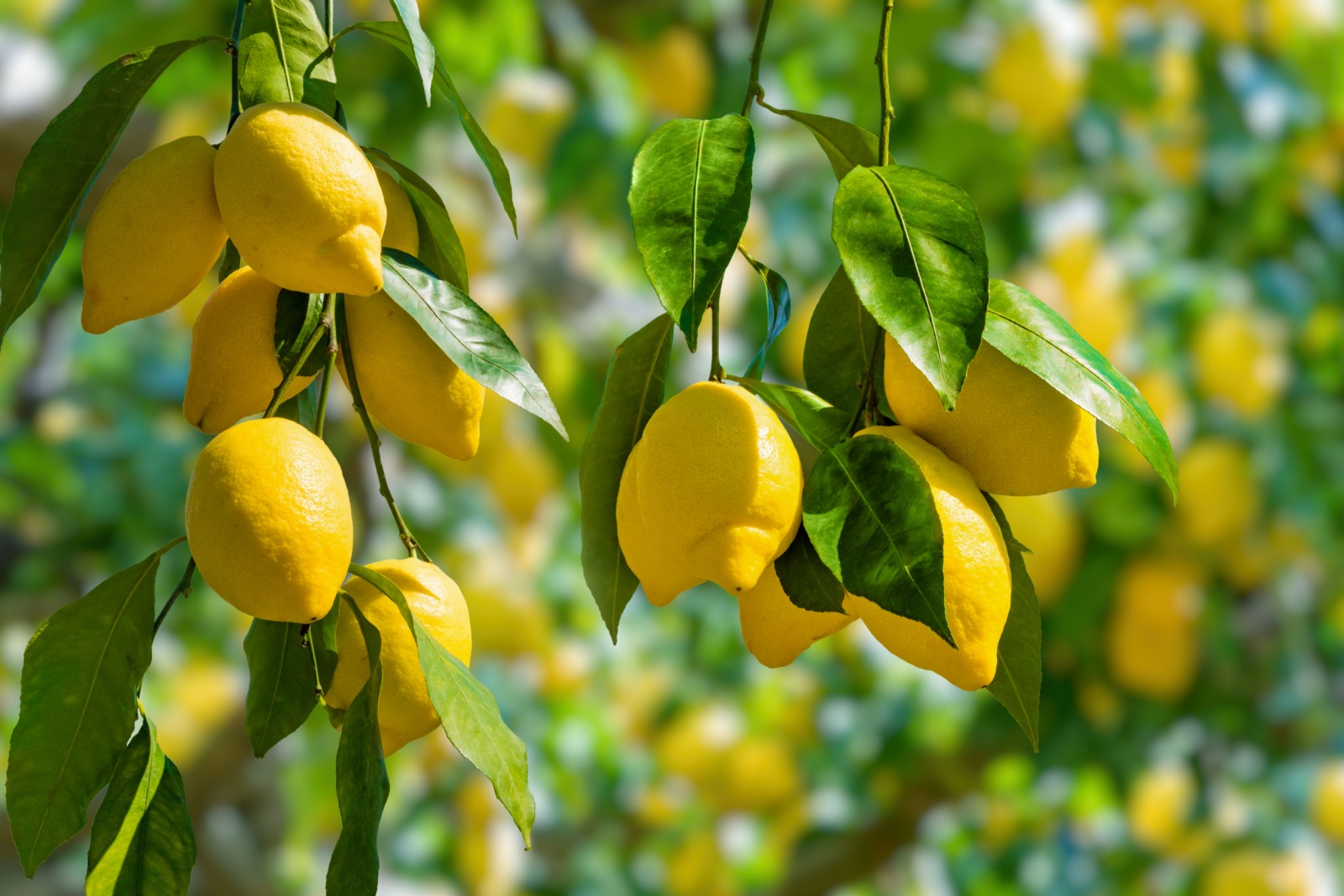
Growing fruits can help you save money and give you access to fresh, delicious food. However, think carefully about what you’ll plant to make sure that it can grow in the climate where you live. For instance, you’re not likely to have much success growing pineapples in Maine, while raspberries don’t do well in Florida. But once you pick the right fruit to grow, kids are sure to love being able to pick a healthy snack right off the plant. You can also grill many fruits for a simple, delicious dessert.
How to Grow Popular Fruits
Herb Gardens
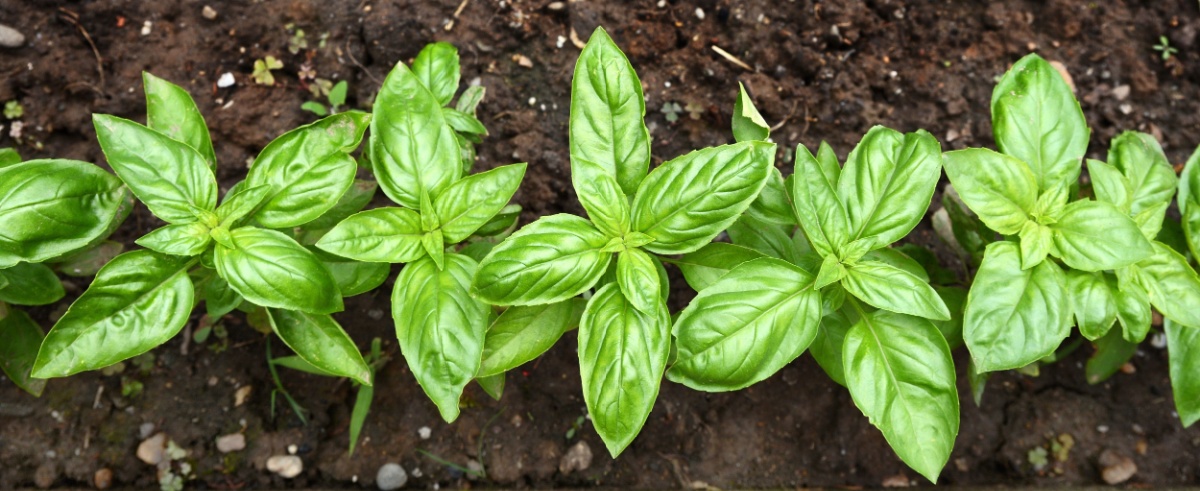
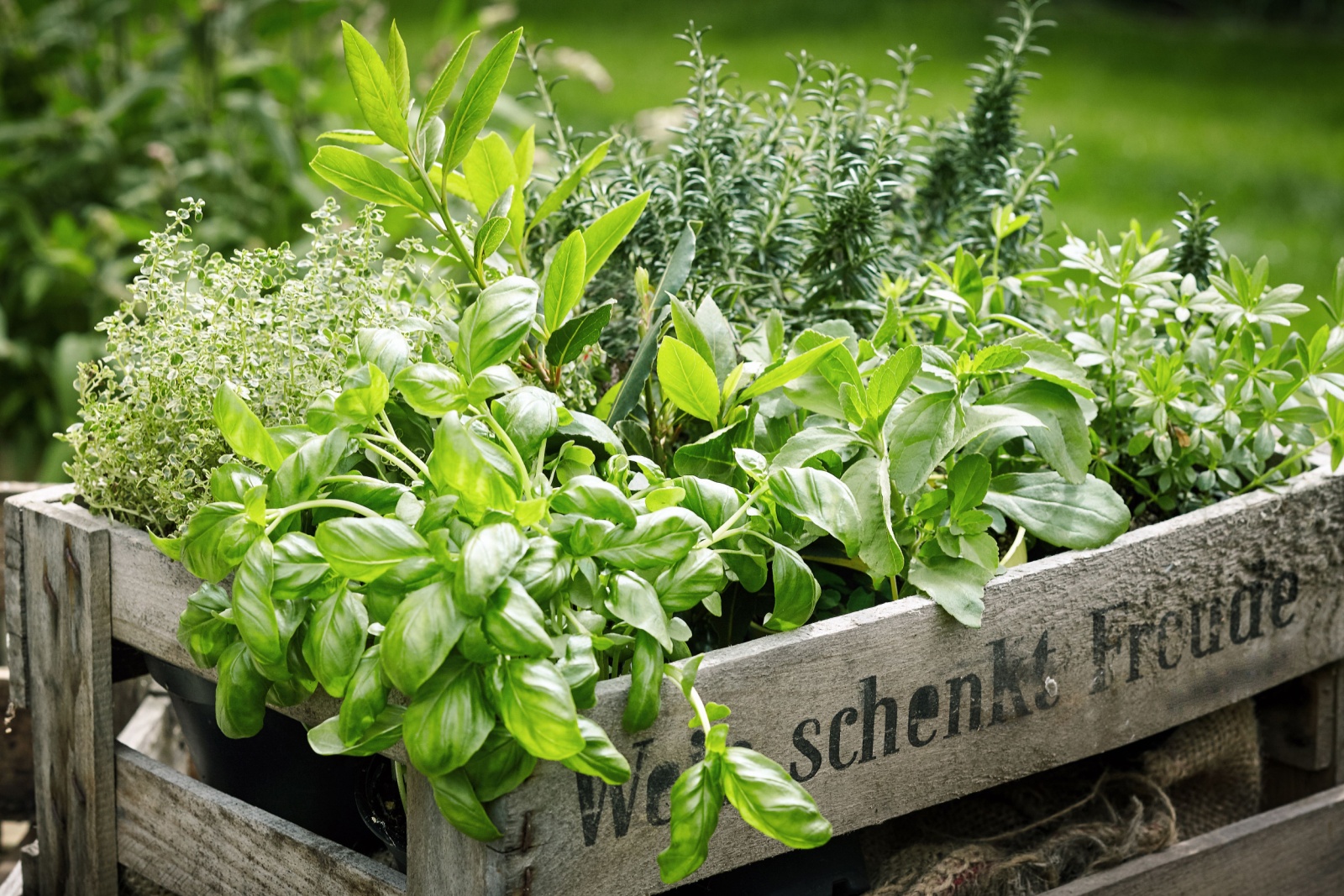
Fruits and vegetables make up the bulk of what gardeners grow to eat, but herbs can pack a powerful flavor punch into tiny leaves and stems. Fresh herbs can be pretty expensive at the grocery store, but when you grow your own, you can have access to herbs all season long just steps away from your kitchen. They also don’t take up much space, making herbs an ideal plant for growing in containers.
How to Grow Commonly Used Herbs
Pollinator Gardens

While your focus might be on edible plants to feed yourself and your family, it’s worth building in some food for pollinators as well. Planting a pollinator garden is a fantastic way to support local ecosystems and boost your garden’s output, too. Pollinators like bees, butterflies, and hummingbirds are essential to the reproductive cycle of many plants, including many of the fruit and vegetable crops in edible gardens.
Flower Gardens
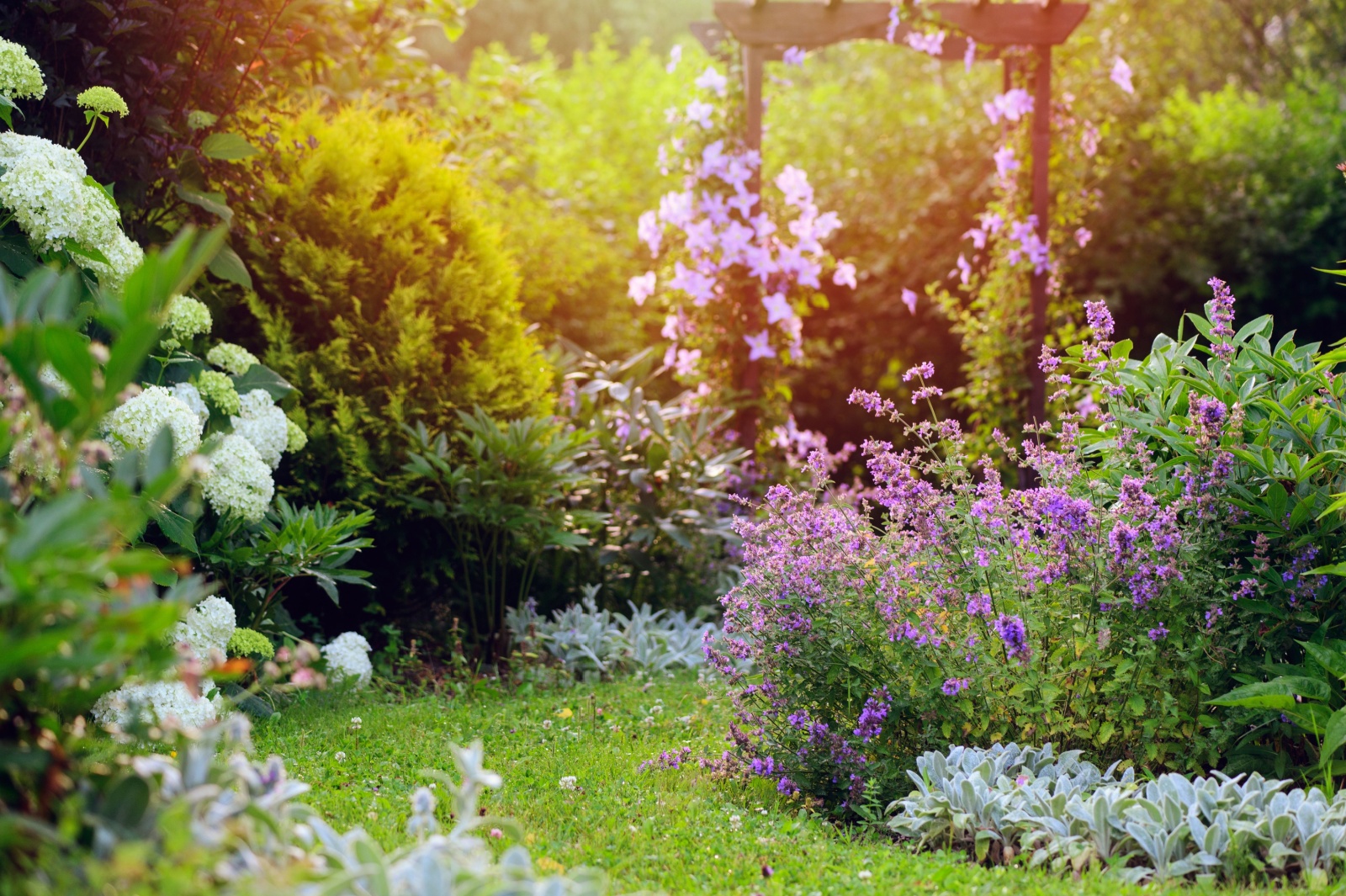
While an edible garden is all about growing delicious ingredients to put on the grill, a complementary flower garden can add beauty, fragrance, and a welcoming ambiance to your outdoor spaces. You can also plant flowers in your edible garden as valuable companions for your fruits and vegetables. For instance, marigolds repel pests that can damage your other plants, while zinnias are great for attracting pollinators to your garden.