
Cheap vs.
Expensive
Grills


| Feature | Cheap Grills | Expensive Grills |
|---|---|---|
| Grade of Stainless Steel | 203 grade or lower | 304 grade stainless steel |
| Lid Assist | No assist mechanism | Internal pulley or sprocket system |
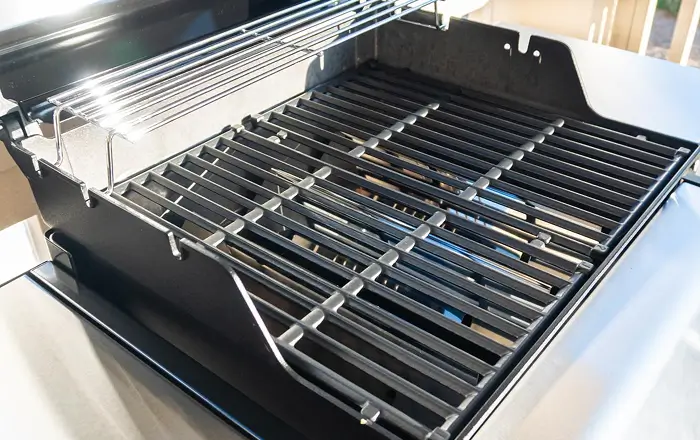
| Grill Grates | Thinner, less durable | Thick cast stainless or 304 stainless |
| Lighting System | Basic or none | High-end integrated lighting |
| Control Knobs & Illumination | Basic plastic knobs | Premium, illuminated knobs |
| Built-in Smoker Tubes | Not included | Often included |
| Internal Lighting | Rarely included | Standard in premium grills |
| Firebox & Hood Thickness | Single-layer, gets hot | Double-lined for safety |
| Burner Strength | Lower BTU output | Up to 26,000 BTUs per burner |
| Burner Material | Basic steel | Cast steel or ceramic |
| Assembly | Requires full assembly | Pre-assembled or minimal setup |
| Safety Features | Limited safety measures | Advanced safety features |
| Drip Trays | Often missing | Built-in for easy cleanup |

We’ve all been there: your friends and family are all assembled, enjoying the barbecue vibes and waiting expectantly for the mouthwatering burgers they’ve heard so much about – and the burners won’t light. The food won’t cook evenly. You can’t maintain the heat. Whatever it is, any number of things can go wrong when grilling.
Having the right grill to begin with can go a long way to solving your problems. That’s because, whether you’re a seasoned pitmaster or a weekend warrior, the grill you use can impact everything from the flavor of your food to the ease of cleanup afterward.
But choosing the right grill can be tricky.
How do you decide, for instance, between a budget-friendly grill and a more expensive model?
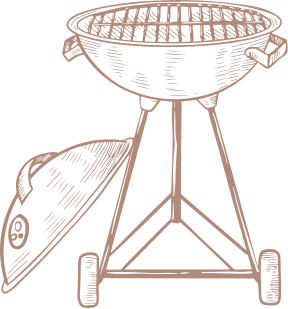

Is the extra investment really worth it? The truth is, cheap and expensive grills differ in more than just price. And it’s not always as simple as ‘you get what you pay for’. You’ll find variations in materials, construction quality, performance, and even the features they offer.
Key Elements of Grills

Materials

Construction Quality

Performance

Features

So if you find yourself weighing up the pros and cons of cheap and luxury grills, this article is for you.
We’re going to break down everything you need to know about cheap vs. expensive grills to help you make the right choice and get the best value for money.
So stick around for detailed comparisons of build quality, cooking performance, ease of use, long-term value, and much, much more!

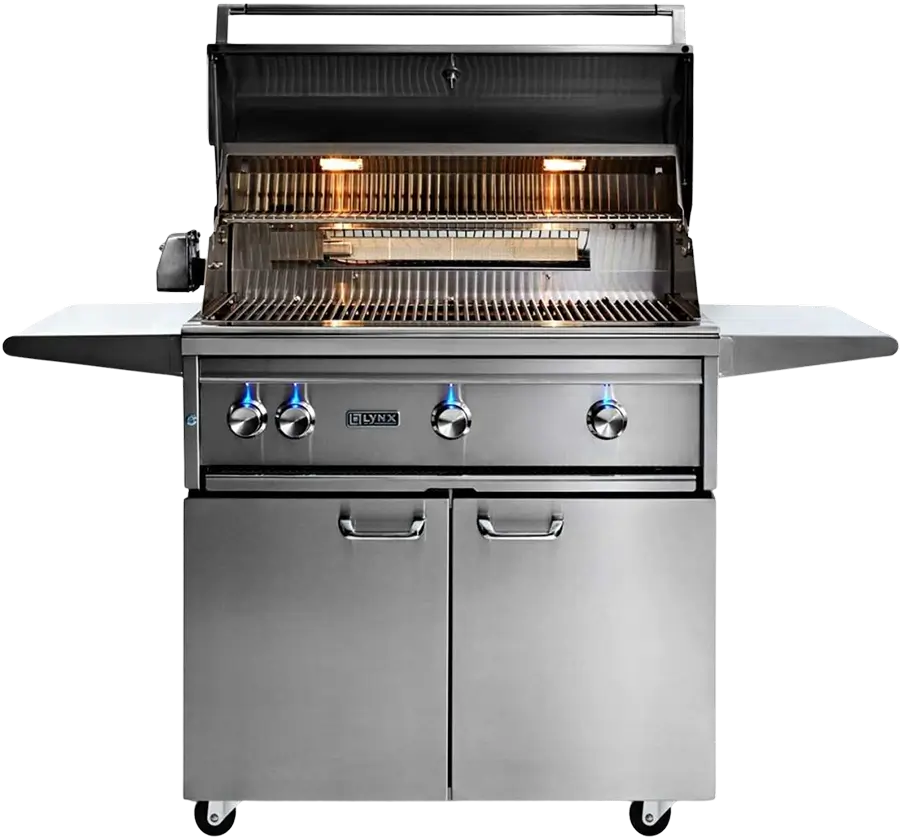
Grade of Stainless Steel
As a wise man once said, ‘all grills are created equal, but some are more equal than others.’ Or something like that.
The point is: the type (or ‘grade’) of stainless steel your grill is made of can play a significant role in determining its durability. And this is one area where the price tag is a big indicator.
As a wise man once said, ‘all grills are created equal, but some are more equal than others.’

So what’s the gold standard of stainless steel grades?
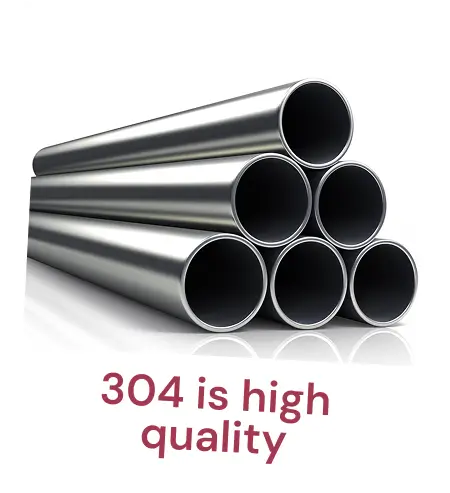
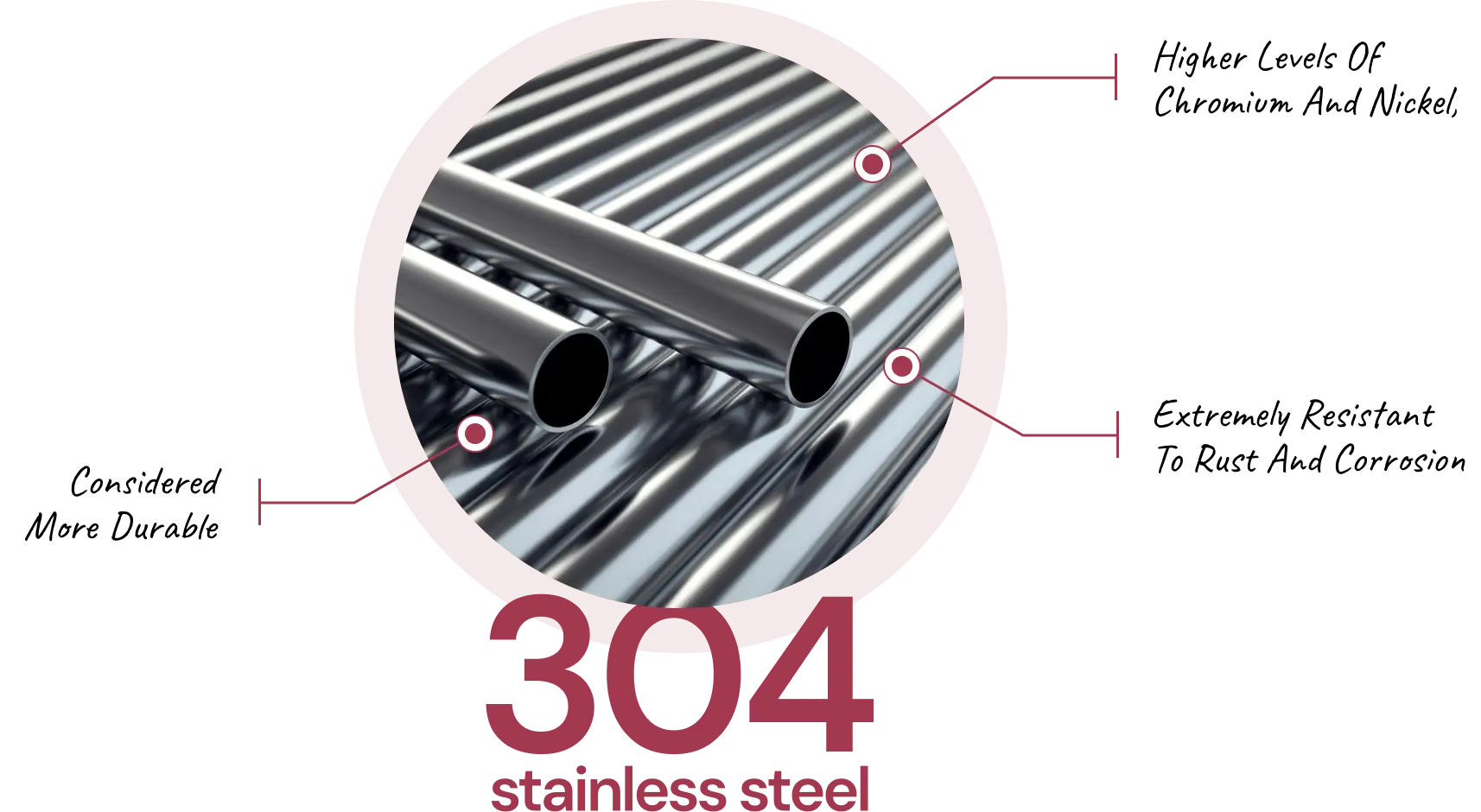
For grills, it’s 304. With its higher levels of chromium and nickel, 304 stainless steel is extremely resistant to rust and corrosion. Plus, it’s generally considered more durable; it can stand up to the elements and take years of hardcore barbecuing without warping or degrading much. So if you’re looking for a grill that can handle years of exposure to heat, moisture, and grease and still look fresh as a daisy, 304 is the way to go.
What about other materials?
You may notice that budget grills are often made of 203 stainless steel.
203 tends to look particularly shiny, but don’t be fooled: it contains less chromium and no nickel, which means it’s far more prone to rust and corrosion.
Over time, that can lead to degradation. Of course, that’s not to say you can’t get good use out of a 203-made grill – just don’t expect it to be around forever!

These differences are often reflected in the cost of the grill. Ultimately, you can pay more upfront for a 304-grade grill but save money in the long-run, or shell out less for a 203-grade grill knowing you’ll likely have to repair or replace it.

Lid Assist
How much does the grill lid really matter?
It may not seem like a big deal at first, but wait until you’re checking on your food multiple times during a cookout. A heavy, cumbersome lid can quickly become a hassle.
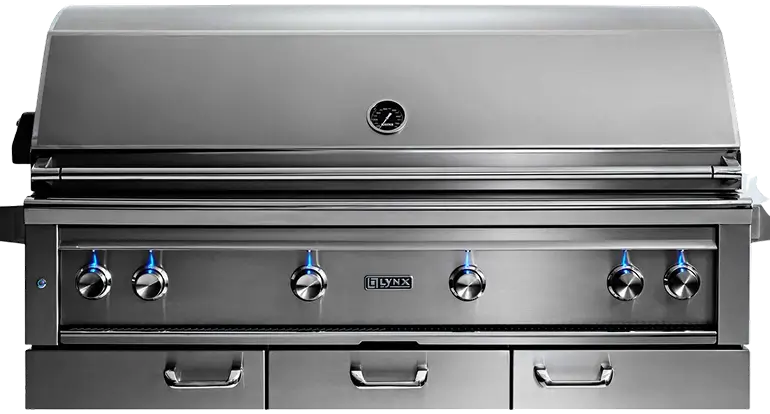

Luckily, clever grill engineers have a nifty solution to this problem; it takes the form of a lid assist mechanism. But while both cheap and expensive grills may have some form of lid assistance, design and effectiveness can vary. A lot.

Let’s start at the higher end of the lid assist hierarchy.
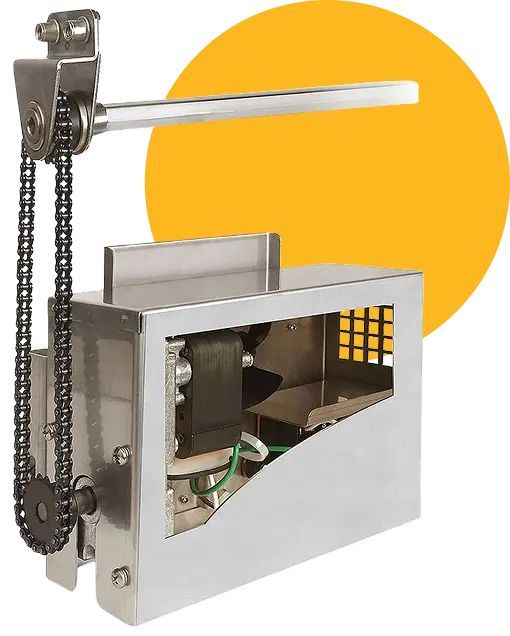
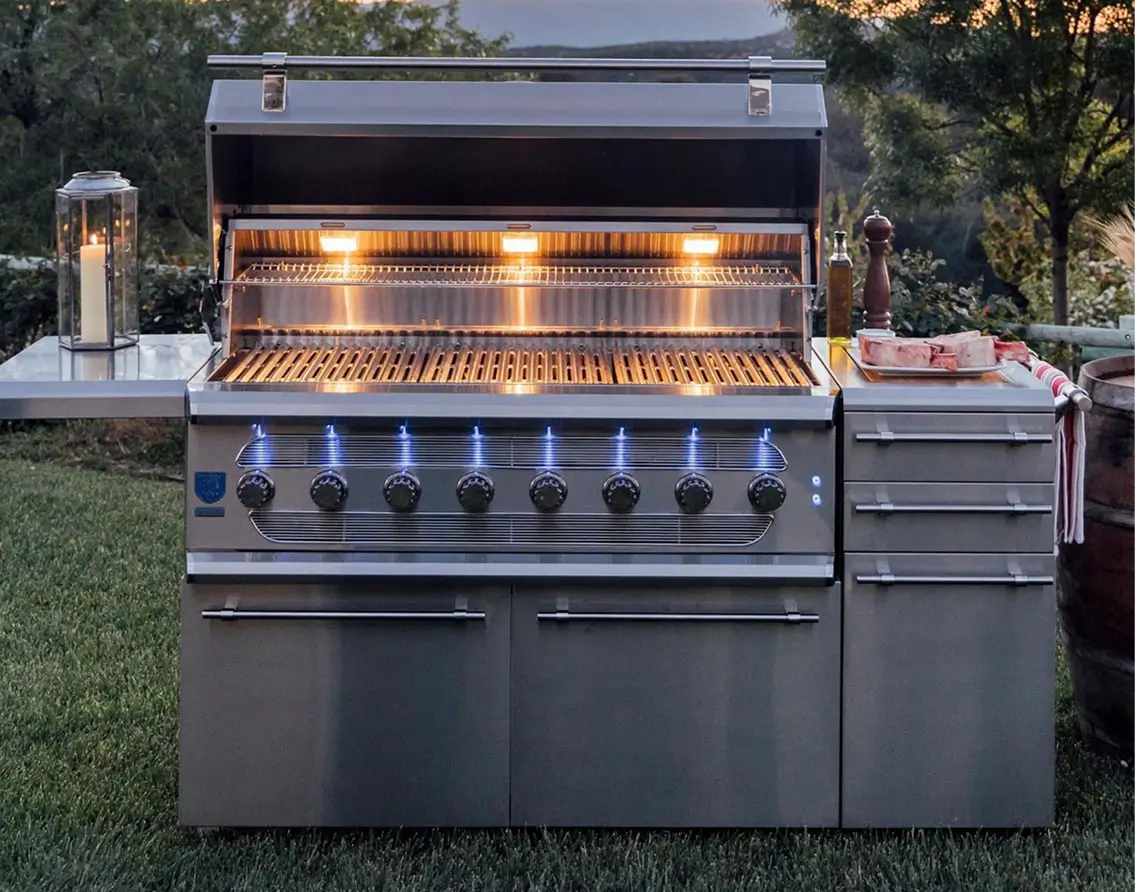
Premium grills tend to use advanced pulley or sprocket systems for their lid assists, which offer a smooth, controlled motion.
The great advantage here is that these systems distribute the lid’s weight, making it feel super light. Even when you’re handling it one-handed! Trust us when we say that after a while, this really comes in handy.
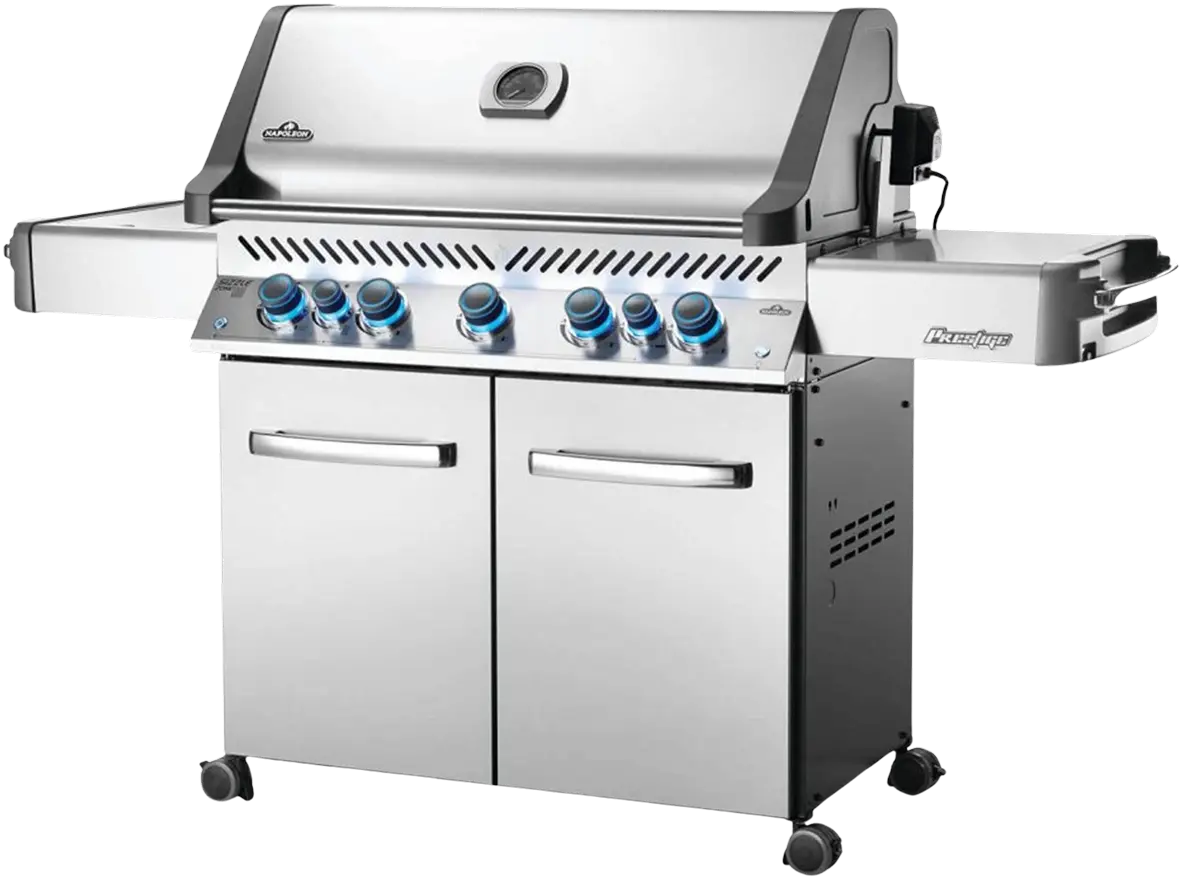
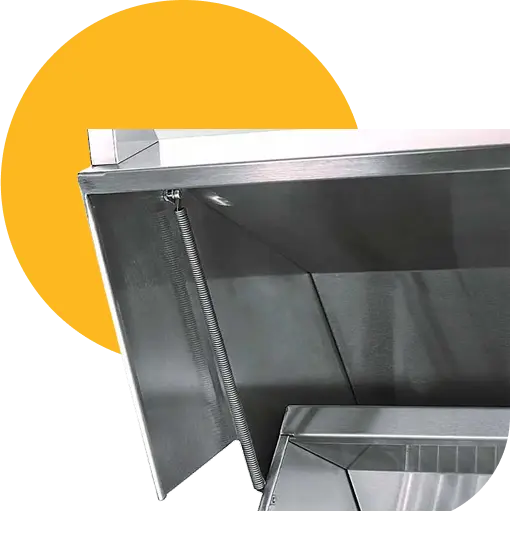
There are simpler lid assist mechanisms out there, too. Budget grills often rely on straightforward tension springs, for instance.
Don’t get us wrong: springs can get the job done, they’re just less refined and probably won’t last as long. Plus, they’ll inevitably wear out after a while, and the last thing you want is a heavy lid slamming down when you least expect it.
Talking of ‘slamming lids,’ it’s important to note that lid assistance isn’t just about convenience;
it’s also about safety.
You want to avoid a heavy lid slamming down whenever possible, especially if you have children running around.
When weighing your options, it’s worth considering how much you’ll appreciate the ease of a high-quality lid mechanism every time you fire up the grill.

Grill Grates
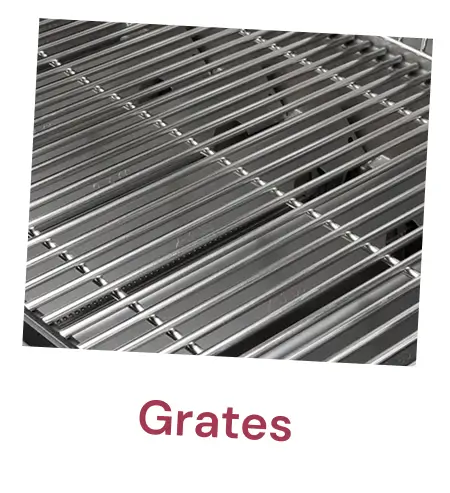
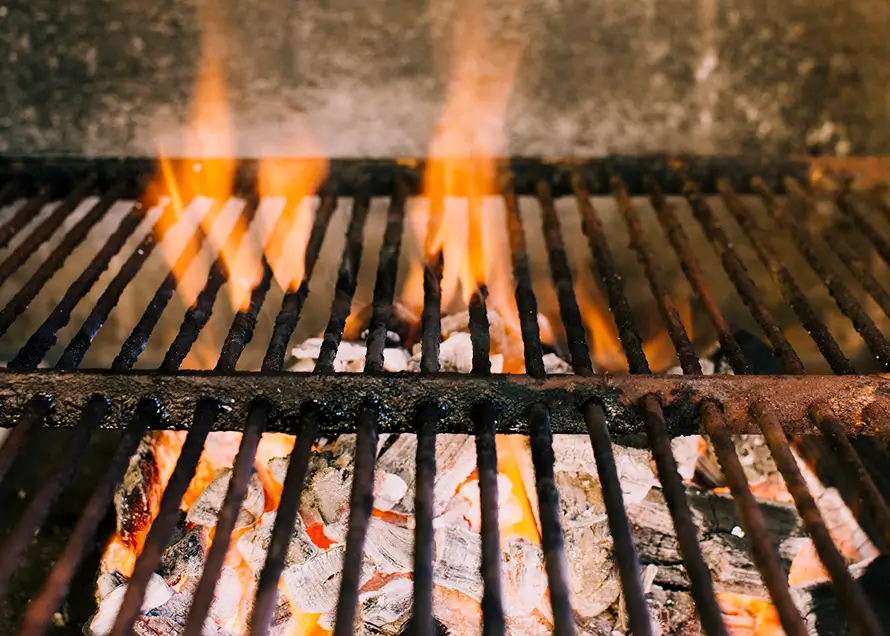
The grill grate: where the magic happens. Grill grates are at the very heart of the grilling experience, so their construction and performance can make a big difference. And again, this is an area where you’ll notice significant differences between cheap and expensive grills.
How? Well, budget grills typically use porcelain-coated steel grates. Of course, these look great and are easy to clean when new. The downside? The porcelain coating can chip over time, exposing the steel underneath to rust.
We’ve also found these grates struggle with heat retention, meaning they cool down quickly when you put food on them. Getting that ‘perfect sear’ could remain a pipedream with budget grates!
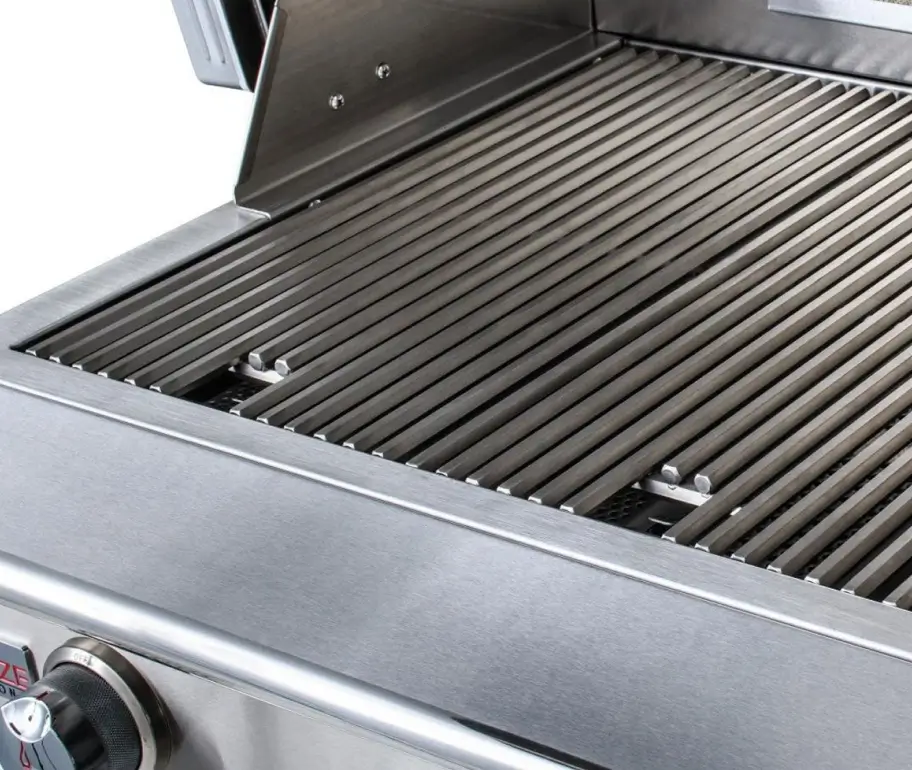
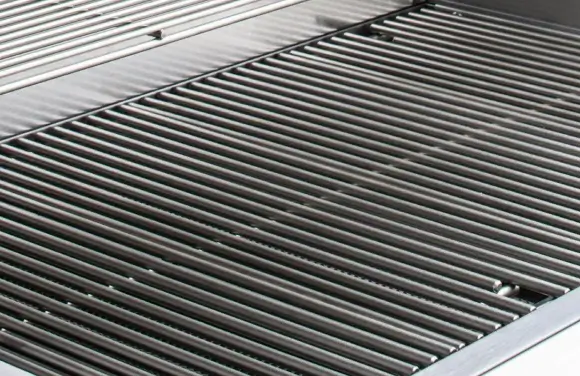
So how do high-end grills stack up? When you pay more, you’ll often get grates made from cast stainless steel or 304-grade stainless steel.
Cast stainless grates are incredibly durable and offer excellent heat retention, which is essential for achieving those perfect grill marks and an even cook. 304 grates are also strong and corrosion-resistant, offering years of exemplary grilling.

Here’s why all this matters:
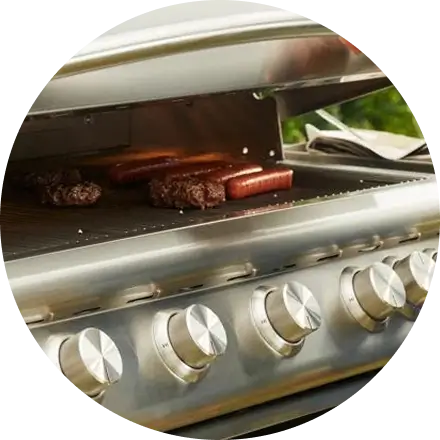
Heat Retention
High-end grates stay hotter for longer, helping you achieve a proper sear on steaks or caramelization on vegetables.
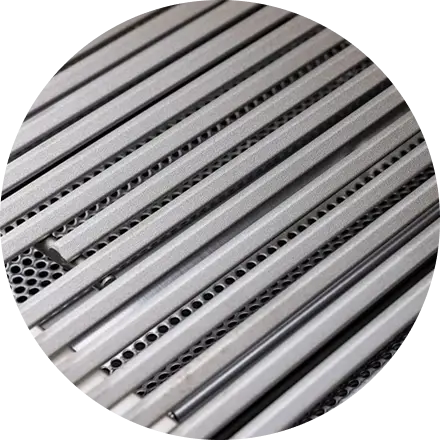
Longevity
Stainless steel and cast stainless grates are built to last. That means fewer replacements and better value.
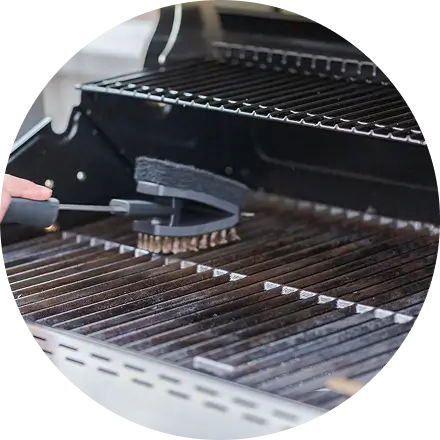
Ease of Cleaning
Premium materials resist sticking and are easier to clean, saving you time and effort.

So, if you have the money to spare, investing in a higher-end grill will mean getting better grates. And better grates mean better heat retention, better longevity, and better cleaning. These are things you’ll notice every time you fire up the grill.

Lighting System
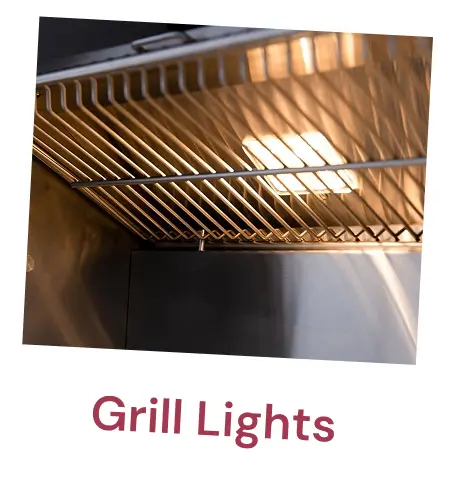
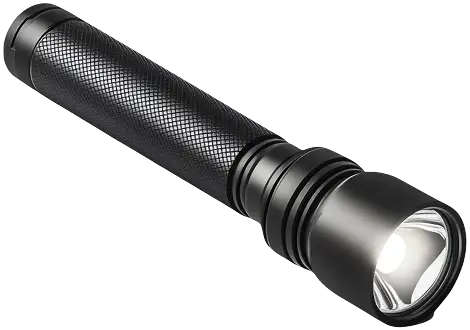
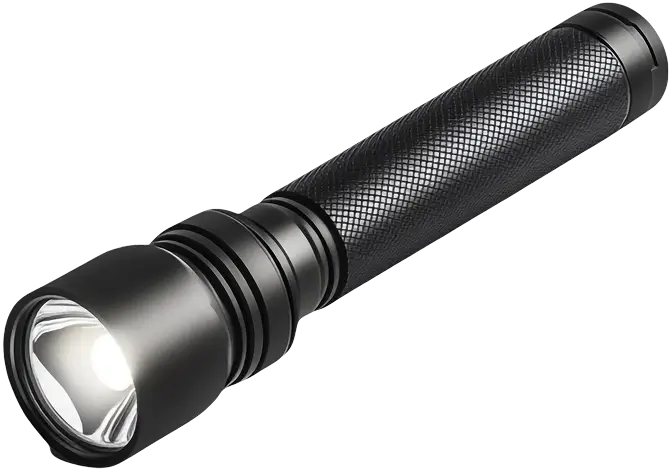
Planning a late-night barbecue session? Tired of holding a torch between your teeth? We get it. We know lighting can make a huge difference to your grilling experience in certain conditions. And it’s another area where cheap and premium grills diverge a little. Let’s see how:
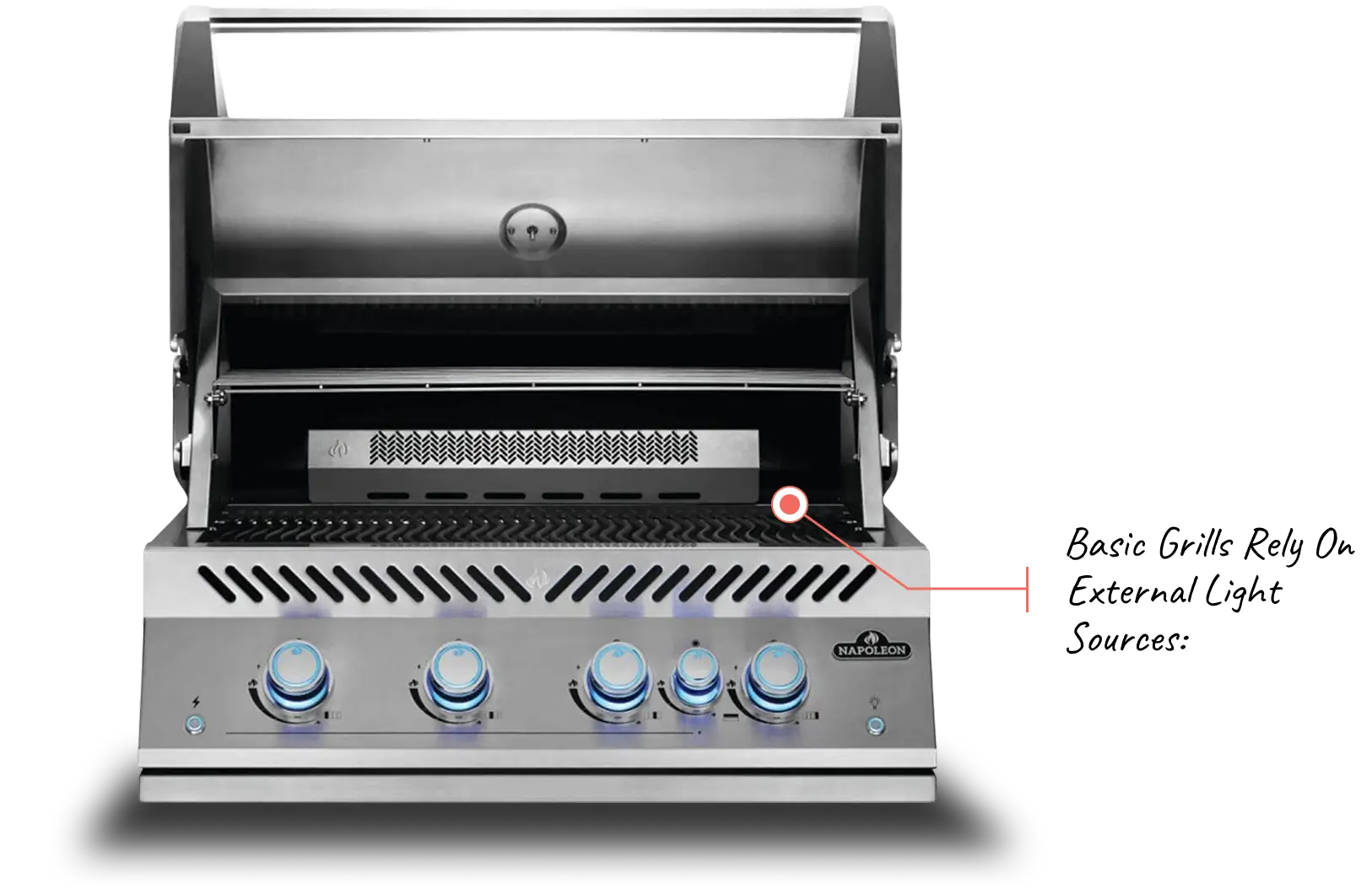
Basic grills often come with – you guessed it – basic lighting. Sometimes, none at all. You might have to rely on external light sources, like a patio lamp or a flashlight, to see what you’re doing. This can be frustrating. Not only does it make it harder to adjust settings, it also makes it very difficult to assess doneness. You may get by with such lighting – just be willing to pay the price of less-than-perfect results!
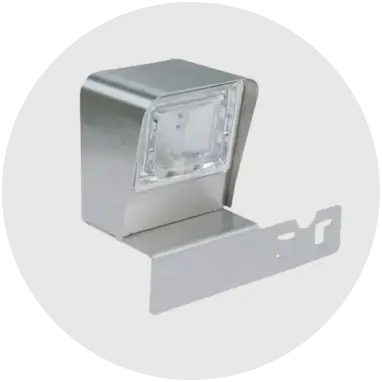
Outdoor Grill Lights
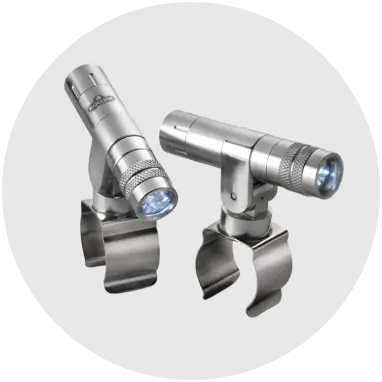
Outdoor LED Lights
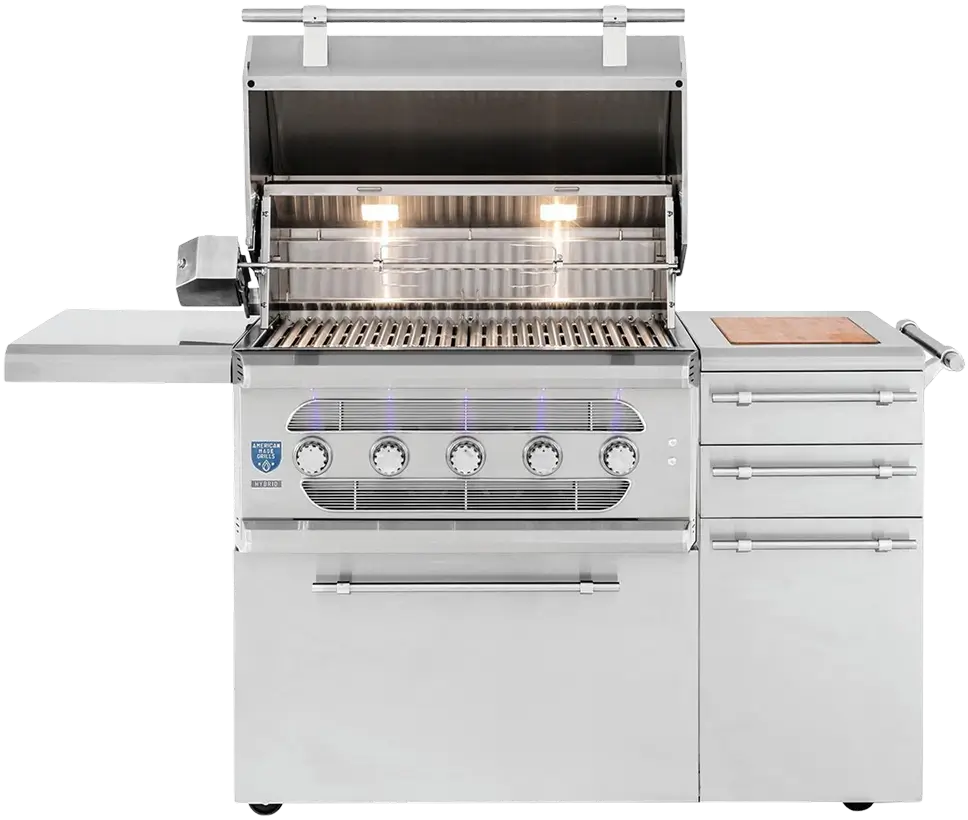
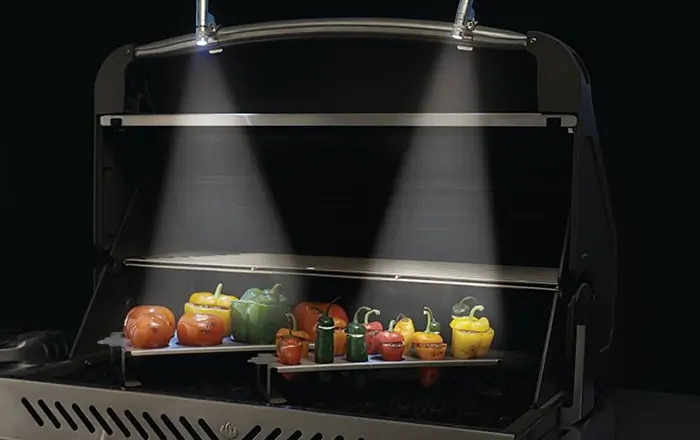
Some high-end grills, on the other hand, take lighting to a whole new level. You’ll notice that many premium models have LED or halogen lights built directly into the grill’s hood or control panel. They may look like UFOs, but don’t be mistaken: this is a major plus when it comes to grilling in low-light.
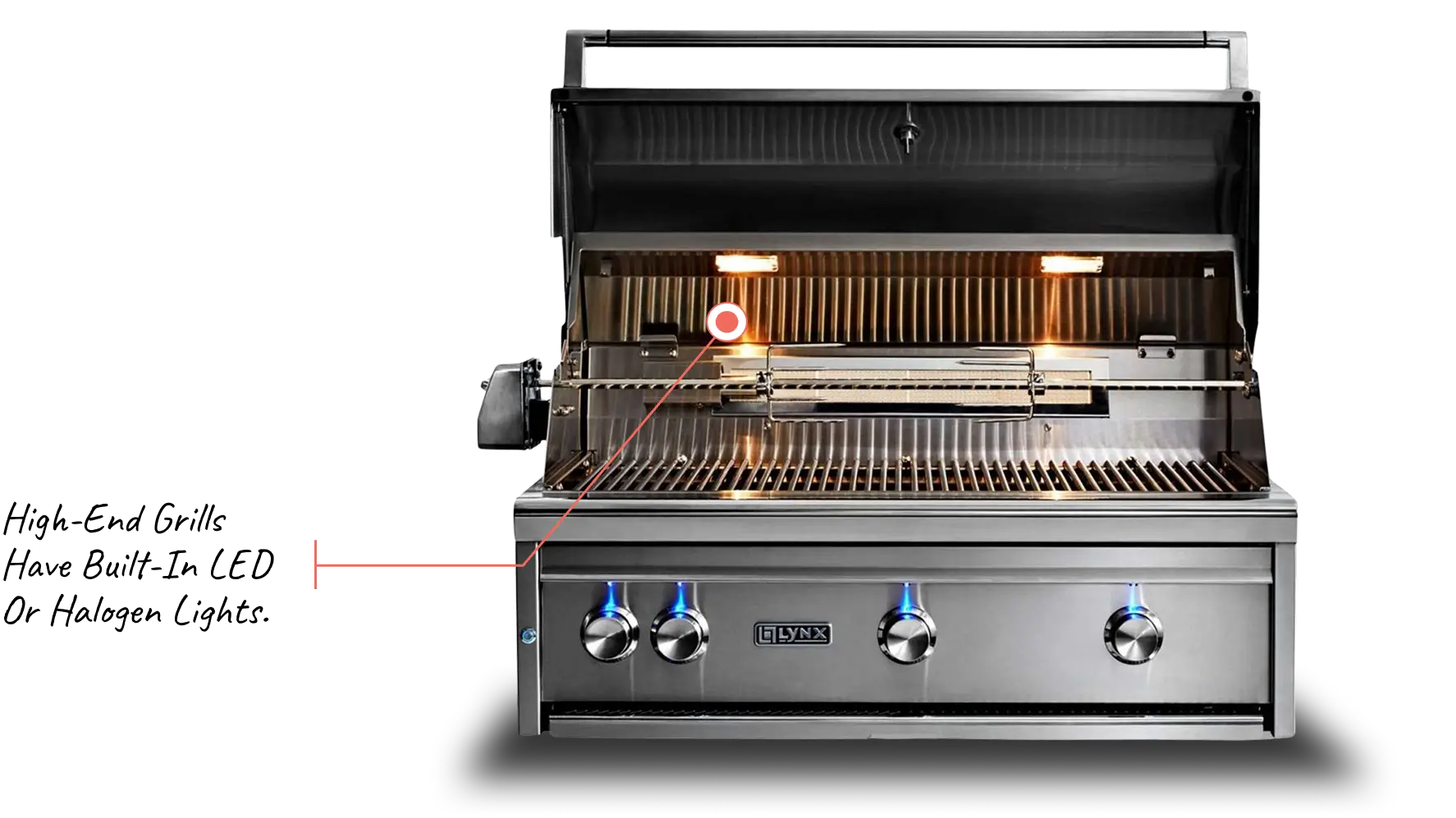
Here’s why integrated lighting is a game-changer:
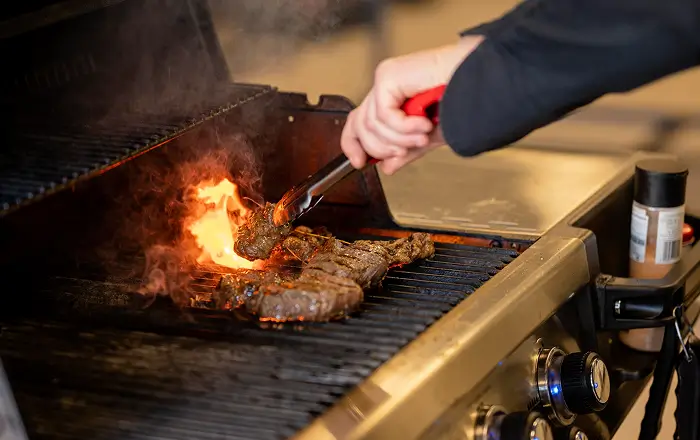
1. Precision Cooking
Easily monitor grill marks, meat color, caramelization, and more.
2. Ease of Use
Keep your hands free and avoid the hassle of getting in your own light.
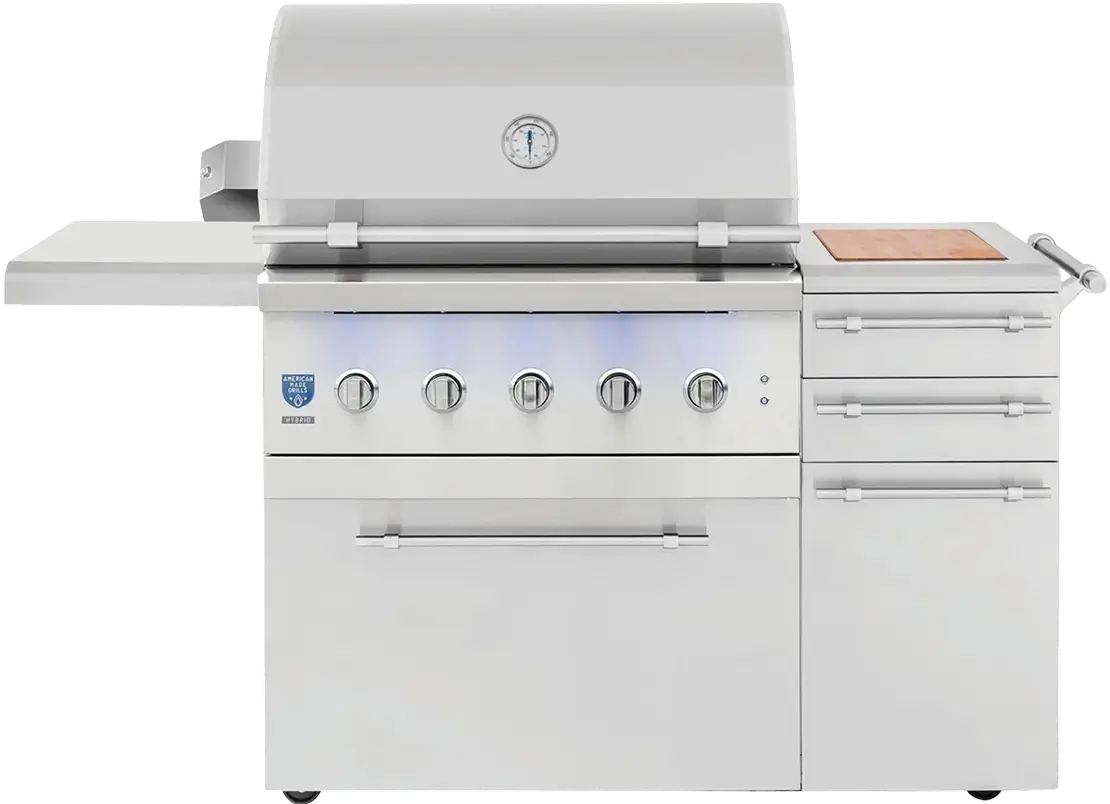
3. Aesthetic Appeal
Let’s be real, built-in lighting brings a seriously cool modern look to your grill
It comes down to your needs; if you’re going to be grilling in low-light conditions, it’s worth investing in a higher-end grill with built-in lighting.
Control Knobs
and Illumination

Control knobs are one of the small details that add up in the overall grilling experience. So yes, they matter. In our experience, cheap and expensive grills tend to handle this feature differently, with materials and functionality varying widely.
Cheap Grill Knobs Are Not Built to Last:
It should be no surprise that cheaper grills usually have plastic control knobs. They’re lightweight and easy to produce. And at first, you might not find any problem with plastic. You may notice, however, that after a while they begin to fade or even crack. Especially when exposed to the elements. You may even end up having to guess your grill’s settings.


Metal Knobs: Elevating Your Grilling Game
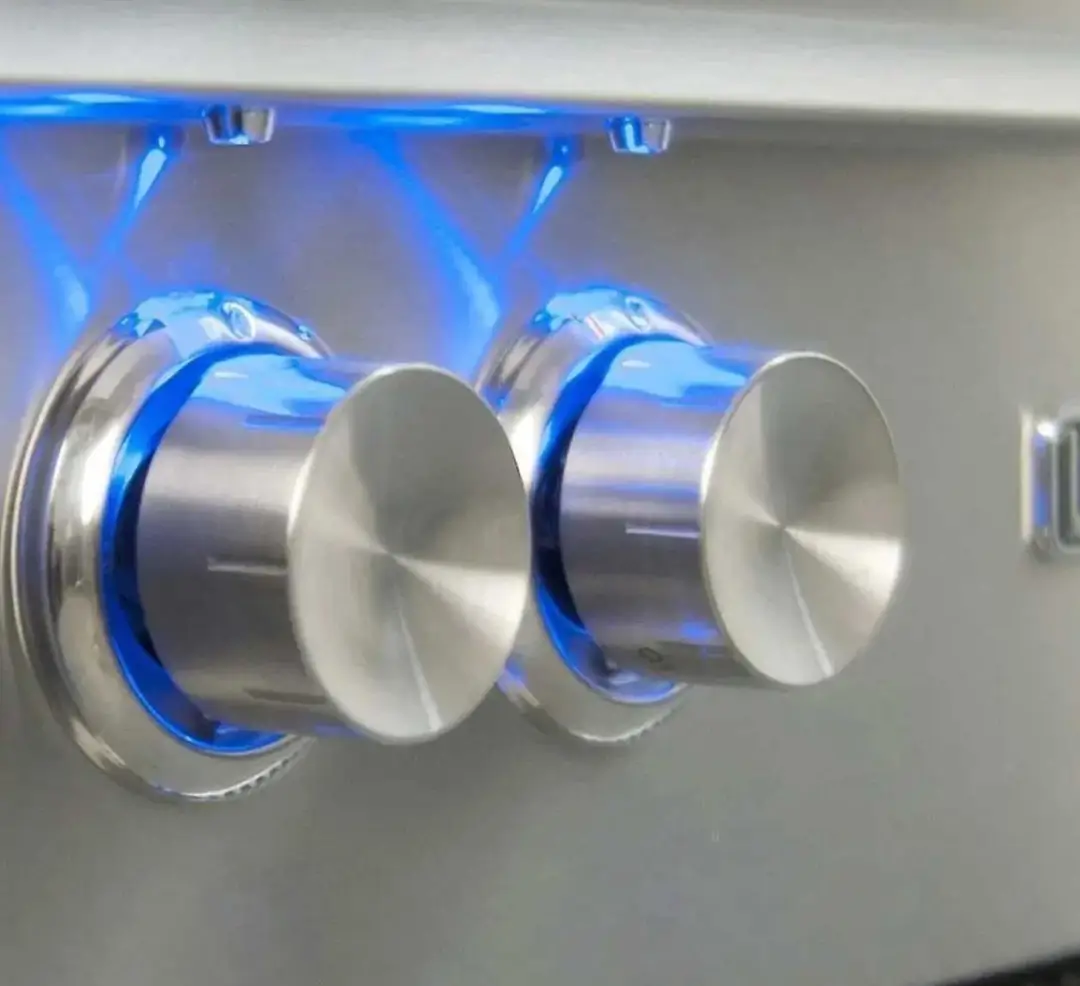
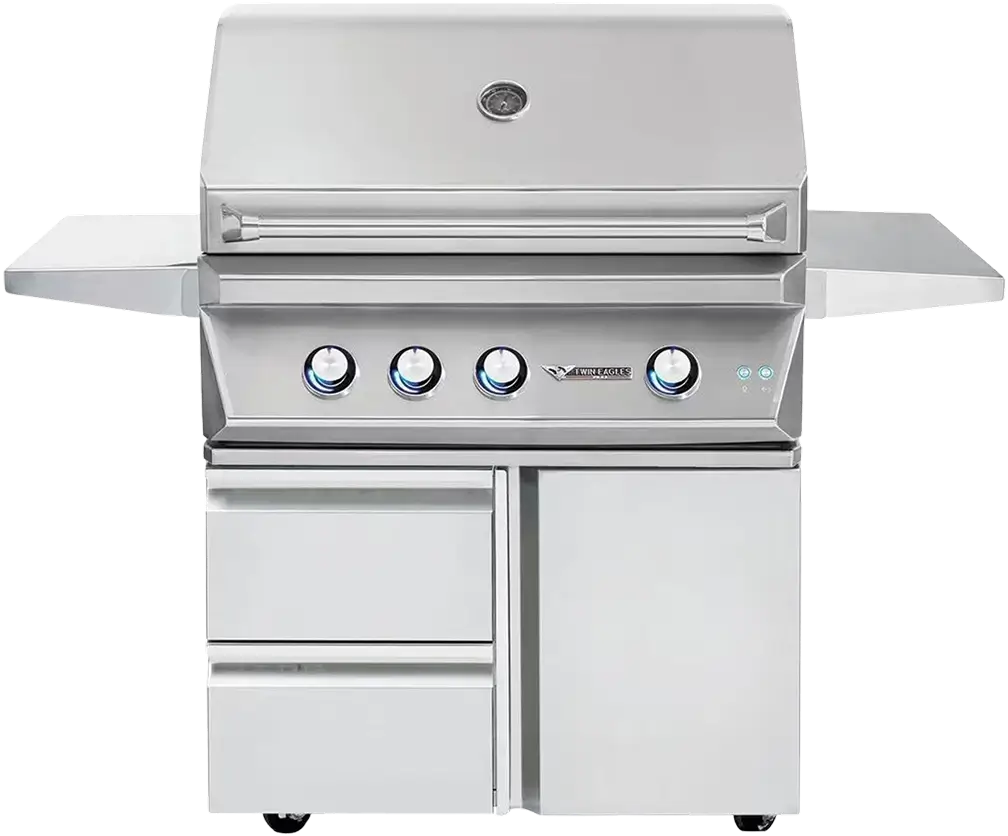
Premium grills, on the other hand, go the extra mile with metal or metal-coated knobs, often crafted from stainless steel or zinc alloy. The benefits? In short: higher durability, smoother rotation, and cooking precision.
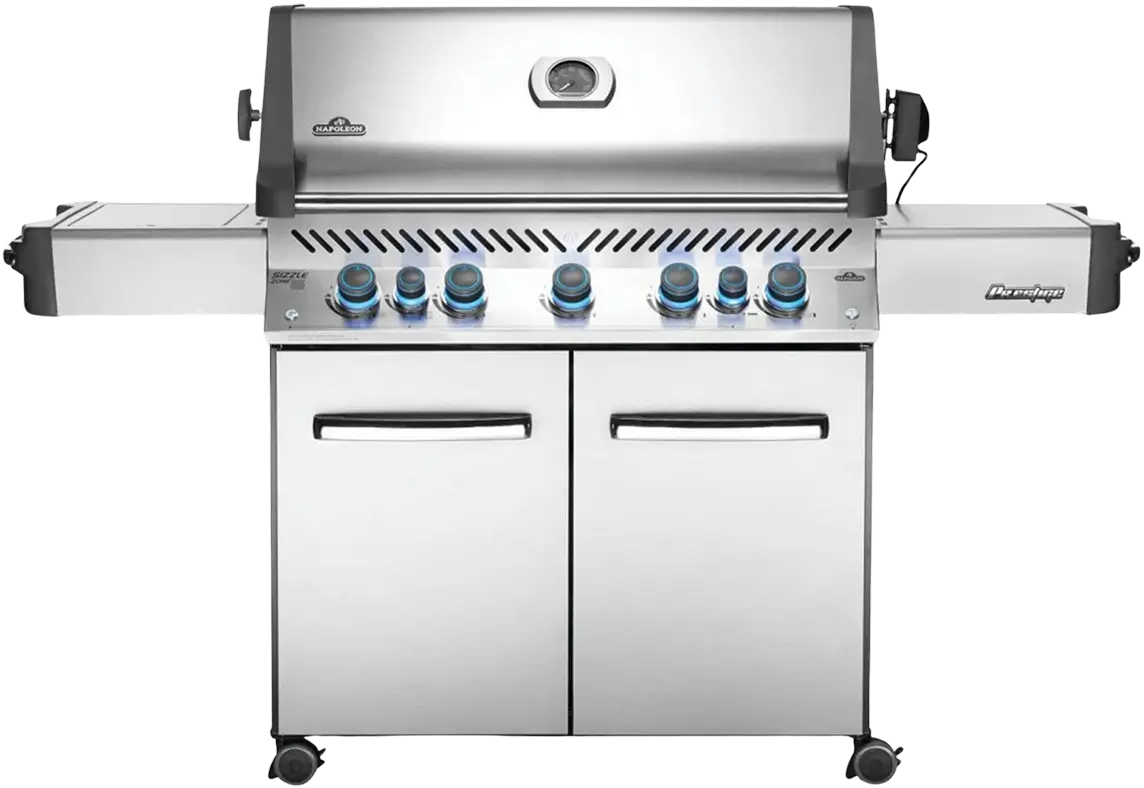
Many expensive grills even include backlit or LED-illuminated control knobs. These are super handy – and don’t just look cool:
So while you may get by with standard plastic knobs for a while, the money you saved upfront is sure to catch up with you. There’s no doubt that more advanced, well-made control knobs make your grilling life easier – not to mention, add a nice visual touch!

Built-in Smoker Tubes


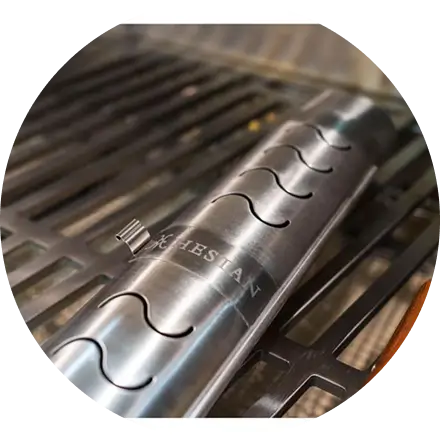
Name a bigger hallmark of high-end grills than built-in smoker tubes. That’s right: this feature is a real standout, offering an extra layer of functionality that transforms your cooking from basic grilling to professional-level barbecue. Who can resist the smoky flavors that come with built-in smokers?
And if you’re willing to pay top dollar, you’re in luck. Luxury grills often include integrated smoker tubes as a standard feature. Essentially, they work by gently heating wood chips which then release aromatic smoke that permeates the food.
That’s how you get that signature – and mouth watering – smoky element. High-end models may even allow for precise control over the smoking process so you can perfect the art down to a tee.
Cheaper grills typically lack this feature. It would simply cost too much to include one. That said, it’s often possible to buy external smoker boxes for these grills; although be aware that results may vary. Plus, it lacks the convenience of a fully built-in system.

Why do smoker tubes matter?
Convenience
Built-in tubes save space and eliminate the need for bulky extras.

Flavor Boost
Take your food to the next level with a uniquely smoky flavor.

Flexibility
Easily switch it up between grilling and smoking.
If you’re an experimental griller, you’ll love having a built-in smoker tube. They add huge potential for expanded flavor profiles and cut down on extra equipment. If you’re not so bothered about going all-out with flavors, however, you’ll get by without one.
Internal Lighting
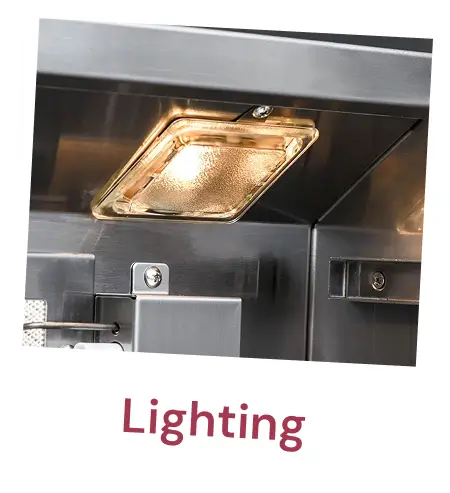
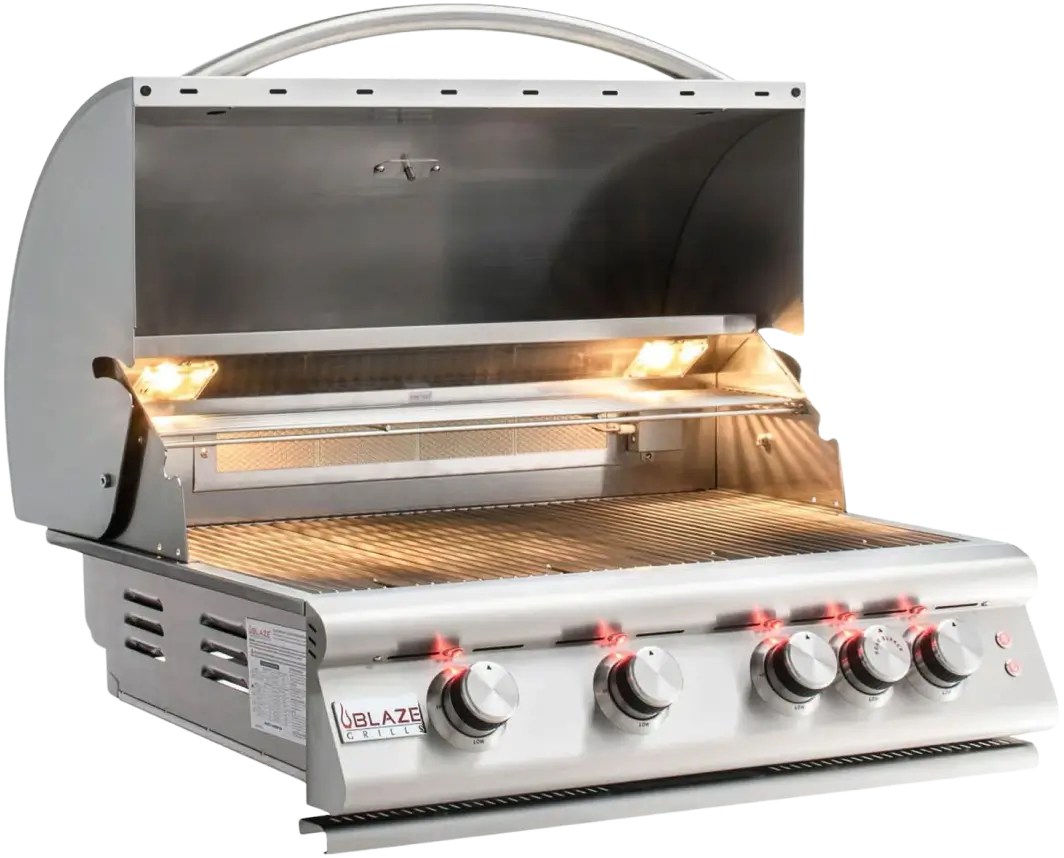
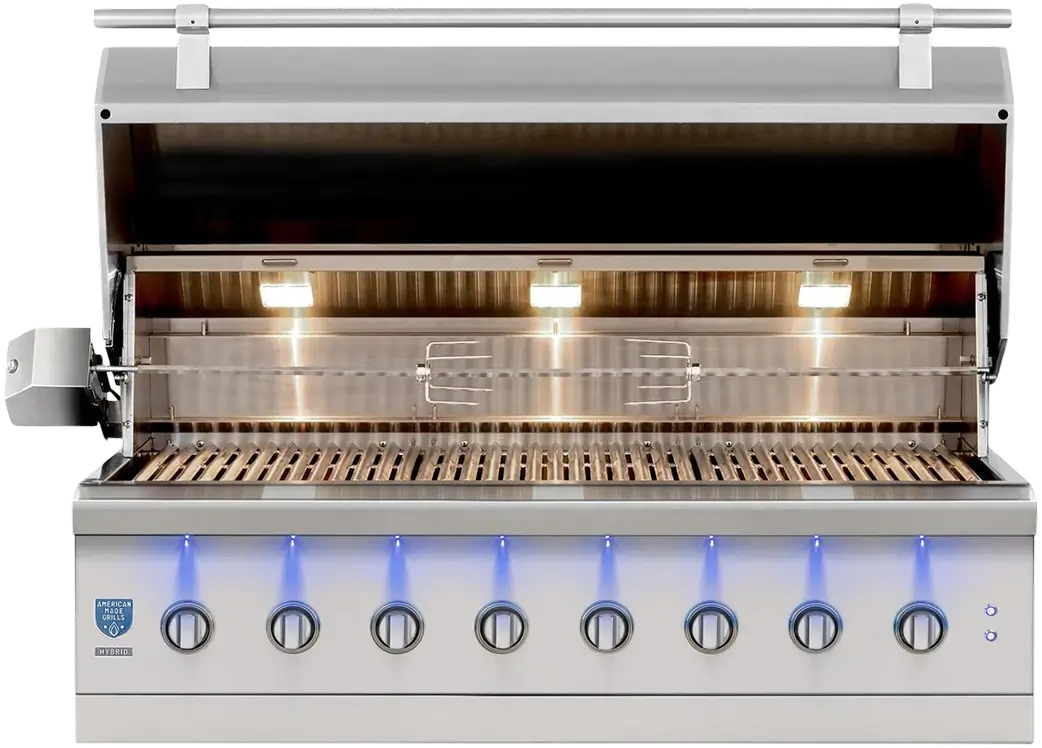
It’s easy to overlook internal lighting. That is, until you really need it. Then, suddenly, having clear, dependable built-in lights becomes a priority. And for good reason. It significantly enhances the usability of your grill, especially during evening cookouts or in low-light conditions.

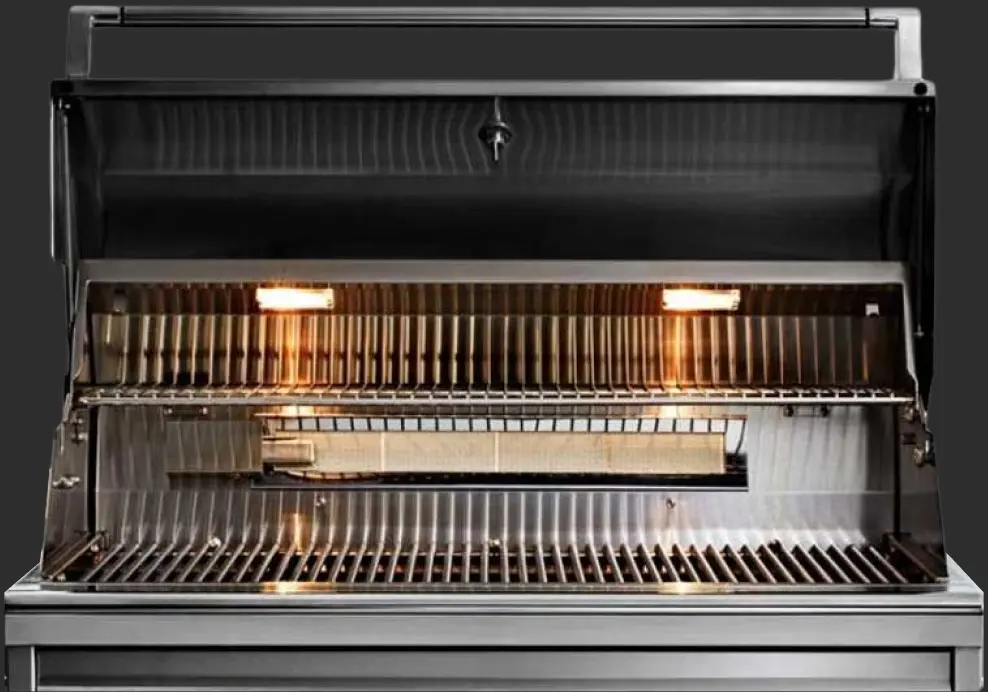
For premium grills, built-in internal lighting often comes as standard. Many are designed with built-in LED or halogen lights positioned inside the hood. These make it super easy to assess what’s going on with your food and keep an eye on searing and caramelization. What’s more, the lighting is often strategically angled to minimize shadow and provide uniform illumination. Once you’ve experienced this, you’ll never want to go back.
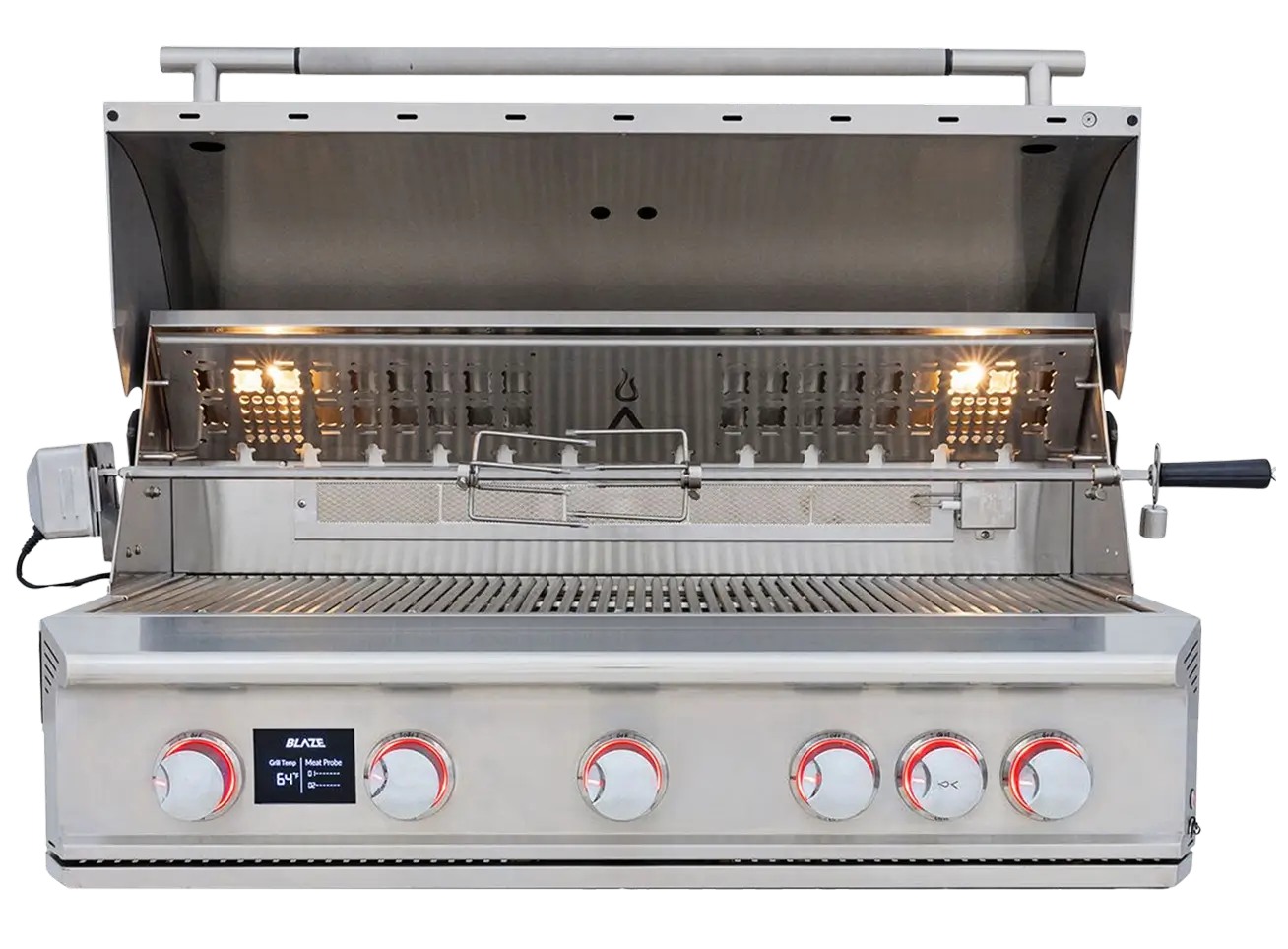
Benefits of Built-In Lighting:

If you’re a nighttime griller, this feature is a must. It allows you to confidently monitor your food without juggling a flashlight or relying on dim patio lighting – just like we mentioned earlier with external lighting.
The downside? Well, high-level internal lighting comes with a high-level price tag. The components and wiring required for durable, heat-resistant lights are more expensive to produce, and the added engineering must ensure they withstand high temperatures and outdoor exposure.

So sure, internal lighting is practical. But it also makes your grilling experience less stressful, especially if you’re planning evening or nighttime get-togethers with family and friends. Low light doesn’t have to mean compromising food quality! Of course, if you only need a grill for the occasional lunchtime barbecue at the weekend, you may get by fine without internal lighting
Firebox and
Hood Thickness
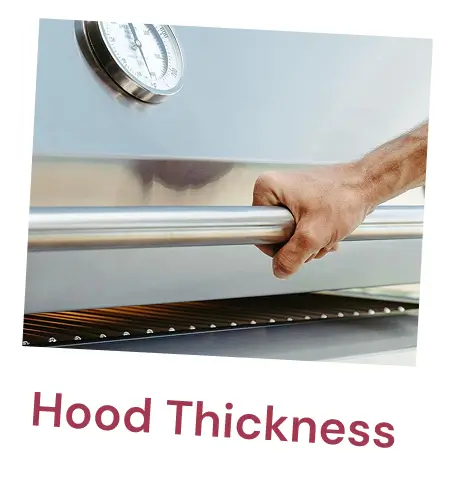
There’s no grilling without a good firebox and hood. Long story short, their construction and thickness play a big role in your cooking performance. Again, partly due to manufacturing costs, cheap and expensive grills take different approaches here – particularly when it comes to single-lays vs. double-lined hoods and firebox material.

Why Thin Grill Hoods Fall Short
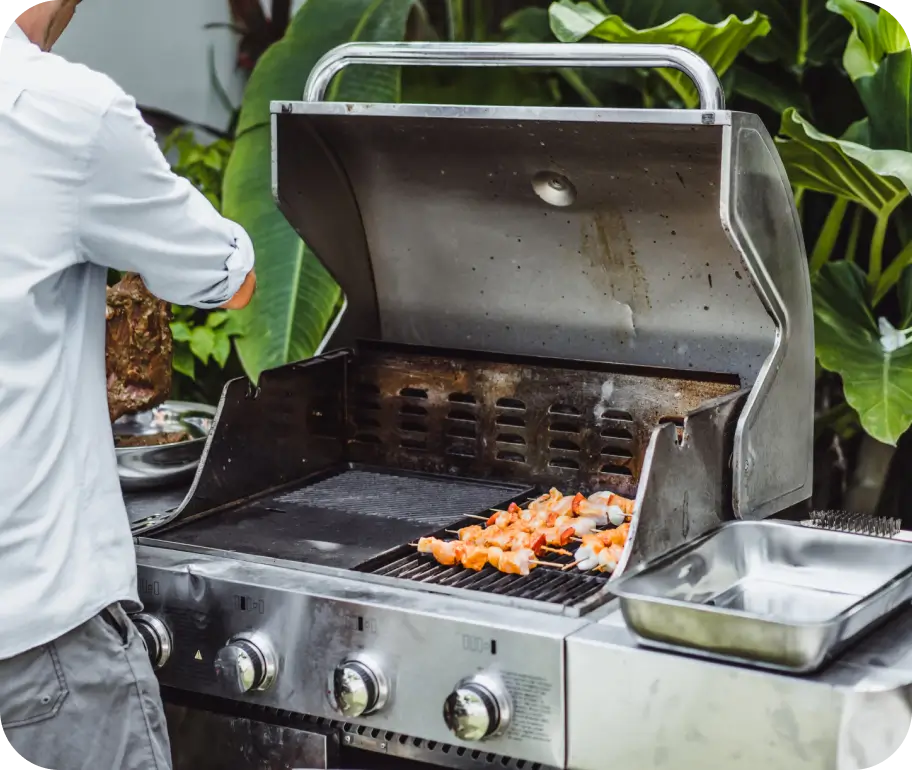
If you’re buying a cheaper grill, expect a single-layer hood made from thin, lower-grade steel or aluminum. At first, these will probably work fine. It won’t be long, however, before you’ll start to notice warping – especially in warmer climates. This isn’t just an aesthetic issue. It can result in uneven cooking and increased fuel consumption, too. Plus, you’ll have to watch out for extremely hot hood surfaces on hot summer days!

The Power of Double-Lined Grill Hoods
What about premium grills? Well, higher-end grills usually have double-lined hoods (made of 304 stainless steel or cast aluminum) and thicker fireboxes. The main advantage here is heat efficiency. Double-lined hoods are far better at trapping heat and maintaining consistent temperatures. That keeps the heat in and prevents the exterior from getting too hot.
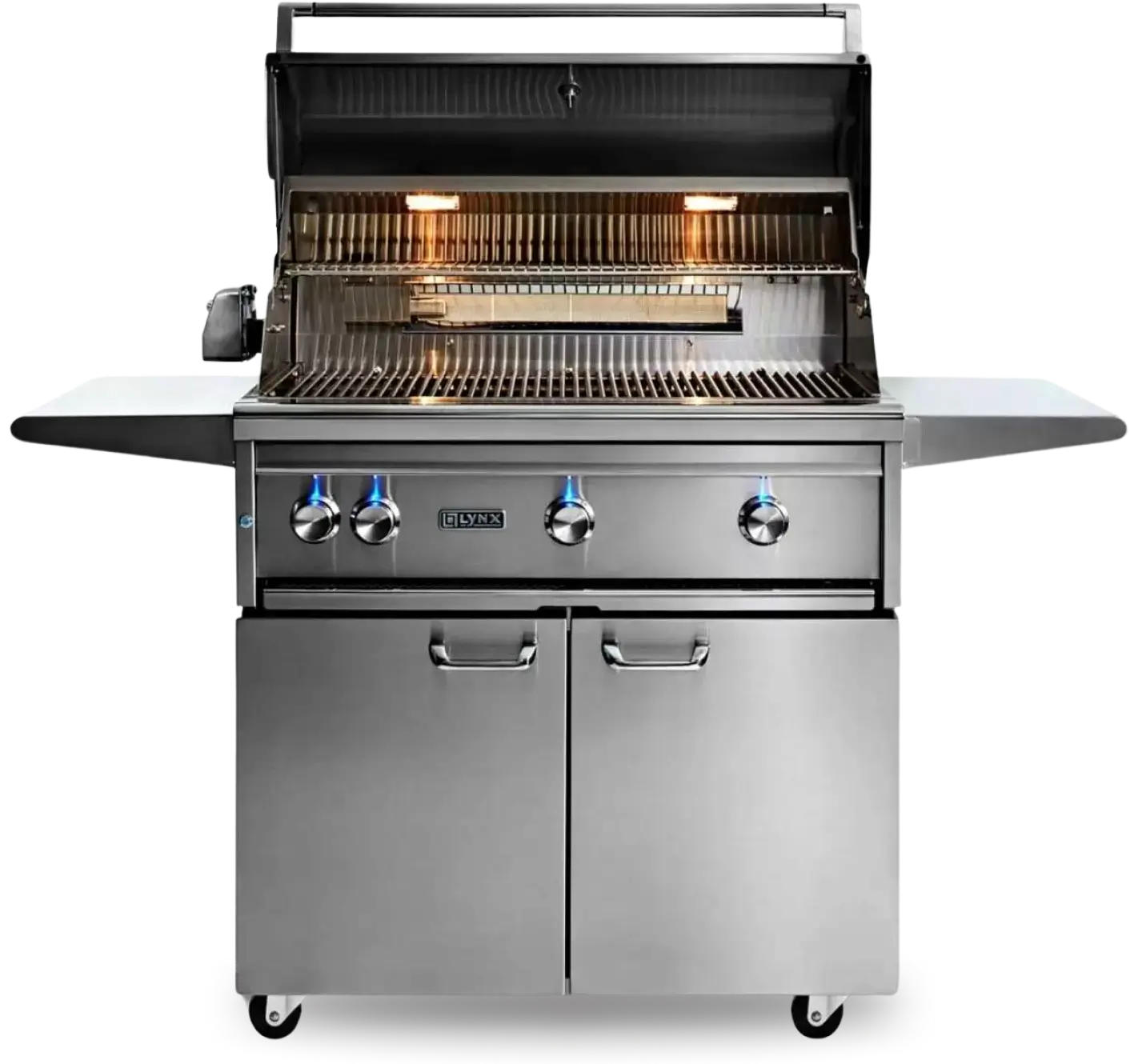
Here’s how these design features impact your grilling experience:
Heat Retention:
Thicker, double-lined hoods keep heat inside the grill, reducing cooking times and improving fuel efficiency.

Durability:
Better materials mean a longer-lasting grill. No warping, rust or wear to worry about!
Safety:
Cooler exterior surfaces are safer, especially if grilling with children around.

Investing in a grill with a well-built firebox and hood may cost more upfront, but it pays off in performance, safety, and longevity, making it a worthwhile upgrade for serious grillers.
Burner Strength
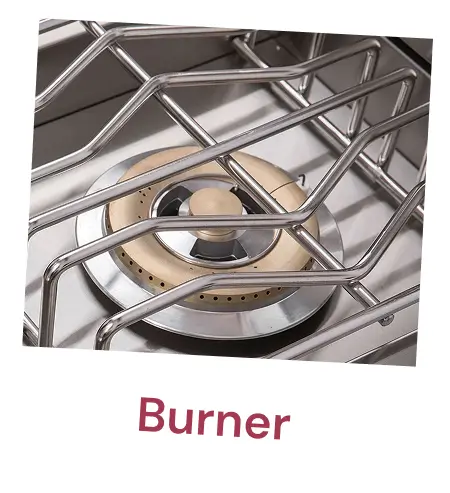
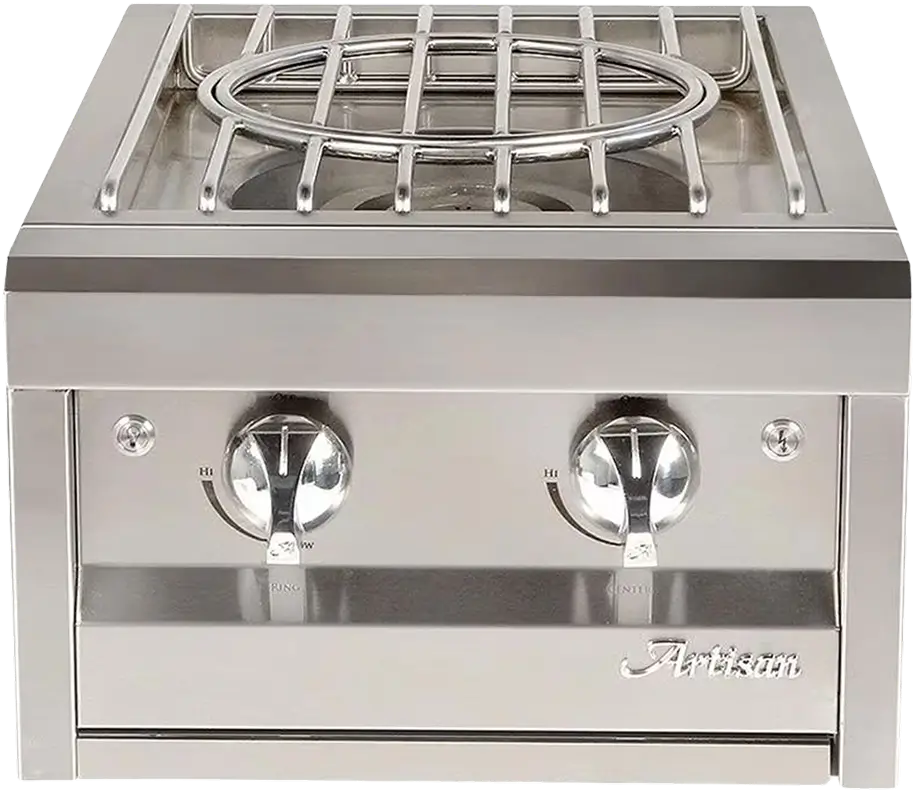
Okay, it’s time to get into the nitty-gritty. Let’s talk burners. Burners are the engine of the grill, so their performance directly affects your results. One of the main differences between cheap and expensive grill burners is their BTU output. (BTU stands for ‘British Thermal Unit’; it’s the measurement we use to assess burner strength). But it’s not the only difference. You’ll see what we mean.

It probably goes without saying that budget grills often have lower BTU ratings (around 70-80 BTUs per square inch). That’s enough for standard usage. However, cheap grills may struggle to reach high temperatures quickly and often have uneven heat distribution across the cooking surface. So if you’re after that perfect sear, think again. Plus, cheaper burners are more likely to lose efficiency over time.

High-end grills offer power on another level. Top grills may offer 90-over 100 BTUs per square inch. This may not sound like a lot, but the results speak for themselves. These burners are designed to provide precise temperature control, whether you’re cranking up the heat for a quick sear or dialing it down for slow cooking. Some even allow for multiple heat zones!
Why does burner strength matter? There are a few key reasons:

High Temperatures
Premium burners heat up quicker and stay hot for longer. That makes them perfect for searing or stir-frying.

Cooking Consistency
Powerful heat distribution reduces the risk of undercooking.

Fuel Efficiency
Well-designed burners use fuel more effectively, saving you money in the long run.
If these things matter to you – and you want to wow your friends with incredible results – consider investing more in a premium grill. A cheaper grill might save you a few bucks upfront, sure. But is it worth the drop-off in longevity?
Burner Material
Speaking of burners, we can’t overlook burner material. After all, burner material plays a crucial role in determining its durability and efficiency. So let’s take a look at the differences between budget and expensive burners:
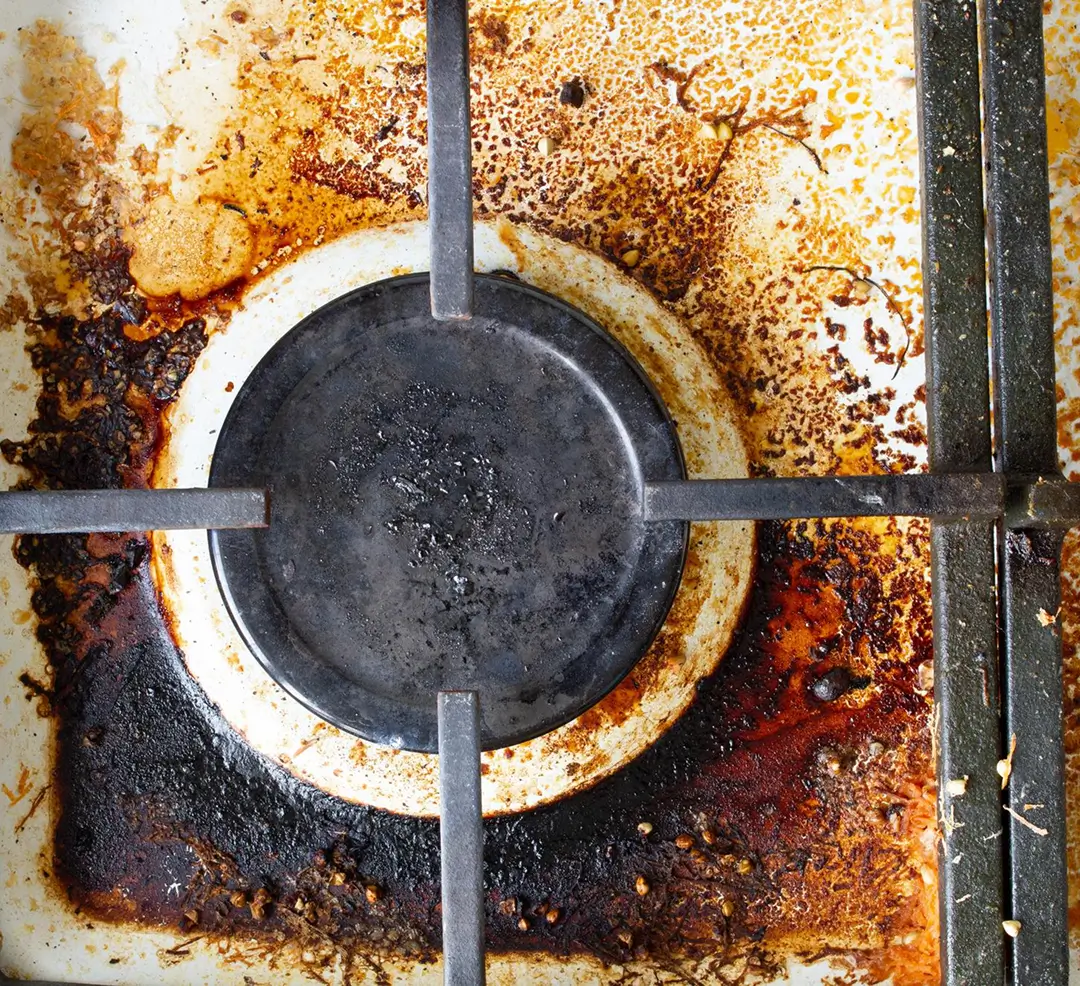
Budget grills often use burners made from plain steel or thin stainless steel.
This makes them affordable, there’s no doubt about it. But they’re prone to rust and wear over time, especially if the grill isn’t meticulously cleaned and protected from the elements.
They’re also less reliable when it comes to heat distribution, which can lead to dreaded ‘cold spots’.
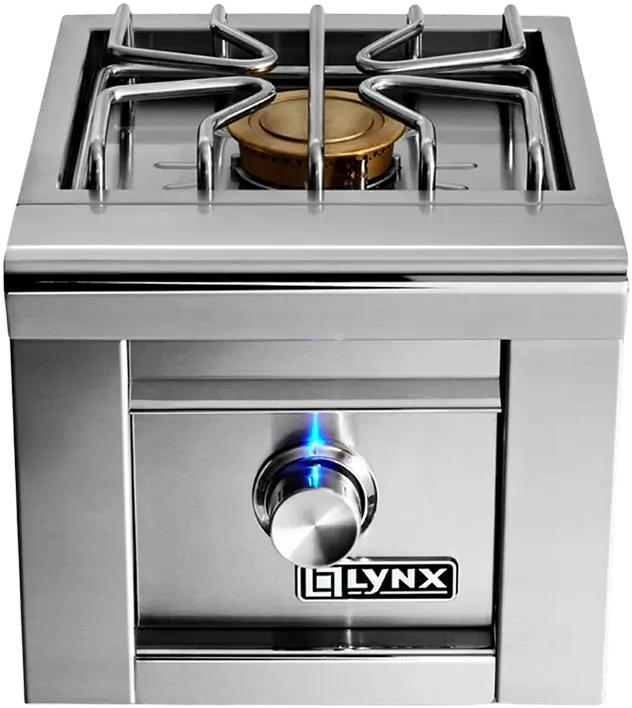
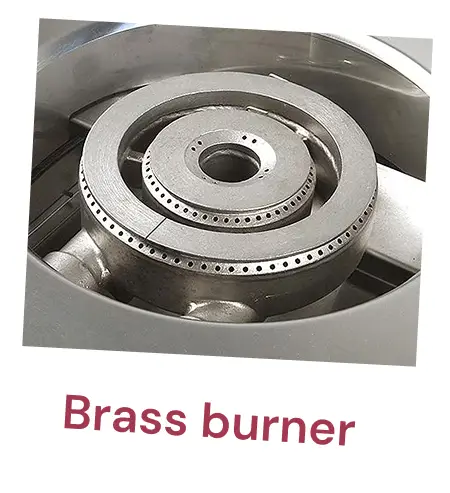
High-end grills, on the other hand, feature burners made from more durable materials like cast stainless steel, ceramic, or even brass.
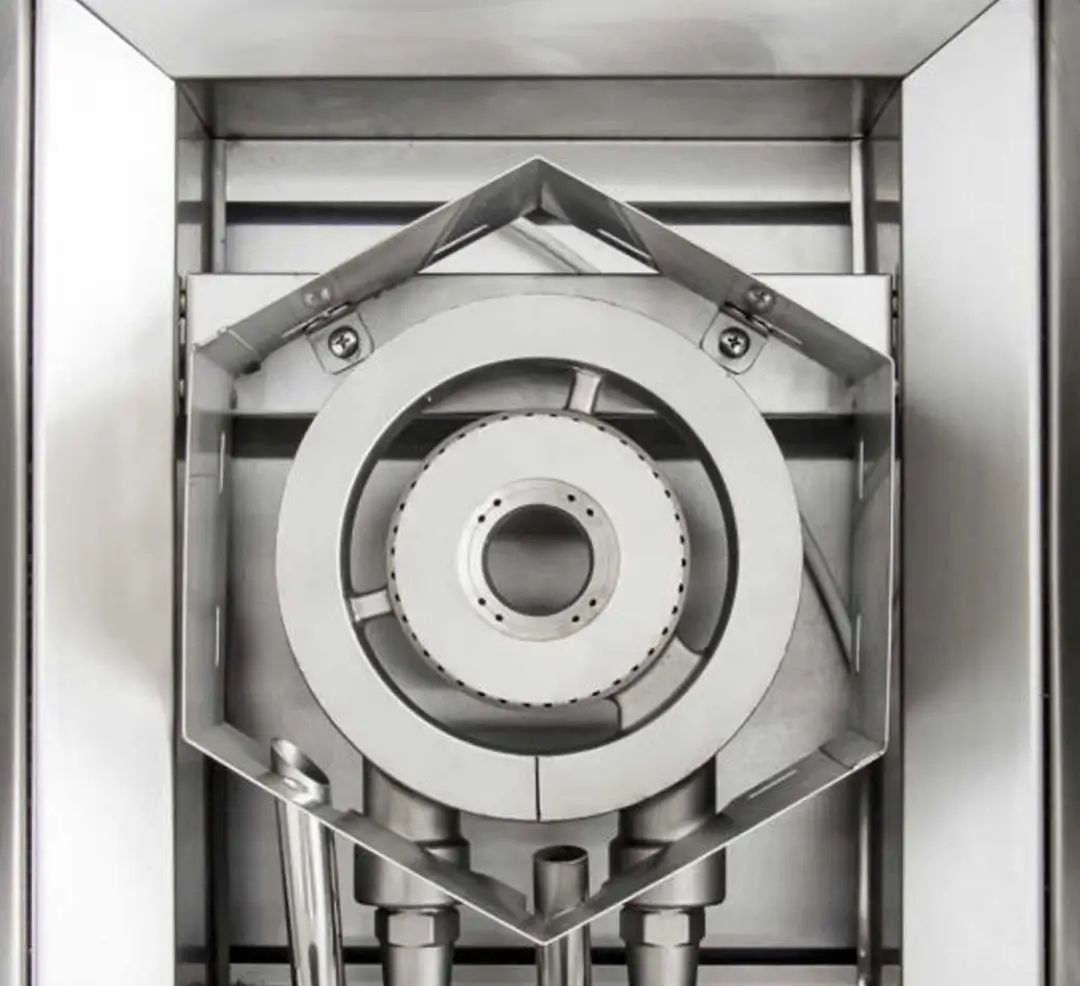
Cast stainless steel burners are incredibly robust and resistant to rust, making them a favorite for premium grills. They retain heat well, distribute it evenly, and maintain their performance for years with minimal maintenance. Ceramic burners, while less common, are known for their excellent heat retention and radiant cooking properties, offering an extra layer of efficiency.
Key benefits of high-quality burner materials:

Longevity
Materials like cast stainless steel or brass can withstand years of use without corroding or degrading.

Heat Distribution
High-end burners help to distribute heat evenly, preventing hot or cold spots.

Efficiency
Premium burners are more fuel-efficient. They can produce more heat with less gas.
Of course, the downside of these benefits is once again the upfront cost. But if you consider that high-end burners have a longer shelf life and consume less fuel, the finances might just work out for the best in the long-run.
Assembly
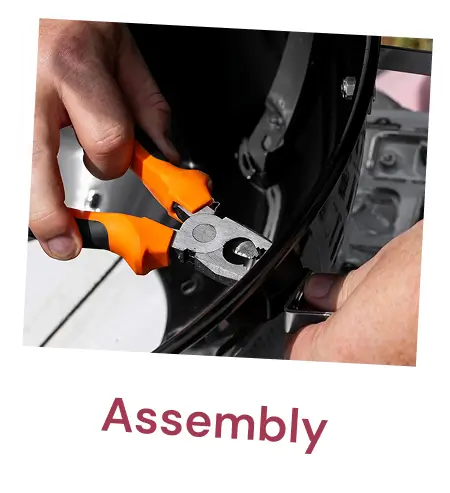

Want to enjoy your new grill right out of the box? It’s certainly possible, although there’s usually a bit of setting up to do first.
Cheap grills and high-end models differ not just in their components (or the number of them), but also in how they are delivered and assembled.
And as we all know, first impressions are everything!
It’s normal for budget grills to require some self-assembly. You may even have to put the whole thing together. This saves time and money for the manufacturer – which makes it cheaper for you, the consumer. The downside is that you’ll have to spend time deciphering instructions, sorting through hardware, and piecing everything together. The result? Budget grill-owners often have problems with misaligned parts and wobbly builds.
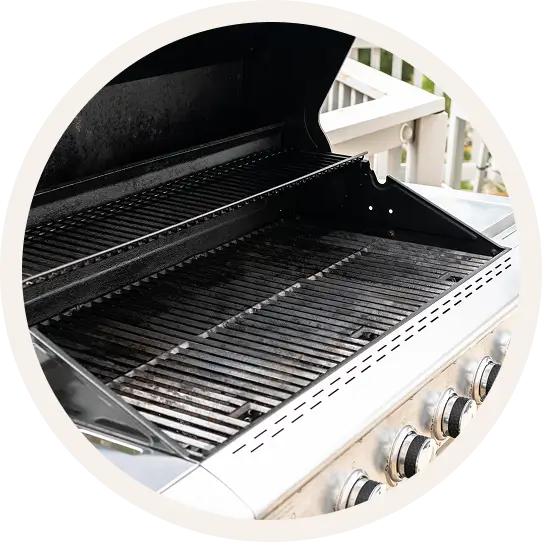
Your other option is to get a high-end grill. While you’ll pay more, you may get the grill delivered fully assembled or have the option of professional assembly. That gives you peace of mind knowing everything is where it should be.
And of course, premium brands prioritize premium builds. You’ll find that more expensive grills tend to have a stronger, more robust feel to them.
Why does assembly matter? Here are a few reasons
At first, self-assembly might seem like a pretty minor inconvenience. The problem is that it leaves room for error. You may find your grill never quite ‘sits right,’ or even, later down the line, develops serious structural issues. Opting for a high-end, pre-assembled model means you’ll spend less time building and more time enjoying delicious meals!
Safety Features
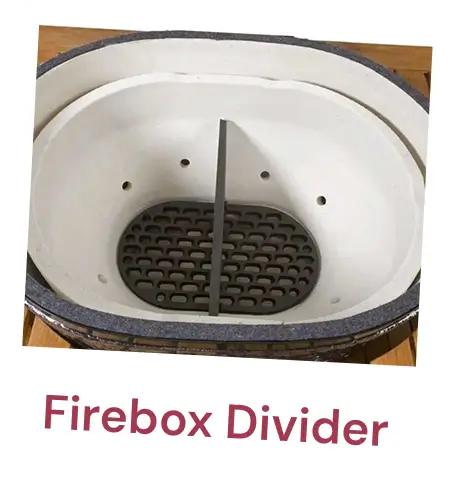
Grills are fun tools, but they’re not without their risks. Using them involves high temperatures, gas, sharp edges, and many more often-overlooked hazards.
Grillers should always be aware of the dangers posed, especially when there are children around.
For that reason, consumer grills usually incorporate some safety features to ensure risk-free barbecuing. But the effectiveness of these features varies, as you’re about to see…
Luxury grills often come equipped with thoughtful safety features as standard. Take, for instance, auto shut-off mechanisms.
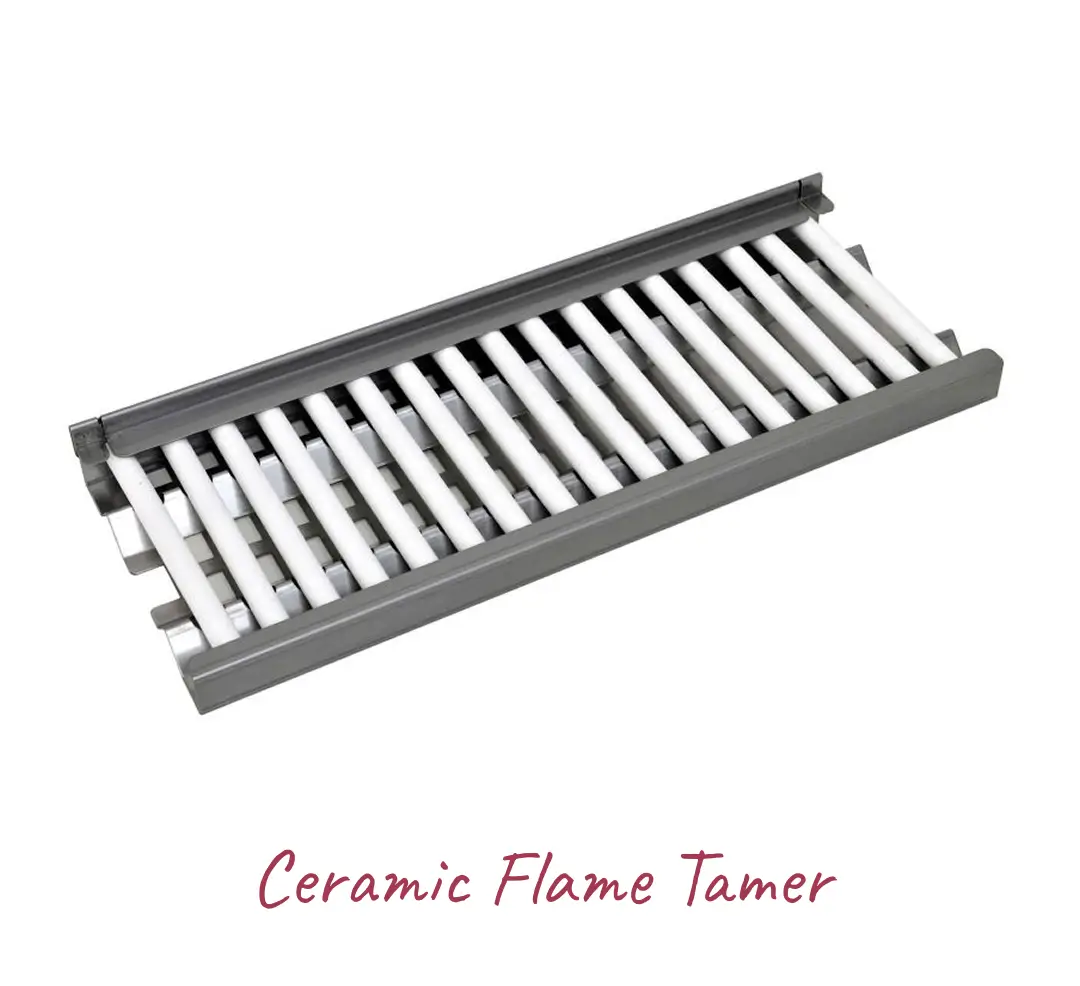
These systems automatically cut the gas supply if a flame is extinguished, preventing dangerous gas build-ups. You may also get flame tamers – heat diffusers that reduce flare-ups by diverting grease.
Double-lined hoods (which we mentioned earlier) also prevent the exterior of the grill from getting dangerously hot.
Can you expect these advanced safety measures in budget grills? Not so much. Don’t expect flame tamers or auto shut-off in cheaper grills. They’re also usually made of thinner materials, which can result in extremely hot outer shells – something to be mindful of with the kids.
Key safety advantages of high-end grills:
Reduced Flare-Ups
Keep your flames exactly where you want them.
Gas Management
Auto shut-off systems prevent accidents caused by unattended or extinguished flames.
Cooler Surfaces
Say goodbye to accidental burns from scorching-hot hoods.
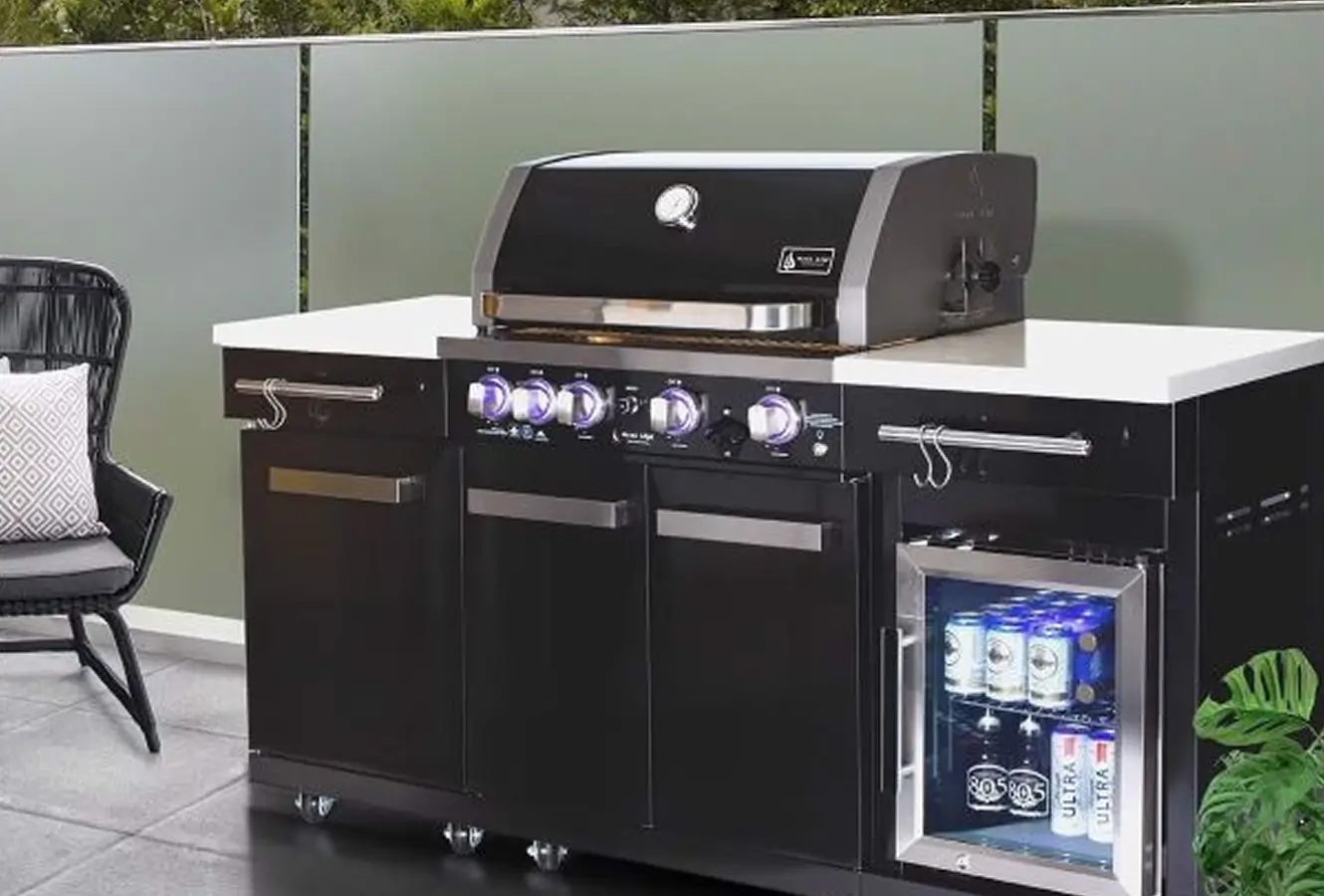
Cheaper grills may be tempting. And depending on your needs, they may suit you just fine. But be aware that the lower price often comes at the cost of advanced grill safety features. High-end grill manufacturers invest in innovative safety measures to keep you and your loved ones safe while grilling.
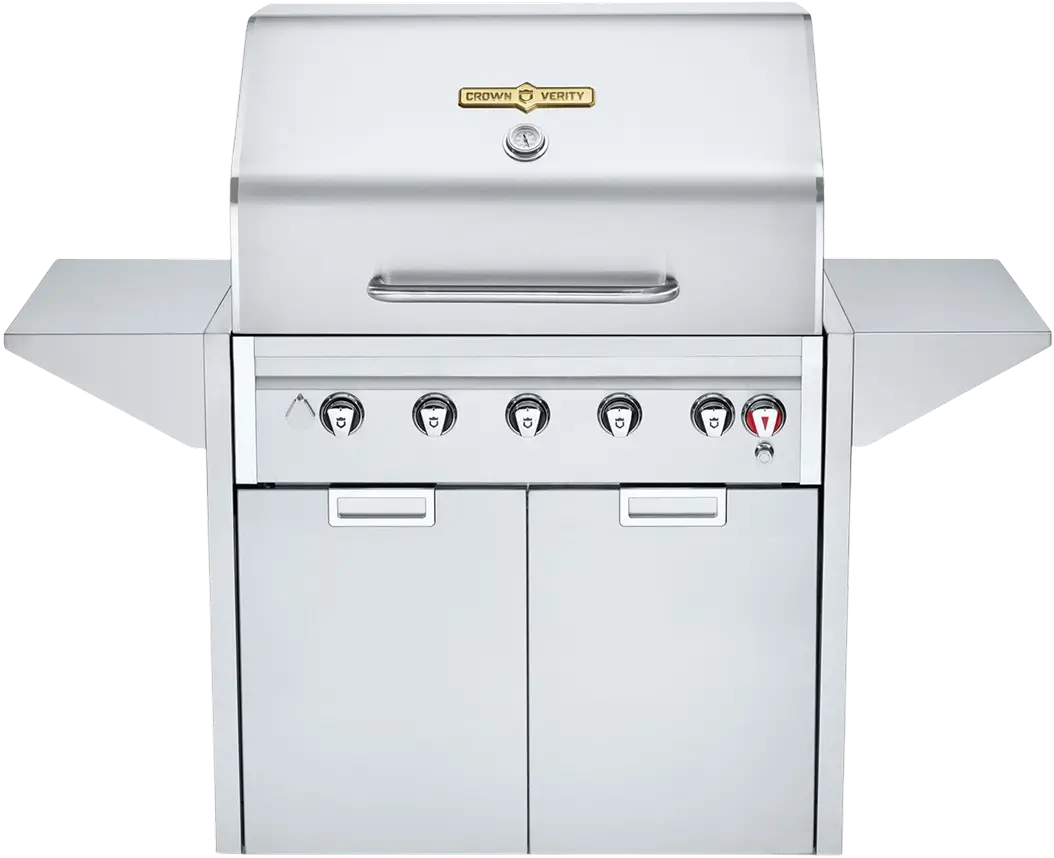
Drip Trays
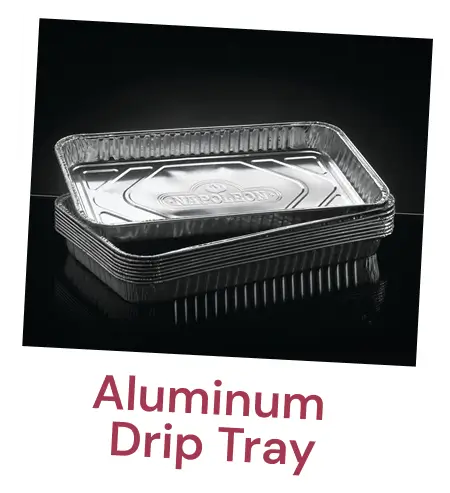
We’ve covered construction, lighting, burner power, built-in smokers, and more.
Now it’s time for something a little less… glamorous. Drip trays may not stand out as your favorite part of the grill, but they’re an essential element nonetheless. And you’ll be grateful for it after a long day’s grilling.

They keep your grilling experience smooth, clean, and hassle-free. Let’s see how cheap and expensive grills compare:
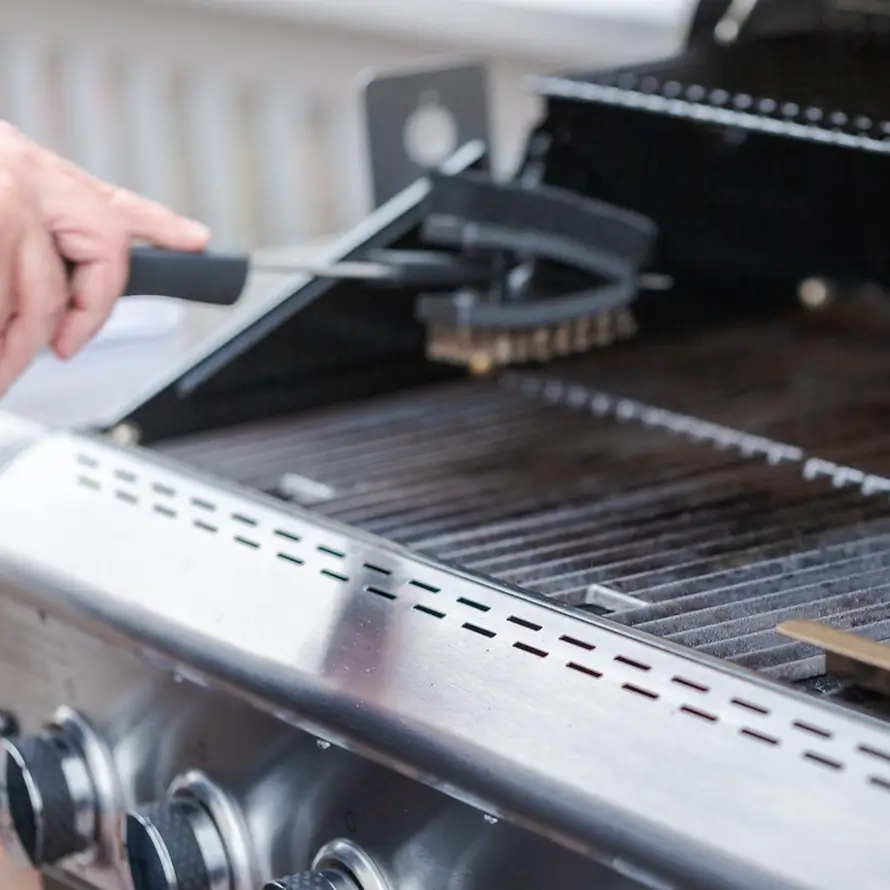
Drip trays tend to be fairly basic in cheaper grills. They’re usually shallower and made from lower-quality materials.
This can lead to corrosion and warping over time.
Some cheap grills do away with drip trays altogether. While that doesn’t necessarily affect your cooking, it certainly affects your ability to easily clean up afterward. Cleaning congealed oil out of burners is never fun.
You won’t experience that with luxury grills. Most modern models put functionality first, with large, robust drip trays made from stronger materials (like stainless steel or aluminum). It’s usually a simple slide-in, slide-out deal. Some even have disposable liners to make cleanup extra easy.
So why are drip trays so important?
Easier Cleaning
You buy a grill because you want to cook, not clean. Advanced drip trays help cut cleaning time by hours.
Safety
Proper trays prevent grease build-up, reducing the risk of dangerous flare-ups.
Usability
Put simply, better drip tray design helps keep your grill fresher for longer.
We all know the frustration of spending more time cleaning a grill than using it. With more advanced grill models, that problem disappears. You’ll still have to do some cleaning, but the grill design will work with you to make it as quick and easy as possible.
Conclusion
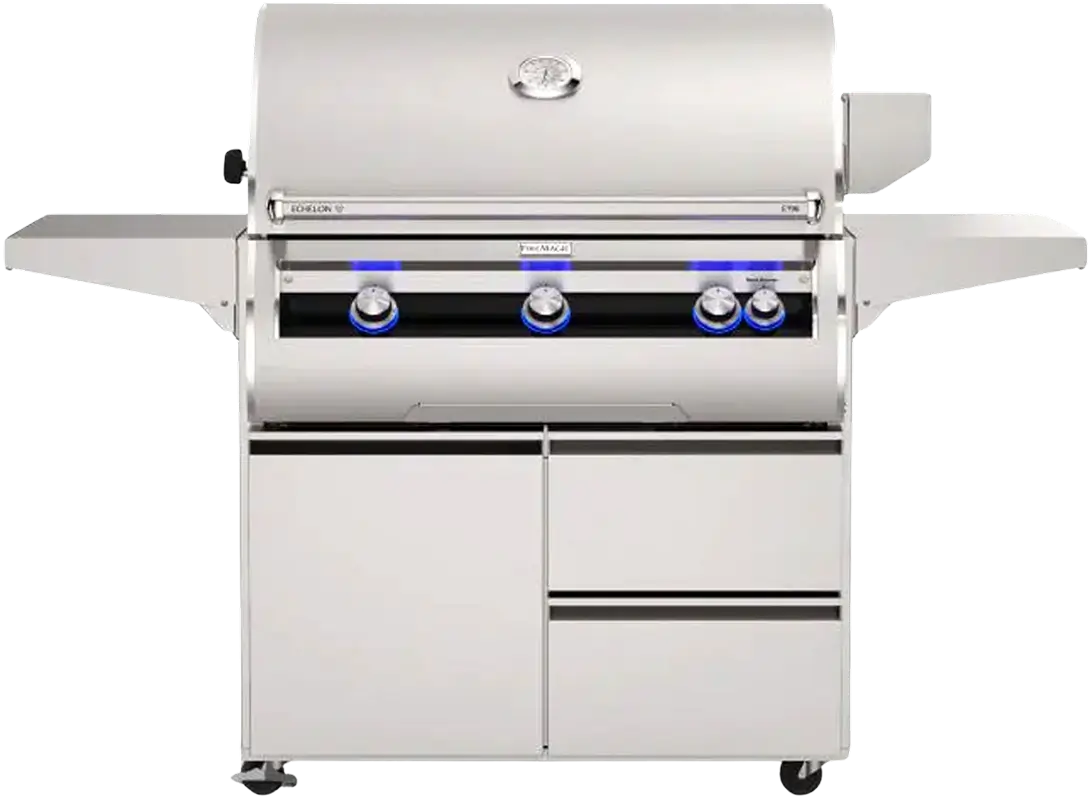
For many of us, the first thing we see when checking out new grills is the price tag. And of course, that’s a big factor. But it’s not the only one. It’s important to try and balance between needs, preferences, and budget. Hopefully, our guide has helped you see some of the main differences price can make when it comes to grills.
For those short on time, let’s boil our findings down to a few sentences:
If you’re an occasional griller who enjoys simple cookouts on weekends, a budget-friendly model might meet your needs without breaking the bank. Just remember that cheaper grills often require more maintenance, offer less consistent performance, and may need replacement sooner.
For serious grillers looking to take their skills to the next level, it could be worth investing in a more expensive model. With features like double-lined hoods, integrated smoker tubes, and precision burners, high-end grills offer superior durability, efficiency, and versatility.
It comes down to your usage. Only using the grill occasionally? A budget option will do the job. Looking for a more serious, high-performance experience? Consider a high-end model.
Did you enjoy our no-frills guide? You can find plenty more articles just like this one on everything from grill features to recipes over on the Grillio blog. Check it out for the latest grilling news!
What's the main difference between cheap and expensive grills?
The primary differences lie in build quality, materials, and longevity. Expensive grills typically use thicker steel, cast iron grates, and premium components that distribute heat more evenly and last longer. Cheap grills often use thinner metals and basic materials that may warp or rust over time.
Do expensive grills actually cook food better?
Yes, premium grills generally offer better temperature control, more even heat distribution, and superior heat retention. This results in more consistent cooking, better searing, and reduced hot spots that can burn food unevenly.
How long should I expect a cheap grill to last?
Budget grills typically last 2-5 years with regular use, depending on maintenance and weather exposure. Cheaper materials are more prone to rust, warping, and component failure over time.
Is it worth spending more on a grill if I only use it occasionally?
If you grill less than 10 times per year, a budget grill might suffice. However, even occasional users benefit from better heat control and reliability that comes with mid-range options, which can improve your grilling experience significantly.
What features justify the higher cost of expensive grills?
Premium features include multiple burner zones, built-in thermometers, rotisserie systems, side burners, better ignition systems, thicker cooking grates, and superior insulation. These features offer more cooking versatility and convenience.
Can I get good grilling results with a cheap grill?
Absolutely. While budget grills have limitations, you can still produce delicious food with proper technique, temperature monitoring with an external thermometer, and regular maintenance. The key is managing expectations and working within the grill’s capabilities.
What's the sweet spot price range for a good quality grill?
Most experts recommend the $300-600 range for gas grills and $150-400 for charcoal grills as the sweet spot. This range typically offers good build quality, essential features, and reasonable longevity without premium pricing.
Should I buy a cheap grill first to see if I like grilling?
This can be a smart approach for beginners. Starting with a budget grill lets you learn grilling basics and determine your usage patterns before investing in a premium model. Just be prepared that limitations of cheap grills might initially frustrate the learning process.