

Backyard beekeeping has become a popular hobby for people interested in gardening, sustainability, and helping local ecosystems. Honeybees play an important role in pollinating flowers, fruits, and vegetables, making them essential for healthy gardens and food production. Keeping bees can also provide fresh honey, beeswax, and a greater understanding of the natural world. With proper planning, education, and care, many homeowners can successfully maintain a small backyard hive alongside comfortable outdoor kitchens and gathering spaces.
Allergies and Things to Be Cautious About
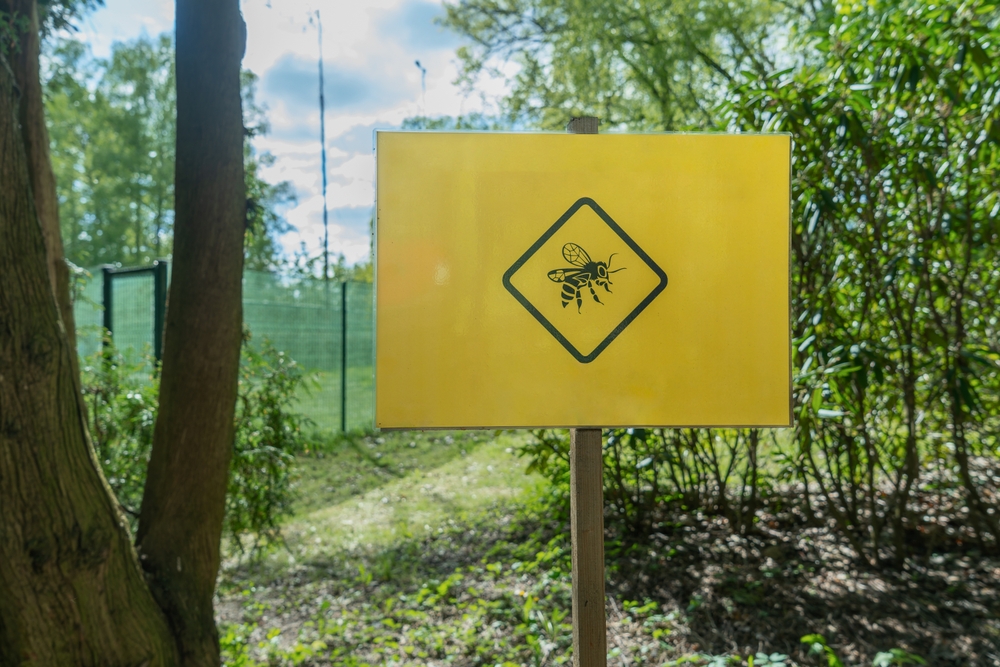
Before starting a hive, it is important to consider safety. Honeybees are generally not aggressive when left undisturbed, but they will defend their hive if threatened. Anyone interested in beekeeping should understand the risks of bee stings and allergic reactions.
People with severe bee sting allergies should consult a doctor before working with bees. Even individuals without known allergies should keep emergency contact information nearby and work carefully around hives. Protective clothing and calm movements help reduce the chances of stings.
Beekeepers should also:
- Avoid placing hives near busy walkways or neighbors’ fences
- Provide a nearby water source for bees
- Avoid strong perfumes or scented products while handling bees
- Learn how weather and seasonal changes affect hive behavior
Legal Requirements
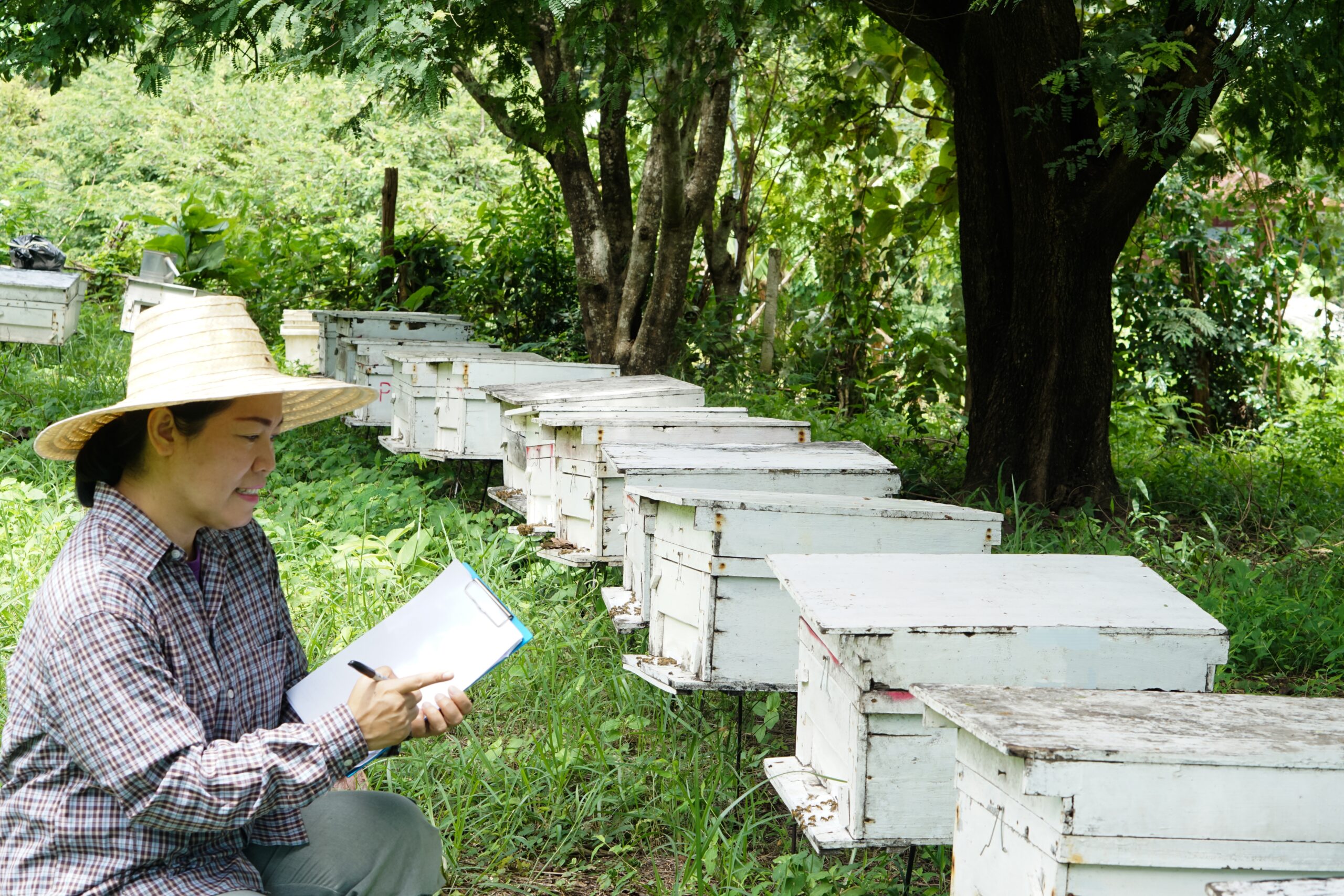
Some cities, counties, or homeowner associations have rules about backyard beekeeping. Before buying bees or equipment, homeowners should check local laws and neighborhood regulations.
Legal requirements may include:
- Limits on the number of hives
- Required distances between hives and property lines
- Hive registration programs
- Water source requirements
- Rules about swarm management
Some areas encourage beekeeping because of the importance of pollinators, while others may have restrictions based on population density or zoning.
Honeybees and the Hive
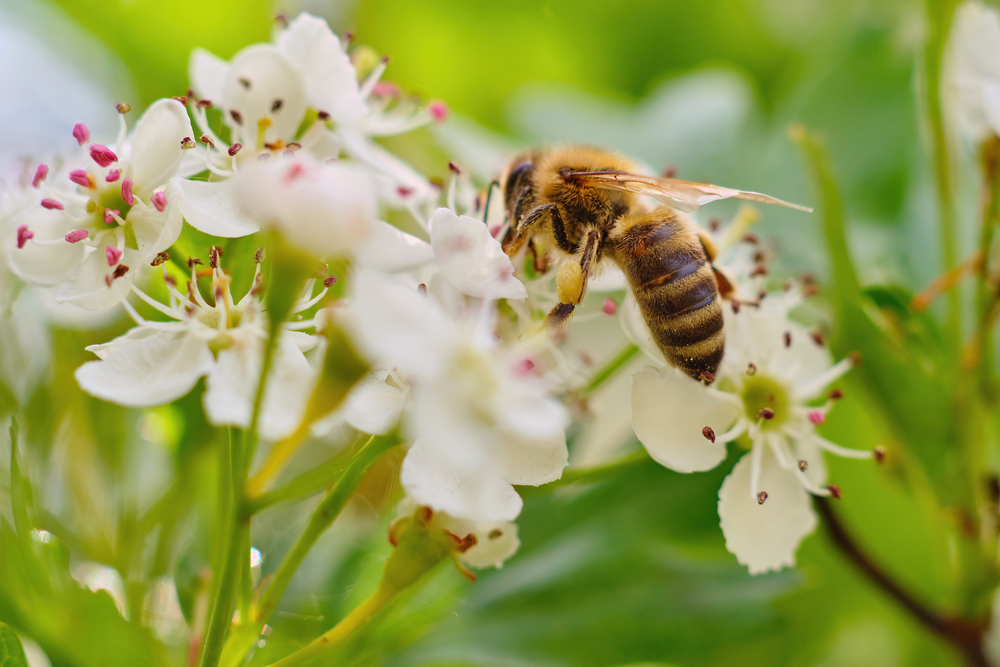
A honeybee colony is a highly organized community made up of three main types of bees:
- The queen
- Worker bees
- Drones
The queen lays eggs, workers maintain the hive and gather food, and drones help reproduce future colonies. Most backyard hives contain tens of thousands of bees during warmer months.
Honeybees collect nectar and pollen from nearby flowers. Inside the hive, nectar is turned into honey and stored in wax combs. Healthy colonies depend on clean environments, good weather, and access to flowering plants.
Beekeepers should learn about:
- Hive structure
- Bee behavior
- Seasonal hive changes
- Common pests and diseases
- Swarming
Required Gear
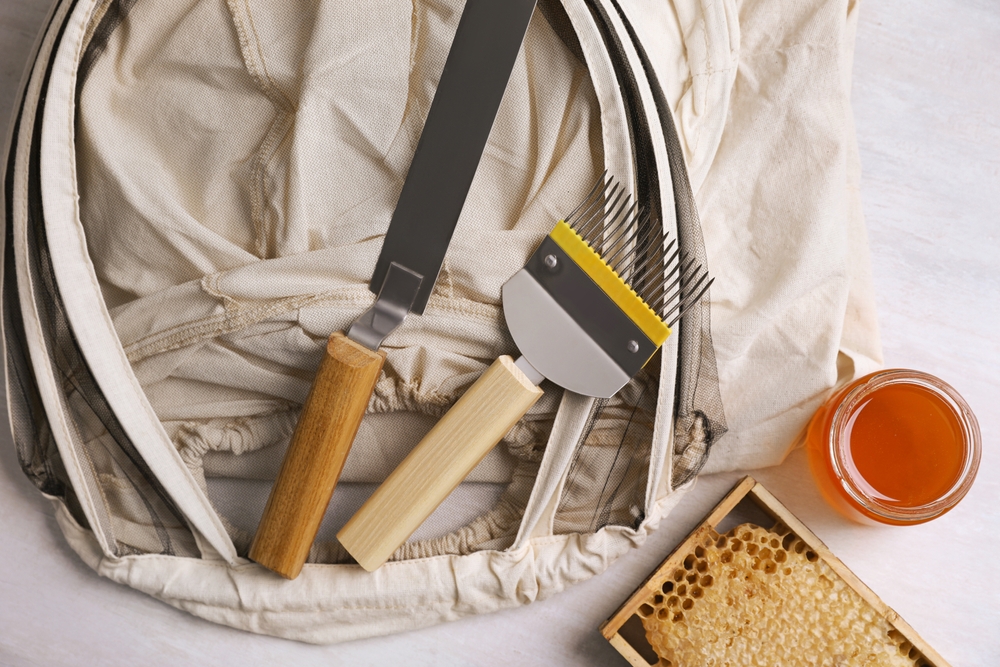
Beekeeping requires specialized equipment to protect both the beekeeper and the bees. Beginners often start with one or two hives and basic protective gear.
Common equipment includes:
- Bee suit or jacket
- Veil and gloves
- Smoker
- Hive tool
- Beehive boxes and frames
- Feeders
- Bee brush
A smoker helps calm bees during hive inspections by masking alarm signals within the colony. Proper equipment maintenance is important for hive health and beekeeper safety.
Recommended Backyard Locations
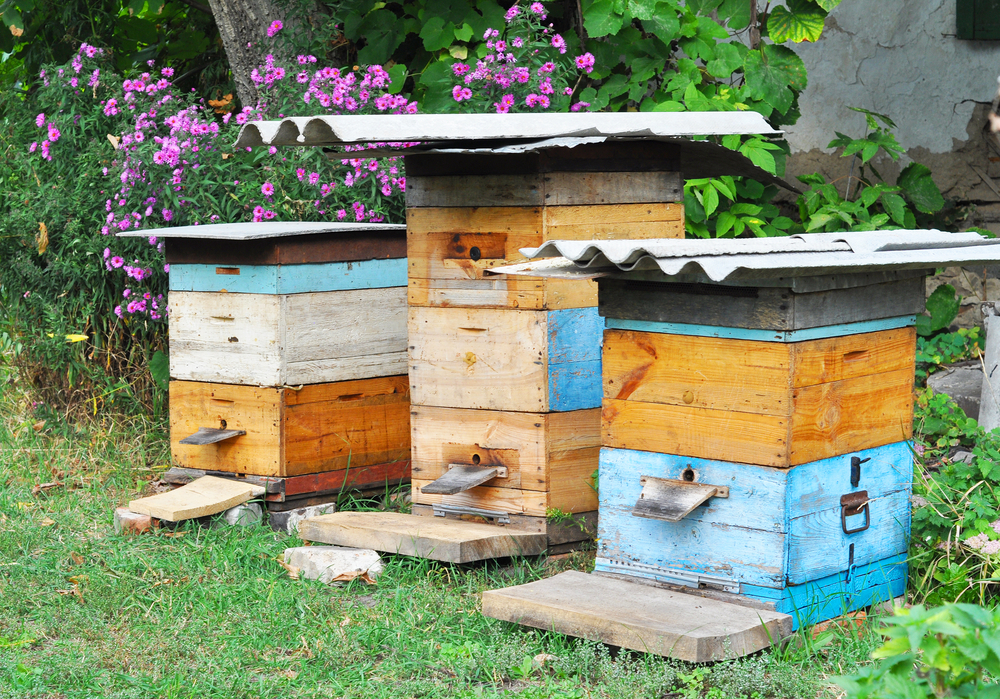
Hive placement can affect the health and behavior of a colony. Bees need sunlight, airflow, nearby flowering plants, and access to water.
Good hive locations usually:
- Receive morning sunlight
- Stay relatively dry
- Have wind protection
- Provide space away from pets and heavy foot traffic
- Offer easy access for inspections
Many homeowners incorporate hives into larger backyard projects that include gardens, patios, and outdoor cooking spaces. Thoughtful landscape planning around gathering areas can help create functional outdoor environments while still supporting pollinators.
For example, ensuring the hive’s flight path doesn’t cut directly across active seating areas or patios equipped with BBQ grills and smokers keeps both guests and bees safe. Maintaining proper clearance between the hive and large permanent fixtures-such as brick islands for built-in grills or heavy steel outdoor kitchen storage cabinets-gives the colony a quiet, undisturbed area to thrive while leaving plenty of room for backyard hosting.
The Role of the Beekeeper
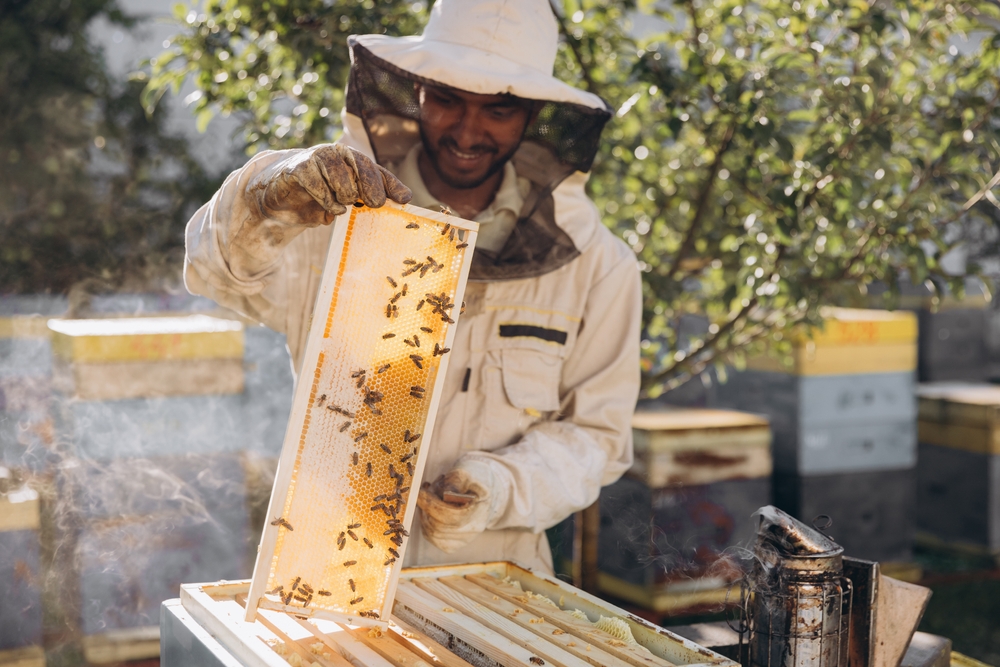
Beekeepers are responsible for monitoring the health and safety of their colonies throughout the year. Bees are not fully “domesticated,” so successful beekeeping requires observation, patience, and ongoing learning.
Beekeepers regularly:
- Inspect hives for disease or pests
- Monitor honey production
- Ensure the queen is healthy
- Prevent overcrowding and swarming
- Prepare colonies for winter
Responsible beekeeping also means supporting local ecosystems and respecting nearby neighbors. Healthy bee populations benefit gardens, farms, and natural habitats.
Beekeeping Associations and Clubs
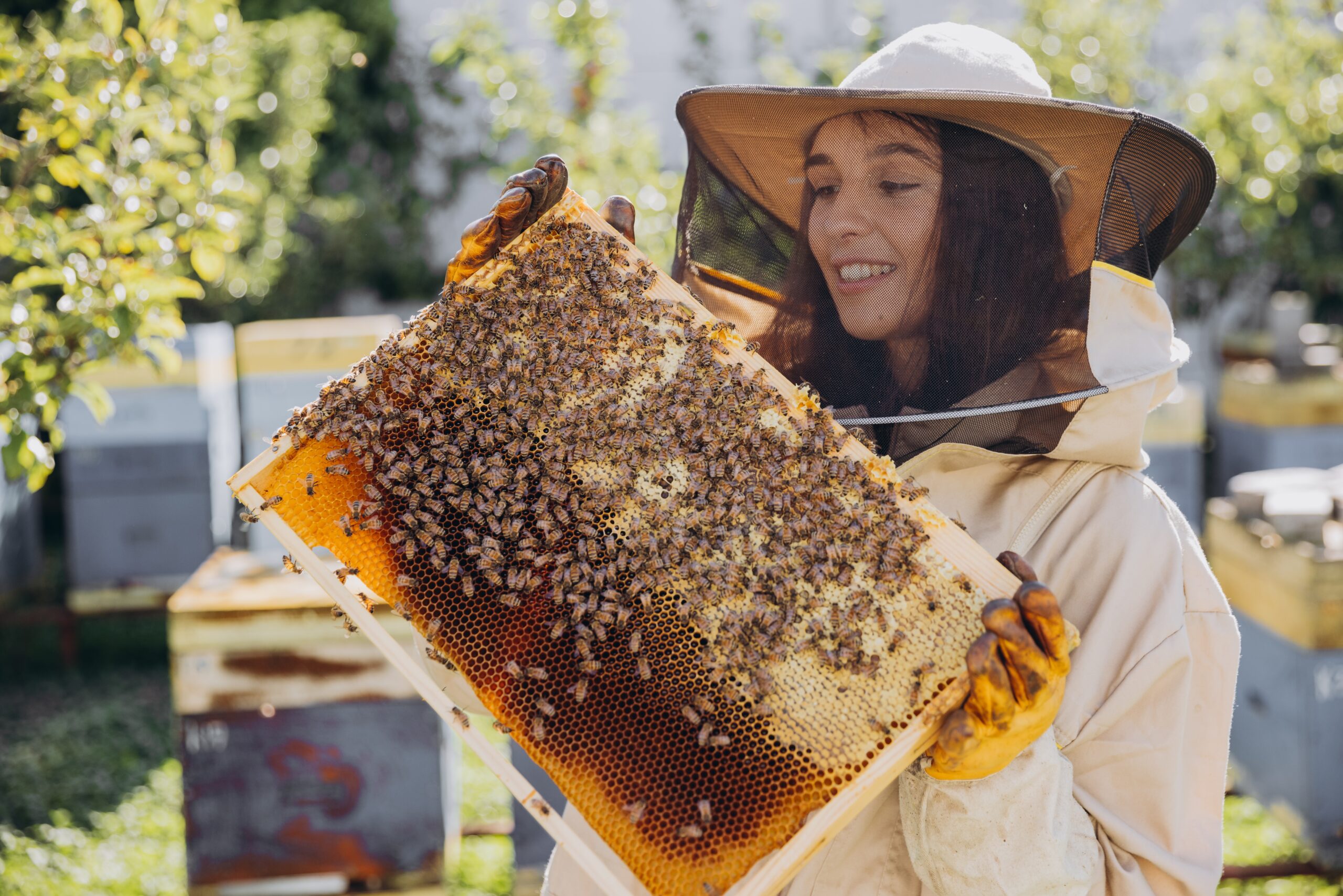
Local beekeeping associations and clubs are valuable resources for beginners. Many organizations offer classes, workshops, mentorship programs, and seasonal advice.
Benefits of joining a beekeeping group include:
- Learning from experienced beekeepers
- Accessing local regulations and best practices
- Getting help with hive problems
- Networking with other hobbyists
- Participating in educational events
Associations can also help new beekeepers understand regional weather patterns, flowering seasons, and local bee health concerns.
Additional Useful Resources
- Insect Sting Allergies
- Fast Facts: Protecting Yourself from Stinging Insects
- 155 Amazing Bee Facts: History, Anatomy, Legends, and More
- The Anatomy of Honey Bees
- What Would Happen If Honey Bees Went Extinct?
- Honey Bees: The Colony and Its Organization
- Beekeeping Basics: Is Beekeeping Right For You?
- American Beekeeping Federation
- The Honey Bee Health Coalition
- The Bee Conservancy