

Different
Cuts of Beef
A Comprehensive Guide
Beef is one of the most popular meats in the world.
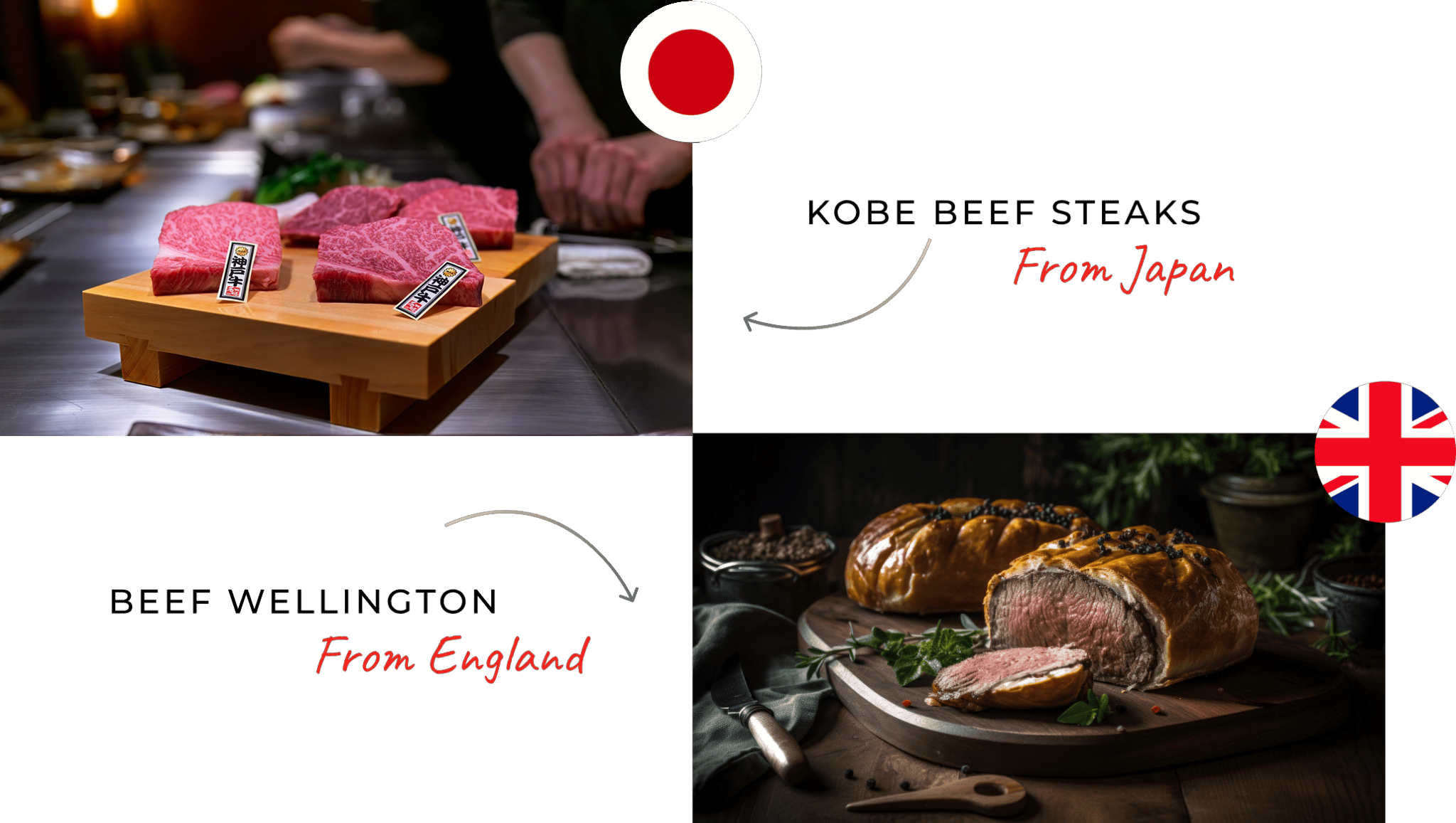
From the exquisite Kobe beef steaks of Japan to the hearty beef Wellington of England, beef is enjoyed by many different cultures.
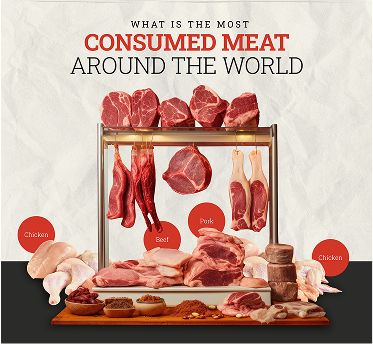
It’s no secret that Americans love beef. The US sits just behind Argentina as the second-highest consumer of beef per capita in the world, with roughly 58.5 lbs consumed per person each year. From backyard barbecues and Sunday roasts to quick weeknight burgers, beef has earned its place as a cornerstone of the American dinner table, and that doesn’t appear to be changing anytime soon.
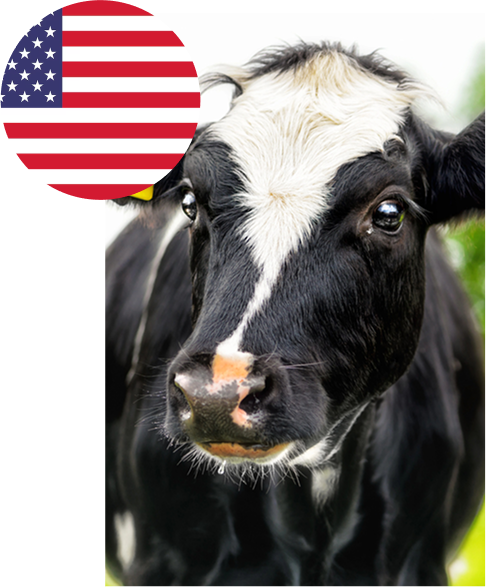
US 2nd in beef consumption after Argentina.
consuming
58.5 lbs
per capita in 2025
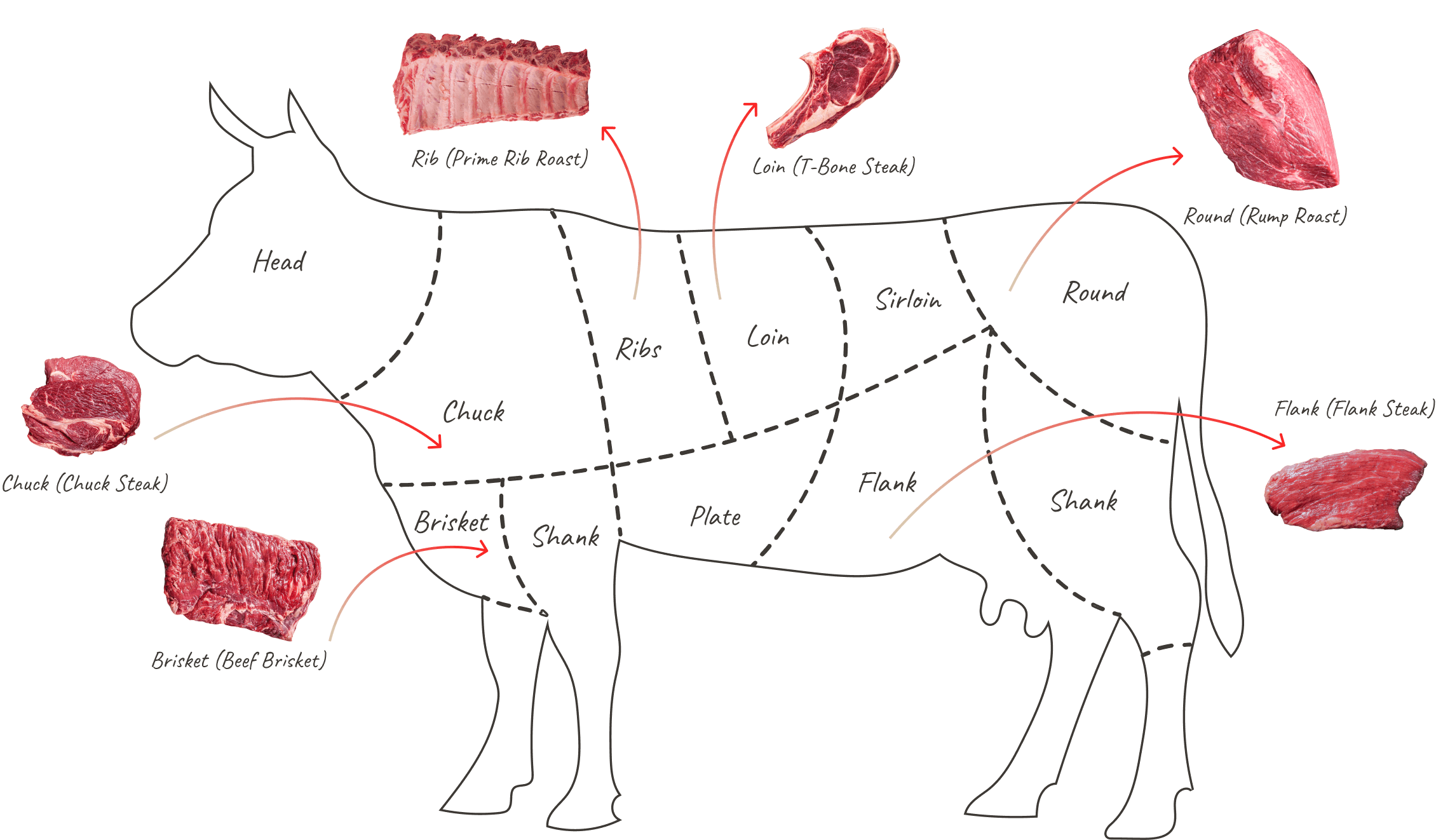
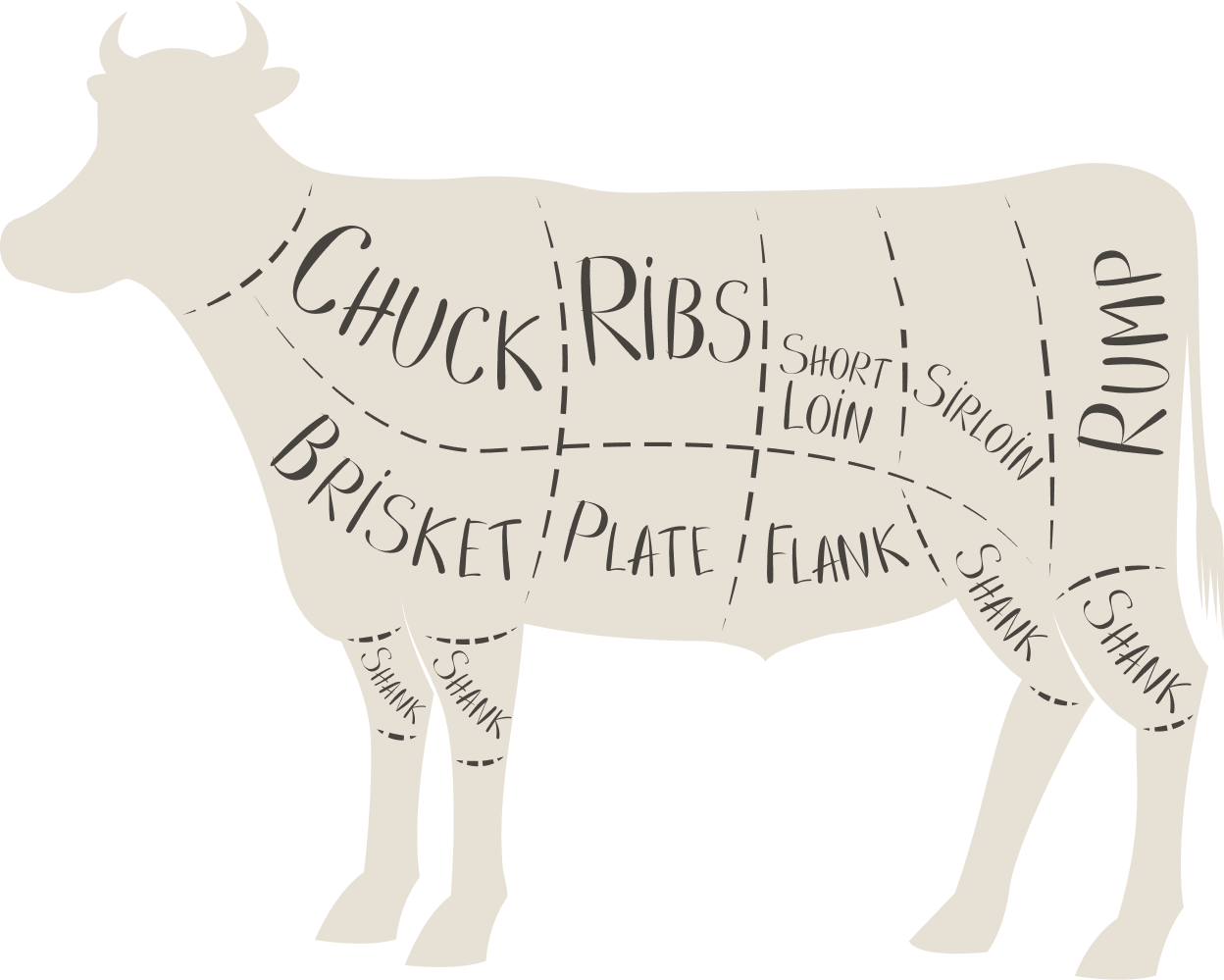
If you’re one of the many beef lovers out there, you should consider learning about the different kinds of beef cuts. As the diagram above shows, there are several parts to a cow, and knowing your sirloins from your chucks will make all the difference in your cooking. This guide contains all the information you need to impress your guests the next time you host a barbecue.
Nutrient Table for Various Meat Cuts
| Meat Cut | Serving Size | Fat (g) | Protein (g) | Calories (kcal) |
| Chuck Arm Pot Roast |
|
|
|
|
| Regular Ground Chuck |
|
|
|
|
| Grilled Ribeye Steak |
|
|
|
|
| Ribeye Roast |
|
|
|
|
| T-bone Steak |
|
|
|
|
| Eye of Round |
|
|
|
|
| Top Round |
|
|
|
|
| Cooked Flank Steak |
|
|
|
|
| Cooked Skirt Steak |
|
|
|
|
| Braised Brisket |
|
|
|
|
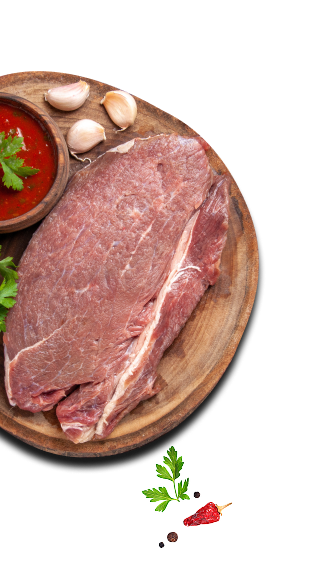
Understanding
Beef Cuts
DIFFERENT CUTS of BEEF
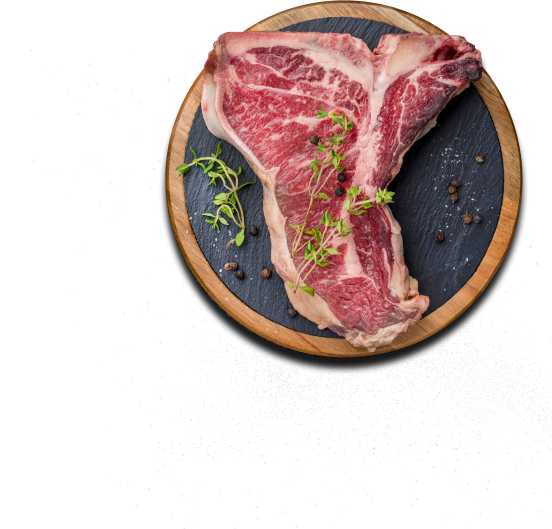
primal cuts
A cow is divided into various sections known as “primal cuts”, which are then further separated into subdivisions and smaller cuts, like steaks. Understanding the primal cuts is essential for butchers and chefs to identify the types of meat cuts best suited for specific dishes based on texture, flavor, and cooking methods.
It’s worth understanding these cuts as a consumer, too. This knowledge is great for impressing your guests and selecting the right types of beef for your dishes. But first, you must understand the process of how beef cuts are obtained. Here’s how it works:
01
The Cow is
Slaughtered
All cattle are slaughtered, and their bodies are retrieved from the slaughterhouse. They are then cleaned and prepared for the cutting stage.
02
The Carcass is
Divided
Once the cattle are slaughtered and cleaned, the carcass is halved along the spine, dividing it into two symmetrical sides. Each side is then sectioned into front and rear quarters.
03
The Primal Cuts
are Separated
After the main carcass has been divided into quarters, it is further divided into the primal cuts, which are the major sections from which all other steak cuts and meat pieces are derived.
Each primal cut contains muscle groups that are used differently, affecting the tenderness and flavor of the meat. In the next section, we’ll discuss each of these primal cuts in detail. By the end, you’ll have all the knowledge you need to select the best beef cut for your dish.
The Primal Cuts
A Detailed Exploration
DIFFERENT CUTS of BEEF
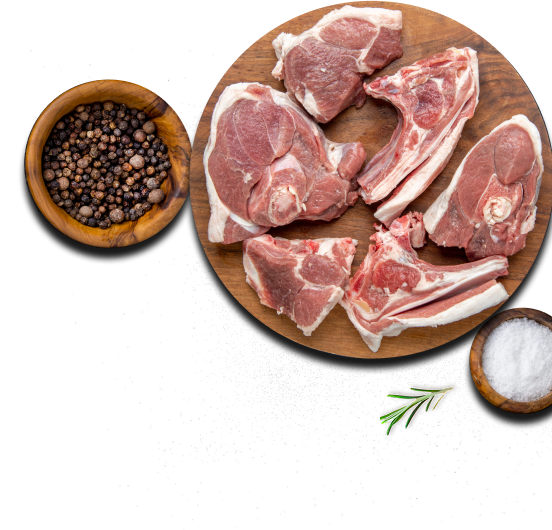
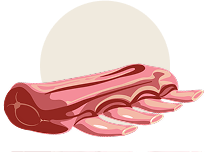
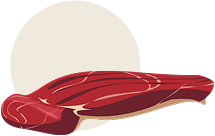
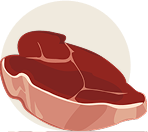
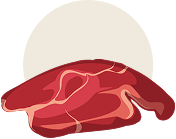
Eight primal cuts of beef come from a standard cow: the Chuck, Rib, Loin, Round, Flank, Short Plate, Brisket, and Shank. Each has its own unique taste, texture, and tenderness, and some are better suited to certain dishes and cooking styles than others. Read on to learn more about each primal cut.
Eight primal cuts of beef come from a standard cow
01
Chuck
02
RIB
03
LOIN
04
ROUND
05
Flank
06
Short Plate
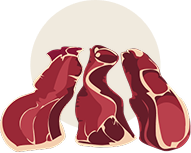
07
Brisket
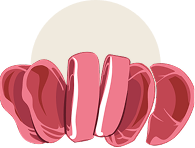
08
Shank
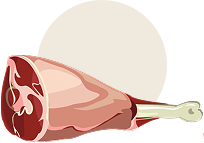
Chuck
DIFFERENT CUTS of BEEF
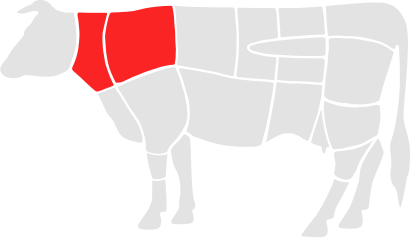
Chuck cuts are located at the front of the animal and include parts of the neck, shoulder blade, and upper arm. They are known for their rich flavor and are commonly used for ground beef, stews, and roasts.
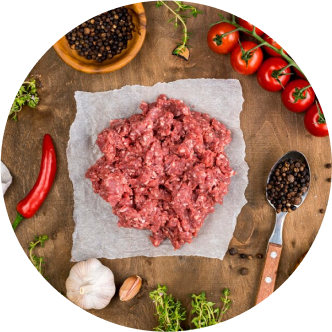
Ground Beef
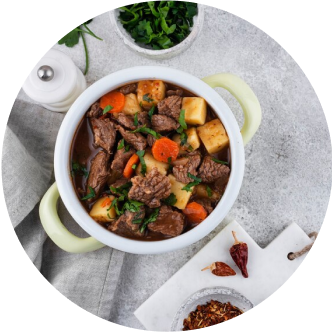
Stews
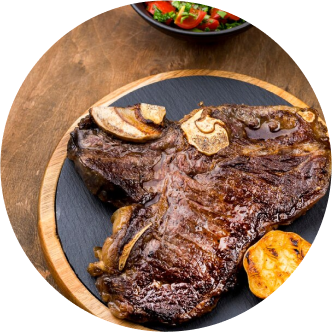
Roasts
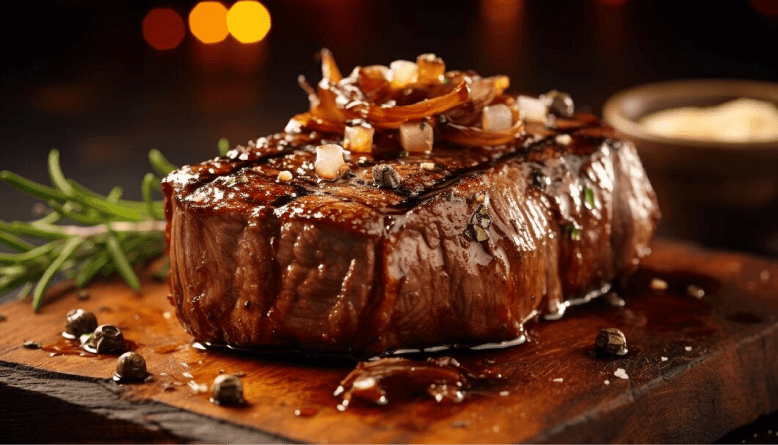
You can divide chuck into various subprimal cuts, each of which has distinct nutritional values. For example, chuck arm pot roast is moderately high in fat (83.5 g per 1 lb serving), while regular ground chuck has a higher fat content (120.5 g per 1 lb serving). Ground chuck varies in nutritional value depending on how lean it is.
chuck arm fat
83.5 g
1 lb serving
ground chuck fat
120.5 g
1 lb serving
You can prepare beef chuck in a variety of ways, which makes it a suitable cut for a wide array of beef dishes. Cooking techniques for chuck beef include:
Braising
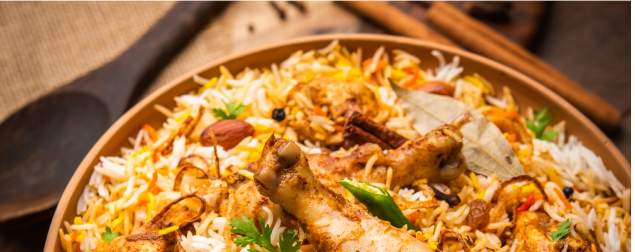
Braised chuck is the most popular way to cook this cut. This method slowly breaks down the tough connective tissues to produce tender and succulent dishes.
Slow Cooking
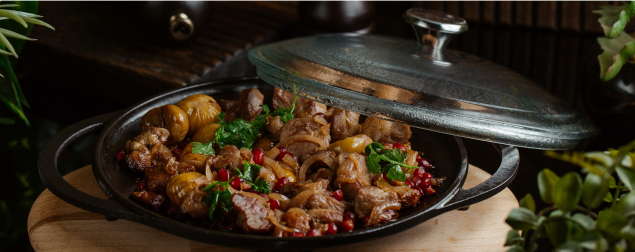
Similarly, preparing beef chuck in a slow cooker is an excellent choice because it tenderizes the tough tissue with delicious results. If you don’t have a slow cooker, you can sear the chuck slowly in a pan, covering it with a lid to lock in the moisture.
Pressure Cooking
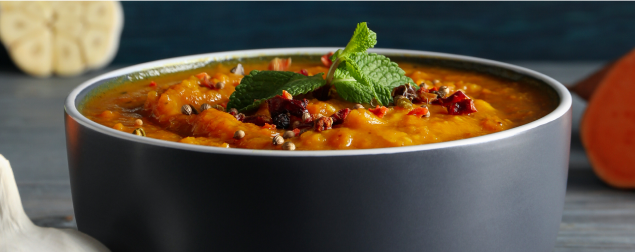
If you’re short on time, pressure cooking beef chuck reduces the preparation time yet still tenderizes the meat effectively.
Stewing
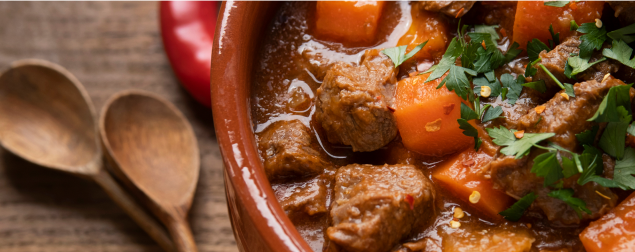
A similar method to braising, stewing involves cutting the meat into smaller pieces and frying them in broth to create juicy chunks of beef chuck.
Grinding
Beef chuck is also commonly used in mincemeat for burgers, meatballs, and meatloaf. Grinding the chuck utilizes machines to tenderize the meat mechanically, creating tender and flavorful ground beef for dishes like tacos.
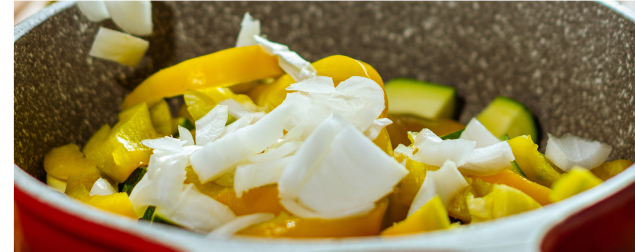
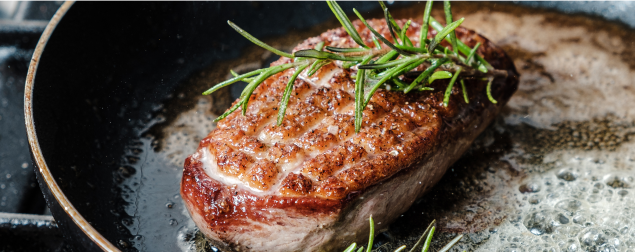
Beginning with the meat slowly cooking over low indirect heat, you then turn the heat up to high to achieve a reverse sear effect. The high heat causes the meat to contract and release flavorful juices, creating a wonderfully tenderized result.
Rib
DIFFERENT CUTS of BEEF
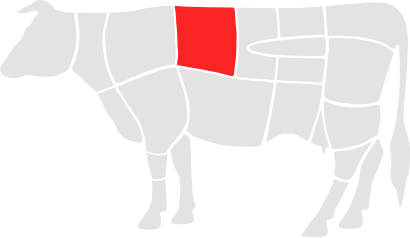
The rib cut is located near the spine of the cow and covers the upper rib cage. This section is known for its marbling and tenderness, two qualities that make it ideal for ribeye steaks and prime rib dishes.
ribeye
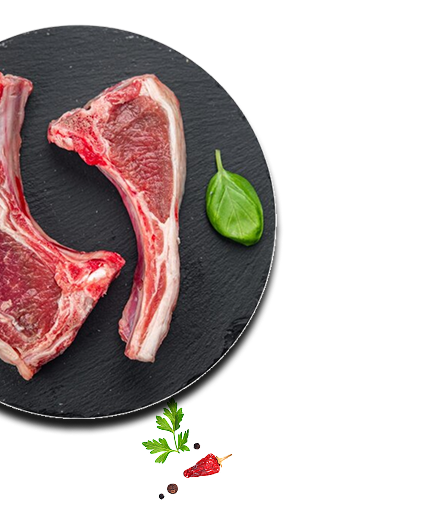
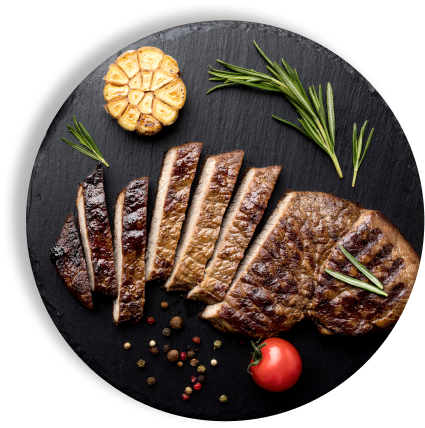
Its subprimal cuts include ribeye steak, ribeye roasts, and back ribs. A typical 100-gram grilled ribeye steak contains around 23.5 g of fat, 22.9 g of protein, and 303 kcal. A ribeye roast of the same weight contains roughly the same nutritional values: 23 g of fat, 23.9 g of protein, and 303 kcal of calories.
100-gram ribeye
23g
fat
23.9g
PROTEIN
303kcal
calories
Popular Way to Cook Rib Cuts: Grilling
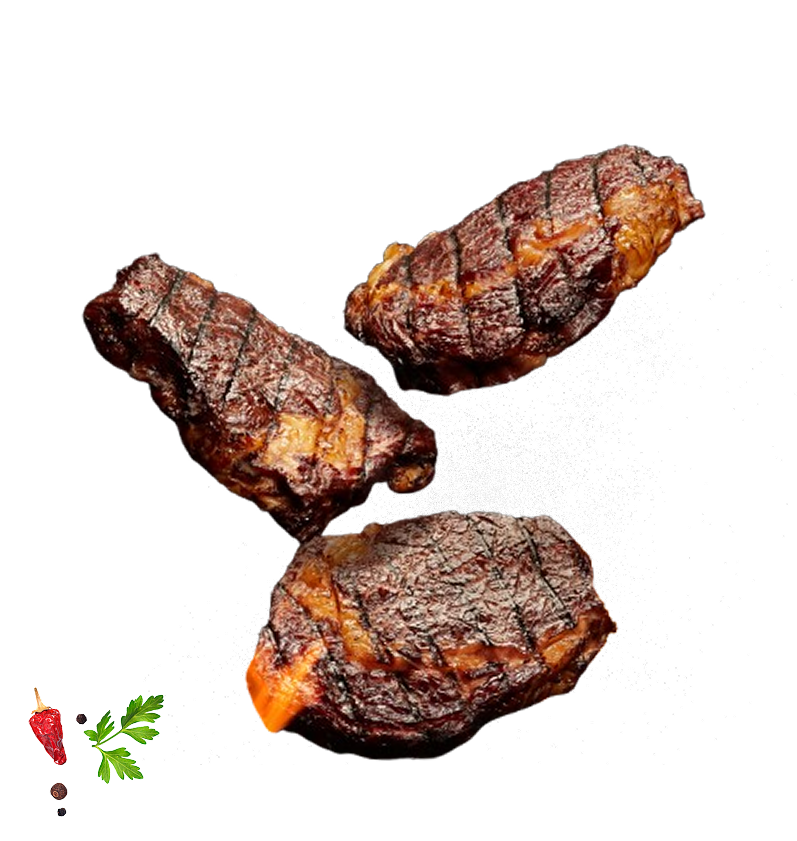
You can cook rib cuts in many ways, but grilling is by far the most popular. This is because it quickly sears the meat and creates a caramelized crust while keeping the inside juicy and tender. Outdoor grilling isn’t always practical, though, so broiling rib cuts is often preferred during the colder months.
Pan-searing, reverse searing, and roasting are additional methods of cooking rib cuts. Pan-searing can create restaurant-quality crusts with a tender interior, while roasting is ideal for larger rib cuts like standing rib roast or prime rib.
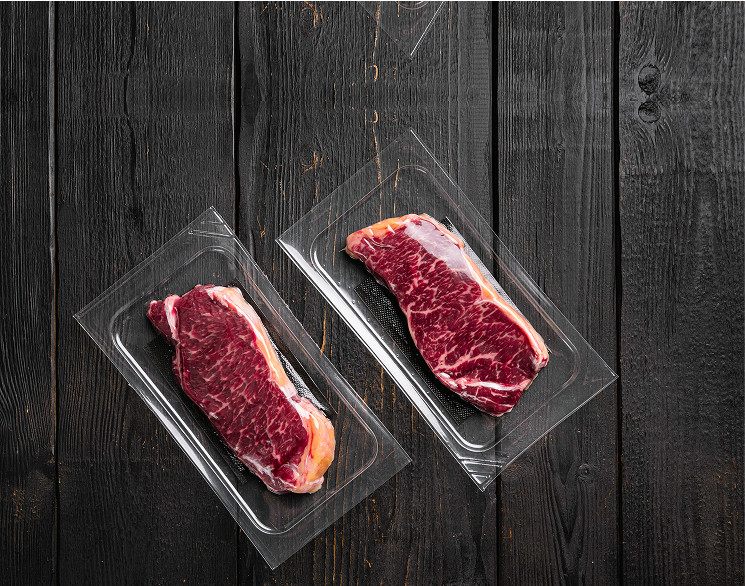
“sous vide” –
“under vacuum” cooked
Then there’s sous vide, a cooking method that involves sealing the meat in an airtight bag or container before cooking it in a precisely controlled water bath at a low and consistent temperature. The term “sous vide” is French for “under vacuum”, which refers to the process of vacuum-sealing the food, although not all sous vide cooking requires this step.
Loin
DIFFERENT CUTS of BEEF
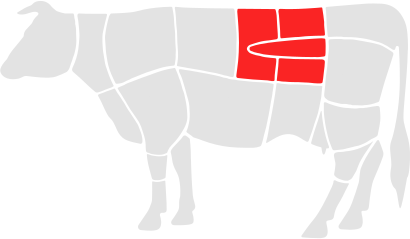
The loin section is also next to the backbone and is divided into the short loin and sirloin. The short loin produces high-end cuts like T-bone and porterhouse steaks, while the sirloin offers slightly tougher but still very flavorful steaks. You’ll often find subprimal cuts of loin in restaurants, and you may be familiar with such cuts as:
T-Bone Steak
With its distinctive T-shaped bone, the T-bone steak is the king of the restaurant. It’s juicy, thick, and packed with nutritional value (around 24.2 g of protein and 294 kcal per 100 g).
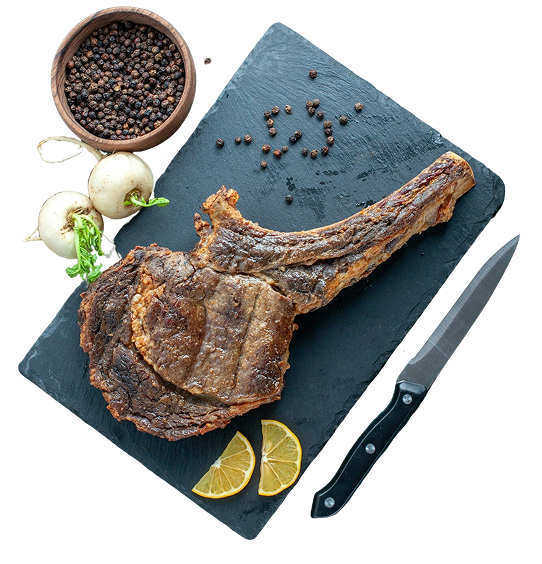
100-gram T-Bone Steak
24.2g
PROTEIN
294kcal
calories
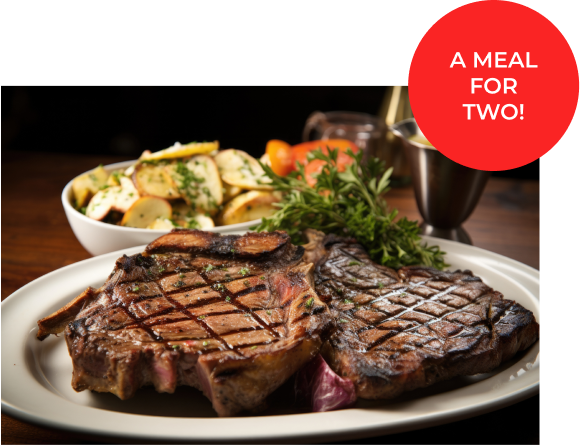
Porterhouse Steak
The porterhouse steak is one of the most desired cuts and is common in high-end restaurants. It’s formed from the tenderloin and top loin, which is why it’s normally marked as a two-person meal on the menu!
Filet Mignon
The filet mignon steak might seem intimidating, but it’s actually one of the easiest cuts to cook. The key is not to overdo it; the cut already comes from the most tender part of the cow, so less is more with filet mignons.
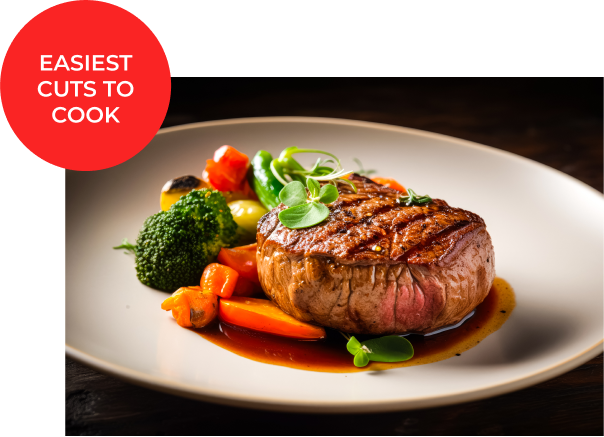
Preparing loin cuts can be done using a range of methods, including grilling, broiling, pan-searing, roasting, sous vide, and stir-frying. Grilling is the most popular, but more distinctive techniques like stir-frying can produce much tastier results for certain dishes and cuts. Thin slices of sirloin steak are ideal for stir-fries.
ROUND
DIFFERENT CUTS of BEEF
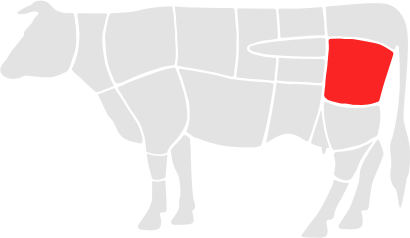
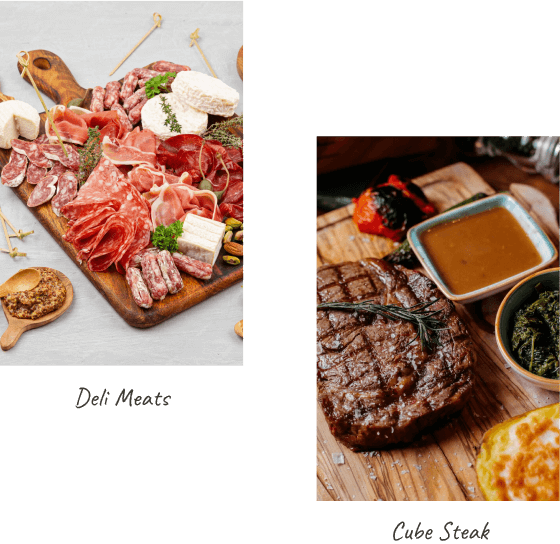
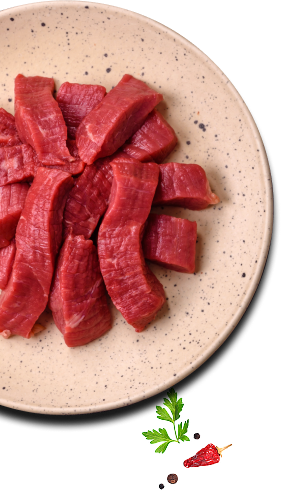
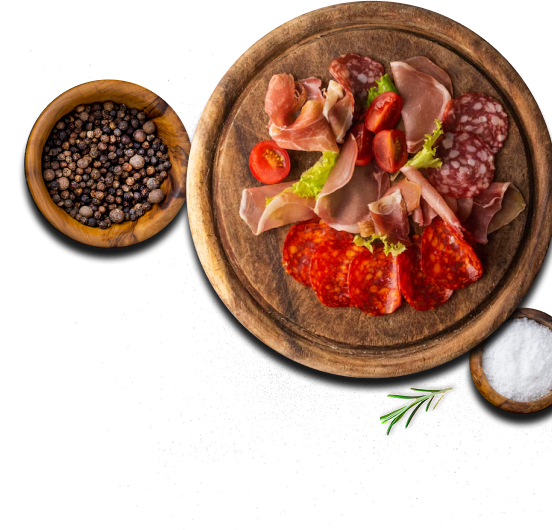
The round cut comes from the rear of the animal and includes the rump and hind legs. It’s often a leaner and less tender cut that’s used for deli meats and cube steak. Round cuts are typically cheaper and used in processed foods, but also go great in stews and roasts.
The round prime cut is typically divided into multiple subprimal cuts, including top round, bottom round, and eye of round. These cuts often have a moderate fat content but are packed with protein. For example, a 1 lb eye of round generally contains 65 g of fat and 89.5 g of protein.
A top round, meanwhile, contains 35.6 g of protein per 100 g, making it one of the most protein-rich beef cuts available.
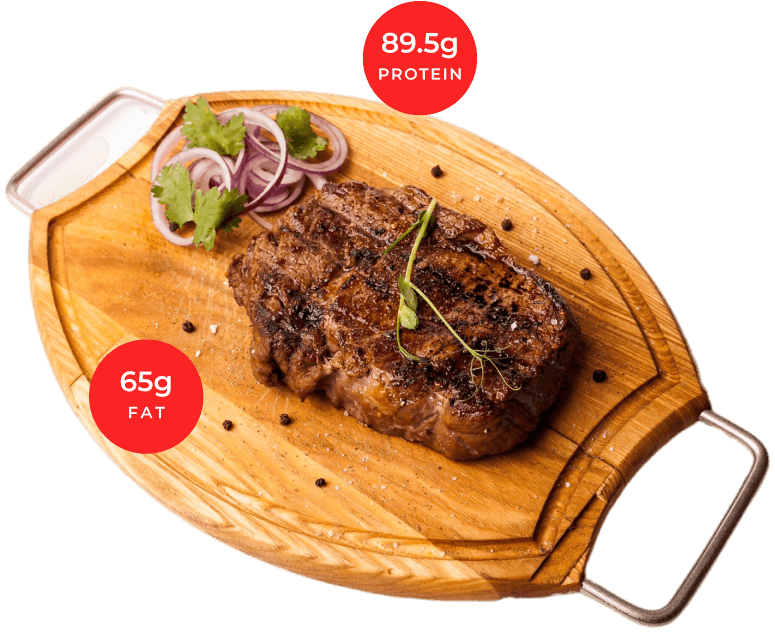
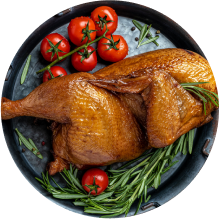
Round cuts are often processed into deli meats and other packaged cuts, but they’re also great for home cooking. You can braise, roast, stew, and even slow-cook round steaks for a refined dish bursting with flavor. The techniques of sous vide and pressure cooking are also suitable.
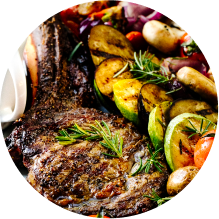
Braise
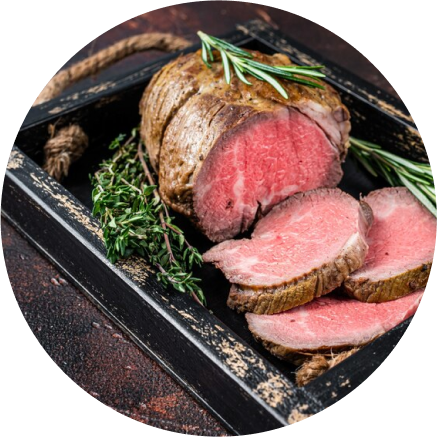
Roast
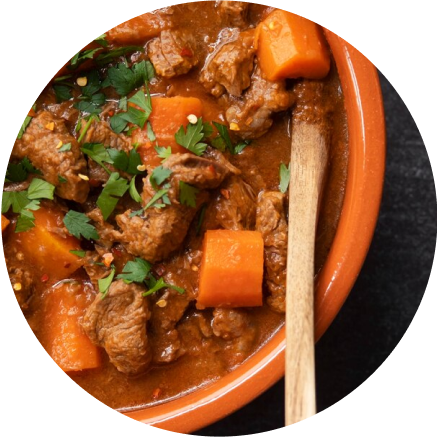
Stew
Slow-Cook
flank
DIFFERENT CUTS of BEEF
Strong Beefy Flavor & a Much Tougher Texture
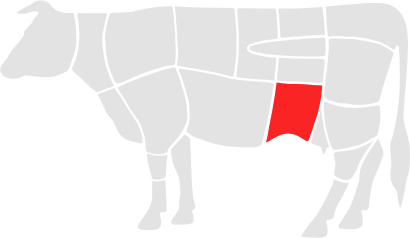
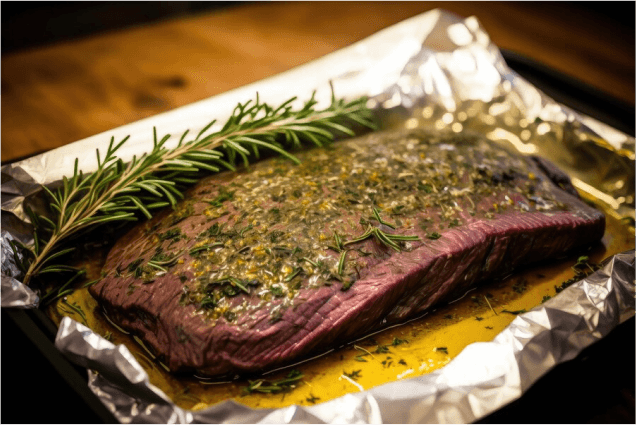
Located below the loin, the flank is used primarily for steaks and stir-fries. This part of the cow is known for having a strong beefy flavor and a much tougher texture than other cuts. Its main subprimal cut is the flank steak, which is a budget-friendly yet delicious option for meat lovers.
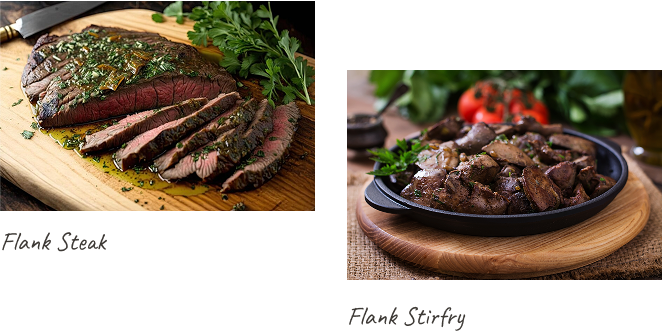
A typical 3 oz cooked flank steak contains 160 calories, 6 g of fat, and 23 g of protein. This makes it one of the least fatty cuts, but it also means it can be tough to chew and requires a good deal of tenderization before eating.
FLANK STEAK NUTRIENTS
3 oz FLANK STEAK
6g
fat
23g
PROTEIN
160kcal
calories
Marinate for Perfect Flank Steak!
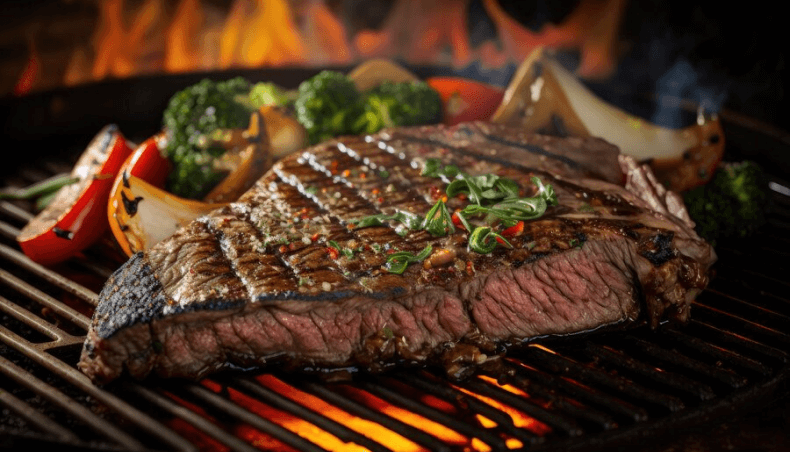
Marinating is the best way to cook the perfect flank steak, thanks to the cut’s ability to absorb flavors and its need for tenderization. Coat your flank steak with spices and sauces and leave for a full day. After this, you can grill, broil, or pan-sear the meat for juicy and flavorful results. The sous vide and stir-fry techniques are also ideal cooking methods for flank cuts.
Short Plate
DIFFERENT CUTS of BEEF
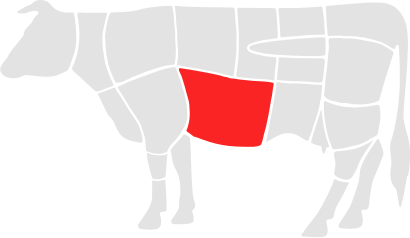

Situated below the rib, towards the belly of the animal, the short plate prime cut is best known for short ribs and skirt steaks. These are flavorful but tough, often requiring a lot of tenderization to bring the texture in line with more high-end cuts.
BRAISED
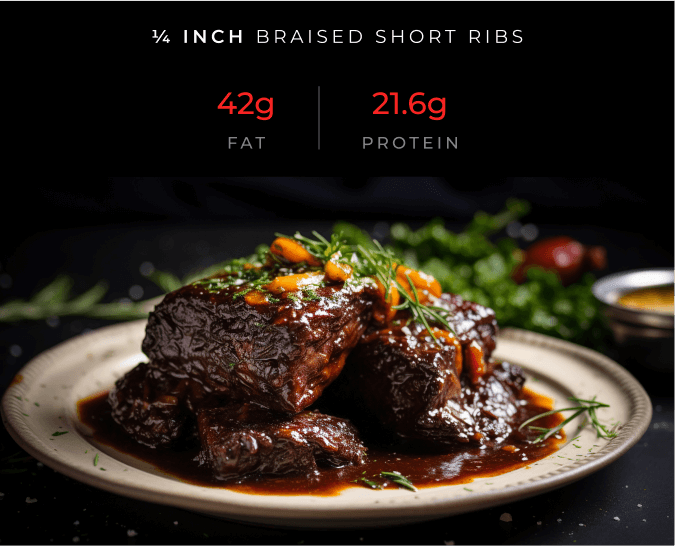
Short ribs are small cubes of steak that include a part of the rib bone and thin bands of muscle. Because the muscles are stronger in this section, the meat is less tender, which is why braising, slow-cooking, and stewing in liquid are the recommended cooking methods for short ribs. Braised short ribs (trimmed to ¼ inch) typically contain 21.6 g of protein and 42 g of fat.
GRILLED
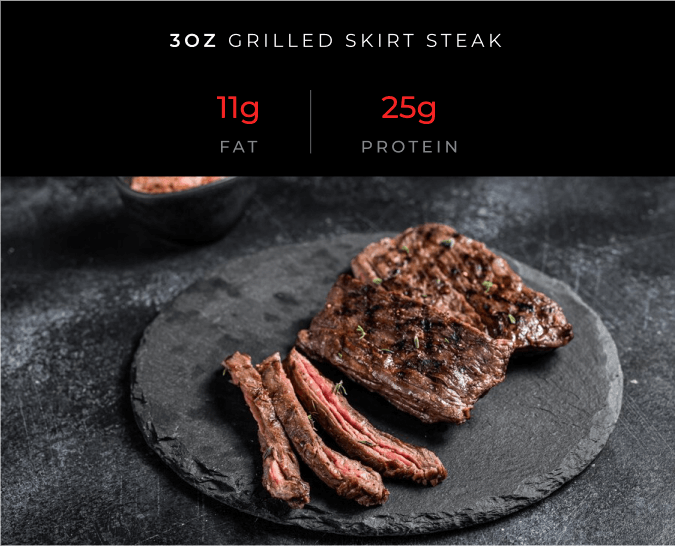
Grilling is also suitable for short plate cuts like skirt steak. Despite the toughness of the meat, the flavor is extremely potent, and grilling using high direct heat will produce a crispy outer edge and a juicy inner. The average 3 oz cooked skirt steak is high in fat (11 g) and protein (25 g).
Brisket
DIFFERENT CUTS of BEEF
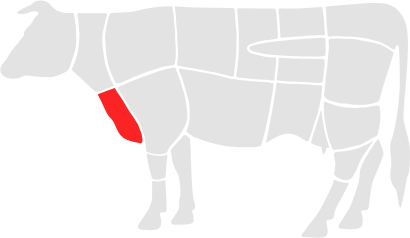
Jewish Community
Loves Brisket
Brisket has long been a favorite of the Jewish community and Texan barbecue fanatics. Cut from the breast or lower chest of the cow, brisket is a tough cut that benefits from slow cooking methods like braising and smoking to tenderize the meat and encourage the juices to flow.
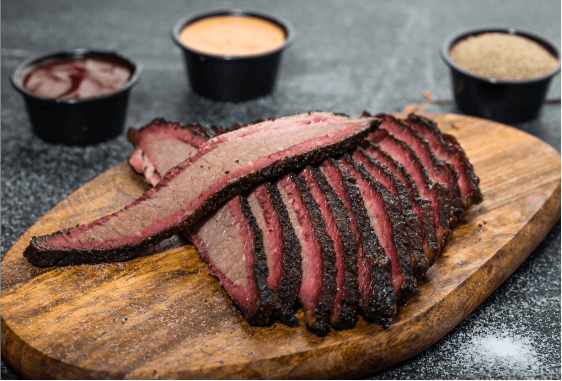
A 3 oz flat, braised brisket typically contains around 6-7 g of fat, as it’s a lean cut with more muscle than fat. This is why it’s often tough to chew and requires cooking in liquid to make it more tender and soft. Brisket is also high in protein, with around 27.4 g per 3 oz steak.
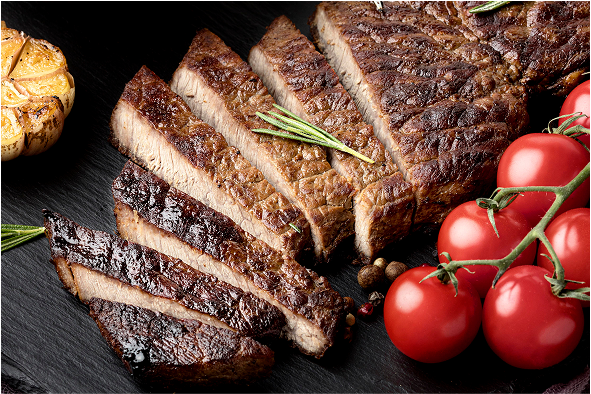
3 oz braised brisket
07g
fat
27.5g
PROTEIN
Smoking is Best for Brisket Preparation
Brisket can be cooked in various ways, including sous vide, pressure-cooking, slow-cooking, and braising. However, smoking is generally considered the best method of preparing brisket. Smoked brisket is an iconic dish for meat lovers and earns its rightful place as the king of barbecue cuisine.
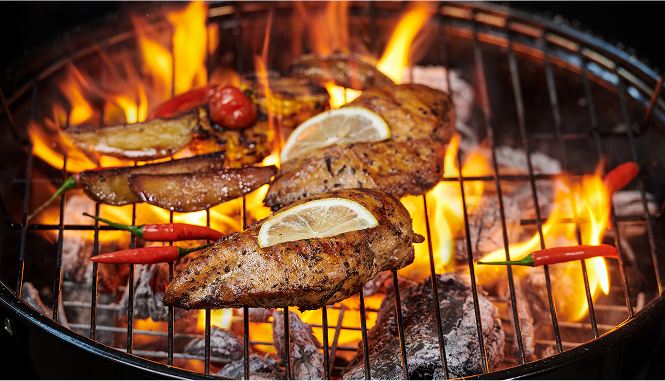
Grillio charcoal
smoker
With a Grillio charcoal smoker, you
can smoke brisket to perfection. The
natural wood infuses your meat with
authentic smoky flavors, enabling you
to serve your friends and family a
professionally prepared brisket dish.
SHANK
DIFFERENT CUTS of BEEF
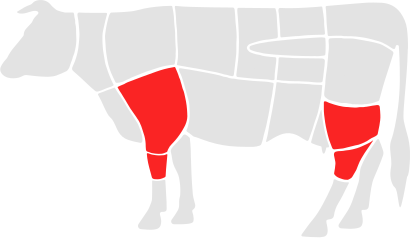
Beef shank is a very lean, tough, and sinewy prime cut. It’s located in the legs of the cow and is primarily used to make lean ground beef, soups, and gravy. The marrow is also ideal for stocks. Because they’re so tough and full of muscles, shank cuts require long and slow cooking to break down the connective tissue.
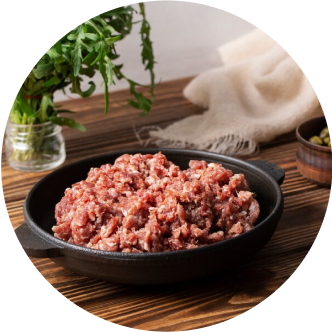
Ground Beef
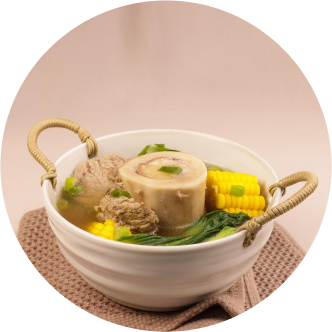
Soups
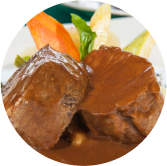
Gravy
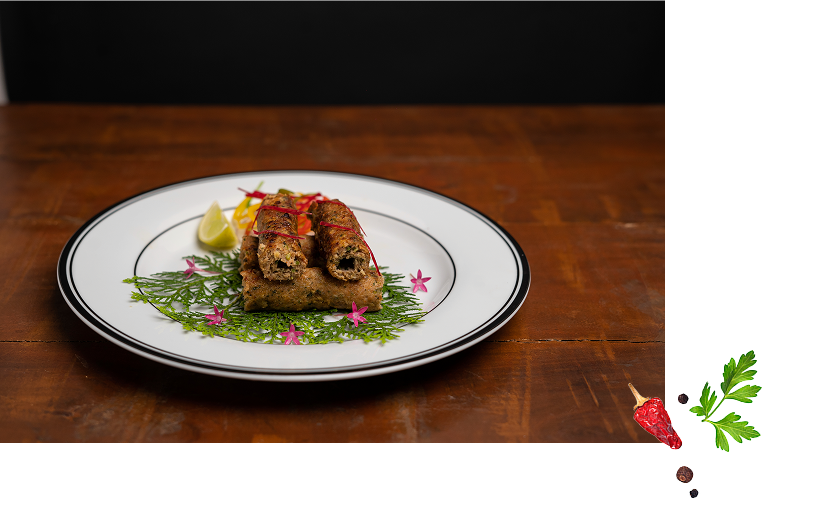
As such, the best cooking techniques for beef shank cuts are slow cooking, braising in liquid, pressure cooking, stewing, and sous vide. Shanks aren’t widely found in supermarkets, but they can be very affordable if bought from a butcher.
Choosing
the Right Cut
DIFFERENT CUTS of BEEF


grillio gas grill
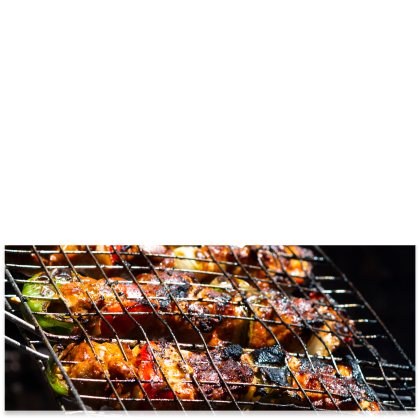
Which beef cut is best for you? Well, that depends on what you want to cook and what equipment you have available. Naturally, a gas grill or outdoor smoker is an essential piece of kit for preparing the best-tasting beef dishes for your guests, but some cuts require braising, stewing, and even the unconventional sous vide method.
Here are four things you should consider when selecting a beef cut:
01
Cooking Time
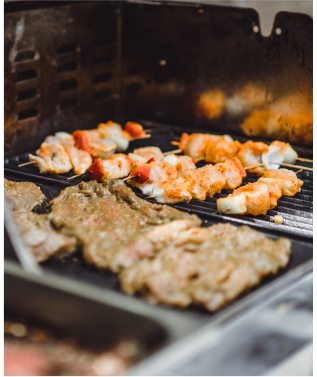
If you’ve set aside a whole day for your cooking preparations, you have more scope to choose tougher cuts like briskets and flanks, as these require slow cooking methods to tenderize. If you’re looking for a quick-prep dish, choose more tender cuts like ribs and loins.
02
Fat Content
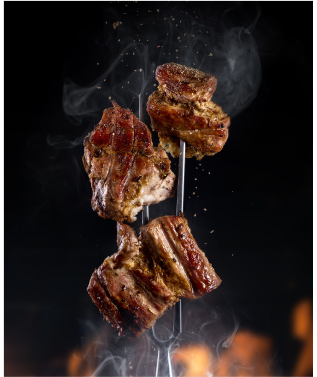
Fattier cuts are more flavorful and tender when cooked correctly, making them ideal for high-heat cooking methods like grilling. If you’re looking to fire up your grill, pick a cut with a higher fat content.
03
Budget
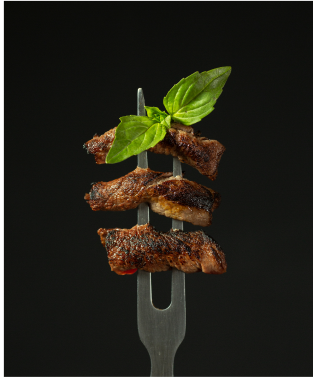
It’s essential you figure out your budget before picking a beef cut, as there can be huge price disparities between cuts. High-end cuts like porterhouse steaks and filet mignons are a lot more expensive than others, such as top sirloin or chuck.
04
Purpose of the Meal
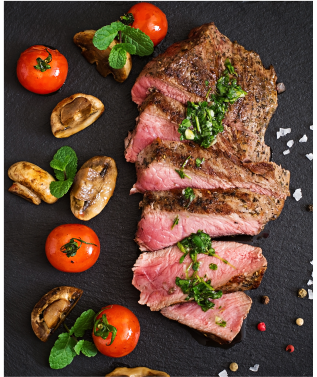
Lastly, consider the occasion and your desired presentation. Special events like neighborhood barbecues might call for prime ribs, while weekday family meals may be better suited to a hearty beef stew or a lean ground beef chili.
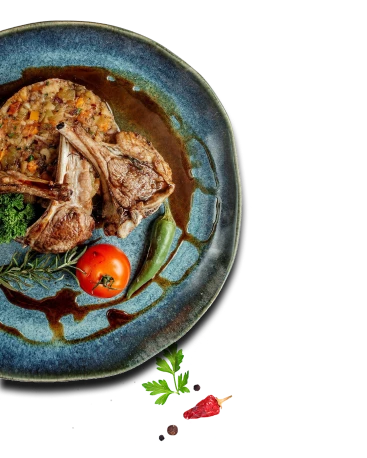
The
Butcher’s Role
DIFFERENT CUTS of BEEF
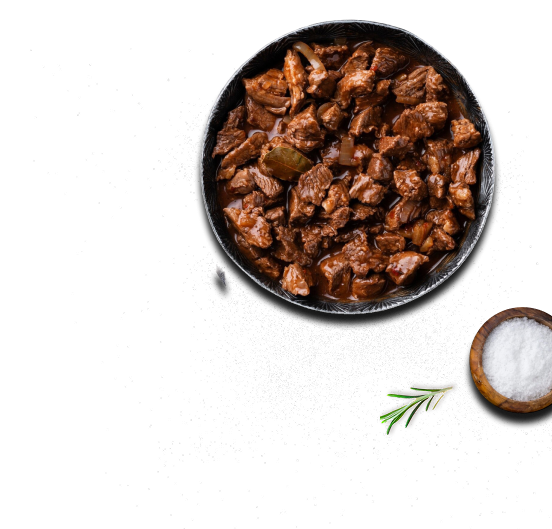
If you’re a butcher, you’ll likely come across a lot of customers who are unsure about which beef cut to choose. Fortunately, there’s plenty you can do to guide them through selecting and preparing different cuts. Here’s how you can play your part in getting the right beef cuts to the right customers:

01
Understand Customer Needs
By asking your customers a few simple questions, you can offer them tailored recommendations based on their requirements. Inquire about the occasion, the type of meal, and how the customer prefers to cook their meat. With this information, you can suggest cuts that suit their needs.

02
Explain Beef Cuts
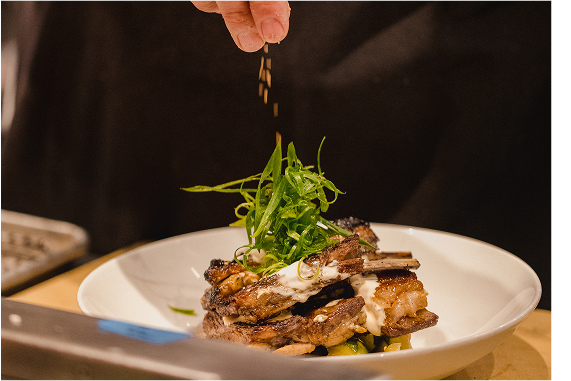
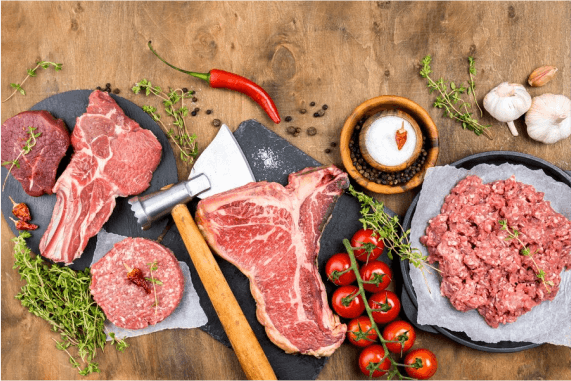
Use your expertise as a butcher to provide your customers with information on the various primal and subprimal beef cuts. Discuss flavor profiles, tenderness, fat content, and the best cooking methods for each cut, using visual aids like charts if possible.
03
Recommend Cooking Methods
Advise your customers on optimal temperatures and cooking techniques for each cut of beef. You can also offer recipe suggestions and preparation tips, like how tougher cuts like short ribs are best used in stews or cooked with liquid to unleash the tenderness.
04
Offer Preparation Tips
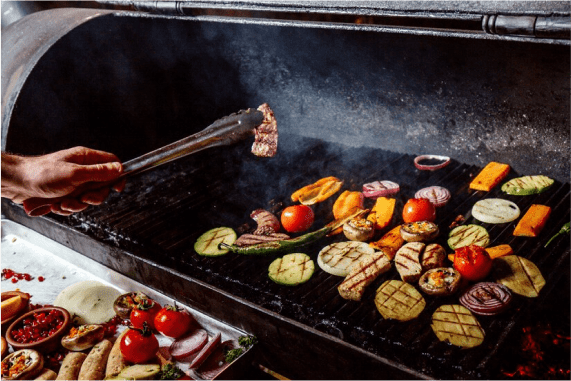
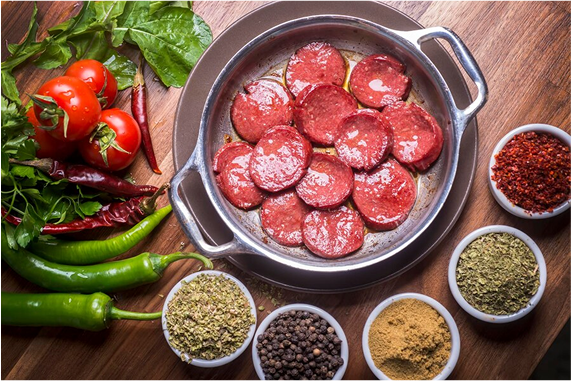
As well as cooking tips, you can offer your customers advice on marinating, tenderizing, and cutting beef. For example, you could discuss how flank steaks are best left marinating in sauce overnight to enhance the flavor and tenderness. You can also offer cutting demonstrations on how to properly slice meat, such as cutting against the grain.
05
Customize Cuts
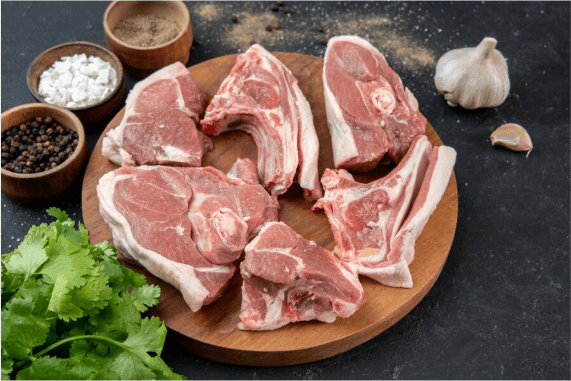
Offering customizable cuts will allow your customers to find the right beef cut for their requirements. For instance, you can charge by weight, giving the customer the exact amount of ribs or sirloin steak they need. You could also fulfill special requests for specific butchering styles like halal and kosher or less common cuts like shanks for a gravy mix.
06
Give Handling and Safety Tips
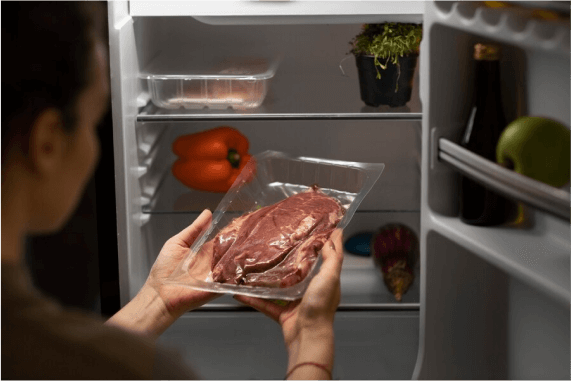
It’s always a good idea to give health and safety tips to your customers, including advice on how to properly store beef to maintain freshness and food safety practices like effective thawing and cooking temperatures.
07
Offer Promotions and Classes
Hosting events or sales and promotions can improve your brand’s reputation and customer acquisition levels. Tasting sessions and classes are great for teaching customers about the different beef cuts and cooking methods.
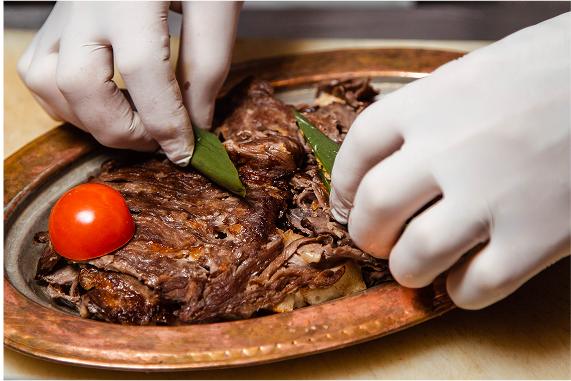
When you provide this level of guidance and education, you can build relationships with your customers and ensure they keep coming back. Once you’ve got some established regulars, you can start offering personalized recommendations based on their known preferences and habits. This will build customer loyalty and improve your sales.
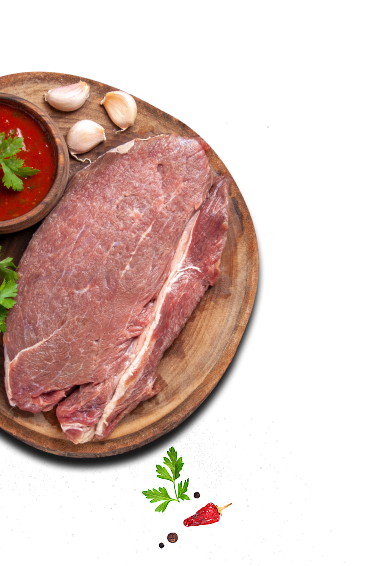
Final Thoughts
DIFFERENT CUTS of BEEF
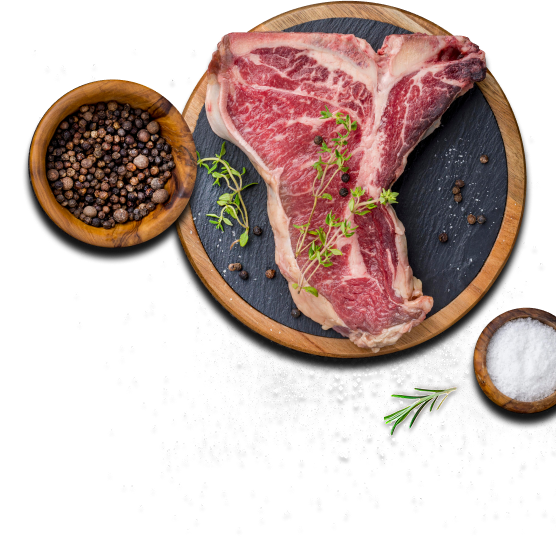
Knowing the different cuts of beef will allow you to create impressive dishes that turn your barbecues into the talk of the town. Once you learn the differences between your ribs, rounds, and chucks, you’ll be able to select the right cuts and cook them to perfection.
experiment a little
We encourage you to experiment a little to really gain a deep understanding of beef cuts. Don’t just buy the same steak over and over again; mix it up and cook different dishes to hone your skills and impress your guests. After all, grilling a whole T-bone steak is completely different from slow-roasting skirt steak. You could even try creating a stew with some cheaper cuts!
Soups
Stews
Roasts
Grillio
DIFFERENT CUTS of BEEF
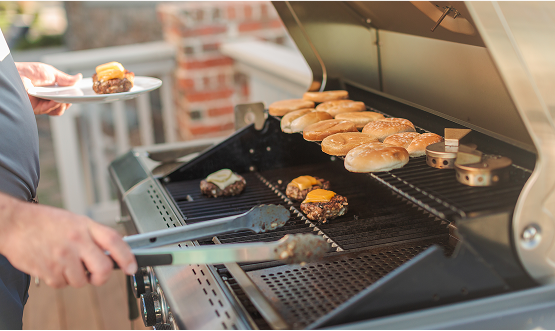
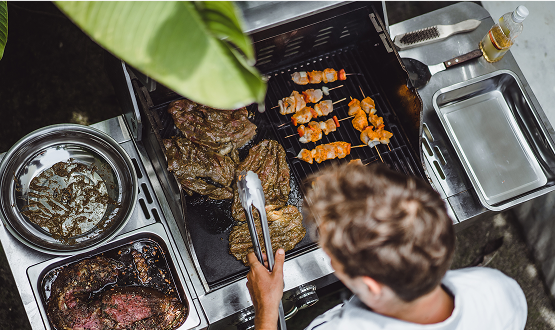
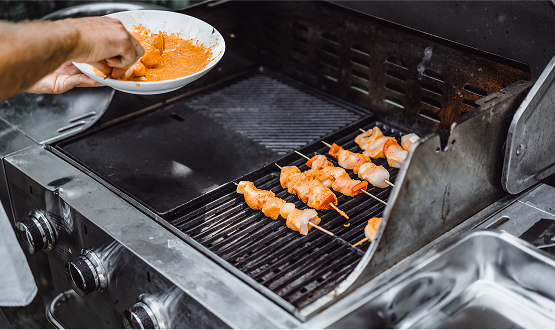
If you’re serious about cooking meat, you need the best equipment possible. Grillio has the best BBQ grills and smokers on the market, as well as a wide range of outdoor kitchens and cooking accessories. Shop a wide catalog of high-quality grills right here and give yourself the best opportunity to cook the perfect beef dish.
What's the most tender cut of beef?
The tenderloin, also known as filet mignon, is generally considered the most tender cut.
Which cut is best for grilling?
Ribeye, strip steak, and T-bone are excellent choices for grilling due to their marbling and flavor.
What's the difference between a strip steak and a ribeye?
Strip steak is leaner with a tight texture, while ribeye has more marbling and a looser grain.
What cut should I use for slow cooking or braising?
Tougher cuts like chuck, brisket, and short ribs are ideal for slow cooking methods.
Which cut offers the best value for money?
Chuck and sirloin are often considered good value cuts, offering flavor at a lower price point.
What's the difference between prime, choice, and select grades?
These USDA grades indicate quality, with prime having the most marbling, followed by choice, then select.
What cut is best for making stir-fry?
Flank steak or sirloin are good choices for stir-fry due to their lean nature and ability to cook quickly.
Which cut is used for beef jerky?
Lean cuts like top round, bottom round, or flank steak are typically used for making beef jerky.
What's the best cut for a pot roast?
Chuck roast is ideal for pot roasts due to its rich flavor and how it becomes tender with slow cooking.
What's the difference between skirt steak and flank steak?
Skirt steak is thinner with more intense flavor, while flank steak is leaner and slightly more tender.