


Every meal you prepare, whether in a commercial kitchen or on your backyard grill, carries a responsibility: making sure it’s safe to eat. Proper food handling covers everything from hygiene and sanitation to cooking at the right temperatures and storing leftovers correctly. When these steps are skipped or done carelessly, the consequences can be serious. Foodborne illness affects millions of people every year, and while some cases are mild, others can land people in the hospital or worse. For businesses, a single outbreak can destroy a reputation overnight. Understanding the basics of safe food handling isn’t optional. It’s essential.

Food Handling Laws and Consequences
Anyone who operates any kind of food-serving business must assign someone to be responsible for food safety, according to the U.S. Food and Drug Administration Food Code. It’s this person’s job to make sure that the business is keeping food at the proper temperature at all times. Failure to do so can lead to outbreaks of illnesses like listeria, salmonella, or E. coli. Further consequences may include lawsuits or government action, potentially including fines or even the closure of the business.
Four Basic Steps for Safe Food Handling

-
- Clean: Wash your hands thoroughly, make sure that all of your cooking tools are clean, and rinse any fruits and vegetables you’re cooking with.
- Separate: Keep raw meats, eggs, and seafood separate from your other ingredients. This includes plates, containers, cutting boards, utensils, or anything else that touches those ingredients. Cooked meats should go on a new, clean plate or cutting board once they come off the grill grates, griddles or pans
- Cook: Cook your food to a safe internal temperature. The safe temperature varies depending on the type of food. Once it’s cooked, if you’re serving the food buffet-style, keep it above 140 degrees as it’s being served. If you’re reheating pre-cooked food, bring it to at least 165 degrees before serving it.
- Chill: Keep cold foods at or below 40 degrees at all times. If you need to refrigerate hot foods, cool them down as quickly as possible by putting them into smaller containers before you put them in the fridge or using an ice bath to bring the temperature down faster. Leftover food should be chilled within two hours of when it’s served.
Rules for Handling Different Types of Foods Safel
Dairy Products
- Store dairy products below 40 degrees at all times.
- Ice cream should be kept at or below below 0 degrees in the freezer.
- Unopened evaporated or condensed milk can be kept at room temperature, but once it’s opened, it must be refrigerated.
- Do not put excess milk or cream back into the original container.
- Do not use or serve anything that contains unpasteurized milk, with the exception of hard cheeses aged for at least 60 days.
- If you see mold on a hard cheese, cut off the moldy area. If you see mold on a soft cheese, throw it away.
Meats and Fish
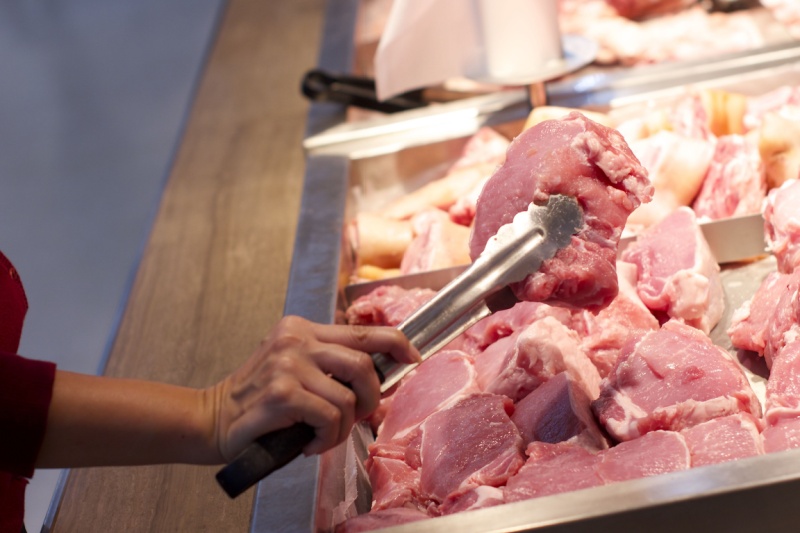
- Do not wash meats, fish, or seafood; this only spreads germs around the kitchen.
- Defrost frozen meat in cold water or in the microwave. If it’s defrosted in the microwave, cook it immediately.
- Always marinate meats in the refrigerator, not on the kitchen counter.
- If you want to brush on some of the marinade while the meat is on the grill, bring the marinade to a full rolling boil in a saucepan first.
- Do not slow-cook frozen meats.
- Cook all meats to a safe internal temperature. This should be at least 145 degrees for beef, pork (including ham), veal, lamb, fish, or shellfish; 160 degrees for ground meat; or 165 degrees for all types of poultry.
Eggs
- Do not wash eggs.
- If you come across a damaged egg, throw it away.
- Eggs and egg dishes should be cooked to an internal temperature of at least 160 degrees.

Fruits and Vegetables
- Rinse fruits and vegetables before using them, even if you plan to peel them. Do not use soap.
- Cut off any damaged areas and discard them before cooking.
Dry Goods
- Store dry goods in a well-ventilated area that’s away from direct sunlight. Aim to keep them at a stable room temperature, between 50 and 70 degrees. The humidity should be below 55%.
- Do not store dry goods in cardboard containers or near the floor.
- Check dry goods periodically for insects.
Frozen Foods
- Never thaw frozen foods at room temperature; use cold water or a microwave.
- Once frozen food is thawed, cook it thoroughly.
- Cut off any areas of freezer burn before cooking.
- Do not freeze cream sauces, mayonnaise, lettuce, eggs, or canned foods.
- Blanche vegetables before freezing them.
- Freeze foods well before they expire, not when they’re about to go bad.
Additional Resources
- Keep Food Safe: Food Safety Basics
- Steps for Safe Food Handling
- Food Safety for Summer Grilling
- Four Steps to Food Safety
- Food Safety Tips for Your Kitchen
- Proper Cooking Temperatures for Safe Food
- The Core Four Practices for Food Safety
- Food Safety Tips
- Ten Golden Rules for Safe Food Preparation
- What Health Inspectors Look for at a Restaurant and Why