
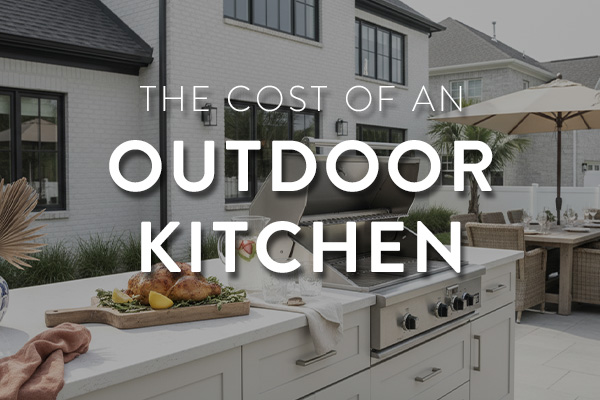
Building Your Dream Outdoor Oasis
THE COST OF AN
OUTDOOR KITCHEN
Moderate Outdoor Kitchen
$9,000 – $15,000
If you’re seeking a moderate outdoor kitchen setup, prepare to anywhere between $9,000 to $15,000. This takes into account design services, labor costs from contractors, permits, appliance costs, and installation fees.
High End Outdoor Kitchen
$45,000 – $60,000
On the higher end, the maximum average cost could amount to anywhere between $45,000 and $60,000+, considering extra costs of premium materials, complex appliances, and larger-scale projects.
Cooking among the great outdoors has become increasingly popular in recent years, so much so that many homeowners are building their own outdoor kitchens!
Want to know what all the hype is about? Well, cooking outdoors paves many avenues.
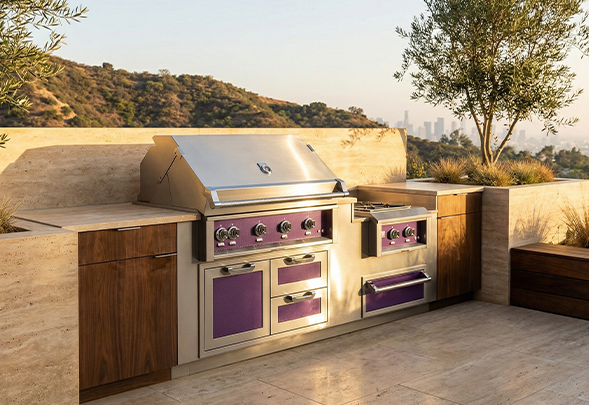
BBQ Party
Convenience is among the greatest benefits of cooking outside, especially if you’re hosting a BBQ party. Increased property value is another key reason homeowners install outdoor kitchens. Many also enjoy the experience offered by outdoor cooking as it immerses us in fresh air and lush greenery, allowing us to feel more connected with nature.
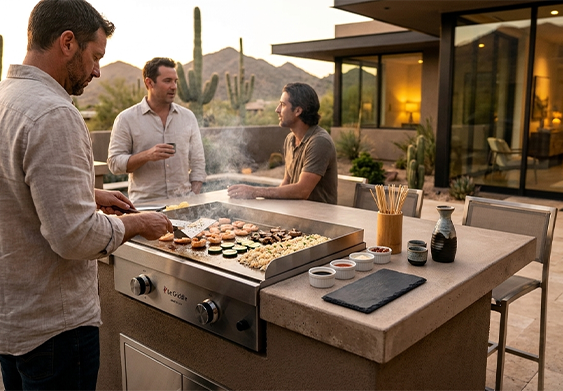
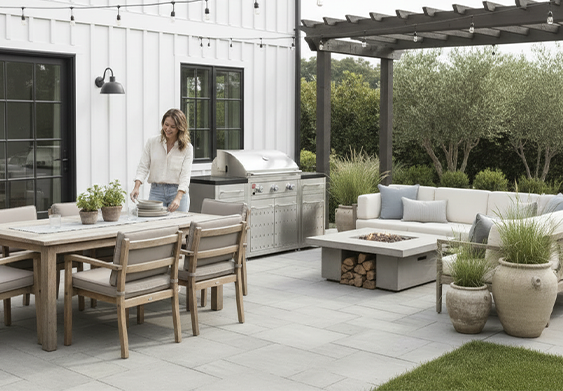
If you’re looking to jump on the outdoor kitchen bandwagon but need a little guidance, you’ve landed on the right page.
In our jam-packed guide, we’ll unravel the ins and outs of building the perfect outdoor cooking spot, including planning your kitchen, the typical costs involved, hiring the right professionals, budgeting, and much more!
Dive into our guide to learn exactly how you can turn your dream kitchen into a reality.
— the cost of an outdoor kitchen
6 Reasons
You Should Build an Outdoor Kitchen
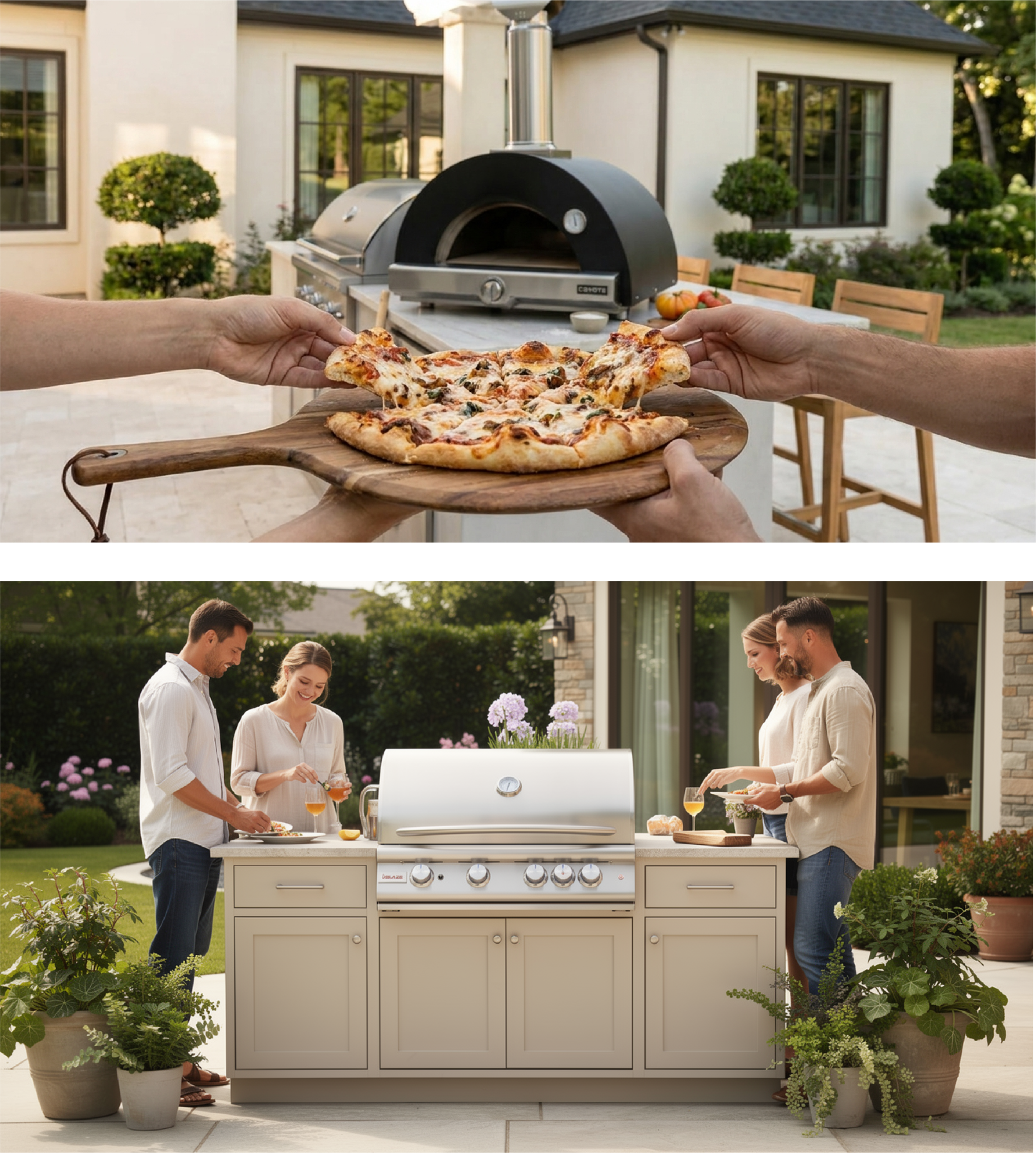
There are endless reasons you should build an outdoor kitchen! Here are some of the greatest benefits offered by installing a home kitchen in your backyard:
#1
Increased Home Valuation
Outdoor kitchens are one of the most sought-after home upgrades among homeowners looking to skyrocket their property’s value.
Depending on the current market and the quality of the installation, your outdoor kitchen can present huge returns — around 71% according to The HomeLight Top Agent Insights Summer / Fall 2021 Report!
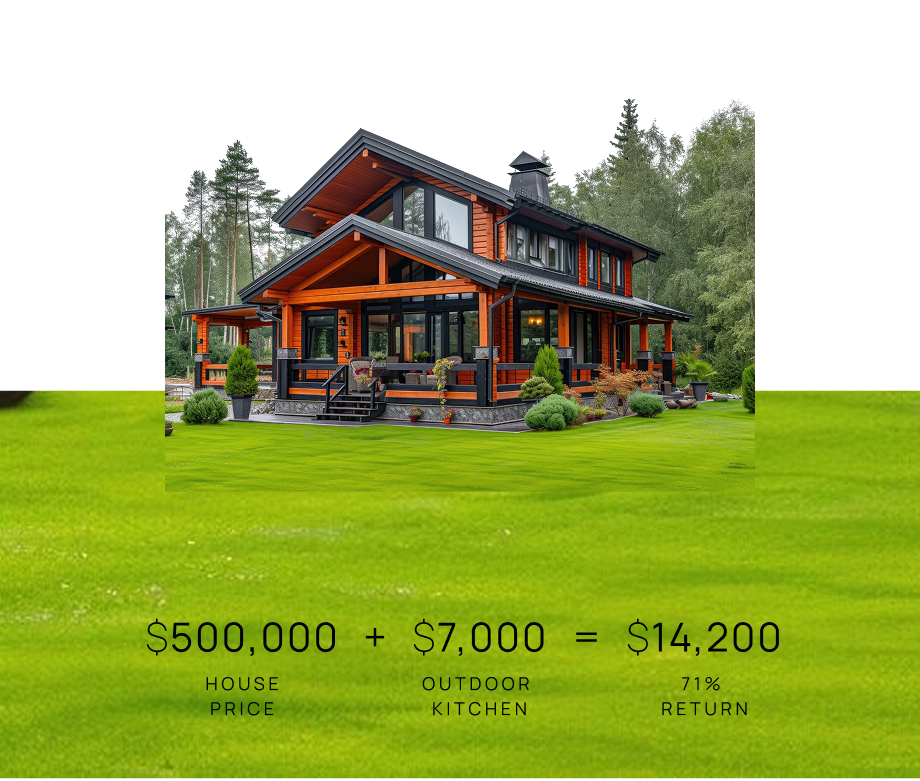
Say you own a $500,000 home and install a $7000 outdoor kitchen. A potential investment return of 71% can boost your property’s value by an impressive $14,200!
#2
Enhanced Appeal to Buyers
Upgrading your home with an outdoor kitchen will help it outshine other properties on the market and heighten its overall appeal to prospective buyers. It gives you more opportunities to emphasize a range of unique selling points and further entice buyers to make an offer.
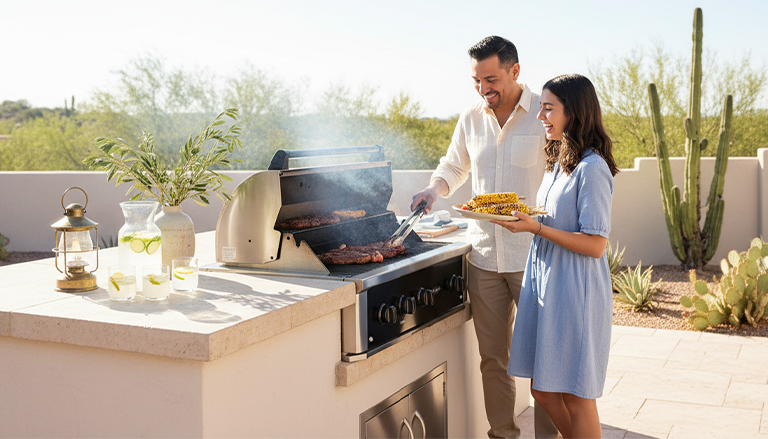
For instance, you can showcase the versatility of an outdoor cooking space, mentioning how it’s perfect for family BBQs and backyard parties.
Alfresco Cooking & Dining
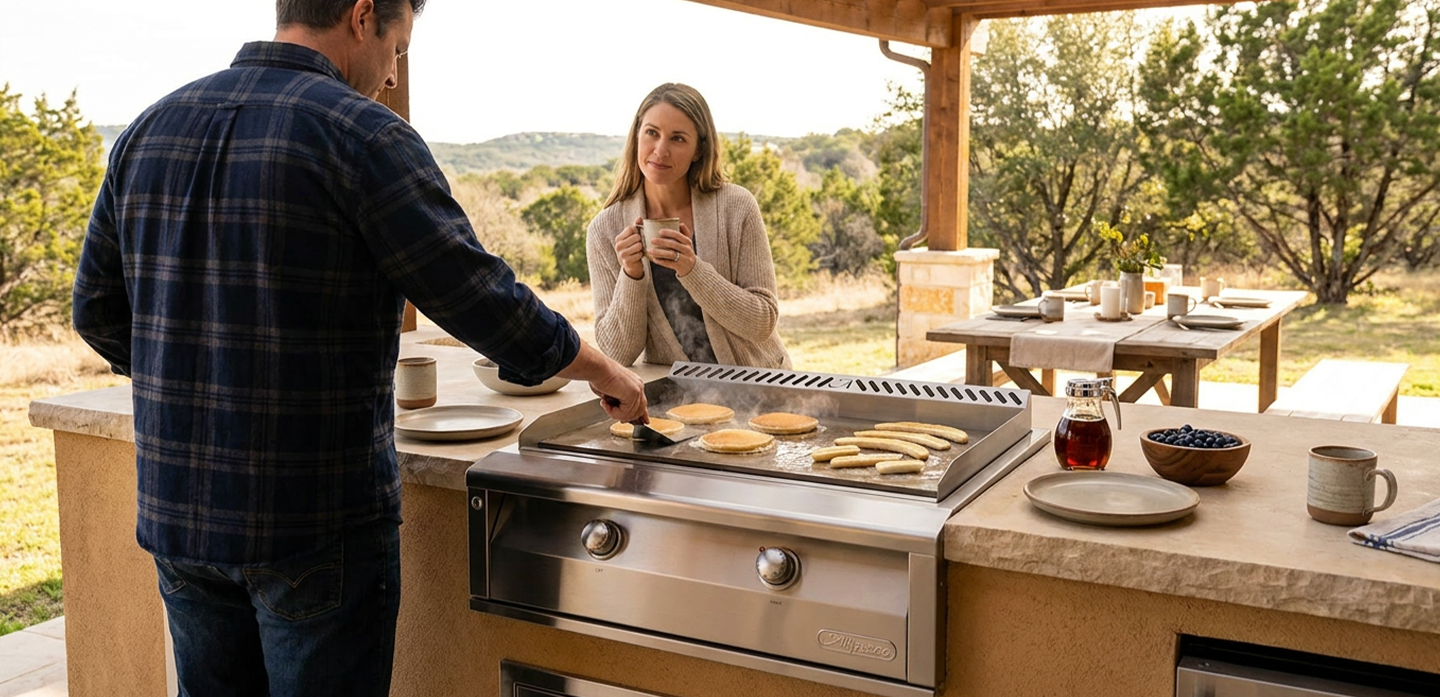
You can also mention the novelty of alfresco cooking and dining, highlighting the appeal of preparing and enjoying meals in fresh air and among nature. This will encourage people to envision their lives in your outdoor space, making them more likely gain interest.
#3
Expanded Living Space
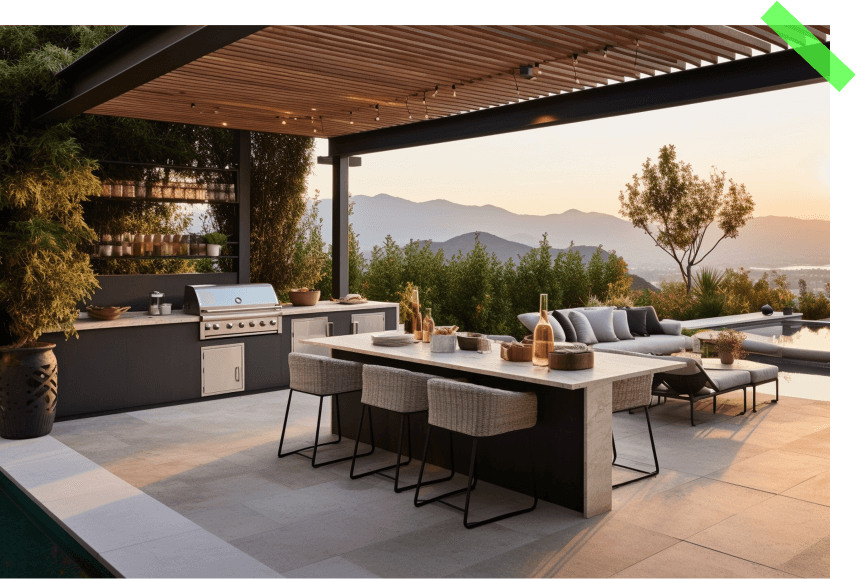
Adding a kitchen to your backyard allows you to make the most of your home’s space, ensuring every corner is used to its fullest potential! This undoubtedly elevates the functionality, convenience and appeal of your home, making it more enjoyable to live in.
Space optimization is the greatest advantage of adding a kitchen outdoors.
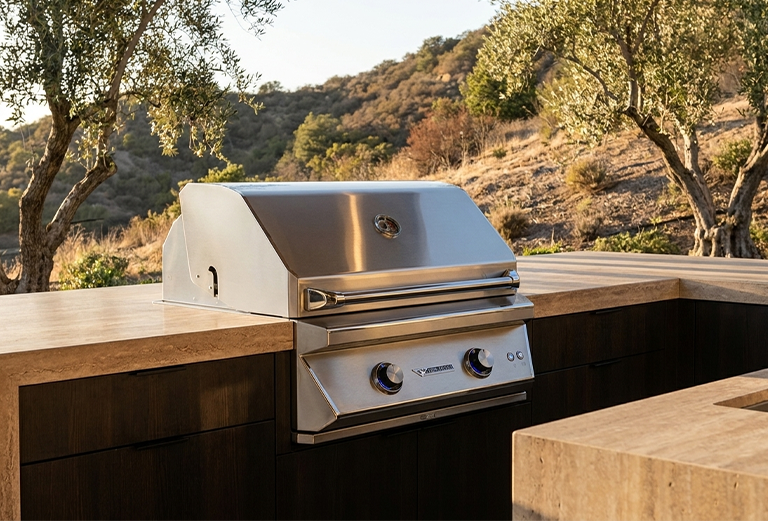
If you have limited space in your indoor kitchen and want to add more appliances, such as a grill or BBQ, expanding outside is a superb option that will prevent overcrowding and clutter. It will also balance your home’s interior and exterior, ensuring a better cooking, dining and overall living experience for you and your family.
#4
Energy Efficiency & Sustainability
Zero Emission Appliances
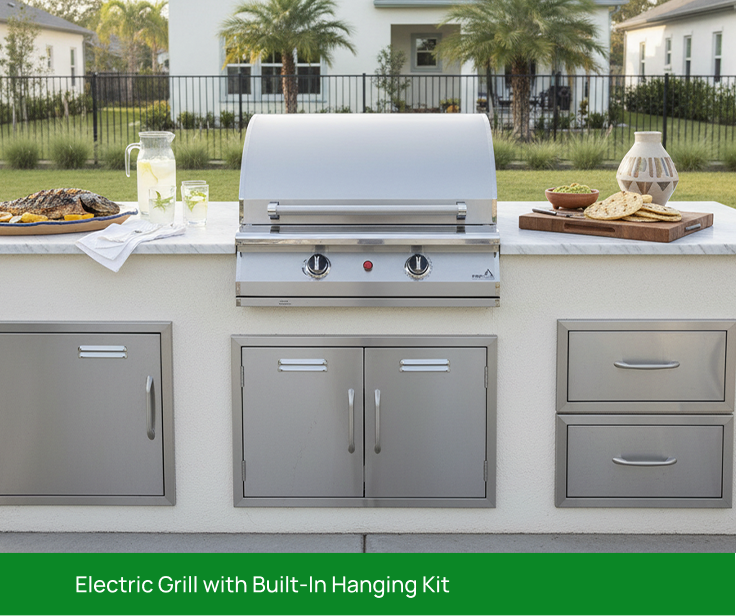
Outdoor kitchens are super popular among eco-conscious homeowners because they offer opportunities to increase a property’s energy efficiency and overall sustainability. If your goal is to achieve a more eco-friendly and energy efficient home, opting for low or zero emission appliances, like electric or solar-powered grills, is a fantastic choice!
An eco-friendly and energy efficient outdoor kitchen is also a wonderful selling point, especially for conscious buyers seeking an environmentally friendly home.
If you’re trying to improve the selling prospects of your home, we recommend building an outdoor kitchen with sustainable materials, such as reclaimed wood or recycled composite, to ensure it appeals to environmentally responsible buyers.
#5
Added Convenience
Outdoor kitchens add extra convenience to homes. By creating a dedicated space for outdoor cooking, you can use different appliances, such as BBQs and grills, that are otherwise less accessible indoors — especially if you have a small interior kitchen!
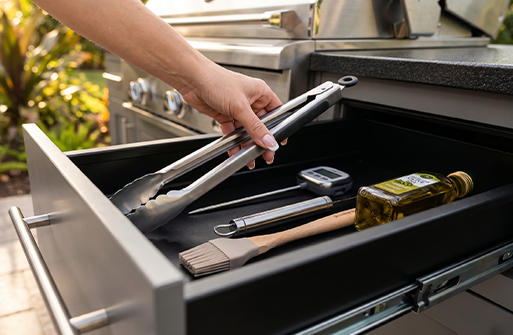
It also makes hosting a backyard party or BBQ dinner way easier, as it eliminates the hassle of running back and forth between your indoor kitchen and backyard. With all the essentials at your fingertips, you can effortlessly prepare and serve meals outdoors, ensuring a seamless and enjoyable hosting and dining experience.
#6
Enhanced Connection with Nature
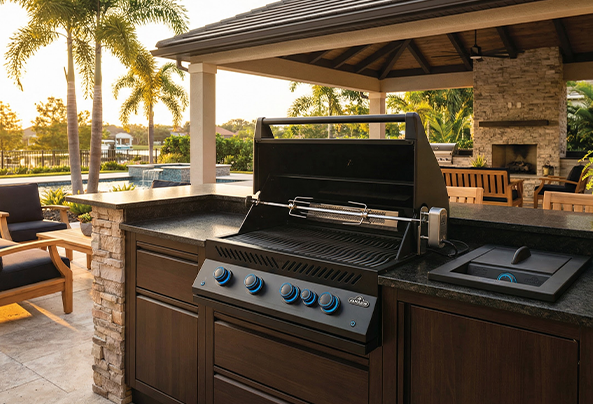
Cooking outdoors is a wonderful way to take in fresh air and deepen your connection with nature. Many find cooking outside therapeutic — some people even claim it makes food taste fresher! The combined aromas, ambient sounds, and verdant sights of the great outdoors create a delightful, immersive experience that certainly gives indoor cooking a run for its money.
— the cost of an outdoor kitchen
Top Tips
for Planning Your Dream Outdoor Kitchen
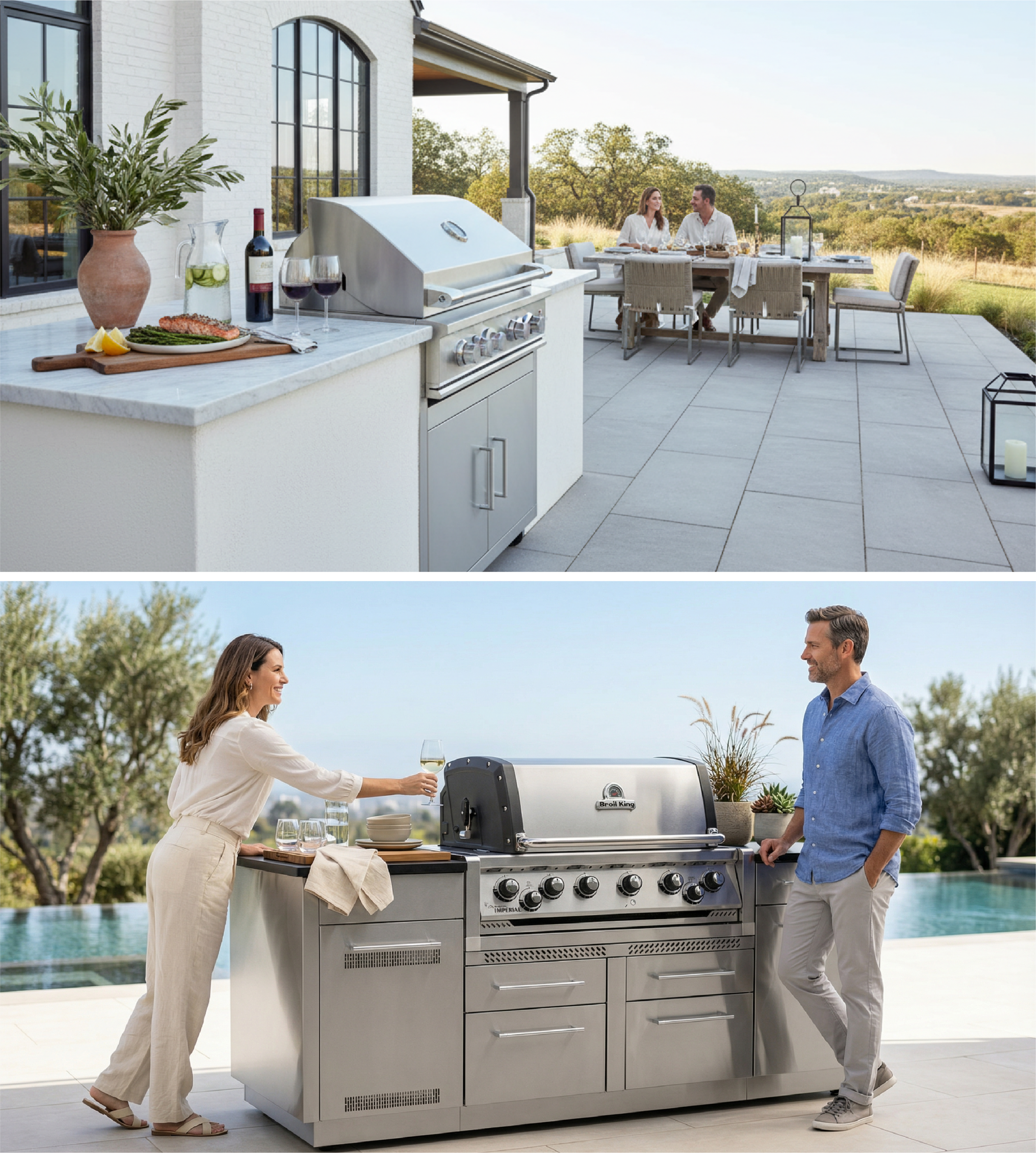
Like all installation projects, planning an outdoor kitchen requires a lot of thought and consideration. From assessing how much space you have to choose the best appliance, every choice you make plays a major role in creating your perfect outdoor culinary spot.
With so many things to consider, trying to navigate planning an outdoor kitchen is tricky. But, don’t worry! Following these top tips will ensure you don’t forget a single detail during the first steps toward building an outdoor kitchen:
#1
Understanding Your Space

Accurate Measurements Required
It’s super important to assess how much available outdoor space you have for a kitchen carefully, as this will shape the size and design of your project. Take accurate measurements of your spot, ensuring you account for both dimensions and obstacles that may impact the layout, such as trees, backyard doors, fences, and so forth.
Choosing an area with sturdy ground is equally important. Evaluate the terrain and ground conditions by checking key areas such as ground elevation, soil drainage, and most important of all, stability to ensure the ground can support your appliances.
Accessibility
Accessibility and traffic flow is another essential aspect to look into. Make sure you check the chosen space doesn’t obstruct people from moving around your backyard. If you plan to install it by your back door, be wary of clearance to ensure people can easily and safely move between your interior and exterior space.
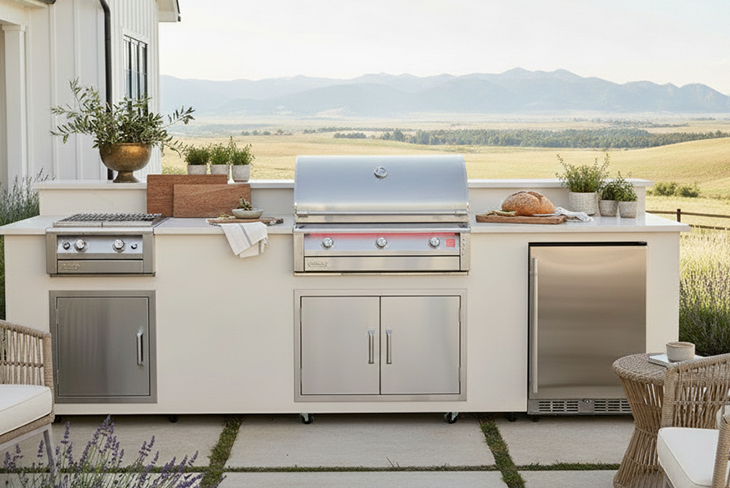
Finally, evaluate weather patterns and sun exposure to ensure you choose the right cover/shelter for your outdoor kitchen. Note elements like rainfall, strong winds, snowfall, and the angle of sunlight throughout the day. This will ensure you properly prepare your kitchen for year-round enjoyment, no matter the weather!
Weather Patterns

Sun

Wind

Snow

Rain
#2
Create a Realistic Budget
When planning an outdoor kitchen, a budget serves as a primary guide that helps you navigate how much to spend on each element. Ensuring you create a realistic budget that accounts for equipment, materials, appliances, potential permits, and labor will help you stay financially on track and prevent you from splashing out on too much!
Researching every cost is the key to properly preparing for all expenses and developing a workable budget. You should also allocate your budget wisely by focusing more money on essentials, such as the grill and countertops. This will prevent you from overspending on things that don’t matter as much, like decor.

#3
Choose a Functional Layout & Size
The layout and size of your outdoor kitchen will directly impact its overall functionality. Ensuring you choose a structure that efficiently uses your chosen area, while equally accommodating your preferences and needs, is super important.
There are many fabulous island layouts to choose from when crafting an outdoor kitchen. Here are some popular (and practical) examples to consider:
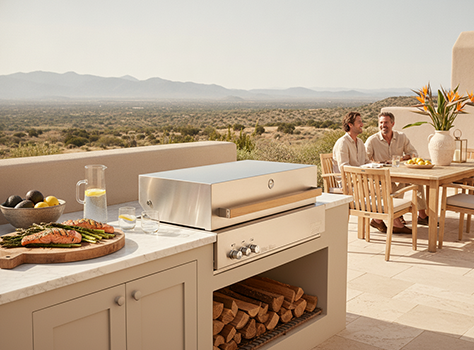
Linear/Straight Layout
Linear, or straight, kitchens are set up in a straight line, typically along a wall or fence. This simple yet efficient design allows you to fix your appliances and cupboards in a sequence, allowing for smooth, side-to-side navigation. If you have a smaller or narrow outdoor space, a linear kitchen is a perfect match!
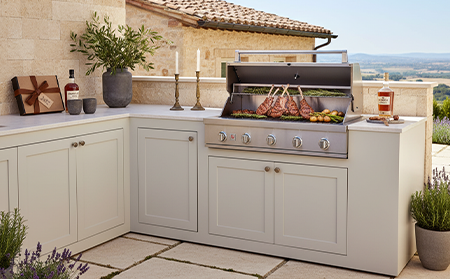
L-Shaped Layout
L-shaped layouts feature two adjacent walls, or counters, that create an ‘L’ shaped cooking nook. This classic design offers lots of counter space for food preparation, while also allowing seamless movement between appliances. It’s super versatile, making it great for most backyard sizes and structures.
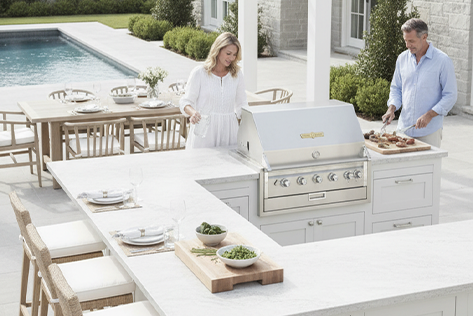
U-Shaped Layout
U-shaped kitchens comprise three surfaces, or walls, creating a ‘U’ or horseshoe shape. This unique design uses every corner, allowing you to create an impressive cooking spot. It’s perfect for larger spaces, especially if your kitchen needs lots of appliances and storage.
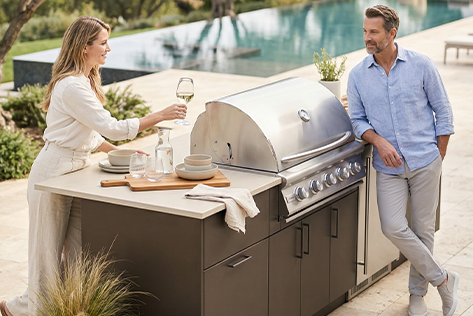
Island Layout
Island layouts feature a stand-alone, central counter known as an ‘island’. The island is the star of the show when it comes to cooking, as it’s typically where food gets prepared. This structure allows for 360º access to each area of the kitchen, while also serving as an eye-catching focal point that’s great for socializing around and entertaining guests. If you love hosting outdoor dinner or cocktail parties, and have a big landscape to build on, island kitchens are a likely option.
When deciding a layout, it’s really important to acknowledge that more complex designs, such as a U-shape or island, and larger kitchens can lead to increased labor and materials costs, so be sure to factor this into your budget!
#4
Visualize Ideas with a Mood Board
When compiling a mood board, one of the best ways to gather inspiration is by collecting images of kitchens from the internet or home magazines, taking material and paint swatches, and browsing design websites and social media platforms, like Instagram or Pinterest, for aesthetic inspiration.
Once you’ve collected a bunch of ideas, you can begin organizing them to ensure they collectively complement each other. This ensures you clearly define an outdoor kitchen aesthetic.
#5
Opt For Durable Materials
When choosing the materials for your outdoor kitchen components, such as countertops and cupboards, it’s essential to prioritize durability.
Opt for weatherproof and UV-resistant materials, paints, and finishes, to ensure your kitchen looks its best, no matter the weather. This won’t just prolong your kitchen’s lifespan, but will also limit the need for touch-ups, maintenance, and repairs, saving you money in the long run. Here are some great materials to look out for (including their key qualities):
Materials To Look Out For



Concrete
Versatile (can be used for countertops, flooring, kitchen islands, and more); customizable; weather-resistant.

Porcelain Tile
Frost, UV, and moisture-resistant.
#6
Consider Utility Connections
Before you set off on your outdoor kitchen design project, you must check your home’s utility connections, such as electricity, gas, and water.
Must Have Home Utility Connections

Electricity

Gas

Water

This includes assessing accessibility (i.e. how far sources are from your planned outdoor cooking space), ensuring all connections meet your local area’s safety and building codes, and evaluating whether you need additional connections or upgrades for certain appliances — it’s worth consulting with a professional to determine this.
#7
Compare Different Appliance Options
Before you embark on your backyard kitchen project, you’ll need to choose the right outdoor appliances, ensuring they align with your cooking needs and general preferences. This will ensure your culinary corner is decked out with everything you need to create scrumptious meals!
Here are some popular outdoor kitchen appliances to compare for your installation project:

BBQ Grill
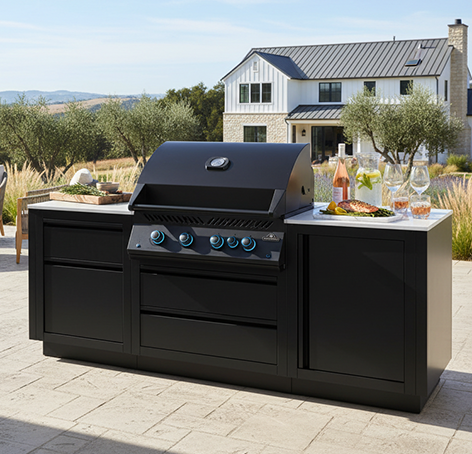
BBQ grills are a must-have outdoor kitchen appliance. There’s a variety of types to choose from, including freestanding, built-in, portable, and post mount, each offering their own qualities suited to different needs. You can cook all kinds of goodies on BBQ grills, including vegetables, red meat, poultry, and fish, making it the perfect appliance for endless culinary masterpieces!
Pizza Oven
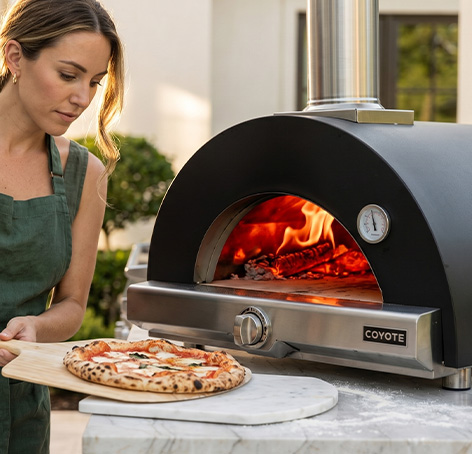
Pizza ovens are a true novelty that allow you to create fresh, gourmet pizzas in the comfort of your own backyard — you can bid farewell to costly pizza deliveries! They are brilliant for culinary enthusiasts seeking to create authentic Italian pizzas with perfectly crispy crusts.
Smoker
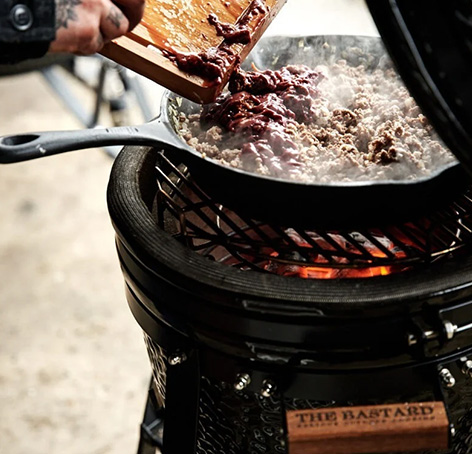
Smokers are a game-changer when it comes to creating rich, flavorsome culinary delights. They are perfect for a infusing deep, smokey taste into a range of dishes, including seafood, meat, and vegetables, enhancing your overall BBQ experience. There are tons of smokers to choose from, including gas, pellet, electric, and charcoal smokers.
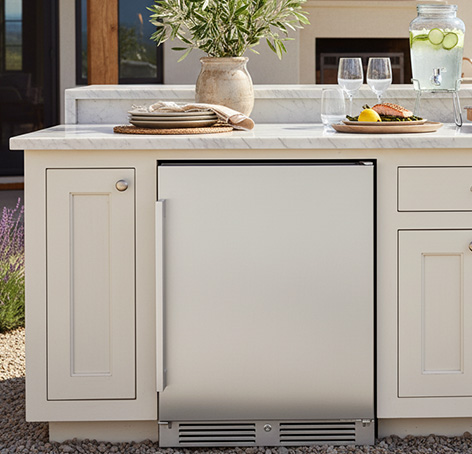
Outdoor Refrigerator
Outdoor refrigerators are incredibly convenient. They save you the trip from running indoors to grab food for the grill, while freeing up space in your interior refrigerator, and enhancing overall organization.
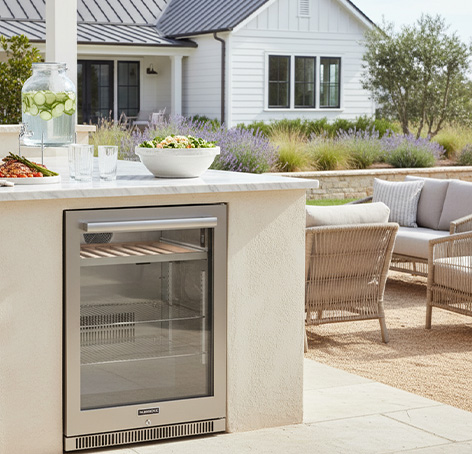
Outdoor Beverage Coolers
Installing a beverage cooler to your outdoor kitchen is a brilliant idea that ensures your drinks stay fresh and icy, no matter how hot it gets outside! Whether you’re hosting a backyard BBQ, cocktail party, or simply unwinding on your patio with loved ones, an outdoor beverage cooler is a must-have accessory for all alfresco occasions.
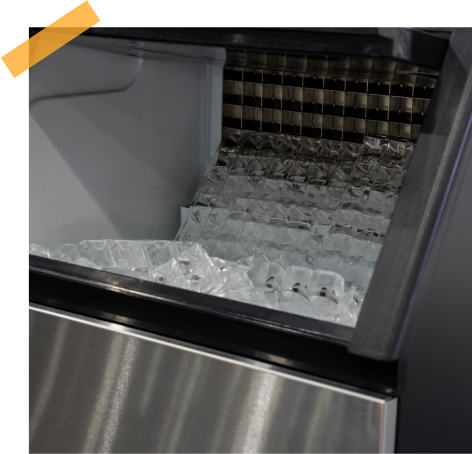
Ice Maker
Ice makers will ensure you never run out of ice during pool parties, cocktail soirees, and dinner gatherings. These handy accessories keep ice coming by constantly freezing water and refilling your trays, ensuring drinks stay refreshingly cool and guests stay happy.
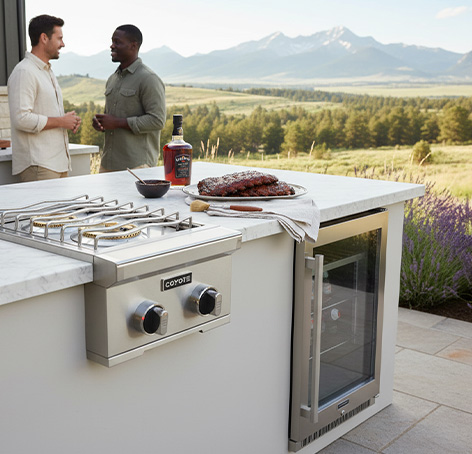
Side Burner/Searing Station
Side burners and searing stations are versatile accessories worth adding to your outdoor kitchen setup. They allow you to perform all sorts of cooking actions, including simmer sauces, searing steaks, and boiling past. By incorporating these handy tools into your outdoor cooking spot, you’ll be able to create endless dishes with ease!
Outdoor Sink
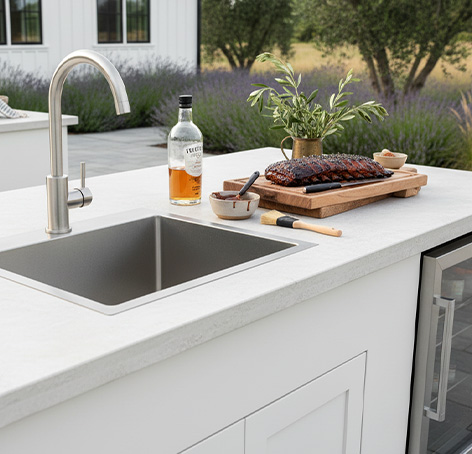
Outdoor sinks will transform your outdoor kitchen into an efficient, hygienic, functional, and convenient space. They drastically help make washing up and preparing foods (such as rinsing vegetables) a breeze by saving you time and effort running between your indoor and outdoor space.

— the cost of an outdoor kitchen
Understanding the Costs
of an Outdoor Kitchen
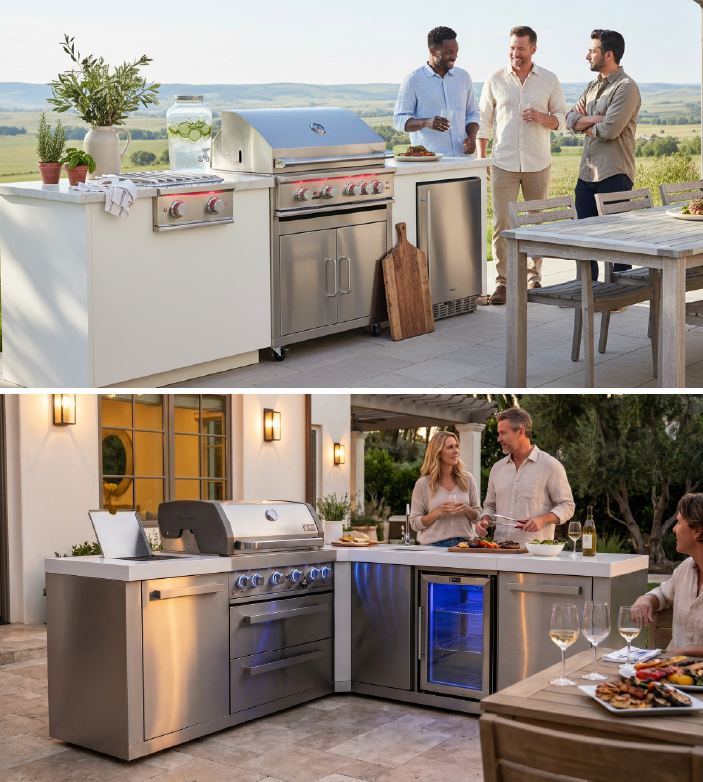
Understanding the costs of an outdoor kitchen is essential for effective budgeting and planning, because it ensures you properly prepare for every price tag coming your way upcoming expenses.
By knowing the price tags that come with crafting an outdoor kitchen, you’ll be able to keep overspending to a minimum while accurately allocating your budget and making informed purchases.
To help you understand the costs of an outdoor kitchen, we’ve created this price breakdown of different project avenues, including DIY installations and the average expense of professional services, such as contractors.
DIY Costs
If you’re planning on harnessing your DIY skills to build your very own outdoor kitchen, be sure to familiarize with these common expenses:
Appliances Costs
Here’s an average price range for the most common outdoor kitchen appliance

BBQ Grill
$300 – $3,000
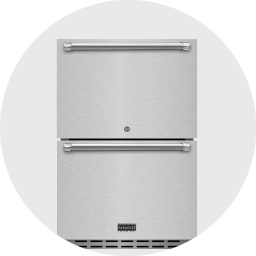
Outdoor Refrigerators
$400 – $1,500
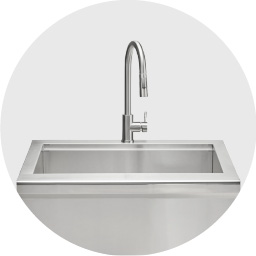
Outdoor Sinks
$100 – $2,000
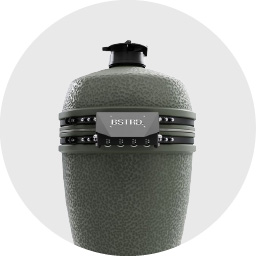
Smokers
$300 – $1,000
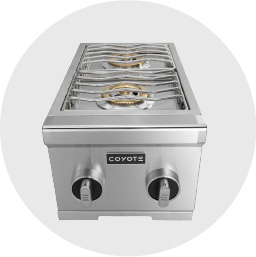
Side Burners
$300 – $3,000
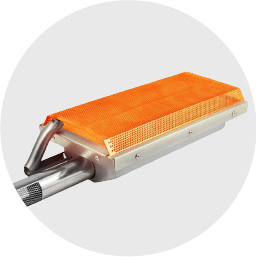
Searing Stations
$2,000 – $3,000
Materials for Construction
When creating DIY outdoor kitchen, you’ll need to source your own materials. Here’s how much you should expect to spend:
Countertops
$40 – $200
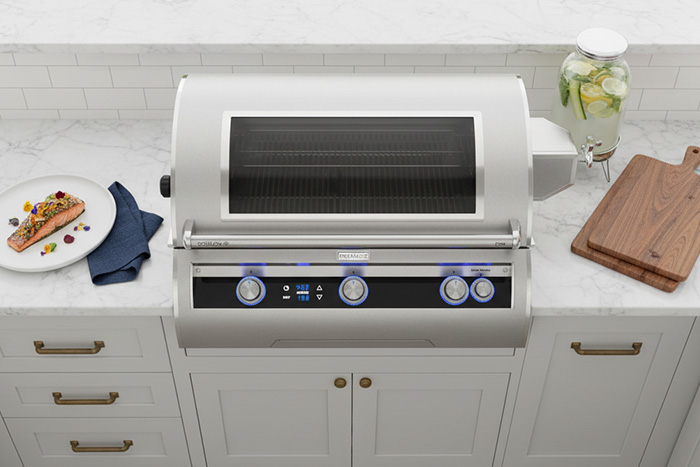
Outdoor countertop materials, such as concrete, marble, stainless steel, and granite, can range anywhere between $40 and $200 per square foot installed.
Cabinetry
$900 – $4,000
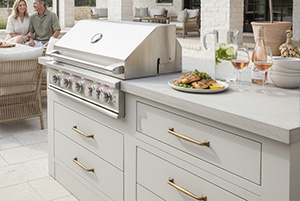
Weather-resistant cabinetry materials, like stainless steel, marine-grade polymer or teak wood, can cost between $900 and $4,000 per linear foot if purchased — using more affordable materials, like treated wood, will keep cabinetry costs on the cheaper side.
Patio Flooring
$5 – $35
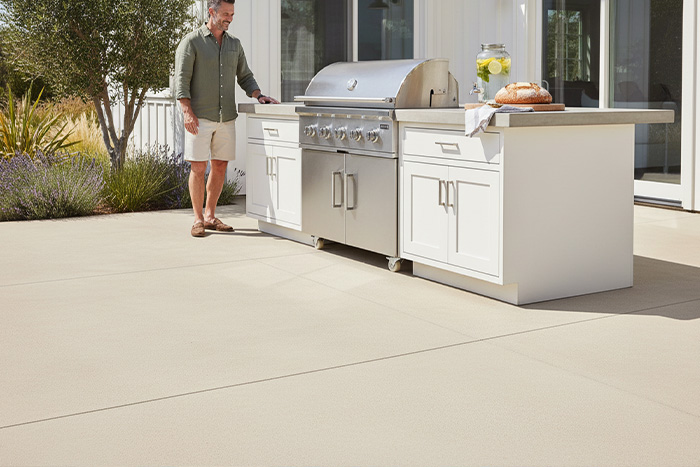
If your backyard doesn’t have a patio, you’ll need to add one for your kitchen. Patio flooring, including natural stone and porcelain tiles, vary between $5 and $35 per square feet. Stamped concrete is a brilliant choice if you’re looking to keep costs down while achieving an attractive and functional space because it’s super cheap and comes in a range of styles that mimic more expensive materials, including porcelain tiles.
Utilities

Gas
If your appliances require gas, you can expect to spend between $12 and $25 on installations. If you’re installing a propane tank, expect to pay between $35 to $150.

Electricity
Extending your electrical lines might cost about $50 to $130 per hour.

Plumbing
If you are adding appliances that need water, such as a sink and/or ice maker, you’ll probably spend around $25 and $200 per linear foot for a water line, and $10 to $25 per linear foot to add drainage system.

Permits
Depending on your state’s local regulations, you may need to buy a permit before installing an outdoor kitchen. These can cost anywhere between $500 and $2,000+ — aside from the rules and regulations of your local government, permits can also vary in price depending on how big of a kitchen you install.
Total DIY Cost Estimate
With Patio
$3,300 – $7,100
If you’re planning to put your DIY skills to the test and build your own backyard kitchen from scratch, you can expect to pay out as low as $3,300 and $7,100 for appliances and materials, given you already have a backyard patio.
Without Patio
$5,000 – $20,000
If you don’t have a patio, you are choosing premium materials, and/or creating a larger kitchen, you should prepare to pay anywhere between $5,000 and $20,000.
Professional Installation
If you’re leaving all the handy work to experts, expect to the following costs:
Professional Design Services
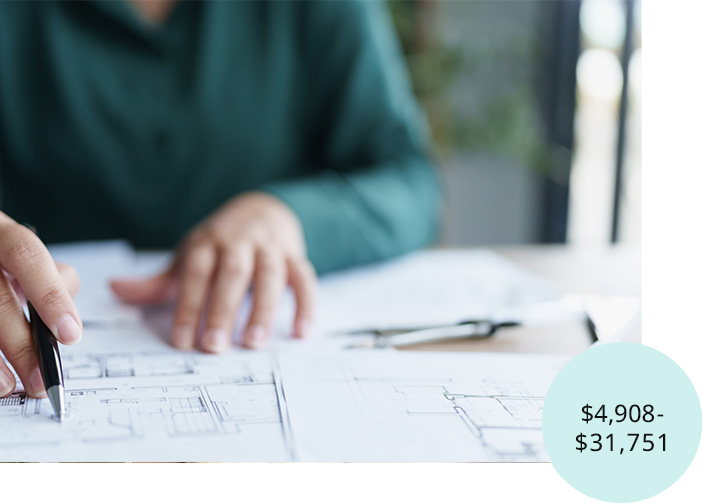
Professional Designer or Architect
If you’re hiring a professional designer or architect to craft a custom backyard kitchen layout, expect to spend between $4,908 and $31,751 for their services. The cost of having a custom kitchen design created varies depending on how complex the project is.
Labor Costs
Generally, contractors will charge around $50 and $150 per hour to build, install, and finish an outdoor kitchen.
Plumbers usually charge $45 to $150 per hour to install and connect outdoor kitchen appliances. If you need to run a water line, expect to pay $450 to $1,800 per fixture, on top of plumbing charges.
Electricians typically charge $50 to $130 per hour for their services. This includes connecting appliance wiring and testing both safety and functions of appliances after they’ve been installed. Expect to pay an additional $180 to $350 on top, for installing any extra outlets.

Contractors
$50 – $150
PER HOUR

Plumbers
$45 – $150
PER HOUR

Electricians
$50 – $130
PER HOUR
Appliance Installation
Appliance installation can cost between $2,500 and $6,800. These packages often include the cost of the appliance, such as an outdoor refrigerator or grill. If you have separately purchased your own appliances, installation fees might differ, depending on the complexity of the installation.

Materials
Countertops
Depending on how big your outdoor kitchen is, countertops usually cost between $1,000 and $9,000 to install.
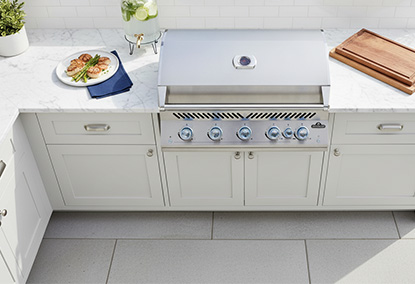
Cabinetry
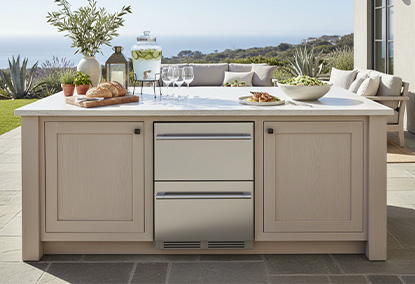
Depending on the materials you choose (such as granite, stainless steel, or teak), you can expect to spend $900 to $4,000 cabinets and drawers. This price range takes into account the design and inclusion of a weather-proof finish.
Patio Flooring
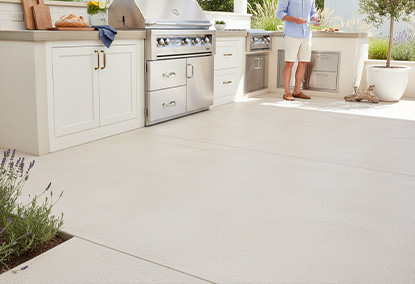
Patio installation costs between $3 to $17 per square foot, on top of the materials themself, which cost around $5 and $35 per square feet. This will depend on the material you choose and outdoor kitchen flooring size.

Permits
Just like a DIY project permits will cost between $500 and $2,000+, depending on your state’s local regulations and the size of your backyard kitchen project.
Total Professional Cost Estimate
Moderate Outdoor Kitchen
$9,000 – $15,000
If you’re seeking a moderate outdoor kitchen setup, prepare to anywhere between $9,000 to $15,000. This takes into account design services, labor costs from contractors, permits, appliance costs, and installation fees.
High End Outdoor Kitchen
$45,000 – $60,000
On the higher end, the maximum average cost could amount to anywhere between $45,000 and $60,000+, considering extra costs of premium materials, complex appliances, and larger-scale projects.
— the cost of an outdoor kitchen
Top Tips for Hiring the Right Contractors
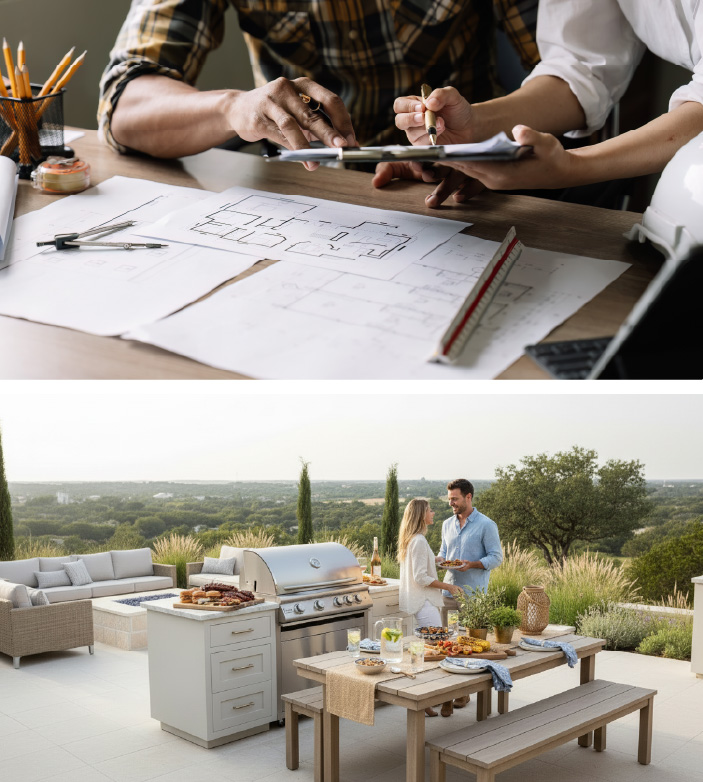
Outdoor kitchen’s require a lot of work and expertise, so it’s important you leave your project in reliable and qualified hands. We’ve created this guide with lots of tips and tricks to help you choose the right contactor…
01
Start with Referrals
Ask around to see if any friends, family, or neighbors have any recommendations for contractors that have completed their projects successfully. This is a great way of seeking a reliable service because you get first-hand insights into the quality of work, professionalism, and costs from people you know and trust.
02
Always Check Online Reviews and Ratings
Head to reputable review platforms, like Yelp, Trustpilot and Google Reviews, to see other customer experiences with your chosen contractor. This can unveil a contractor’s reliability, quality of work, and overall customer service.
Be cautious of contractors with consistently poor reviews or unresolved complaints. As a general rule of thumb, look out for contractors with a 4.5-5/5-star score, as this shows high customer satisfaction among their clients.

03
Verify Credentials and Experience
Ensure the contractor you choose is fully qualified to work in your area — a licensed contractor will meet your area’s local regulations and standards for construction work.
They must also be fully covered by liability insurance and worker’s compensation. This is super important because it protects you if any accidents or damage happens to your property during the project. To verify a contractor’s credentials, ask them to show you a copy of a valid licence and insurance (such as certificates).
Finally, seek an experienced contractor with a portfolio of successful outdoor kitchen installations.

04
Get Multiple Bids
Shop around to ensure you get the best deal by contacting different contractors and get bids on your project. When you do this, don’t forget to request a price breakdown, including materials and labor costs.

05
Check for Warranties and Guarantees
Ask your chosen contractor what sort of warranties or guarantees they offer with their work. For example, look out for ‘no hidden fees’ guarantees, damage or fault warranties (such as 3 year cover), and customer satisfaction guarantees.
Warranties and guarantees are a key indicator of a contractor’s transparency, accountability, and overall commitment to their work, so it’s important to always check for them before making any commitments.

06
Ask for References
Ask your contractor for previous clients’ contact information to double check their services. This will provide insights into how the contractor manages projects and the quality of their services.

07
Review Contracts Carefully
Before signing anything, always make sure the contract includes:
- A full description of the planned work
- A list of all the materials that they will use
- A timeline for the project
- Details about the payment schedule
- Information on policies, such as how changes to the original plan will be handled, refunds, etc.
- A warranty statement covering materials and workmanship

08
Trust Your Gut
If you’ve done all the checks, but still feel like something is off, such as their demeanor, X of reviews, and professionalism, it might be worth reconsidering your decision. Your instinct about a contractor’s demeanor, transparency, and professionalism is important. If something feels off, it might be worth reconsidering your choice.

— the cost of an outdoor kitchen
Budgeting &
Savings
To help you stay within your budget, spend wisely, and save some dollars, dive into our budgeting and savings guide:
Where To Splurge & Save
Not sure what to splash out on and how to save money? Here’s a table to guide your spending:
| Splurge | Save |
|
Appliances Invest in high-quality appliances that will reliably withstand outdoor conditions. |
Materials for Non-Visible Areas Save money by using more affordable materials for areas that won’t be highly visible or heavily used, such as the internal framing of cabinets or shelves. |
|
Countertops Spend more on durable countertop materials like granite, quartz, or stainless steel to ensure long-lasting functionality. |
DIY Labor If you have the skills and time, consider tackling some parts of the project yourself to save on labor costs, like painting cabinets or screwing shelves together. |
|
Structural Elements Prioritize money on quality construction and structural elements, such as cabinetry, pergolas, and built-in seating. These features contribute to the durability and functionality of your outdoor space. |
Decor and Accessories Save on decor and accessories by shopping around for budget-friendly options or waiting for seasonal offers and sales. You also save money by shopping second hand. |
|
Lighting and Electrical Work Invest in quality lighting and electrical work to ensure safety and functionality in your outdoor kitchen. |
Landscaping If you plan on touching up your surrounding lawn and decorating your kitchen with plants, consider DIY landscaping or planting your own greenery to save on landscaping costs. |
|
Professional Design Services Consider hiring a professional designer or architect to help you create a well-planned layout and design for your outdoor kitchen. Their expertise can optimize the space, improve functionality, and enhance the overall appeal of the project. |
Non-Essential Features Evaluate which extra bits are essential for your outdoor kitchen, like a built-in sink or lighting, and which ones you can live without, such as decor or high-end appliances. |
Seasonal buying tips & discounts
Here are some top tips to help you save money when shopping around for materials and appliances:
Most Popular Seasonal Sales
Late Summer & Early Fall
During the late summer and early fall, retailers clear old stock to make way for new season items, making these periods an excellent opportunity to buy cheaper outdoor kitchen appliances, materials, and furniture. Grills, outdoor refrigerators, and patio furniture are among the many goodies that are hugely discounted!

After Major Holidays
After holidays, like the Fourth of July, Christmas, and Labor Day, there are tons of price reductions, so be sure to look out for outdoor products that are marked down.

Black Friday and Cyber Monday Deals
These major shopping days in November offer significant discounts on a wide range of items, including high-end appliances and electronics that can be incorporated into an outdoor kitchen. It’s a good time to look for deals on grills, smokers, and entertainment systems.


Off-Season Discounts
During winter, the demand for outdoor kitchen equipment and installations dramatically drop, leading to cheaper prices and more willingness from professionals to negotiate on price. Some contractors might even offer reduced rates for off-season construction work, so it’s definitely worth asking around during the off-season!

Early Spring Discounts
Pre-Season Sales
If you get in early enough, you might get to claim pre-season discounts — a brilliant time to buy before prices go back up for the peak season! To avoid missing out, you can sign up to retailers mailing lists for early bird deals.
New Model Releases
Appliance manufacturers often release new models in the spring, so last year’s models may be available at a discount! You might also get early bird deals on new models.
— the cost of an outdoor kitchen
Get Ready To Build Your Dream Outdoor Kitchen!
Now you know the ins and outs of building the perfect outdoor kitchen, including budgeting, typical costs, shopping tricks, and choosing the right contractors, you’re ready to set forth and make your dream kitchen a reality.
By following our helpful tips, you’ll be able to skyrocket your home’s value and make new memories in your own backyard culinary oasis. Good luck building your kitchen!
Equip Your Outdoor Kitchen with Grillio
At Grillio, we proudly stock hundreds of
premium outdoor kitchen equipment,
appliances, and accessories suited to all
budgets. Whether you need a fresh new
gas grill or a few BBQ accessories to
complete your backyard cooking spot, we
have you covered!
0% Finance Option
Short on cash? Don’t worry! Our hassle-free 0% finance option allows to can create your dream kitchen without draining your bank account all at once. Explore our best-selling collections today.

What is the average cost of building an outdoor kitchen?
The average cost of building an outdoor kitchen can range from $5,000 to $20,000, depending on the size, materials, appliances, and features you choose.
What factors influence the cost of an outdoor kitchen?
Several factors influence the cost, including the size of the kitchen, the quality of materials, the type and number of appliances, labor costs, and additional features like lighting, plumbing, and countertops.
How much do outdoor kitchen appliances typically cost?
Outdoor kitchen appliances can vary widely in price. A built-in grill can cost between $1,000 and $4,000, while other appliances like refrigerators, sinks, and pizza ovens can add several hundred to several thousand dollars each.
Are there any hidden costs to consider when building an outdoor kitchen?
Yes, hidden costs can include permits, utility connections (gas, water, electricity), custom cabinetry, weatherproofing, and ongoing maintenance.
Is it more cost-effective to build an outdoor kitchen yourself or hire a professional?
While DIY can save on labor costs, hiring a professional ensures quality and compliance with local building codes. The choice depends on your skill level, time, and budget.
How can I save money when building an outdoor kitchen?
To save money, consider using less expensive materials, opting for fewer appliances, doing some of the work yourself, and planning a smaller, more efficient layout.
What are the benefits of investing in a high-end outdoor kitchen?
A high-end outdoor kitchen offers durability, enhanced aesthetic appeal, increased home value, and a more enjoyable cooking and entertaining experience.
Do outdoor kitchens add value to a home?
Yes, outdoor kitchens can add value to a home by enhancing the outdoor living space and providing a desirable feature for potential buyers.
How much should I budget for maintenance and upkeep of an outdoor kitchen?
Budgeting for maintenance and upkeep can vary, but setting aside 5-10% of the initial installation cost annually can help cover cleaning, repairs, and replacements.
Can I finance the cost of building an outdoor kitchen?
Yes, many homeowners choose to finance their outdoor kitchen projects through home equity loans, personal loans, or credit cards. Be sure to compare interest rates and terms before deciding.