
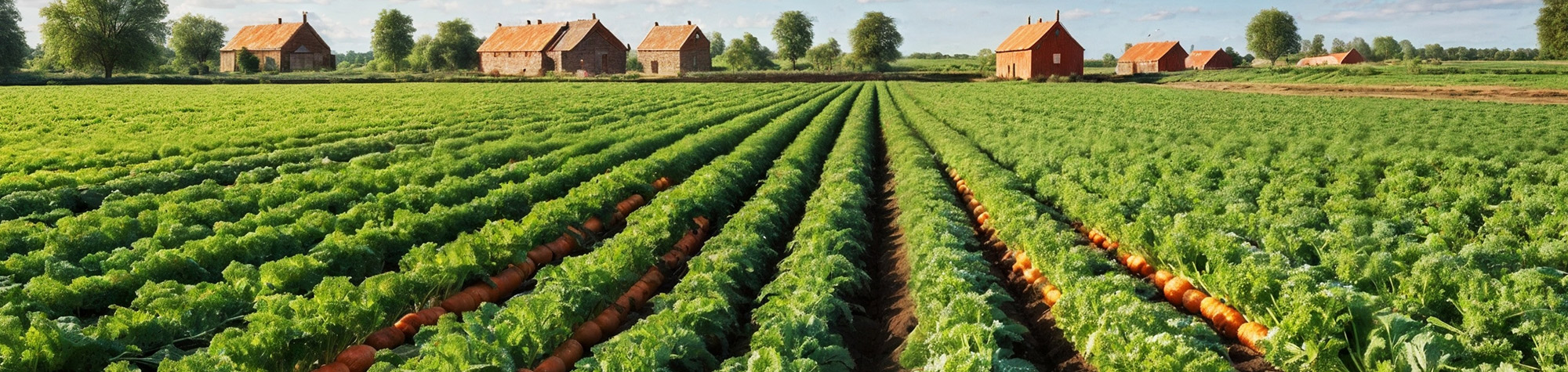

Farm to school programs are transforming how students think about food, nutrition, and agriculture. These initiatives bridge the gap between farms and schools, bringing fresh, locally sourced produce directly to school cafeterias and incorporating agricultural education into the curriculum. Though these efforts, students can enjoy healthier meals and better understand where food comes from.
History of Farm to School
The farm to school movement started in the late 1990s to combat childhood obesity and poor nutrition by bringing fresh, locally sourced produce to school cafeterias while increasing agricultural education in classrooms. One of the pioneering programs began in California in 1996, linking schools with local farmers to provide fresh fruits and vegetables for lunches and educate students about healthy eating and farming.
The movement quickly gained traction, leading to the first national farm to school grant program in 2004, which provided funding for these types of initiatives. The establishment of the National Farm to School Network (NFSN) in 2007 further fueled the growth of this movement by offering resources, training, and advocacy. Today, farm to school programs operate in all 50 states.
Benefits of Farm to School

Farm to school programs offer numerous advantages for students, schools, and communities. These programs provide fresh, locally sourced fruits and vegetables, encouraging healthier eating habits. Studies show that students involved in farm to school activities eat more fruits and vegetables, which can lead to better overall health and reduced obesity risk. They also offer hands-on learning experiences through school gardens, farm visits, and cooking classes. Sourcing food from local farmers also supports local agriculture and strengthens the economy by providing a stable market for farmers to sell their goods. And farm to school programs support environmental responsibility, reducing the carbon footprint of the food students eat while teaching them about sustainable practices like composting and crop rotation.
Fun Facts

- Did you know that a single acre of farmland can grow up to 42,000 pounds of strawberries or 2,784 pounds of wheat? This highlights the incredible productivity and variety of crops that can be produced locally.
- Many farms involved in farm to school programs use sustainable farming practices, such as companion planting and organic farming, which help maintain healthy soil and reduce the need for chemical fertilizers and pesticides.
- Freshly harvested fruits and vegetables can contain more nutrients compared to those that have been stored and transported over long distances. This means students get the maximum health benefits from the food they eat.
- Farm to school programs often encourage students to “eat the rainbow,” promoting a variety of colorful fruits and vegetables. Each color represents different nutrients and antioxidants, contributing to a well-balanced diet.
- More than 42,000 schools across the United States participate in farm to school programs, impacting more than 23 million students annually.
- For every dollar spent on locally grown food, up to two dollars of economic activity is generated in the community.
- Studies have shown that students who participate in farm to school activities are more engaged and perform better academically.
- School gardens have become a popular feature of farm to school programs, and they can serve as outdoor classrooms for a wide range of subjects, from science to art.
The National Farm to School Network
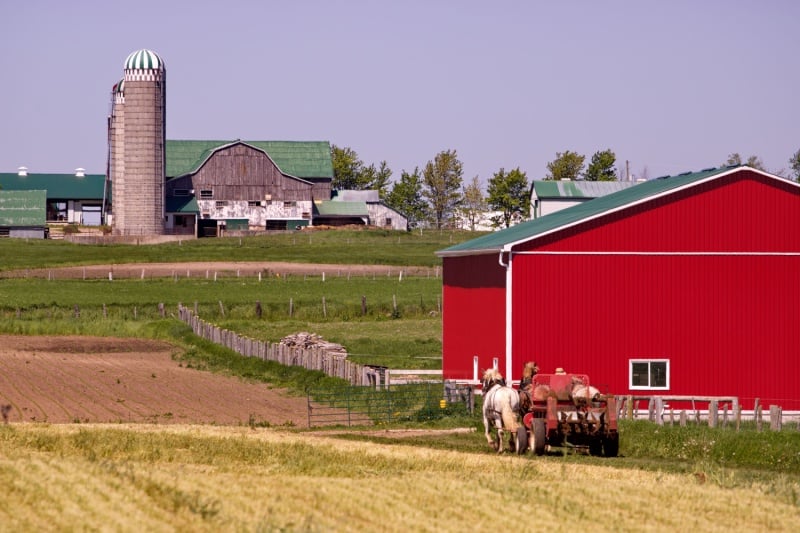
The National Farm to School Network is a collaborative movement that promotes healthy eating habits among students by integrating locally grown food into school meals and encouraging schools to incorporate food-related education into their curricula. Through their programs, they aim to promote equal access to nutritious food for all students, regardless of socioeconomic factors. The network serves around 65% of all American schools.
School Gardens and Garden-Based Learning
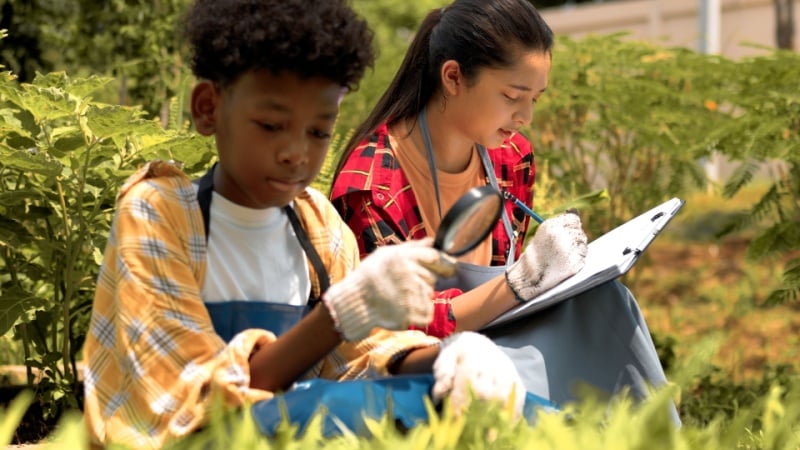
School gardens are spaces where students and teachers work together to grow plants. These gardens can range from small plots of land to large greenhouses and can include vegetables, fruits, herbs, flowers, and even trees. The idea is to create a hands-on learning environment that complements traditional classroom lessons. School gardens provide practical experience with subjects like biology, ecology, and environmental science. Instead of just reading about plant life cycles, you can observe them in real time. For example, you might measure plant growth for a math project, study pollination in science, sketch plants in art class, or cook what you grow in an outdoor kitchen for home economics. Gardening teaches responsibility, patience, and teamwork. You must care for the plants regularly and work with your classmates to keep the garden thriving.
Growing your own food can make you more interested in eating fruits and vegetables. It’s a lot more exciting to eat a salad when you helped grow the lettuce and tomatoes yourself! Gardening is also a form of physical exercise and can be a great stress reliever; spending time in outdoor spaces has been shown to improve mood and focus.
Additional Resources
- What Is Farm to School, and Why Do We Need It?
- USDA Farm to School Program Planning Kit
- Farm to School Movement Serves Fresh, Local Produce to Kids
- Farm to School Programs and How to Start One
- Farm to School 101
- History of the Farm to School Movement
- 19 Farm to School Initiatives Making an Impact
- Starting a Farm to School Program
- Farm to School: What it Is and Why it Matters
- 67 Interesting Farming Facts