


Food science is all about understanding what’s in our food, how it changes during processing and cooking, and how to keep it safe and nutritious. It brings together biology, chemistry, and physics to explain everything from why bread rises to how preservatives work. You’ll find food science behind things like safer packaging, longer shelf lives, better flavors, and healthier options in grocery stores. Knowing the key terms in this field helps students, professionals, and curious eaters make smarter choices about how their food is made, prepared, and enjoyed.
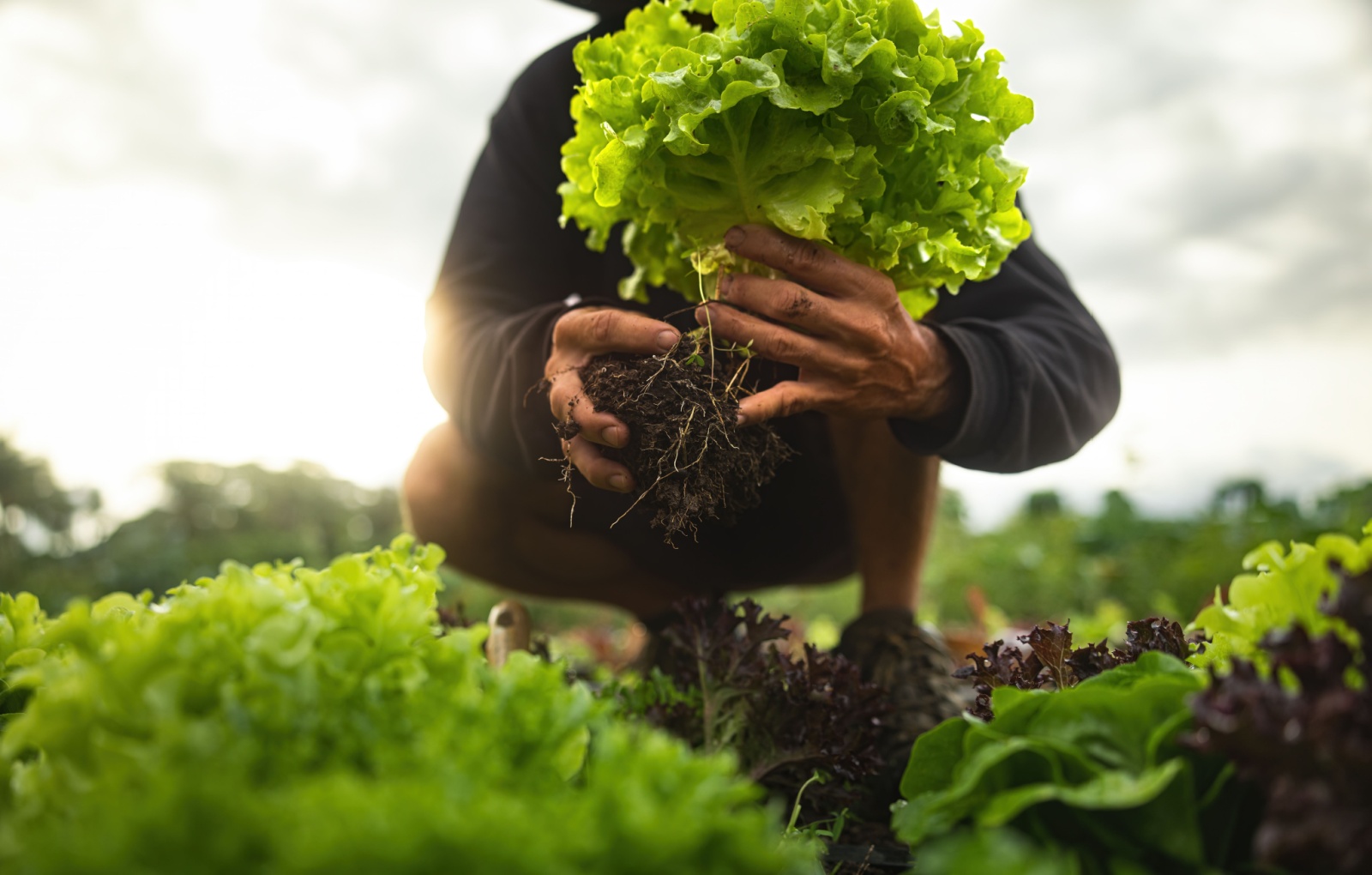

Active Packaging: Packaging that interacts with food or the environment to extend the food’s shelf life and preserve its quality
Additives: Substances added to food to preserve or enhance its flavor or improve its appearance
Aeration: The process of incorporating air into a mixture to increase its volume and create a lighter texture
Anaerobic Breakdown: Decomposition of organic matter by microorganisms without oxygen, often producing gases and acids
Antioxidants: Compounds that prevent oxidation in foods and protect against spoilage and nutrient loss
Aseptic Packaging: A food packaging process in which both the food and the packaging are sterilized separately before the product is packaged in a sterile environment
Biotechnology: The use of biological processes, organisms, and systems to develop and improve upon food products
Caramelization: The chemical reaction that occurs when sugars in food are heated, resulting in a brown color and rich flavor
Coagulation: The process of proteins thickening and forming an increasingly solid mass, often aided by heat or acid

Cross-Contamination: The transfer of harmful bacteria or allergens from one surface, food, or person to another
Denaturation: The structural change in proteins that is caused by heat, acids, or mechanical action
Dietary Fiber: Plant-based components that are not digested in the human gut but aid in digestive health
Dry Processing Techniques: Methods of preparing food without the addition of water, such as baking, grilling, and roasting
Emulsification: The process of mixing two liquids that normally don’t mix well, such as oil and water, to create a single liquid
Emulsifier: A substance that helps to stabilize an emulsion. For example, mustard is often used as an emulsifier in salad dressings, while egg yolks hold mayonnaise together.
Enzymes: Proteins that act as biological catalysts, accelerating chemical reactions in food and digestion
Fat-Soluble: Something that dissolves in fat or oil rather than water. Fat-soluble nutrients are stored in the body’s liver and fatty tissue. Vitamins A, D, E, and K are fat-soluble.
Fermentation: A metabolic process in which microorganisms convert sugars into acids (as in sauerkraut), gases (as in yeasted bread), or alcohol (as in wine)
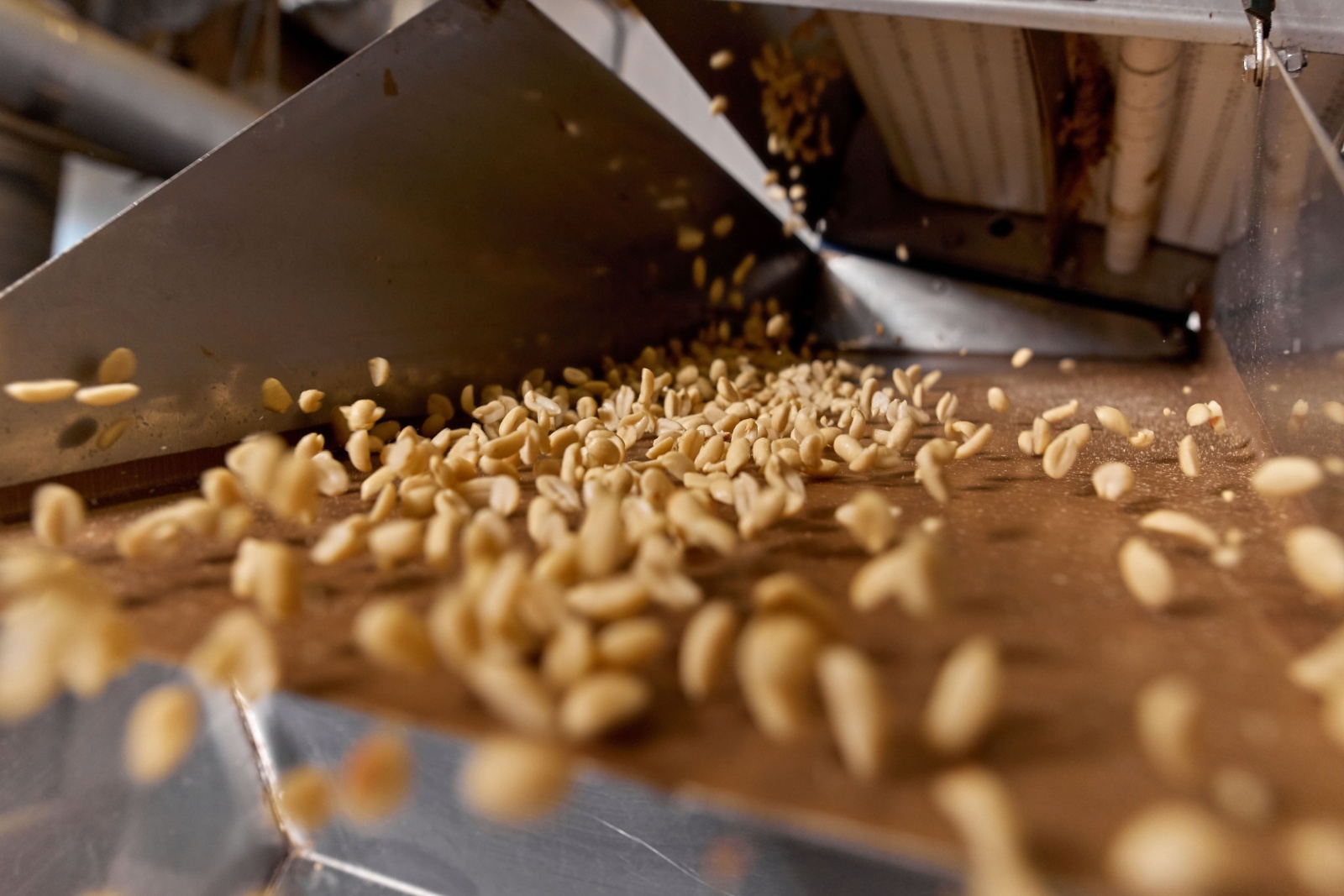
Food Allergy: An immune response to a specific protein in food. Some of the most common food allergens are eggs, milk, peanuts, soy, shellfish, wheat, and sesame. Individual reactions to allergens range from mild to severe.
Food Intolerance: A non-immune reaction to specific foods, often involving digestive issues rather than allergic symptoms
Food Miles: The distance that food travels from where it is produced to where it is consumed, impacting its carbon footprint
Food Poisoning: Illness caused by consuming contaminated food, often due to bacteria, viruses, or other toxins
Food Preservation: Measures taken to prevent spoilage and extend the shelf life of food, such as freezing or drying
Food Processing: The transformation of raw ingredients into food products through physical or chemical means
Food Spoilage: The deterioration of food quality due to microbial growth, enzymatic activity, or chemical reactions.
Food Standards: Regulations and guidelines set by a governing body (like the Food and Drug Administration) to ensure the safety, quality, and labeling of food products
Functional Foods: Foods that provide health benefits beyond basic nutrition
Gelatinization: The thickening process that occurs when starch granules absorb water and swell upon heating
Genetically Modified Organisms (GMOs): Plants or animals whose genetic material has been altered using biotechnology to elicit specific desired traits

Gluten: A protein found in wheat and related grains that makes dough elastic, gives bread products a chewy texture, and helps baked goods hold their shape
High-Risk foods: Foods that are more likely than others to support the growth of harmful bacteria and cause foodborne illness. Dairy products, seafood, eggs and egg dishes, and deli meats are all examples of high-risk foods.
Iron: An essential mineral that supports oxygen transport in the blood and energy metabolism
Lactose Intolerance: A body’s inability to digest lactose, a sugar found in dairy, due to low levels of the enzyme lactase
Leavening: The process of producing gas in dough or batter, causing it to rise and become light in texture. This process is aided by chemical leaveners like baking soda and baking powder, biological leaveners like yeast, and/or mechanical leaveners like eggs, creamed butter and sugar, and steam.
Macronutrients: Nutrients required in large amounts for energy and growth, including carbohydrates, proteins, and fats
Maillard Reaction: A browning reaction between proteins and sugars that creates rich flavor and color in cooked foods
Micronutrients: Nutrients needed in small amounts for normal body functions, such as vitamins and minerals
Microorganisms: Tiny organisms, including bacteria, yeasts, and molds, some of which are beneficial in food production or harmful as pathogens
Nutrient: A substance that provides nourishment that is essential for healthy growth and the maintenance of life
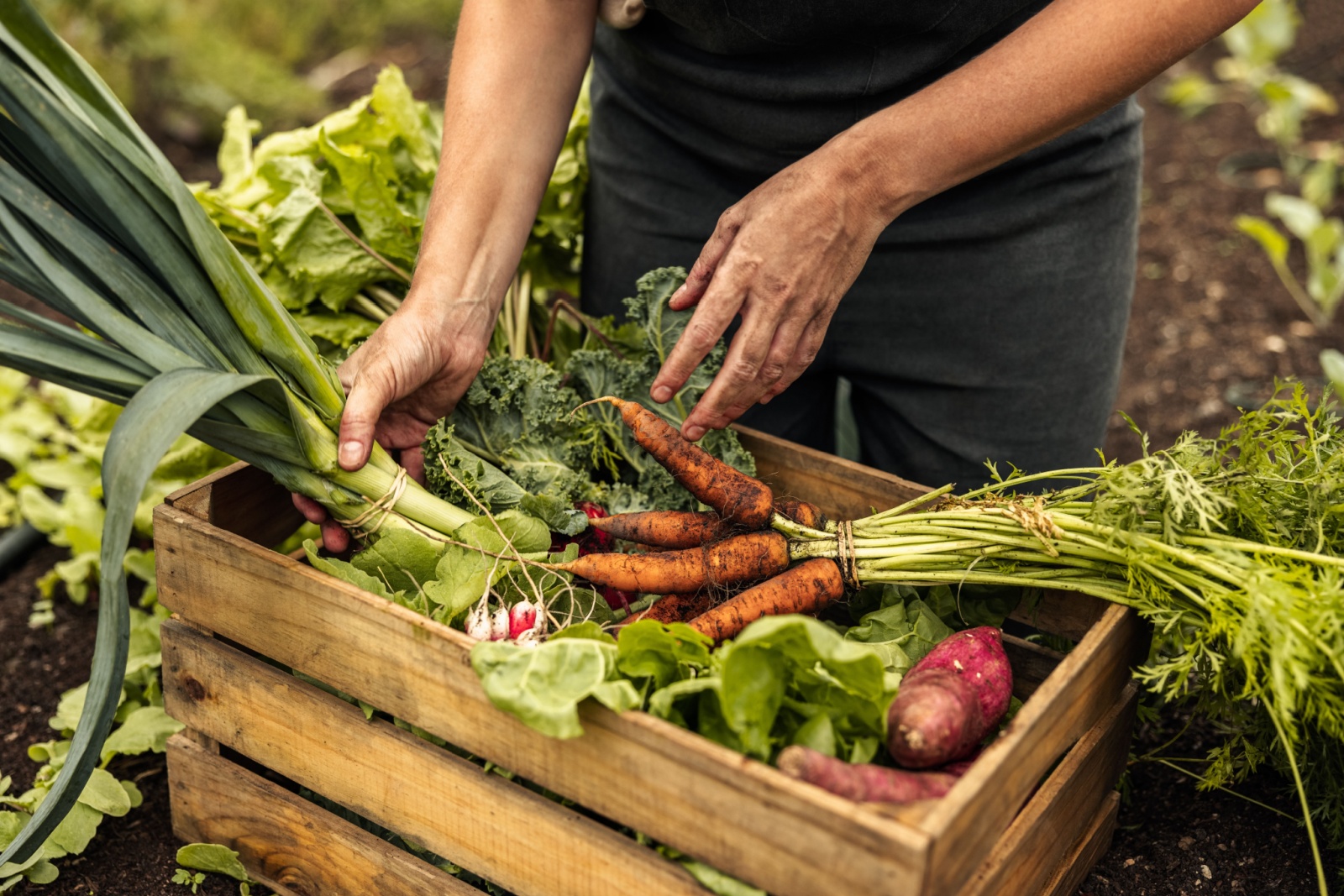
Nutritional Value: The content and quality of nutrients in a food that contribute to a healthy diet
Organic Food: Food produced without the use of synthetic pesticides, fertilizers, genetically modified organisms, or artificial additives
Oxidation: A chemical process by which oxygen causes deterioration in food color, flavor, and nutrients
Pasteurization: A heat treatment process that kills harmful microorganisms in food and beverages, especially milk and dairy products
Peristalsis: Wave-like muscular contractions that work to move food through the digestive tract
Preservation: Techniques or treatments used to maintain food quality and safety over time
Processing Techniques: Methods used to prepare, preserve, or transform raw ingredients into food products
Protein: A macronutrient made of amino acids, essential for building and repairing tissues
Rancidity: The spoilage of fats and oils, leading to unpleasant taste and odor due to oxidation
Shelf life: The length of time a food product remains safe for consumption
Sterilization: A process that destroys all forms of microbial life, including bacteria and spores, in food and packaging
Sustainable Food: Food produced in ways that are environmentally friendly, economically viable, and socially responsible
Tempering: A method used to control temperature changes during cooking to stabilize ingredients. This is most commonly used to make melted chocolate into a smooth, glossy solid or to combine eggs with a hot liquid without curdling them.
Traceability: The ability to track the production, processing, and distribution of a food product throughout the supply chain
Vitamins: Organic compounds required in small quantities to support metabolic processes and maintain health
Water-Soluble: Something that is dissolved in water, not fat. Water-soluble substances are not stored in the body like fat-soluble substances. Vitamin C and B-complex vitamins are water-soluble.
Wet Processing Techniques: Food preparation methods involving water or moisture, such as boiling, steaming, or blanching
Additional Food Science Resources
- Ten Ways to Hack Your Cooking With Chemistry
- Food Products and the Importance of Food Quality
- The Science of Home Food Preservation
- Barbecue Science: The Chemistry of Cooking Over a Flame
- Barbecue Grills and Smokers
- Build a Healthy Eating Routine
- How to Read Nutrition Facts on Food Packaging
- The Scientific Reason Why We Preheat the Oven to 350 Degrees
- The Role of Nutrition in Full-Body Health
- Yeast Fermentation and the Making of Beer and Wine
- Why Vinaigrettes Separate
- Bread Science 101
- Outdoor Kitchens
- Why Is Food Science Important?
- Food Science for Beginners
- Infrared Grills: Cooking With Science
- A Banana That Won’t Brown So Fast? Scientists Just Made it Happen