
Grilling is more than just cooking over an open flame; it’s an experience that brings together flavors, aromas, and textures to create something truly delicious. However, cooking on an outdoor grill has its challenges, and one of the biggest ones is determining which seasonings and spices work best with different ingredients. The right blend of spices can turn a simple cut of meat into a mouthwatering masterpiece or elevate the natural flavors of fresh vegetables. But with countless options, including spice rubs, marinades, dried herbs, and fresh seasonings, it can be overwhelming to know where to start. Should you coat your steak in a bold spice rub or opt for a simple seasoning mix? Do certain spices need to be toasted to unlock their full potential? Mastering the use of seasonings and spices is the key to enhancing your grilling skills and achieving incredible results.
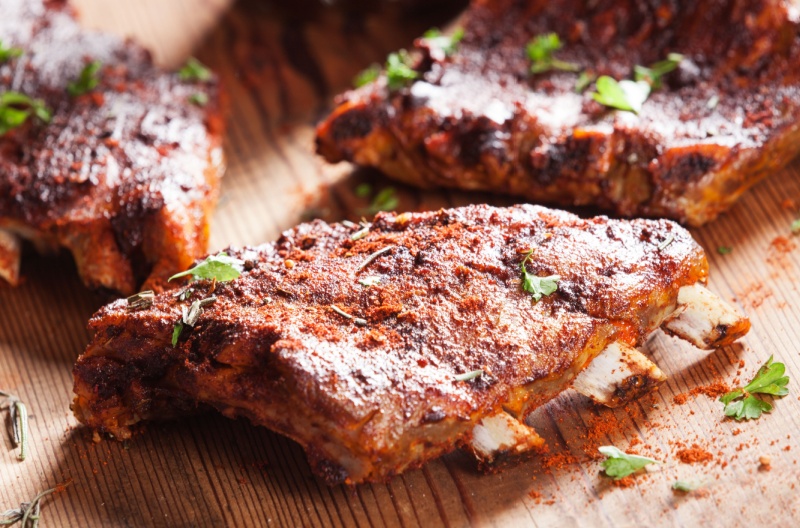
One of the best ways to season grilled food is by using a spice rub. A spice rub is a blend of dried seasonings that you massage onto meat, seafood, or vegetables before grilling. A well-crafted rub typically balances four key elements: salt for enhancing natural flavors, sweetness (like brown sugar or honey powder) to caramelize and create a crust, heat (such as chili powder or cayenne pepper) for a spicy kick, and aromatic spices (like cumin, garlic powder, or smoked paprika) for depth and complexity. Allowing the rub to sit on the food for at least 30 minutes (or even overnight in the fridge) helps the flavors penetrate deeper, resulting in a more flavorful final product. For even better results, consider toasting your spices before using them. Whole spices like cumin seeds, coriander, or fennel develop a richer, more complex taste when lightly toasted in a dry pan over medium heat. Toasting releases their essential oils, making them more aromatic and flavorful. Once they’re cooled, you can grind them into a fine powder using a spice grinder or mortar and pestle, or you can use them whole in marinades, rubs, or infused oils. This simple step can transform a basic seasoning blend into something extraordinary.
Proper storage is a critical factor in maintaining the potency of your spices and seasonings. Dried herbs and spices should be stored in airtight containers, away from direct sunlight, heat, and moisture. Avoid keeping them above the stove or near other heat sources in your kitchen, as this can degrade their flavor over time. Ground spices lose their potency faster than whole spices, so it’s best to buy them in small quantities and replace them every six months to a year. For the freshest flavor, consider grinding whole spices as needed.

Another tip for maximizing flavor is to layer your spices and seasonings. Instead of just applying a rub or marinade before grilling, try seasoning at multiple stages. For example, sprinkle a light layer of salt and pepper on your protein or veggies before adding a dry rub or marinade. Once they’re on the grill, you can brush on a glaze or sauce for added depth, then finish with a sprinkle of fresh herbs or flaky salt just before serving. This layering technique ensures that every bite is packed with flavor.
Don’t forget to pair spices with the right ingredients. Certain seasonings naturally complement specific foods. For example, rosemary and thyme are perfect for chicken, while smoked paprika and chili powder shine on steak. Turmeric and cumin pair beautifully with vegetables like cauliflower and sweet potatoes, and cinnamon and coriander can add a warm, exotic touch to grilled pork or lamb. Experimenting with these and other pairings can help you discover new favorite flavor combinations.

|
Seasoning Name |
Brief Description |
Pairs Best With |
|---|---|---|
| Black Pepper |
Pungent, mildly spicy, enhances almost any dish |
Steak, potatoes |
| Garlic Powder |
Strong, savory, and slightly sweet flavor |
Chicken, green beans |
| Onion Powder |
Sweet, slightly tangy, and aromatic |
Beef, mushrooms |
| Paprika |
Mild, smoky, or sweet depending on the type |
Chicken, bell peppers |
| Cumin |
Warm, earthy, with a hint of citrus |
Lamb, beans |
| Chili Powder |
Spicy and smoky, often a blend of multiple peppers |
Tacos, corn |
| Oregano |
Earthy, slightly bitter, with a Mediterranean touch |
Tomato sauce, pork |
| Rosemary |
Woody, pine-like aroma with a strong flavor |
Lamb, potatoes |
| Thyme |
Subtle, slightly minty with a touch of lemon |
Fish, mushrooms |
| Cinnamon |
Warm, sweet, and slightly spicy |
Pork, apples |
| Turmeric |
Mildly bitter with a warm, earthy undertone |
Chicken, cauliflower |
| Nutmeg |
Sweet, nutty, and slightly spicy |
Pumpkin, cream sauces |
| Ginger |
Pungent, slightly sweet, with a spicy kick |
Carrots, seafood |
| Dill |
Light, grassy, with a slightly citrusy note |
Salmon, cucumbers |
| Bay Leaf |
Subtle, herbal, with a slightly floral aroma |
Soups, stews |