When it comes to outdoor entertaining, nothing beats a cold beer on tap. That's where a kegerator comes in - a refrigerator modified to hold a keg of beer and dispense it through a tap. With a kegerator, you can have perfectly chilled beer at your fingertips without buying cans or bottles constantly. Plus, it adds a touch of sophistication to your outdoor BBQ and is sure to impress your guests.
At Grillio.com, we offer a range of home kegerators designed specifically for outdoor use. Our outdoor kegerators come in various sizes and styles to fit many outdoor kitchens and lifestyles. Whether you're looking for a single-tap kegerator or a dual-tap model, we've got you covered. And with our kegerators for sale, you don't have to break the bank to enjoy the luxury of cold, fresh beer on tap.
Features of Our Outdoor Kegerators
A kegerator is a fantastic addition to any outdoor home bar or entertainment space, allowing you to serve ice-cold beer on tap just like your favorite bar. But what makes a kegerator even better are the features that come with it:
Outdoor Rating: Our kegerators are rated for outdoor use, meaning they're built to withstand extreme temperatures and weather conditions .
Digital Controls: Our kegerators feature digital controls that allow you to monitor and set the temperature to your liking easily.
Single or Double Taps: Our kegerators come in a variety of sizes and styles, so you can choose the one that best fits your needs.
Stainless Steel Exteriors: Our kegerators are built to last, with exteriors made of high-quality stainless steel that resists rust and corrosion.
Safety Locks: Some of our kegerators come with safety locks to keep little ones from accessing the beer when you're not looking.
At Grillio.com, we're dedicated to helping you create the ultimate outdoor entertaining space. Shop our selection of outdoor kegerators today and take your outdoor gatherings to the next level!
A kegerator is a refrigerator designed to store and
dispense beer from a keg. Here's how a kegerator works:
The keg is placed inside the kegerator and connected to the tap via a hose and CO2 tank.
The CO2 tank is responsible for maintaining the pressure inside the keg, which is necessary for
dispensing beer.
When the tap is opened, the pressurized CO2 forces the beer out of the keg and through the hose
and tap, allowing it to be dispensed into a glass or other container.
The temperature inside the kegerator is regulated by a thermostat, which keeps the beer at the
optimal temperature for serving.
Some kegerators may also have additional features like a built-in drip tray to catch any spills
and a locking mechanism to prevent unauthorized access.
By keeping your kegerator clean and properly maintained, you can ensure that your beer is always
served at its best. And by understanding how a kegerator works, you can troubleshoot any issues and
enjoy a cold, refreshing beer on tap whenever you want.
How to clean kegerator lines?
Cleaning the lines of your kegerator is essential
in maintaining the quality and taste of your beer. Here's a step-by-step guide on how to clean kegerator
lines:
Turn off the CO2 tank and disconnect it from the keg.
Remove the faucet from the shank and soak it in a cleaning solution, such as a mixture of hot
water and beer line cleaner.
Disconnect the beer line from the keg coupler and attach a cleaning bottle filled with the
solution.
Run the cleaning solution through the lines by opening the faucet and allowing the solution to
flow through until it reaches the bottom of the bottle.
Let the cleaning solution sit in the lines for the recommended amount of time (usually around 20
minutes), then flush the lines with clean water by repeating step 4 with a fresh bottle of clean
water.
Reattach the faucet and reconnect the beer line to the keg coupler.
Turn the CO2 tank back on and allow the system to pressurize while checking for leaks.
By following these steps, you can ensure your kegerator lines are clean and your beer tastes great
every time. It is recommended to clean your kegerator lines after every keg or at least once every
two months to maintain the quality of your beer.
Where to fill the CO2 tank for a kegerator?
CO2 tanks are essential to any kegerator system
that uses a gas-powered tap system. Here are a few options for where to fill your CO2 tank for your
kegerator:
Welding supply stores: Many welding supply stores offer CO2 refills, often using the gas for
welding purposes.
Beverage supply stores: Some beverage supply stores like homebrew shops or restaurant supply
stores may also offer CO2 refills for your kegerator.
Gas distributors: Local gas distributors may also offer CO2 refills, so check with your local
companies to see if they offer this service.
Online retailers: If you can't find a local place to refill your CO2 tank, many online retailers
offer CO2 tank exchanges where you can purchase a full tank and then return your empty one for a
refill.
Before heading out to get your CO2 tank filled, check the type of connector you need for your
kegerator and ensure that the place you're going to fill it has the correct fittings. By getting
your CO2 tank refilled regularly, you can ensure that your kegerator system is always ready to serve
up cold, refreshing beer on tap.
How to clean a kegerator?
Cleaning your kegerator is an important part of
maintaining the quality and taste of your beer. Here's a step-by-step guide on how to clean a
kegerator:
Unplug the kegerator and remove all of the parts from the inside, including the keg and CO2
tank.
Use a soft cloth or sponge to wipe down the inside of the kegerator with warm, soapy water. Be
sure to thoroughly clean all surfaces, including the shelves, nooks, and crannies.
Rinse all parts with clean water and dry them with a clean towel.
Clean the faucet and shank with hot water and beer line cleaner, then rinse thoroughly and dry
with a clean towel.
Reassemble the kegerator, ensuring that all parts are properly secured and tightened.
Plug in the kegerator and turn it on, allowing it to cool down to the appropriate temperature
for your beer.
By following these steps, you can ensure your kegerator is clean and ready to serve fresh, delicious
beer every time. It is recommended to clean your kegerator at least once every three months or after
every keg to maintain the quality of your beer.
How long does a keg last in a kegerator?
The lifespan of a keg in a kegerator depends on
several factors, including the type of beer, the temperature of the kegerator, and the level of
carbonation. Here are some general guidelines for how long a keg will last in a kegerator:
Temperature: Your kegerator's temperature is crucial to your keg's lifespan. Most beers should
be stored at 35-45 degrees Fahrenheit. If the temperature is too high, the beer will spoil more
quickly, resulting in a shorter keg lifespan.
Carbonation: Over-carbonated beer can also decrease the lifespan of your keg, as it will cause
the beer to foam excessively and result in wasted beer. Be sure to regulate the carbonation
level in your kegerator properly.
Type of beer: Different types of beer have different lifespans once tapped. For example, lighter
beers like lagers or pilsners tend to last longer than darker, heavier beers like stouts or
porters.
Generally, if your kegerator is properly maintained and set to the appropriate temperature and
carbonation level, a beer keg can typically last anywhere from six to eight weeks. However, it's
important to check the expiration date on the keg and use it before it goes bad. Once a keg has been
tapped, consuming it within a few days is best to ensure the freshest taste possible.
{
"@context": "https://schema.org",
"@type": "FAQPage",
"mainEntity": [
{
"@type": "Question",
"name": "How does a kegerator work?",
"acceptedAnswer": {
"@type": "Answer",
"text": "A kegerator is a refrigerator designed to store and dispense beer from a keg. The keg is placed inside the kegerator and connected to the tap via a hose and CO2 tank. The CO2 tank is responsible for maintaining the pressure inside the keg, which is necessary for dispensing beer. When the tap is opened, the pressurized CO2 forces the beer out of the keg and through the hose and tap, allowing it to be dispensed into a glass or other container. The temperature inside the kegerator is regulated by a thermostat, which keeps the beer at the optimal temperature for serving. Some kegerators may also have additional features like a built-in drip tray to catch any spills and a locking mechanism to prevent unauthorized access. By keeping your kegerator clean and properly maintained, you can ensure that your beer is always served at its best."
}
},
{
"@type": "Question",
"name": "How to clean kegerator lines?",
"acceptedAnswer": {
"@type": "Answer",
"text": "Cleaning the lines of your kegerator is essential in maintaining the quality and taste of your beer. First, turn off the CO2 tank and disconnect it from the keg. Remove the faucet from the shank and soak it in a cleaning solution, such as a mixture of hot water and beer line cleaner. Disconnect the beer line from the keg coupler and attach a cleaning bottle filled with the solution. Run the cleaning solution through the lines by opening the faucet and allowing the solution to flow through until it reaches the bottom of the bottle. Let the cleaning solution sit in the lines for the recommended amount of time (usually around 20 minutes), then flush the lines with clean water by repeating the process with a fresh bottle of clean water. Reattach the faucet and reconnect the beer line to the keg coupler. Turn the CO2 tank back on and allow the system to pressurize while checking for leaks. It is recommended to clean your kegerator lines after every keg or at least once every two months to maintain the quality of your beer."
}
},
{
"@type": "Question",
"name": "Where to fill the CO2 tank for a kegerator?",
"acceptedAnswer": {
"@type": "Answer",
"text": "CO2 tanks are essential to any kegerator system that uses a gas-powered tap system. You can fill your CO2 tank at welding supply stores, as many offer CO2 refills since they use the gas for welding purposes. Beverage supply stores like homebrew shops or restaurant supply stores may also offer CO2 refills for your kegerator. Local gas distributors may also offer CO2 refills, so check with your local companies to see if they offer this service. If you can't find a local place to refill your CO2 tank, many online retailers offer CO2 tank exchanges where you can purchase a full tank and then return your empty one for a refill. Before heading out to get your CO2 tank filled, check the type of connector you need for your kegerator and ensure that the place you're going to fill it has the correct fittings."
}
},
{
"@type": "Question",
"name": "How to clean a kegerator?",
"acceptedAnswer": {
"@type": "Answer",
"text": "Cleaning your kegerator is an important part of maintaining the quality and taste of your beer. First, unplug the kegerator and remove all of the parts from the inside, including the keg and CO2 tank. Use a soft cloth or sponge to wipe down the inside of the kegerator with warm, soapy water. Be sure to thoroughly clean all surfaces, including the shelves, nooks, and crannies. Rinse all parts with clean water and dry them with a clean towel. Clean the faucet and shank with hot water and beer line cleaner, then rinse thoroughly and dry with a clean towel. Reassemble the kegerator, ensuring that all parts are properly secured and tightened. Plug in the kegerator and turn it on, allowing it to cool down to the appropriate temperature for your beer. It is recommended to clean your kegerator at least once every three months or after every keg to maintain the quality of your beer."
}
},
{
"@type": "Question",
"name": "How long does a keg last in a kegerator?",
"acceptedAnswer": {
"@type": "Answer",
"text": "The lifespan of a keg in a kegerator depends on several factors, including the type of beer, the temperature of the kegerator, and the level of carbonation. Your kegerator's temperature is crucial to your keg's lifespan. Most beers should be stored at 35-45 degrees Fahrenheit. If the temperature is too high, the beer will spoil more quickly, resulting in a shorter keg lifespan. Over-carbonated beer can also decrease the lifespan of your keg, as it will cause the beer to foam excessively and result in wasted beer. Different types of beer have different lifespans once tapped. For example, lighter beers like lagers or pilsners tend to last longer than darker, heavier beers like stouts or porters. Generally, if your kegerator is properly maintained and set to the appropriate temperature and carbonation level, a beer keg can typically last anywhere from six to eight weeks. However, it's important to check the expiration date on the keg and use it before it goes bad. Once a keg has been tapped, consuming it within a few days is best to ensure the freshest taste possible."
}
}
]
}



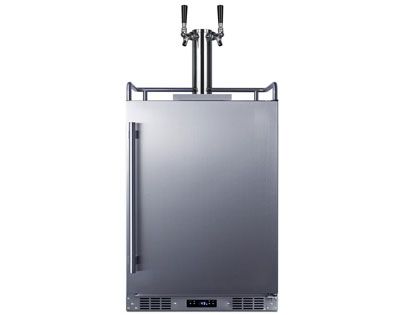 Summit Commercial Outdoor Rated Double Tap Wine Dispenser / Kegerator w/ ShelvesModel: SBC682WKDTWINby Summit ApplianceQuick ShipSale $2,560$142/mo with 18-month financing
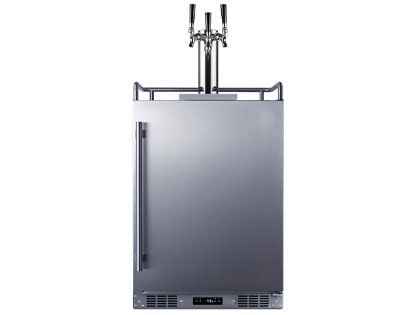 Summit Commercial Outdoor Rated Triple Tap Beer Dispenser / Kegerator with ShelvesModel: SBC683OSTRIPLEby Summit ApplianceQuick ShipSale $2,560$142/mo with 18-month financing
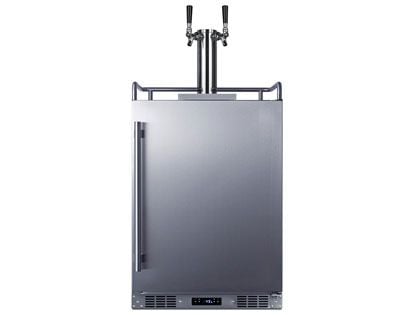 Summit Commercial Outdoor Rated Double Tap Beer Dispenser / Kegerator with ShelvesModel: SBC683OSTWINby Summit ApplianceQuick ShipSale $2,415$134/mo with 18-month financing
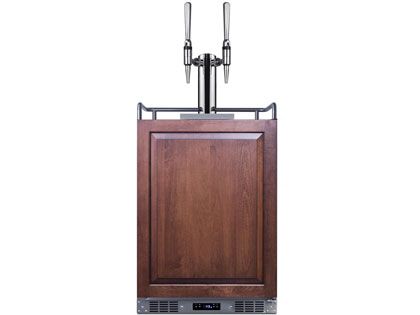 Summit 24-Inch 5.6 Cu. Ft. Built-In Nitro Coffee Kegerator - Custom PanelModel: SBC682PNRNCFTWINby Summit ApplianceQuick ShipSale $3,049.99$169/mo with 18-month financing
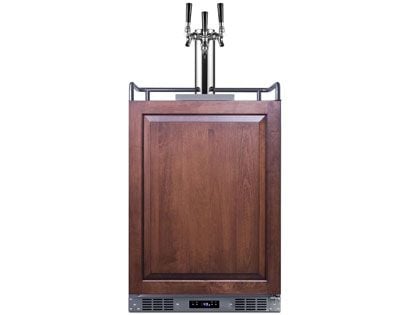 Summit 24-Inch 5.6 Cu. Ft. Built-In Kegerator - Custom PanelModel: SBC682PNRTRIPLEby Summit ApplianceQuick ShipSale $3,069.99$171/mo with 18-month financing
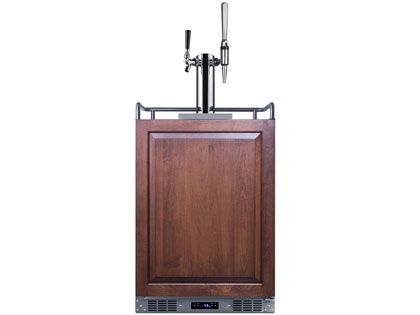 Summit 24-Inch 5.6 Cu. Ft. Built-In Cold Brew/Nitro Coffee Kegerator - Custom PanelModel: SBC682PNRCMTWINby Summit ApplianceQuick ShipSale $3,019.99$168/mo with 18-month financing
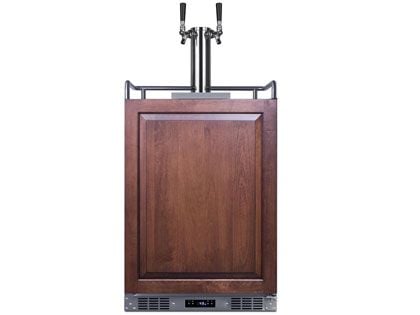 Summit 24-Inch 5.6 Cu. Ft. Built-In Wine Kegerator - Custom PanelModel: SBC682PNRWKDTWINby Summit ApplianceQuick ShipSale $2,954.99$164/mo with 18-month financing
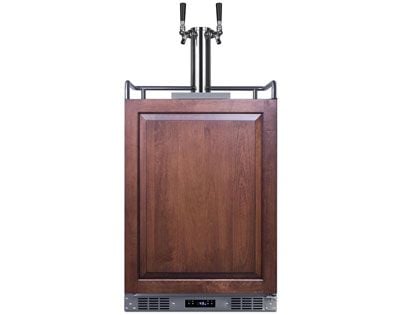 Summit 24-Inch 5.6 Cu. Ft. Built-In Cold Brew Coffee Kegerator - Custom PanelModel: SBC682PNRCFTWINby Summit ApplianceQuick ShipSale $2,989.99$166/mo with 18-month financing
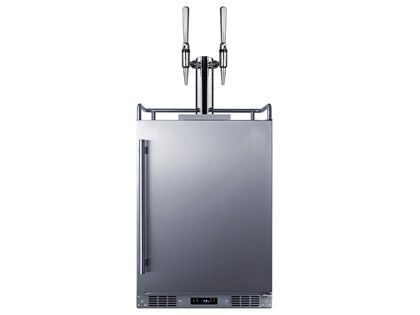 Summit Commercial Outdoor Rated Double Tap Nitro Infused Coffee Dispenser / Kegerator with ShelvesModel: SBC682NCFTWINby Summit ApplianceQuick ShipSale $2,560$142/mo with 18-month financing
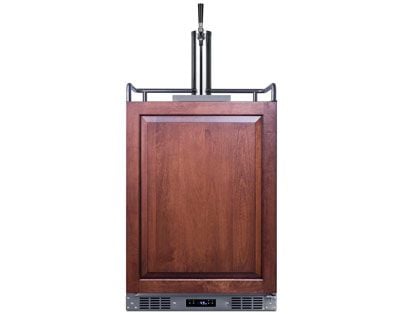 Summit 24-Inch 5.6 Cu. Ft. Built-In Kegerator - Custom PanelModel: SBC682PNRby Summit ApplianceQuick ShipSale $2,749.99$153/mo with 18-month financing
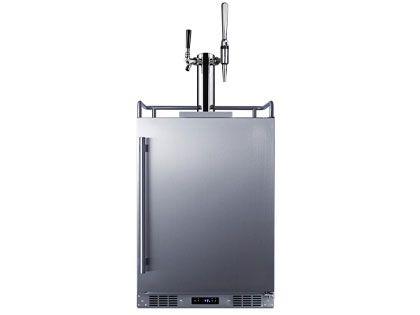 Summit Commercial Outdoor Rated Double Tap Cold Brew Nitro & Flat Coffee Dispenser / Kegerator with ShelvesModel: SBC682CMTWINby Summit ApplianceQuick ShipSale $2,560$142/mo with 18-month financing
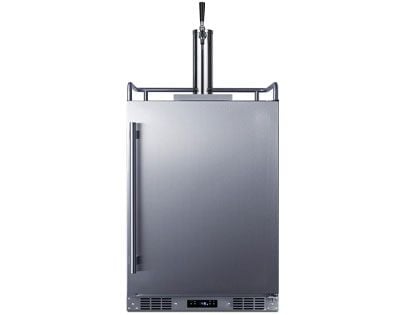 Summit Commercial Outdoor Rated Single Tap Beer Dispenser / Kegerator with ShelvesModel: SBC683OSby Summit ApplianceQuick ShipSale $2,200$122/mo with 18-month financing
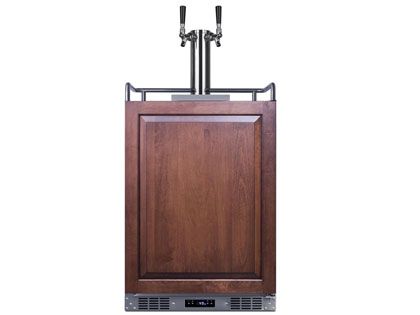 Summit 24-Inch 5.6 Cu. Ft. Built-In Kegerator - Custom PanelModel: SBC682PNRTWINby Summit ApplianceQuick ShipSale $2,909.99$162/mo with 18-month financing