
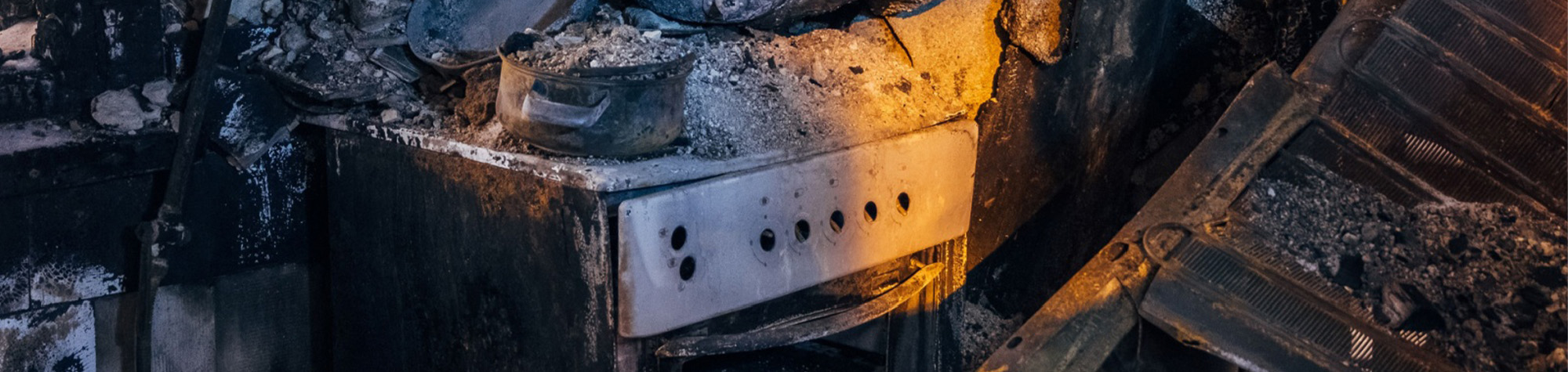
Modern kitchens are designed for convenience, but they also contain several potential fire hazards. Cooking involves open flames, hot surfaces, oil, and electrical appliances, all of which can become dangerous if handled carelessly. Kitchen fires often start quickly and spread faster than people expect, especially when grease or unattended cookware is involved.
Preventing kitchen fires does not require special equipment or advanced training, and it does not mean you have to stop cooking. It begins with understanding common fire causes, developing safer habits, maintaining kitchen equipment, and paying attention while cooking. With basic awareness and a few precautions, many kitchen fires can be avoided entirely.
Main Causes of Kitchen Fires
Most kitchen fires begin during everyday cooking activities. According to fire safety organizations, unattended cooking is the leading cause of home fires and fire-related injuries. Grease fires are especially dangerous because they spread quickly and cannot be extinguished with water.
Other common causes include:
- Food left cooking on stovetops or in ovens
- Grease buildup on gas burners, range hoods, or oven interiors
- Flammable items placed too close to heat sources
- Electrical faults in small kitchen appliances
- Cooking while tired, distracted, or impaired
These risks increase when kitchens are cluttered or when safety devices, such as smoke alarms, are disabled.
Kitchen Fire Statistics and Safety Facts
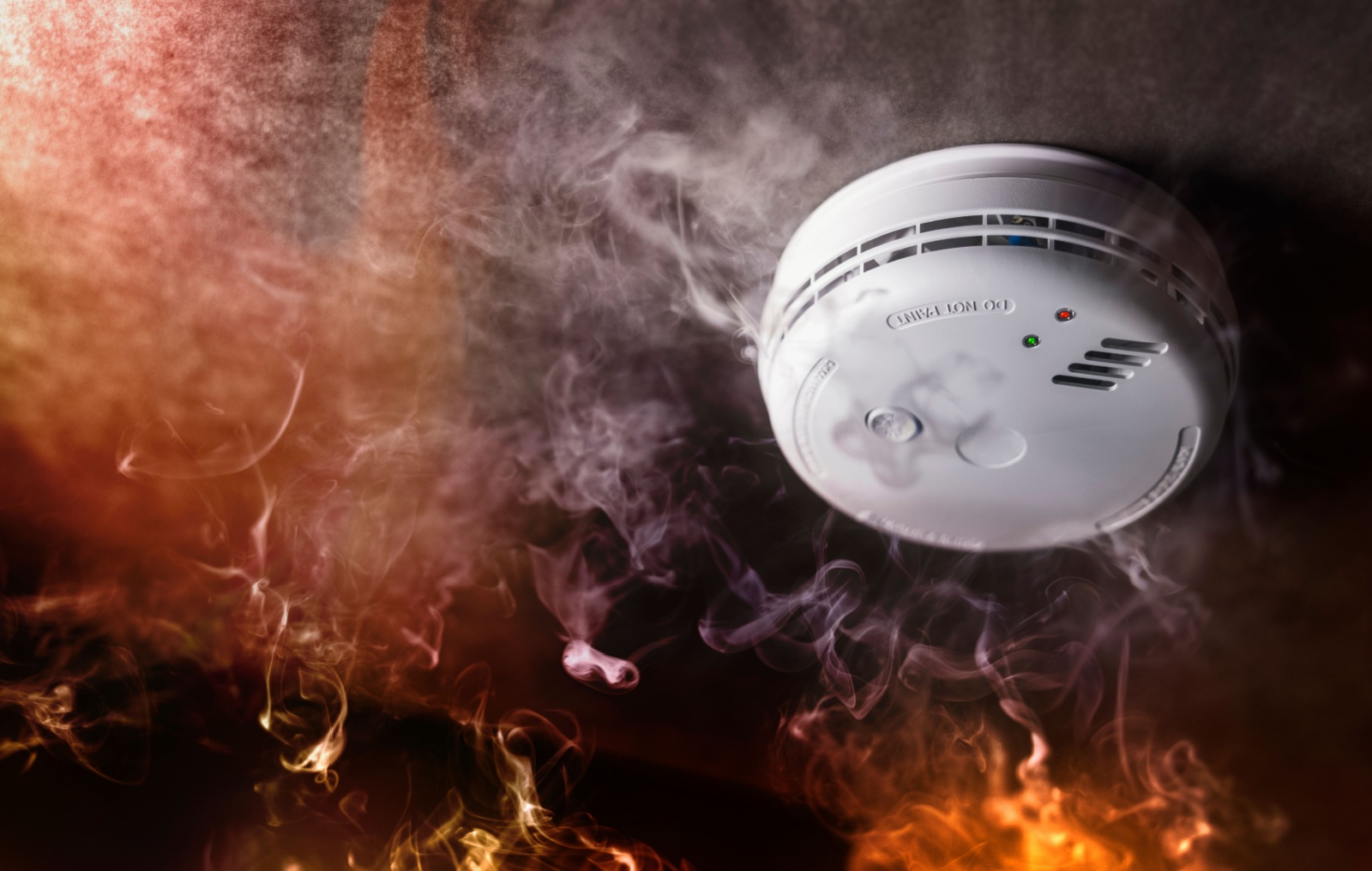
Fire safety organizations consistently report that cooking fires are the most common type of home fire. Stovetops and cooktops are responsible for a large share of these incidents, often involving grease ignition. Many cooking fires start during everyday meal preparation rather than special occasions.
Statistics also show that working smoke alarms significantly reduce the risk of serious injury or death during fires. Homes without functioning alarms are far more vulnerable, as fires may go unnoticed until they are difficult to control. These findings highlight how small safety measures can have a major impact on outcomes.
Practical Kitchen Fire Prevention Tips

Preventing kitchen fires is largely about awareness and consistency rather than special equipment or complex procedures. Many cooking-related fires begin during ordinary tasks when attention slips or safety steps are skipped. Heat, grease, electricity, and human behavior all interact in close quarters, which means small oversights can escalate quickly.
Focusing on everyday cooking habits helps reduce these risks at their source. Simple actions taken before, during, and after cooking can limit exposure to open flames, control heat buildup, and reduce the chance of electrical or grease-related ignition.
In homes where cooking regularly involves high heat, open flames, or heavy smoke, moving certain cooking tasks outside the main living space can reduce overall fire risk. Purpose-built outdoor kitchens are often designed with better ventilation, more clearance from flammable materials, and layouts that help manage heat more safely than enclosed indoor kitchens.
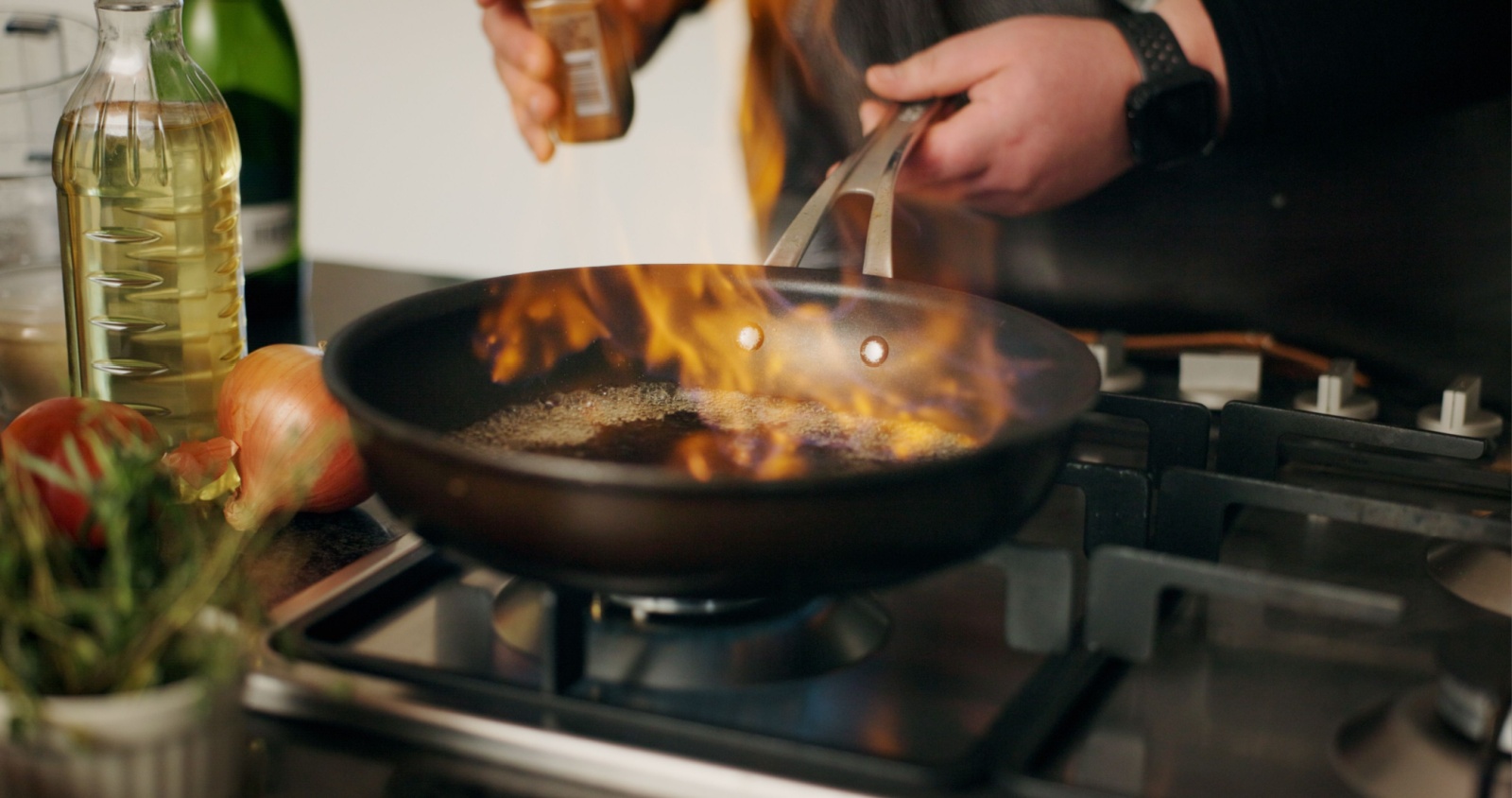
Stay in the Kitchen While Cooking
Unattended cooking allows small problems to escalate quickly. Remaining nearby makes it easier to respond if food overheats, oil smokes, or flames appear. If it is necessary to step away, turning off heat sources first greatly reduces risk.

Keep Flammable Items Away From Heat
Items such as dish towels, wooden utensils, paper products, and food packaging should never be placed near stovetops or ovens. Heat can transfer quickly, causing these materials to ignite even without direct flame contact. Make sure you have sufficient storage space.
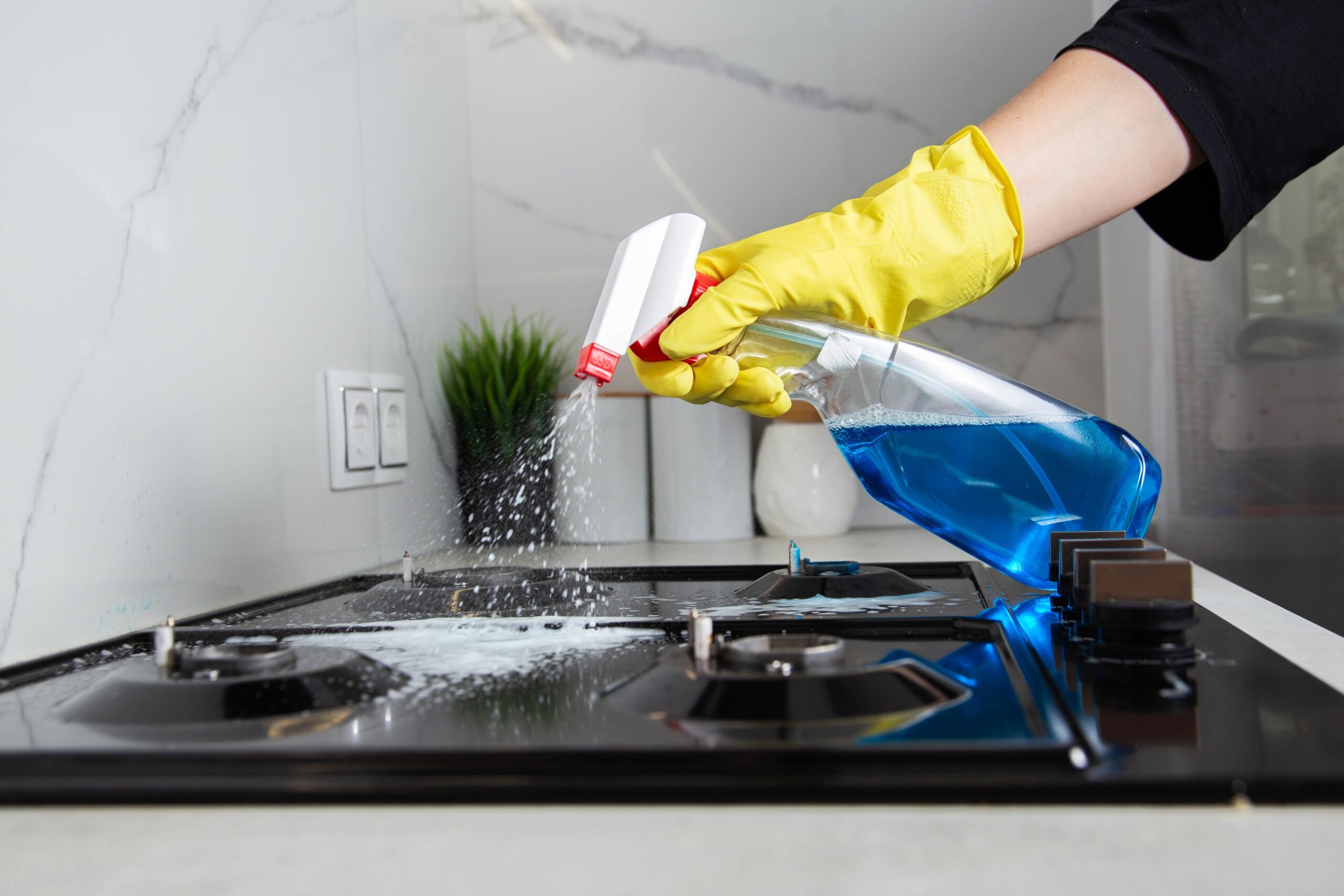
Clean Cooking Surfaces Regularly
Grease and food residue act as fuel for fires. Regularly cleaning stovetops, burners, ovens, and range hoods helps prevent grease buildup and reduces the chance of ignition during cooking.
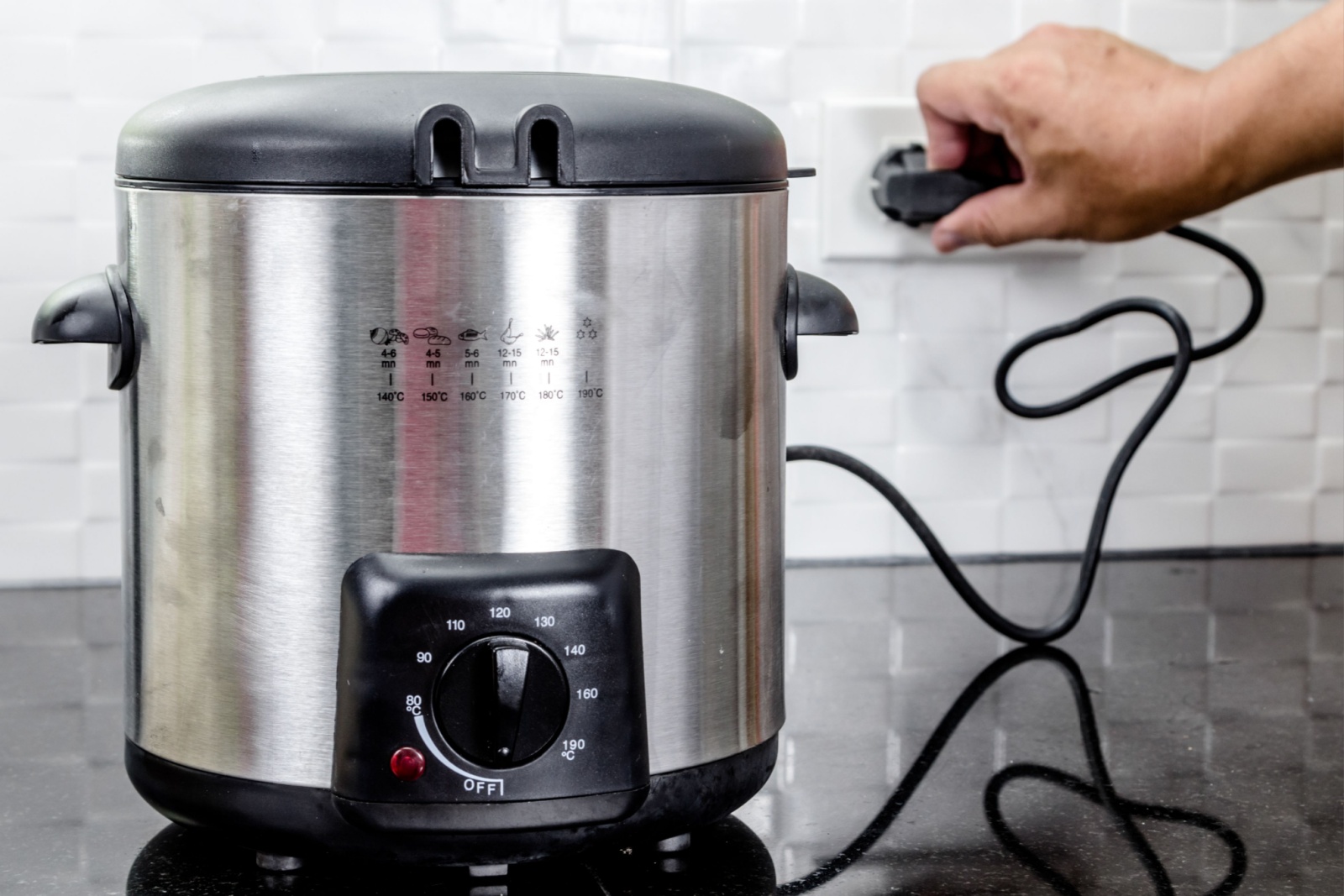
Use Kitchen Appliances Carefully
Small appliances should be used according to the manufacturer’s instructions and unplugged when not in use. Frayed cords, damaged plugs, or overloaded outlets increase fire risk and should be addressed immediately.
Know How to Respond to a Grease Fire
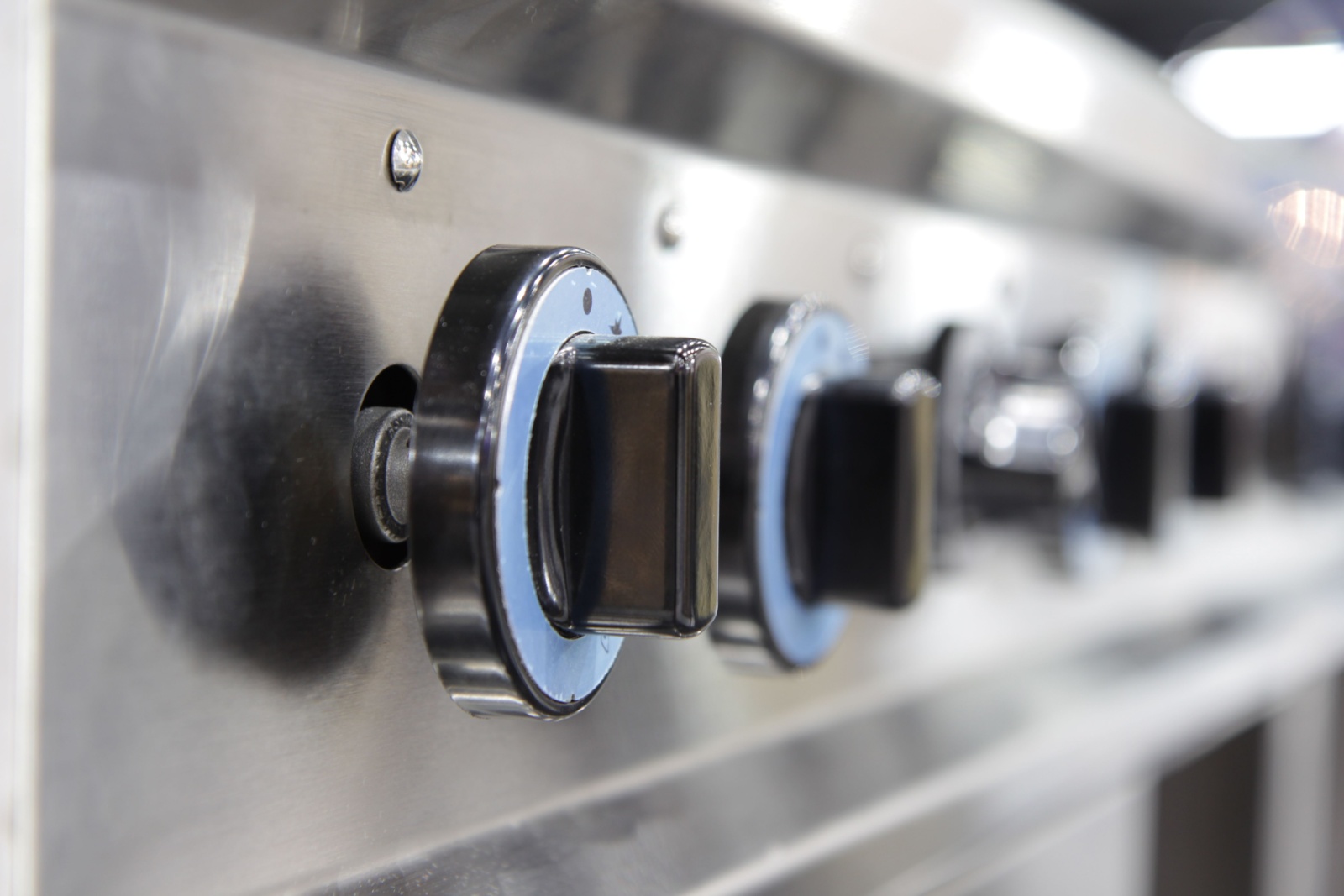
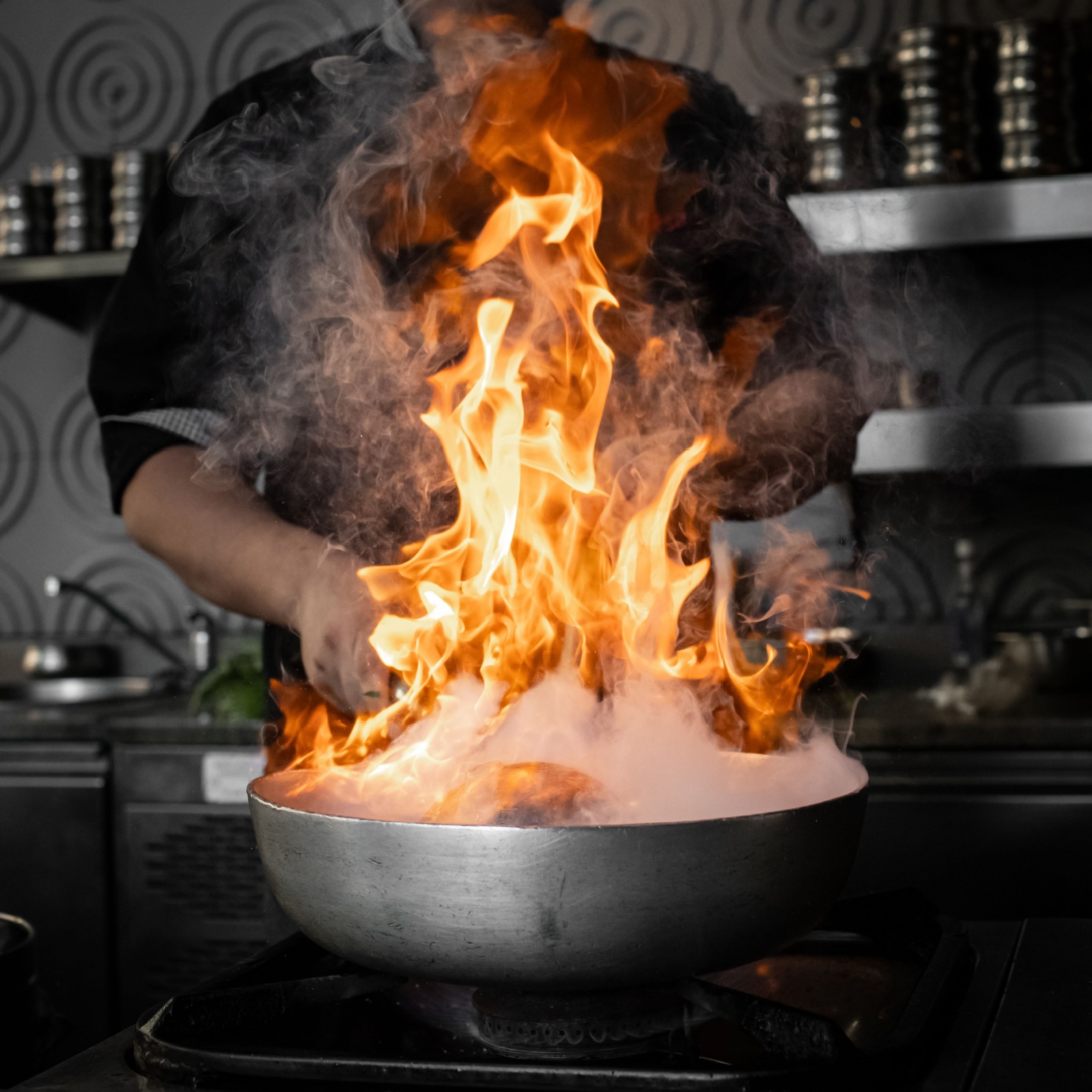
Water should never be used on grease fires, as it can cause flames to spread rapidly. Turning off the heat source and covering the fire with a lid can help contain it if it is safe to do so. When in doubt, evacuating and contacting emergency services is the safest option.
Maintain Working Smoke Alarms
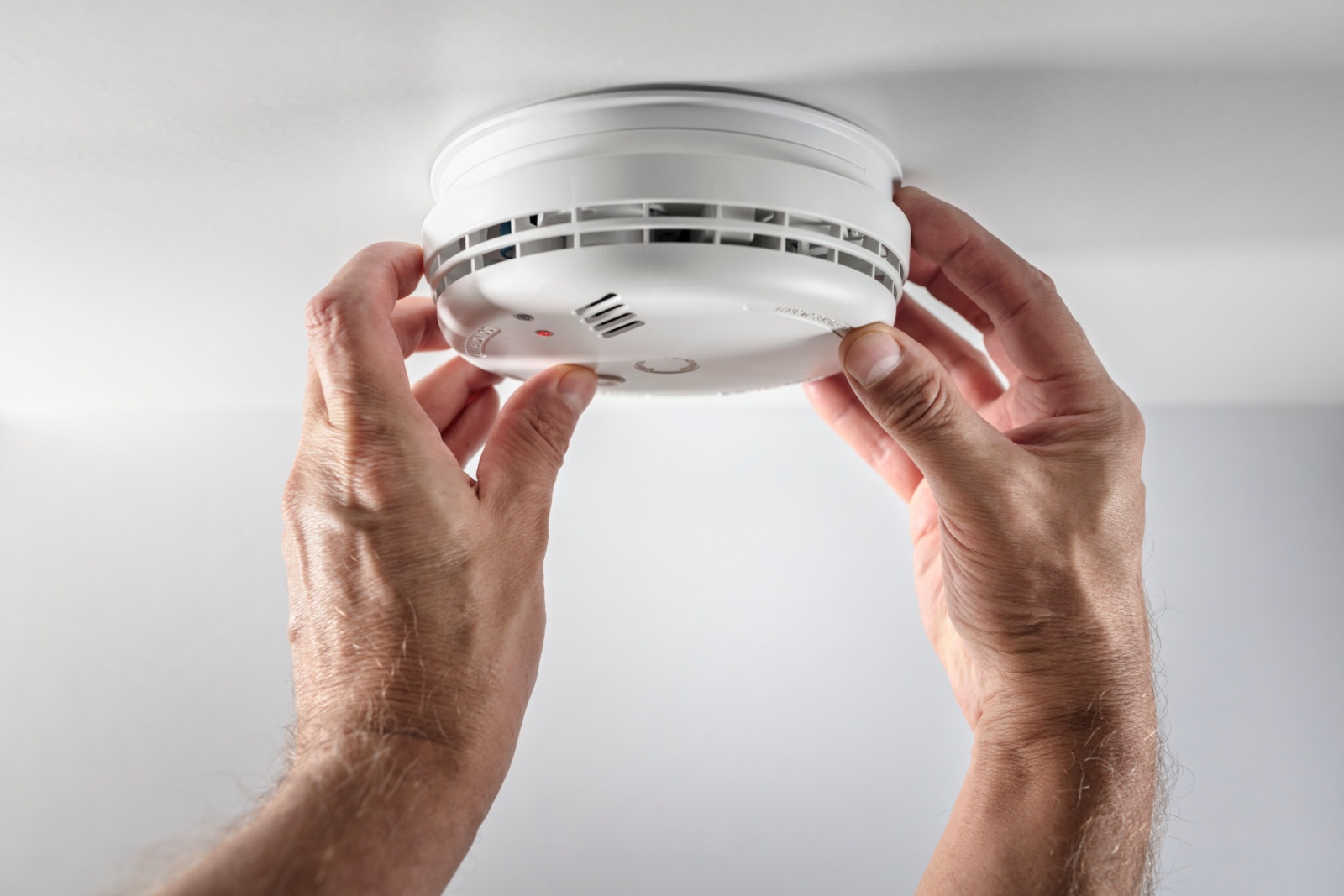
Smoke alarms provide early warning that allows people to respond before fires grow out of control. Alarms near kitchens should be tested regularly and never disabled during cooking or smoking, even if nuisance alarms occur.

Avoid Cooking While Tired or Impaired
Fatigue, alcohol, and certain medications reduce awareness and reaction time. Cooking under these conditions increases the likelihood of leaving food unattended or responding too slowly to hazards.
Consider Safer Cooking Setups for High-Heat Meals
Meals that involve high heat, smoke, or open flames may be better prepared in outdoor cooking areas designed for that purpose. Purpose-built outdoor kitchen spaces can help reduce indoor fire risk when used appropriately.
Building Safer Habits in the Kitchen
Kitchen fires often start with small, preventable mistakes. Leaving food unattended, allowing grease to build up, or ignoring basic safety practices can turn routine cooking into an emergency. Fire prevention in the kitchen relies on awareness, preparation, and consistent habits.
By understanding common risks and applying simple safety measures, households can greatly reduce the likelihood of kitchen fires. Staying alert, keeping cooking areas clean, and respecting the power of heat are essential steps toward a safer home.
Additional Resources To Learn More

- How to Avoid Air Pollutants When Cooking
- Outdoor Cooking Tips
- Scald and Burn Injury Prevention
- Learn About Smoke Alarms
- Tips for Installing and Testing Smoke Alarms
- Why Clean Cooking is Important For Your Health
- Learn About Home Fires
- What If A Grease Fire Occurs?
- How To Put Out A Kitchen Fire
- Learn How Your Family Can Prevent Home Fires
- Examples of Potential Combustible Dust Hazards
- Keeping Score: Recent Fire Statistics
- Choosing and Using Fire Extinguishers
- First Aid for Kitchen Burns