
Farmers’ markets are more than just places to buy groceries; they are community hubs where you can connect directly with the people who grow your food. Navigating a market for the first time might seem a little intimidating, but once you understand the basics of seasonality and how to talk to vendors, it becomes an easy way to support local agriculture and level up your cooking.
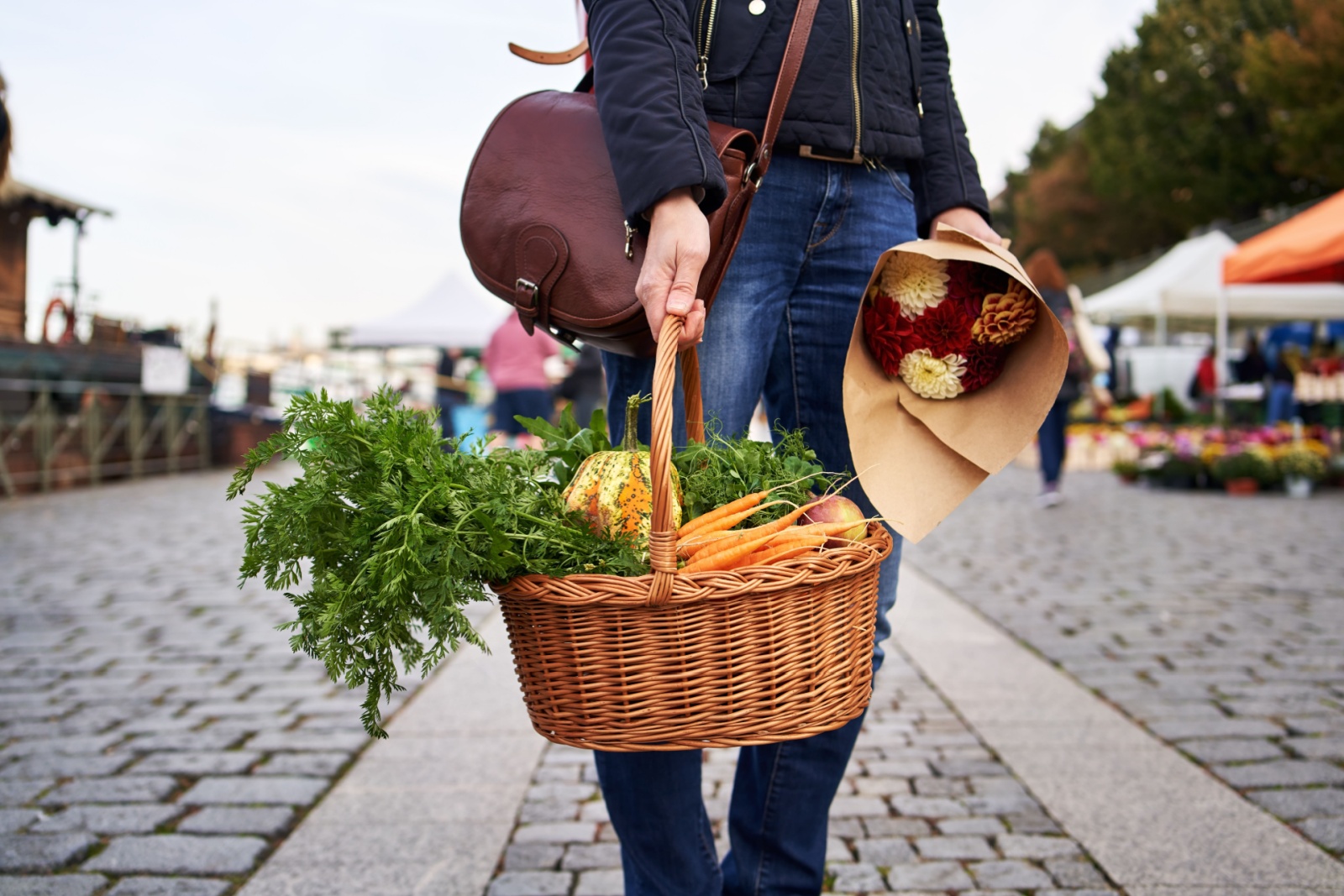
Farmers’ Market 101
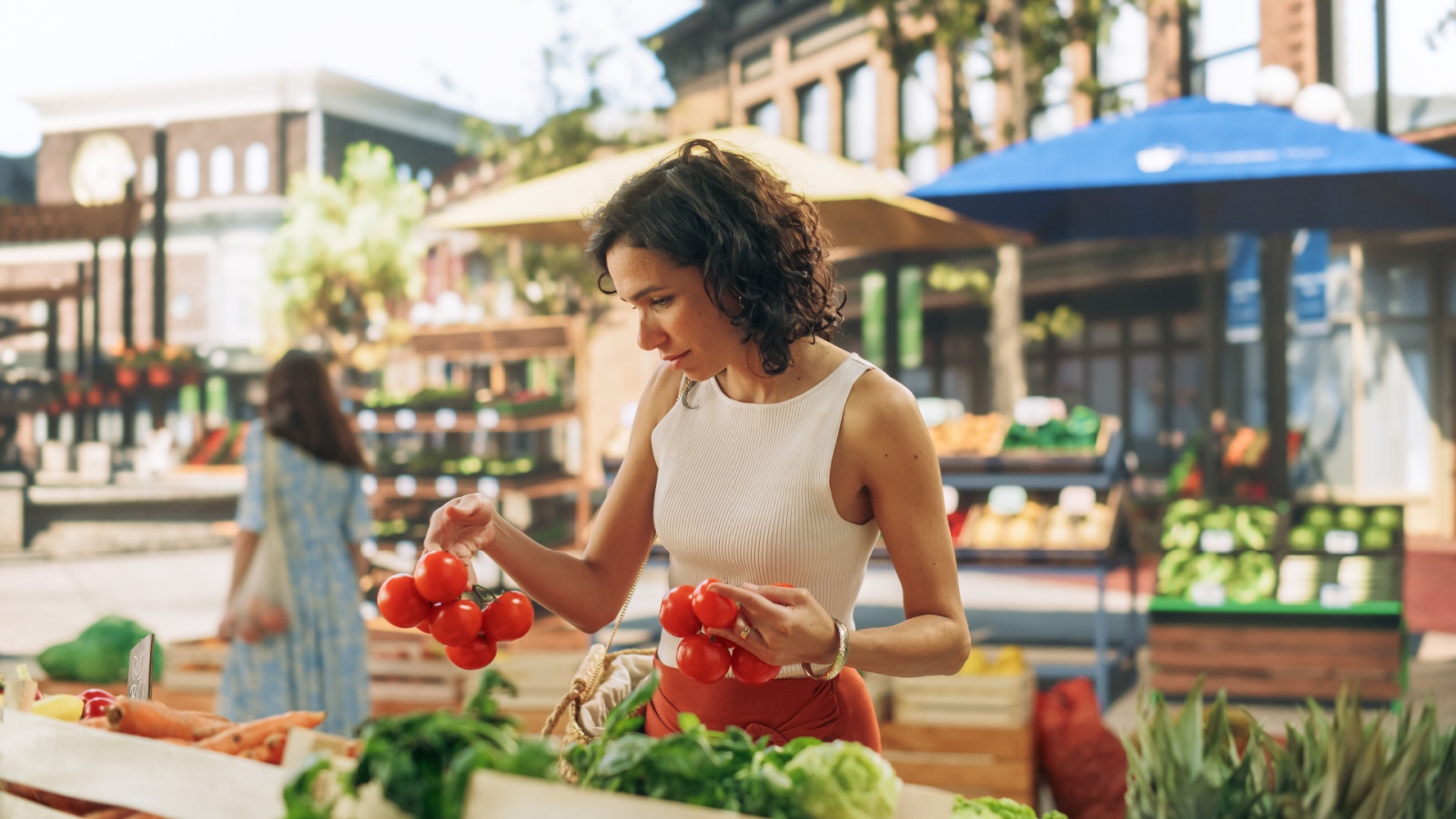
Shopping at a farmers’ market requires a different mindset than hitting the grocery store. Since most vendors only bring what is currently in season, you won’t always find the same items every week.
Bring:
- Reusable bags (or a tote) for heavier produce
- Small bills and change to pay quickly
- A rough list so you don’t impulse-buy everything
Before you buy, do one quick lap around the market. You’ll spot the best-looking produce, compare prices, and avoid spending your whole budget at the first booth.
Food Safety at the Market
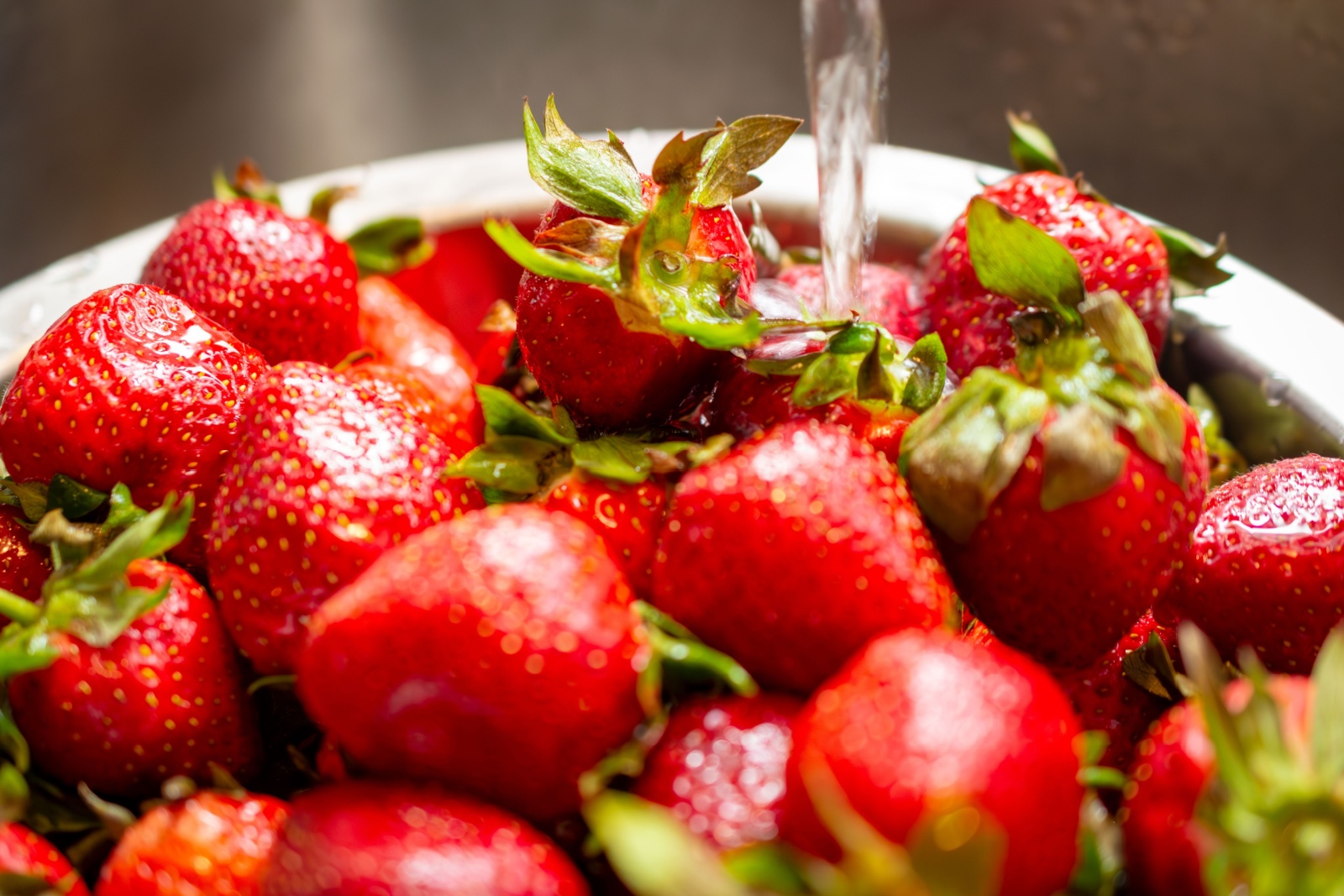
Even though the food at a market is fresh, you still need to follow basic safety rules to avoid getting sick. Always wash your fruits and vegetables thoroughly under running water when you get home, even if they look clean. If you are buying “ready-to-eat” items like berries, wait until they are washed before snacking. It is also a good idea to bring an insulated bag or cooler if you plan on buying meat, eggs, or dairy, especially if you have a long walk or drive home in the heat.
How to Store Market Produce So It Doesn’t Go Bad
This is where beginners lose money: they buy great food and store it wrong.
Quick storage rules:
- Leafy greens: wrap in a paper towel and store in a bag/container
- Herbs: treat like flowers-trim stems and keep in a jar with a little water
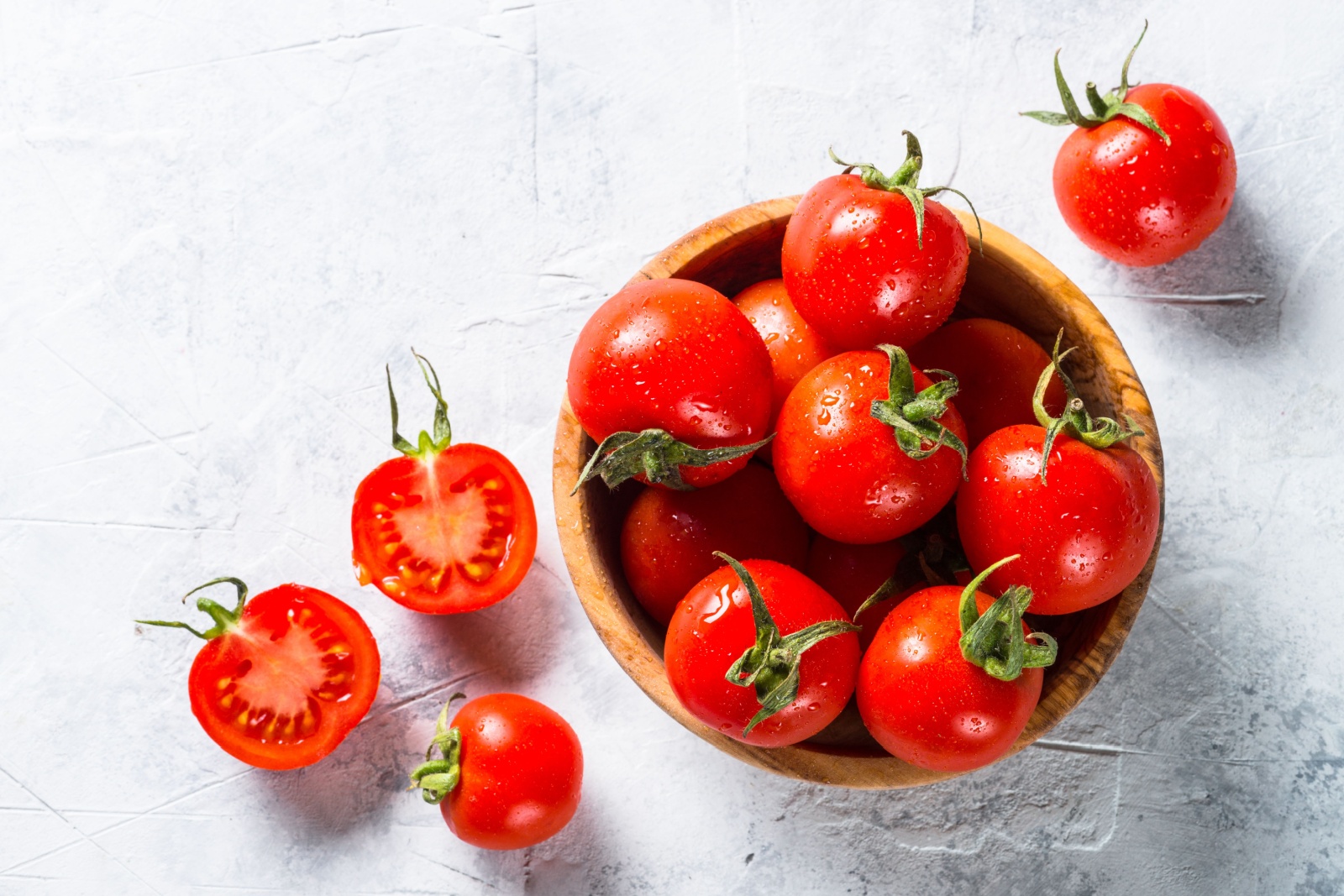
- Tomatoes: keep on the counter, not in the fridge (better flavor)
- Berries: don’t wash until you’re ready to eat; moisture speeds mold
- Potatoes + onions: store in a cool, dark place, not next to each other
If you’re unsure, ask the vendor. They’ll tell you exactly what to do.
Shopping on a Budget: You Can Still Get a Great Haul

Farmers’ markets can feel pricey if you compare everything to the cheapest supermarket option. But you can shop smart and still keep it affordable.
Budget tips that actually work:
- Buy what’s in season. When something is everywhere (like peaches in summer), the price usually drops.
- Choose “ugly” produce. Some vendors sell slightly imperfect items at a lower price. They taste the same.
- Pick one “treat” item. Maybe it’s fresh bread, jam, or a pastry. Don’t try to buy everything.
- Buy staples first. Onions, potatoes, greens, carrots, apples-these stretch across multiple meals.
- Ask about bulk deals. Some booths discount if you buy two pints instead of one.
If you’re feeding yourself (or helping at home), focus on produce you’ll actually eat this week. A huge bag of greens sounds healthy until it wilts in your fridge.
Mastering the Grill with Market Finds

One of the best ways to enjoy market-fresh food is to cook it outside, where you can really appreciate its natural flavors. Vegetables like corn, zucchini, and peppers take on a completely different profile when they hit a hot grate. To get the most out of their weekend haul, many homeowners are upgrading their backyards with outdoor kitchens that let them prep, grill, and serve all in one place.
And adding features like, smoking cabinets and outdoor storage expands their options for slow-cooking and deeper flavor, while also keeping everything organized and close at hand. Cooking local meats and seasonal veggies over high heat locks in juices and adds a smoky char that you just can’t get on a standard stovetop.
Beginner grilling picks:
- Corn: grill in the husk or wrap in foil
- Zucchini: slice lengthwise, oil + salt, grill until browned
- Peppers: grill whole, then peel for smoky flavor
- Onions: slice thick rounds so they don’t fall apart
Finish with lemon, olive oil, salt, pepper, and a pinch of chili flakes.
Fun Facts About Farmers’ Markets
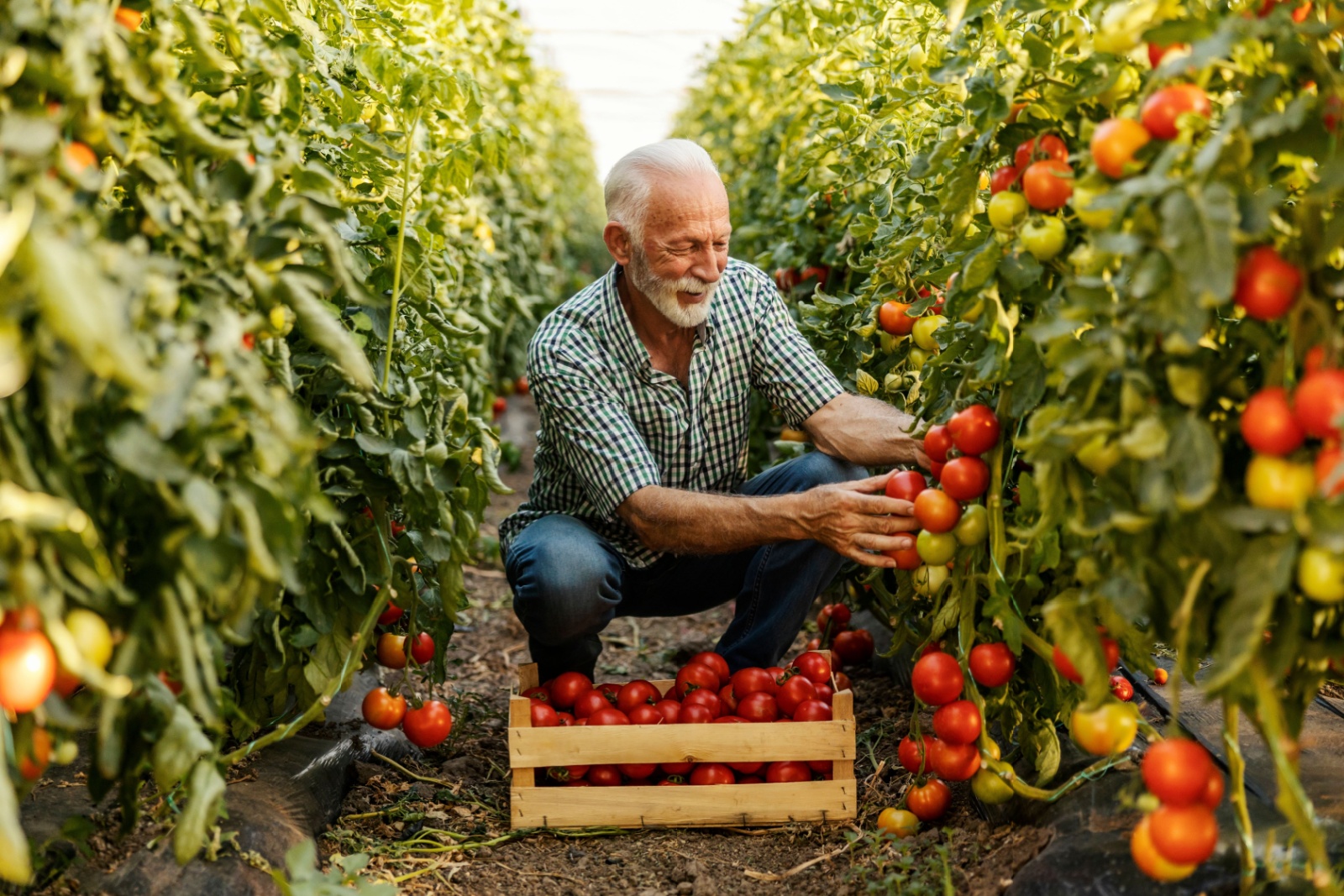
Farmers’ markets do more than just provide snacks; they are actually huge for the economy and the environment. For every $100 spent at a farmers’ market, about $62 stays in the local community. Food at a typical also often travels farther than people expect before it reaches the outlet. Some estimates put the average distance for fresh produce at over 1,500 miles in the U.S. Local market distances can be much shorter, but the exact mileage varies by season and where you live.
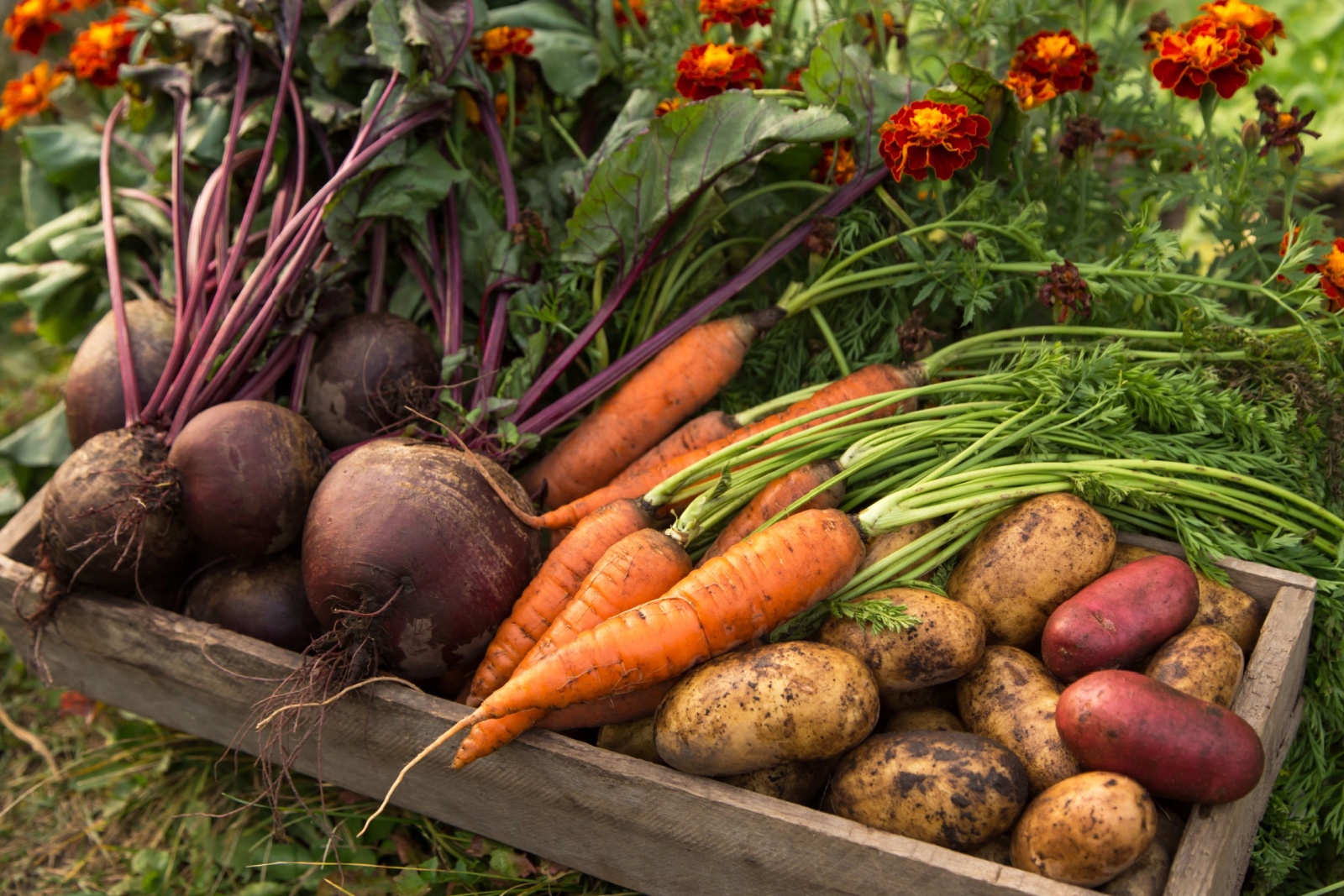
Additionally, farmers’ markets are often the best place to find “heirloom” varieties of vegetables – like purple carrots or striped tomatoes – that have been passed down for generations.
Additional Resources
- Farmers Market Facts
- Market Statistics and Trends
- National Farmers Market Directory
- Smart Shopping Tips for Farmers’ Markets
- Steps to Keep Fruits and Vegetables Healthy
- Ten Reasons to Support Farmers’ Markets
- Guide to Ethical and Sustainable Eating
- Why Farmers’ Markets Matter to Communities
- Why Eating Local Reduces Your Carbon Footprint
- Healthy Eating and Adding Color to Your Meals
- Celebrating National Farmers Market Week
- The Latest News in Farming and Markets