
How to Smoke on a Gas Grill
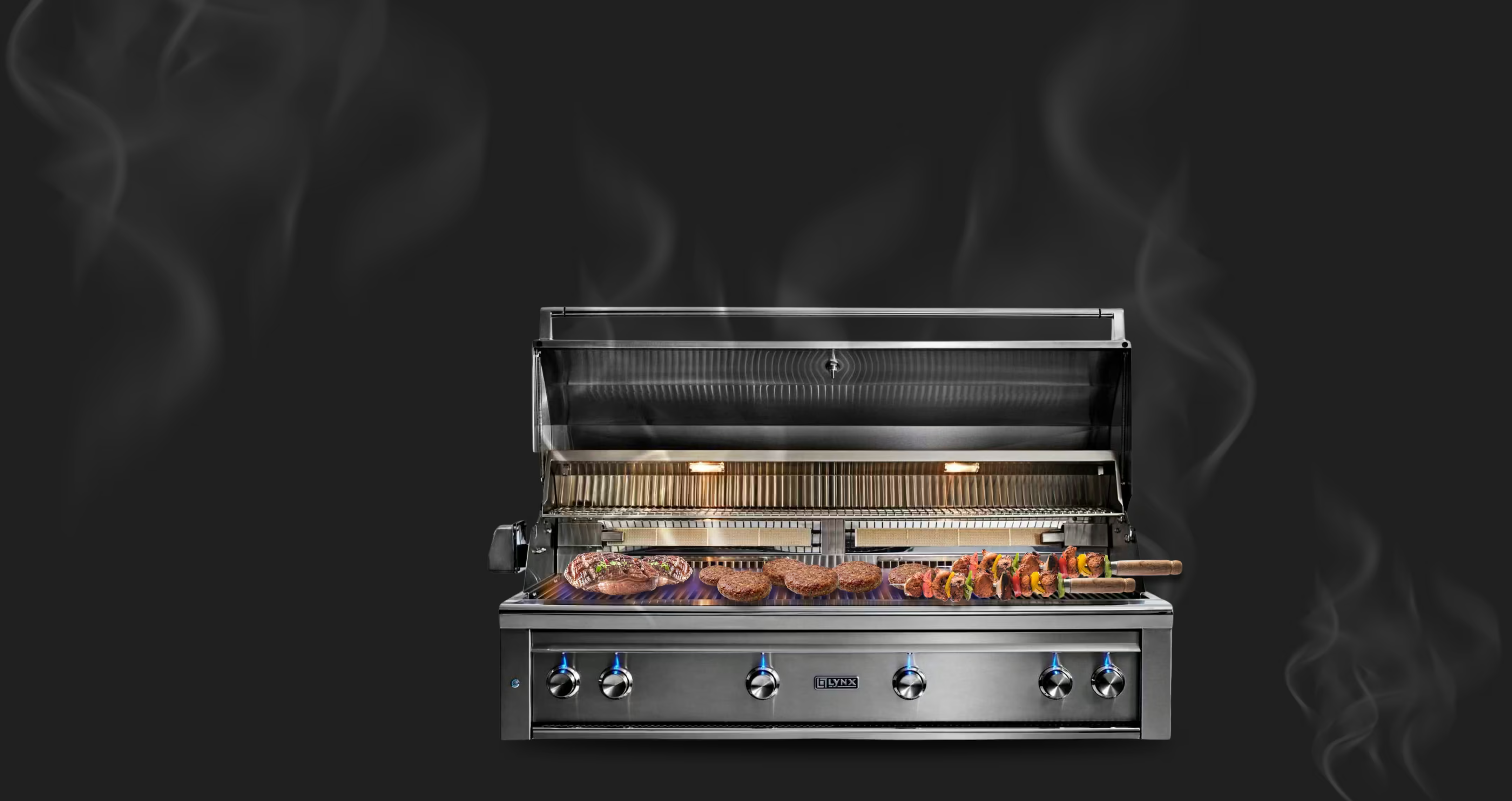
Have you ever wondered if you can smoke food on a simple gas BBQ grill?
It’s a bit of a misconception that you only get a proper smoky taste with a specialized smoker or charcoal grill since gas grills can do the job if you know how to set it up right. You don’t really need anything fancy to have a solid barbecue in your own backyard.
This guide digs into all the essentials, like:
Controlling Temperatures
Solving Common Challenges
What Wood to Choose
Preparation
Taking Care of Your Grill

A Quick Look at Smoking on a Gas Grill
How to Smoke on a Gas Grill
Smoking food goes back centuries since it was primarily just a way to preserve ingredients. Fast forward a bit, and you get to today where it’s a pretty common cooking style for people who like barbecuing.
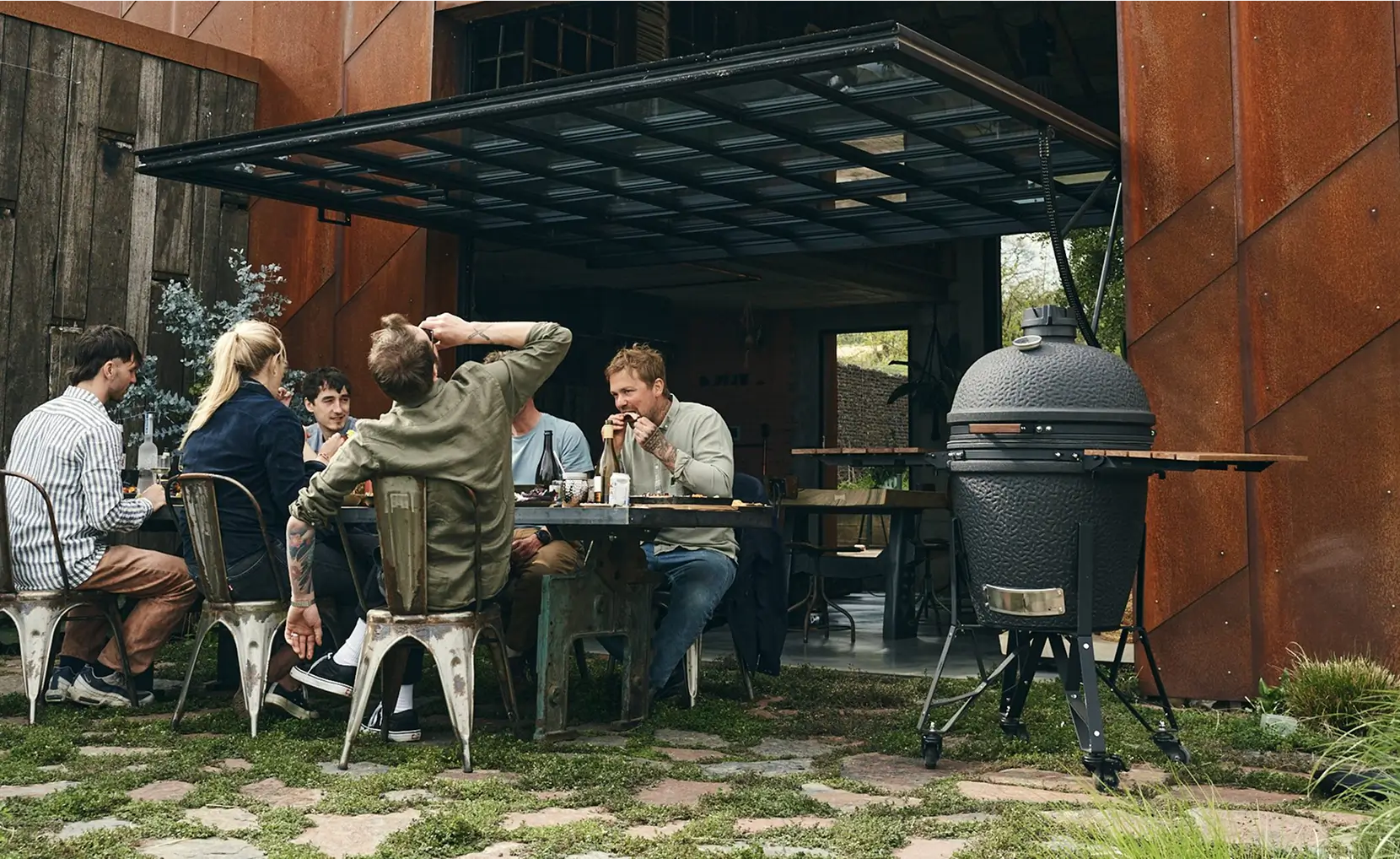
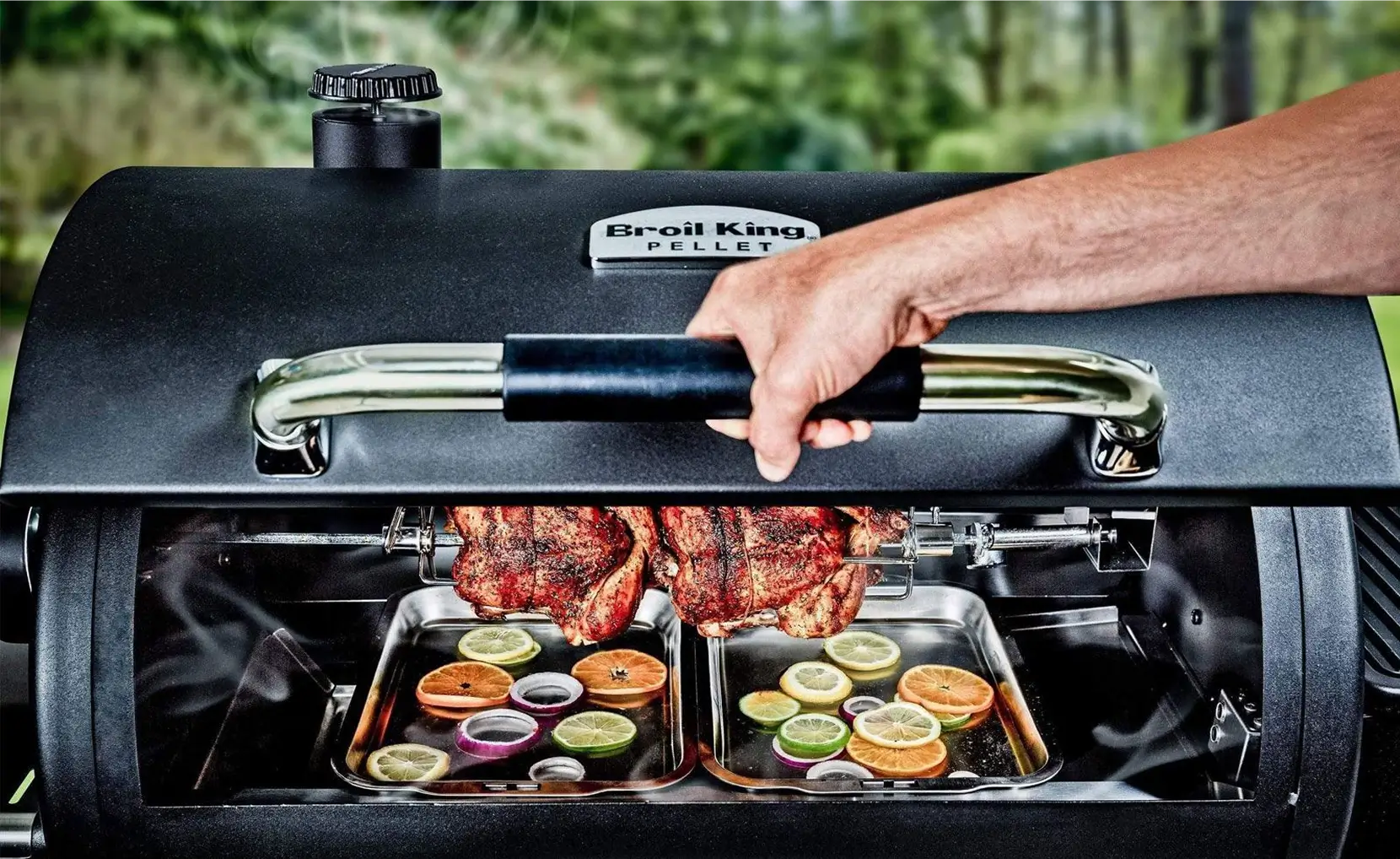
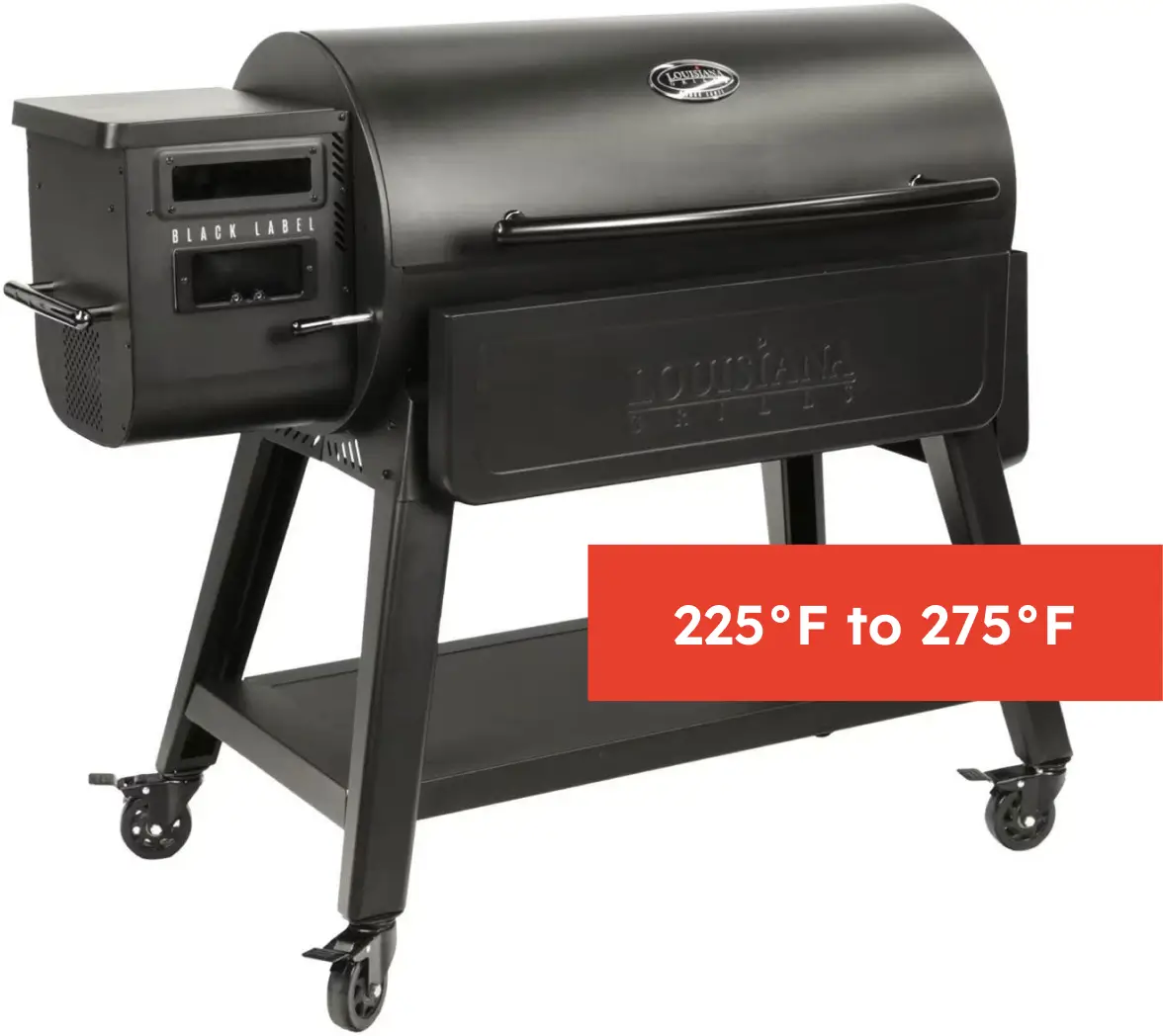
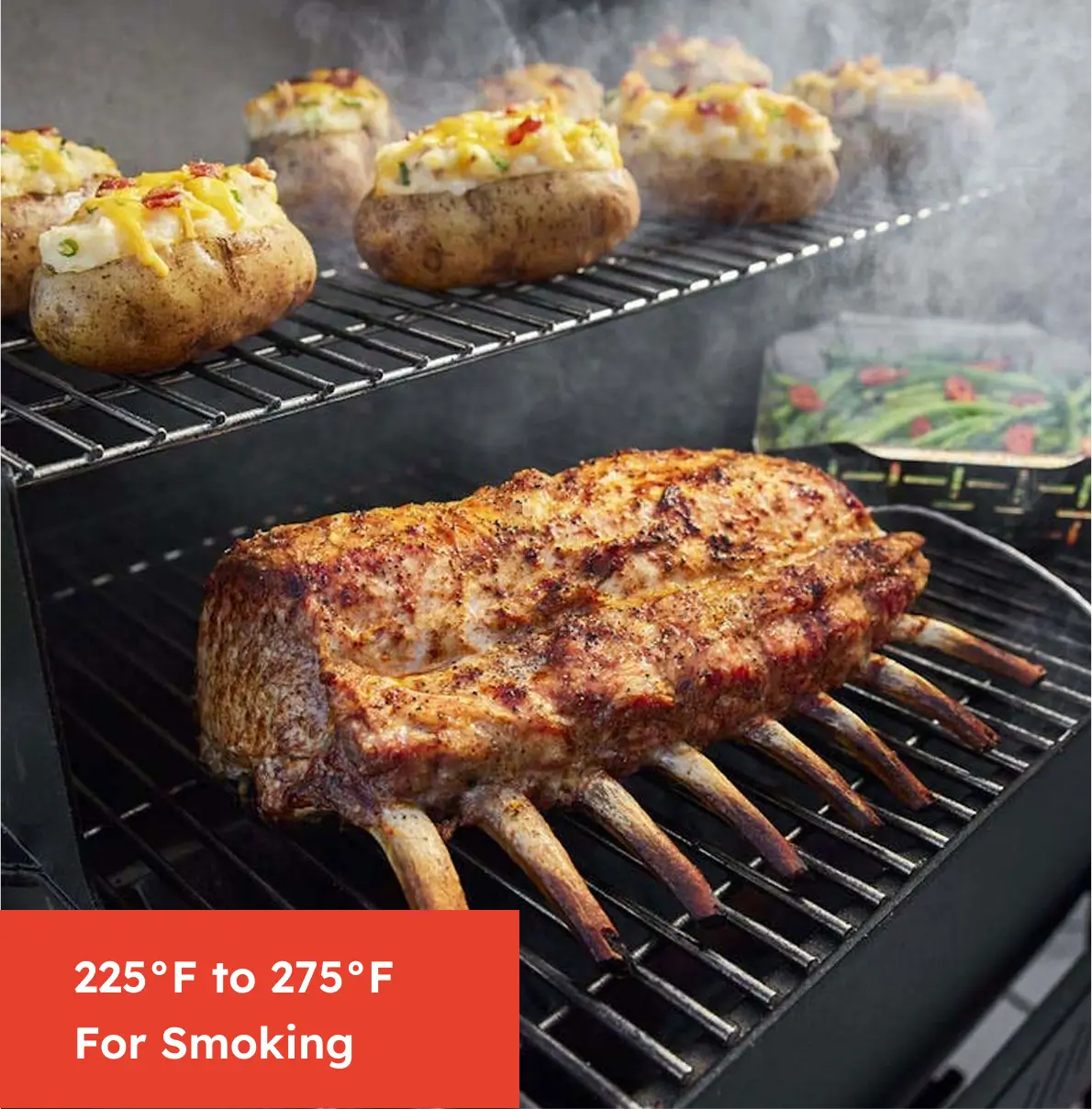
Traditional pitmasters generally use offset smokers or charcoal rigs, but that doesn’t mean you can’t get what you want from a gas grill. You basically only need to keep a lower cooking temperature – somewhere around 225°F to 275°F. This means all the meat (or vegetables) can absorb the flavors of wood over a longer stretch of time.
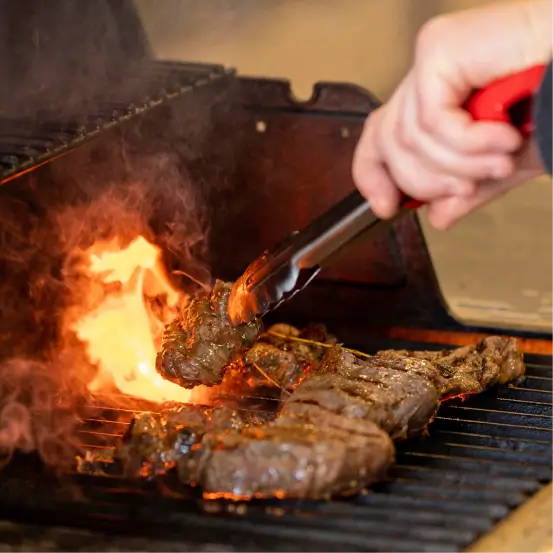
That’s called the low-and-slow method, which is pretty different from classic high-heat grilling, where you’d normally sear a steak at around 450°F or higher in just a couple of minutes.
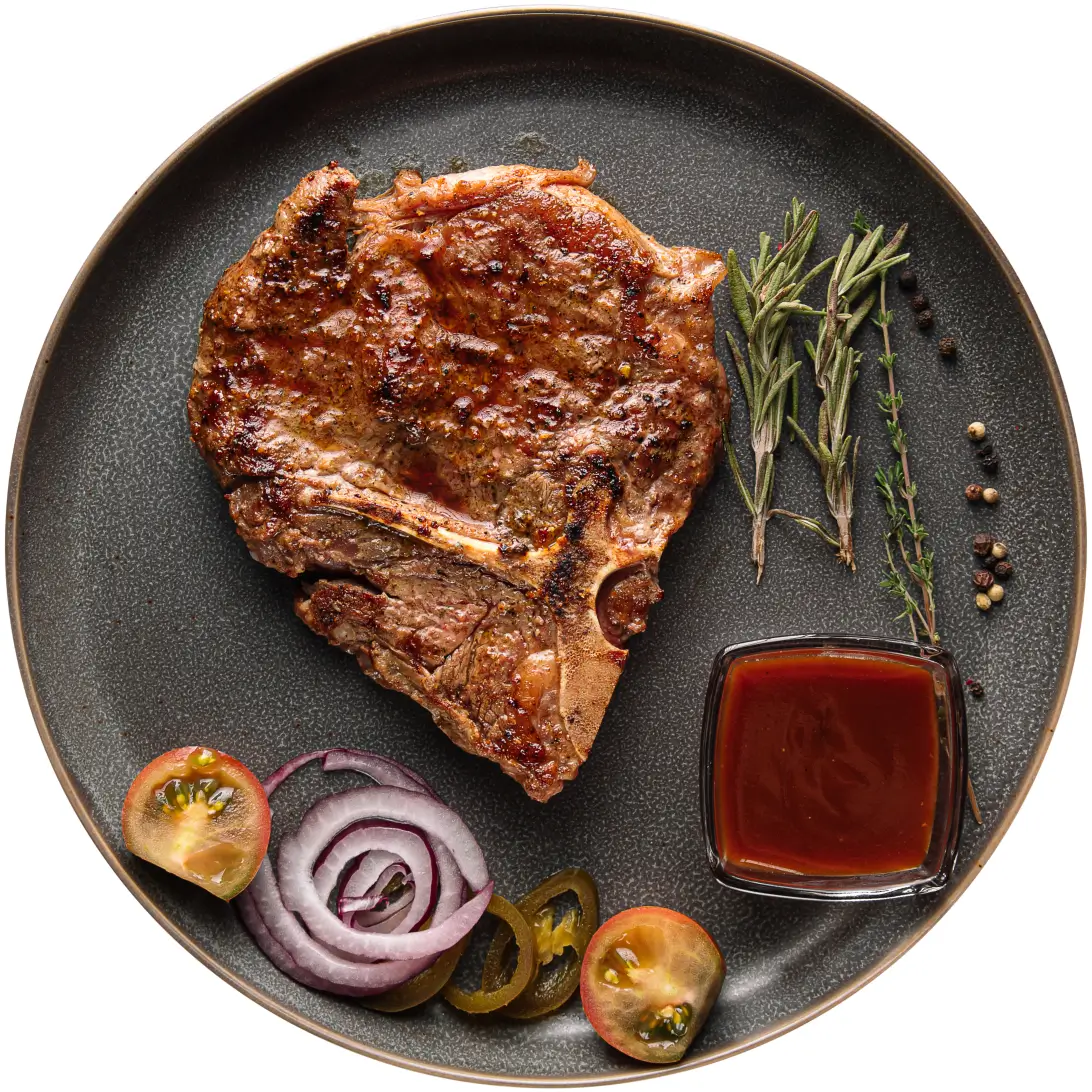
When you smoke food, you’re doing it gently over indirect heat for a few hours instead. During that time, all the connective tissues break down and get juicy, and then the aromas from the smoke become part of the final flavor profile.
Why Smoke Instead of Grill?
How to Smoke on a Gas Grill

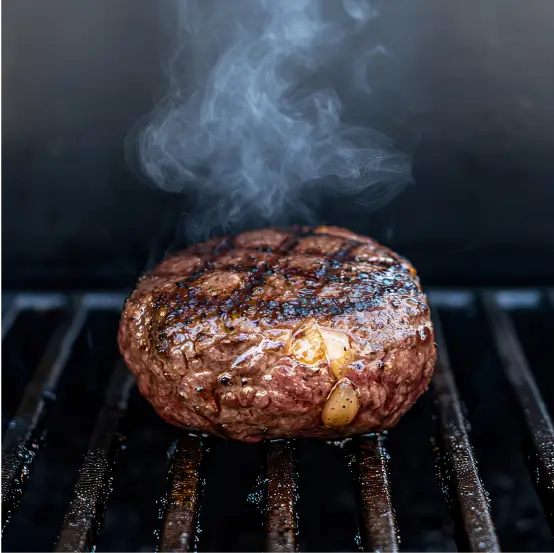
It’s convenient to make a quick burger on high heat, but you’re missing out on all the results smoking gives you this way. Picture a brisket or pork shoulder with fat that has melted into the meat, which makes it all moist and tasty.
Charcoal Smokers
Your rubs and marinades have a lot more time to sink in, too. Same thing with the smoke since the mild warmth lets it build up more gradually. While charcoal smokers often steal the spotlight here, you can definitely get the same tenderness from a gas grill by following the right techniques.
Misconceptions About Using a Gas Grill for Smoking
How to Smoke on a Gas Grill
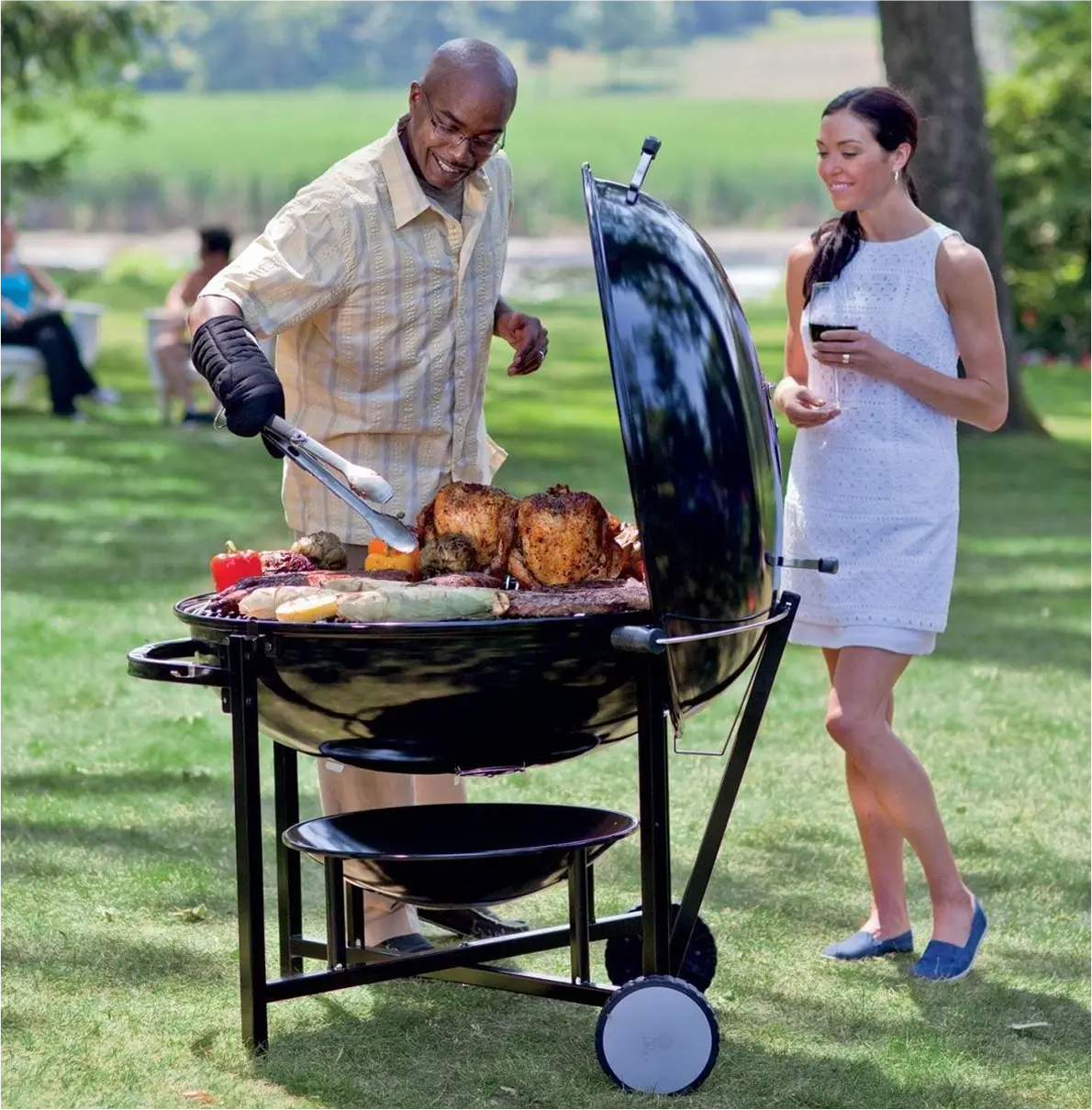
Some people claim an outdoor gas grill can’t generate enough smoky essence. Others believe you need expensive extras to replicate a “real” barbecue taste. Neither is true. The following options can infuse more than enough smoke:
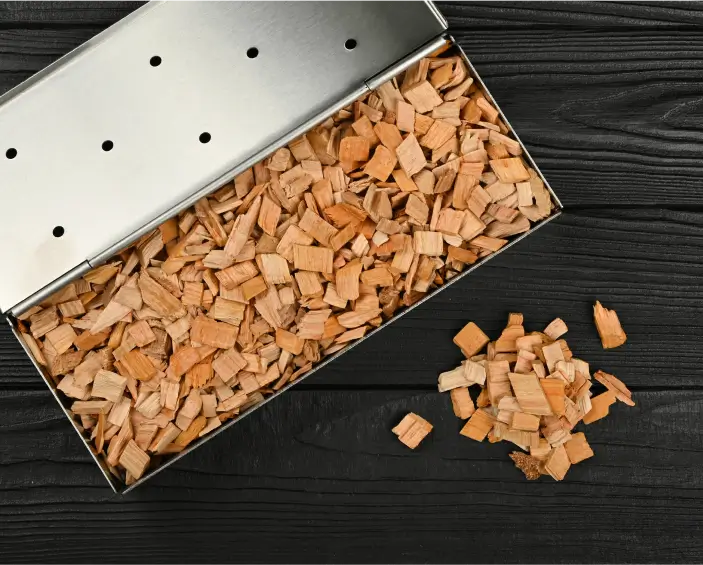
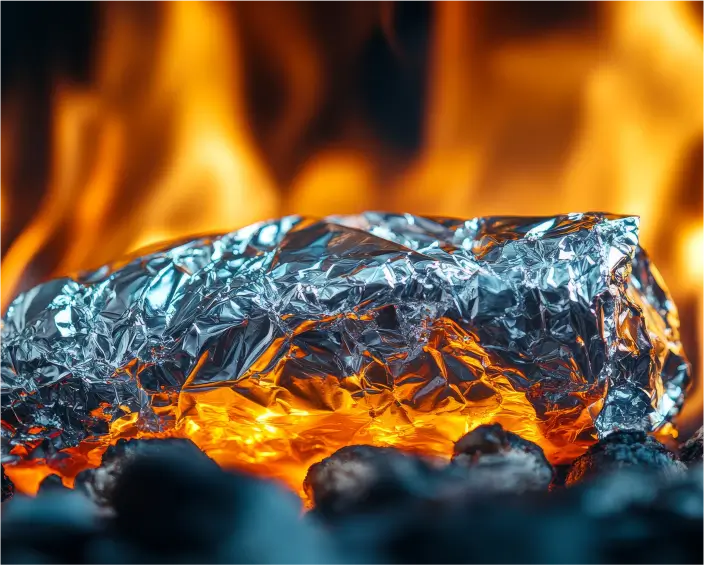
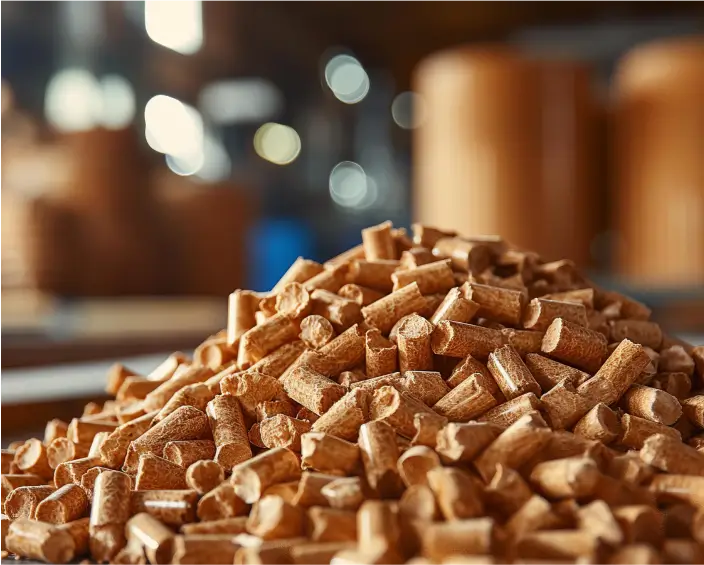
It’s also not necessary to spend a fortune. Basic tools and a steady approach, more often than not, get the job done.
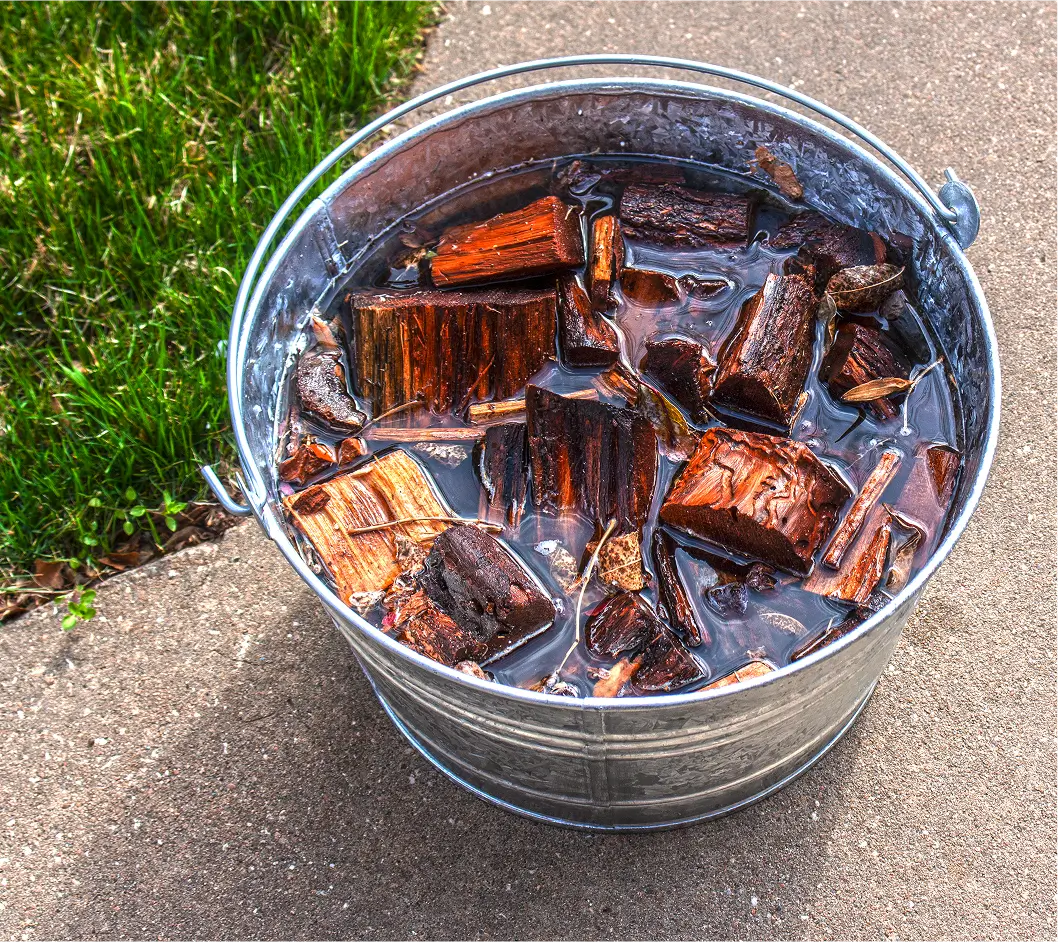
Soaking Wood Chips
There’s also debate about soaking wood chips. Some folks like it because the chips might smolder a bit longer, while others say all you’re getting is additional steam without actually extending smoke time. This is ultimately one of those things where you should just experiment and see which method works best on your grill.
How to Smoke on a Gas Grill
What Makes Smoking Different?
See why smoking is the cooking option of choice for so many people:
Key Factors That Separate Smoking from Grilling
How to Smoke on a Gas Grill
Smoking differs from regular grilling when it comes to the following factors:

Heat Level

Cooking Time

The Role of Smoke
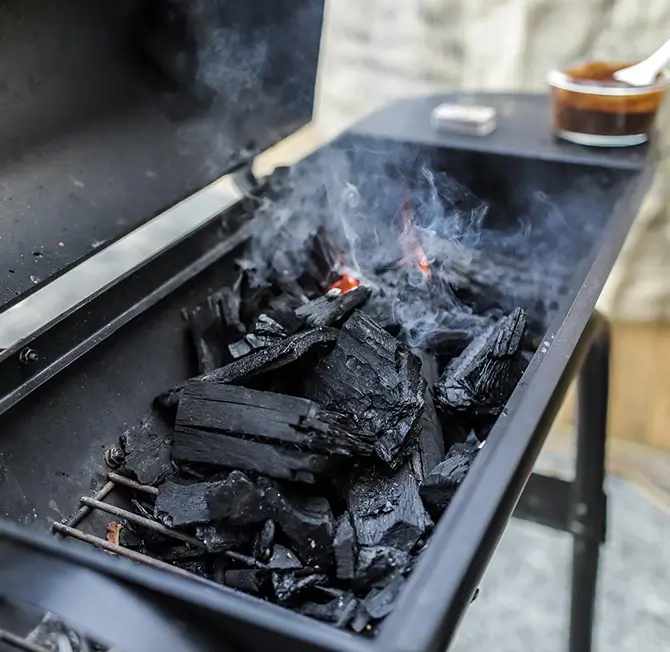
High-heat grilling (above 400°F) sears food quickly. Smoking, on the other hand, runs at about 225°F to 275°F. The gentle heat lets meat stay on the grill for hours, allowing smoke to slowly work its way into the flesh.
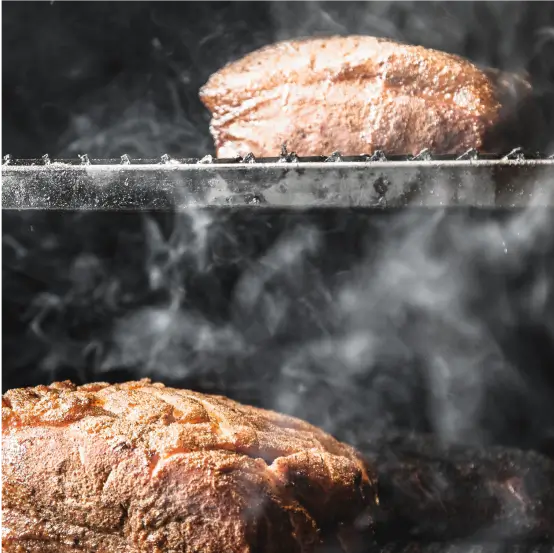
When wood smolders in that low-oxygen environment, its aromatic compounds stick to the surface of the meat. You may even notice the pink smoke ring prized by barbecue fans. This slower process helps the meat stay moist, which is something that’s way tougher to achieve with scorching direct flames.
Best Temperature Range for Smoking
How to Smoke on a Gas Grill
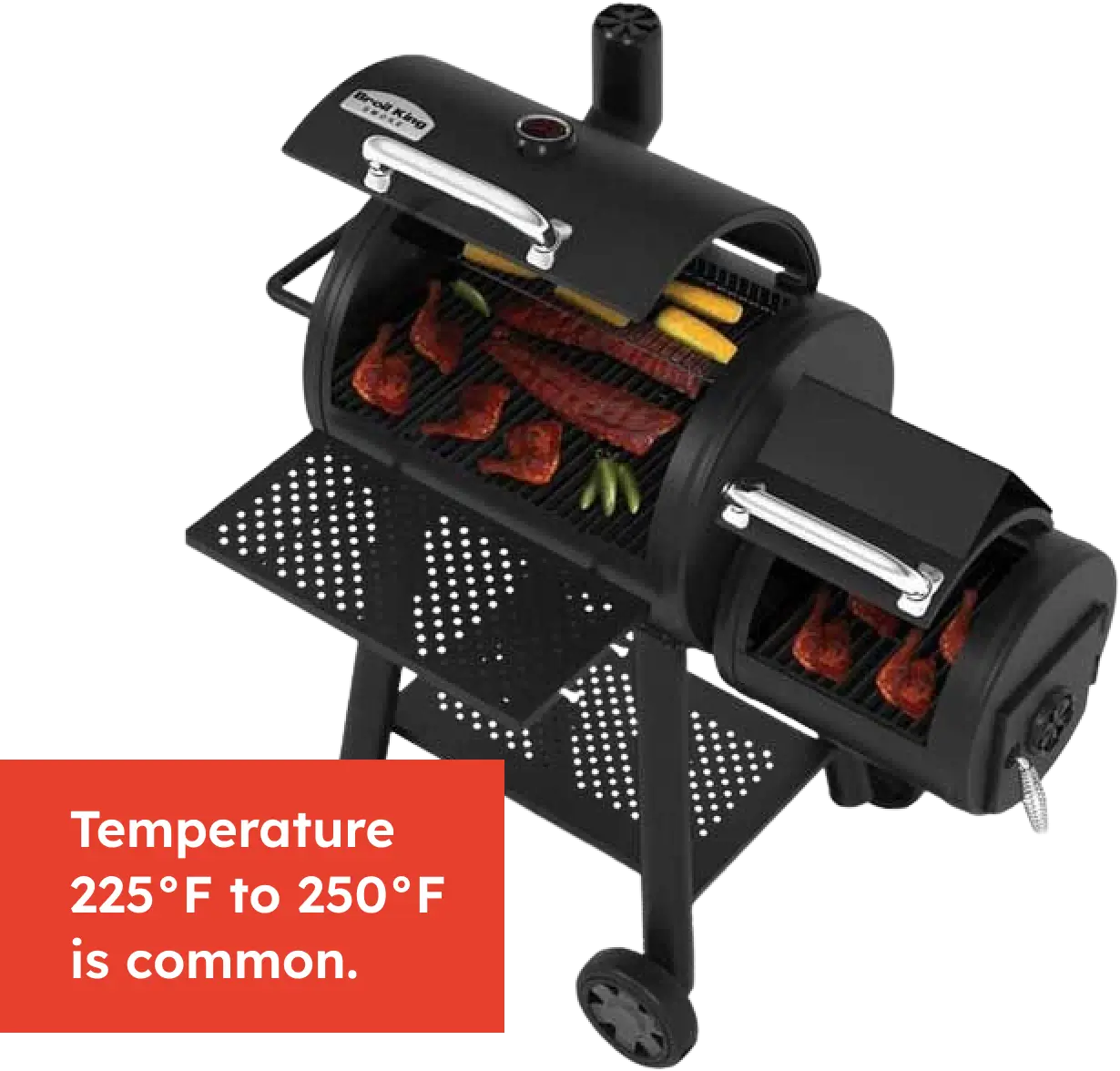
Aiming for 225°F to 250°F is common. At these temps, meats like brisket and pork shoulder become pretty tender as their tough collagen turns into rich gelatin over an extended period of time.
You could probably get away with pushing it up to 275°F if you need to shave some cooking time, but just be mindful that hotter temps might risk drying out certain cuts.
Indirect vs. Direct Heat on a Gas Grill
How to Smoke on a Gas Grill
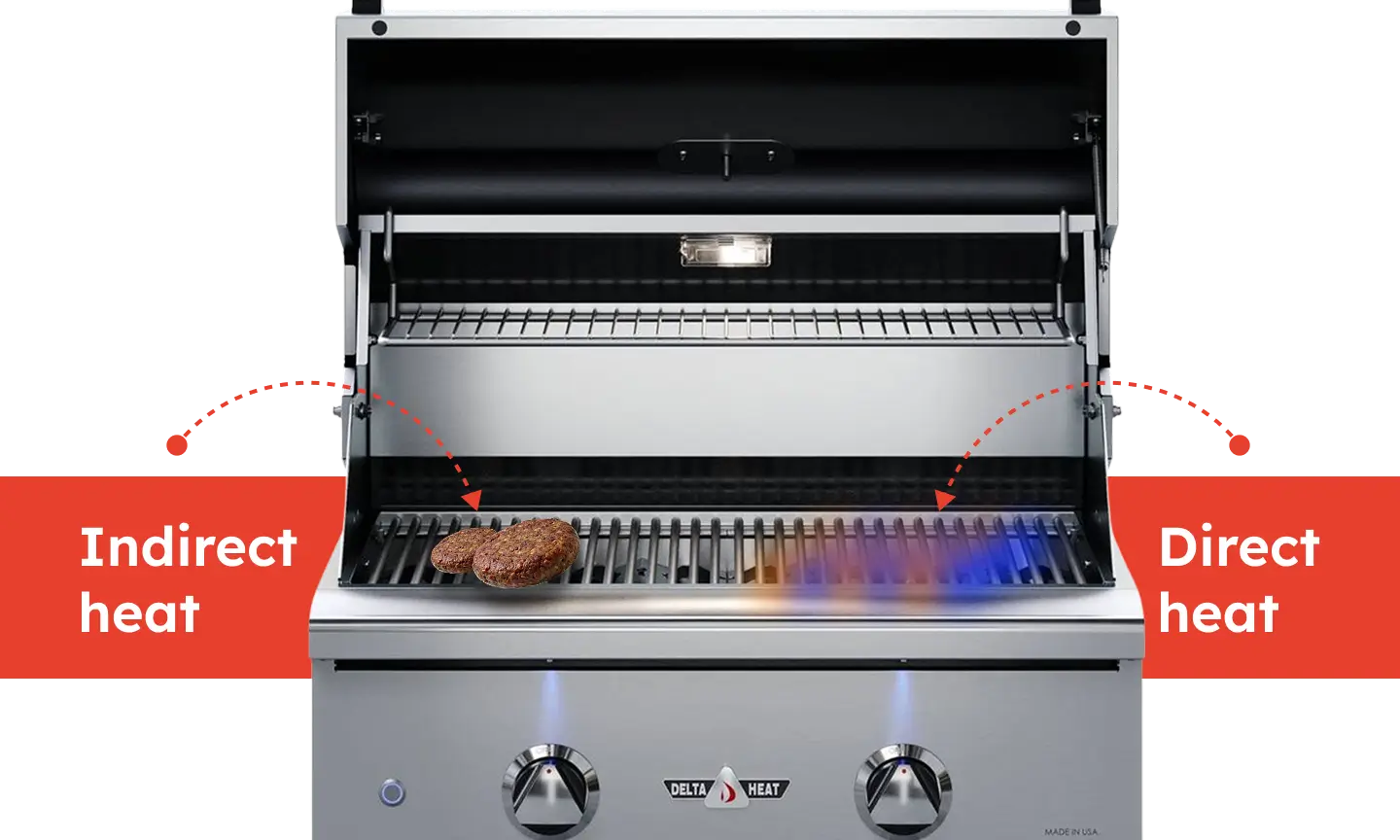
Direct Heat
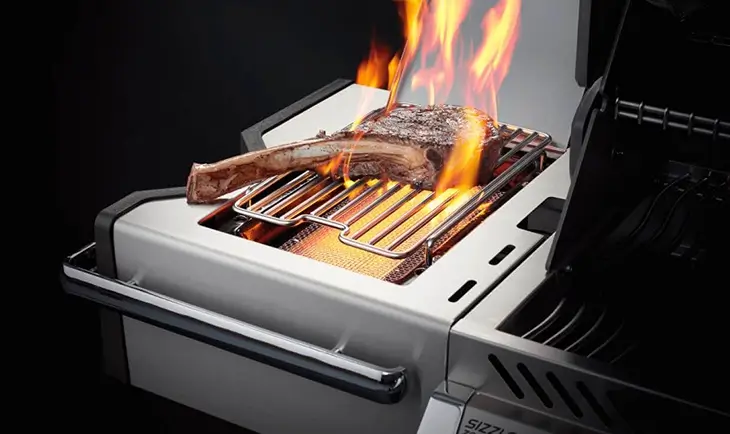
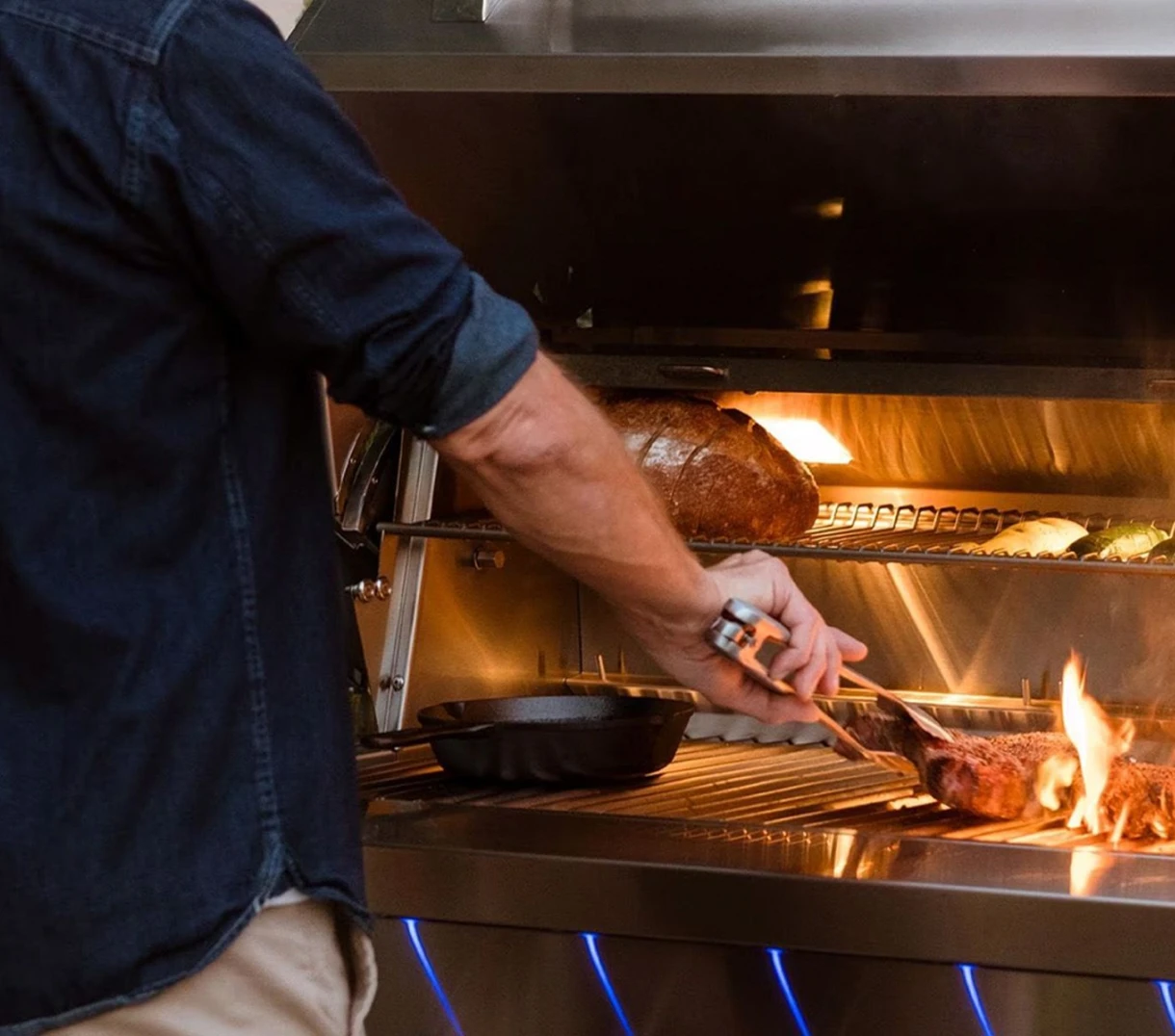
Direct Heat places your food directly above the flames. It’s the go-to method for quick items such as burgers or shrimp skewers.
Indirect Heat
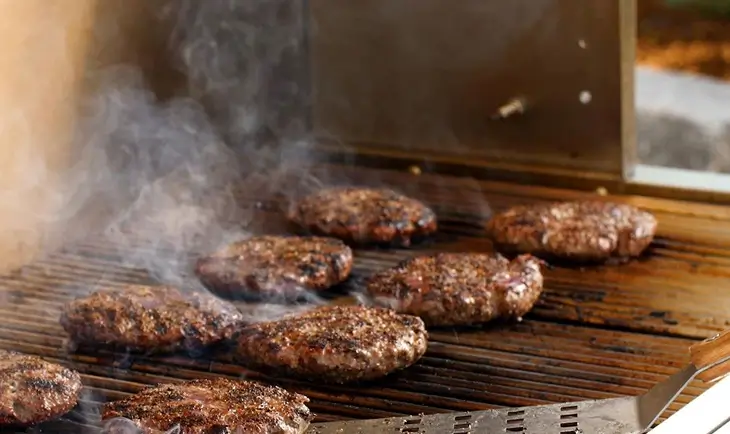
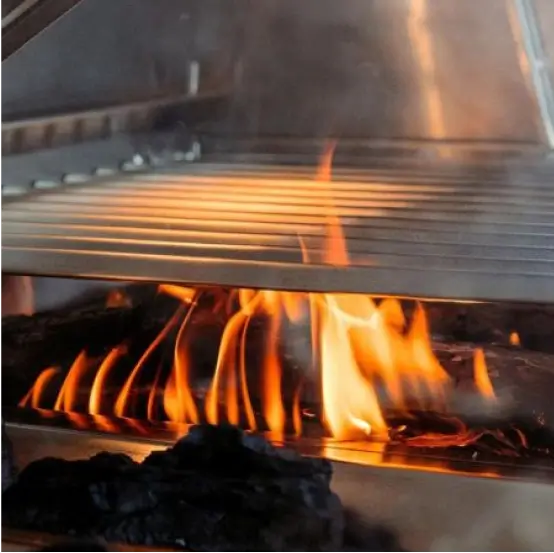
Indirect Heat positions the food away from the primary burners so it cooks more slowly. When smoking, this indirect approach ensures the meat won’t char while the wood adds layers of flavor.
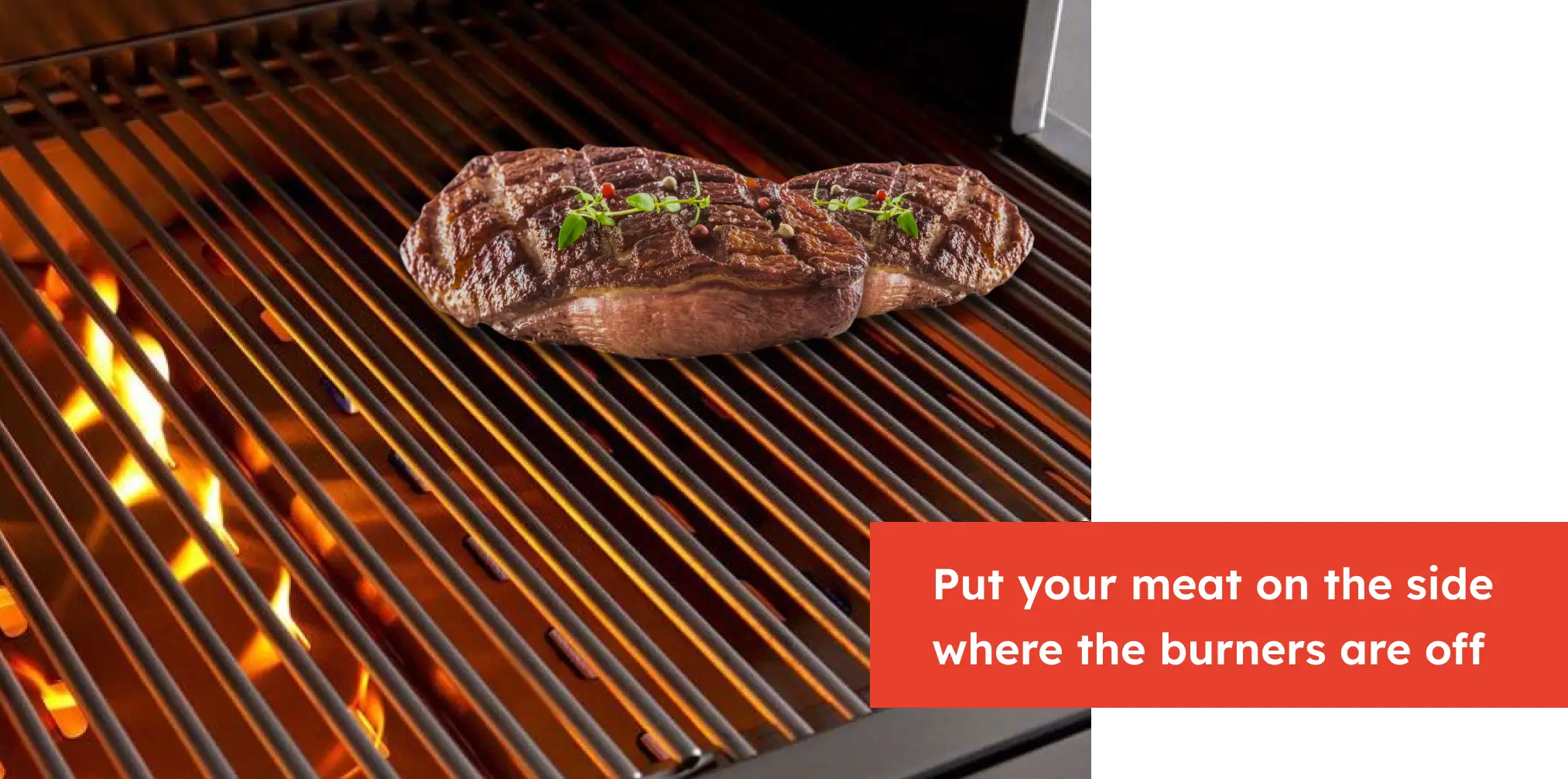
For a successful smoke session, you’ll want only one or two gas burners running, depending on your grill size. Put your meat on the side where the burners are off and let it cook gently.
How to Smoke on a Gas Grill
Must-Have Tools and Equipment
Are there any particular tools you need to get the job done?
Gas Grill with Multiple Burners
How to Smoke on a Gas Grill
A grill that has at least two burners is your best friend for smoking. You’ll use one side as the heated zone and keep the other side off to create indirect heat.
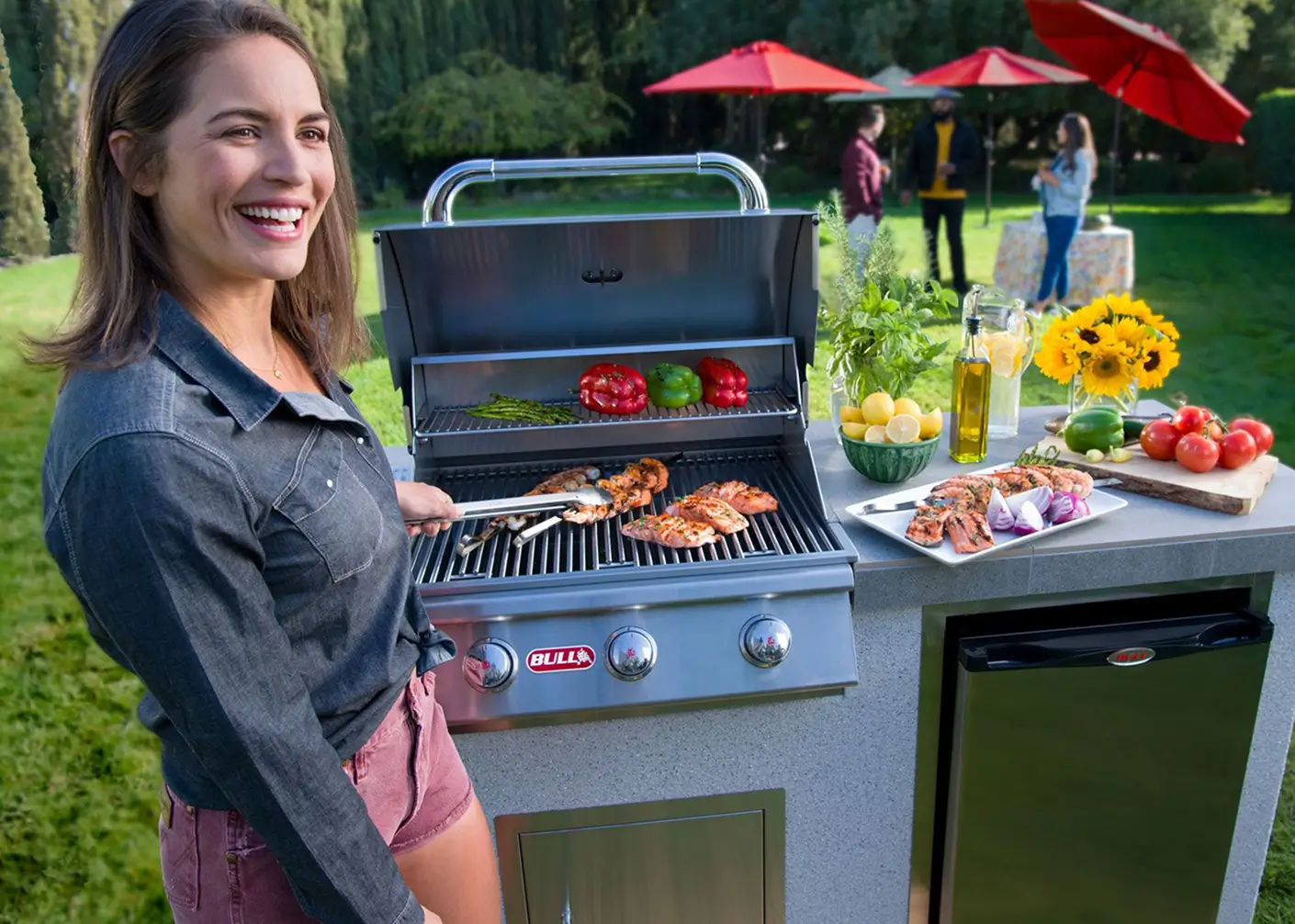
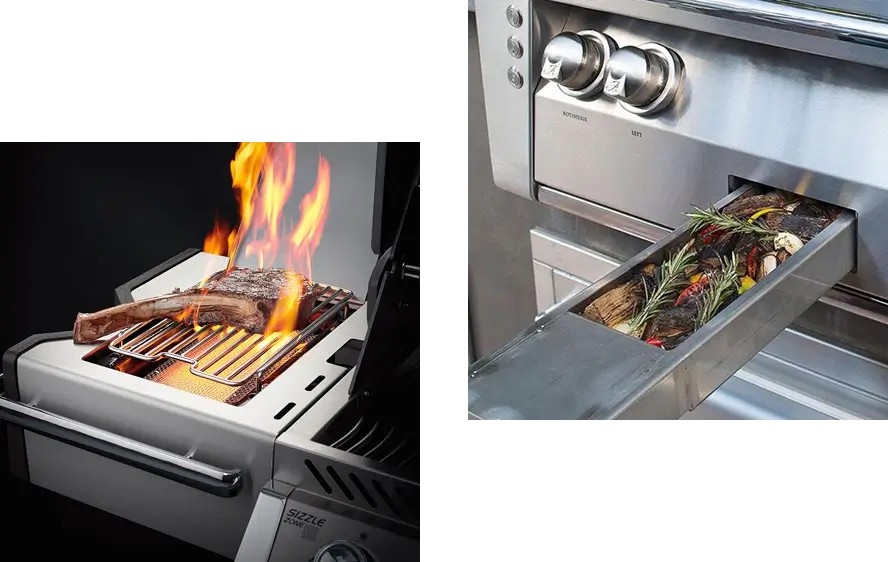
Three or more burners give you even more fine-tuned control over your temperature. Extra features like a side sear station or built-in smoker aren’t mandatory but feel free to use them if you have them.
Deciding Between Wood Chips and Wood Chunks
How to Smoke on a Gas Grill
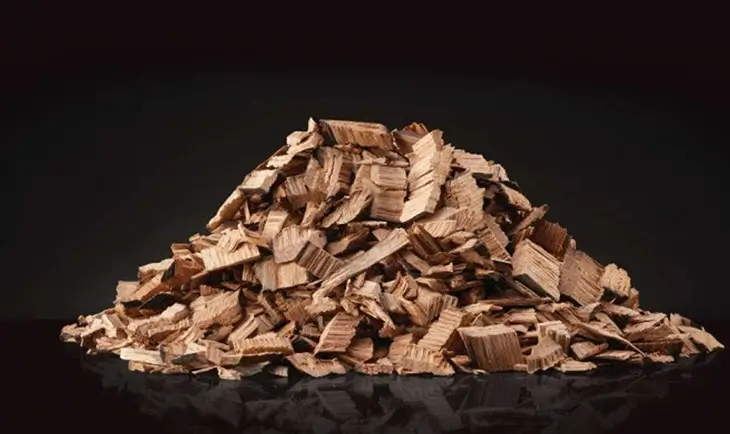
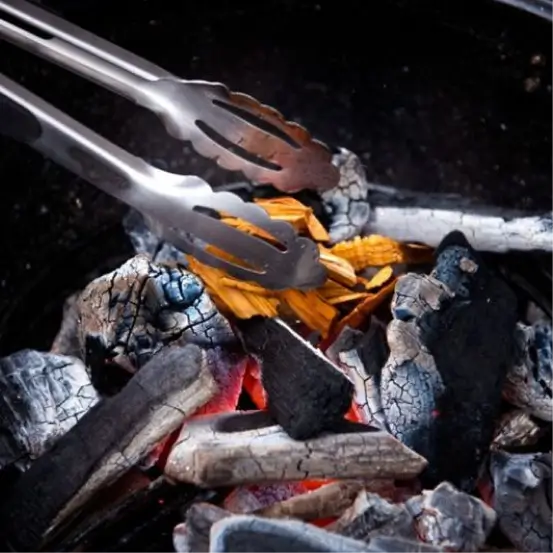
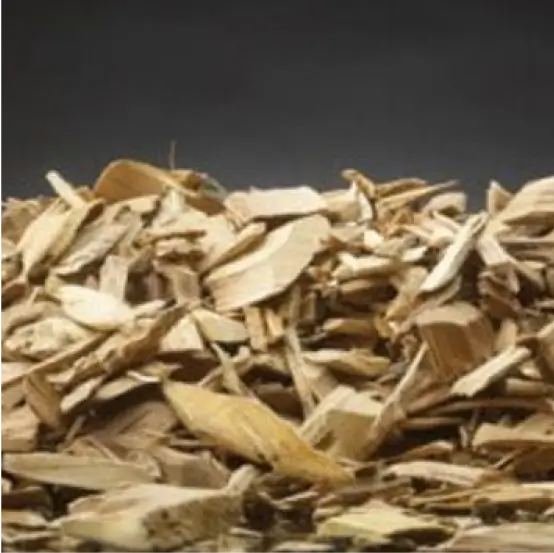
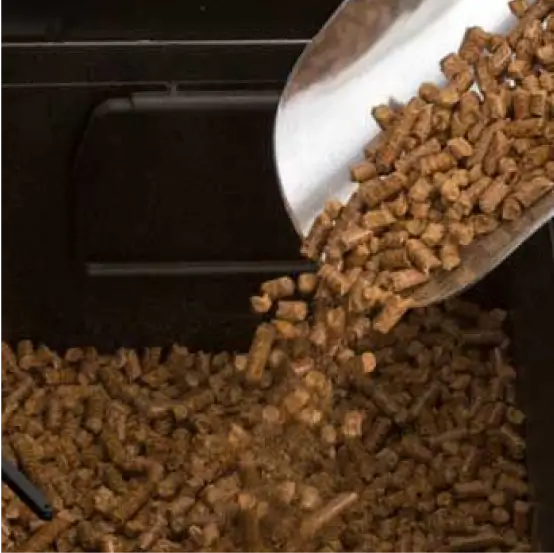
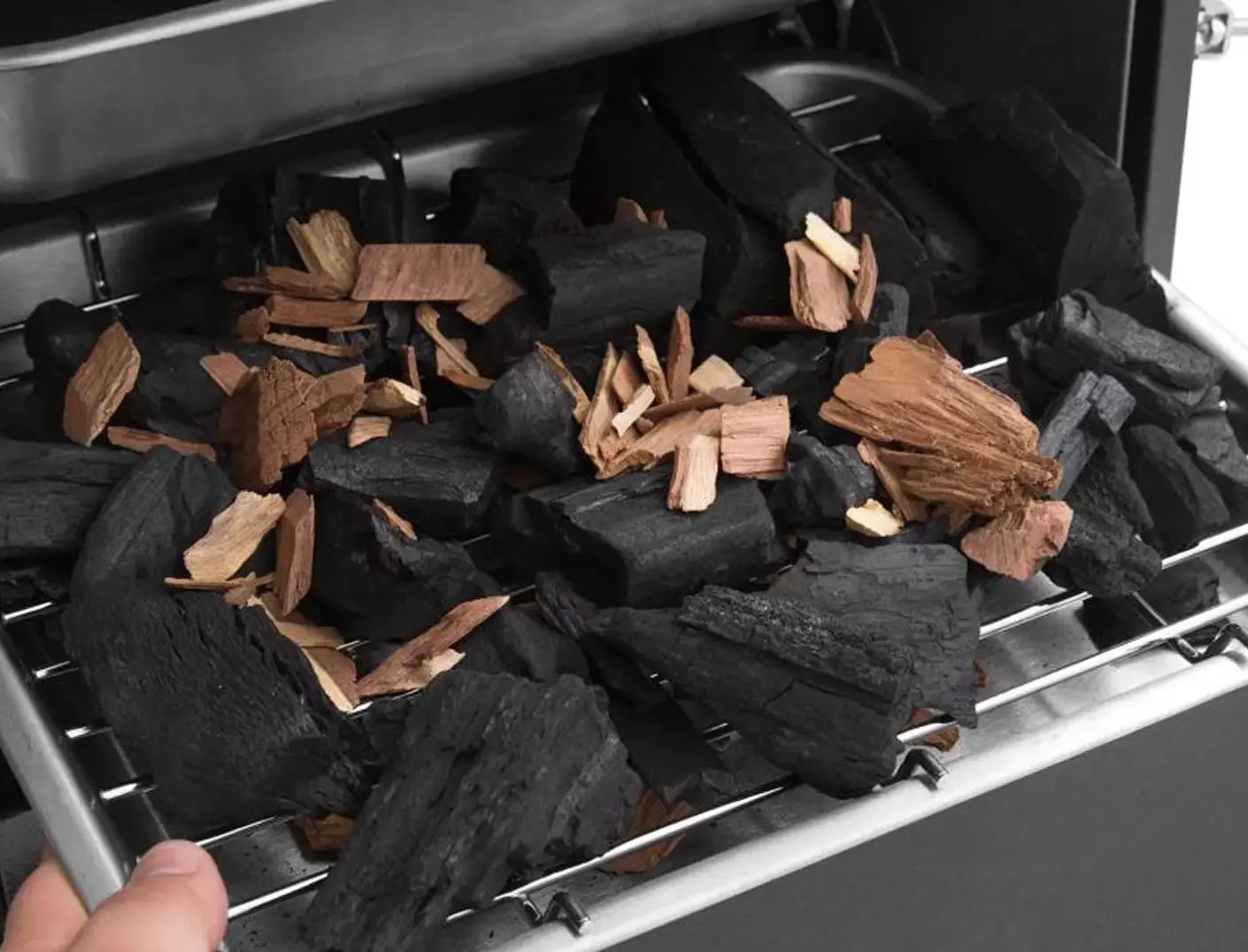
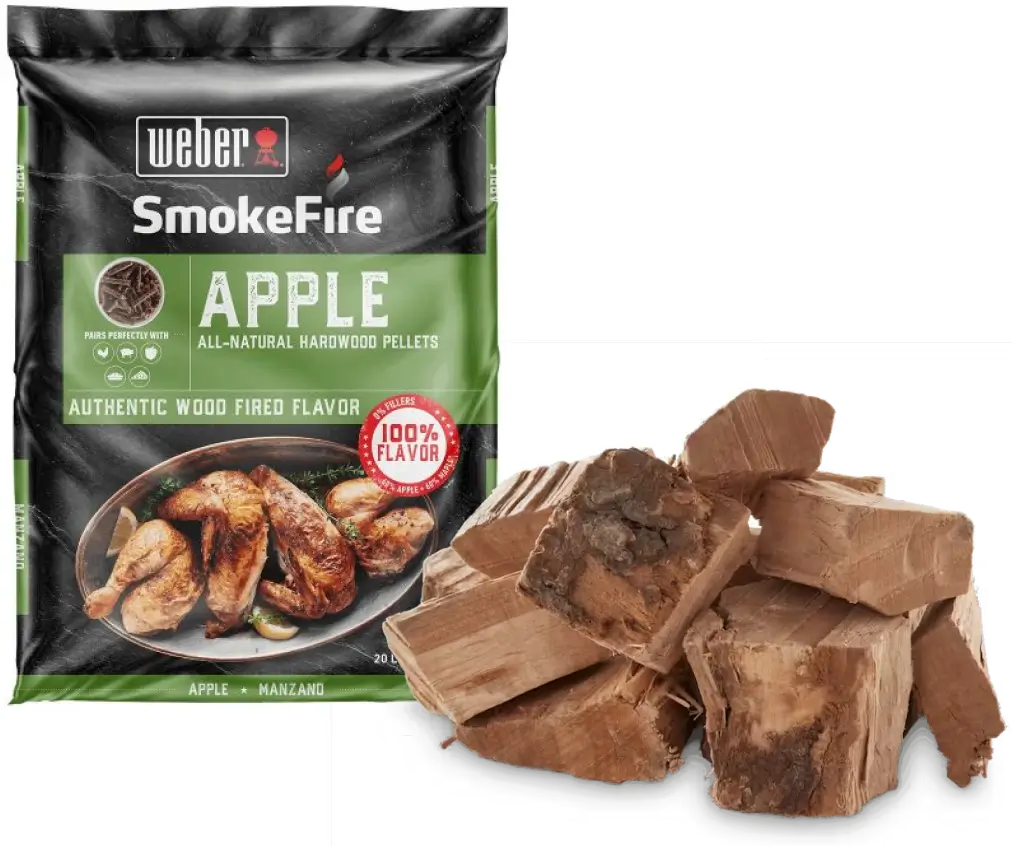
Wood Chips
Wood Chips ignite quickly and provide short bursts of smoke. They’re good for shorter smoking sessions or when you don’t want to constantly babysit the fire.
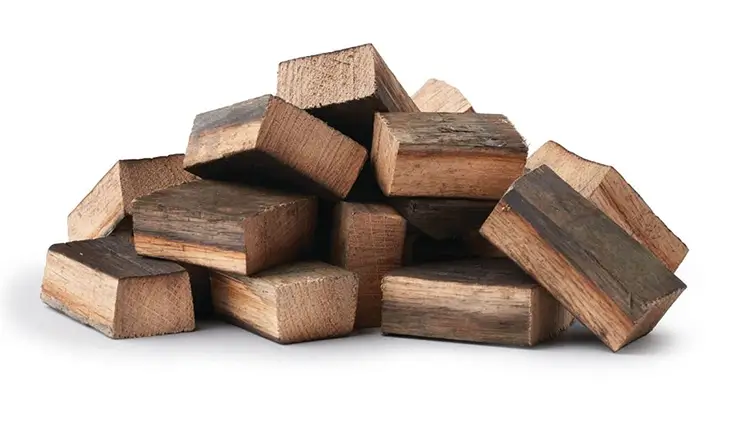
Wood Chunks
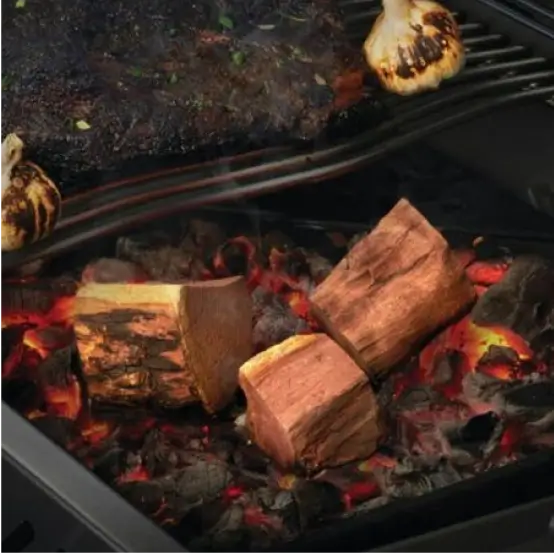
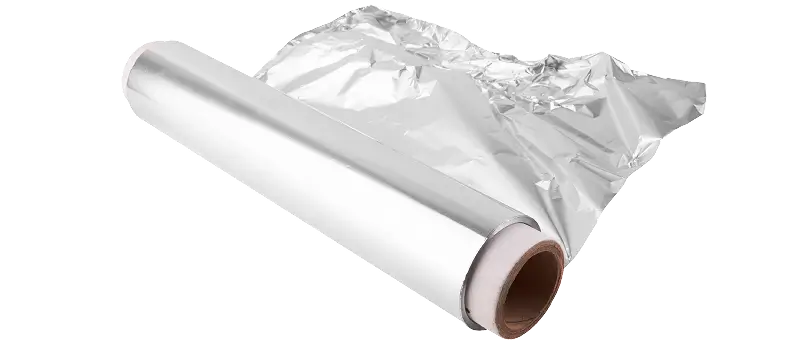
Wood Chunks last longer, so you won’t need to replenish them as often during an all-day smoke. They can fit inside a proper smoker box or a foil pouch.
If you’re cooking something like a brisket that might take many hours, chunks are usually more convenient. For a fast session, you can get away with just using chips.
Other Accessories
How to Smoke on a Gas Grill
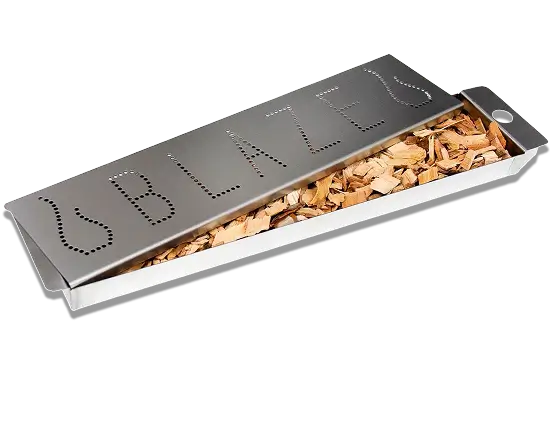
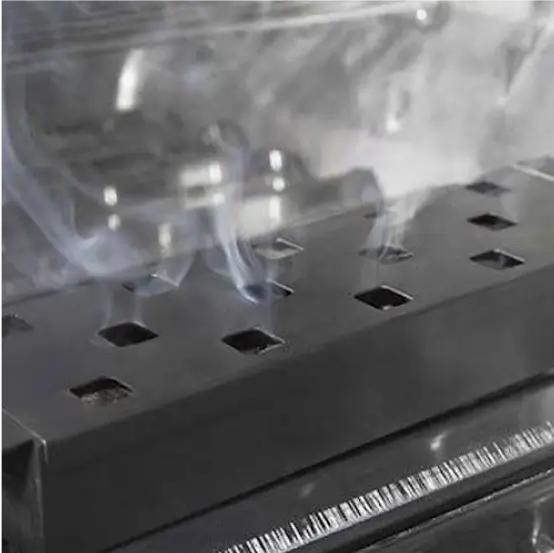
Smoker Box:
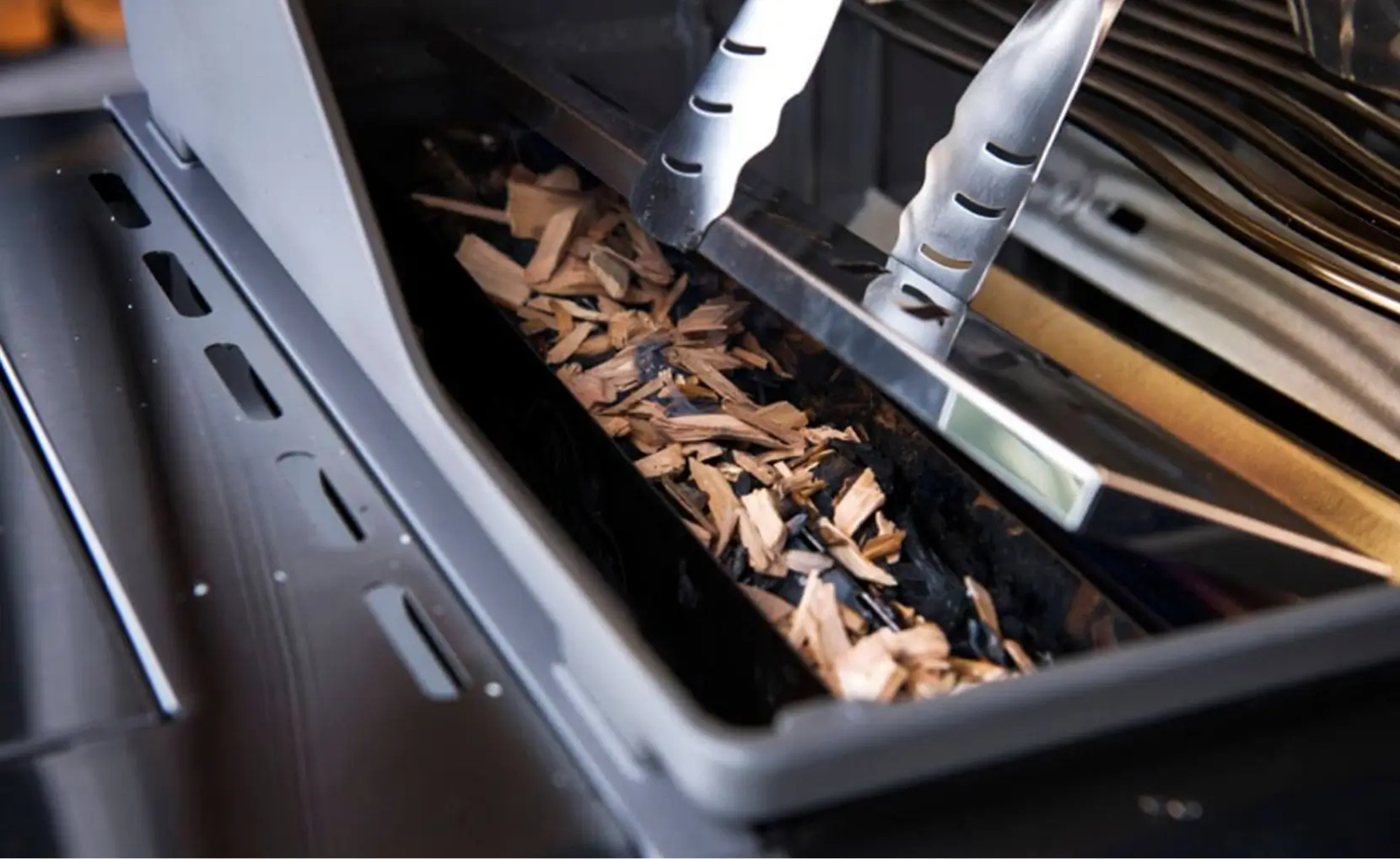
A small metal container (usually stainless steel or cast iron) that holds wood chips or chunks. Place it over a burner so the wood can heat and smolder.
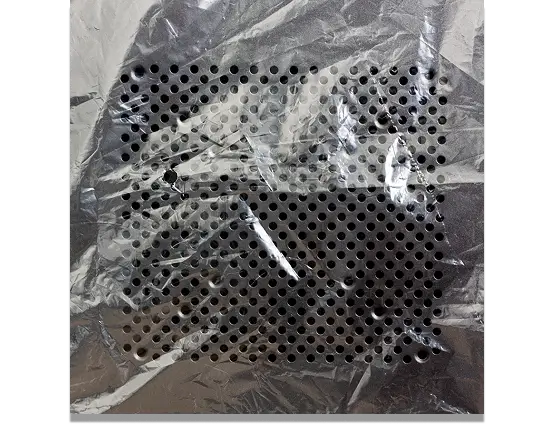
Foil Packets:
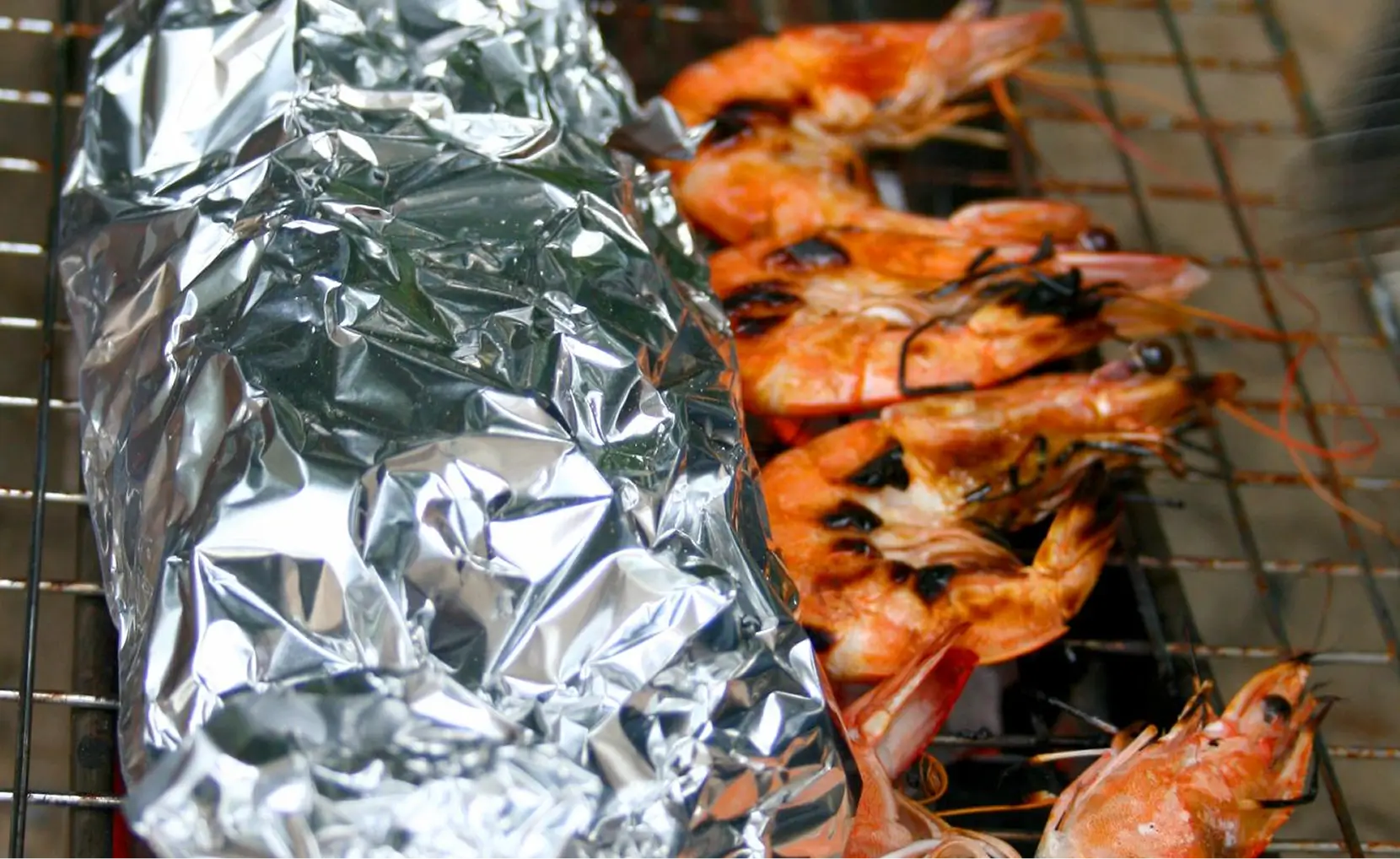
Just wrap wood chips in foil with a few holes poked in and put it near (or on) a burner. It’s a cheap, fuss-free method.
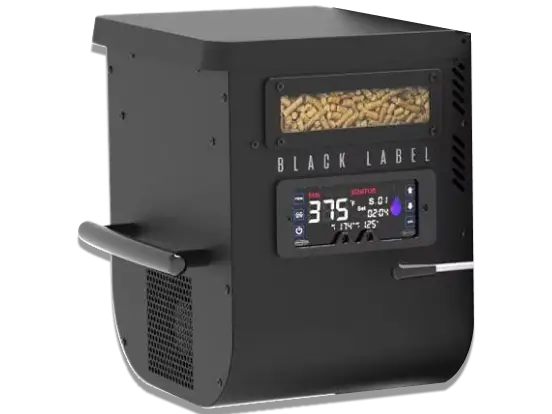
Pellet Tube:
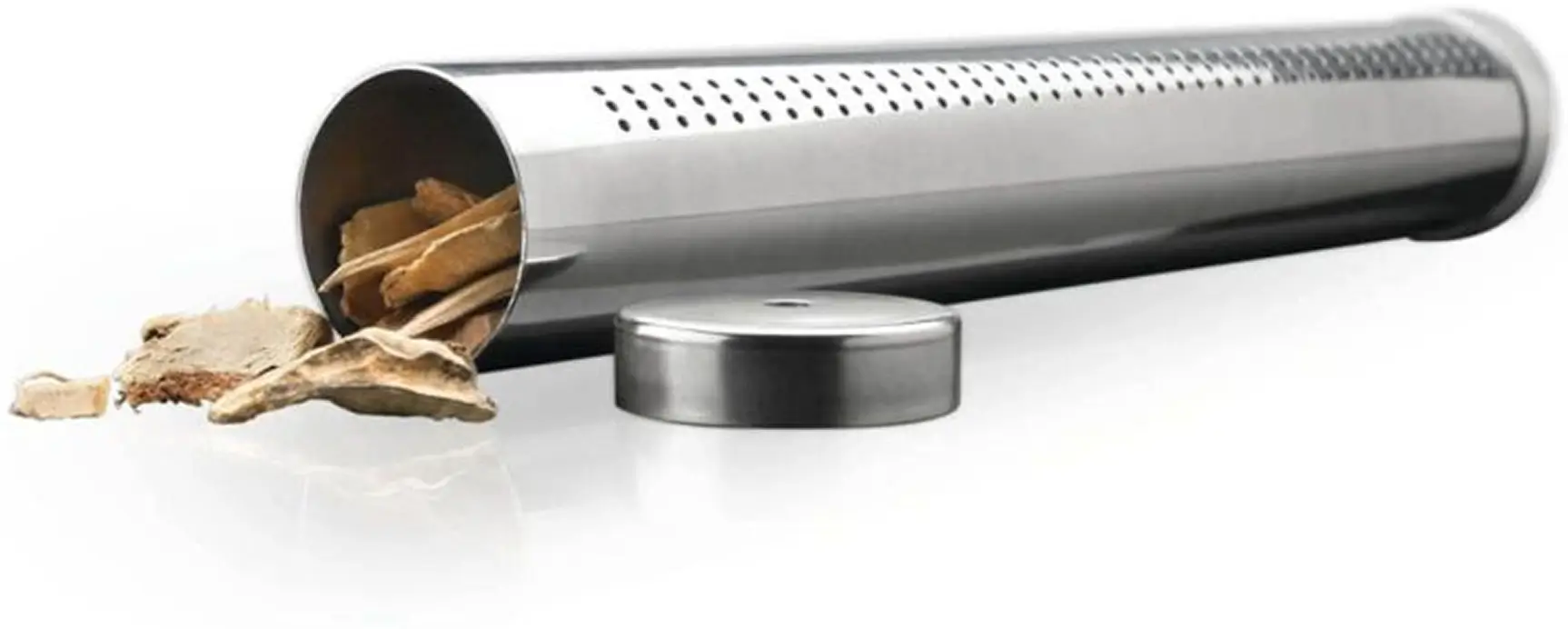
A metal cylinder you fill with hardwood pellets. Light one end and let the pellets smolder, and you’ll enjoy hours of steady smoke.
Any of these setups will work. Your choice often comes down to things like budget or how long you want the smoke to last without refilling.
Water Pans and Drip Trays
How to Smoke on a Gas Grill
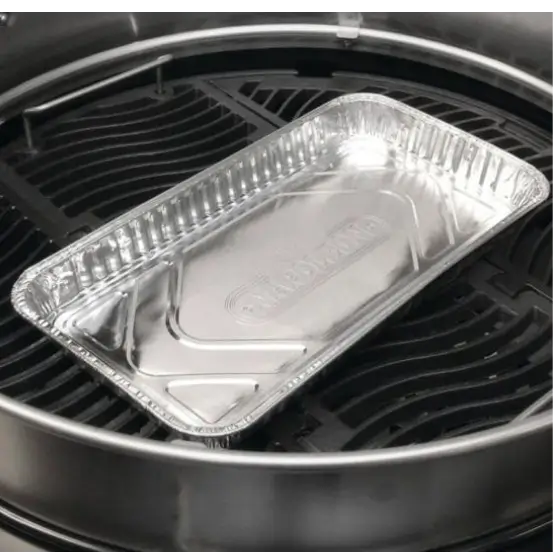
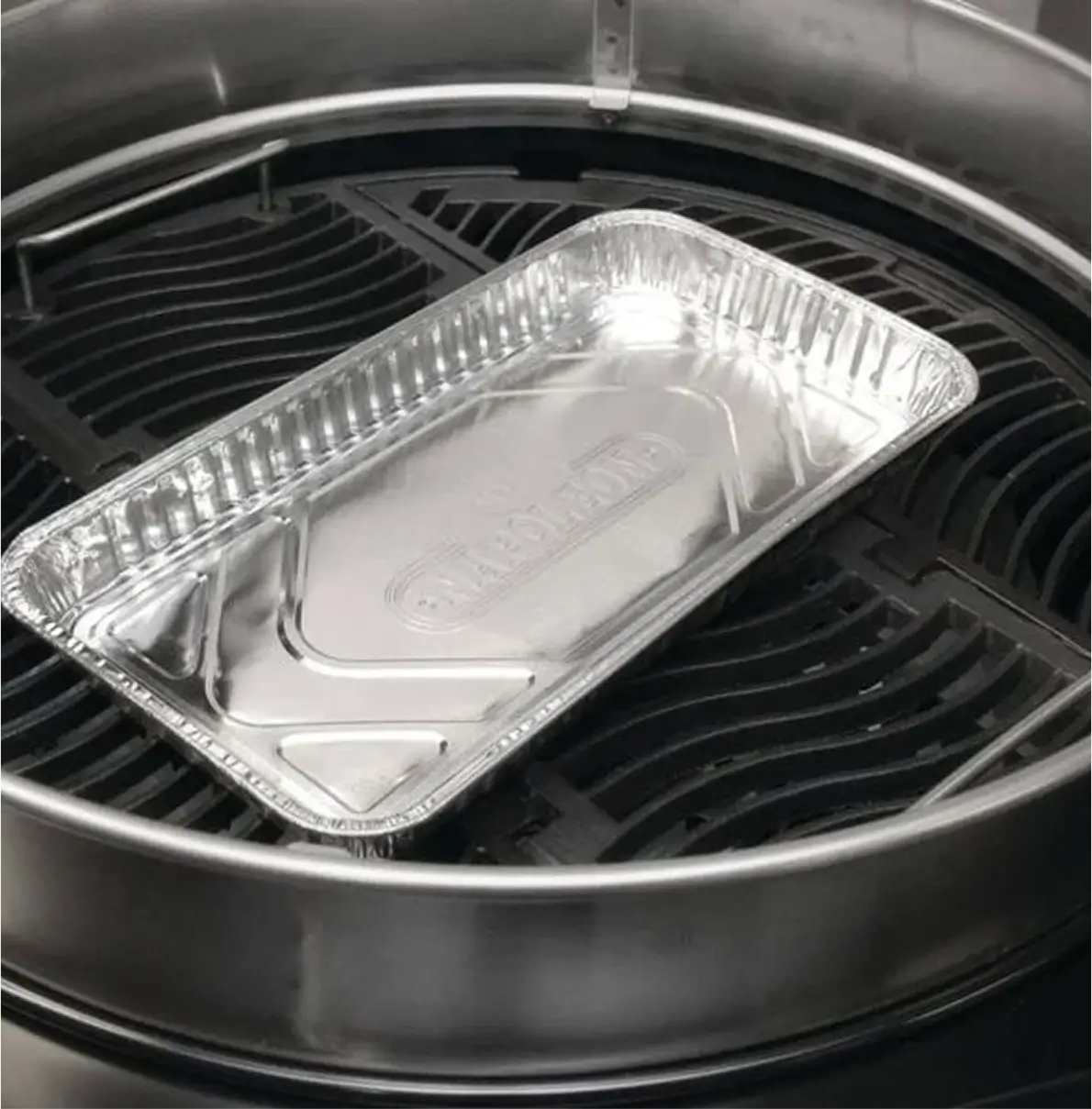
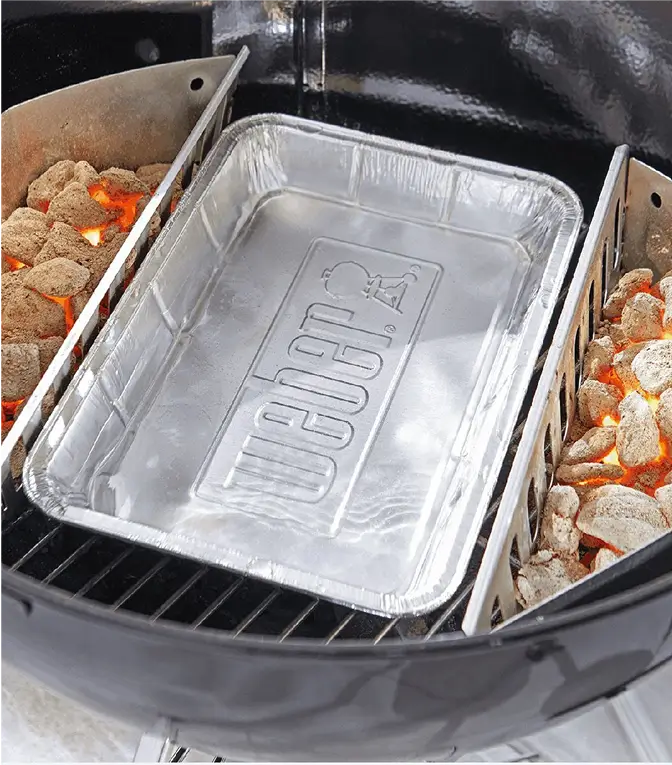
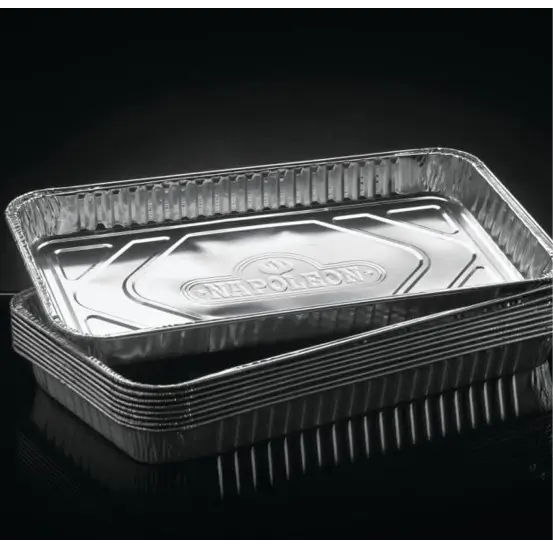
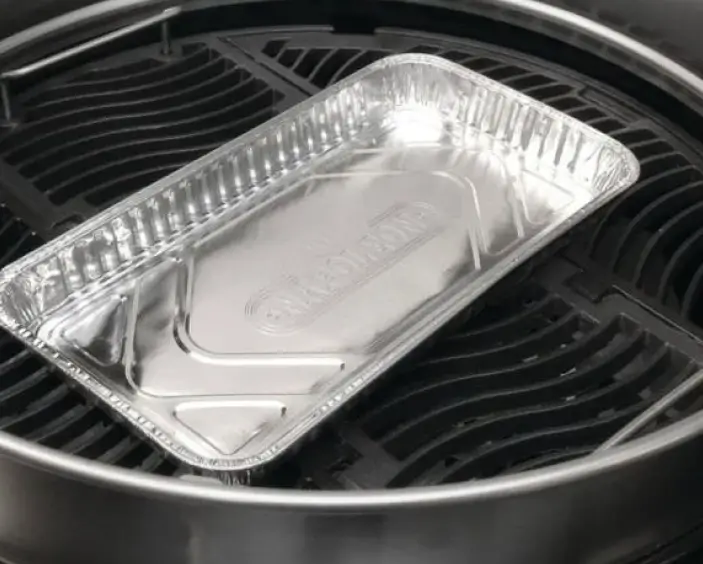
A simple aluminum pan filled with water will help stabilize your grill’s internal climate. It also adds moisture and keeps the temperature from swinging too wildly. You can also place a drip tray under the meat so grease doesn’t land on the burners, which reduces flare-ups and keeps your grill a bit tidier.
Quality Thermometers for Accuracy
How to Smoke on a Gas Grill
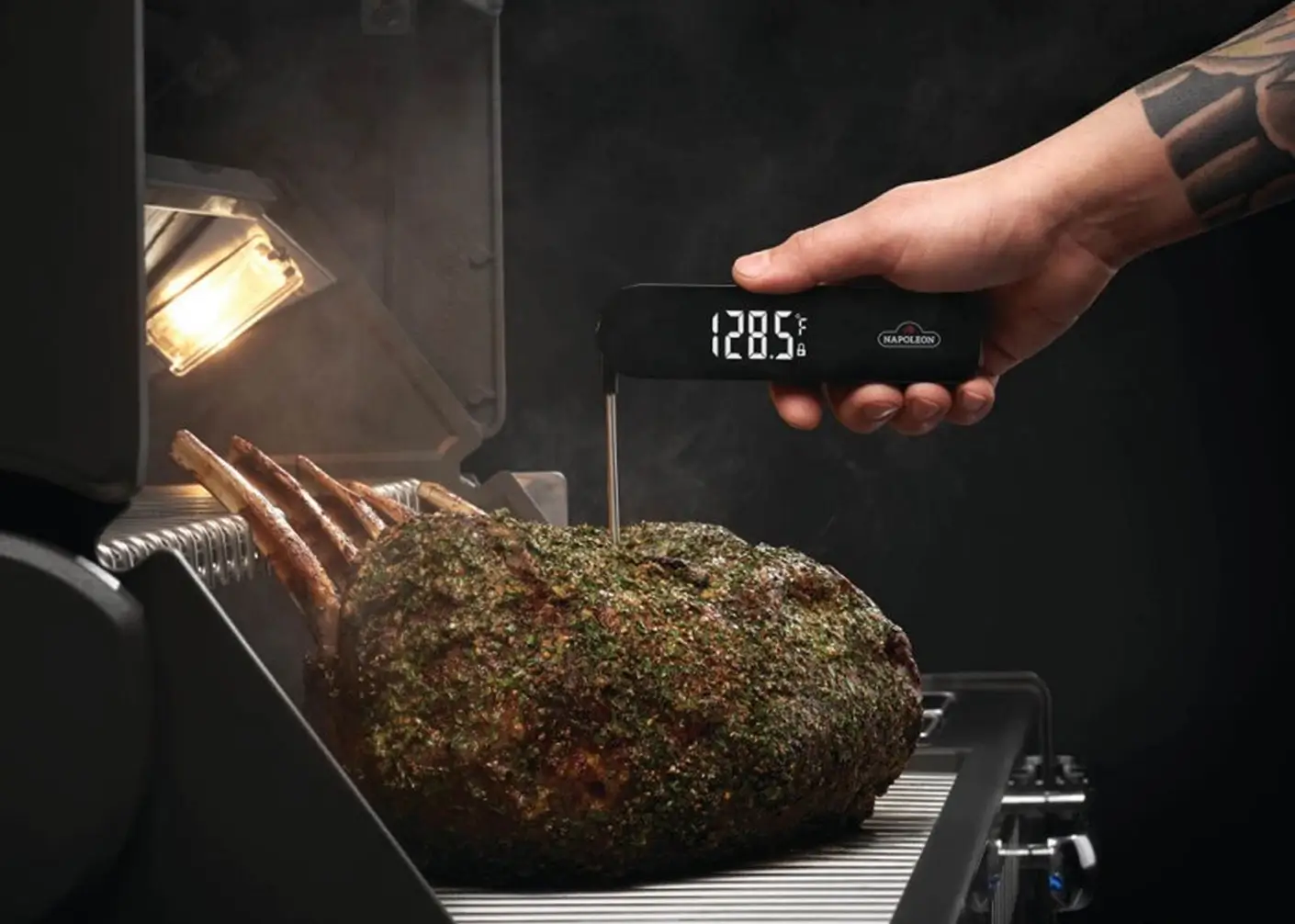
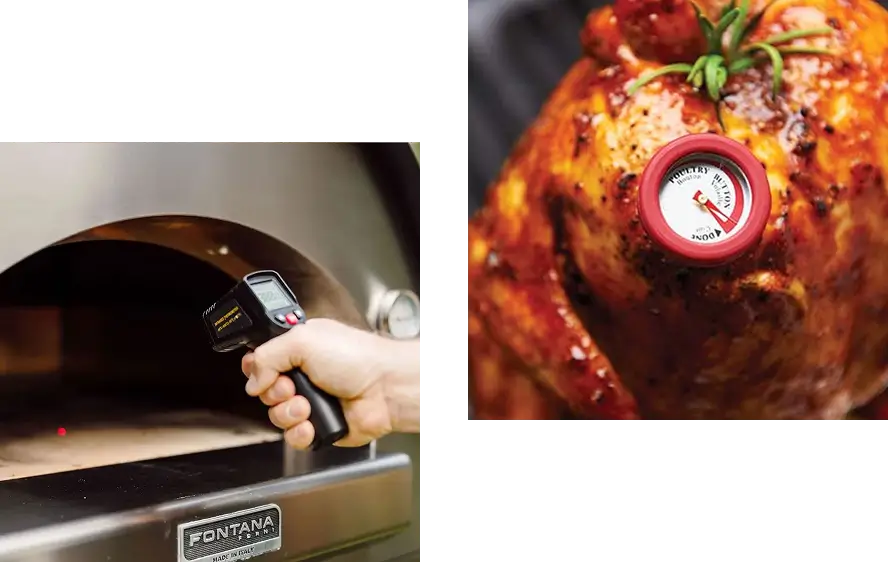
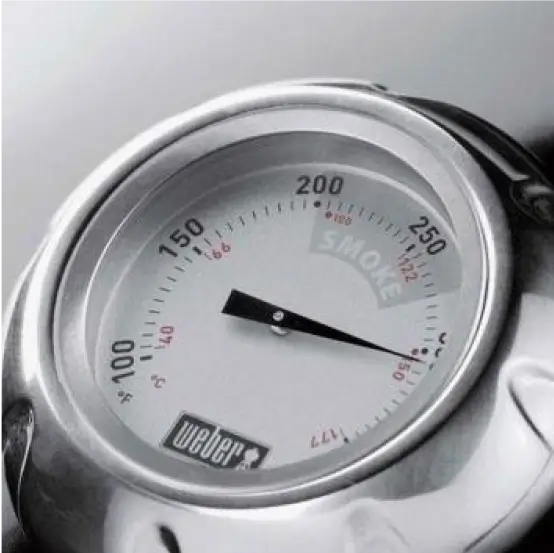
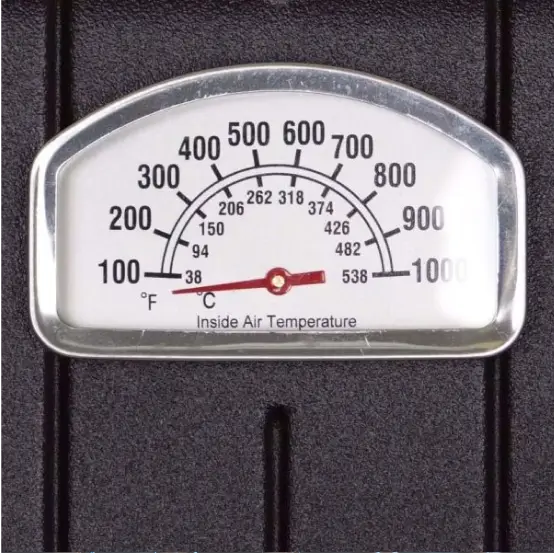
The built-in thermometer on the grill’s lid might not reflect the temperature on the actual cooking surface. A dual-probe thermometer is the gold standard: you can monitor the grill’s ambient heat with one probe and track your meat’s internal temperature with the other.
How to Smoke on a Gas Grill
Picking the Right
Wood
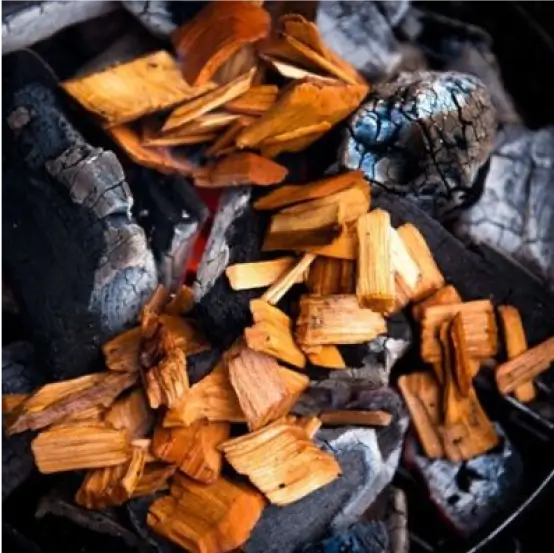
See how different types of wood give you different results:
Common Wood Varieties and Their Flavors
How to Smoke on a Gas Grill
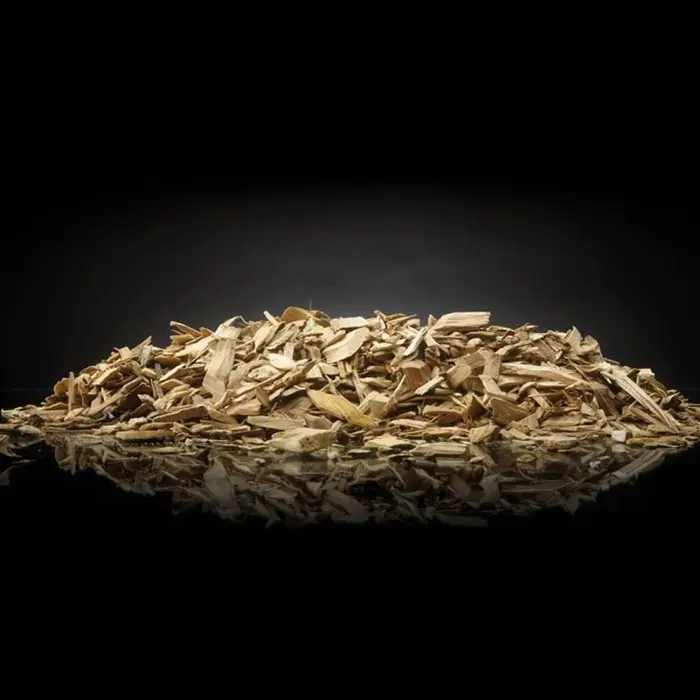
Hickory has a sweet aroma that works well with pork or hearty beef.
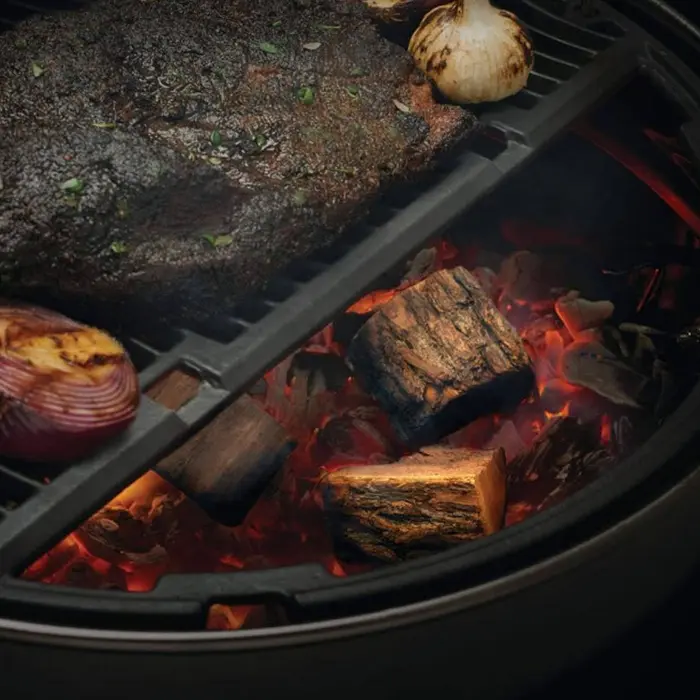
Mesquite burns hot and gives off a strong and earthy smoke – it’s usually best for bigger cuts like brisket.
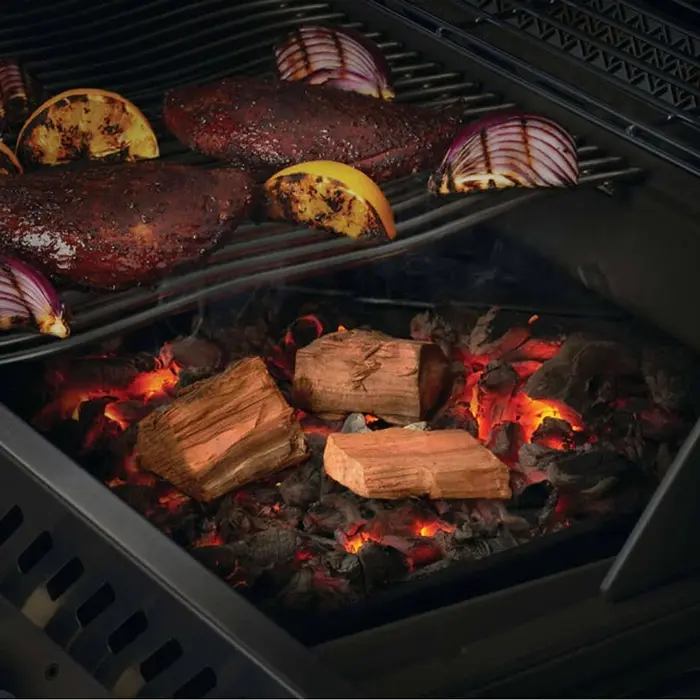
Apple brings mild and sweet notes that work beautifully with poultry and fish.
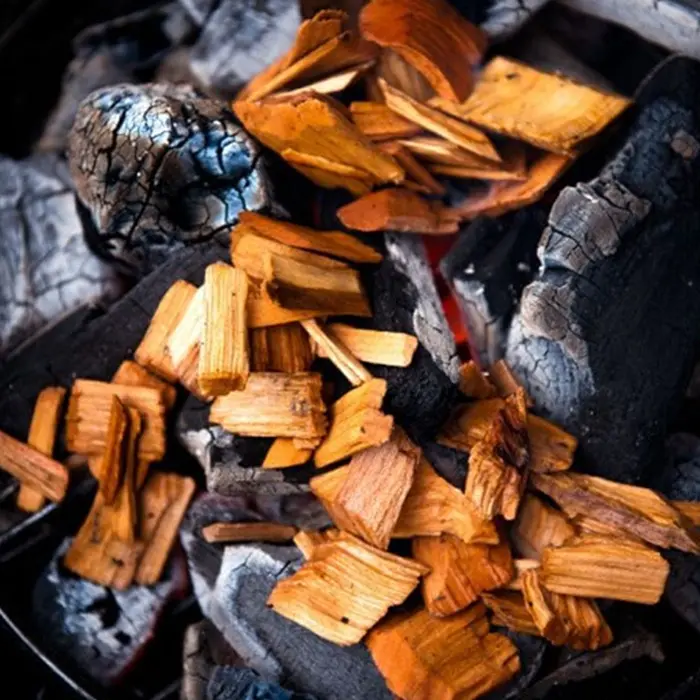
Cherry adds a slight tang and a rich color to meats like chicken or ribs.
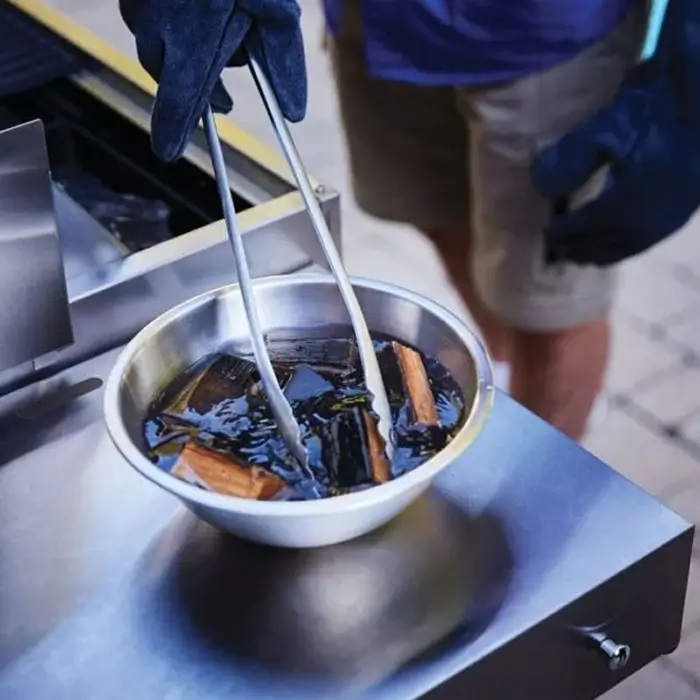
Oak offers a moderate smokiness that suits almost anything, from brisket to chicken.
Matching Wood to Different Types of Meat
How to Smoke on a Gas Grill
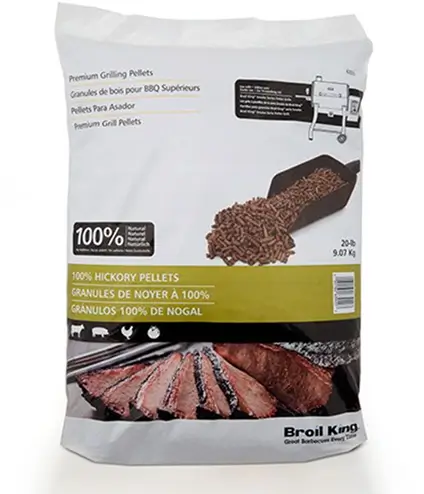
Heavier cuts like brisket or pork butt can handle strong woods (hickory, mesquite). Something a bit more subtle, like apple or pecan, usually works alright for chicken or seafood. Feel free to mix and match. It’s also fairly common for people to blend apple with hickory so that you get more of a balanced sweet-and-smoky flavor.
Should You Soak Your Wood?
How to Smoke on a Gas Grill
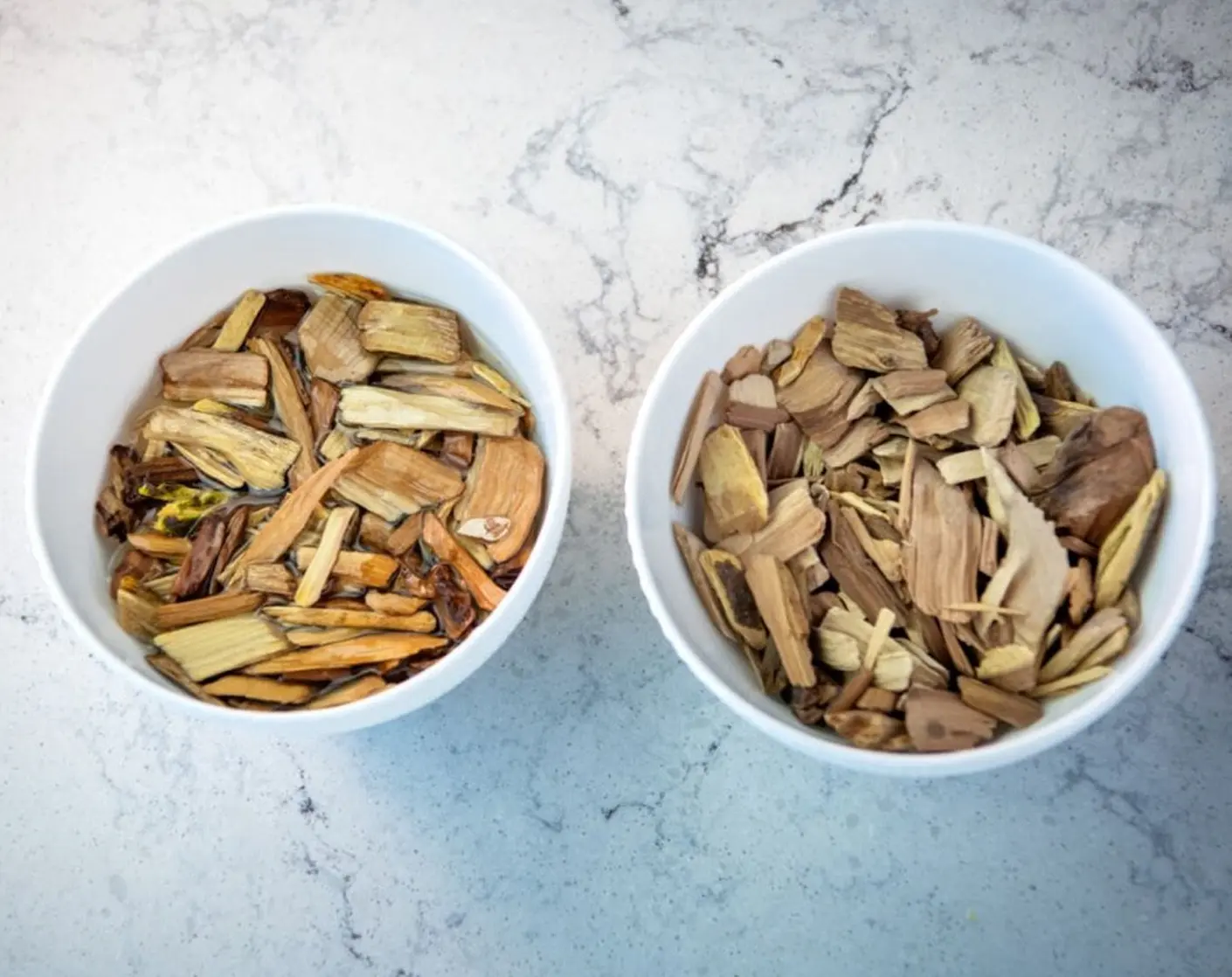
Some swear by soaking chips in water to delay flare-ups. Others say that initial steam doesn’t extend the smoke time by much. You can try both routes. In many cases, using dry chips or chunks works fine if you keep a close eye on the heat. Go with whatever feels right for your cooking style.
How to Smoke on a Gas Grill
Prepping Your Gas Grill for Smoking
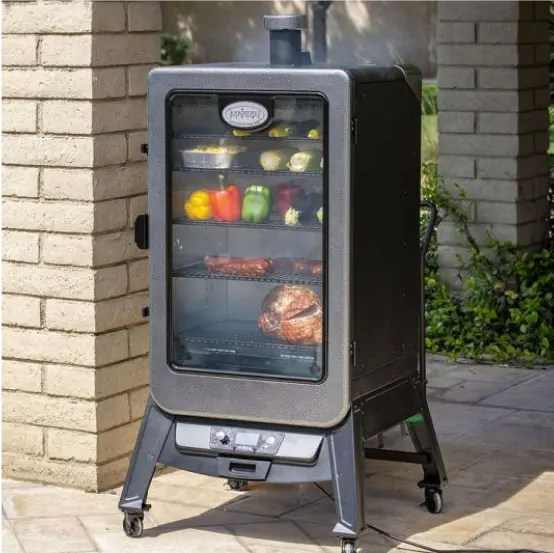
What practices should you follow before you get started on smoking?
Setting Up Indirect Heat
How to Smoke on a Gas Grill
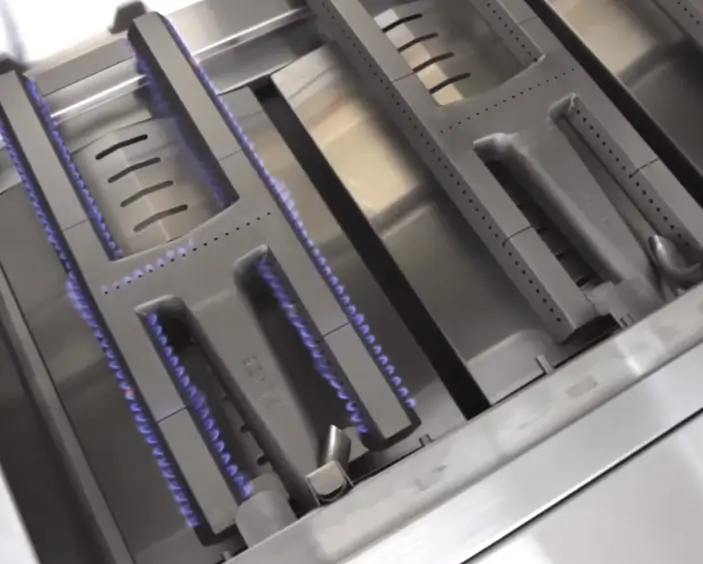
Turn on the burner(s) on one side of the grill and leave the opposite side off.
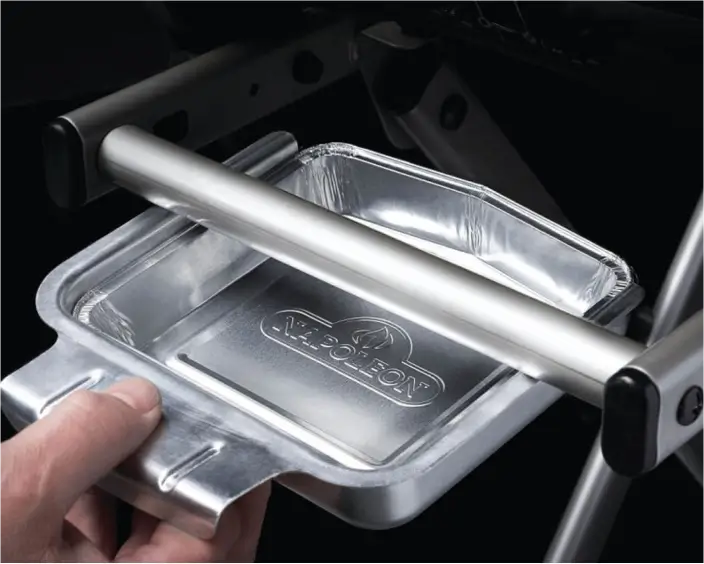
Place a water pan or drip tray on the unlit side.
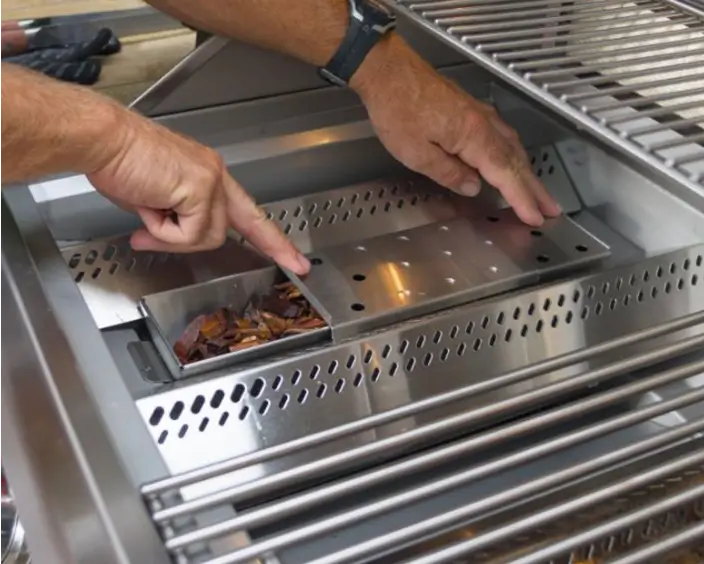
After the grill is hot, set your smoker box or foil packet over the lit burner.
Now the unlit side becomes your indirect cooking zone. This arrangement gives the food a gentler heat flow and helps the wood chips smolder without engulfing the food in flames.
Smoker Box vs. Foil Packets
How to Smoke on a Gas Grill
If your grill has a built-in smoker box, load it with wood chips or chunks. Wait for them to start releasing visible smoke – usually 5 to 15 minutes. If you don’t have a box, foil packets do the trick.
Wrap chips in foil with a few holes poked in it for ventilation, and place them over the heat. As long as they’re getting hot enough, they’ll start smoking soon.
Controlling Airflow and the Lid
How to Smoke on a Gas Grill
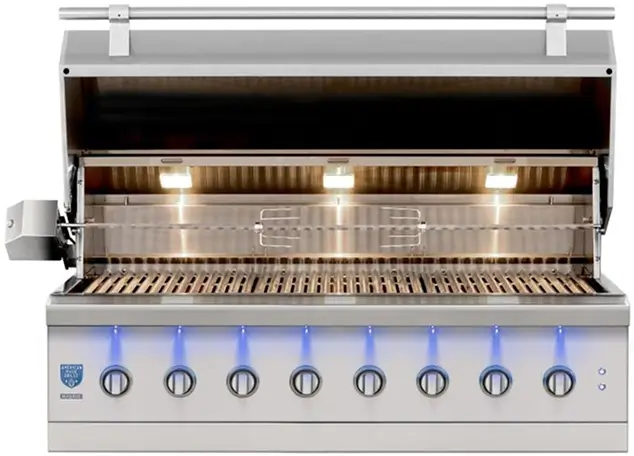
Gas barbecues don’t always offer the same level of vent control as charcoal models. Still, keep the lid down as much as possible to hold in the smoke, then crack the top vent slightly if you have one. Each time you lift the lid to peek, heat and smoke escape, so try not to over-check.
Fine-Tuning the Burners for Low-and-Slow
How to Smoke on a Gas Grill
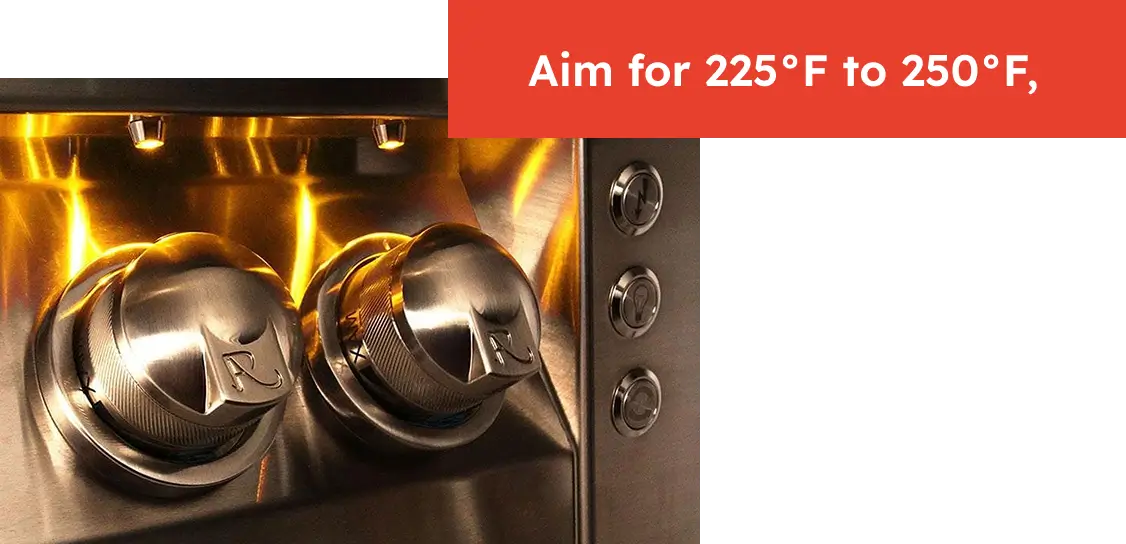
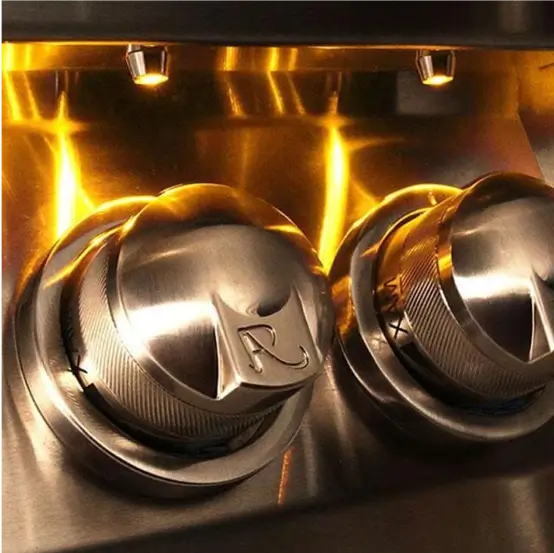
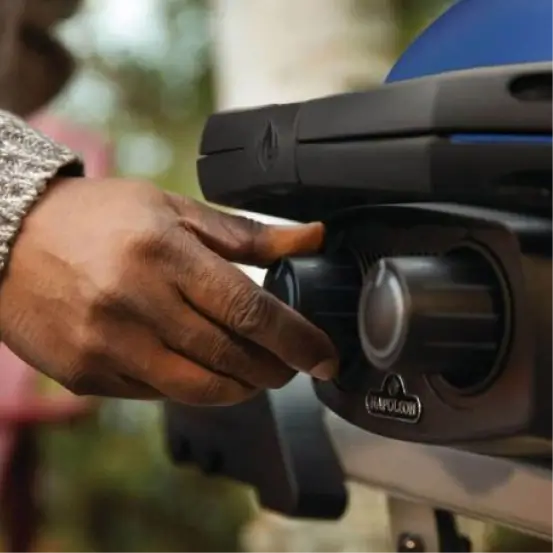
Aim for 225°F to 250°F, but be ready to tweak the knob. On a cold day, you might need medium or medium-high on one burner. On a scorching summer day, a lower setting might do. Use your ambient thermometer to see if you’re near your target.
If it’s too hot, dial back the heat or briefly open the lid. If it’s too low, you can nudge the burner up.
How to Smoke on a Gas Grill
The Smoking Process, Step by Step
See how to go about smoking for the best possible results:
Warm Up the Grill and Set Up the Wood
✓ Turn on one or two burners to medium or medium-low. Let the grill preheat until you’re hovering near 225°F–250°F.
✓ Place your smoker box or foil pouch of wood chips over the lit burner.
✓ Wait until you see a thin stream of smoke.
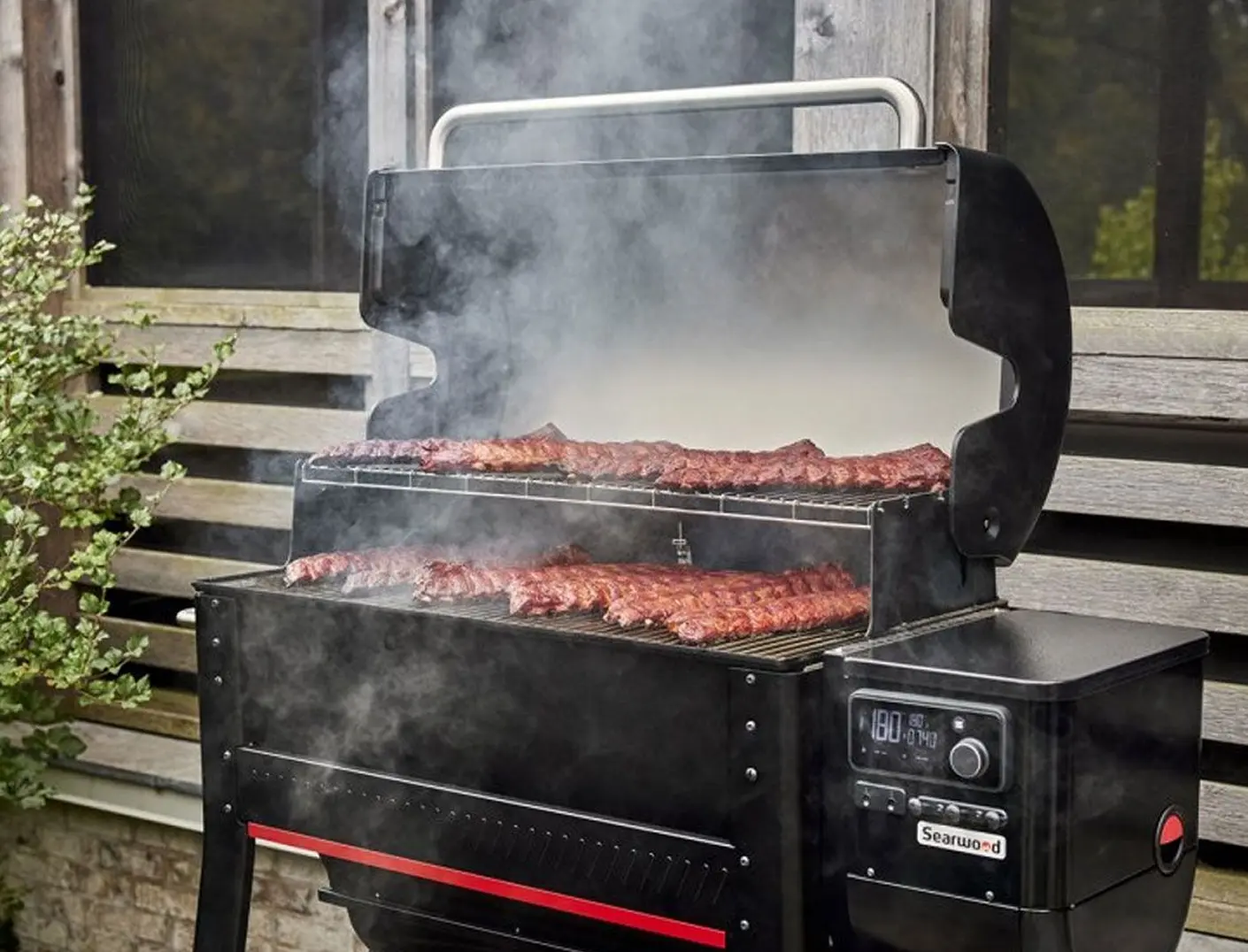
Placing the Meat Correctly
✓ Slide a drip tray under where the meat will sit on the unlit side.
✓ Add a water pan filled with warm water or juice to help stabilize the environment.
✓ Put your meat on the grate above the drip tray, leaving room around it for smoke to circulate.
Keeping an Eye on Temperature and Smoke
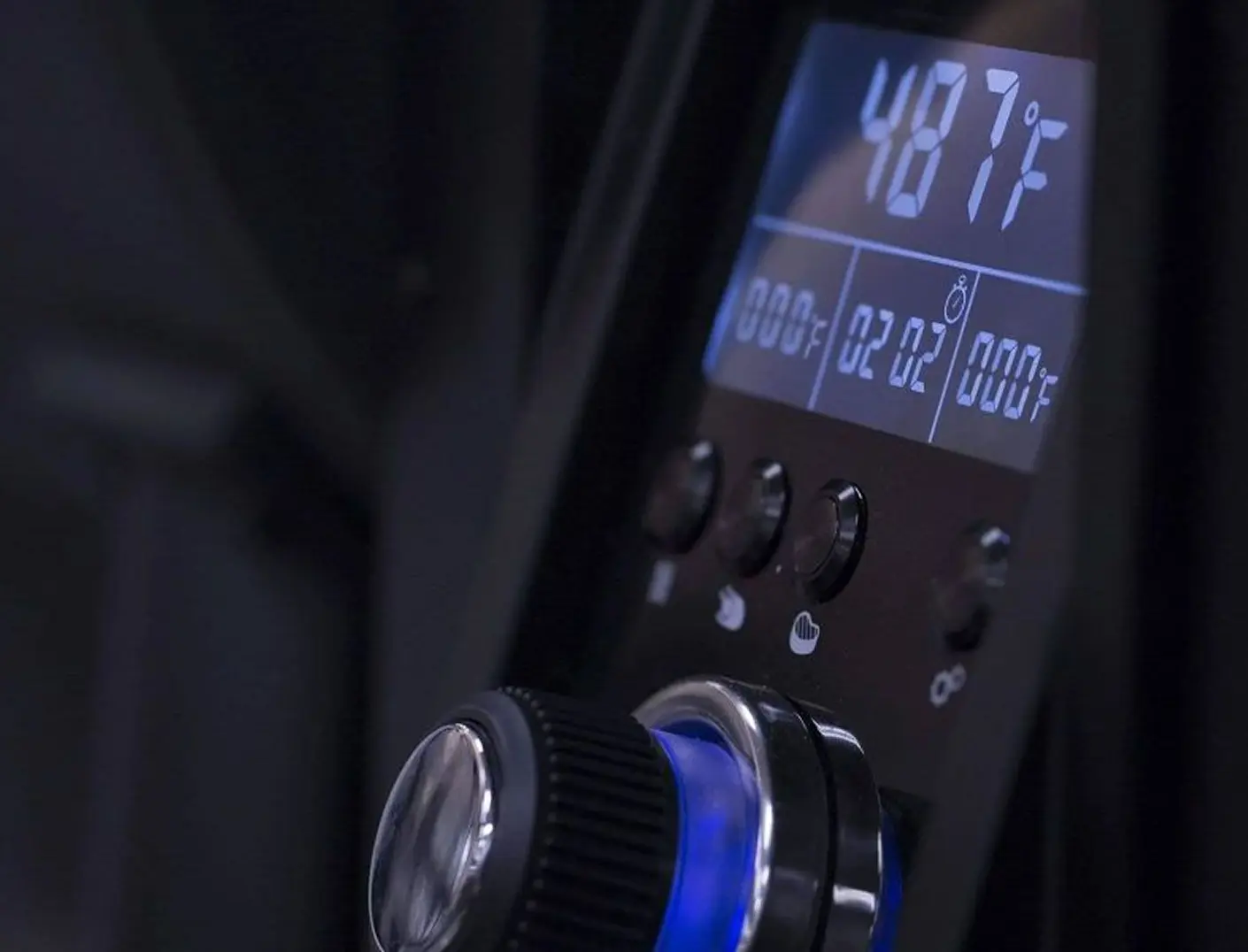
It’s definitely tempting, but try to resist the urge to lift the lid too often. Glimpses at the thermometer will tell you plenty. You want steady, faint wisps of smoke, not heavy white plumes that can make food taste bitter.
If your grill dips below 225°F, turn up the burner a touch. If it shoots above 250°F, back it down or briefly open the lid.
Adding Wood as Needed
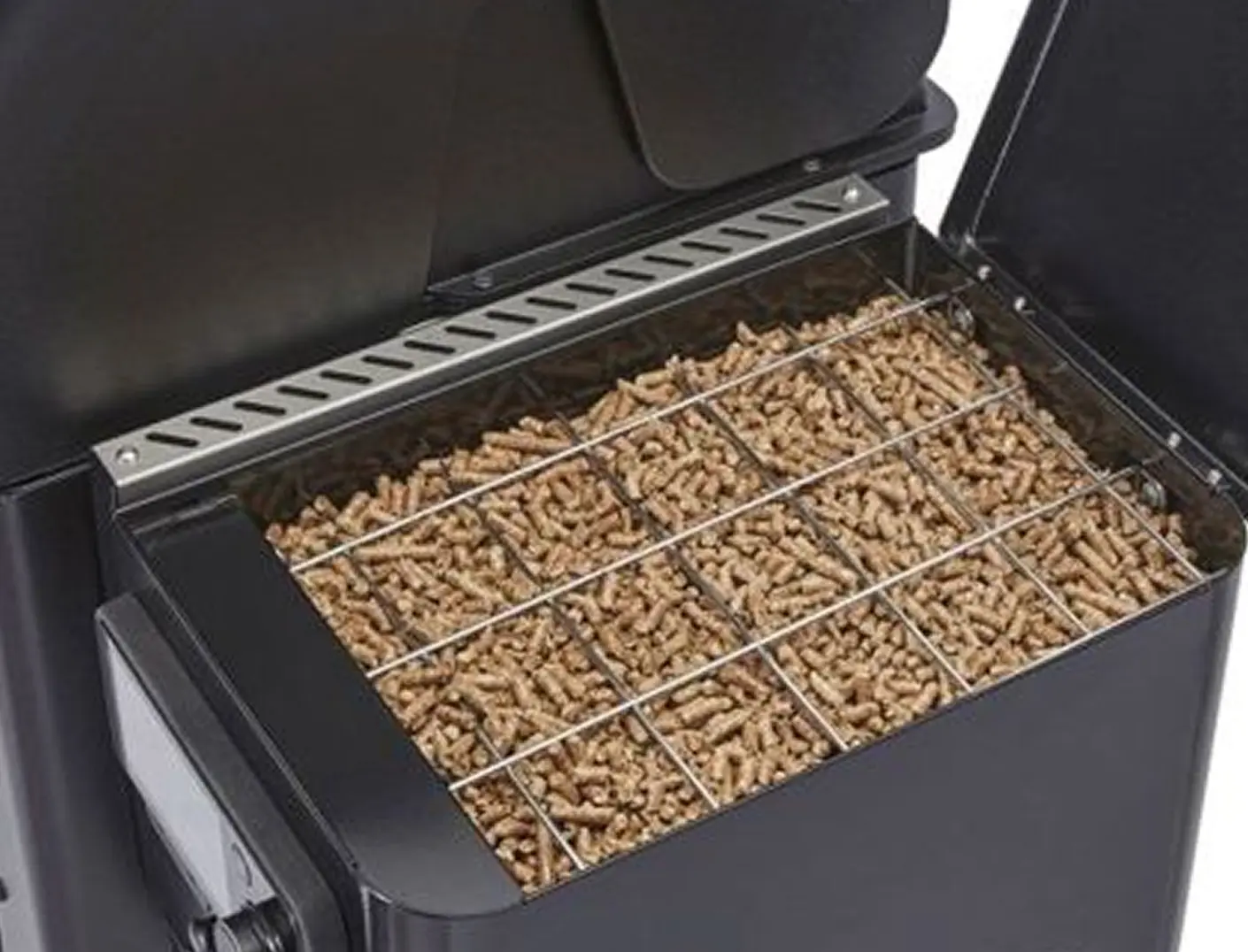
Wood chips usually last 30 to 60 minutes. Wood chunks or a pellet tube can smolder for longer. You might open the grill just enough to swap out the foil packet or refill the box, then shut it again to maintain your heat.
Approximate Times for Different Meats
How to Smoke on a Gas Grill
Low and slow is obviously the way, but you’ve got to adjust this method a little bit depending on what you plan on smoking:
| Meat | Time and Temp |
|---|---|
| Baby Back Ribs | 4 to 5 hours at 225°F–250°F. |
| Spare Ribs | 5 to 6 hours or so. |
| Pork Shoulder | 12 to 16 hours total, roughly 1.5 to 2 hours per pound. |
| Brisket | Around 1 to 1.5 hours per pound, though bigger cuts may require even more time. |
| Whole Chicken | About 3 to 4 hours. |
| Turkey | 4 to 6 hours or more, depending on size. |
Focus on internal temperature over the clock. Ribs are usually done when they pass the bend test or a probe slides in easily. Pork shoulder and brisket often target around 200°F internally for ideal tenderness.
Extra Tips for Better Results
How to Smoke on a Gas Grill
Those were the basics, but there are a few more tips worth knowing about if you want the best results:

Start with Good Meat
High-quality cuts tend to hold moisture better and taste richer.

Use Rubs or Marinades
Over a long cook, flavors from rubs and marinades can really sink in.

Wrap If Needed
Some pitmasters use a “Texas Crutch,” which is just wrapping the meat in foil or paper once the internal temp stalls around 160°F. This can speed up cooking and lock in moisture.

Rest Before Serving
Let the meat rest for at least 30 minutes or longer for big cuts. This helps preserve juices and ensures each bite is as tender as possible.
How to Smoke on a Gas Grill
Smoking Different Meats (and More)
Smoking can transform a variety of foods, not just brisket or ribs. Each protein (or vegetable) has its own nuances, but the core idea – low temperature plus consistent smoke – remains the same.
Beef: Brisket, Ribs, Burgers
How to Smoke on a Gas Grill
Let’s kick things off with some barbecue staples:
Brisket
It’s considered a barbecue showstopper but demands time and patience. A full-packer brisket can weigh over 15 pounds and might cook for 12+ hours.

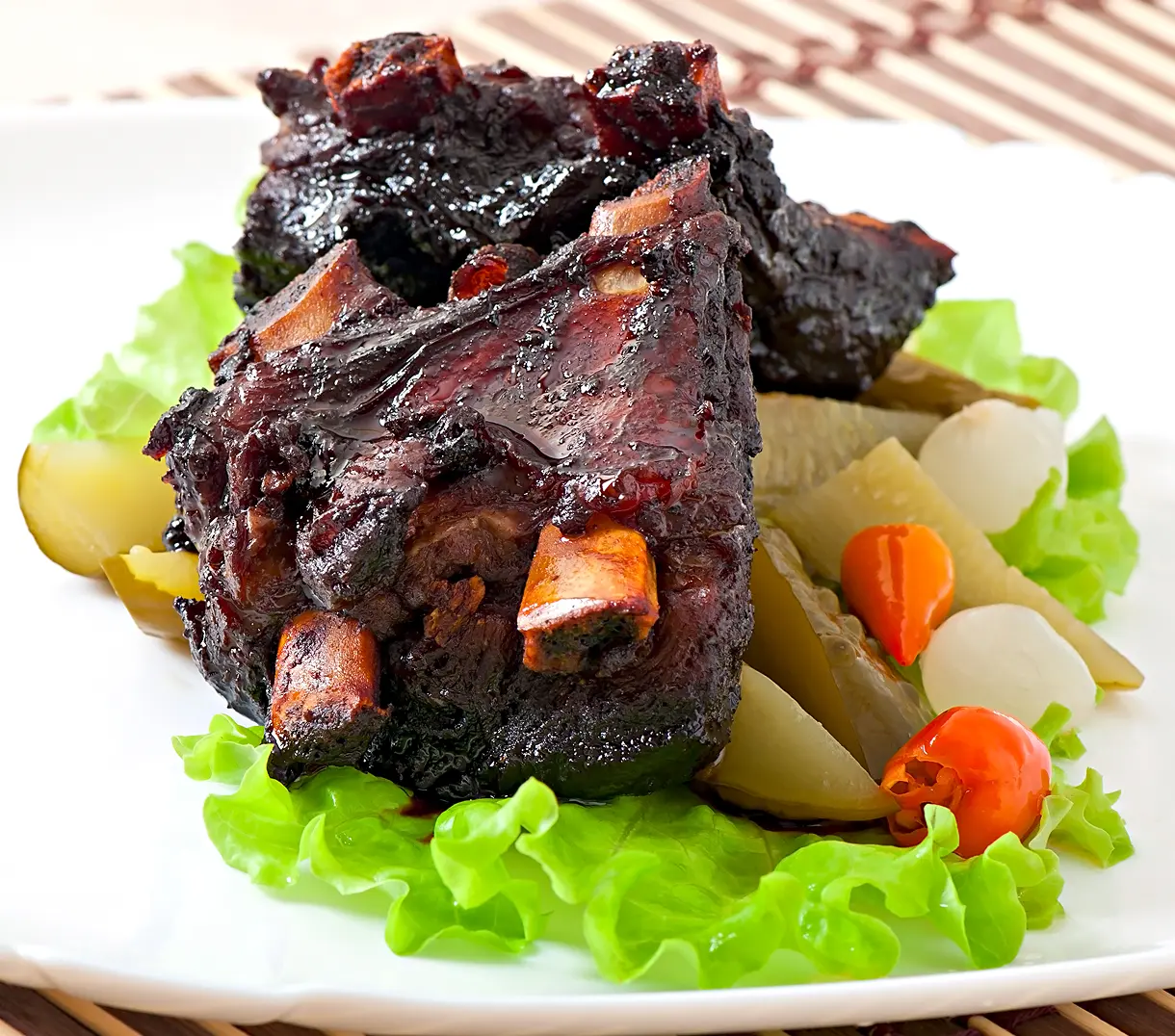
Beef Ribs
Short ribs or plate ribs are loaded with rich, beefy flavor. They can take 5 to 8 hours, depending on their size. Salt and pepper can be enough, though you can add a dash of garlic powder or chili powder for an extra bump.
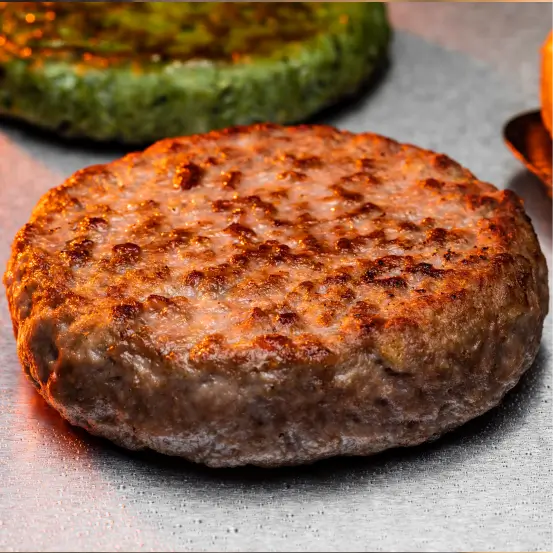
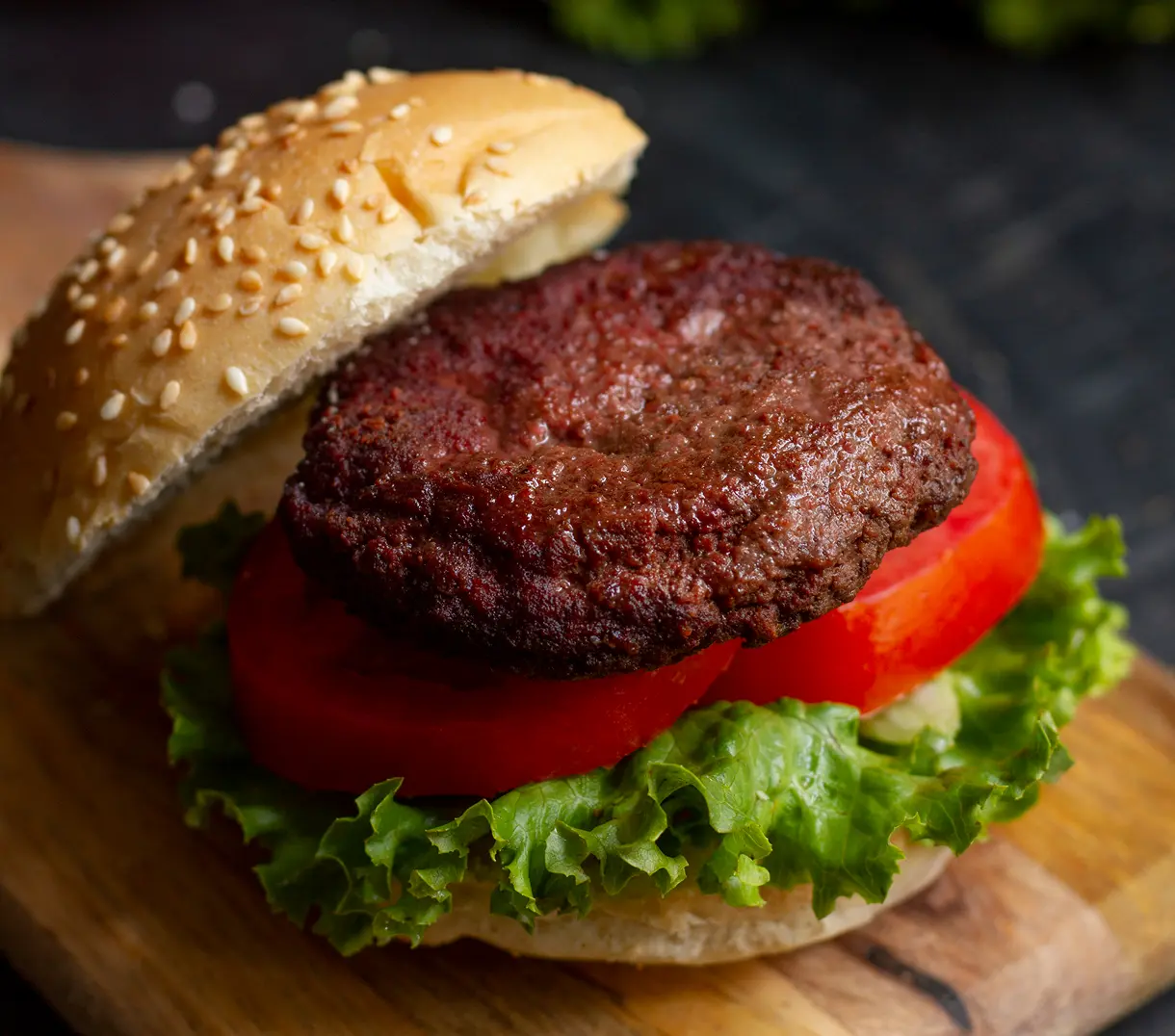
Burgers
Yes, you can smoke burgers if you’re looking for something a bit different:
Pork: Shoulder, Ribs, Bacon
How to Smoke on a Gas Grill
See how to smoke all the best parts of pig:
Pork Shoulder (Boston Butt)
Pulled pork is a favorite for a reason. The shoulder’s abundant fat means you’ll always get a moist result:
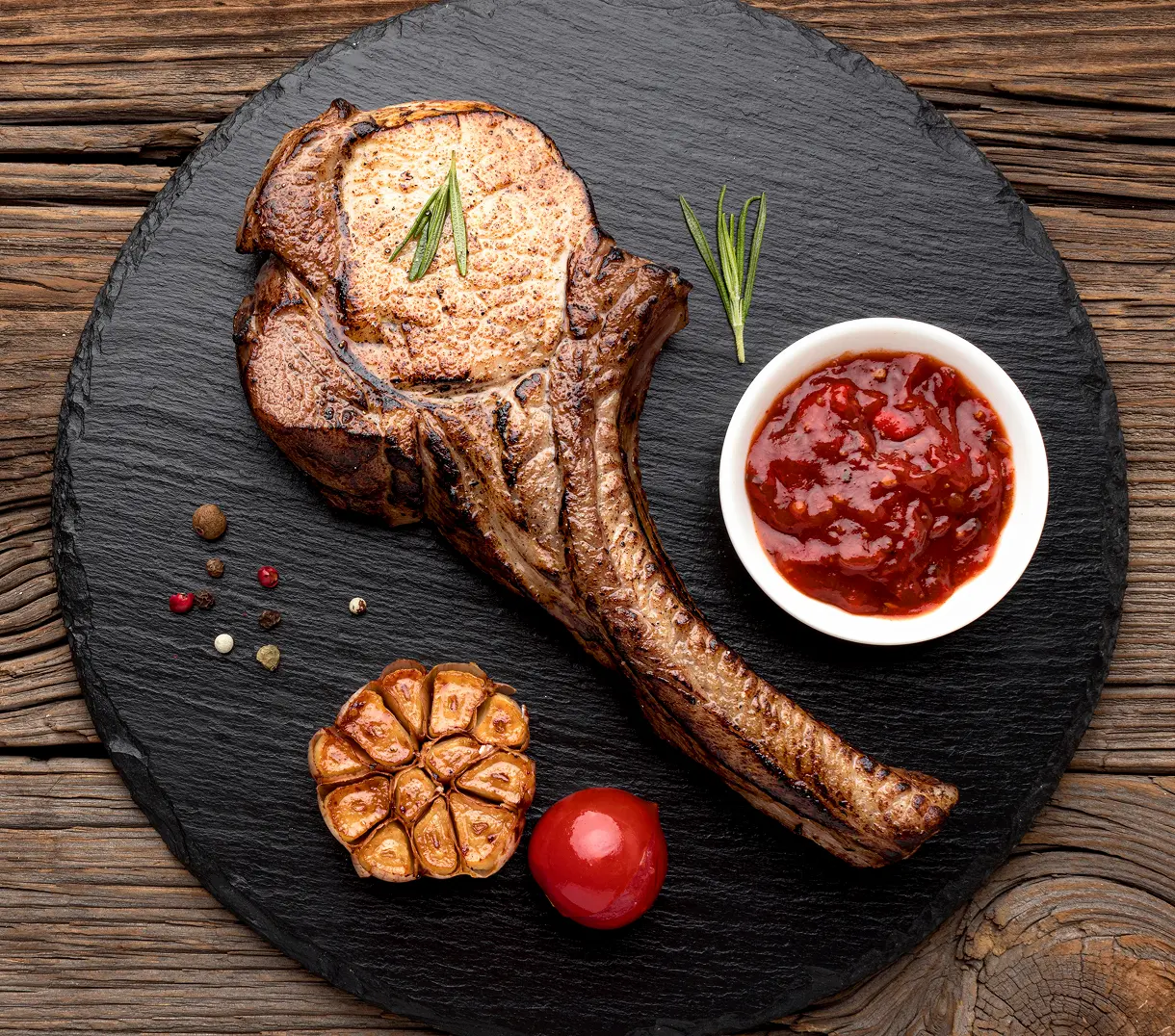
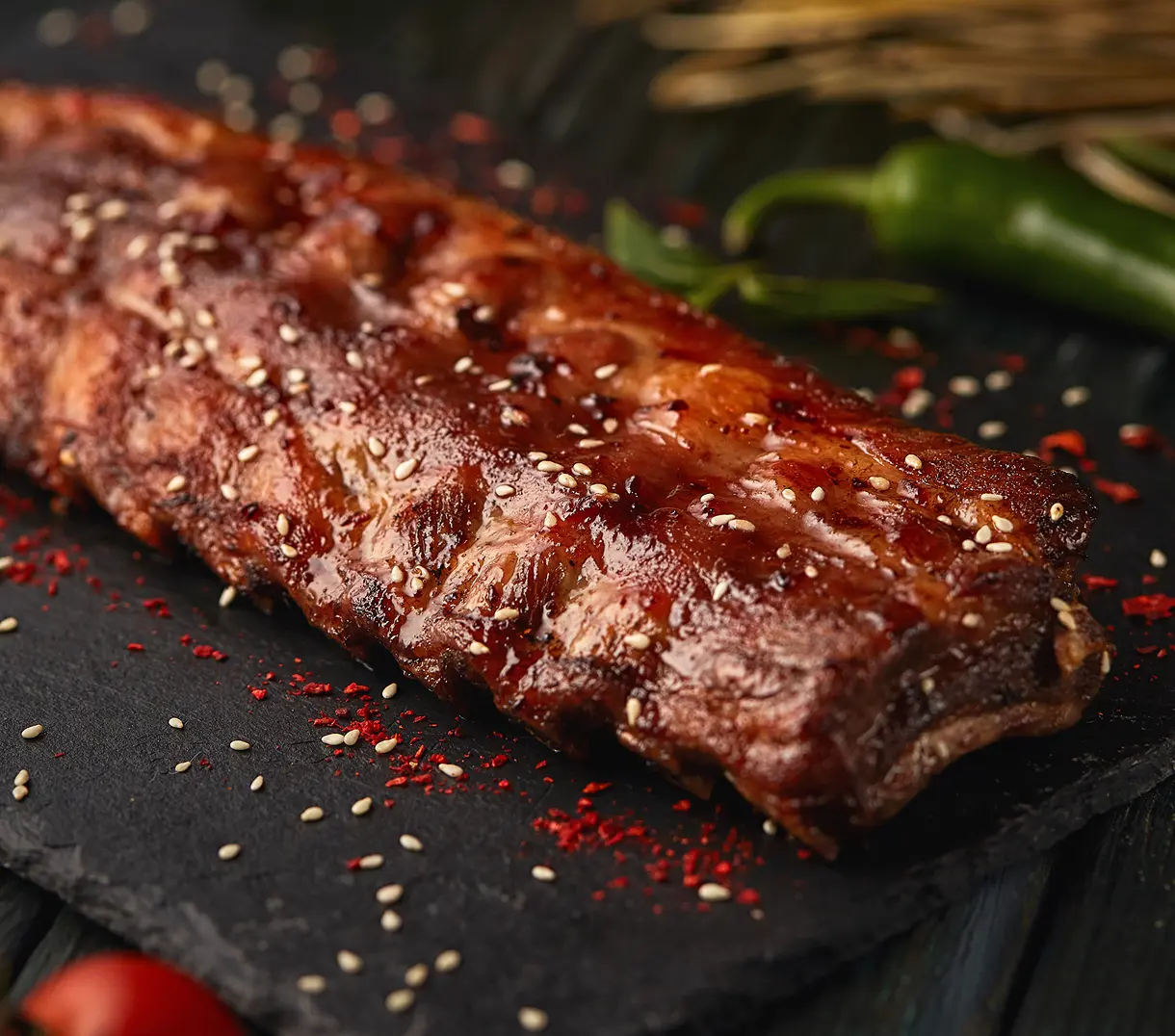
Pork Ribs
Baby backs or St. Louis-style – ribs love a low, smoky environment.
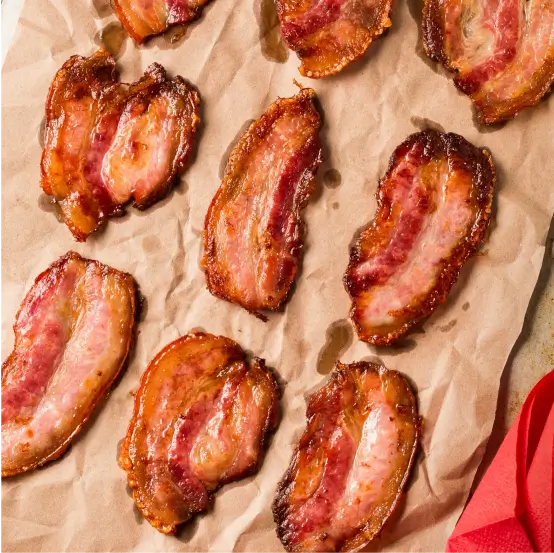
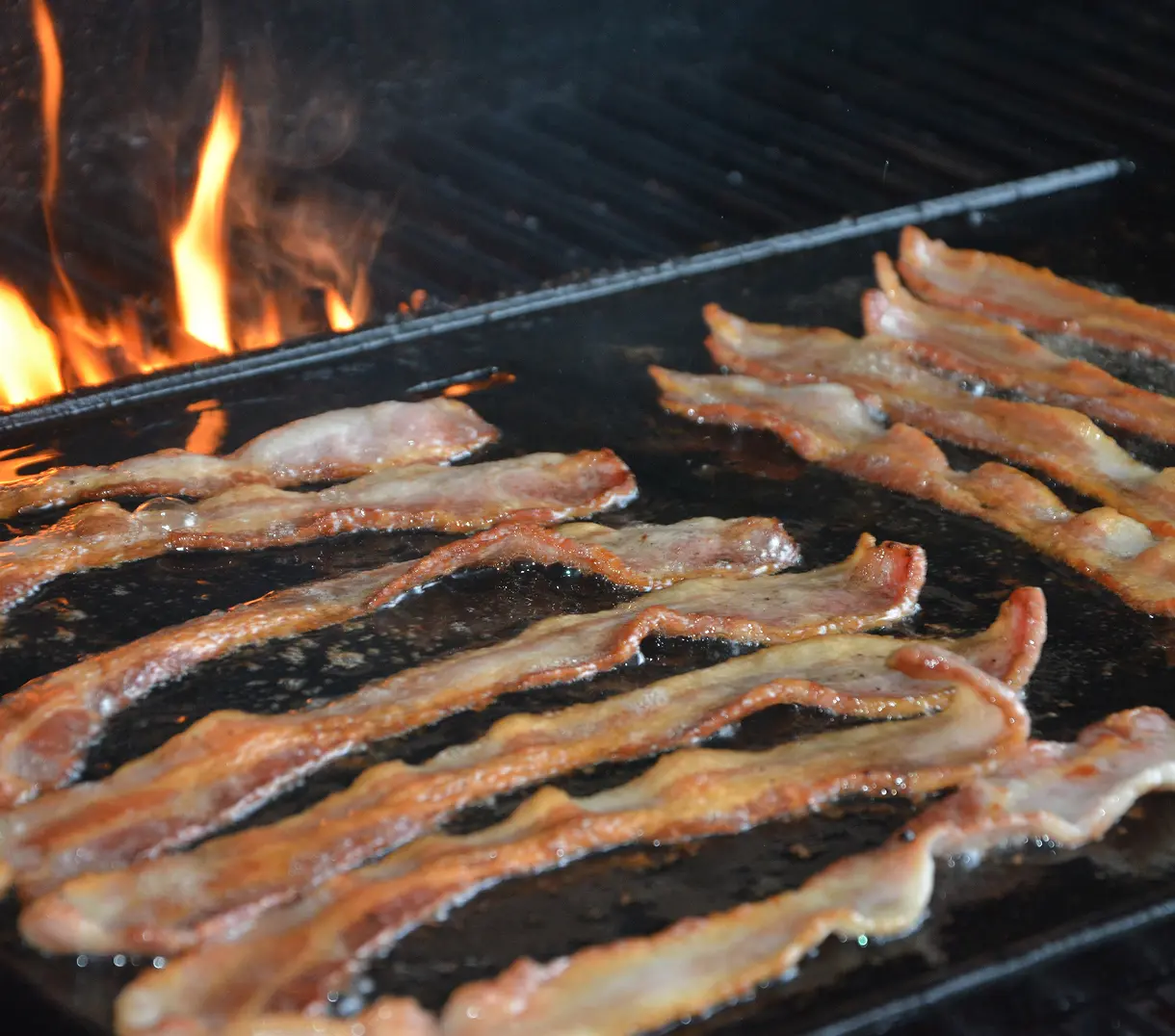
Bacon
Home-smoked bacon can be unforgettable.
Poultry: Chicken, Turkey, Wings
How to Smoke on a Gas Grill
Another quality barbecue option:
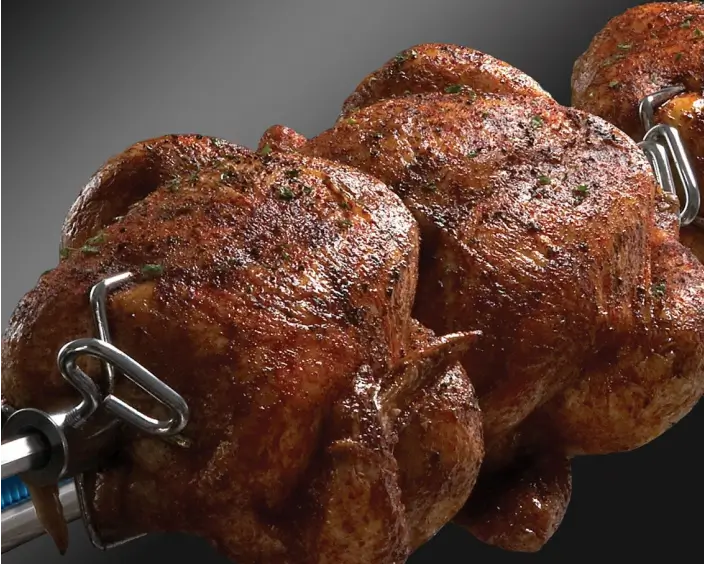
Whole Chicken
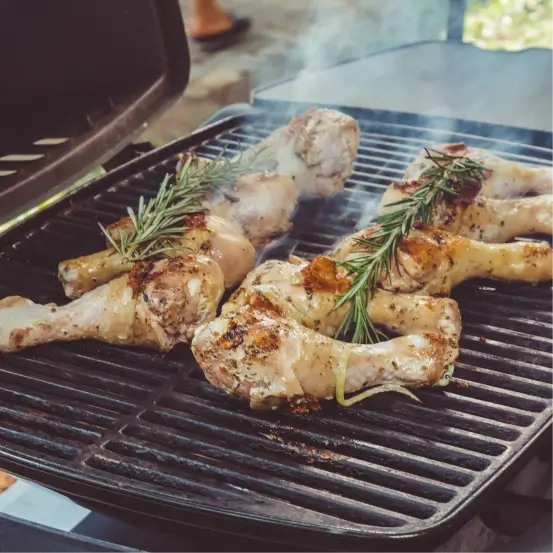
If you get it right, smoked chicken can be juicy with a hint of crispy skin.
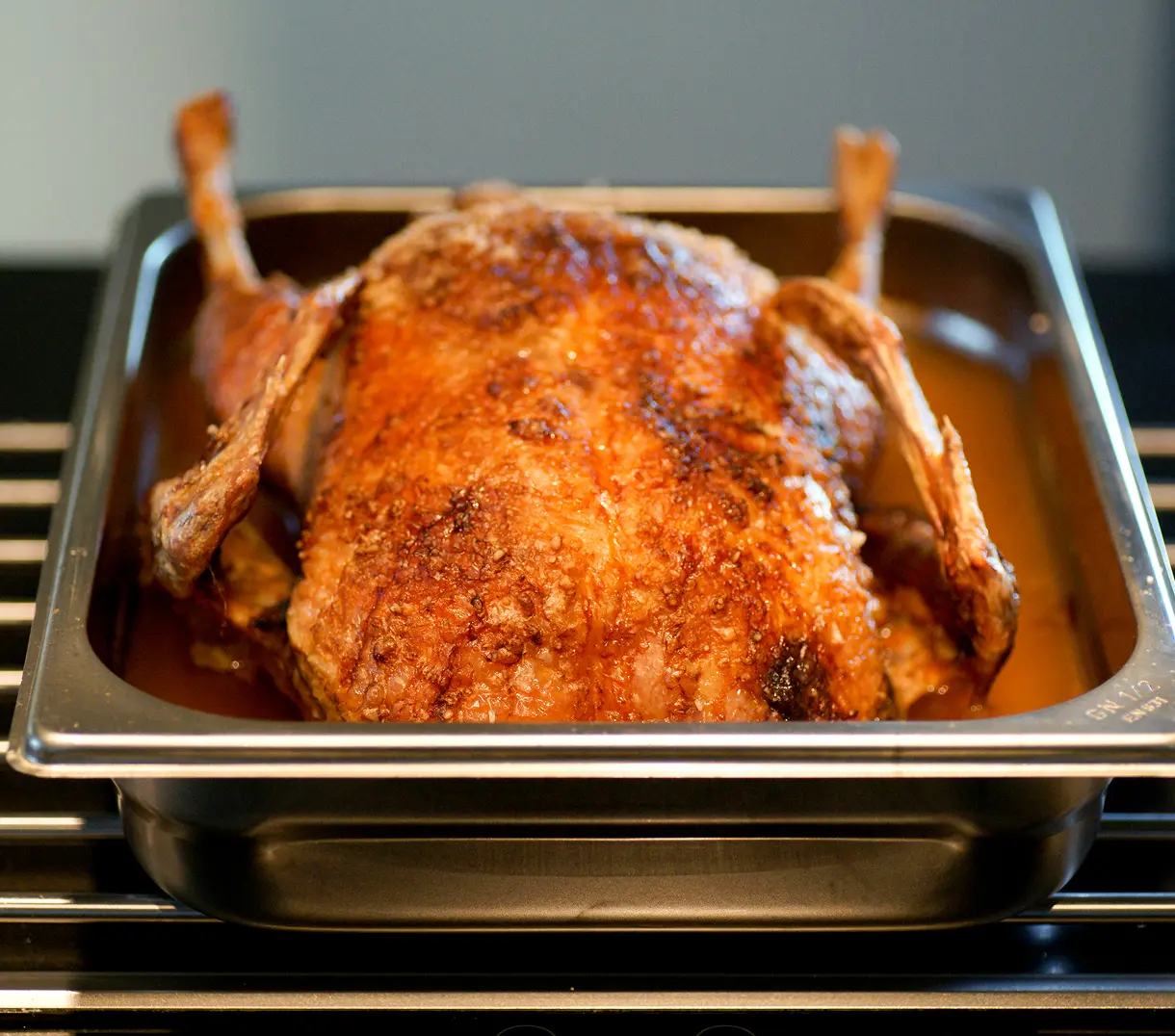
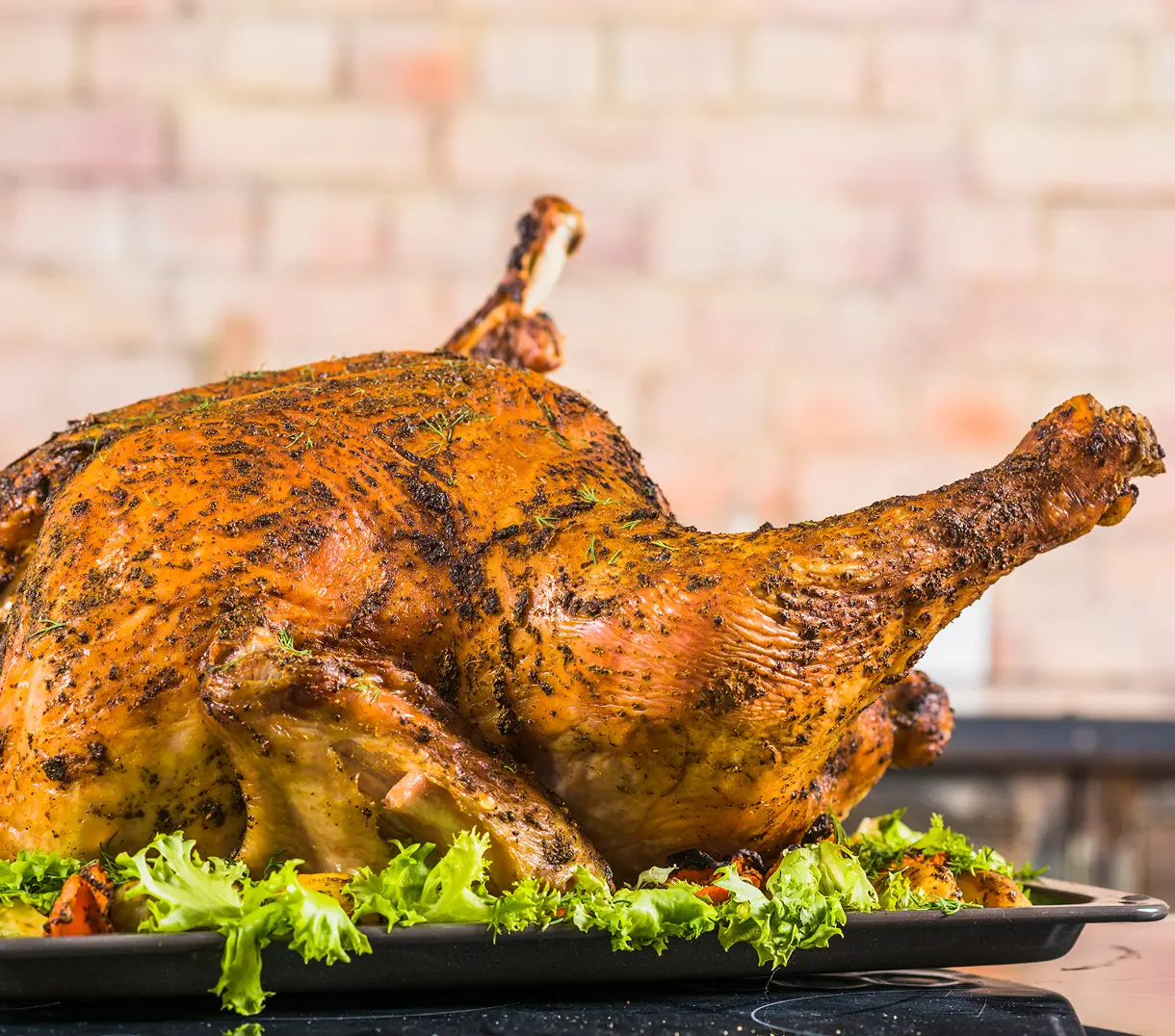
Turkey
A smoked turkey can wow guests, especially around the holidays.
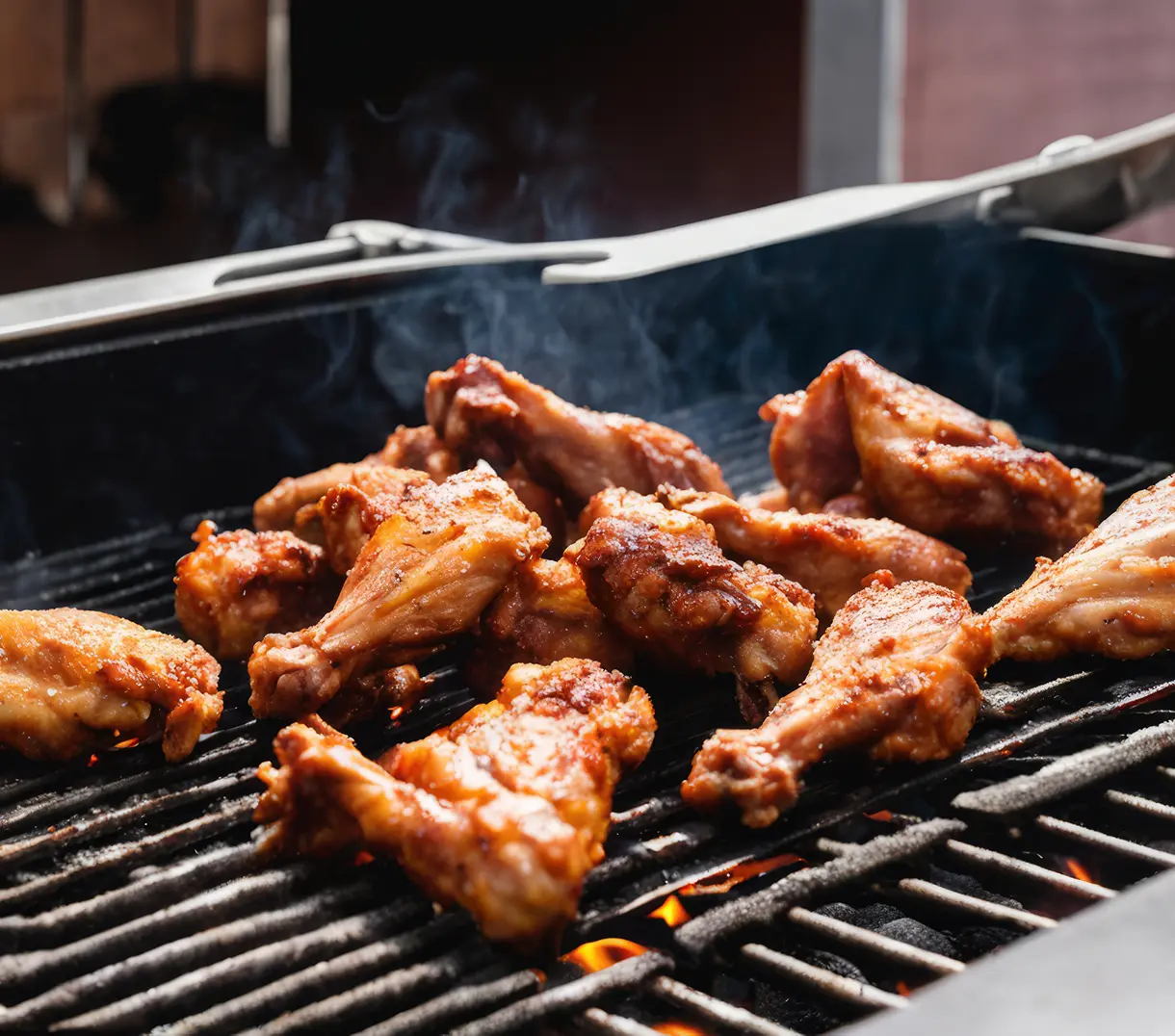
Wings
Wings pick up smoke quickly and make a fantastic party snack.
Seafood: Salmon, Shrimp
How to Smoke on a Gas Grill
More of a seafood fan when you’re barbecuing?
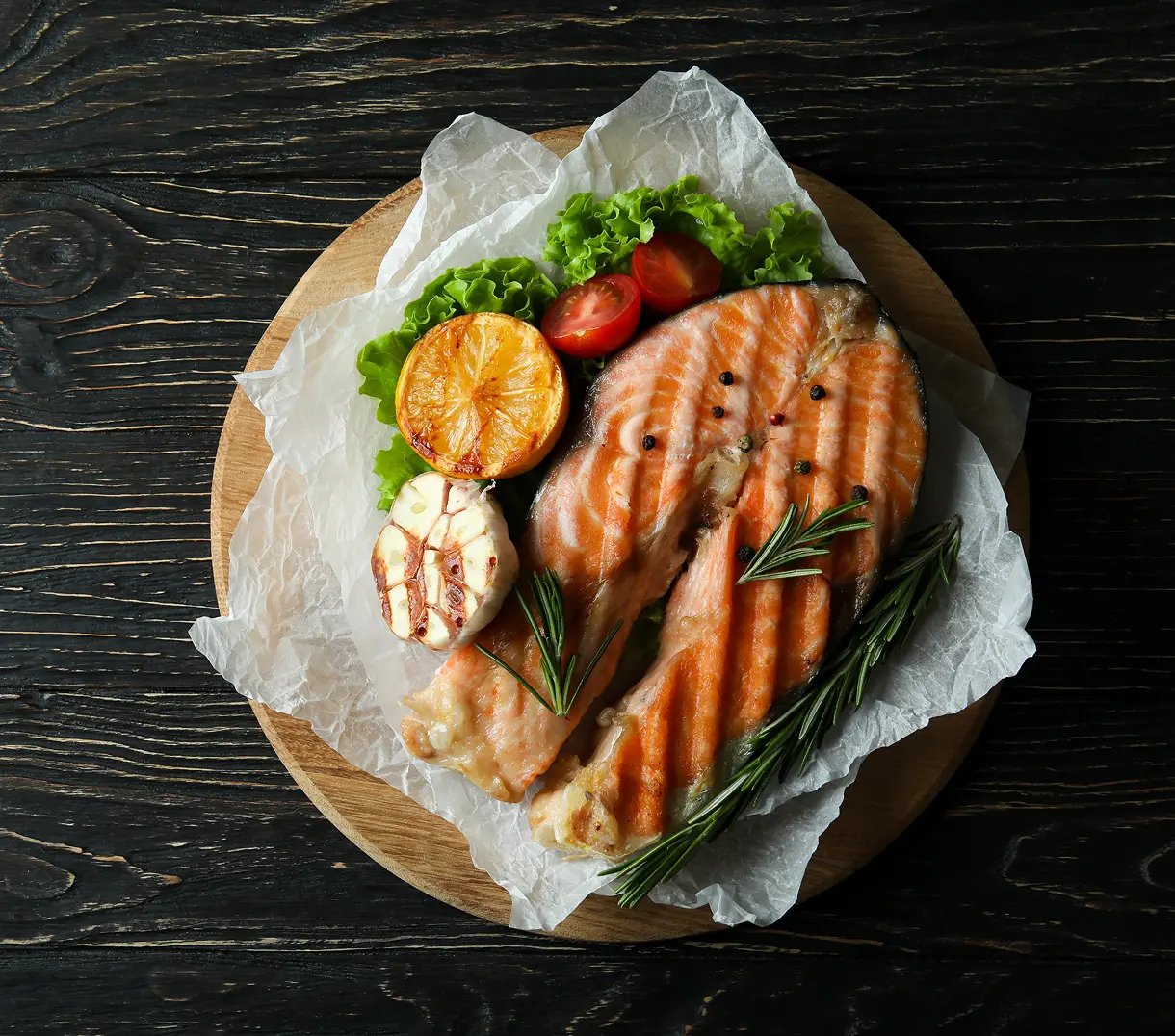
Salmon
Rich in healthy fats, salmon is a great candidate for smoking.
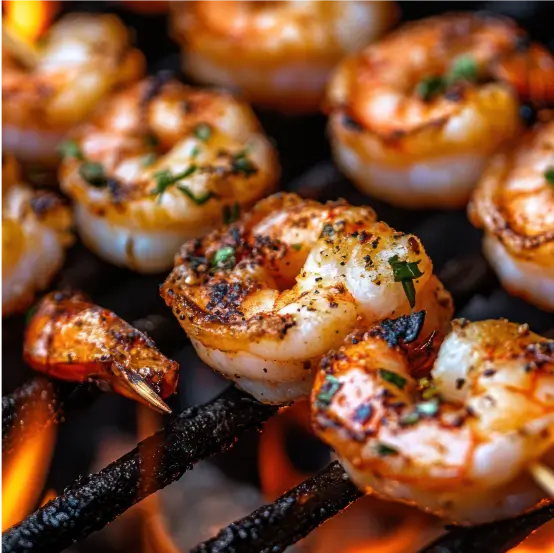
Shrimp
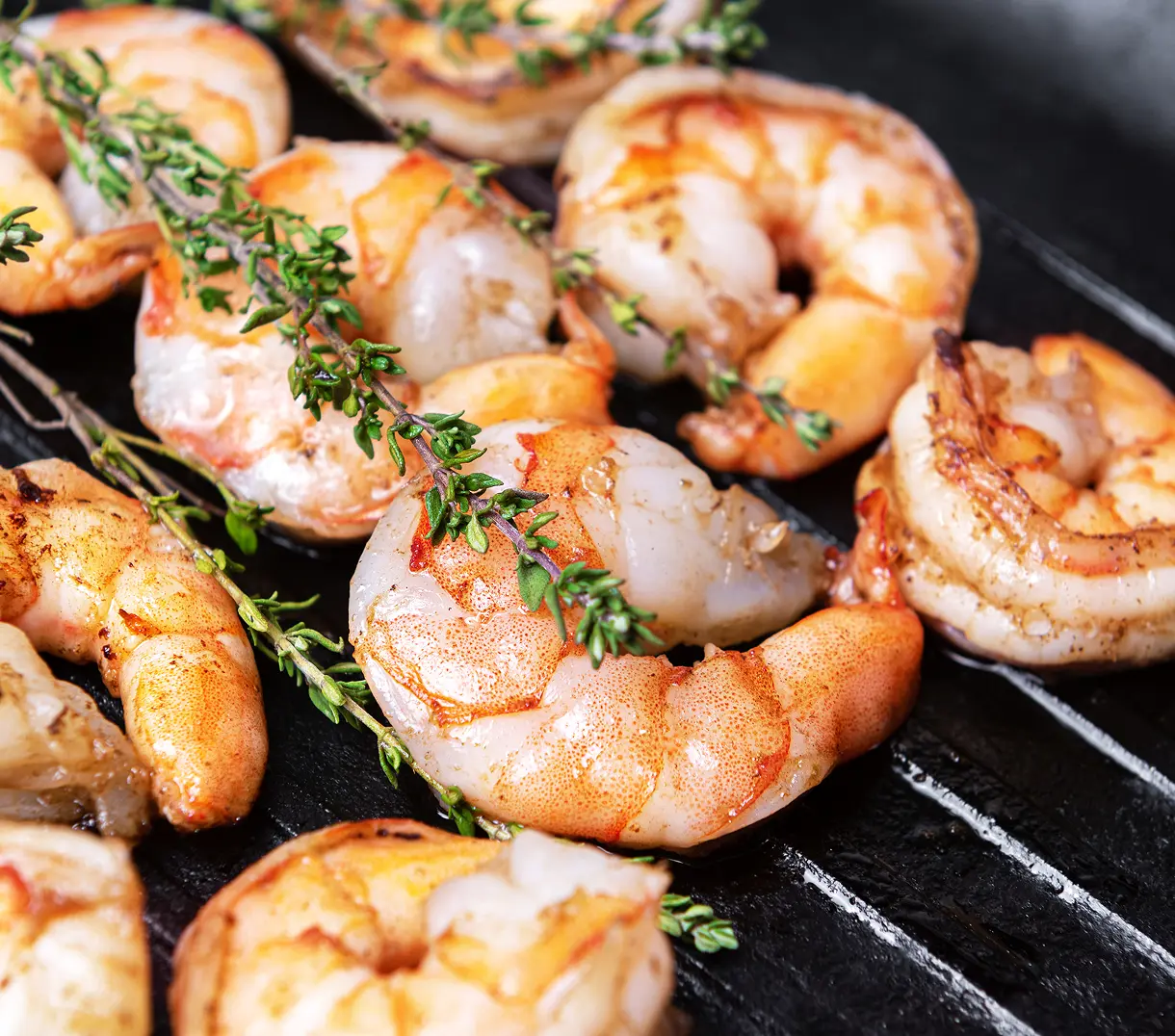
Shrimp cook faster than almost anything else on this list.
Vegetables and Plant-Based Foods
How to Smoke on a Gas Grill
The following veggies also hold up pretty well when smoked:

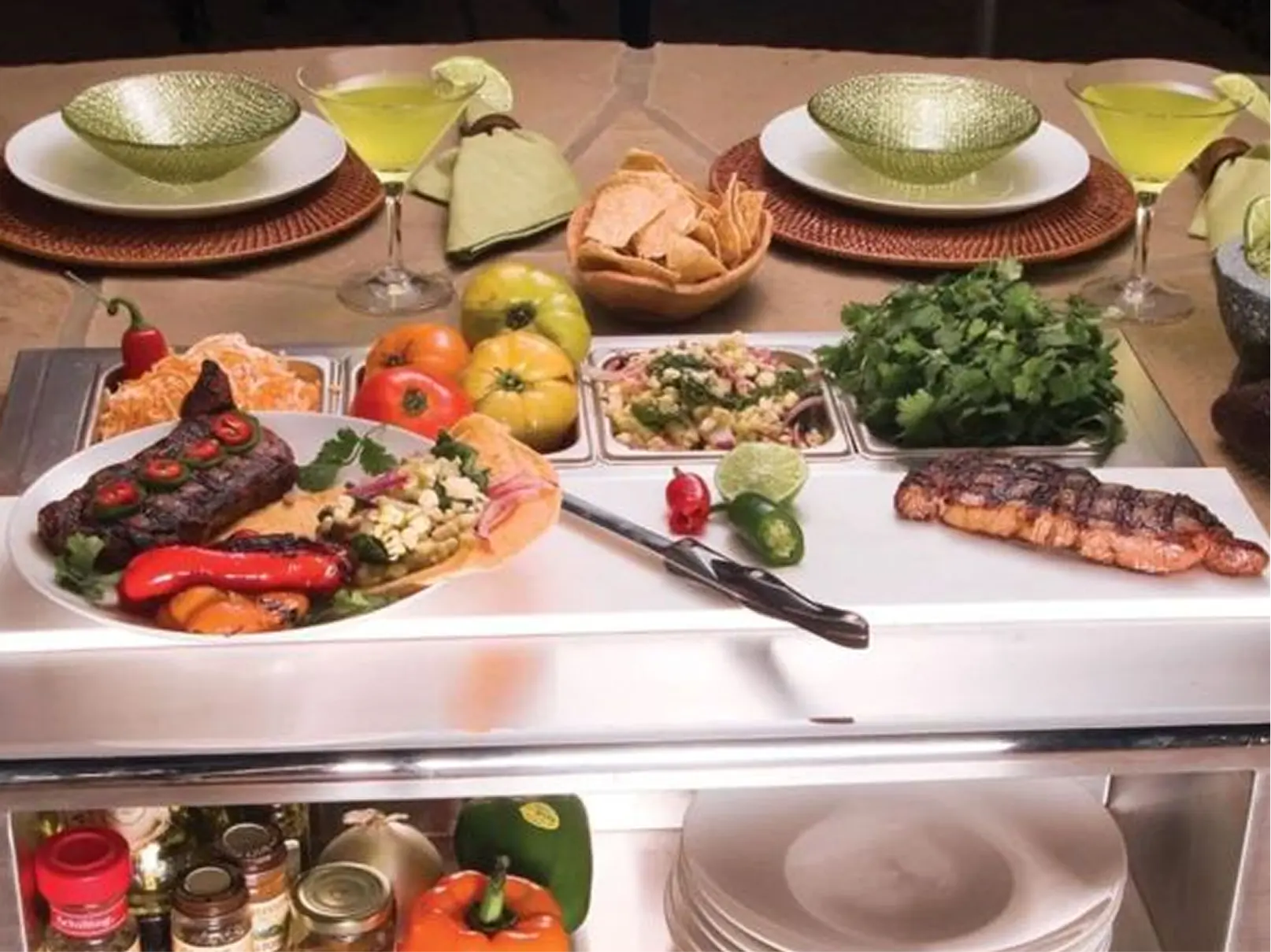
Here’s how you go about it:
Coat veggies lightly with oil and seasoning.
Place them on a grill-safe tray or foil so they don’t slip through.
Smoke times vary, but start checking at 30 minutes.
Tofu or tempeh can be marinated first for extra flavor.
How to Smoke on a Gas Grill
Troubleshooting Common Problems
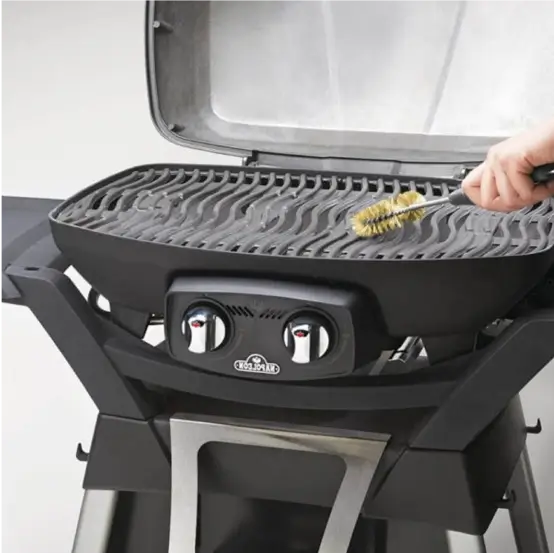
Even seasoned enthusiasts are going to run into some issues at times. The temperature might bounce around, or your wood might not smoke properly. Here’s how to handle frequent issues:
Managing Temperature Swings
How to Smoke on a Gas Grill
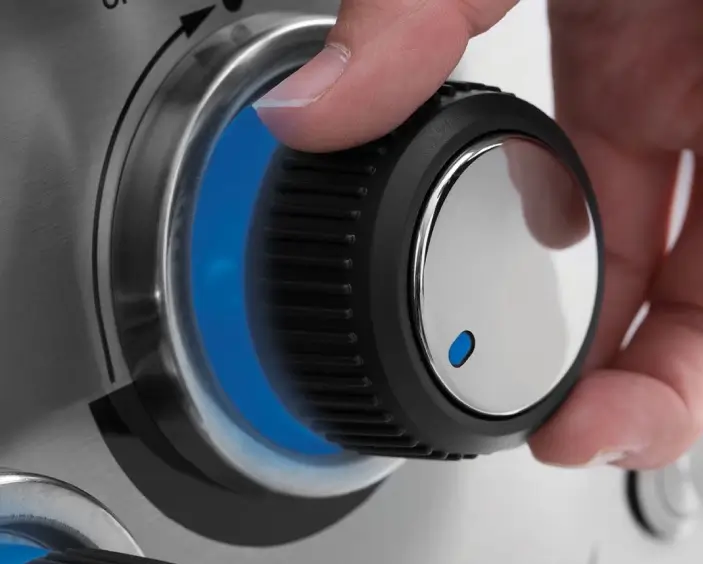
Set Burners Carefully:
Start low and only adjust in small increments.
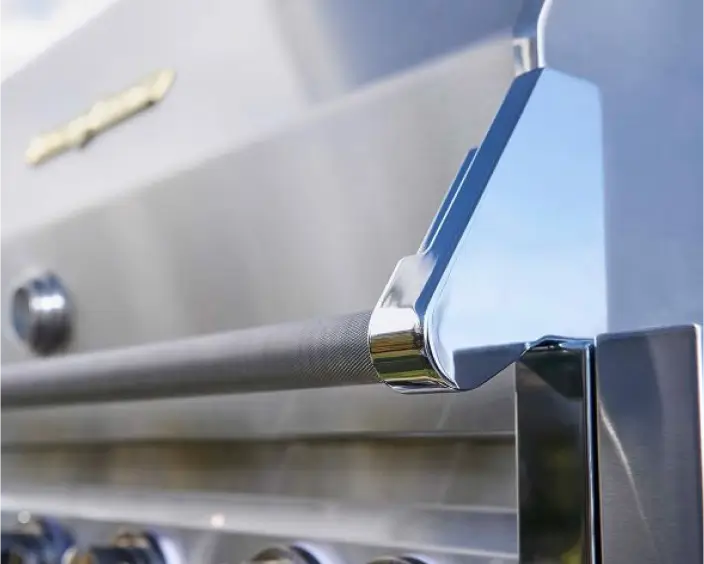
Keep the Lid Closed:
Every time you open it, your heat and smoke escape. Rely on your probes to know what’s happening inside.
Smoke Output: Too Much or Too Little
How to Smoke on a Gas Grill
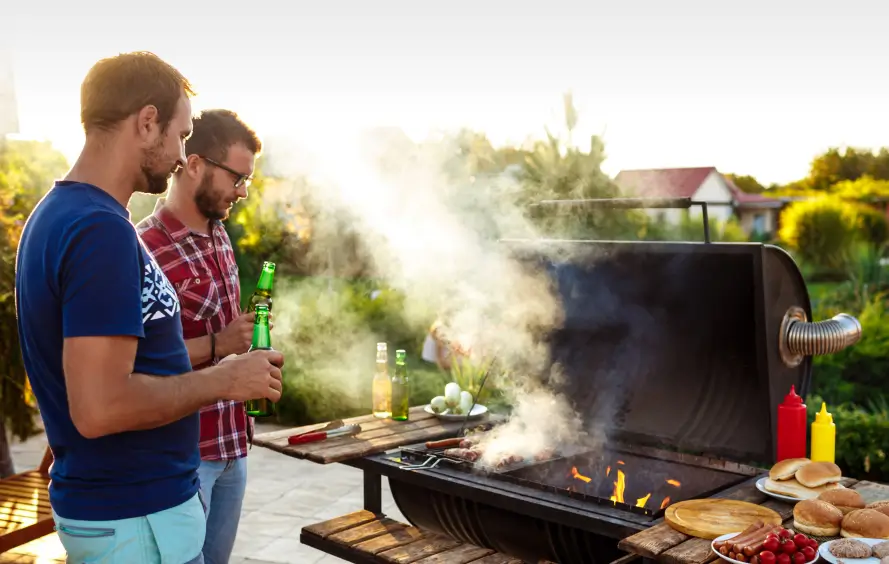
Too Much Smoke:
This can indicate the wood is burning too fast, and heavy white smoke tends to add quite a bitter taste: Move the Box Away from Direct Flame, Reduce the Number of Chips, Lower the Burner
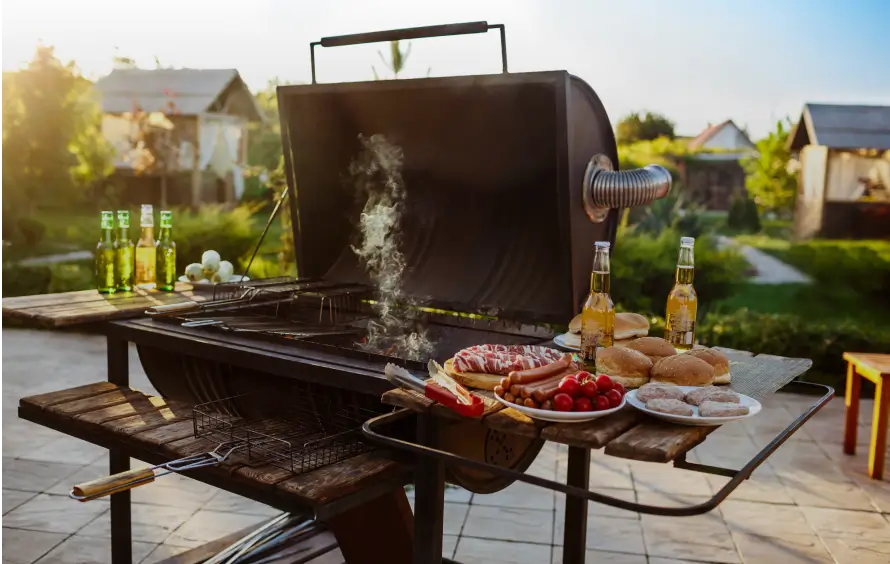
Not Enough Smoke:
Ensure the wood is in a hot enough spot. If you’re using foil, make sure there are enough ventilation holes.
Preventing Dry or Over-Smoked Food
How to Smoke on a Gas Grill
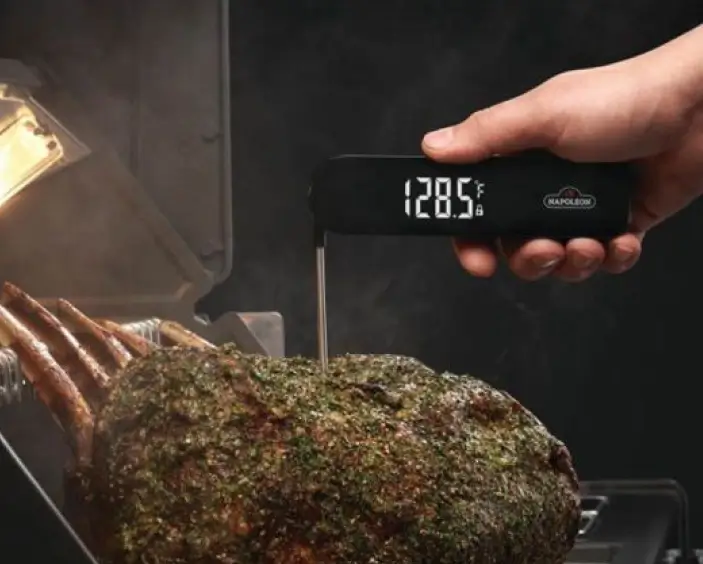
Watch Internal Temp:
Overcooking is the main culprit for dryness. Use a probe thermometer.
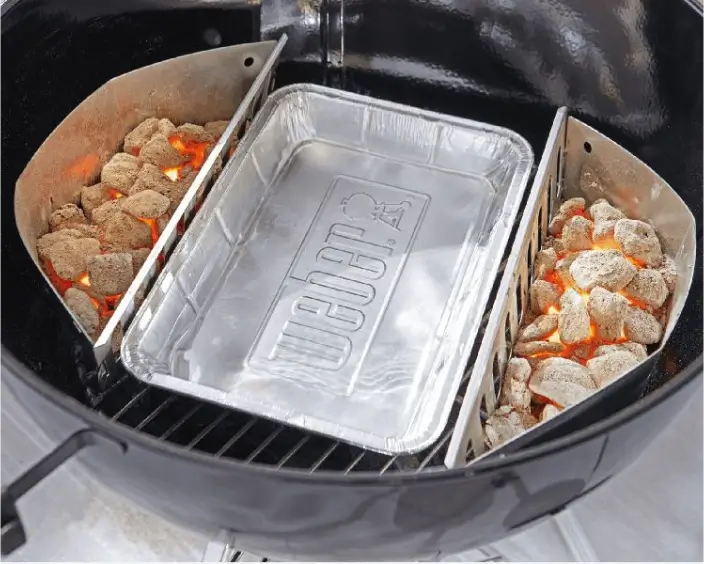
Use a Water Pan:
Moisture in the cooking chamber helps
Don’t Go Overboard:
Thick smoke for hours might overwhelm milder foods like fish or chicken. Add wood gradually if you’re unsure.
Dealing with Flare-Ups
How to Smoke on a Gas Grill
Act Fast:
If you see a flare-up, close the lid to starve the fire of oxygen. Lower the heat until it subsides.
How to Smoke on a Gas Grill
Going Beyond the
Basics
Once you’re comfortable with the fundamentals, a few extra techniques can elevate your smoked dishes even more.

Custom Rubs and Marinades
Rubs can be as simple as applying a bit of salt and pepper or as involved as a long list of spices. A marinade can go a long way when it comes to tangy or spicy flavors. Brunes, especially for poultry, help lock in moisture. Each one’s got a different purpose.
Smoke Tubes for Extended Sessions
Smoke tubes are essentially just metal cylinders that you fill with pellets. You light one end and let them smolder. This setup can deliver several hours of uninterrupted smoke. These tend to be pretty helpful if you’re smoking a larger cut overnight or just prefer a steady level of smokiness.
Combining Wood Varieties
Try a mix of mesquite and apple or hickory with a bit of cherry. Sometimes you’ll discover a flavor profile that matches a specific meat perfectly. Keep track of what you mix so you can replicate it later.
And don’t be disheartened if you mix something and it doesn’t turn out like you wanted, just keep that in mind for next time!
Letting Meat Rest and Slicing Properly
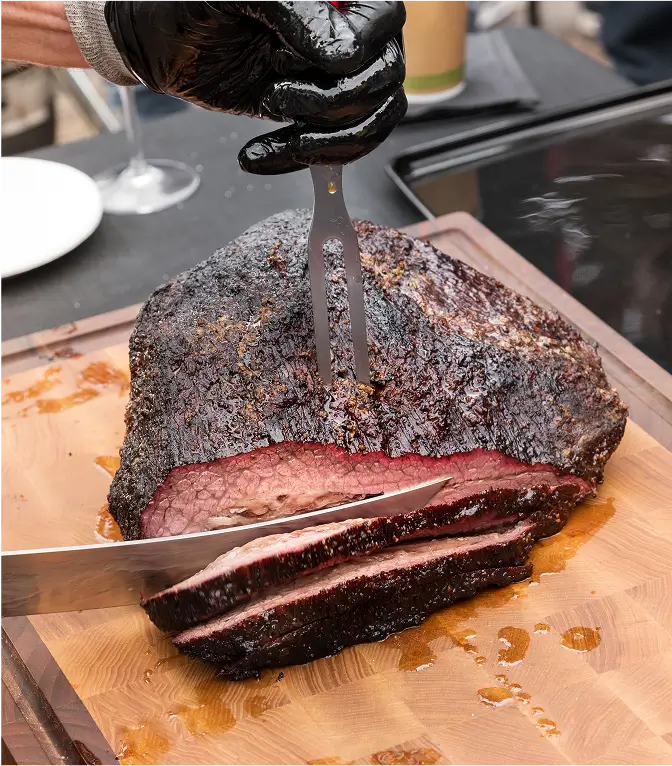
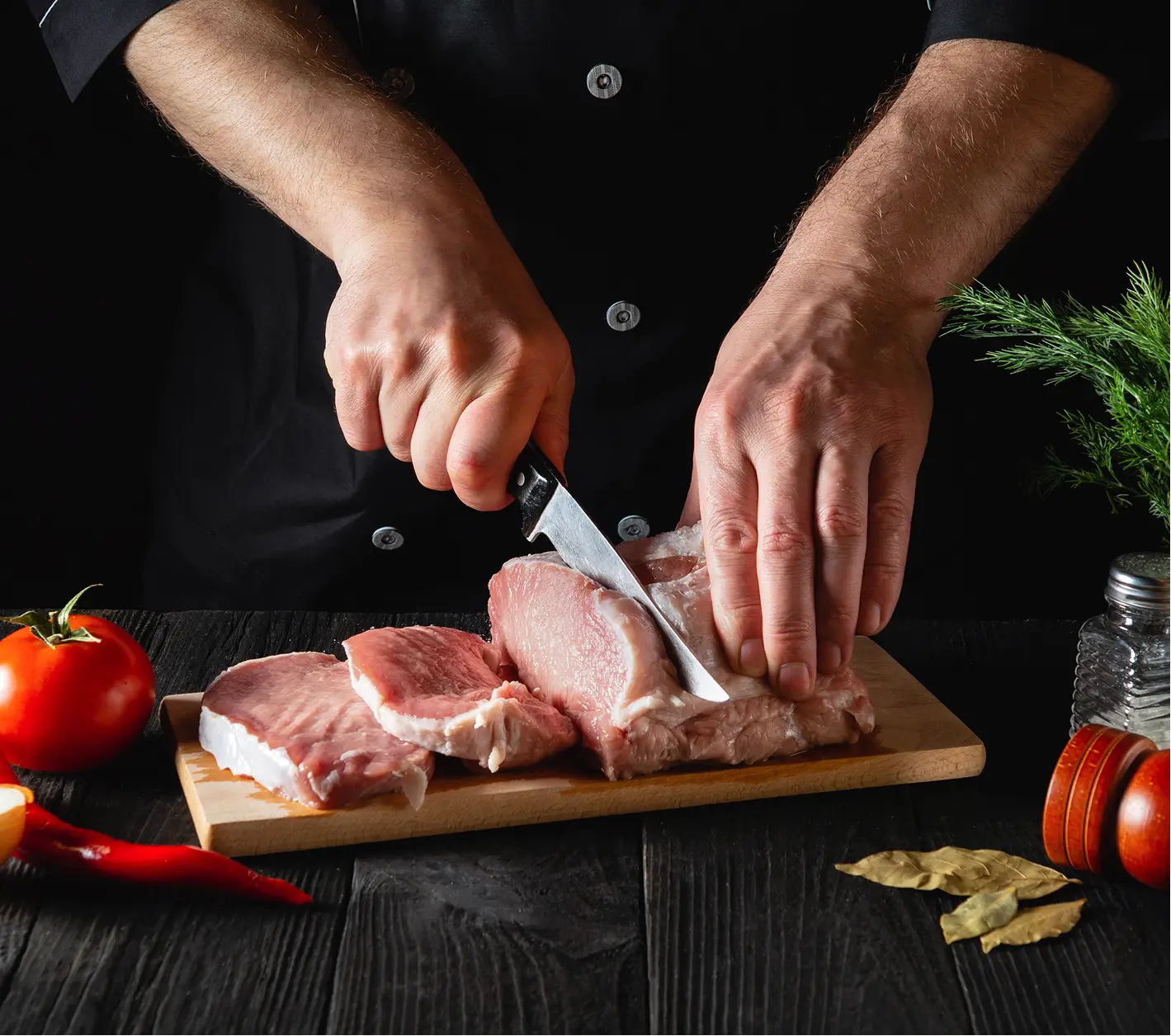
Always allow smoked meats to rest, especially after a marathon cook like a brisket or pork butt. Wrapping them in foil or butcher paper keeps them warm and helps redistribute the juices. Slice against the grain for maximum tenderness.
How to Smoke on a Gas Grill
Post-Smoke Grill
Care
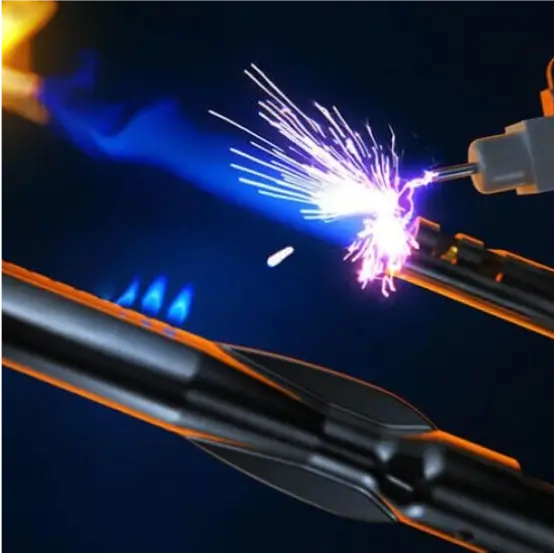
You’ll want to maintain your grill after a smoking session to keep it functioning well and ensure all the flavors stay fresh the next time you cook.
Disposing of Ash and Grease
How to Smoke on a Gas Grill
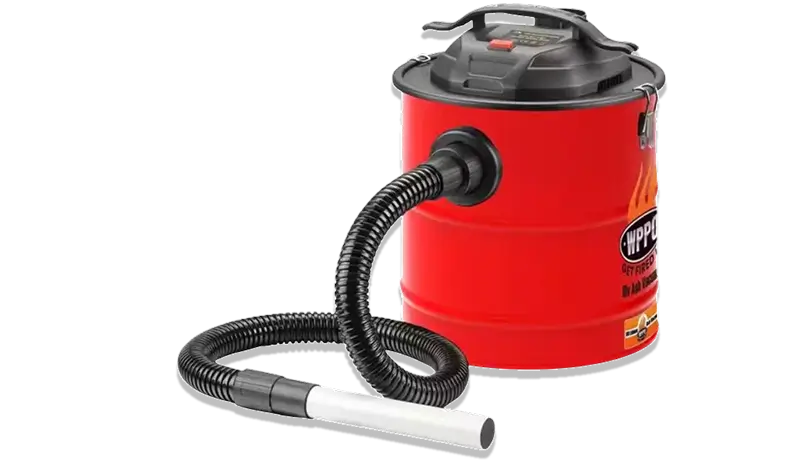
Ash:
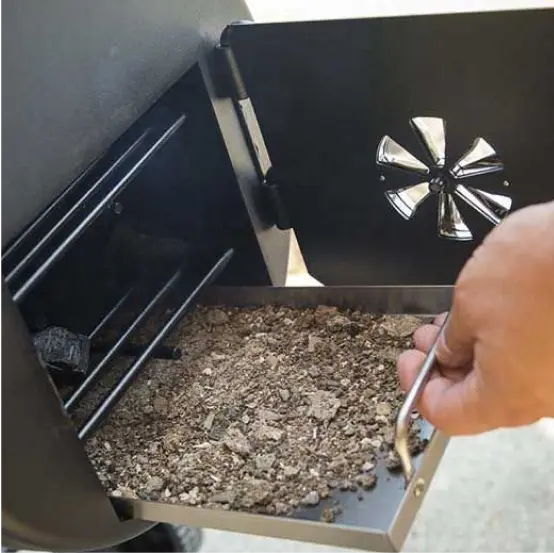
If you used a smoker box or foil packet, let everything cool, then dump ashes in a safe, non-flammable container.
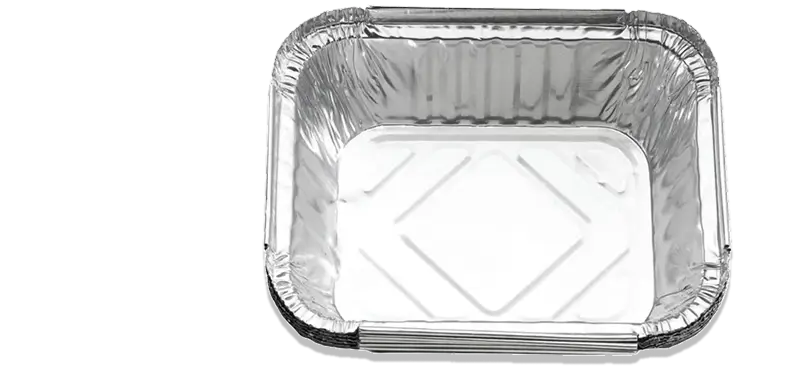
Grease:
Once the drip tray is cool, get rid of any fat or drippings in a closed bag. Never pour it down the sink.
Cleaning the Smoker Box or Foil
How to Smoke on a Gas Grill
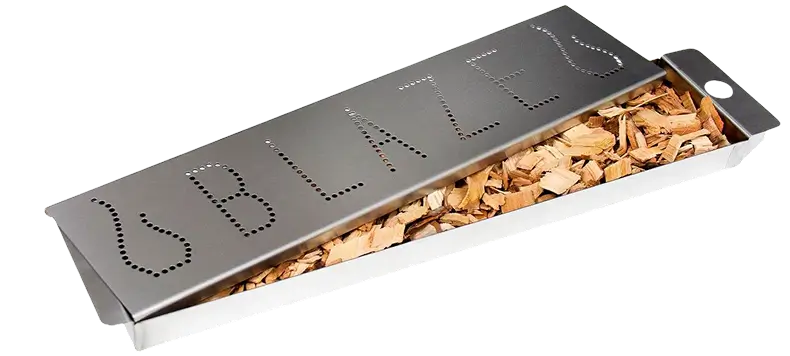
Smoker Box:
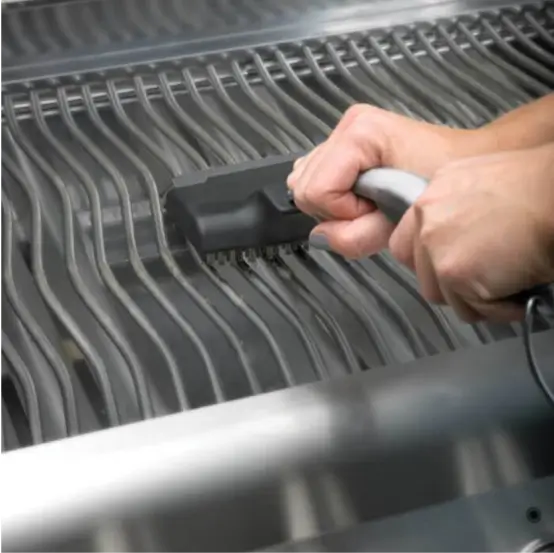
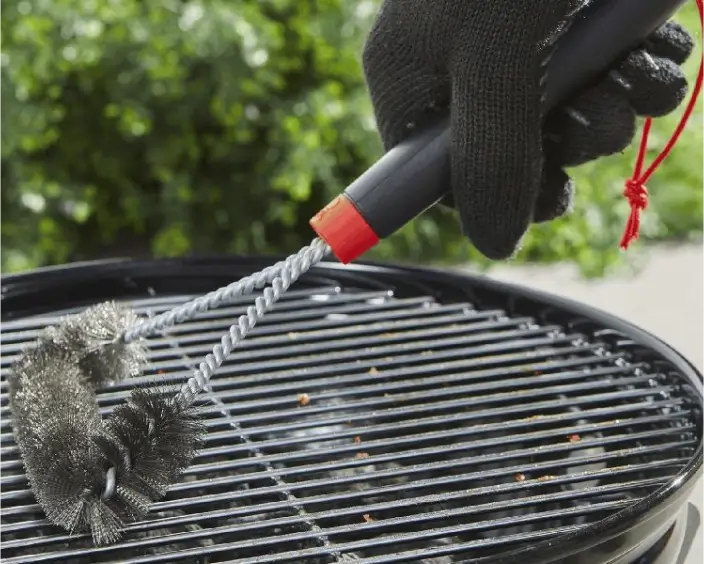
Scrape away charred bits with a sturdy brush. If needed, wash it, then dry it to prevent rust.
Foil Packet:
If you used foil, discard it once you’re sure any embers are completely out.
Checking Burners and Igniters
How to Smoke on a Gas Grill
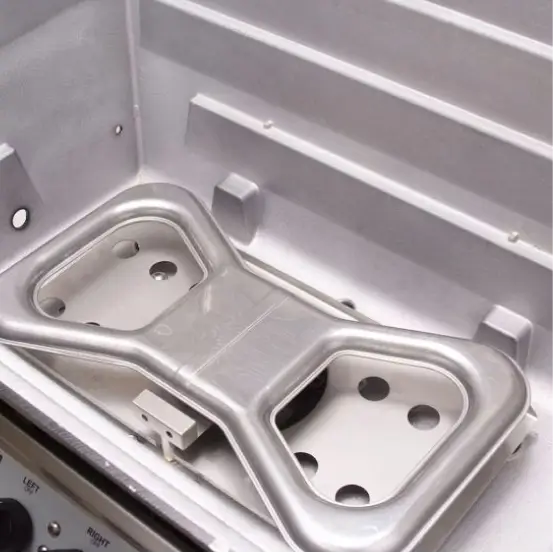
Grease or residue can block burner ports. Scrub them gently if you’ve noticed the flames look fairly weak. If your igniter struggles, check for a low battery or a misaligned electrode. Solve these small issues early to prevent bigger headaches later.
Ongoing Maintenance
How to Smoke on a Gas Grill
What steps can you follow to ensure you’re getting consistent results every time you want a barbecue?
01
Deep Clean
Every so often, remove the grates and flavorizer bar, then scrub them thoroughly.
02
Cover the Grill:
Protect it from rain or snow, which can extend its lifespan.
03
Gas Leak Tests:
Brush soapy water on hose connections. If you see bubbles, tighten or replace the part.
04
Replace Worn Parts:
Over years of use, your grates or burner tubes might wear out. Swap them to keep your grill running smoothly.
How to Smoke on a Gas Grill
Conclusion
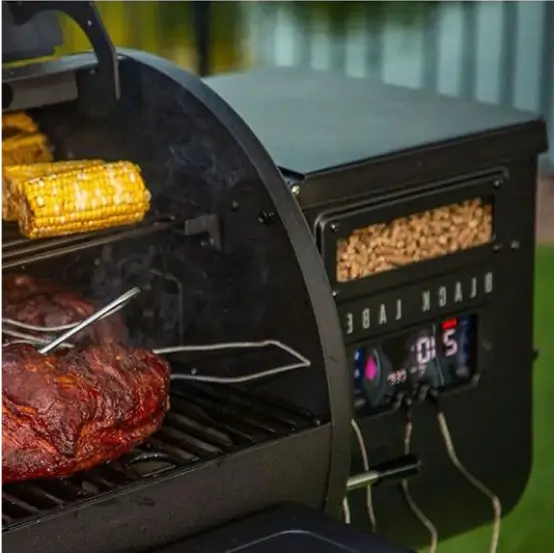
Smoking on a gas grill doesn’t have to feel like guesswork. Just remember the following factors to get the best results:
The Right Setup
A Consistent Approach
Good Wood
Low Temperatures
Steady Indirect Heat
Patience
It might take a bit of practice to balance flavors and times for different meats, but that’s the fun part of exploring new cooking methods.
Recap of Key Tips
How to Smoke on a Gas Grill
01 Create Indirect Zones: Light only part of the grill. Place a water pan and drip tray under the cooking area.
02 Pick Your Wood Wisely: Match strong woods to hearty meats and gentler woods to poultry or fish. Mix them if you like.
03 Stay in the 225°F-250°F Range: Use a decent thermometer and adjust the burner gradually.
04 Avoid Lid Lifting: A quick peek can throw off your entire environment. Let the smoke do its work.
05 Rest Meat Before Serving: Give large cuts at least 30 minutes to soak in all their juices.
Experiment and Personalize
How to Smoke on a Gas Grill
Feel free to blend different rubs or try new wood combinations. You could even smoke cheese or nuts if you get the temperature low enough.
Part of the magic comes from experimenting and discovering what you like. Write down what works and tweak small variables each time.
Be patient and trust the process. Low-and-slow cooking rewards you with tenderness and depth of flavor that high-heat grilling can’t replicate. Try new approaches and share what you make with family or friends! Ultimately, smoking on a gas grill is about enjoying the journey just as much as savoring the final meal.
Frequently Asked Questions
Smokers & Grills for Smoking
- Vertical Gas Smoker
- Pellet Grills and Smokers
- Built-In Charcoal Grills for Smoking
- Primo Kamado Charcoal Smoker
- Compact Ceramic Kamado Grill
- Primo Ceramic Grill Collection
- Blaze Adjustable Charcoal Grill
- Gas and Charcoal Combo Grill