
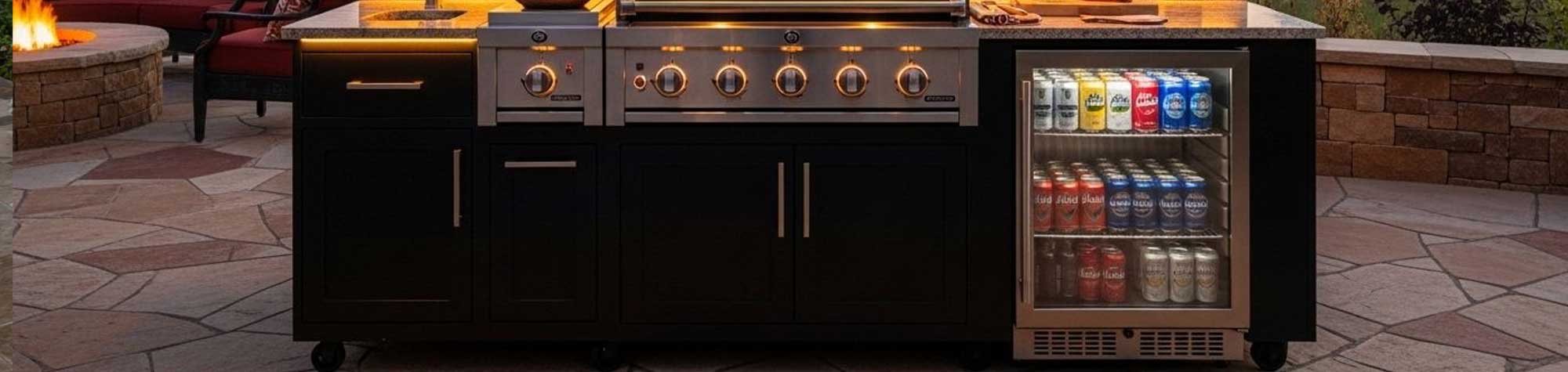
Choosing the wrong patio refrigerator can cost you thousands in replacements and spoiled food.
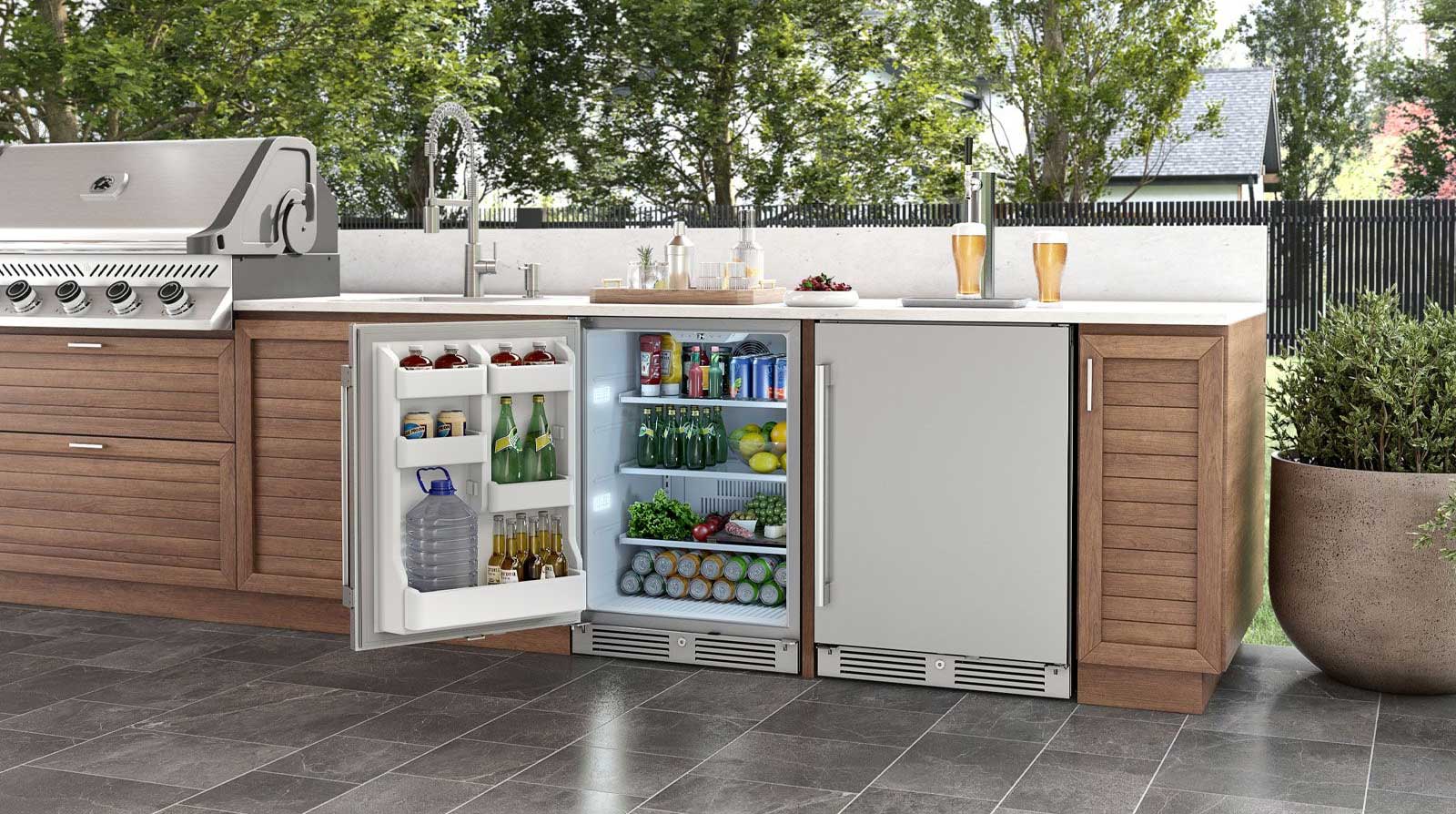
Outdoor refrigerators face extreme conditions that just need specialized engineering, unlike indoor units. Standard refrigerators aren’t built to maintain internal temperatures above 100°F or withstand constant sun and humidity with temperature swings. The difference between the best patio refrigerator and a failing unit comes down to five key features. These specifications will guide your decision whether you’re searching for an outdoor rated refrigerator, a best outdoor refrigerator for your space, or a full-size outdoor patio refrigerator.
We’ll walk you through the weatherproof construction, certification standards, cooling power, ventilation design, and insulation quality that separate reliable outdoor refrigerators from costly mistakes.
Weatherproof Stainless Steel Construction
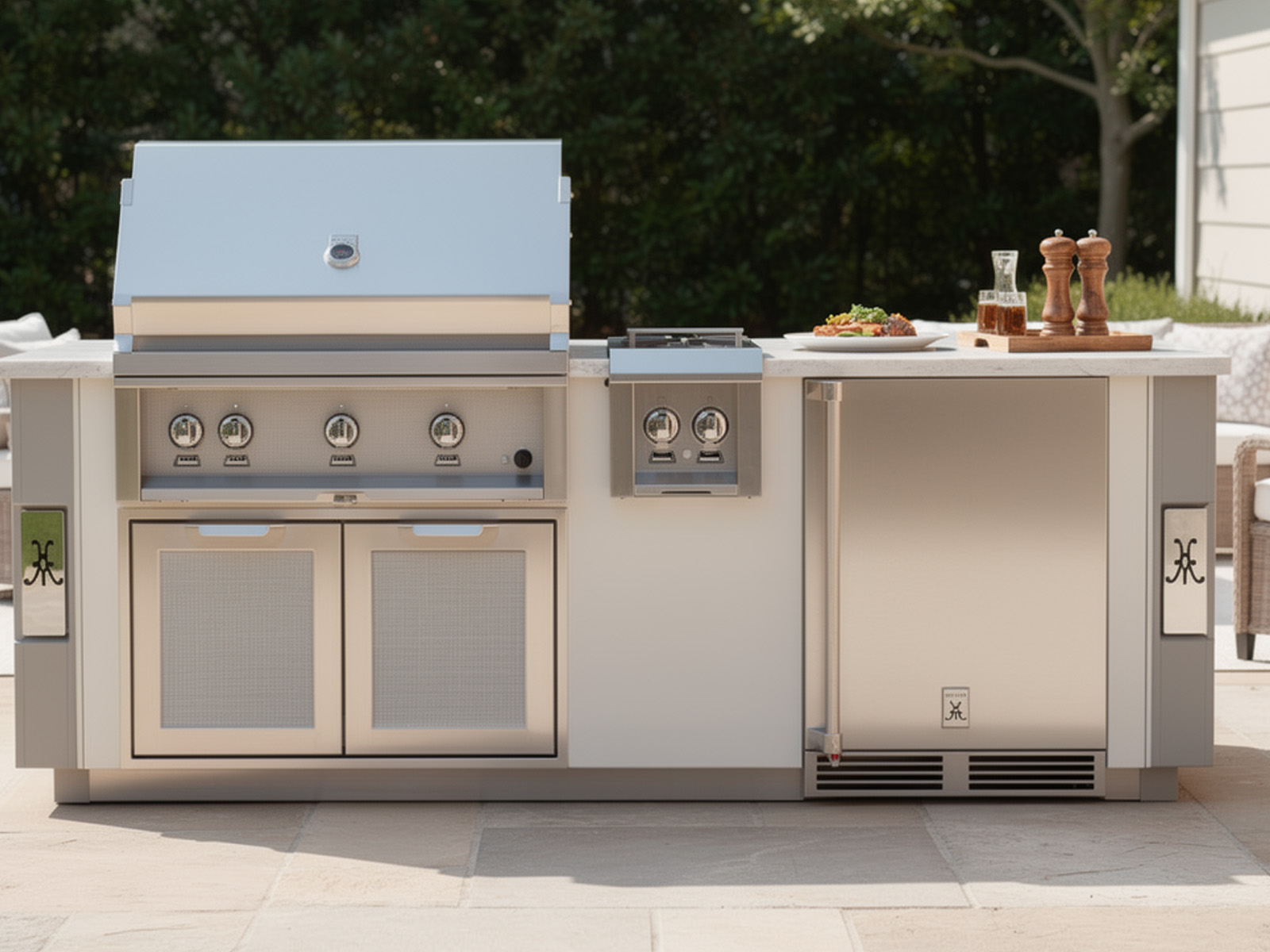
Material quality determines whether your outdoor patio refrigerator survives five years or five months.
Why Marine-Grade Materials Matter for Patio Refrigerators
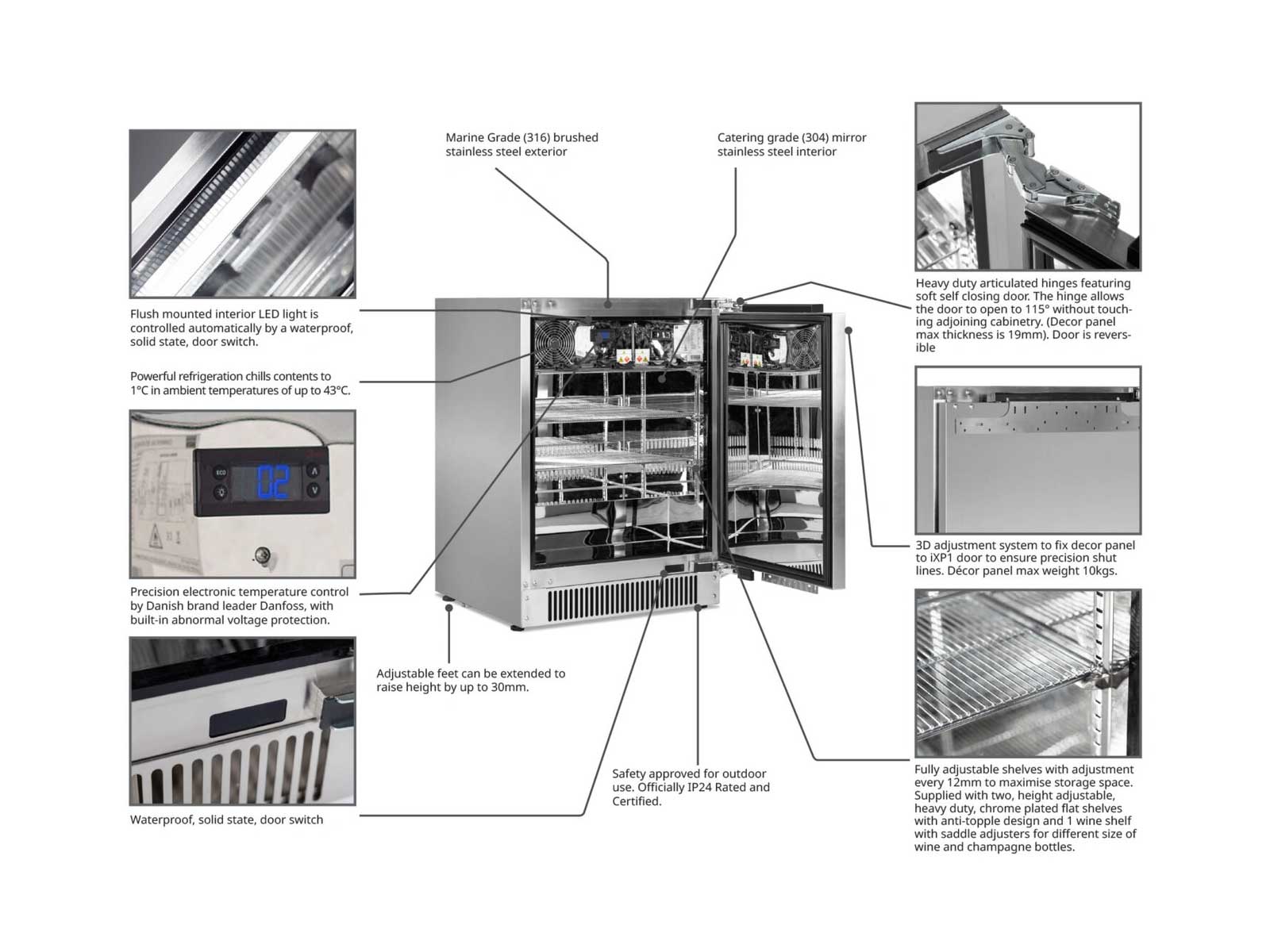
Marine-grade stainless steel withstands poolside humidity, salt spray and temperature extremes that destroy standard appliances. Weatherproof construction prevents the corrosion that causes structural failure and safety hazards in outdoor environments. Durable materials with UV-resistant coatings protect against both moisture damage and sun degradation in coastal installations or humid climates.
304 vs 316 Stainless Steel: Understanding the Difference
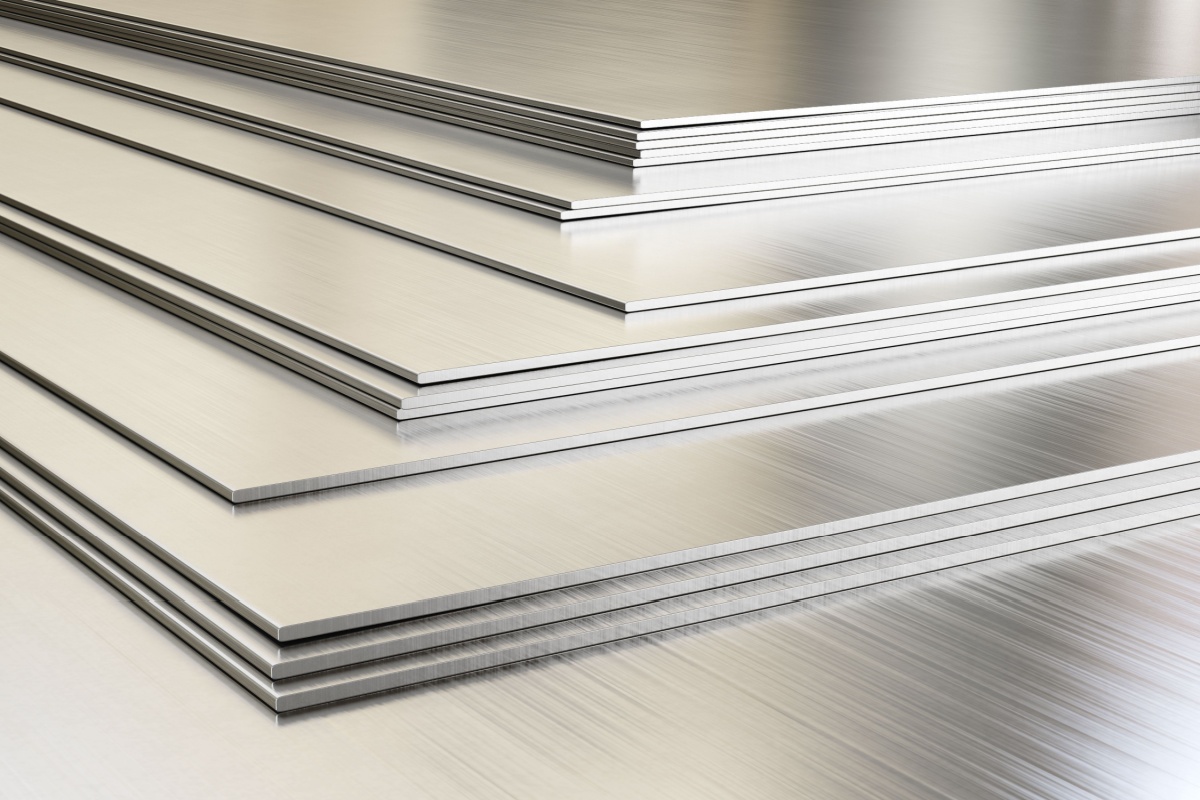
304 stainless steel serves as the standard material grade for outdoor refrigerators and offers resistance to rusting and corrosion in most environments. This grade contains 18-20% chromium and 8-10.5% nickel. It provides solid protection for general outdoor use.
316 stainless steel adds 2-3% molybdenum to its composition. This improves resistance against chlorides and acidic exposure dramatically. The addition makes 316 superior for pitting and crevice corrosion prevention, especially in saltwater environments. The improved protection comes at a cost: 316 runs 10-15% more than 304.
Corrosion Resistance in Coastal and Humid Climates
Chloride ions in sea spray break down protective oxide layers on standard metals and cause rapid deterioration. Areas within 10 miles of saltwater face elevated corrosion risk. 316 stainless steel delivers superior performance against salt-related damage in these locations. Even inland humid regions benefit from marine-grade materials since moisture accelerates corrosion on lesser grades.
UV Protection and Rust-Resistant Components
Direct sunlight degrades materials over time. UV-resistant coatings protect exterior surfaces from fading and structural breakdown. These features maintain both function and appearance throughout the best outdoor refrigerator’s lifespan when combined with rust-resistant hardware.
Powerful Cooling System with High-Efficiency Compressor
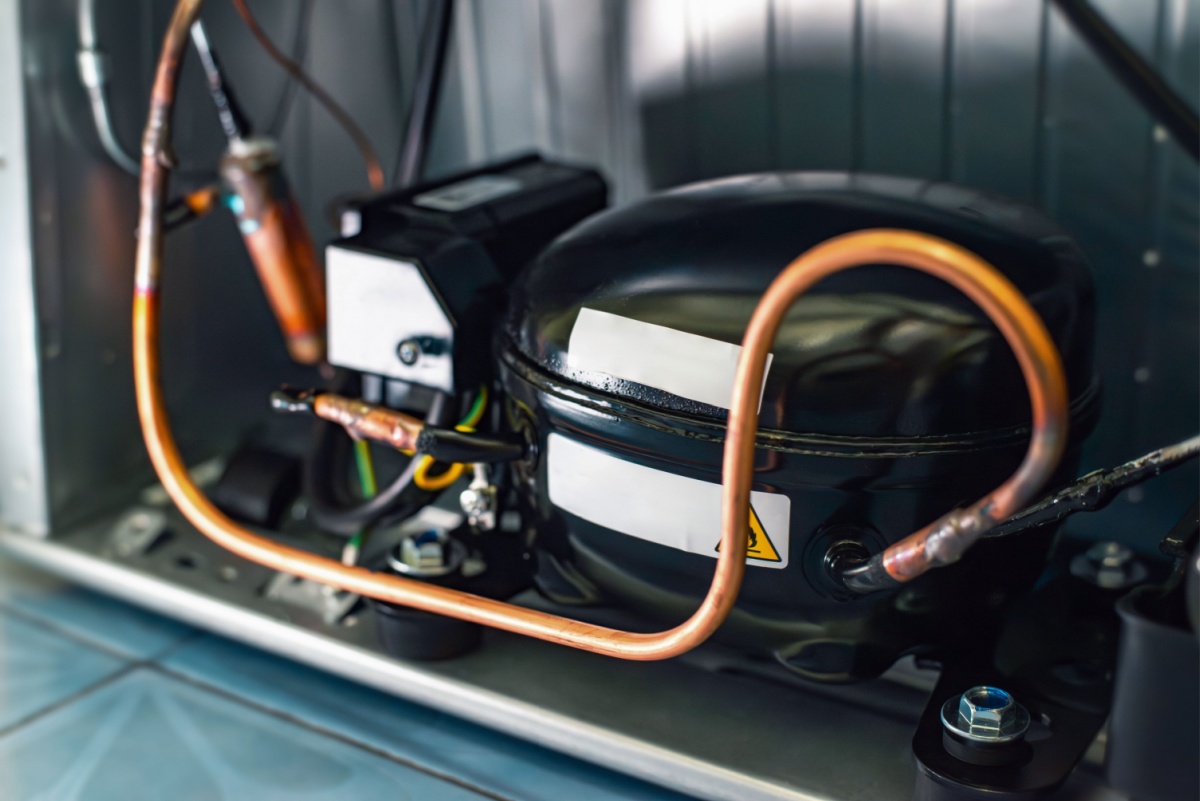
Compressor power determines whether your outdoor patio refrigerator maintains safe food temperatures or fails during summer heat.
BTU Capacity and Cooling Performance
BTU (British Thermal Unit) measures the heat your refrigerator removes per hour. Higher BTU ratings indicate stronger cooling capacity. A refrigerator’s efficiency depends on matching BTU capacity to your space, outdoor conditions, and usage patterns. Undersized units run continuously and fail prematurely. Oversized models waste energy and create temperature fluctuations.
Forced-Air vs Cold-Plate Refrigeration Systems
Forced-air systems use fans to blow air across evaporator coils and provide stable temperatures with less stratification. They cool faster and work in high ambient temperatures up to 38-43°C. Cold-plate systems radiate cooling directly without fans. They operate quieter but struggle with temperature evenness. Forced-air delivers superior performance in outdoor installations that face frequent door openings and heat exposure.
Temperature Consistency in Extreme Weather
Compressors work harder to maintain internal cooling when external temperatures climb. Refrigerator efficiency declines by 22-25% when ambient temperature rises from 70°F to 80°F. At 90°F, it drops 45-50%. Energy consumption rises 2-2.5% with every 1°F increase in ambient temperature.
Energy Efficiency and Operating Costs
Modern compressor refrigerators consume one-third the power of absorption models. Energy Star certified units use approximately 390 kWh annually. This translates to lower operating costs despite demanding outdoor conditions.
Sealed Ventilation and Weatherproof Back Panel
Ventilation design protects your best outdoor refrigerator from hidden threats that destroy unprotected units.
Protection from Debris, Dust, and Pests
Wasps, mud daubers, stink bugs and rodents enter through vents and cause damage by building nests that interfere with airflow. These pests create blockages that force cooling systems to work harder and lead to premature failure. Sealed electrical components and weather-resistant construction prevent pest invasion. Small openings invite insects and rodents seeking shelter. Sealing gaps around ventilation areas becomes essential.
Ventilation Design for Optimal Performance
Proper airflow prevents overheating and extends appliance life. Remove leaves and debris that accumulate around the base. These materials block airflow and cause system strain.
Front-Venting vs Rear-Venting Systems
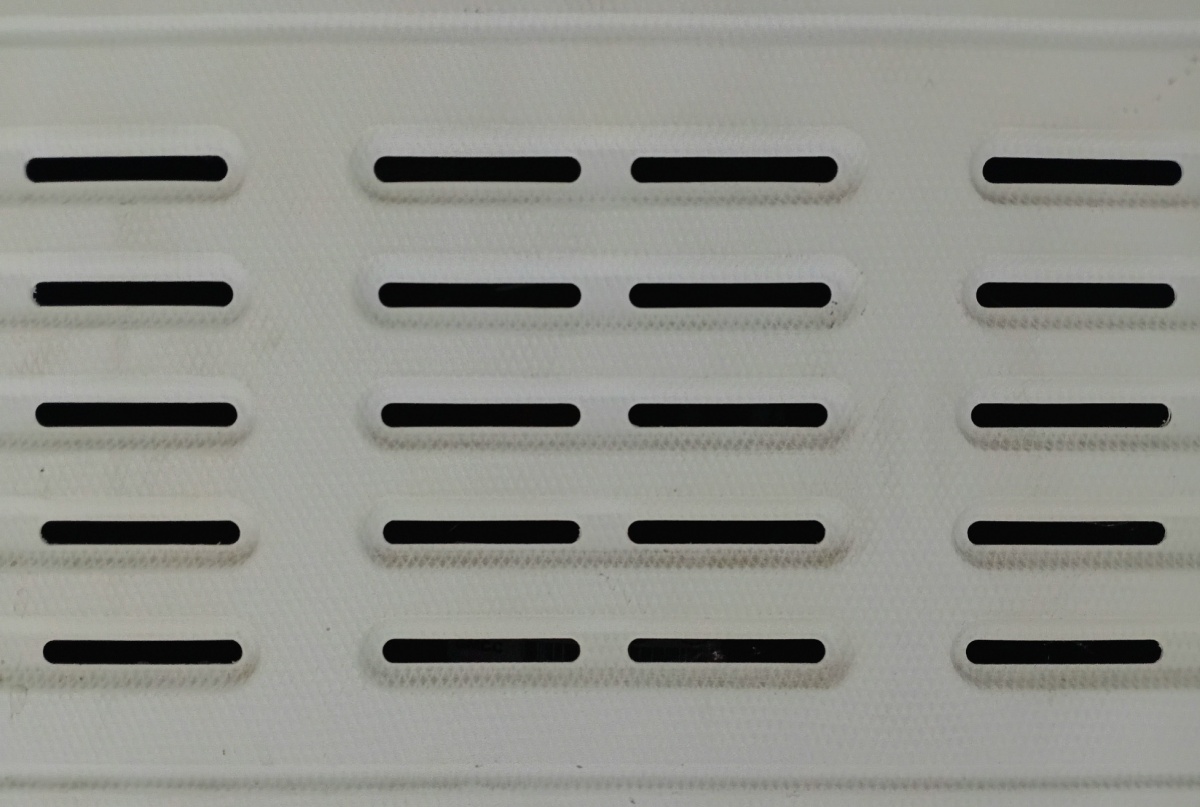
Front-vented outdoor patio refrigerator models work well in outdoor kitchens because airflow drives through the front. Rear-vented refrigerators need space around the back and sides. Freestanding models require at least 2-3 inches of clearance on all sides. Two feet of clearance on all sides optimizes performance.
Effect on Appliance Lifespan
Proper care and ventilation maintenance allow systems to serve reliably for 15 to 20 years or more.
Enhanced Insulation and Tight Door Seals
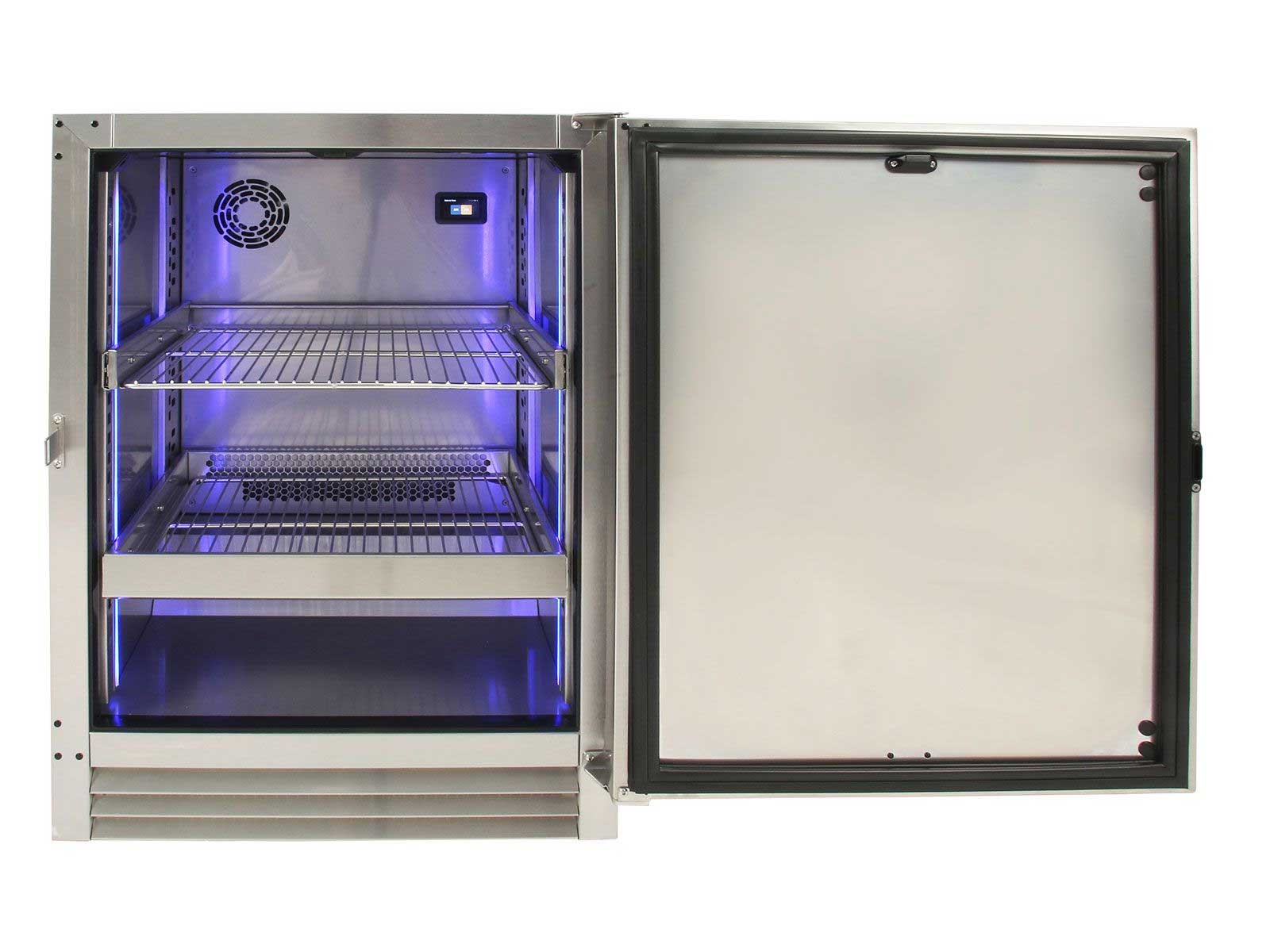
Insulation and door seals are the foundations of the final barrier between your best outdoor refrigerator’s cooling system and outdoor heat.
Magnetic Gaskets and Seal Quality
Most modern outdoor patio refrigerator seals contain flexible internal magnets that stick to the metal body and hold the seal in place. Push-in gasket systems incorporate channels where the gasket is pushed into the door. Screw-in designs sandwich the gasket between a mounting plate and the door. Test seal integrity by closing a dollar bill in the door at different locations. The seals need replacement if the bill slides out with ease. A compromised gasket increases the compressor’s workload. It also allows warm, moist air inside.
Insulation Thickness and R-Value
R-value measures thermal resistance to heat flow. The standard R-value in commercial refrigeration is 25. Better insulating performance comes with higher R-values. Polyurethane foam insulation achieves R-7.19 per inch of thickness.
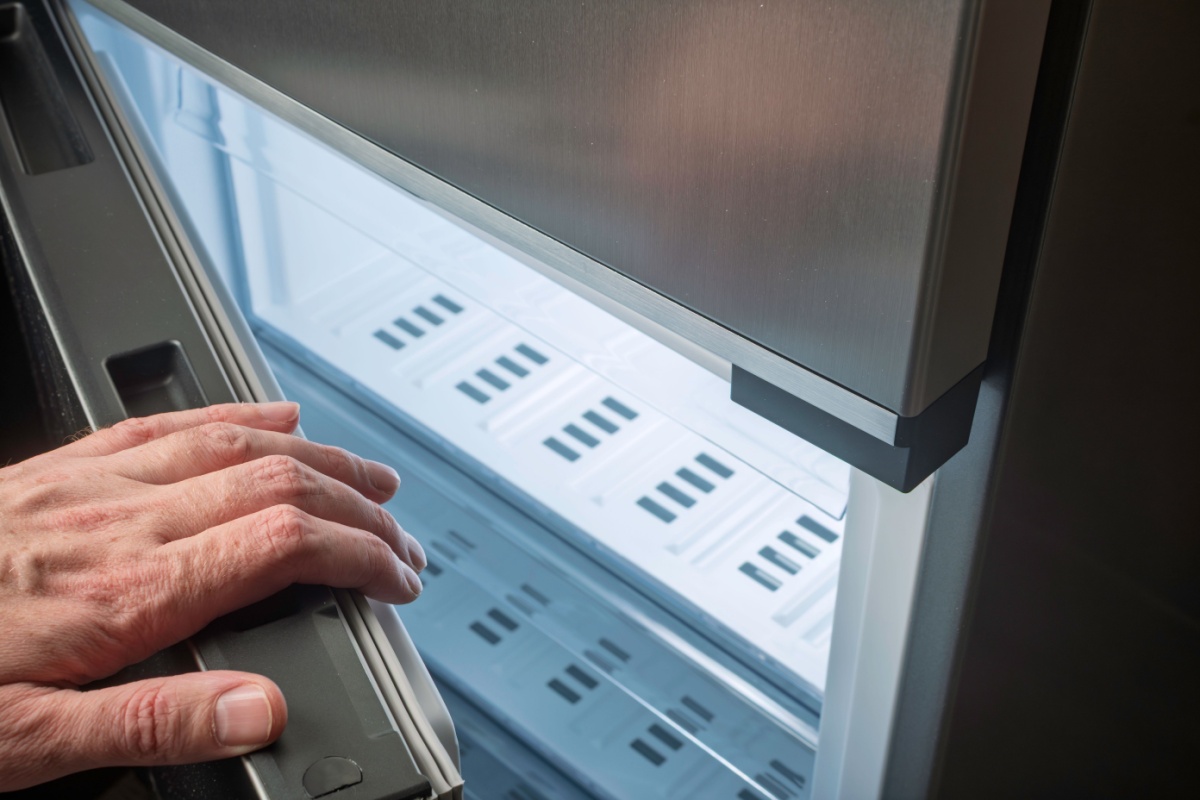
Food Safety Temperatures (Below 40°F) You Must Maintain
The FDA requires refrigerators maintain temperatures at 40°F or below to maintain food safety. Temperatures above this threshold create a danger zone. Bacteria multiply faster there.
Preventing Temperature Loss and Energy Waste
Dirt on refrigerator coils can increase energy costs by 35% when the unit works harder than designed. Proper sealing saves energy. It extends the refrigerating unit’s lifespan.
Comparison Table
Feature |
Main Purpose/Benefit |
Key Specifications/Materials |
Performance Standards |
Effect on Longevity/Efficiency |
Weatherproof Stainless Steel Construction |
Withstands poolside humidity, salt spray and temperature extremes; prevents corrosion and structural failure |
304 stainless steel (18-20% chromium, 8-10.5% nickel) or 316 stainless steel (adds 2-3% molybdenum); UV-resistant coatings |
316 steel offers superior pitting and crevice corrosion prevention for areas within 10 miles of saltwater |
Maintains function and appearance throughout lifespan; 316 steel costs 10-15% more than 304 |
UL or ETL Outdoor Rating Certification |
Confirms safe operation in variable weather conditions; protects warranty |
Independent laboratory testing by UL or Intertek (ETL); confirms against UL safety guidelines |
Must maintain consistent internal temperatures even when ambient conditions exceed 100°F |
Non-rated units void warranty when used outdoors and fail prematurely |
Powerful Cooling System with High-Efficiency Compressor |
Maintains safe food temperatures during summer heat; removes heat fast |
Forced-air systems with fans across evaporator coils; modern compressor refrigerators |
Works in high ambient temperatures up to 38-43°C (100-109°F); Energy Star units use ~390 kWh per year |
Efficiency declines 22-25% at 80°F ambient, 45-50% at 90°F; modern compressors use one-third the power of absorption models; 2-2.5% energy increase per 1°F ambient rise |
Sealed Ventilation and Weatherproof Back Panel |
Protects from debris, dust and pests (wasps, mud daubers, rodents); prevents overheating |
Sealed electrical components; weather-resistant construction; front-venting or rear-venting systems |
Freestanding models require 2-3 inches clearance minimum; 2 feet clearance on all sides optimizes performance |
Systems serve 15-20+ years with proper ventilation maintenance |
Improved Insulation and Tight Door Seals |
Forms barrier between cooling system and outdoor heat; prevents temperature loss |
Magnetic gaskets with flexible internal magnets; polyurethane foam insulation (R-7.19 per inch); push-in or screw-in gasket systems |
Standard R-value in commercial refrigeration is 25; must maintain temperatures at or below 40°F (FDA requirement) |
Compromised seals increase compressor workload; dirty coils can increase energy costs by 35%; proper sealing extends lifespan |
Conclusion
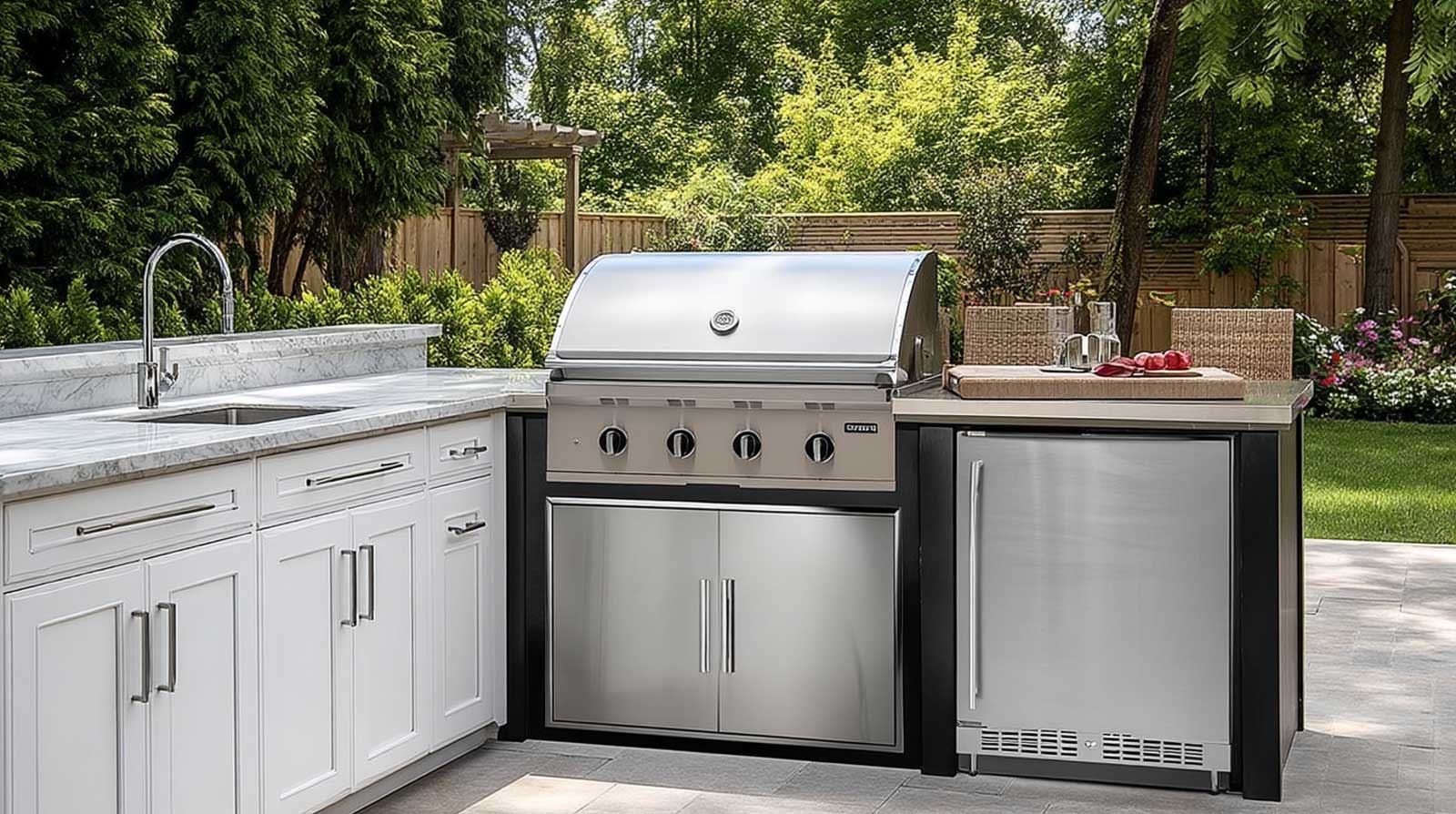
These five features determine whether your patio refrigerator lasts decades or fails within months. Start by verifying UL or ETL certification and confirm the unit has marine-grade stainless steel construction. Check the compressor BTU rating for your climate and ensure the ventilation design works correctly. Inspect insulation quality with tight door seals. Skip any of these essentials and you’ll face expensive replacements and spoiled food sooner than expected.