
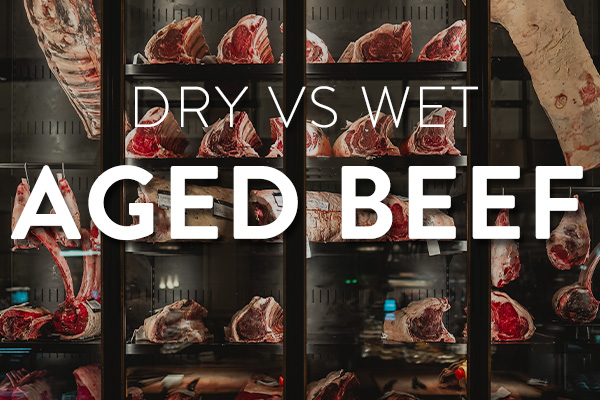
Dry vs Wet
Aged Beef
If you’ve ever tasted a steak that was noticeably richer, more tender, and packed with deeper flavor than anything you’ve had before, there’s a good chance aging had something to do with it. The meat aging process is one of the best-kept secrets behind truly exceptional beef, and the way it’s done can make all the difference in the taste and texture of the final cut.
The aging method plays a huge role in shaping the flavor, texture, and overall quality of the beef you’re eating. And while both wet aging and dry aging produce excellent results, the processes behind them are quite different.
In this guide, we’ll break down exactly how each method works, what sets them apart, and how those differences show up on your plate. By the end, you’ll know exactly which style of aged beef suits your taste the next time you’re picking out a steak.
Beef Aging
Types & process

dry vs wet aged beef

Tenderization and flavor enhancement are the
outcomes of beef aging – a key process that
involves resting the meat. The process takes place
in controlled conditions, without which, the meat
wouldn’t take on the intended texture and flavor.

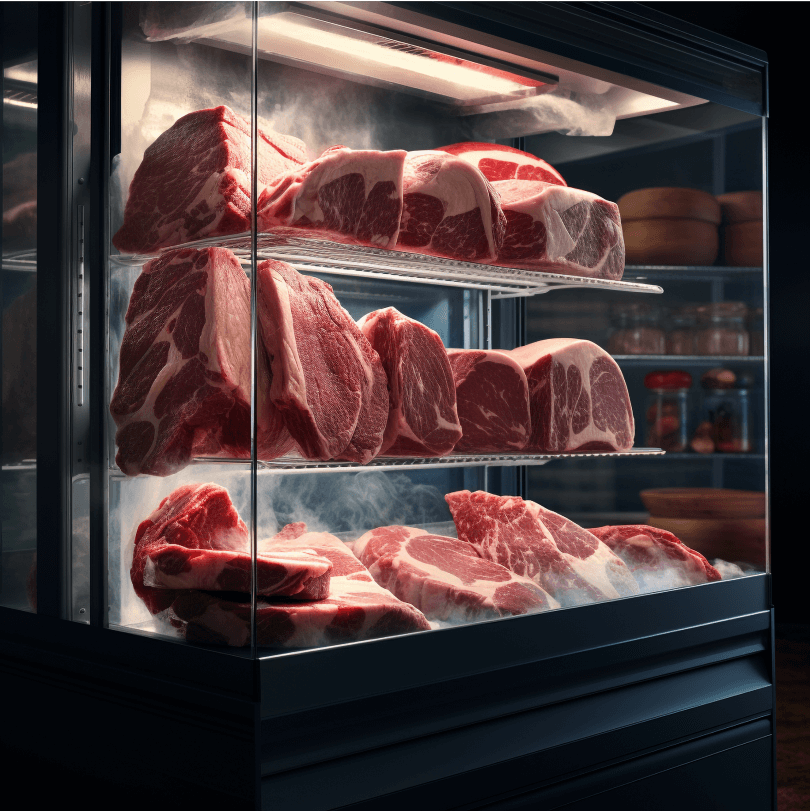
For instance, aging specialists place a juicy steak cut into a refrigerated environment with the right levels of moisture to prime the meat for aging.
At the same time, other processes are happening. The irresistibly succulent texture happens just as the enzymes act on the meat, and break down the fibers in the muscle.



Cellar aging and salt curing were two of the early means of aging beef. These then common approaches were not identical and happened differently. So let’s take a look at how each process happened and how they led to some of the methods we use today.
Just like the name suggests, this aging process for beef took place in a cellar. Or, in other cases, it could happen in a basement. These were logical choices for beef aging, because, in these locations, the temperature was low enough to limit bacteria growth during the process.
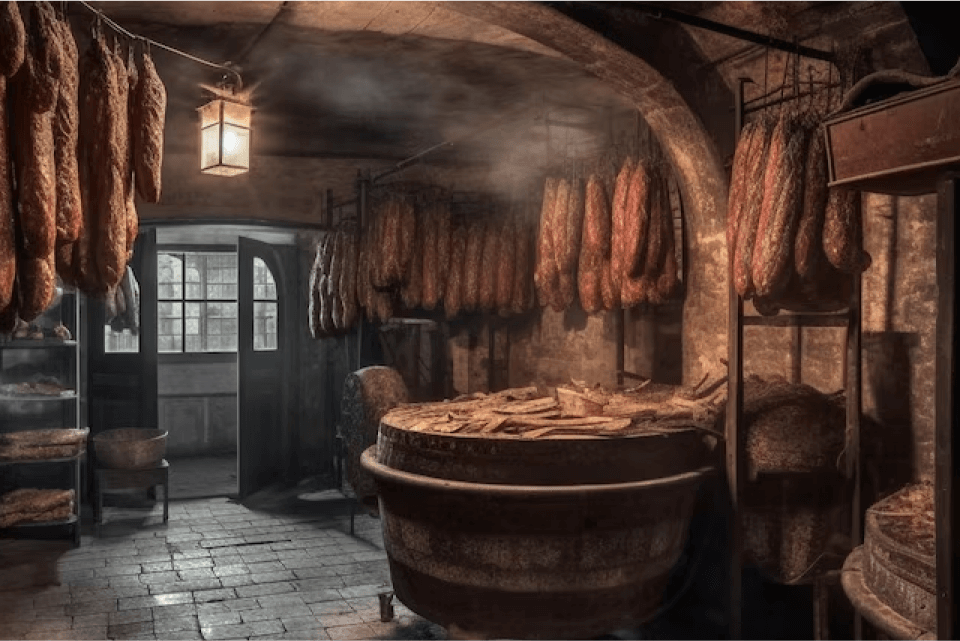
For this process, historically, people would cut the piece of meat off of the body of meat or hang the meat itself in the cellar environment. In these conditions, air could circulate and help toward drying and aging.

This process is not technically an aging approach when we consider it from a modern-day perspective. And yet, it greatly aided in beef preservation and shelf-life extension. This process involved rubbing salt onto the beef to prevent spoilage and minimize the growth of bacteria.
It was fundamental in influencing some specific beef aging processes we use today, sharing common goals such as moisture reduction in the beef, and made significant differences in both texture and flavor.
Beef Aging
Traditions & Transitions
dry vs wet aged beef
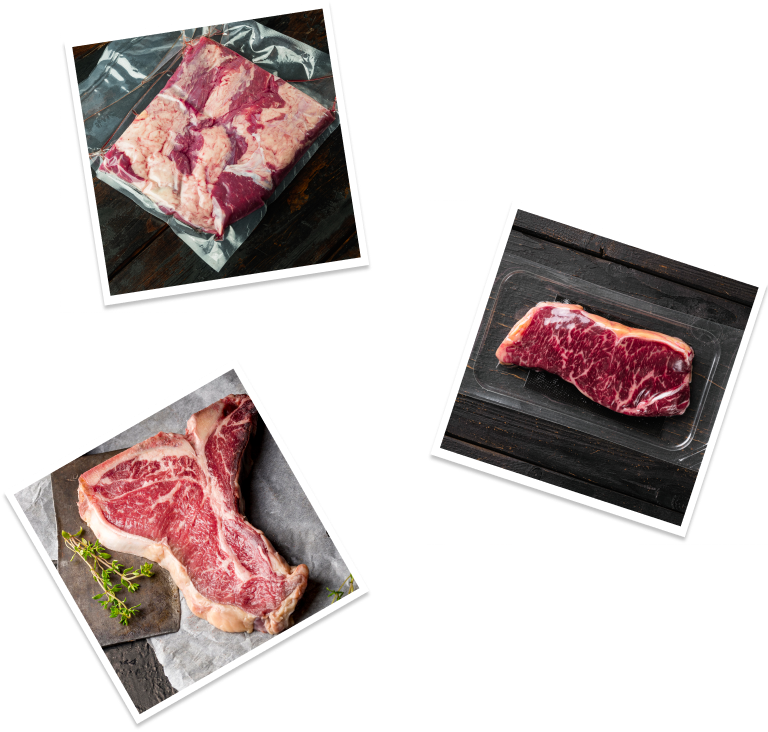
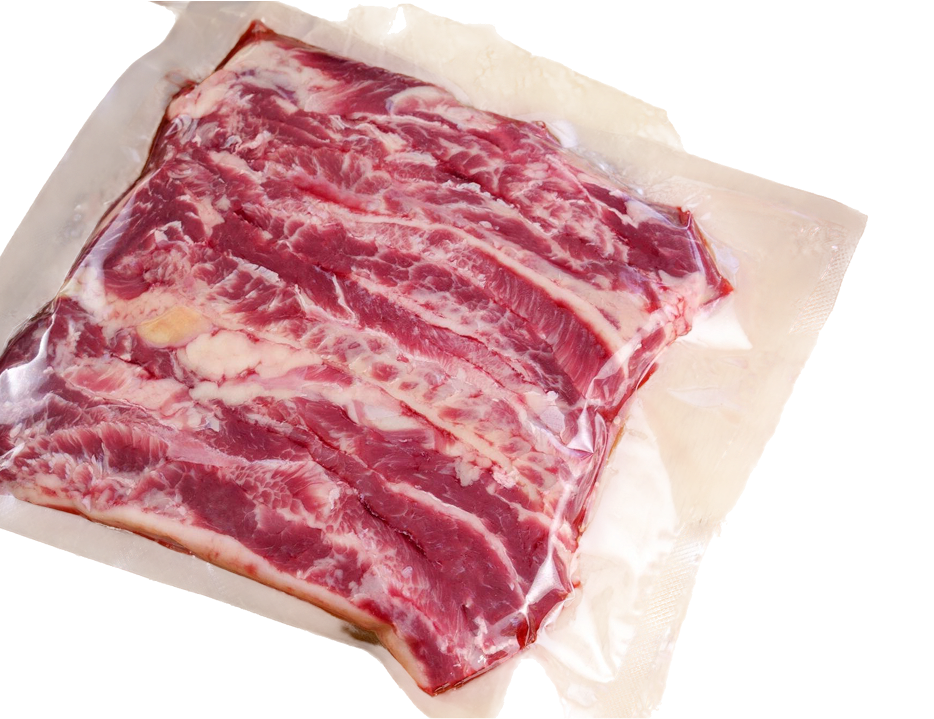
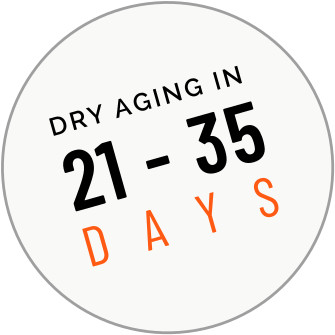
Vacuum packaging was the catalyst that led the transition to wet aging techniques in the 1900s. So, while dry-aging techniques that took between 21–35 days may have been the main method, the mid-20th century saw a change in beef aging methods.
Nowadays, 40% of packaging types for meat cases include vacuum packaging, so it’s easy to see how this option has grown in use. It is capable of reducing shrinkage of the meat during the aging process since liquid evaporation doesn’t take place.
Due to the vacuum packaging method, wet aging was born, minimizing bacteria contamination and spoilage.
Dry-Aged
Beef
dry vs wet aged beef
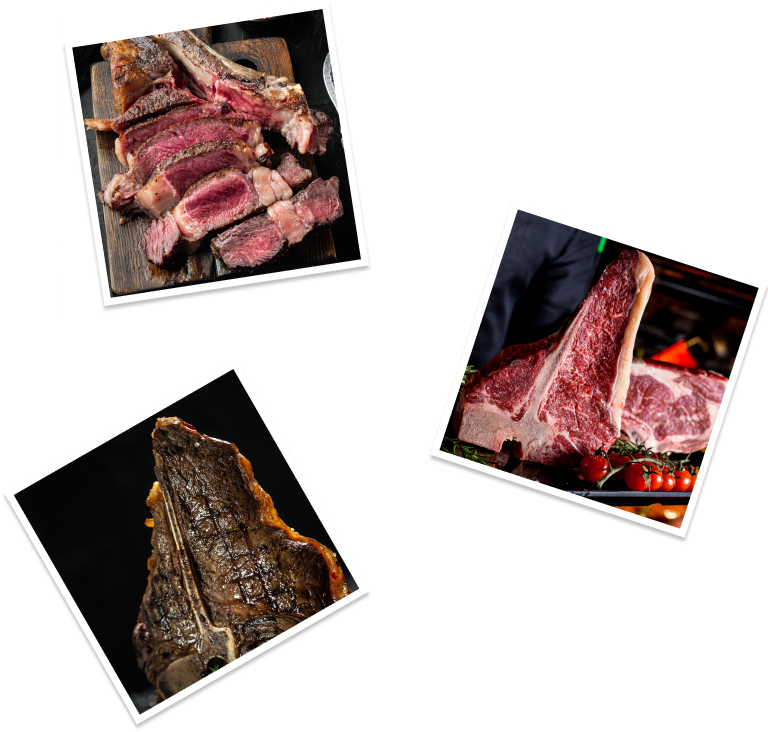
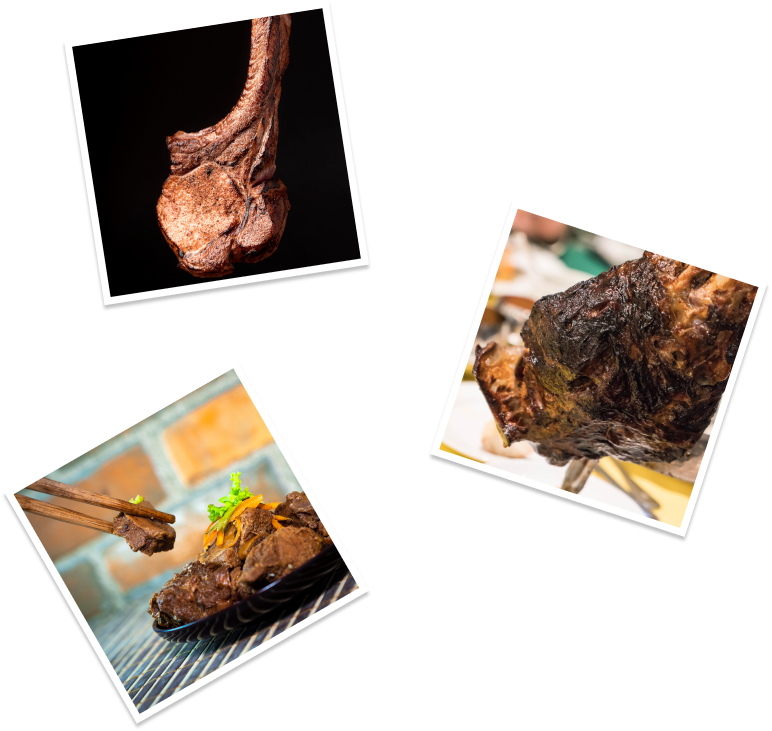
Dry-aged beef, highly popular before this, had a specific process – and this led to a specific flavor profile and helped a unique texture to form, offered consumers a few advantages and, at the same time, a few disadvantages.
During the dry aging process, a methodical set of steps take place. These include:
01 Hanging the Beef
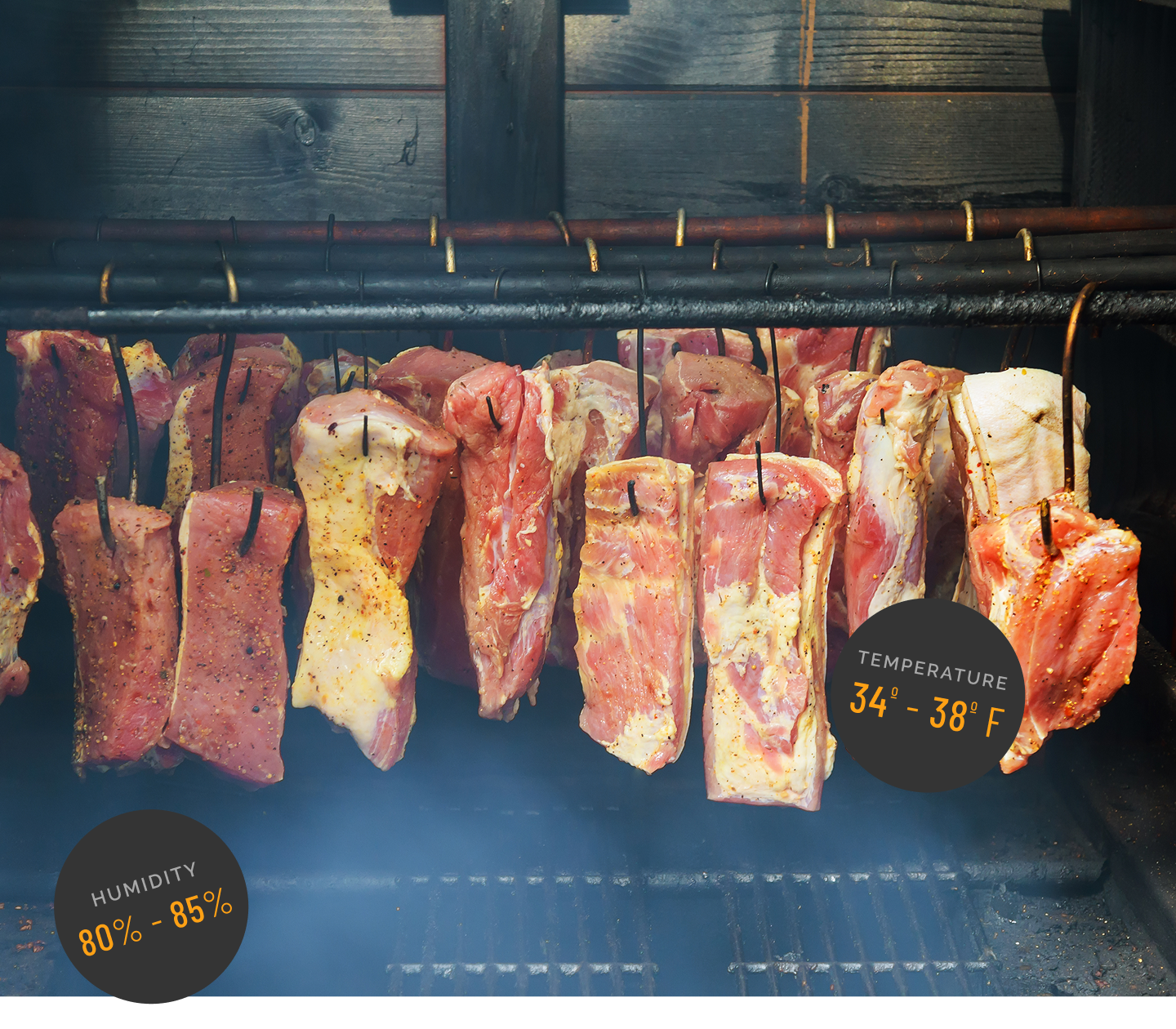
Beef aging specialists hang the succulent cuts of beef out in open air. But the key is in checking the temperature and humidity levels. It needs to remain in a constant temperature of between 34º and 38º F, and the humidity should be between 80% and 85%.
02 Using a Specific Aging Duration Period
Now, the aging duration period will really depend on the premium quality of the beef cut. It can be as low as 14 days when the cuts of beef are not of the best quality. But it can be as much as 60 days for those high-quality cuts, which typically come from cattle that are no more than 42 months old.
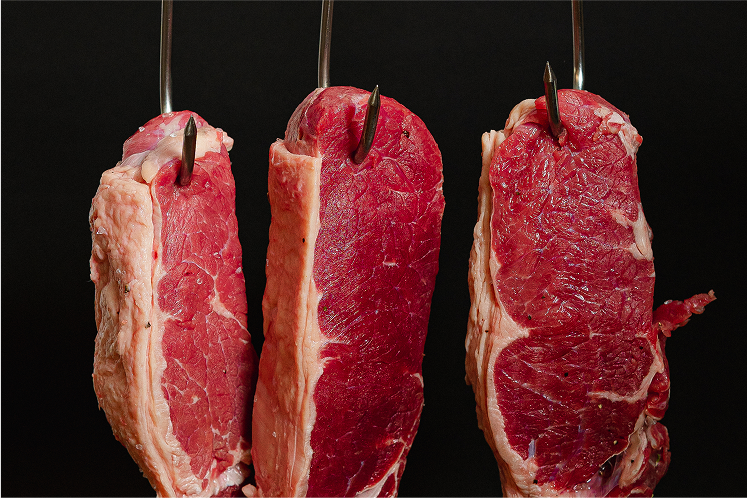
03 Ensuring Air Circulation
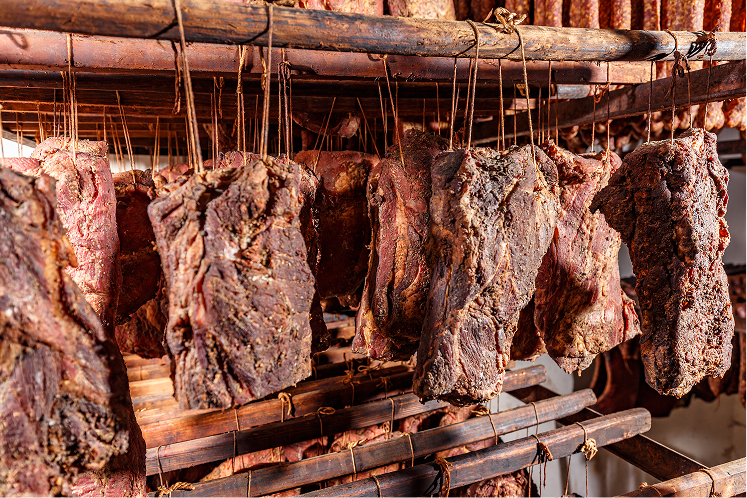
In an essential last step, beef aging specialists ensure that air circulation can happen – and it’s a key process. Ensuring air circulation involves minimizing high-velocity air flow and allowing a constant, controlled flow that doesn’t dry out the meat too quickly.
Flavor Profiles & Texture of
Dry Aging Beef
dry vs wet aged beef
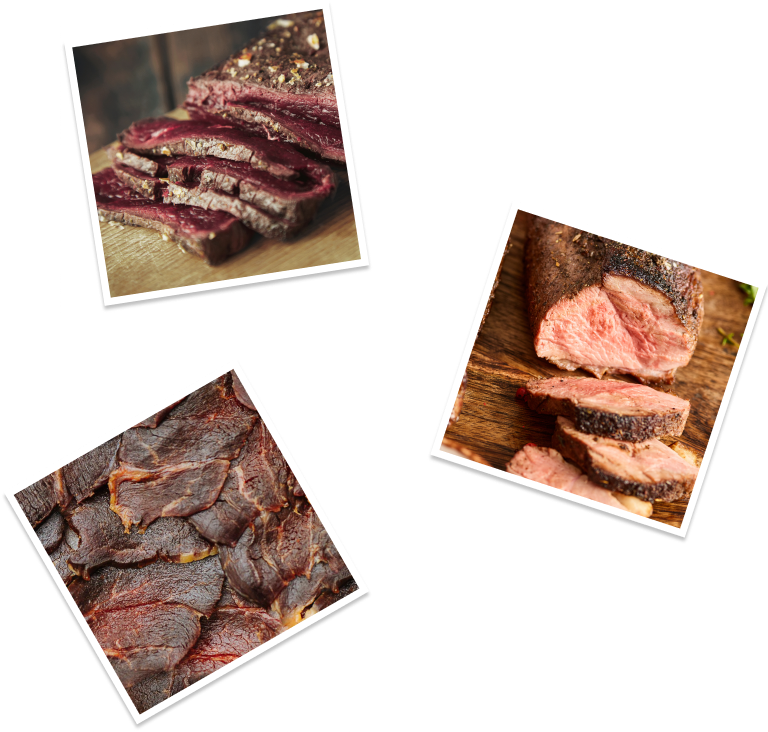
All things considered in the world of beef, it’s perhaps the flavor profiles and texture that matter most. And when comparing dry aged vs wet aged beef, there are some differences here.
There’s a greater intensity of flavor with dry
aged vs wet aged beef. This comes from the
drawing out of moisture.
As the moisture content leaves the cut meat, the natural
flavors left behind become nutty and
earthy. The meat can even have a flavor
similar to blue cheese.
The soft texture you notice with dry aged
beef comes from the enzymes – and they
have time to break down the tissues in the
meat during the process. But this is
accompanied by an exterior crust, which
butchers can trim for you before you cook
the meat.
Our charts below will provide a direct comparison between the flavors and textures of dry aged beef vs wet aged beef.
Dry Aged Beef-
Pros & Cons
dry vs wet aged beef
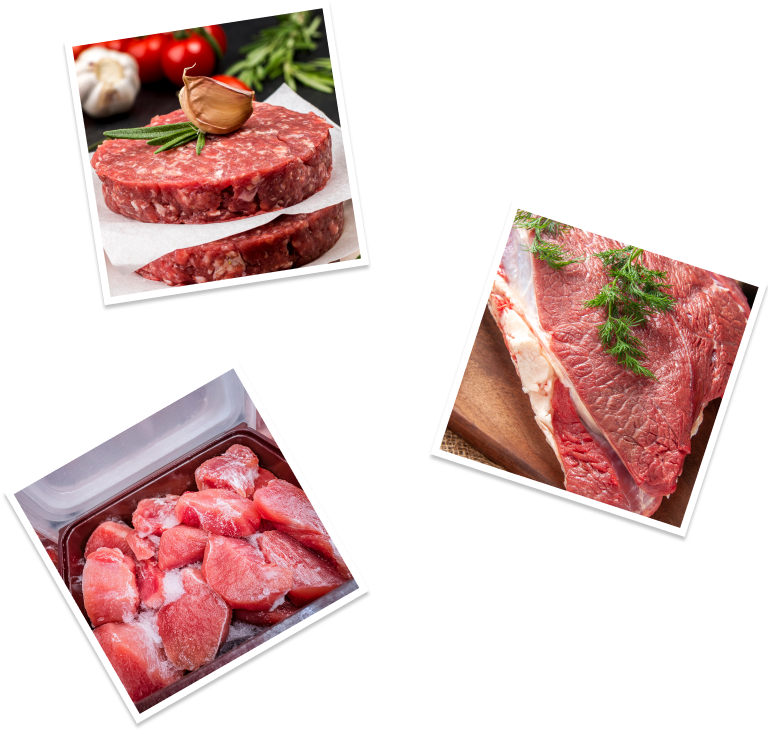
The pros and cons of dry aged beef can affect decision-making and there are a few key factors to think about.
A Rich & Concentrated Flavor to Anticipate
Naturally, because of the process involved, there is a rich and concentrated flavor to anticipate when you choose beef that has gone through a dry aging method. As a customer, you will also note an enhanced tenderness and succulence with this beef.
A Higher Cost Will Likely Apply
When a customer buys beef that has been dry aged, they may note that a higher cost will likely apply compared with wet aged beef. There is also a chance that the meat can spoil if specialists do not complete the aging process and manage it correctly.
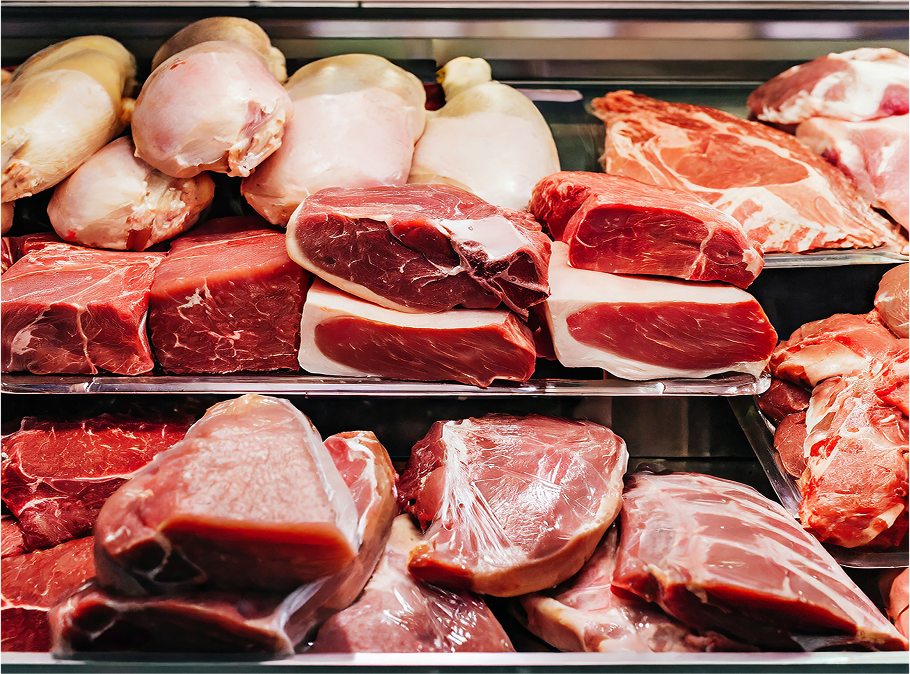
What is
Wet Aged Beef?
dry vs wet aged beef
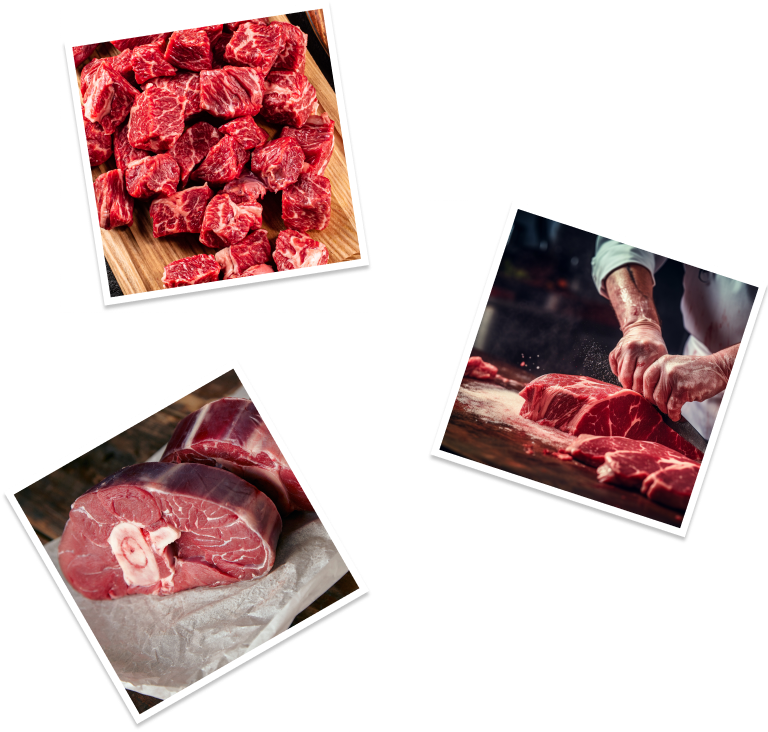
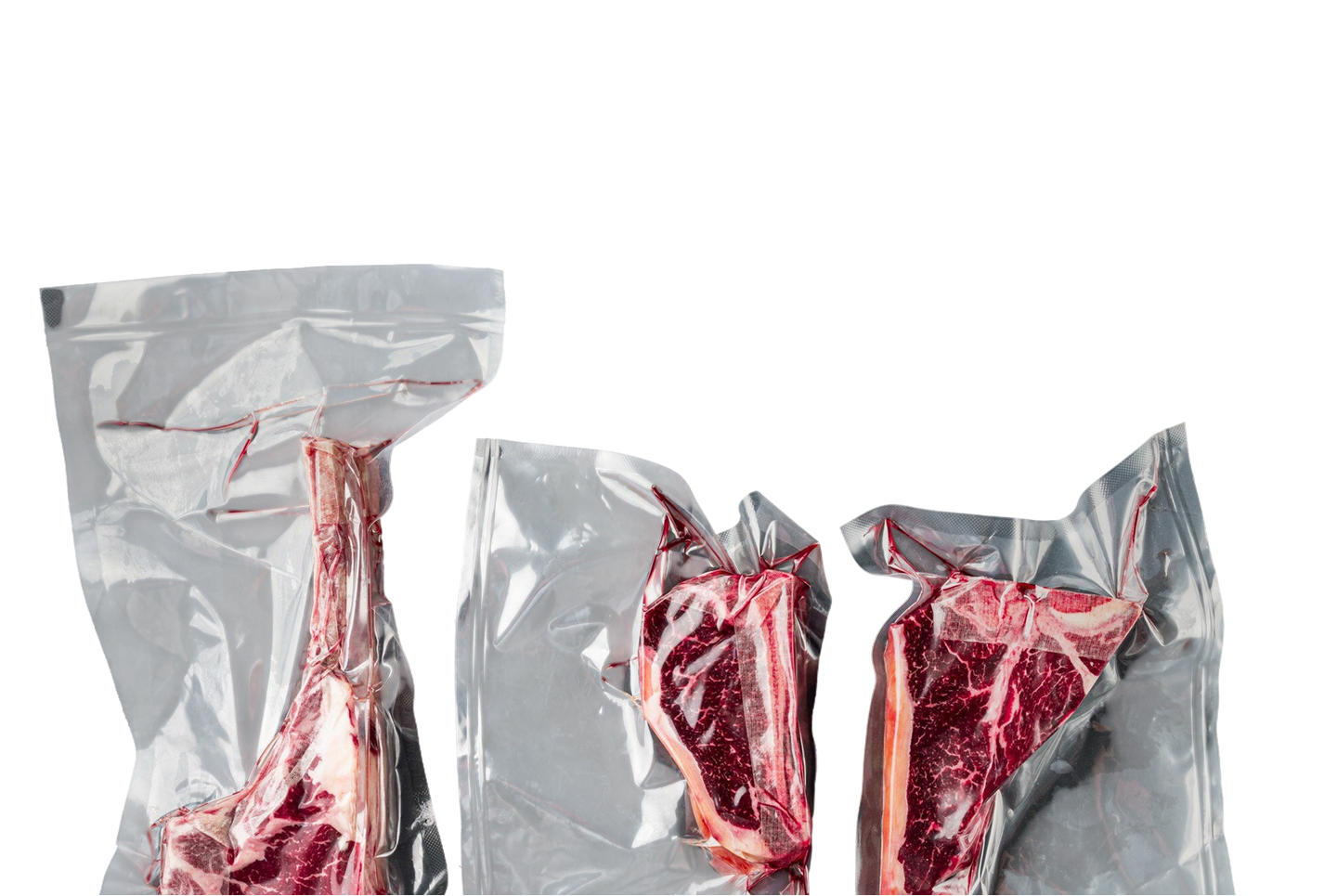
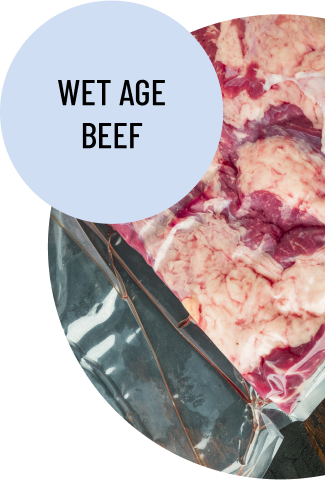
This meat ages using a different process. It’s vacuum-sealed – and it’s left to age without air exposure. No two beef cuts are exactly identical, but when they go through the wet-aging process, the steps tend to include a few unique approaches – and the result is a meat that is very different to dry-aged beef.
How to Wet Age Beef -
Processes
dry vs wet aged beef
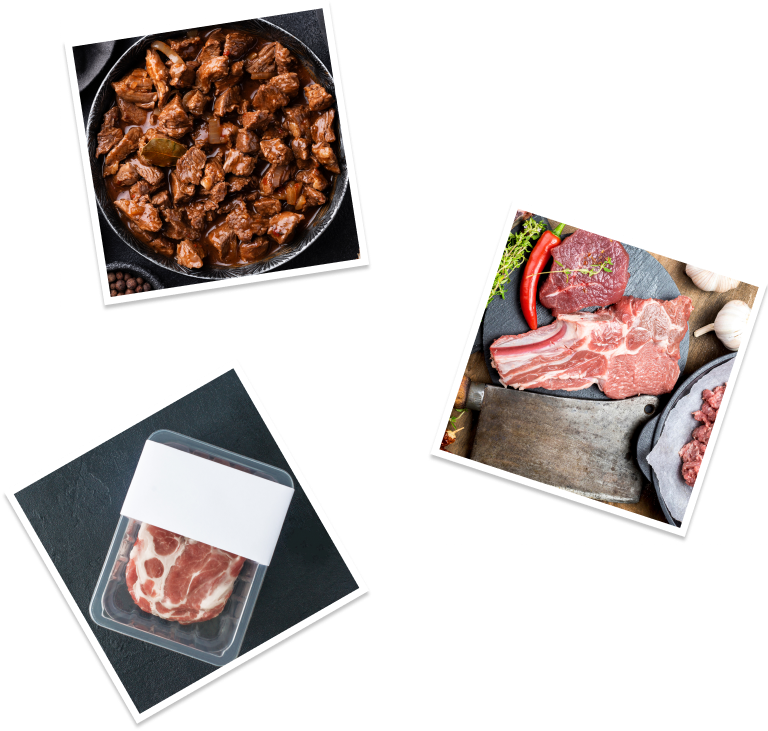
The secret to how to wet age beef, and how beef aging specialists complete the process is in the vacuum sealing process and the aging period, the moisture retention and the temperatures.

Below, you will find more on the process required to produce wet-aged beef.
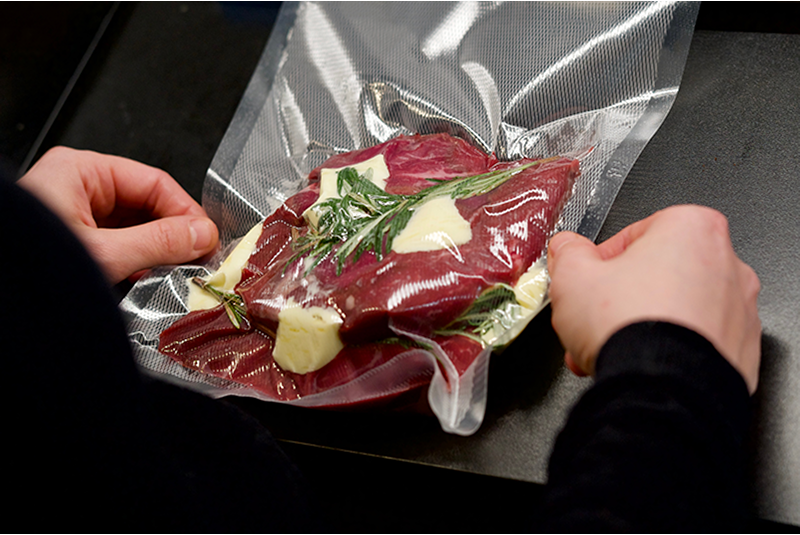
01 Vacuum Sealing the Meat
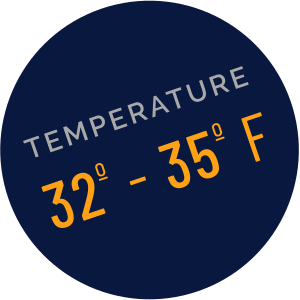
Specialists place the beef into plastic bags designed especially for vacuum sealing compatibility. They then store the sealed meat in a refrigerated temperature. And the temperature is always between 32º and 35º F.
02 Implementing the Aging Period
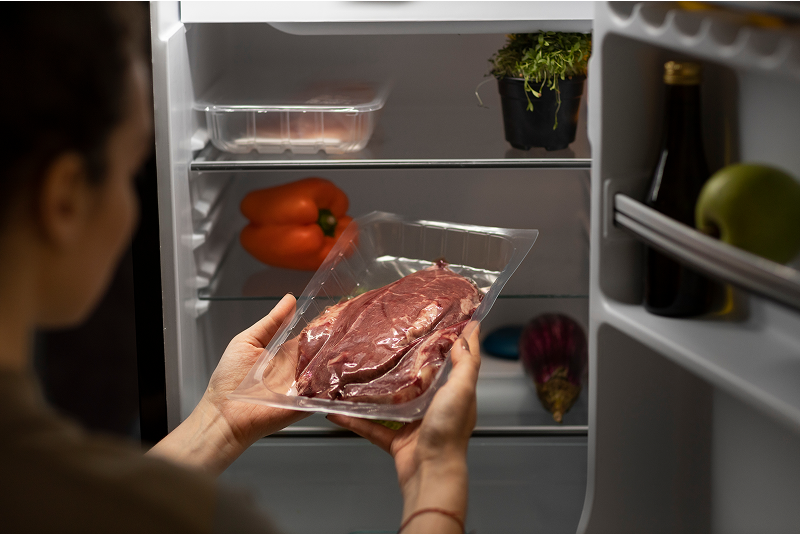

After the storage, the meat can begin to rest, and for this to happen for the right length of time, the meat aging specialist implements the aging period. So how long can you wet age beef? The beef ages in the specific conditions for a minimum of seven days. But, depending on the quality of the meat, it can potentially rest for up to 28 days.
03 Ensuring the Retention of Moisture
Meanwhile, the vacuum seal will make the significant difference in making moisture retention a lot easier. It does this by ensuring the meat is not exposed to air, and seals in the moisture within the bag so that it does not dry out.
Flavor Profiles & Texture of
Wet Aging Beef
dry vs wet aged beef

What will really impress the guests you invite to your barbecue are the flavor profiles and textures of wet aging beef. These flavors and textures are unique, so let’s take a closer look at them.
subtle flavor | fresh beef taste
You can expect a subtle flavor when you taste this delicious meat. Its flavor is a fresh beef taste that is ever so slightly sweet and less intense than dry aged beef, since it contains greater amounts of its own original moisture.
texture different from dry-aged beef
The tenderness of wet aged beef is noticeable, and this is also due to the amount of moisture the aging process helps the meat to retain. Yet because the enzymes in the meat have less time to act than in a dry aging process, the texture may be slightly different from dry-aged beef.
WET Aged Beef-
Pros & Cons
dry vs wet aged beef
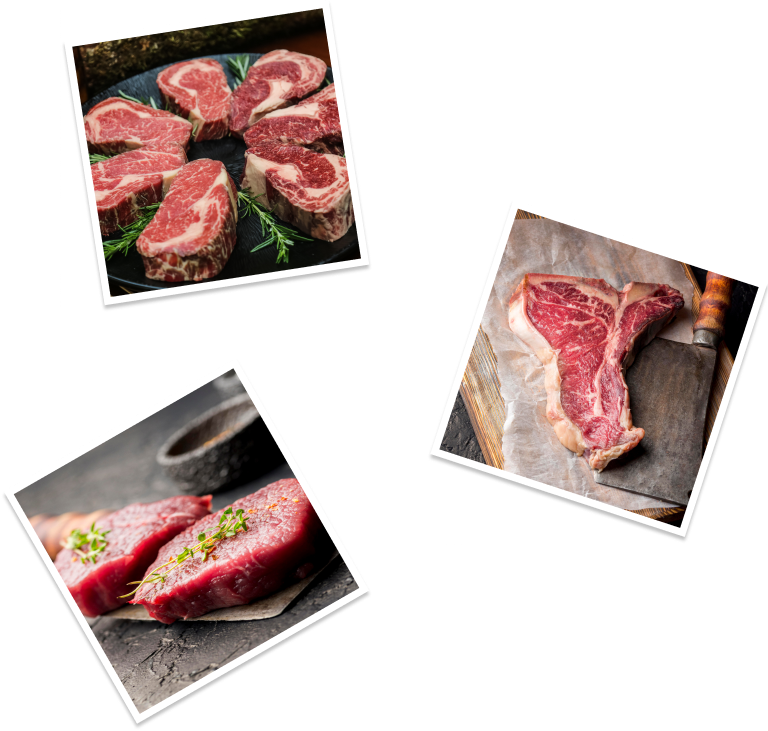
With wet aged beef, you can look forward to plenty of pros. But keep an eye out for some of the cons that come with this type of meat.
Cost-Effective Choice
On the plus side, its texture is more consistent than its dry-aged counterpart and if you want to save dollars, you will be able to do this with wet aged beef. It is a cost-effective choice because the vacuum sealing process ensures there is less weight loss when it ages.
Less Complex Flavors & Textures
But what actually are the drawbacks of wet aged beef? The main factor is that it has less complex flavors and textures that come with dry aging. This meat really won’t have the rich, intense flavor or textures of dry-aged beef.

Dry Aged vs Wet
Aged Beef
dry vs wet aged beef
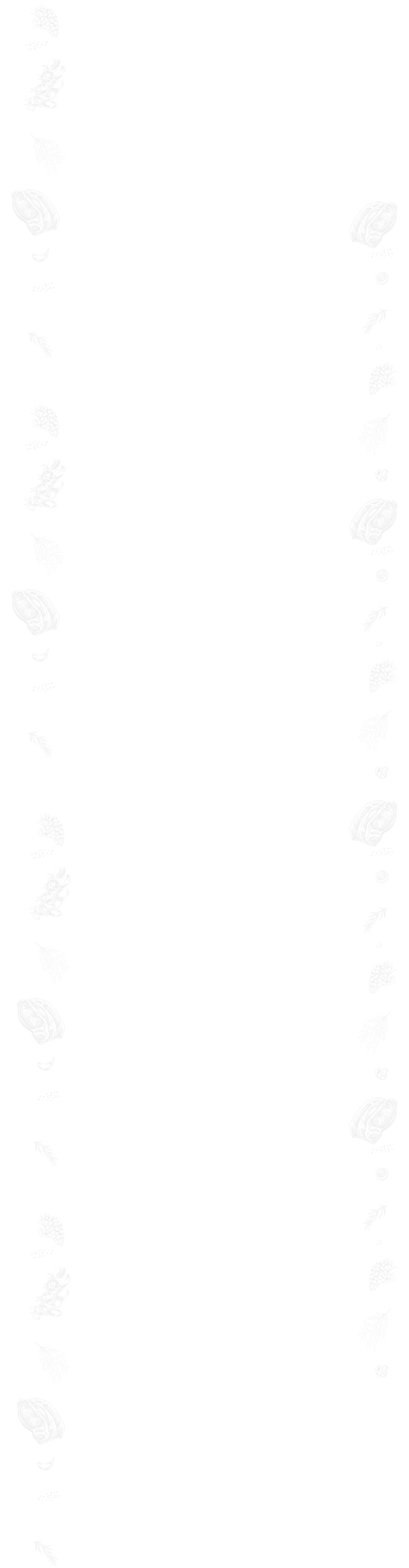
These differently aged beef types are different in many ways – and it’s seen in the texture and noticed in the flavor. As you may also know, there are some nutritional differences and differences in the market availability.
Below, you can explore the full range of differences between dry aged vs wet aged beef.
01 FLAVOR
| Dry-Aged Beef | WET-Aged Beef | |
|---|---|---|
| Intensity vs Mildness |
Intense Flavor An intense, concentrated, beefy flavor - because the moisture has evaporated. |
Mild Flavor A mild beef flavor that is less intense than dry-aged beef. |
| Complexity vs Juiciness |
Complex A nutty, earthy, slightly funky flavor. It is also rich in flavor because of the proteins’ breakdown due to the enzymes. |
Moisture A juicer texture than dry-aged beef because of the moisture retention. |
| Umami vs Freshness |
Umami A unique umami flavor (a pleasant meaty and savory flavor) that is tasty and enhances the tasting experience. |
Fresh A fresh and almost metallic flavor profile that does not have the layers of flavor of dry-aged beef. |
02 Texture
| Dry-Aged Beef | WET-Aged Beef | |
|---|---|---|
| Tenderness Level |
Extremely Tender An extremely tender texture because of the enzymatic action that breaks the muscle fibers down. |
Less Tender A tender texture, but less tender than dry aged beef since the enzymes have less time to act. |
| Firmness vs Moisture |
Firm It can have a slightly firm and chewy texture since there is a lack of moisture due to the aging process. |
Soft It has a succulent and softer texture. |
03 Nutritional Differences
| Dry-Aged Beef | WET-Aged Beef | |
|---|---|---|
| Moisture Content |
Lack of moisture There is a slightly greater concentration of nutrients in each gram of dry-aged beef because of the lack of moisture during dry aging. |
Full of moisture There is a slightly lower concentration of nutrients in each gram of wet-aged meat because it holds and keeps its moisture content during wet aging. |
| Protein |
greater level of protein You can expect a slightly greater level of protein concentration in each gram of dry-aged beef because of the higher concentration of the nutrients. |
Lower level of protein You can expect a slightly lower concentration of protein in wet-aged beef because of the moisture content. But the protein level isn’t significantly different to dry-aged beef. |
| Fat |
changes the fat profile The fats breakdown due to the enzymes during aging, and this affects and changes the fat profile, taste, and texture more greatly than the nutritional value. |
Doesn’t changes the fat profile The wet-aging process does not affect the fat content level, but can potentially make the texture different because of the higher amounts of moisture. |
| Caloric Content |
High Caloric Content The caloric-density of dry-aged beef can be greater than wet-aged beef since the water content of the meat is lower. |
Low Caloric Content The caloric-density of wet-aged beef can be slightly lower in each gram than dry-aged beef because of the greater water content. |
04 Market Availability
| Dry-Aged Beef | WET-Aged Beef | |
|---|---|---|
| Availability |
Not Easy to find Dry-aged beef isn’t as easy to find as wet-aged beef. Getting it in a grocery store isn’t easy. A specialty butcher shop may stock it - or you’ll likely find it in an upscale restaurant. |
Easy to find As a main form of aged beef that is easier to produce because of its shorter aging period, wet-aged beef is easier to find. You can find this meat in grocery stores and supermarkets, as well as butcher shops. |
| Seasonal & Regional Factors vs Mass Production |
A few seasonal & regional factors A few seasonal and regional factors can affect the availability of dry-aged beef. For instance, you may find it more easily in specific local areas if the local demand is high. |
Mass Production The mass production processes of wet-aged beef and the fact specialists produce this beef in large quantities mean that you’ll find it in many retail settings. |
05 Price
| Dry-Aged Beef | WET-Aged Beef | |
|---|---|---|
| High Cost vs Low Cost |
a high cost Due to the length of the aging process and the requirements for specialized and specific storage conditions, the loss of weight the aging process causes through evaporation and additional factors, this beef has a high cost. |
a Low cost Because of the faster aging process and vacuum sealing approach, the lower amount of resources required and the lower costs to produce, this beef has a lower cost than dry-aged beef. |
| Resource Intensive vs Economies of Scale |
Resource Intensive Since beef that goes through a dry aging process needs to have a lot of space and a controlled environment in which specialists store the meat, this translates to a higher cost. |
Economies of Scale In contrast, specialists create wet-aged beef on a greater scale and in larger quantities. With larger quantities, and due to the economies of scale, the price can be lower. |
| A Comparison of Specific Price Ranges |
$20 - $ 50 per poud There can be variations in price, depending on the specific cut of dry-aged beef, but the cost often starts at $20 per pound and can be as expensive as $50 for each pound. This will reflect the aging duration and the source of the meat. |
$10 Per pound There are fewer variations in price and costs can be as low as $10 per pound. Expensive options can be as high as $10 for each pound, and the price will reflect the beef quality and the cut you select. |
Savor the Flavors of Dry- or Wet-Aged Beef
dry vs wet aged beef
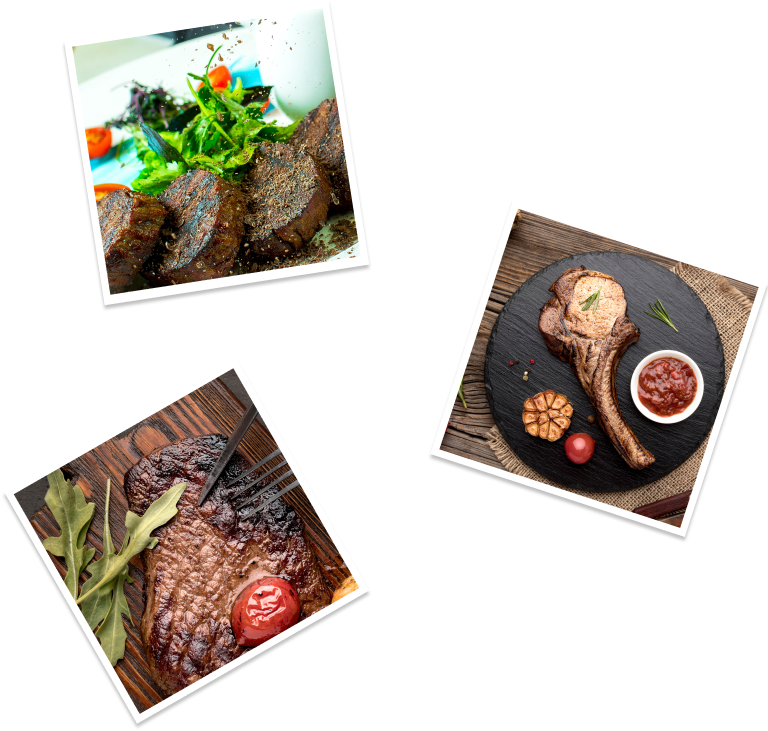




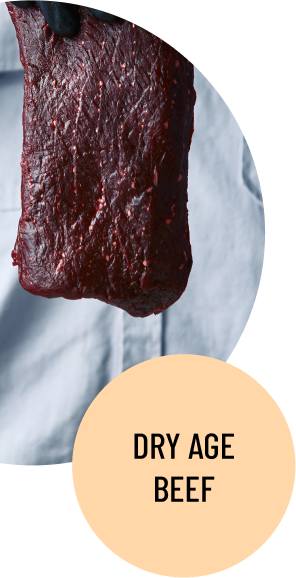
Your dry-aged beef will have a succulent tender texture and an umami flavor that will tempt your tastebuds, while your wet-aged beef will be fresher and slightly less tender. Your dry-aged beef will have a higher concentration of protein and nutrients in each gram than wet-aged beef. And dry aged beef will be more difficult to find and more costly than wet-aged beef.
THE GRILLIO WEBSITE
But the best way to learn more about your
personal perferences is to try both options. Grill
them on a BBQ and enjoy them with your
friends and family – and visit the Grillio Website
if you are looking for tips on grilling meats or to
find high -grade outdoor grills. Savor the flavors
of dry – and wet- aged beef to see for yourself
how unique and delicious these meats can be.