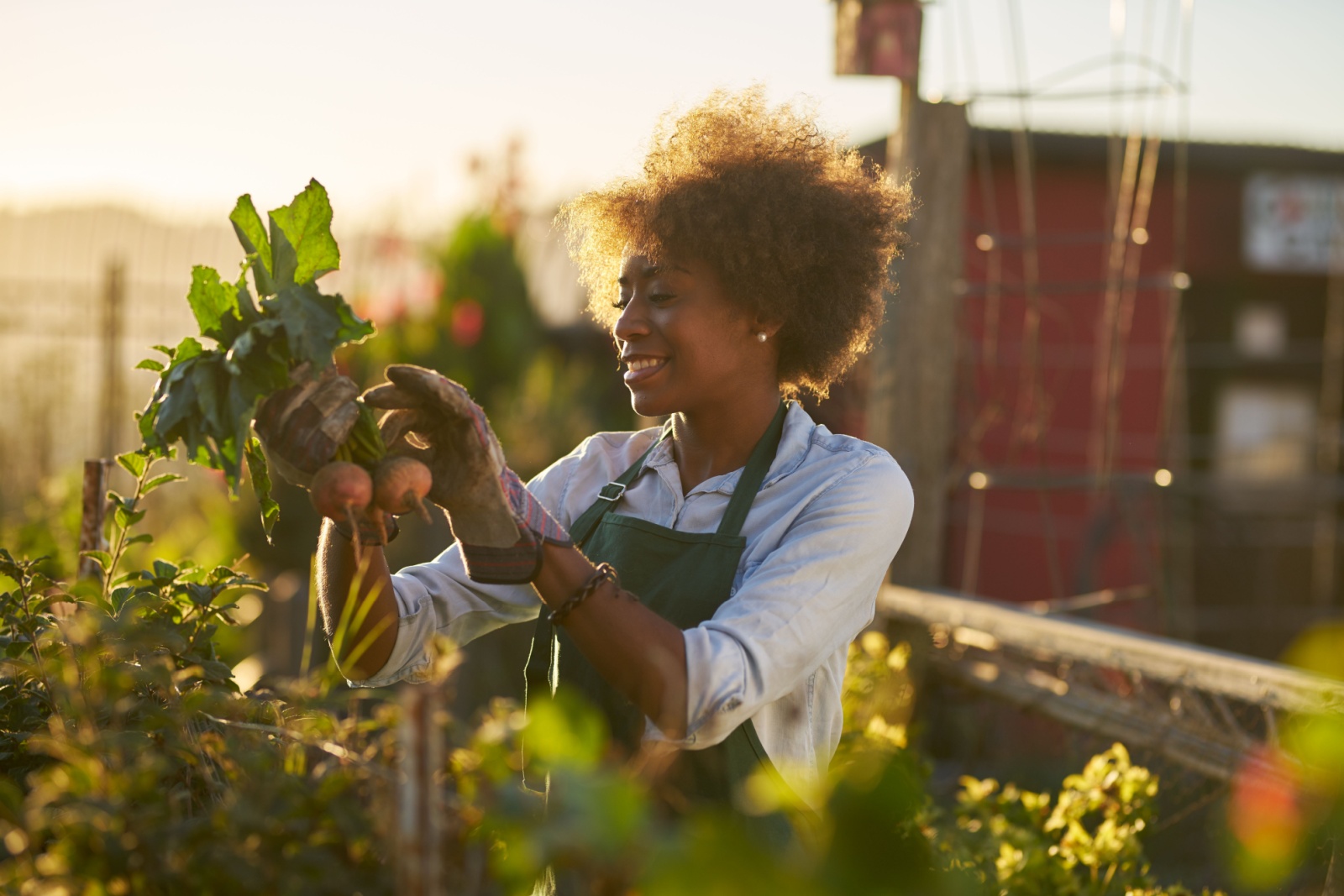
If you’re looking for a project that connects you directly to nature, saves money on groceries, and provides access to the freshest food imaginable, starting a vegetable garden is the perfect starting point. A garden at home offers tangible benefits beyond providing food. It’s a reliable way to reduce daily stress and boost mental well-being by providing a quiet, productive task. You also gain complete control over what you eat, ensuring your produce is grown without chemicals and is harvested at its nutritional peak. It’s a gratifying hobby that expands right alongside your skills.
Tools and Equipment to Start a Garden at Home
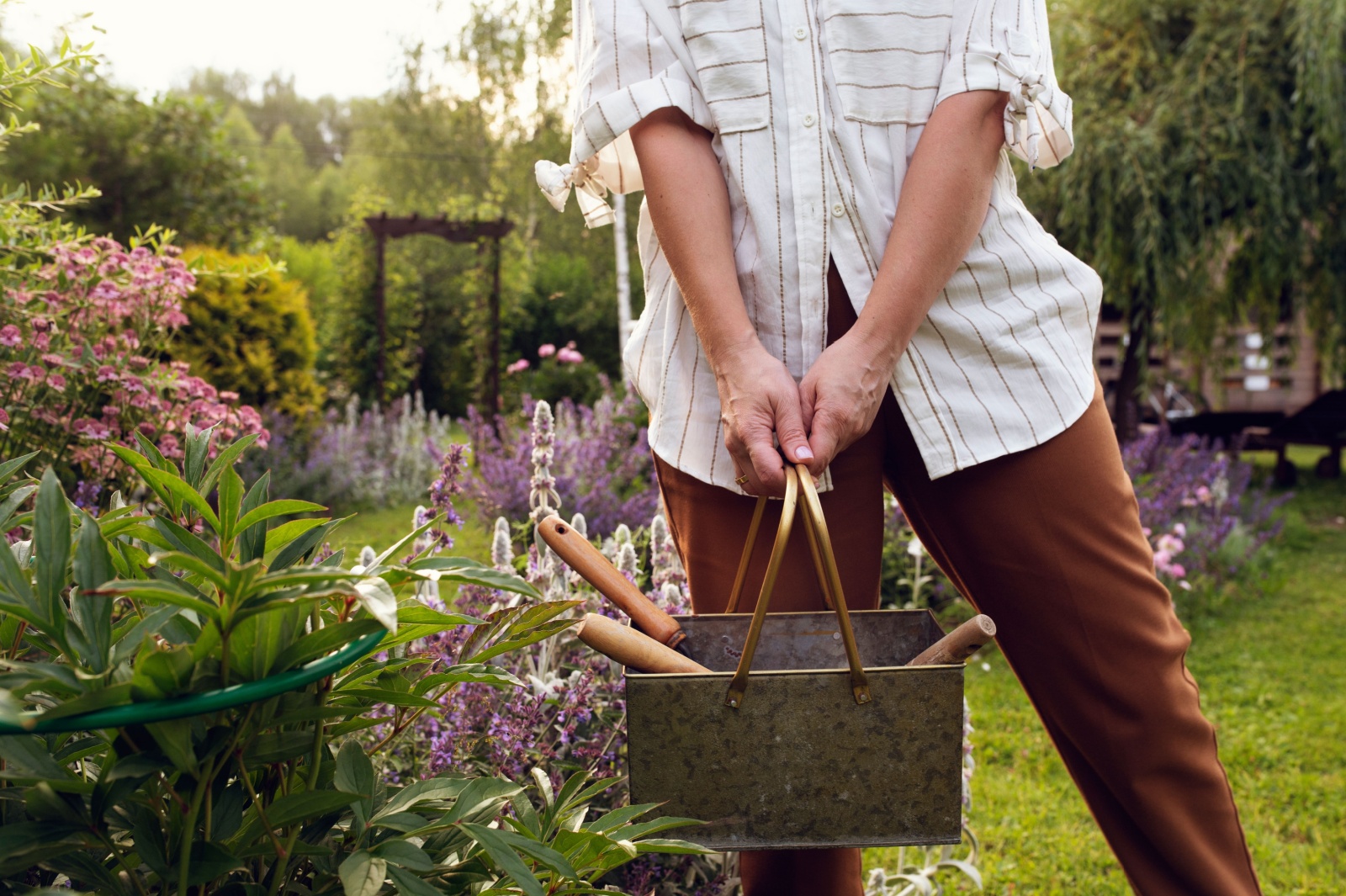
Starting your vegetable garden requires only a few quality tools. You don’t need to purchase everything at once; focus on multipurpose gear that handles the essentials of preparation and maintenance.
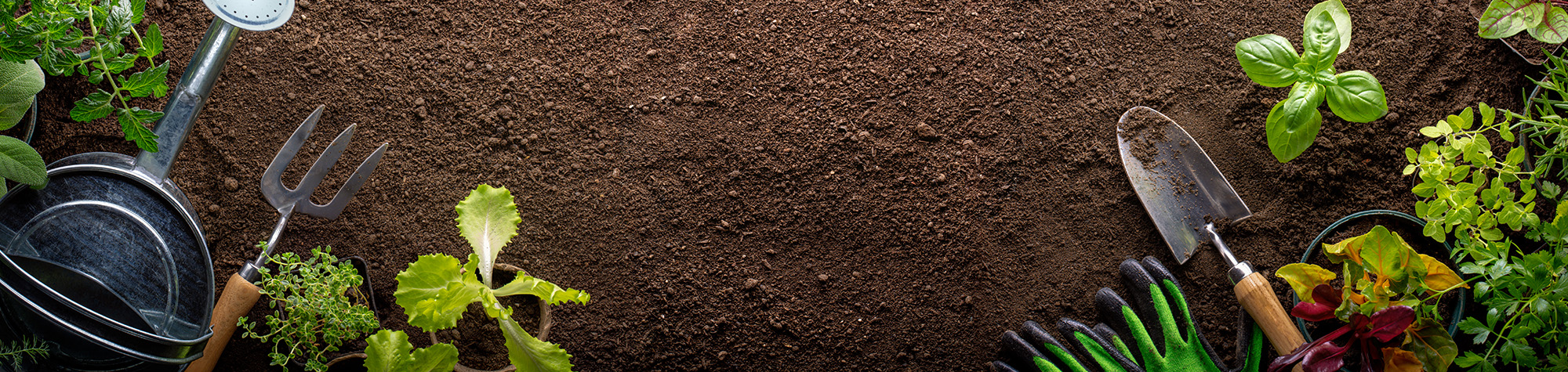
The most crucial basic tools are a hand trowel and a garden fork. The trowel is your primary planting tool for digging small holes and mixing soil, while the fork is essential for turning and aerating the soil to loosen it up. A dependable pair of gardening gloves is also a must-have item to protect your hands from blisters and potential hazards in the soil. You will also need a reliable watering can or a hose with an adjustable nozzle, as consistent moisture is critical for young plants. If your existing soil is heavy or compacted, a shovel or spade will be needed to break up larger clumps of dirt. Finally, keep several buckets or a wheelbarrow handy for moving soil, compost, and weeds.
Healthy Soil for Planting Vegetable Seeds
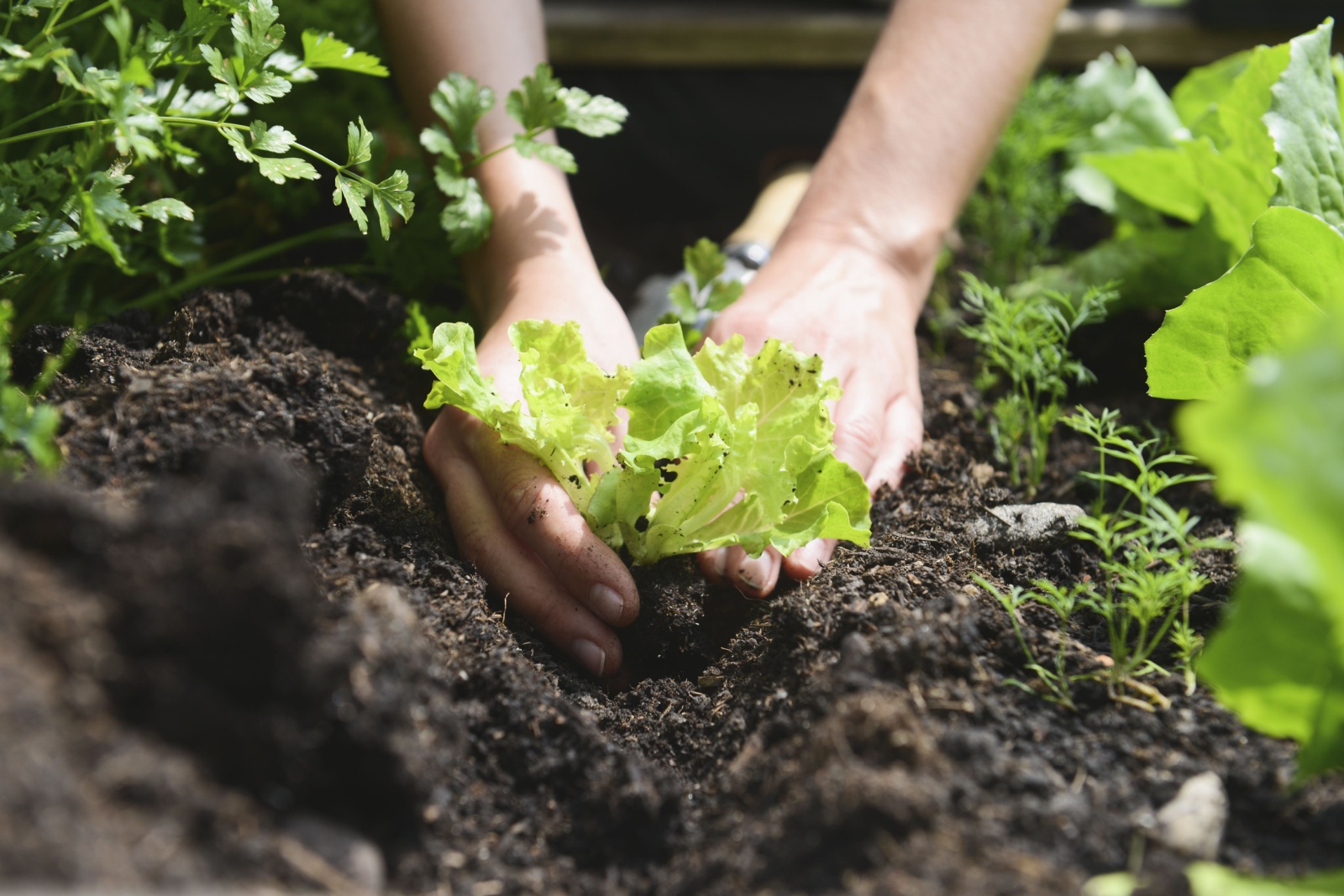
Healthy soil is the foundation of a successful vegetable garden. You cannot grow resilient plants in poor soil, so preparing the ground correctly is the single most crucial step before you drop any seeds.
The first step in soil preparation is testing its pH level. Most vegetables prefer soil that is slightly acidic to neutral (around 6.0 to 7.0). Next, loosen the soil to a depth of at least 8 to 12 inches to allow water and roots to penetrate easily. Heavy clay soil should be amended by mixing in significant quantities of organic materials, such as compost, peat moss, or aged manure. These additions immediately improve drainage, increase aeration, and provide the slow-release nutrients that plants need to thrive. By focusing on creating rich, well-drained soil, you guarantee your vegetable seeds the best chance at a strong, healthy start.
Warm vs. Cool Weather Gardening
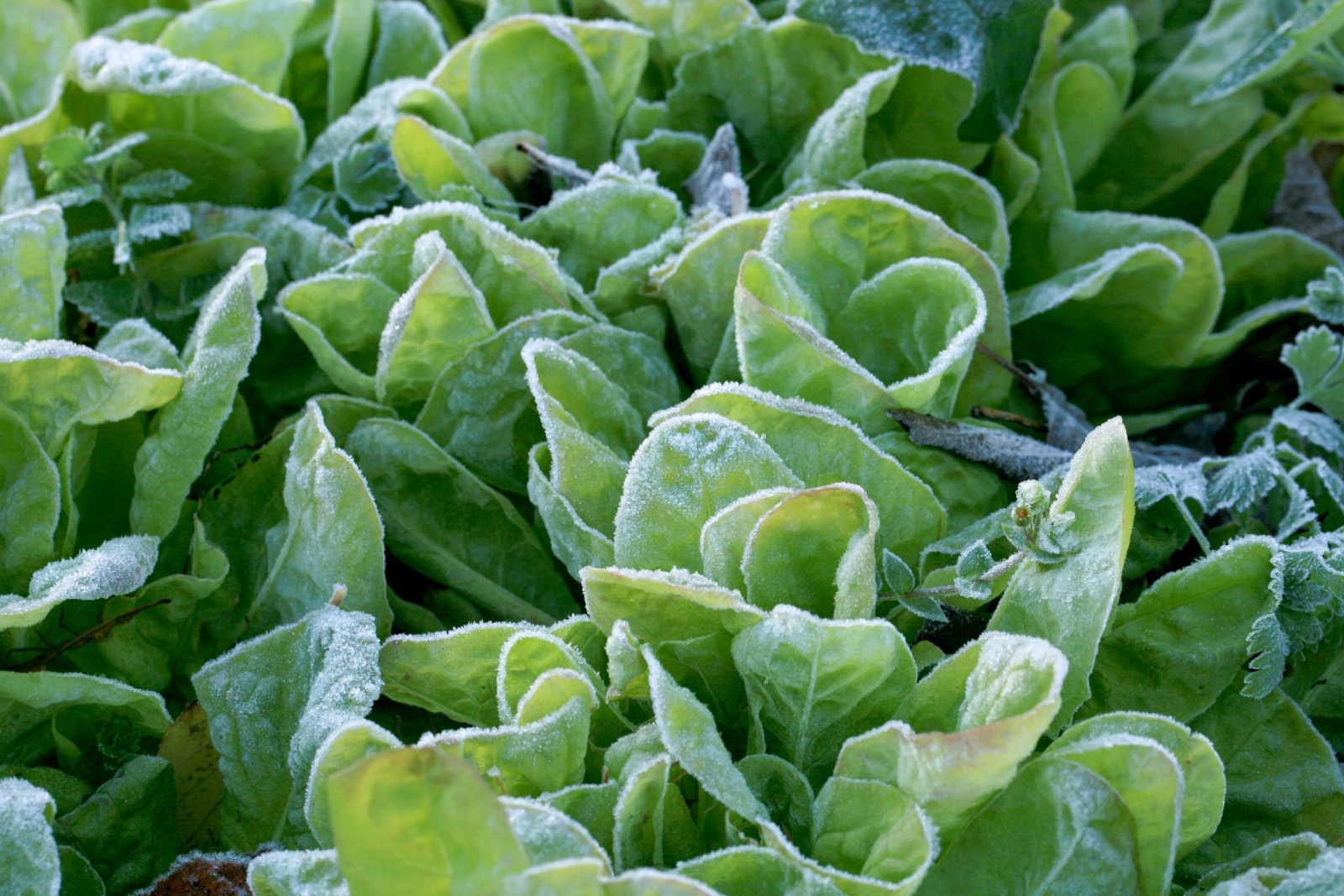
One of the most common missteps for beginners is planting the wrong crop at the wrong time. Vegetables are generally categorized by the temperature and season in which they grow best. Understanding this difference determines exactly when you should put seeds or young transplants into the ground.
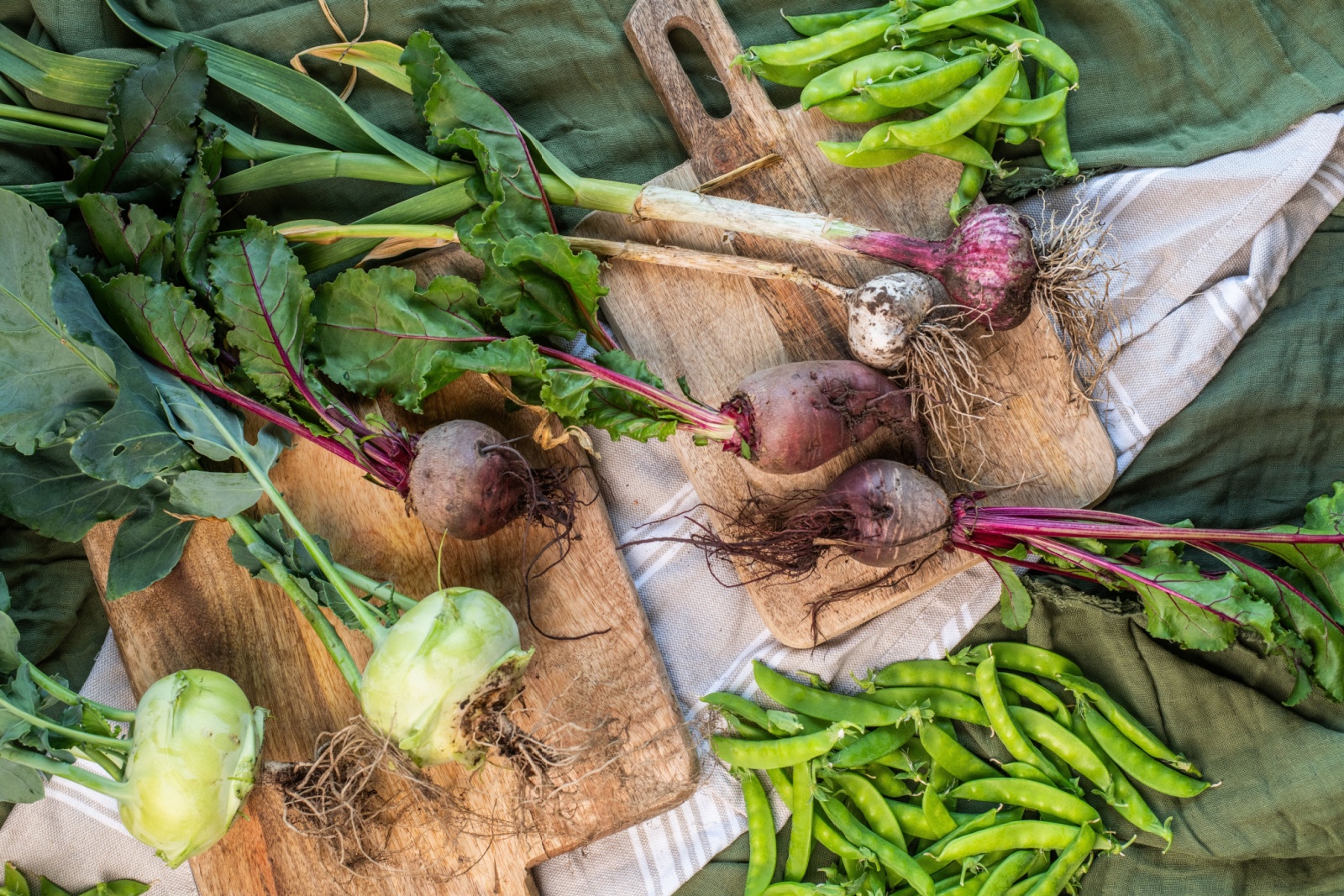
Cool-weather crops prefer cooler soil and air temperatures, typically thriving in the early spring or late fall. These plants can handle light frost. Good examples include leafy greens (such as spinach, kale, and lettuce), root vegetables (like carrots, radishes, and beets), and cabbage. These should be planted as soon as the soil is workable in spring. In contrast, warm-weather crops require consistently high temperatures and are highly sensitive to frost. They thrive exclusively during the summer months. These include favorites like tomatoes, peppers, corn, squash, and beans. These plants should only be planted once all danger of frost has definitively passed in your region and the soil temperature has warmed up significantly.
Caring for Crops
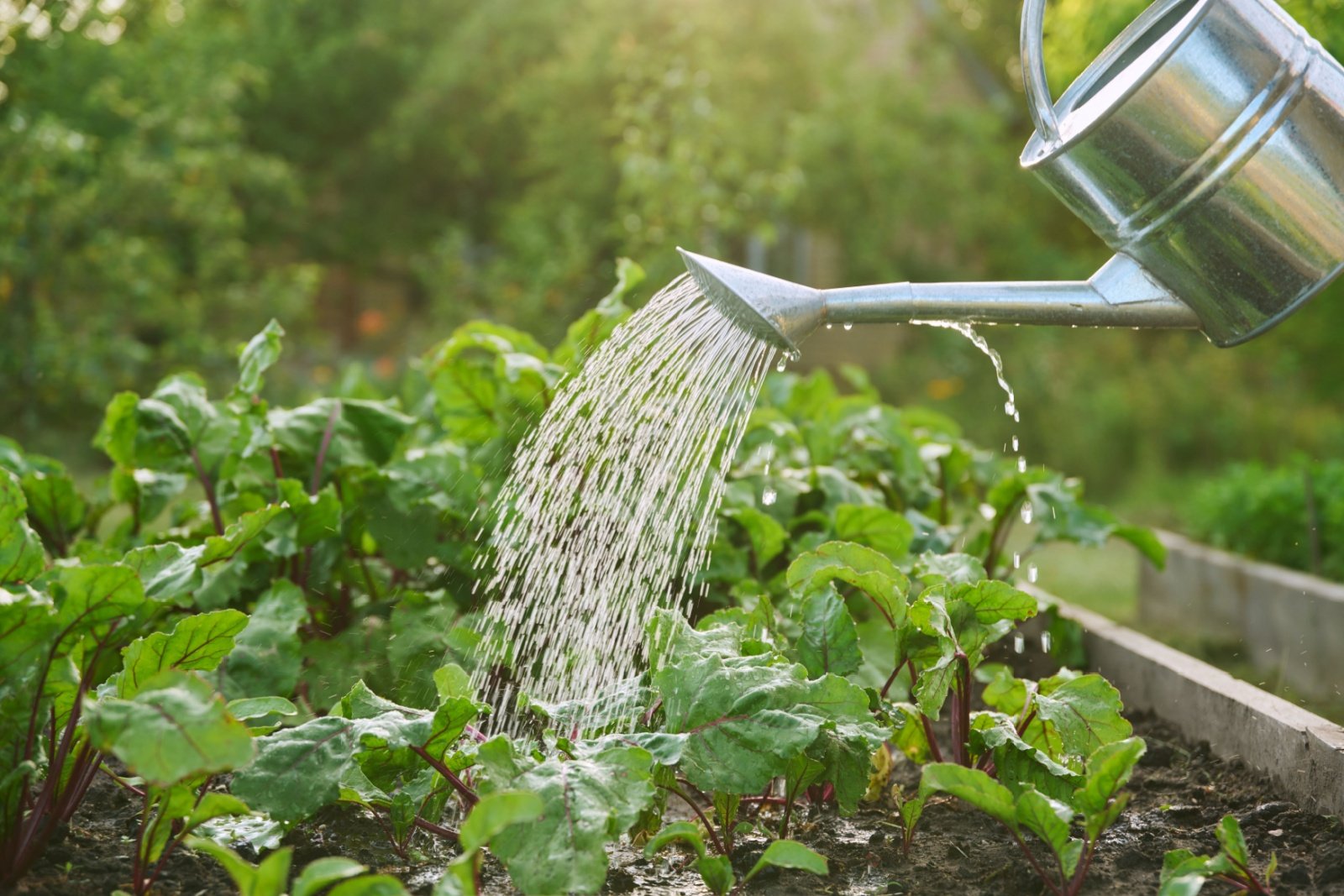
Once your plants are in the ground, consistent care and proactive defense are necessary to ensure a healthy and abundant harvest.
-
Using Proper Soil: Ensure your plants are rooted in rich, well-draining soil that has been previously amended with compost. Poor soil is the fastest way to stress plants, making them highly vulnerable to pests and disease.
-
Watering Crops Daily: Plants require reliable and consistent moisture, especially when they are young and actively setting fruit. Watering should be deep and thorough, targeting the base of the plant rather than spraying the leaves, where excess moisture can lead to fungal diseases.
-
Mulching Your Garden to Benefit Crops: Applying a layer of organic material (such as straw, wood chips, or shredded leaves) around your vegetables helps maintain a consistent soil temperature and significantly reduces water evaporation. Mulch also acts as a powerful barrier, preventing weeds from germinating and growing.
-
Keeping Your Garden Weed-Free: Weeds compete directly and aggressively with your vegetables for vital water, sunlight, and soil nutrients. Hand-pulling weeds regularly, especially when they are small and before they establish roots, is the most effective way to protect your developing crops.
Harvesting and Replanting Your Garden

Knowing precisely when and how to harvest your crops is the most rewarding step. Most vegetables have clear indicators, like size, color, or firmness, that signal they are ready to come out of the ground and go onto the grill. Harvesting “producer” vegetables, such as beans, squash, and peppers, actually encourages the plant to produce more fruit. This proactive practice prevents the plant from maturing its seeds and prematurely shutting down its production cycle.
Once a short-season crop (like lettuce or radishes) finishes producing, consider succession planting. This technique involves immediately replanting the same garden space with a new crop to maximize your garden’s output throughout the entire growing season. For instance, once spring spinach is harvested, you can prepare the soil and plant a warm-weather crop, such as bush beans, in its place. This continuous cycle ensures a steady supply of fresh vegetables from spring until fall.
Enjoying the Harvest: Your Final Steps

Growing a vegetable garden offers a tangible connection to nature, guarantees access to fresh, healthy food, and serves as an excellent way to practice patience and discipline. By following guidelines such as preparing rich soil, planting crops according to the weather, and maintaining consistent care, any beginner can achieve a successful harvest. Transforming a simple backyard into a productive source of food and valuable experience often inspires the next step in outdoor living: bringing the cooking area outside. After gathering a fresh harvest, using your homegrown ingredients for a meal cooked on the grill is the ideal finish. Explore modern solutions for your backyard cooking space, including dedicated outdoor kitchens, to take full advantage of your produce.